Road Bike Groupsets
L2 RX vs SRAM Red: Budget and Premium Road Groupsets Compared
A matched road bike comparison between a £300 mechanical groupset and a £3,000 wireless one, covering weight, shifting precision, braking, ergonomics, and running costs.
Introduction
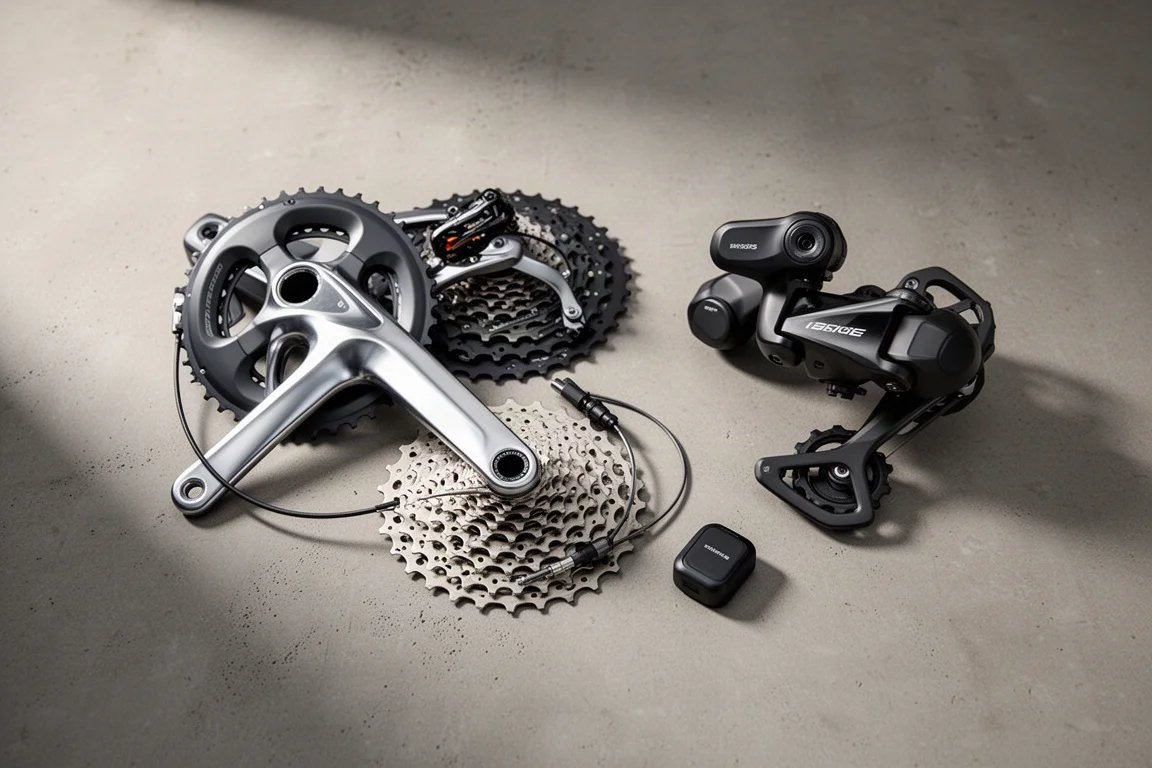
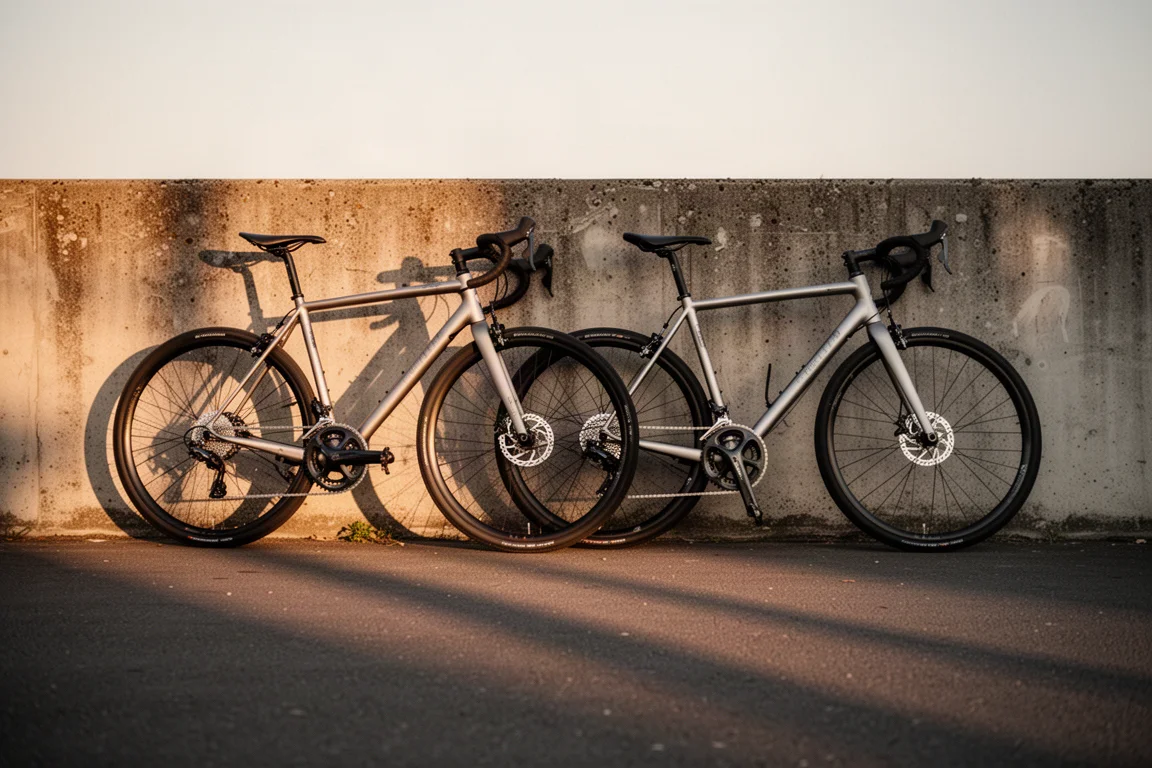
Two road bikes were built as close to identical as possible. Same bar width, same handlebar tape, same wheels, same saddle, same tires, same tubular setup, and the same magnetic bottle cages. The only intentional difference sits at the centre of the frame: one bike runs a complete groupset costing roughly £300, and the other runs SRAM Red, the most expensive groupset the brand makes, at around £3,000.
That setup removes most of the variables that normally muddy a groupset comparison. Frameset, wheels, and contact points are matched, so the drivetrain is the only thing left to judge. The question worth answering is simple: does ten times the money buy ten times the experience?
Why This Comparison Is Worth Making
Groupsets are usually evaluated in isolation, which makes it hard to separate the drivetrain from the bike around it. Matching everything else changes that. Weight, shifting precision, shifter ergonomics, braking feel, and long-term running costs all become directly comparable, and so does the more subjective question of how each setup feels to live with across a full season of riding.
There is also a practical angle. Groupset pricing spans an enormous range, and riders upgrading a bike often have to decide whether to spend at the very top of that range or somewhere closer to the middle.
L2 RX Carbon Road Groupset: What You Get
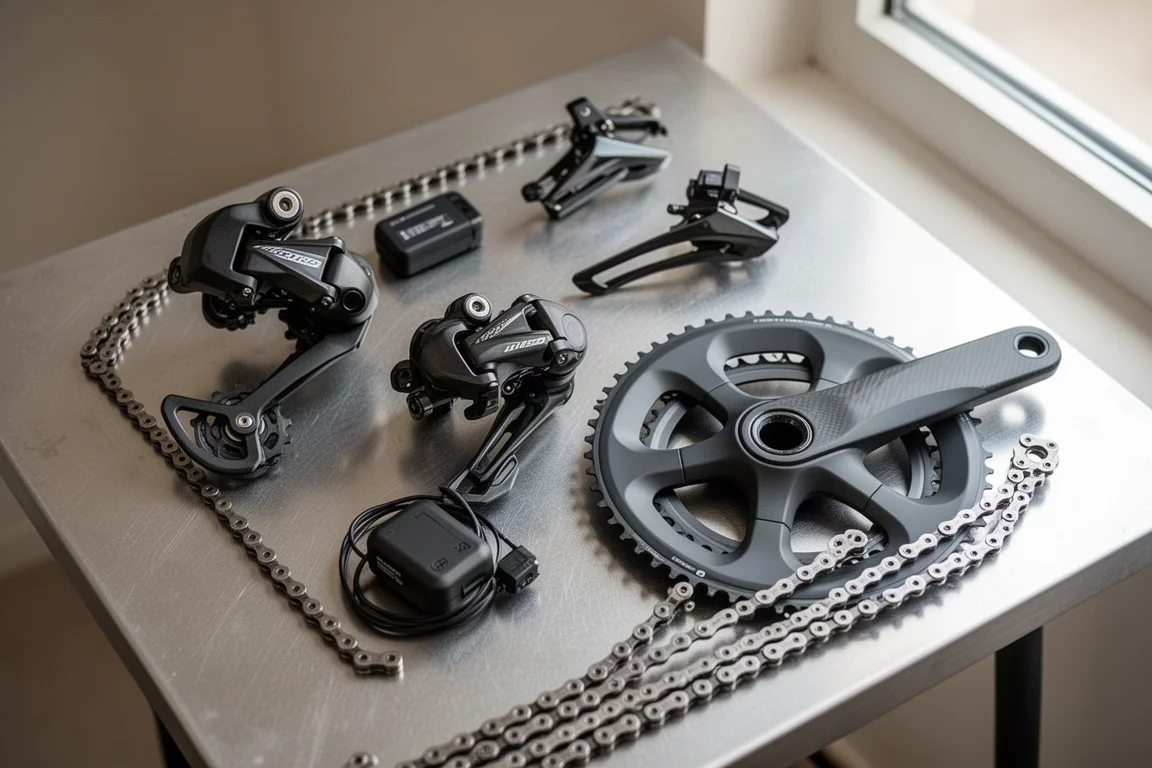
The budget build uses an L2 RX carbon road groupset with hydraulic brakes, mechanical shifting, and a 12-speed drivetrain. It was bought through AliExpress, and the supporting parts follow the same approach: a double crankset from an affordable brand, a 12-speed chain, and a very light 12-speed cassette.
On the road, the shifting is genuinely crisp when the setup is right. That point deserves emphasis, because mechanical drivetrains depend heavily on correct installation. A well-adjusted example shifts cleanly through the range, even with a lightweight cassette that has a reputation for occasional inconsistency.
The visual side is more mixed. Most of the L2 RX hardware looks the part, but the crankset finish is the weakest element of the build. For riders who care about how a bike looks as much as how it performs, that is the one component likely to prompt an upgrade.
SRAM Red Wireless Groupset: What You Get
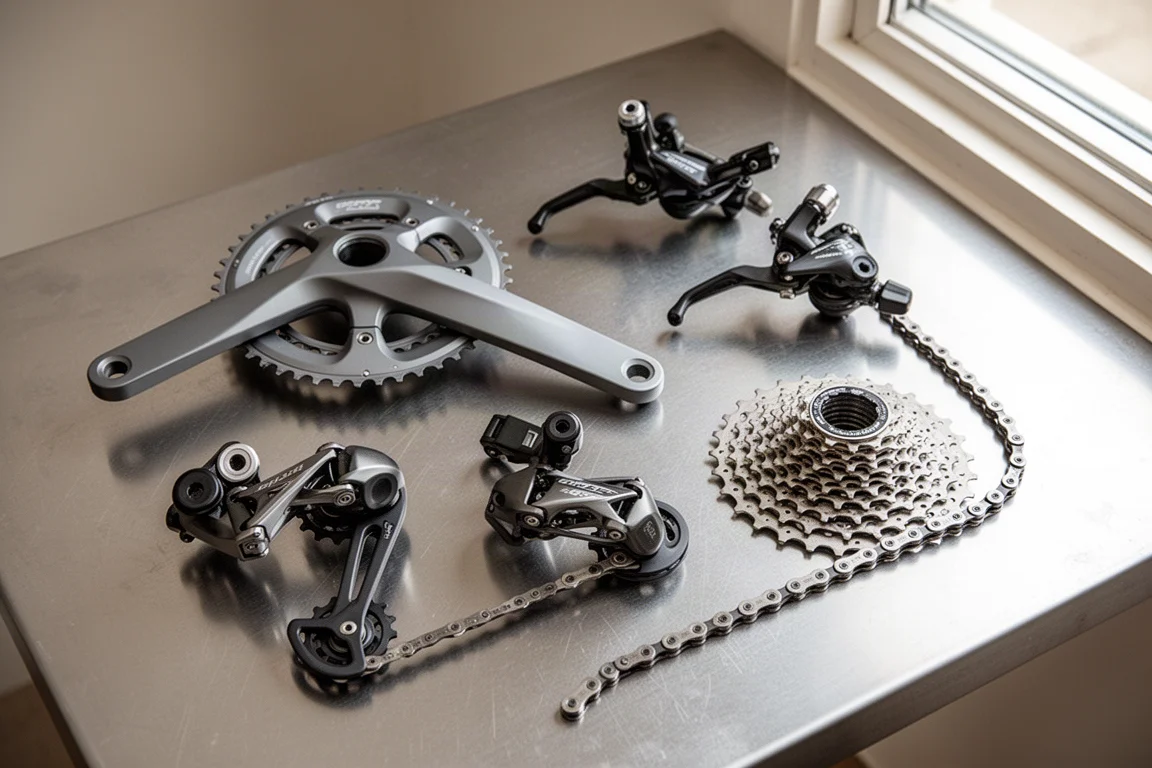
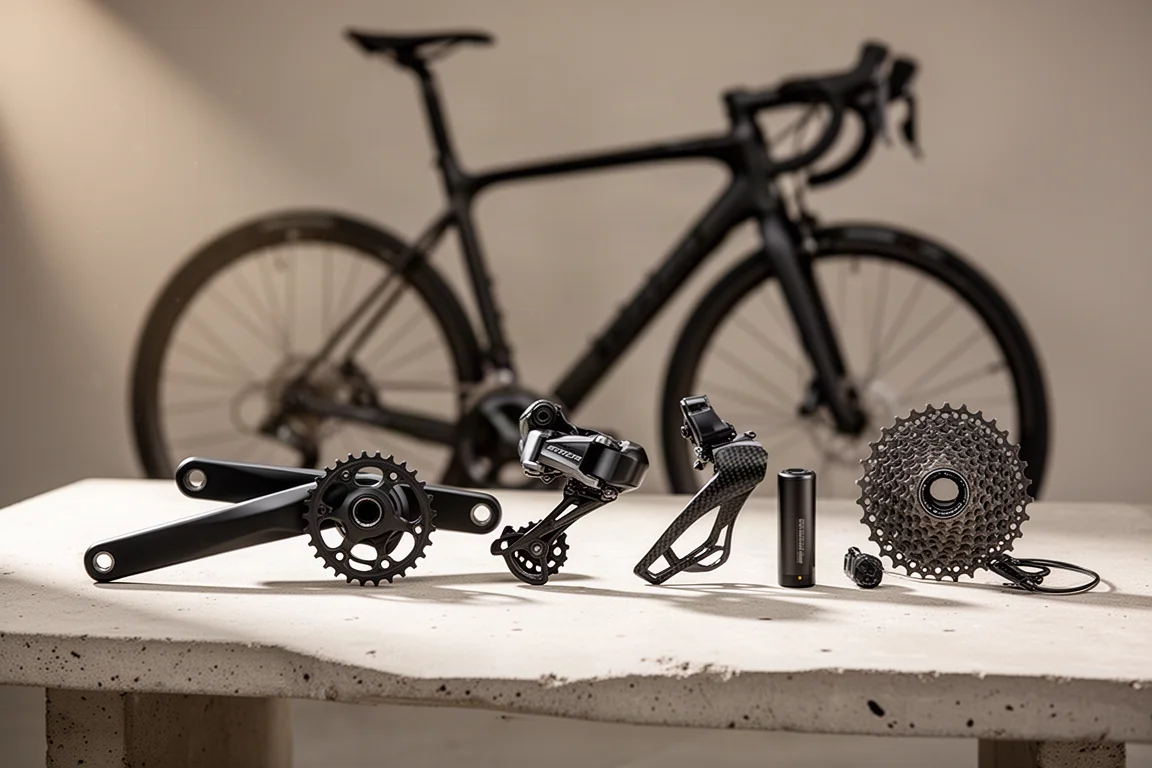
The premium build runs SRAM Red with hydraulic brakes and 12-speed wireless shifting. Each derailleur carries a small battery, which means there are no shift cables running through the frame. The system is configured through an app, which adds adjustment options and lets riders tune how the shifters behave.
Battery design is a practical detail rather than a marketing one. Because both derailleurs use the same battery format, a rider who runs one flat mid-ride can swap it with the other and still get home.
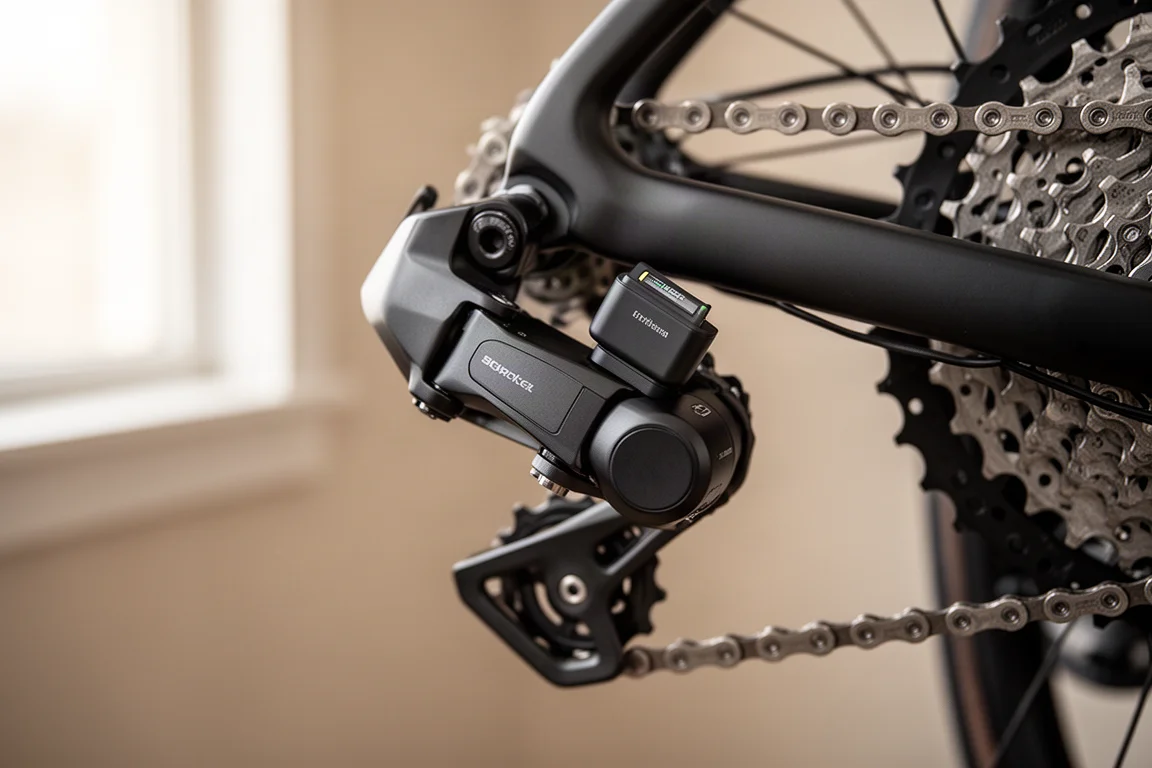
Shifting precision is where the price gap shows most clearly. Every button press produces exactly the expected result, and a single long press can move the chain through multiple gears at once. The shifter bodies are noticeably larger than the budget option, though, with a longer reach that some riders will find less comfortable in the hand. Within the brand’s hierarchy of Red, Force, and Rival, the Red shifters have not yet received the smaller body that the two tiers below now use.
Real-World Shifting and Braking
Mechanical drivetrains rely on cable tension, and that means periodic trimming. A cable pulls when the shifter is pressed, and the derailleur has to be kept in alignment. Any cabled groupset requires that upkeep, and it becomes obvious on a long climb where hands are busy and the chain starts rubbing.
Wireless electronic shifting removes that task entirely. The system knows which gear it is in, so the front derailleur trims itself and the chain stays quiet without intervention.
Braking is the surprise of the comparison. Between these two hydraulic setups, there is no meaningful difference in braking performance. Stopping power is effectively identical.
Weight, Setup, and Living With Each Groupset
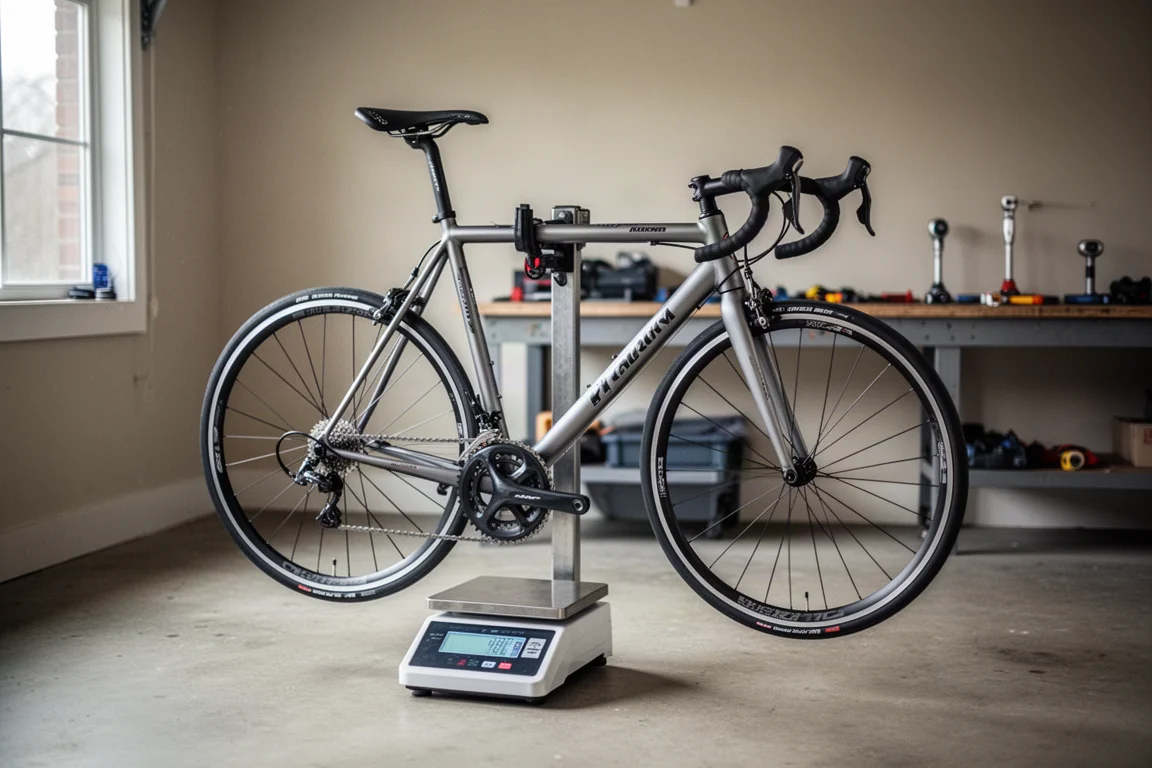
Both bikes were weighed fully built, with sealant and everything else in place. The SRAM Red build came in marginally over 7 kg without pedals. The bike with the £300 groupset weighed 7.42 kg. That is roughly a 400 g gap across two complete bikes.
The bigger day-to-day difference is convenience. Electronic shifting is a luxury rather than a necessity, but pressing a button is dramatically easier than working a mechanical lever when hands are cold. On winter rides, when fingers lose feeling, that distinction stops being abstract.
Wireless shifting is also the part of a premium groupset that draws attention. When both bikes were carried on a roof rack, passers-by stopped to look at the SRAM Red build far more often than at the budget one.
Running Costs and Replacement Parts
Consumables favour the cheaper groupset by a wide margin. A replacement 12-speed chain for the budget build costs around £20, while the equivalent chain for the premium build runs £50 to £60. Cassettes and chainrings follow the same pattern.
There is one caveat. The lightweight cassette on the budget build wears out quickly. Switching to a more durable cassette would add a little weight without changing the character of the bike, and the build would still come in very light. That is a sensible trade for riders who cover serious mileage.
Overall Buying Advice
Both setups are genuinely fun and genuinely fast. The gap in price, however, is around £2,700, and the gap in experience is nowhere near that size. Performance is close, braking is identical, and the weight difference is modest. What the premium groupset adds is precision, wireless convenience, app-based tuning, and a certain polish that riders notice.
If the difference were a few hundred pounds, the decision would be straightforward. At the real price, it comes down to what a rider values. Electronic shifting is easy to get used to and it works without fail, but mechanical shifting remains entirely capable, and a well-set-up example is a pleasure to ride.

The most useful conclusion concerns upgrade order. Groupsets sit at the end of the list, after frameset, wheels, and contact points. Both of these bikes felt remarkably similar to ride, and the difference that stood out most was at the contact points, in the shape and feel of the shifters. Choosing a shifter that suits your hands matters more than choosing the most expensive drivetrain. For many riders, something in the middle of the price range will be the most satisfying answer.
Conclusion
A £300 groupset and a £3,000 groupset can both deliver a fast, enjoyable road bike. The premium option is more precise, more convenient, and more refined, while the budget option shifts well when set up properly and costs far less to keep running. The decision rests on how much value you place on convenience rather than on raw performance.
Further reading
Related Reviews
Road Bike Groupsets
Campagnolo Record 13 and Super Record 13 Review: Wireless 13-Speed, Two Ways
Campagnolo's new wireless 13-speed groupsets answer the criticism of the previous generation. Here is how Record 13 and Super Record 13 differ, and which one suits your riding.
Road Bike Groupsets
Campagnolo Record 13 vs Super Record 13: Which 13-Speed Wireless Groupset Is Worth It?
A practical look at Campagnolo's new 13-speed wireless groupsets, what separates Record 13 from Super Record 13, and which one suits your build.
Road Bike Groupsets
Campagnolo Super Record 13 Review: Wireless 2x13 With the Thumb Shifter Back
Campagnolo's first 2x13-speed wireless groupset brings back the thumb shifter, adds a wider gear range, and lands at a price that finally lines up with Shimano and SRAM.