Immersive Audio
L-Acoustics L-ISA Review: Immersive Object-Based Mixing for Live Sound
L-ISA decorrelates signals in real time and places up to 64 objects inside a described space. Here is what changes in practice and what to weigh before buying.
Introduction
Anyone who mixes live sound knows the pattern. Send the same correlated signal to two speakers and the room starts to fight back: mono build-up down the centre, power alley where the two sources collide, and comb filtering that colours everything in between. The traditional workaround is manual decorrelation. Double-mic a guitar with a ribbon and a dynamic microphone, place them at different distances, EQ them until they match, then pan one hard left and one hard right. Do the same with a bass DI and a bass mic, or an inside kick microphone and an outside kick microphone, or a snare top and a snare bottom.
It works, up to a point. It also pulls the instrument apart and invents a stereo picture that was never on stage.
L-ISA approaches the same problem from the processing side, decorrelating signals in real time inside an object-based mixing environment.
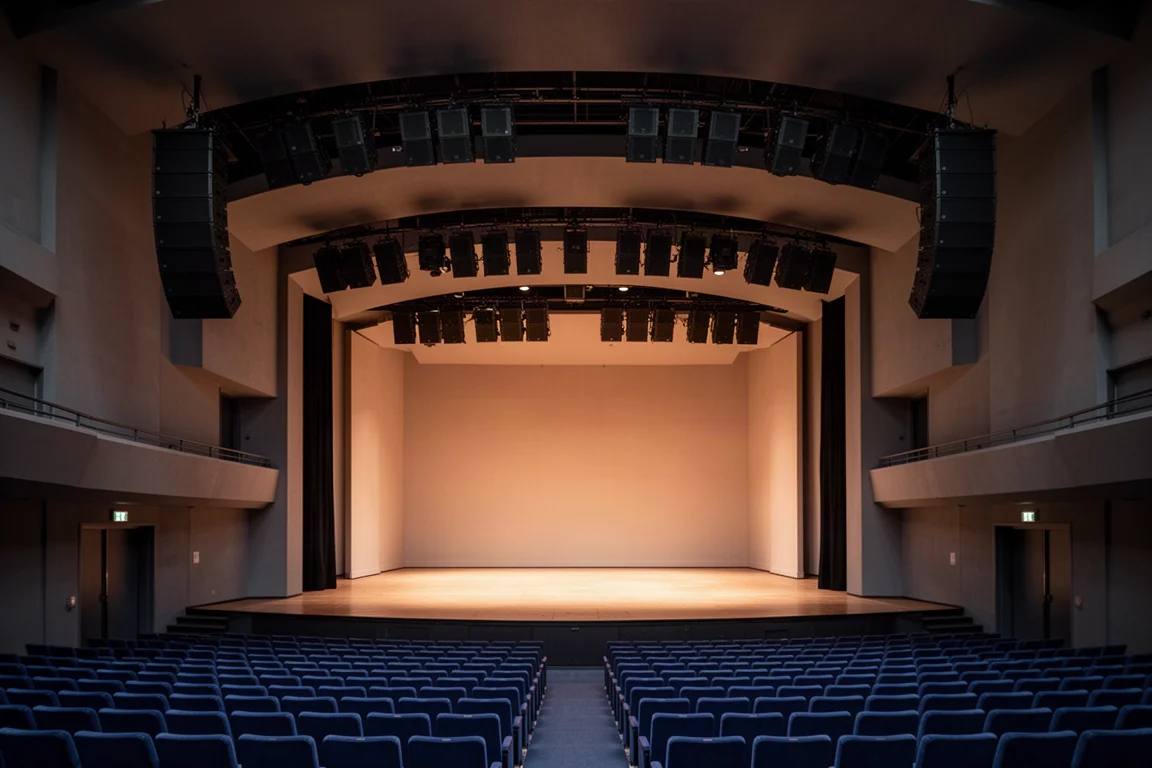
This review looks at what that changes in practice, who the system suits, and what is worth weighing before committing to it.
Who This Product Is For
L-ISA is aimed at live sound engineers, system designers, and venues that want an immersive presentation rather than a conventional left-right mix.
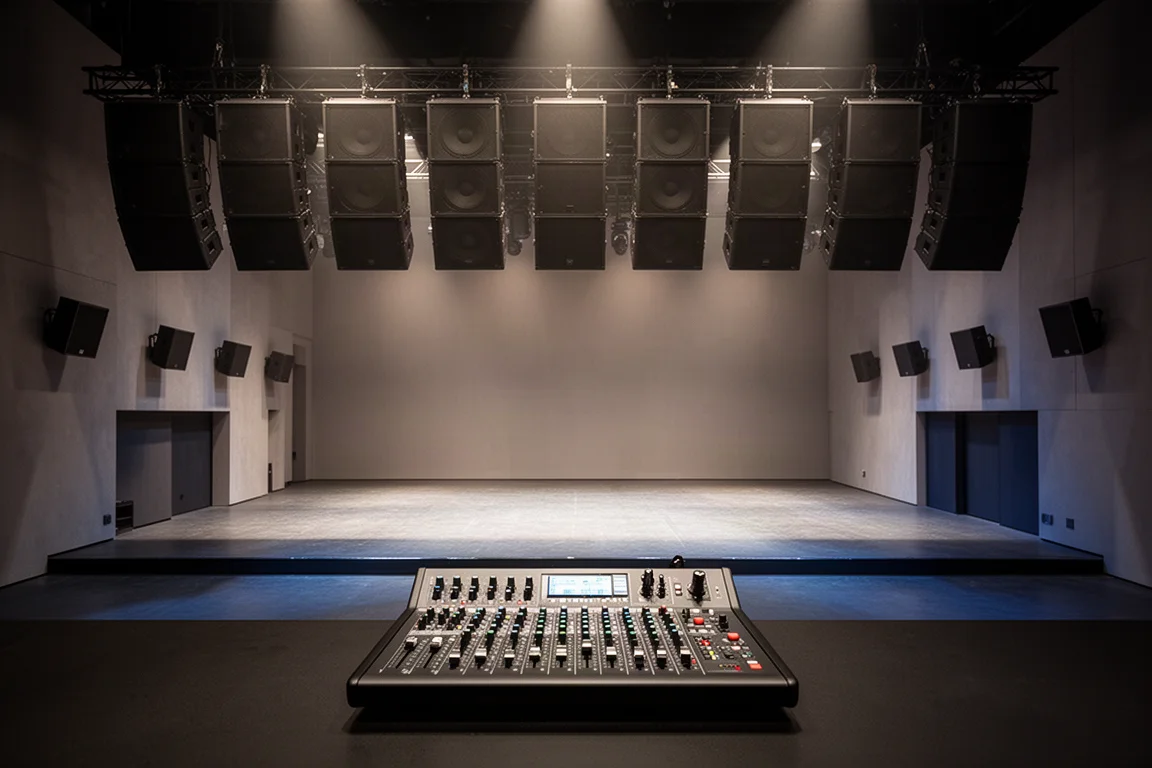
The workflow is the clearest signal of who it is for. Instead of a console feeding left, right, and maybe a sub, you feed objects. A guitar is an object. A keyboard is an object. A snare drum is an object. The system accepts up to 64 of them, and you describe your space to it: the dimensions, the details, and the speaker deployment you are using.
From there, mixing stops being a pan-pot exercise. You place objects where you want them to sit in the room rather than turning a pan control and hoping the room cooperates.
That makes L-ISA most relevant to engineers working in spaces where the loudspeaker layout is known and can be described accurately, and to productions that want positional detail instead of a wide stereo wash.
Main Strengths
Real-Time Decorrelation Without the Manual Work
The core appeal is that decorrelation happens inside the system rather than in microphone technique. A single source goes in, and what reaches the speakers is decorrelated.
The practical result is that the interaction artifacts largely disappear. Where a correlated signal sent evenly to two speakers produces an audible jet-engine effect as the two combine, the decorrelated version does not. The difference between the same signal reaching left and right and an L-ISA decorrelated version is prominent, and it arrives without the mic-swapping, distance-tweaking and matching-EQ routine that the manual approach demands.
It is worth being precise about where the limits sit. Feeding two entirely separate noise generators to two speakers is more decorrelated still. The value here is that the system gets a long way toward that result from a single source, and it does so in real time.
Object-Based Placement Instead of Panning
Placing objects rather than panning channels changes how a mix is built. You describe the room and the speaker deployment, then position each object within that space. The mix becomes a map of where things are rather than a record of how far left or right they sit.
A Center Image That Holds Up Off Axis
This is the part that is hardest to appreciate until you hear it. Standing well off axis, centre-panned content still reads as coming from the centre, and it stays clearly audible from that position. With a correlated signal, the same content tends to collapse toward whichever speaker is nearest. With a fully decorrelated source, it can seem to come from everywhere at once.
L-ISA lands between those two behaviours. Centre-panned material seems to come from directly in front of you, left-panned material from your left, and right-panned material from your right, even when you are standing close to the speakers at the side of the room. Because listeners expect sound to come from what they can see on stage, that consistency is the whole point.
Things to Consider Before Buying
A Different Way of Working
Object-based mixing is not a drop-in replacement for a stereo workflow. If your console feeds left and right and your process is built around pan pots, L-ISA asks you to restructure how sources are sent and how positions are decided.
That is a real change in day-to-day practice, not a setting you switch on.
You Still Have to Define the Room
The system depends on the information you give it: the dimensions of the space, its details, and the speaker deployment in use. Accurate venue data and a well-planned loudspeaker layout are part of getting a good result. L-ISA shapes what reaches the room; it does not repair a deployment that was wrong to begin with.
The Trade-Off Between Realism and Width
Manual decorrelation solves power alley at the cost of a false stereo image. A snare drum flying past the listener may be entertaining, but it no longer sounds like the record or like the stage. L-ISA is designed to sit in the middle of that trade-off rather than at either extreme, which means the amount of artificial width in a mix remains a deliberate decision rather than an automatic one.
Buying Advice
L-ISA makes the most sense when three things line up: a venue with a loudspeaker deployment you can describe, a workflow that can feed objects rather than a stereo bus, and a production that genuinely benefits from positional placement.
If your current setup is a straightforward left-right system and the room already behaves well, the case is weaker. If you are regularly fighting mono build-up and comb filtering, or you want listeners anywhere in the room to hear a stable centre image, the object-based approach addresses the cause rather than the symptom.
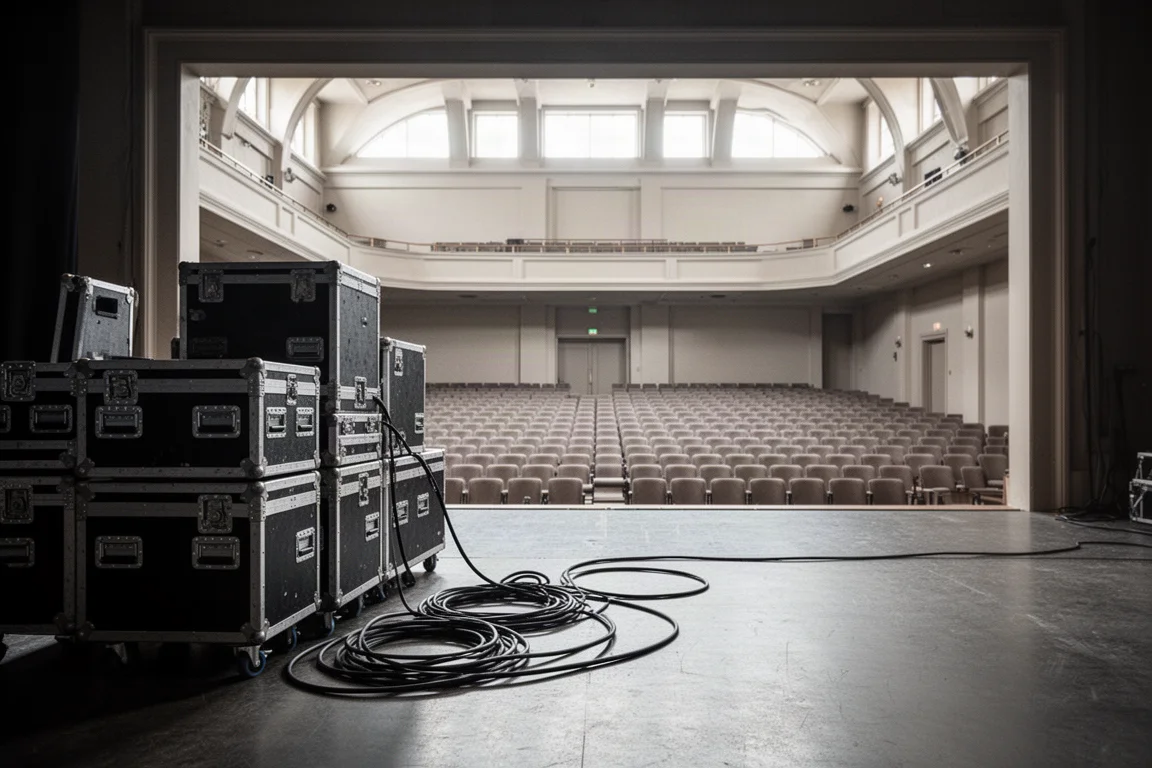
It is also worth treating the room description as real work rather than paperwork. The quality of the spatial result depends on how accurately the space and the deployment are represented, so allow time for that before the first show rather than during it.
Finally, think about the mixing team as much as the hardware. A system that asks engineers to place objects instead of panning channels rewards people who are willing to rebuild their habits, and it will feel slower before it feels better.
Conclusion
L-ISA is best understood as a solution to a specific, well-known problem. Correlated signals sent to multiple speakers create mono build-up, power alley and comb filtering, and the usual fix involves deliberately breaking instruments apart with microphone choice, distance and EQ. That approach works, but it trades one problem for another by manufacturing a stereo image that does not match the stage.
L-ISA takes the decorrelation into the processing itself, in real time, and pairs it with an object-based workflow that supports up to 64 objects placed inside a described space. The result that stands out most is positional consistency: centre, left and right placements continue to read correctly even when you are standing off to the side of the room, close to the speakers.
The caveats are equally clear. It is a different way of working, it depends on accurate venue and deployment information, and it does not replace good system design. For engineers and venues already wrestling with these acoustic problems, that trade looks like a reasonable one.
Product link
View more details for L-Acoustics L-ISA
This product is mentioned in the review. Check the specifications, options, and compatibility before buying.
View more details for L-Acoustics L-ISAFurther reading
Related Reviews
Dolby Atmos Music
Best Dolby Atmos Albums to Test Your Immersive Audio Setup
Five well-mixed Dolby Atmos albums that show what immersive music can do, plus what to check before you pick a streaming plan.
Audio Equipment
Clean Audio From Stage to PA: Four Radial Devices That Fix Unbalanced Connections
Why a passive XLR adapter introduces noise, and how four Radial devices deliver a properly balanced, protected connection from laptops, phones, and DJ mixers to a PA.
Home Theater Audio
Dolby Surround vs DTS Neural:X vs Auro-Matic: Comparing 5.1 Music Upmixing
A practical comparison of Dolby Surround Upmixer, DTS Neural:X and Auro-3D Auro-Matic on a lossless 5.1 music mix, with the strengths and trade-offs of each.