In-Ear Monitors
KZ ZEX Pro and KZ ZS10 Pro: Two Budget In-Ear Monitors Compared
A practical look at two affordable wired in-ear monitors from KZ: the triple-driver ZEX Pro at around $35 and the smoother-fitting ZS10 Pro at around $50.
Introduction
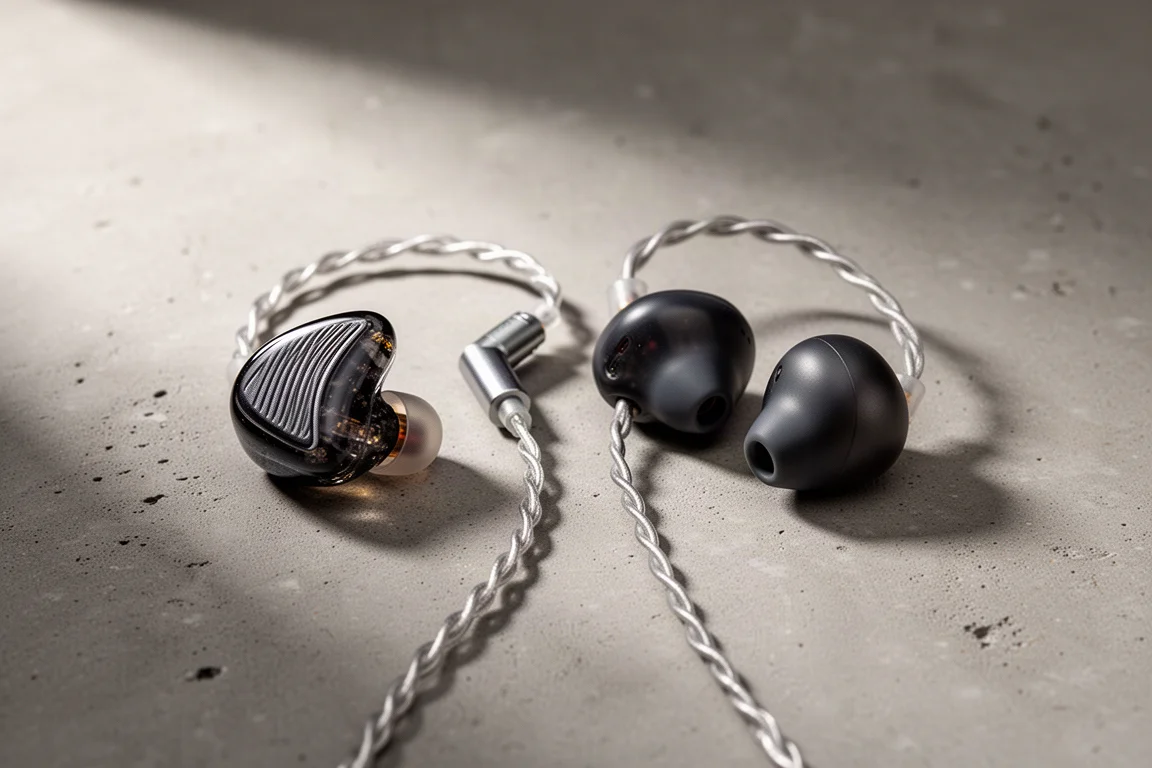
KZ has built a following by packing unusual driver configurations into very affordable in-ear monitors, and the two models here are good examples of that approach. The KZ ZEX Pro sells for around $35 and uses three drivers. The KZ ZS10 Pro sits a little higher at around $50. Both are wired, both are aimed at listeners who want a lot of sound quality for a small outlay, and both differ in ways that matter more than the price gap suggests.
What These Two In-Ear Monitors Have in Common
Neither model relies on a single dynamic driver. Both mix driver types to cover the frequency range, and both are tuned with extra energy in the upper midrange and treble rather than a flat, studio-neutral response. KZ publishes frequency response graphs for these models, which makes it easier to understand the tuning before you buy.

The shared character is lively and energetic. The ZEX Pro in particular places vocals slightly back in the mix while keeping them clear, so voices sit a little lower than the instruments around them and gain presence as they move into higher notes. That is a deliberate tuning choice rather than a flaw, and it is the kind of presentation many listeners find engaging for long sessions.
KZ ZEX Pro: Sound Quality
This is the model that stands out. It combines a balanced armature for high frequencies, a 6.8mm magnetostatic driver and a 10mm dynamic driver, and the result is a U-shaped tuning with full, present bass. Kick drums and bass guitars carry weight, and the low end stays quick and tight with a touch of warmth rather than bloat.
The midrange steps back slightly, which keeps the focus on the extremes. Clarity at the top end is excellent, micro-detail retrieval is strong for the price, and the soundstage is wide. There is a lift in the response around 2.2 to 2.3kHz, which sits north of the region that some listeners find fatiguing. Nothing about the way these sound is a compromise at this price.
KZ ZEX Pro: Fit, Build, and Everyday Use
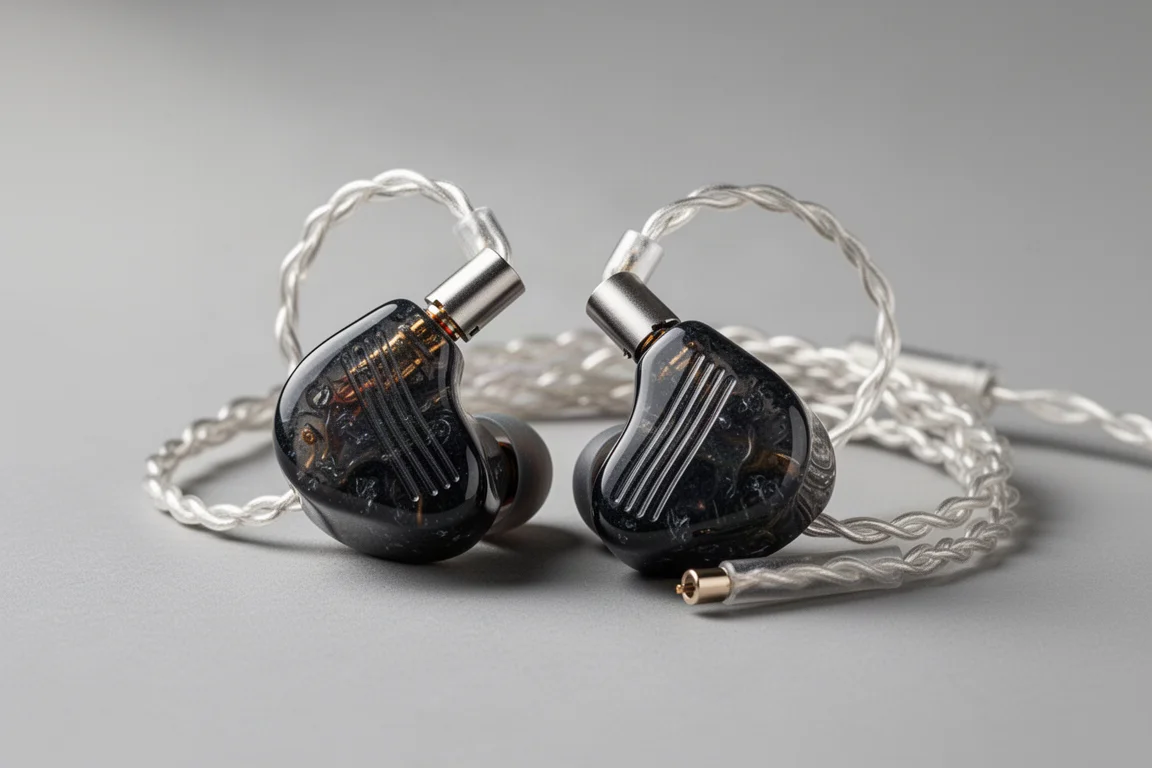
Fit is the one area to think about carefully. The housing has a pronounced bump and the sections feel press-fit together, and the edges where they meet can catch against the inside of the ear. That can make longer listening sessions uncomfortable, and it may mean reseating the monitors periodically or gently smoothing the edge of the shell.
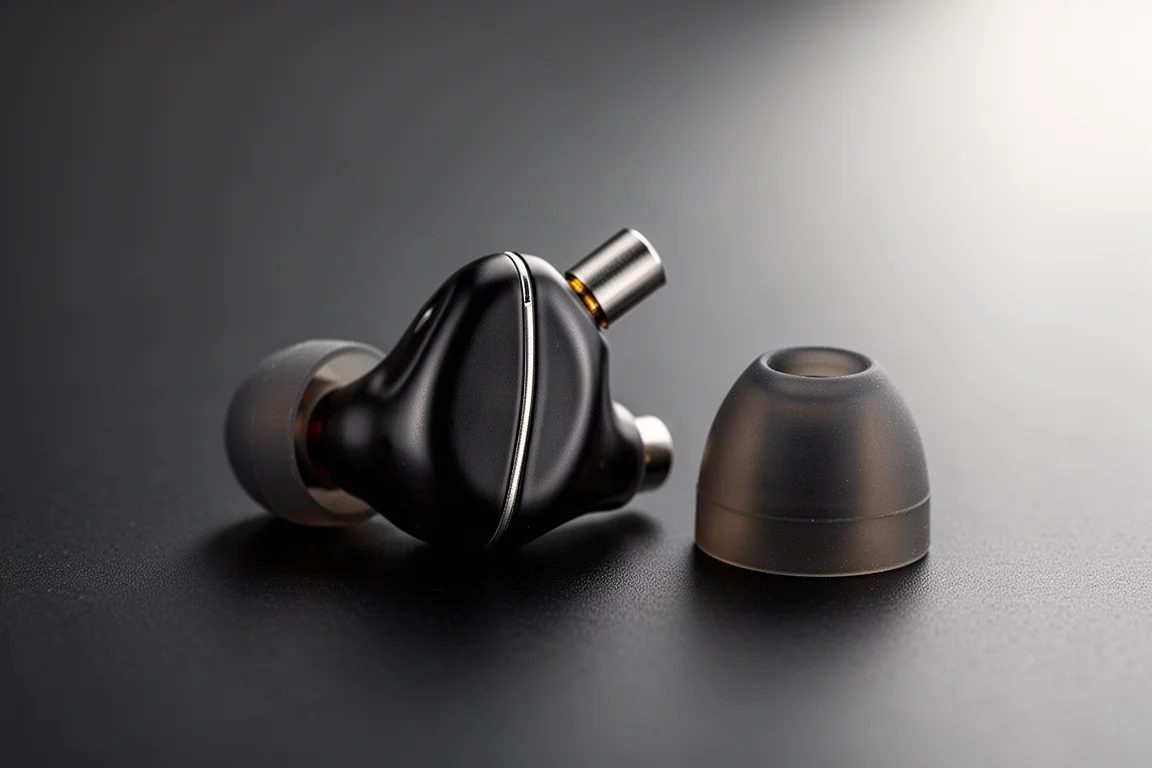
The nozzles also sit fairly deep, so a shallower insertion often feels better after an hour or two. None of this changes the sound, and for many listeners the trade-off is worth it at this price. It is simply worth knowing before you order.
KZ ZS10 Pro: Sound Quality
The ZS10 Pro costs around $50 and is frequently discounted further. It sounds good and delivers a similar level of detail, but its tuning is brighter, with more energy in the upper frequencies. Next to the ZEX Pro, the top end runs a little hotter and cymbals sound slightly less natural.
Bass and overall clarity remain solid, so the difference between the two is one of character rather than capability. If you prefer a more forward, energetic top end, the ZS10 Pro has its own appeal.
KZ ZS10 Pro: Fit, Build, and Everyday Use
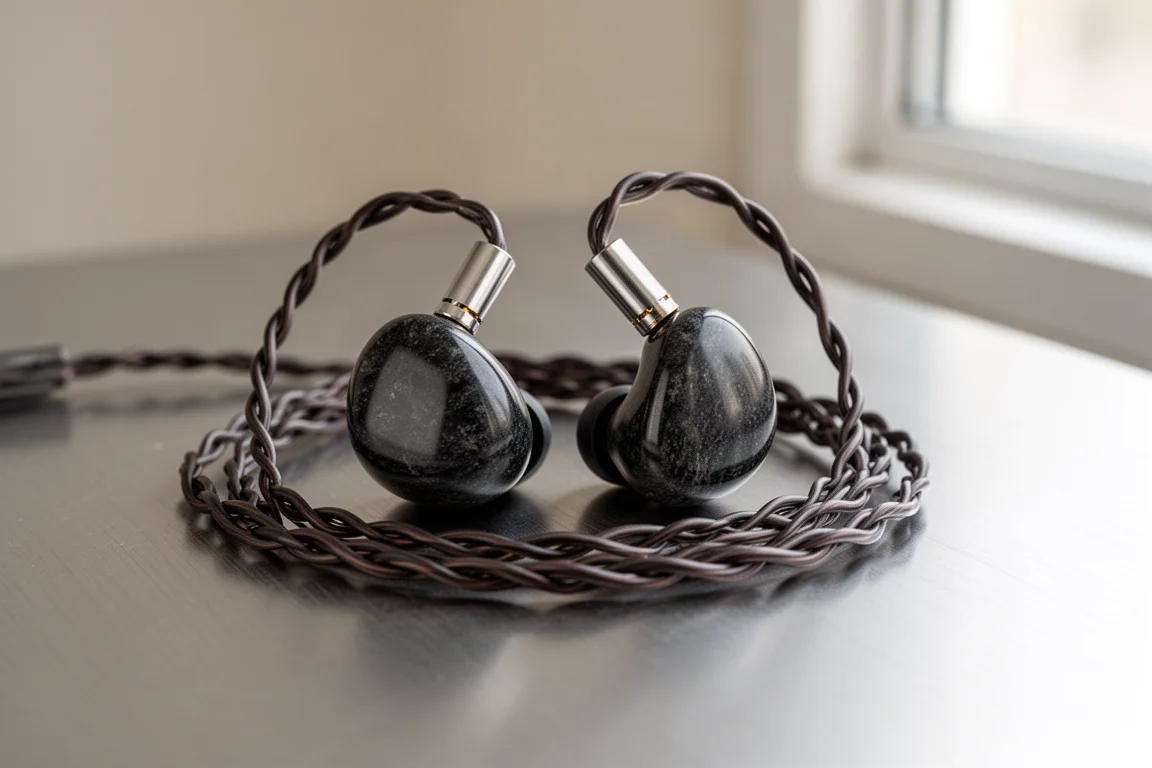
Here the ZS10 Pro pulls ahead. Its housing is smoother and lacks the pronounced bump of the ZEX Pro, which makes it easier to wear for long stretches and far less likely to irritate the ear. Its stock cable is a step below the flat cable that suits the ZEX Pro, so it is a reasonable candidate for an inexpensive cable upgrade.
Fit is personal, and ear shape varies a great deal between listeners. If you already know that deeper, angled housings bother you, the smoother shell of the ZS10 Pro is the safer starting point.
Cables, Ear Tips, and Small Upgrades
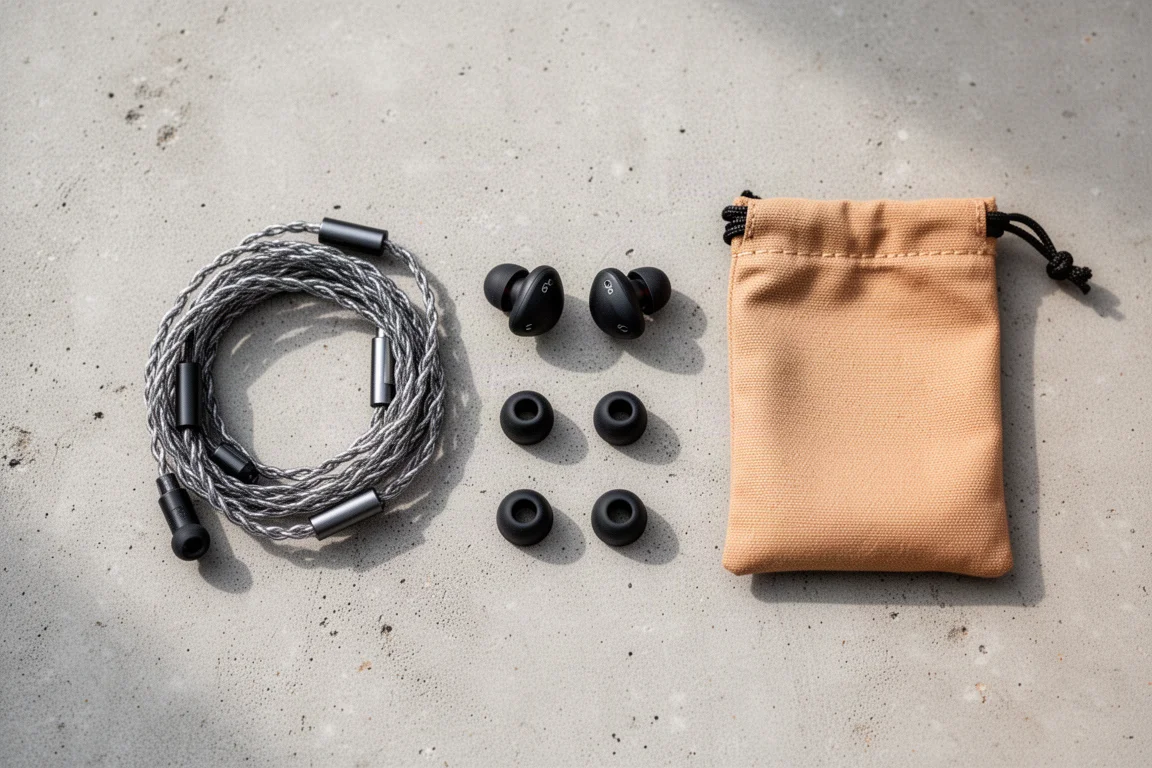
With KZ in-ear monitors in general, the cable and ear tips are the two things most worth changing. A better cable improves the day-to-day feel, and a set of tips that seals properly does more for sound than almost any other small purchase. Neither model ships with a case, so a cheap carry pouch is a sensible addition if you plan to take them out of the house.
KZ clearly puts its budget into the drivers rather than the packaging. For buyers who care about sound first, that is a fair trade rather than a shortcoming.
Buying Advice: Choosing Between the Two
If sound quality is the priority and you are willing to work around the fit, the ZEX Pro is the stronger of the two at around $35. It offers better top-end detail, a wider soundstage and more convincing timbre than the ZS10 Pro, and it competes well beyond its price bracket.
If comfort over long sessions matters more, the ZS10 Pro is easier to live with at around $50, with a smoother housing and a straightforward fit, even though its tuning is brighter and slightly less refined at the top. Whichever you choose, budget a little extra for ear tips and a case, and give yourself a few days to settle on the right insertion depth.
Conclusion
Both models deliver a great deal for their price. The KZ ZEX Pro is the one that stands out for sound, with detail and staging that belie its cost. The KZ ZS10 Pro is the more comfortable everyday option and still sounds good in its own right. Match the choice to your ears and your budget, and either will serve you well.
Further reading
Related Reviews
In-Ear Monitors
7Hz Salnotes Dioko Review: Planar Magnetic Clarity at $99
A close look at the 7Hz Salnotes Dioko, a $99 planar magnetic in-ear monitor with strong midrange clarity, a wide soundstage, and a bright treble tuning that rewards equalization.
In-Ear Monitors
7Hz Timeless Review: A Planar IEM With Uncommon Presence
A planar in-ear monitor with a boosted low end, standout percussion and tonality, and a few traits worth weighing carefully before you buy.
In-Ear Monitors
BLON JoJo Review: A Punchy Budget IEM That Keeps Its Composure
The BLON JoJo pairs a 10 mm dynamic driver with a lively, clean tuning that holds together on dense, layered tracks. Here is what to know before buying.