In-Ear Monitors
7Hz Timeless Review: A Planar IEM With Uncommon Presence
A planar in-ear monitor with a boosted low end, standout percussion and tonality, and a few traits worth weighing carefully before you buy.
Introduction
The 7Hz Timeless is a planar magnetic in-ear monitor that sells for around $220, and it does something rare at any price: it makes familiar recordings feel like new events. Its tuning is not neutral and it is not subtle. It leans on a boosted low end, an unusually open sense of space, and a level of realism that draws the listener into the music instead of letting it sit politely in the background.
That combination is the whole story. The Timeless stands out for its personality rather than for ticking boxes on a specification sheet, and the trick to deciding whether it belongs in your collection is understanding where that personality helps and where it interferes.
Who this product is for
This is an in-ear monitor for listeners who want weight, dynamics, and a sense of occasion from their music. It rewards anyone who cares about percussion, about the texture of an electric guitar as it decays, or about hearing a room rather than a recording. It also suits listeners who enjoy a fuller low end and are happy to trade strict accuracy for engagement.
It is a harder recommendation for anyone who wants a neutral reference, who listens primarily for a flat frequency response, or who is sensitive to sibilance. Those listeners will still find plenty to admire, but they will also find traits that work against them.
The Timeless also sits apart from other planar designs in its bracket. Where a model like the Tin HiFi P1 chases extreme clarity and asks for a lot of power in return, the Timeless goes after weight, space, and a more immersive balance. That difference is why it provokes strong reactions in both directions, and it is worth knowing which side of that line you sit on before ordering.
What comes in the box
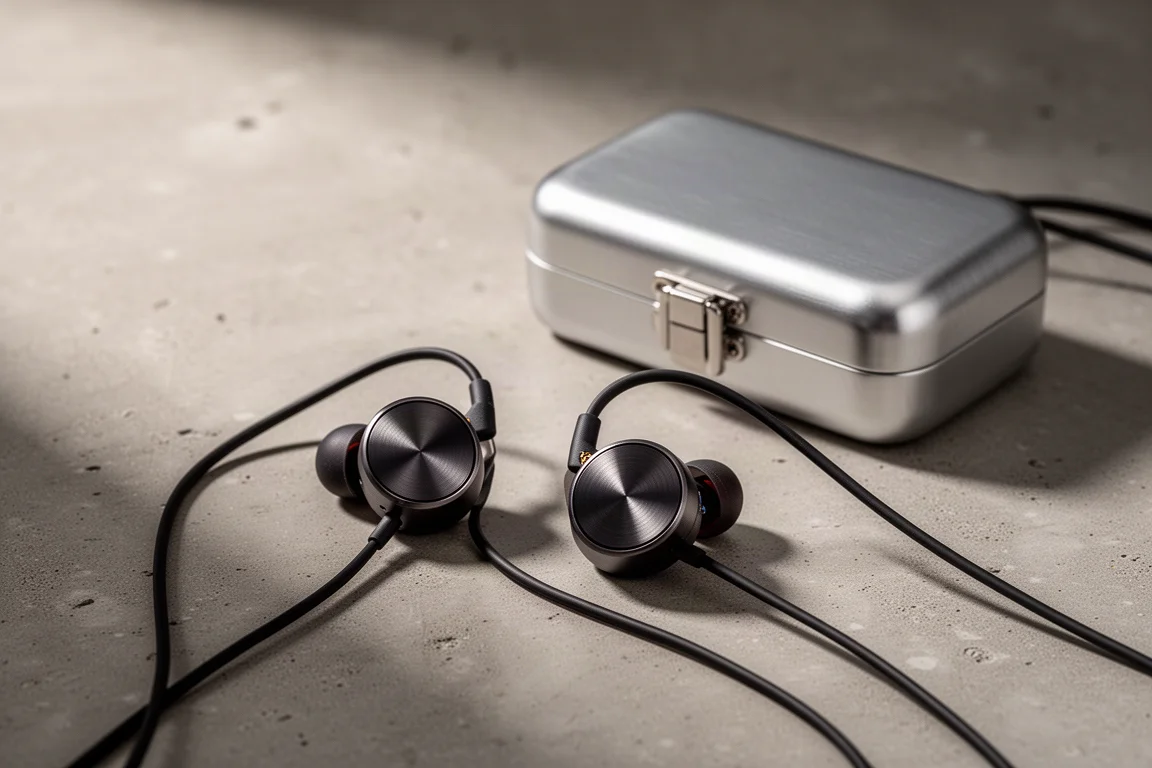
The packaging is unusually good for the category. The earphones arrive in a brushed silver metal carry case with a magnetic closure, a nicer solution than the soft pouches that usually accompany in-ears at this price. The case has a distinctive look, somewhere between industrial hardware and a piece of superhero equipment, and it feels substantial enough to protect the earphones loose in a bag.
The included ear tips are the other highlight. The set is generous, all silicone, and includes translucent tips shaped like foam but actually made from silicone. Those are the tips most owners will settle on, and the fit they provide is one of the reasons the low end behaves as well as it does. A set of small metal inserts is included as well.
Main strengths
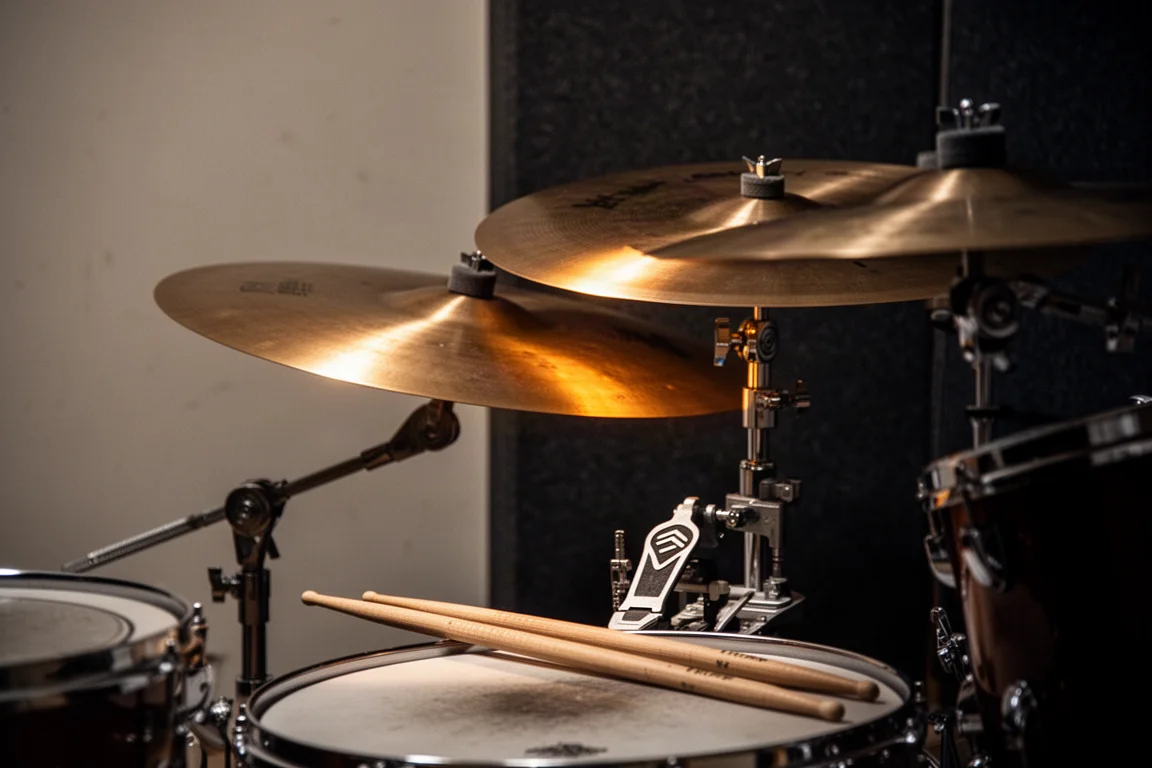
Percussion is where the Timeless makes its strongest argument. Cymbals, hi-hats, and snare work come across with a level of tone and decay that is difficult to find elsewhere, and a drummer opening a hi-hat into slow sixteenth notes sounds genuinely convincing. Across a wide range of material, percussion is simply effortless.
Tonality is the other headline. The mid-range stays clear and present even when the low end is pushing hard, which is unusual. Most earphones that boost bass this heavily end up veiling the mids, and the Timeless does not. Electric guitar fades carry real texture, and vocal-heavy passages hold together without strain.
The clarity extends to busy, layered recordings. Individual instruments stay separable rather than smearing into each other, and detail that usually hides behind a mix becomes easy to follow. Crucially, that detail does not arrive as brightness. It arrives as information.
Dynamics, staging, and realism
Dynamics are a genuine strength. On tracks that build from a quiet organ figure into a full-band entrance, the Timeless tracks the shift in scale with real authority, and the result feels dramatic rather than compressed. The stage is wide as well. Sounds arrive from clearly different directions instead of clustering inside the head, which gives the presentation an out-of-head quality that is rare in an in-ear.
Realism is the part that is hardest to describe and hardest to ignore. Small incidental sounds buried in familiar recordings, such as a musician bumping a microphone stand, arrive with enough physical accuracy that the brain reinterprets the moment entirely. That effect is what gives the Timeless its emotional pull. It does not simply replay music well. It makes the music feel present.
Bass, sibilance, and fatigue
Three traits deserve a clear warning before purchase.
The first is a boost across the middle to upper bass. On some recordings a floor tom or a kick drum lands noticeably thicker than the rest of the mix, and on the wrong track the low end can sound hollow, as though the sound is enclosed in a plastic box. Bass-heavy material can turn boomy. The compensation is that the low end is also visceral and powerful, and on most music it adds weight rather than distraction.
The second is sibilance. Certain vocal passages produce a sharpness on the s and sh sounds that is audible and, on a few tracks, persistent. It is not constant, but it is the single trait most likely to end the conversation for listeners who are sensitive to it.
The third is intensity. The Timeless is not fatiguing because of aggressive treble. It is fatiguing because it is so involving. The presentation pulls the listener forward and then hits hard, and across a long session that can become genuinely tiring, in the way a loud cinema sequence is tiring after a quiet dialogue scene.
Things to consider before buying
The frequency response is not balanced, and anyone shopping for a neutral monitor should look elsewhere. The low-end boost is a matter of taste rather than a defect, but it is significant enough that it shapes every recording you play through it.
Sibilance is the more concrete concern. It appears only on some material, but when it appears it is obvious, and no source change will remove it. Listeners who already know they are sensitive to sharp vocal consonants should weigh that carefully.
Finally, the Timeless works best as one of several earphones rather than as the only one. Its intensity is both the reason to own it and the reason a listener may occasionally want a break from it.
Buying advice
At around $220, the Timeless earns its price through character rather than neutrality. If the description above sounds appealing, meaning you want weight, space, dynamics, and a presentation that makes you sit up, this is an easy recommendation. If what you need is a flat, reference-style monitor for critical listening, it is not the right purchase.
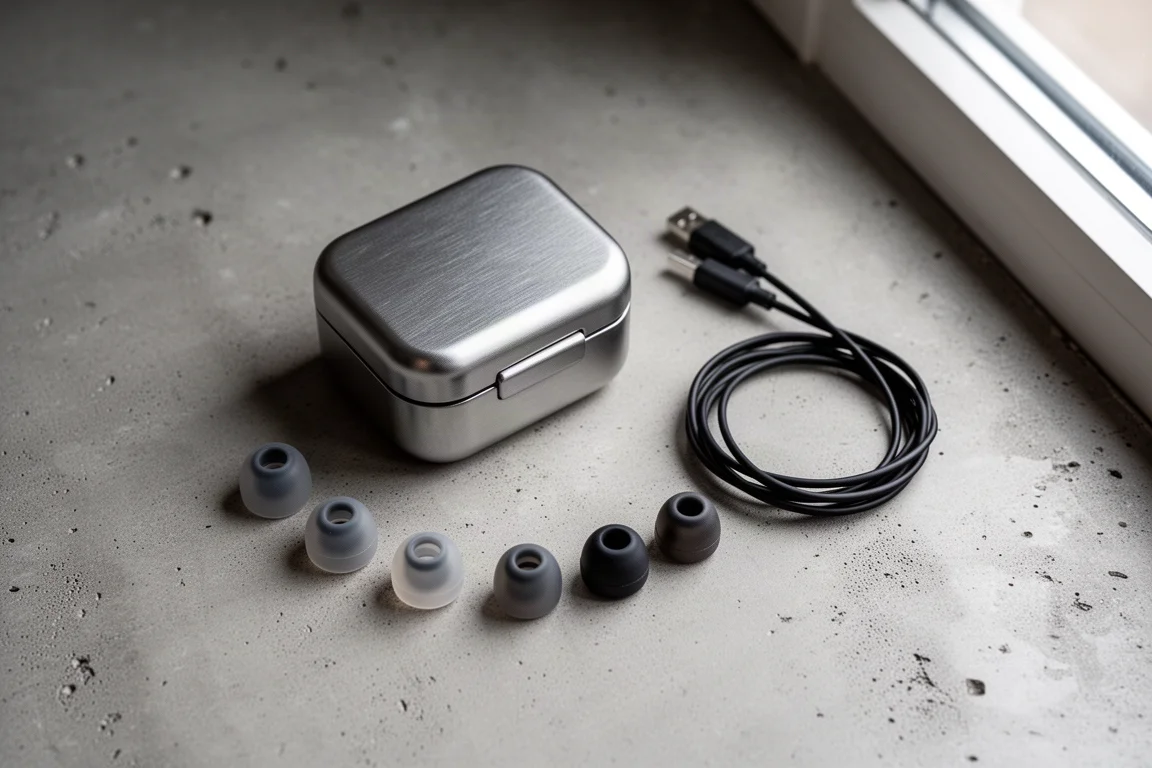
Two practical notes. Start with the included silicone tips, since the set is unusually good and the translucent pair shapes the fit well. Then give the earphones time across a range of genres before forming a firm view, because the low-end character is most obvious on bass-heavy material and least obvious on acoustic and vocal recordings.
Conclusion
The 7Hz Timeless is not a perfect in-ear monitor. It has a boosted low end and occasional sibilance, and its intensity can wear a listener down. What it offers in return is a combination of space, tonality, dynamics, and realism that is hard to find anywhere near its price, along with a personality that is unmistakably its own. For listeners who want music to feel like an event, that trade is worth making.
Product link
View more details for 7Hz Timeless
This product is mentioned in the review. Check the specifications, options, and compatibility before buying.
View more details for 7Hz TimelessFurther reading
Related Reviews
In-Ear Monitors
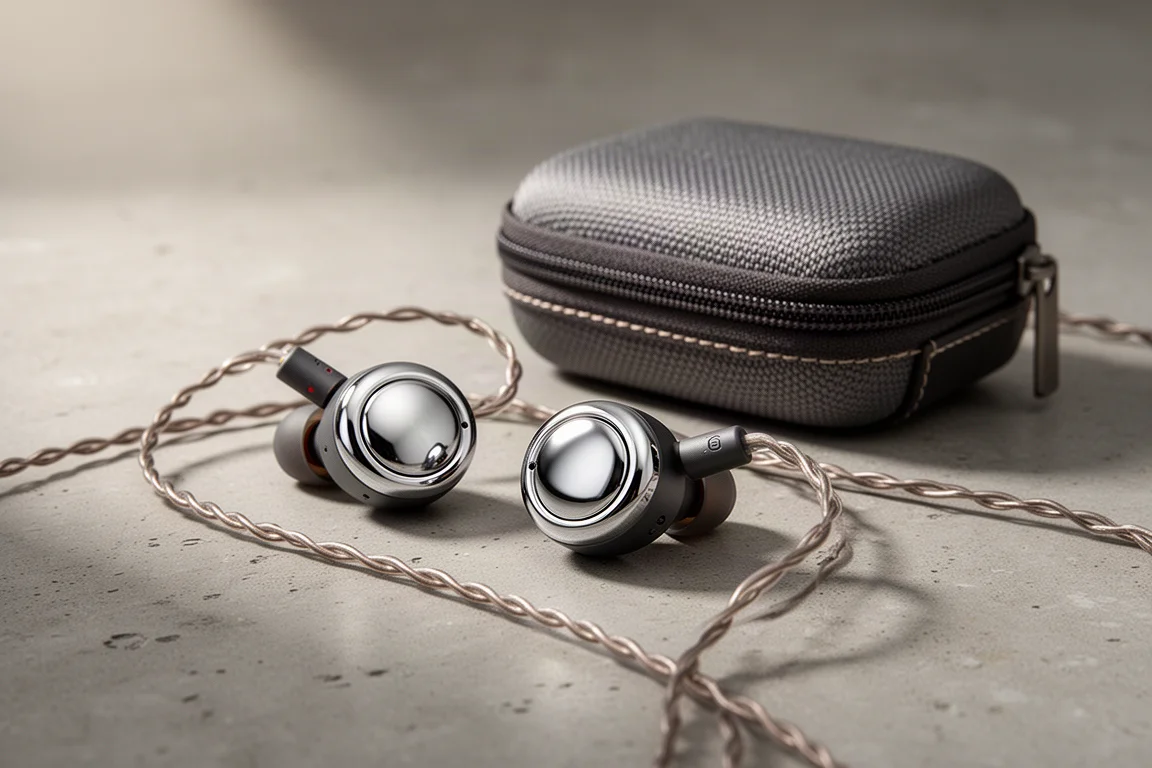
7Hz Salnotes Dioko Review: Planar Magnetic Clarity at $99
A close look at the 7Hz Salnotes Dioko, a $99 planar magnetic in-ear monitor with strong midrange clarity, a wide soundstage, and a bright treble tuning that rewards equalization.
In-Ear Monitors
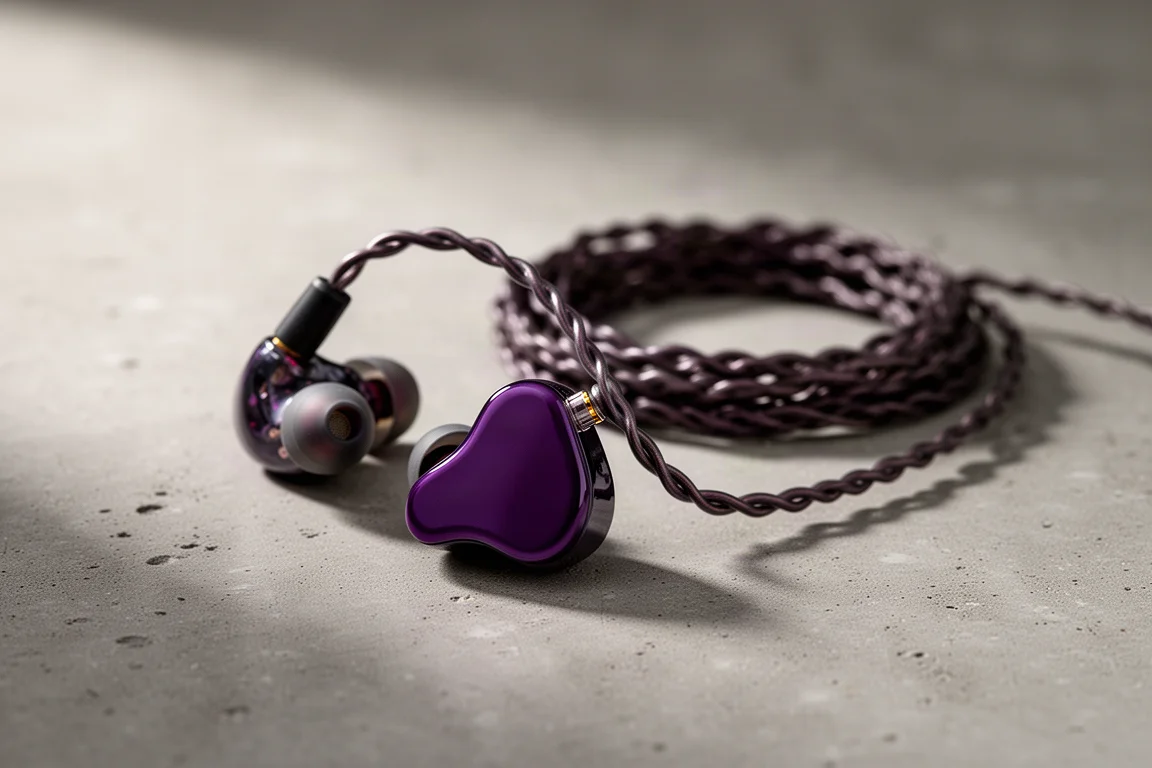
BLON JoJo Review: A Punchy Budget IEM That Keeps Its Composure
The BLON JoJo pairs a 10 mm dynamic driver with a lively, clean tuning that holds together on dense, layered tracks. Here is what to know before buying.
In-Ear Monitors
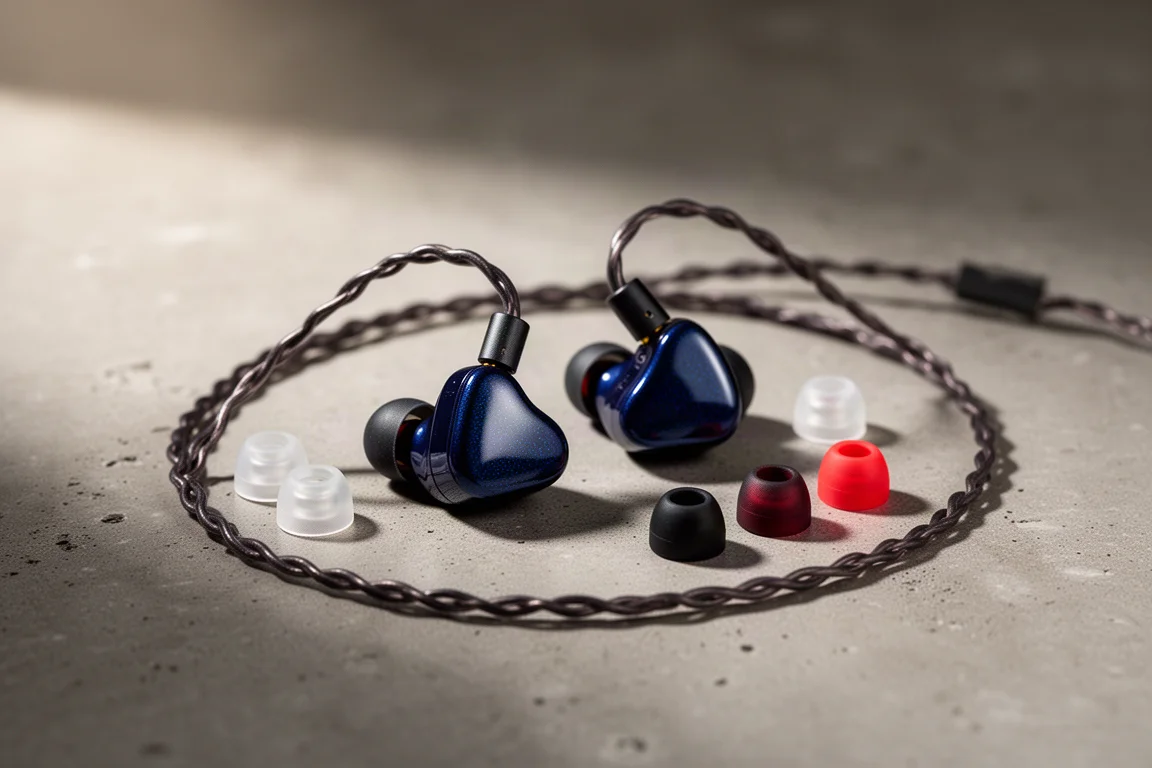
Kiwi Ears Cadenza Review: A $35 IEM With a Single Beryllium Driver
A $35 in-ear monitor built around a single 10mm beryllium driver, with a relaxed but detailed tuning and a two-pin cable. Here is what to know before buying.