Cycling Accessories
KYX Bike Racks Review: 900 Miles of Road Testing the 2-Bike and 4-Bike Hitch Racks
Two KYX hitch-mounted bike racks survived a 900-mile road trip from scalding desert heat to snowy mountain passes with e-bikes on board.
Introduction
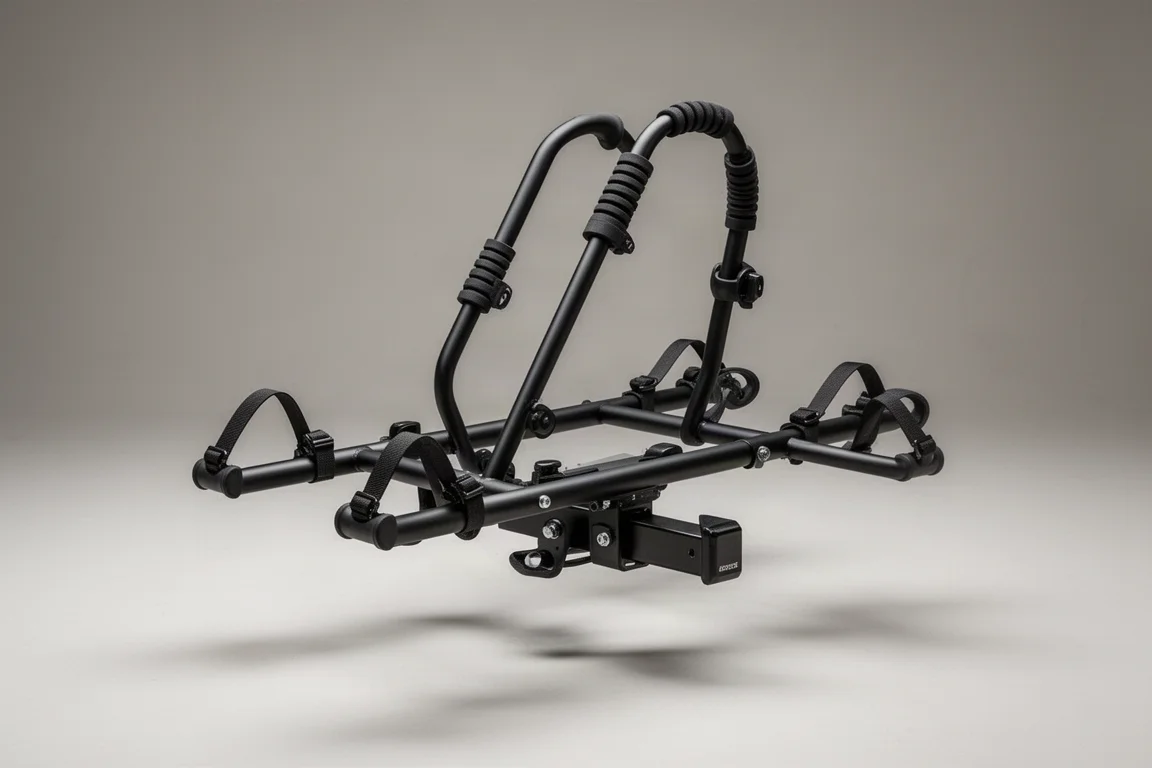
Bike racks are one of those products you do not think much about until you absolutely need one, and then availability can be a real problem. Before a recent road trip from the Las Vegas area up to Montana, a route covering well over 900 highway miles, elevation changes topping 9,000 feet, and conditions ranging from 103-degree desert heat to snow near West Yellowstone, we put two KYX hitch-mounted racks to the test: a 2-bike model and a 4-bike model. Here is how they held up, and who they make sense for.
The Trip: A Genuine Stress Test
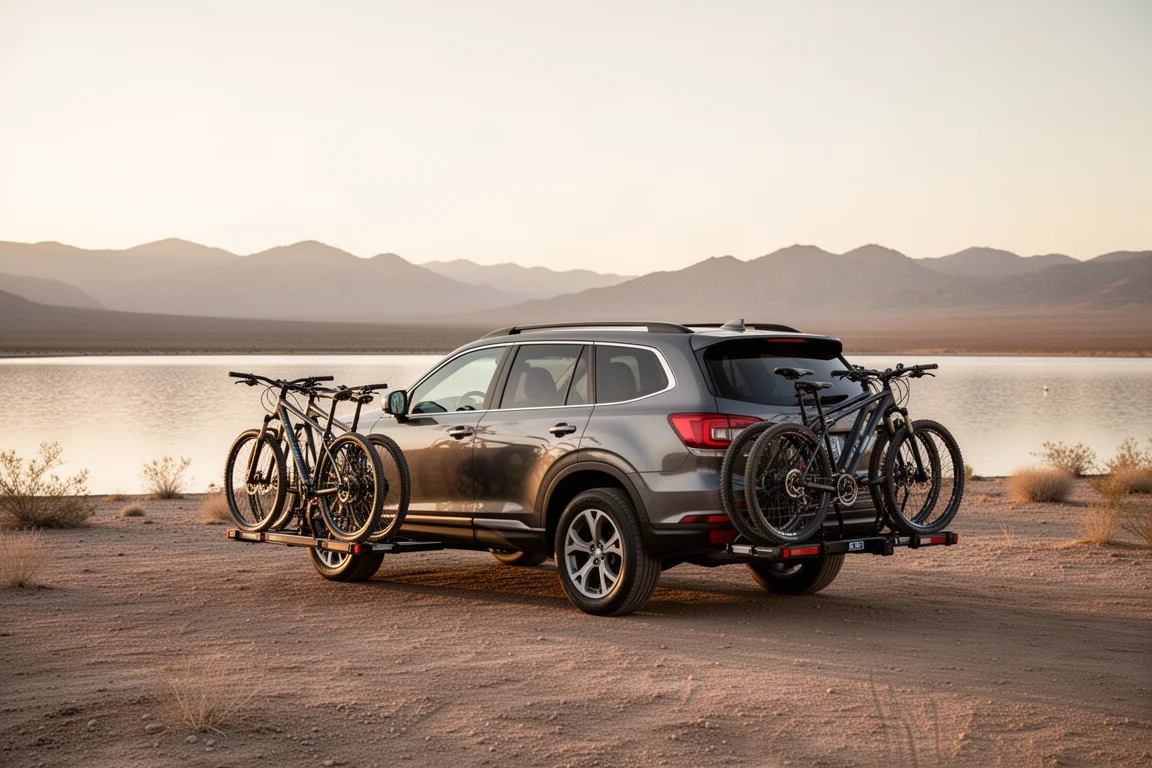
This was not a gentle evaluation. The route ran from Lake Mead at around 1,200 feet of elevation through southern Utah, cresting near 10,000 feet past Brian Head on the way to Panguitch, then north through Idaho and into West Yellowstone. Temperatures swung from scorching desert heat to freezing mountain air, and highway speeds out west regularly sit at 80 mph. Any weakness in a rack mounting system shows up fast under those conditions.
Why Two Racks Instead of One
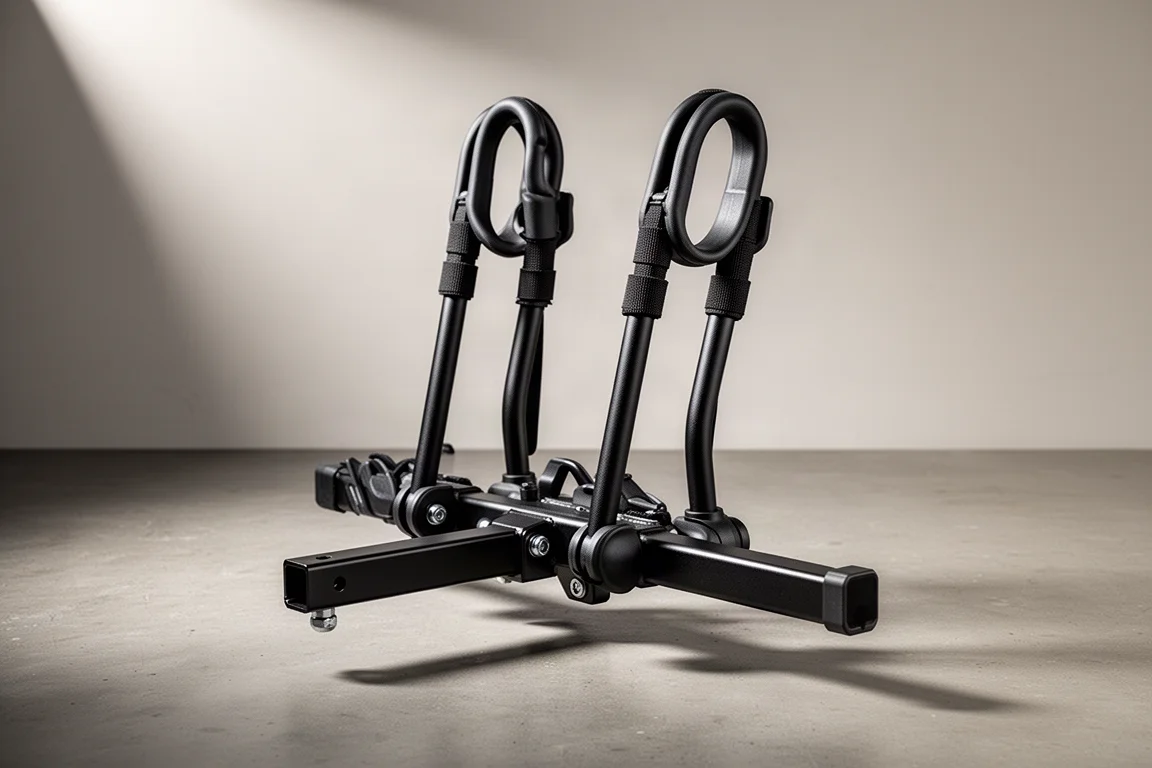
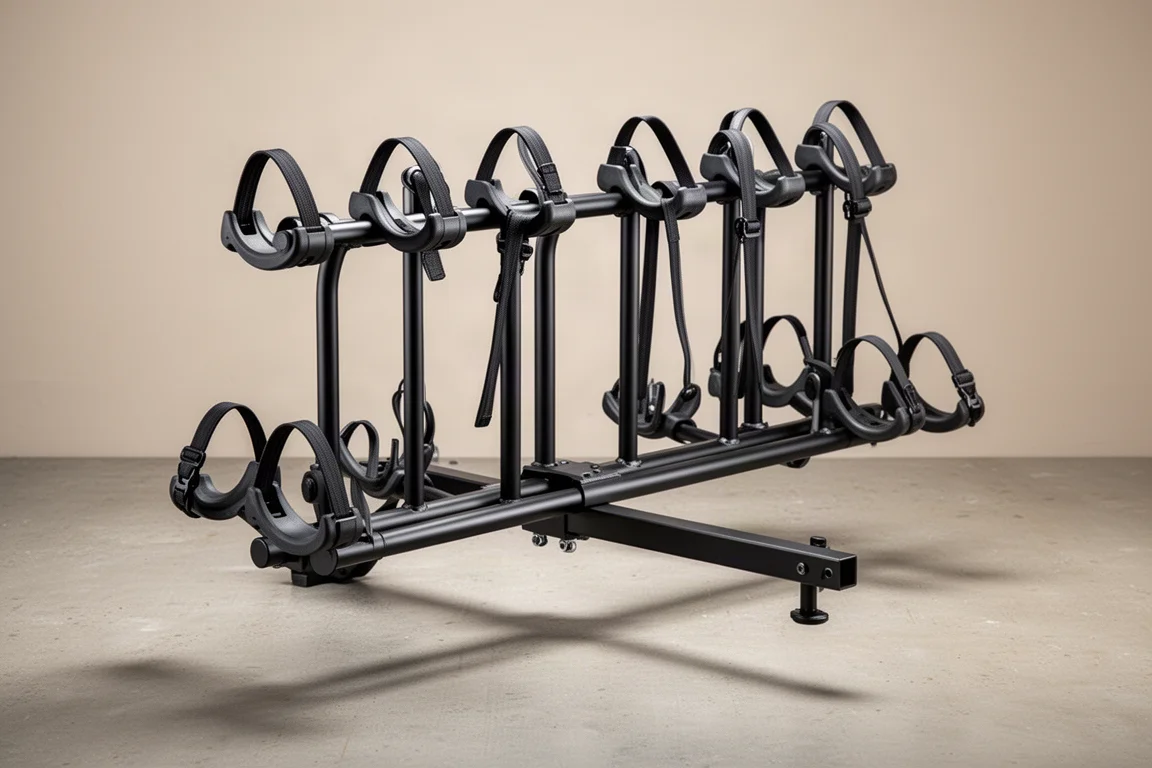
The core reason for running two racks is weight. Both the 2-bike and 4-bike KYX models carry the same maximum load: 143 pounds. The 4-bike version simply has a longer top rack, but the hinge points, which are the weak areas, remain the same, so the weight capacity does not increase.
Our bikes are e-bikes, and e-bikes are heavy. Spreading three bikes across two racks, with two on the rear and one on the front, kept each rack well within its limit. Add a secondary strap and a bike lock as backup safety measures, and the whole setup felt reassuringly solid. One practical tip from the road: flipping the front bike so the handlebars sit on the passenger side and removing the seat gives the driver a clear line of sight from the cockpit.
Build Quality That Surprised Us
KYX is not a brand we had much familiarity with, and expectations were modest going in. The reality was better than anticipated. The mounting points are notably more refined than many competing racks, some of which simply lash the bike directly to bare metal.
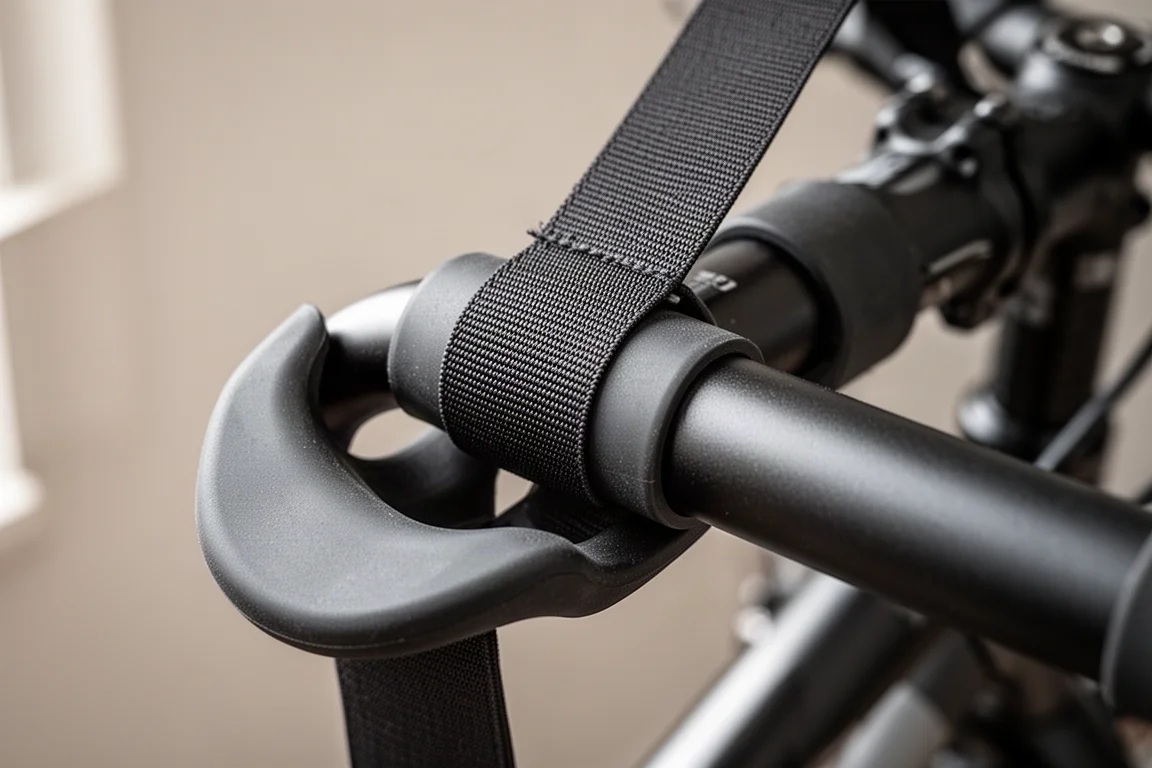
The KYX cradles use a rubberized mold that wraps around the frame, topped by a heavy elastic strap. Calling it a bungee undersells it: these straps take real effort to get on and off, which is exactly what you want when the rack is holding bikes at 80 mph on the highway. The rack also includes a hinge point that lets it rock outward, useful for opening a hatch on an SUV without removing the whole unit. It matters less in a tailgate setup, but it is a smart touch for other vehicles.
The Crossbar Adapter Question
Step-through frames and many e-bikes lack a traditional top crossbar, which complicates rack mounting. Crossbar adapters solve this, and they are worth planning for in advance. Basic Amazon-style adapters start around twelve dollars, though there is some concern about scratching the frame. More advanced options run around fifty dollars, and a used one can be found for as little as fifteen.
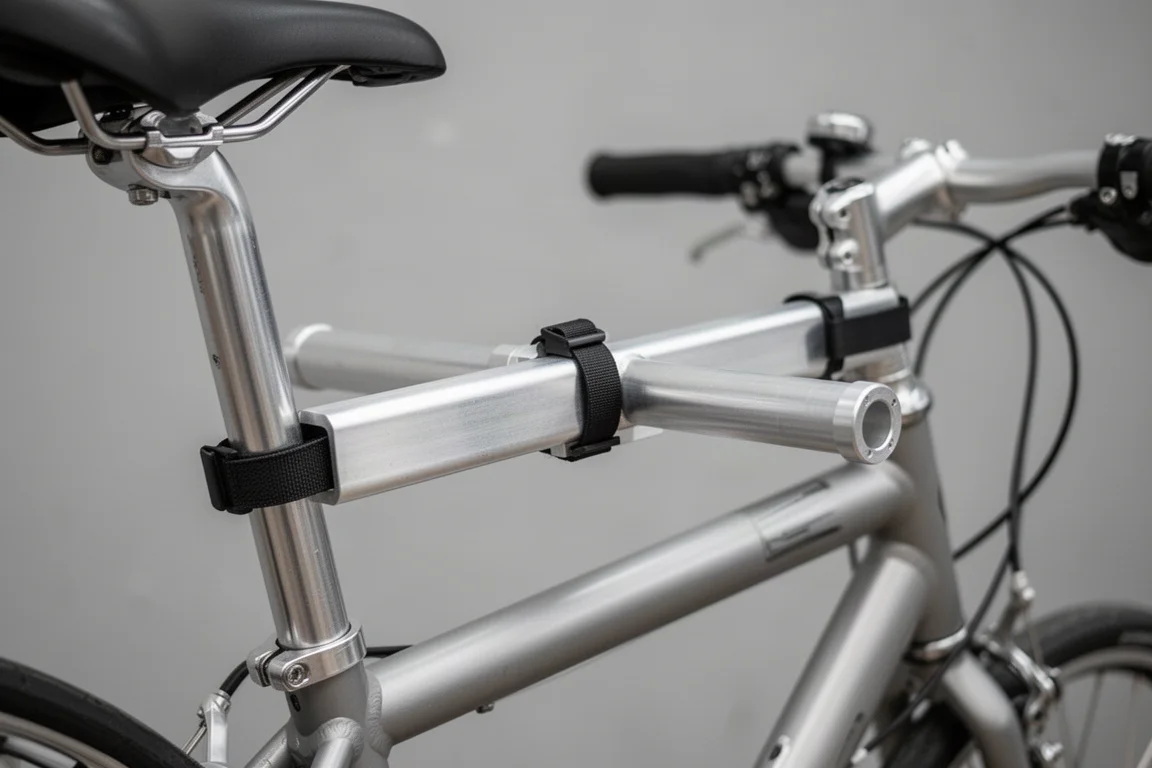
We could not find one in stock before leaving, which made loading the step-through e-bikes more awkward than it needed to be. The lesson: buy the adapter before you need it.
Security and Hardware Details
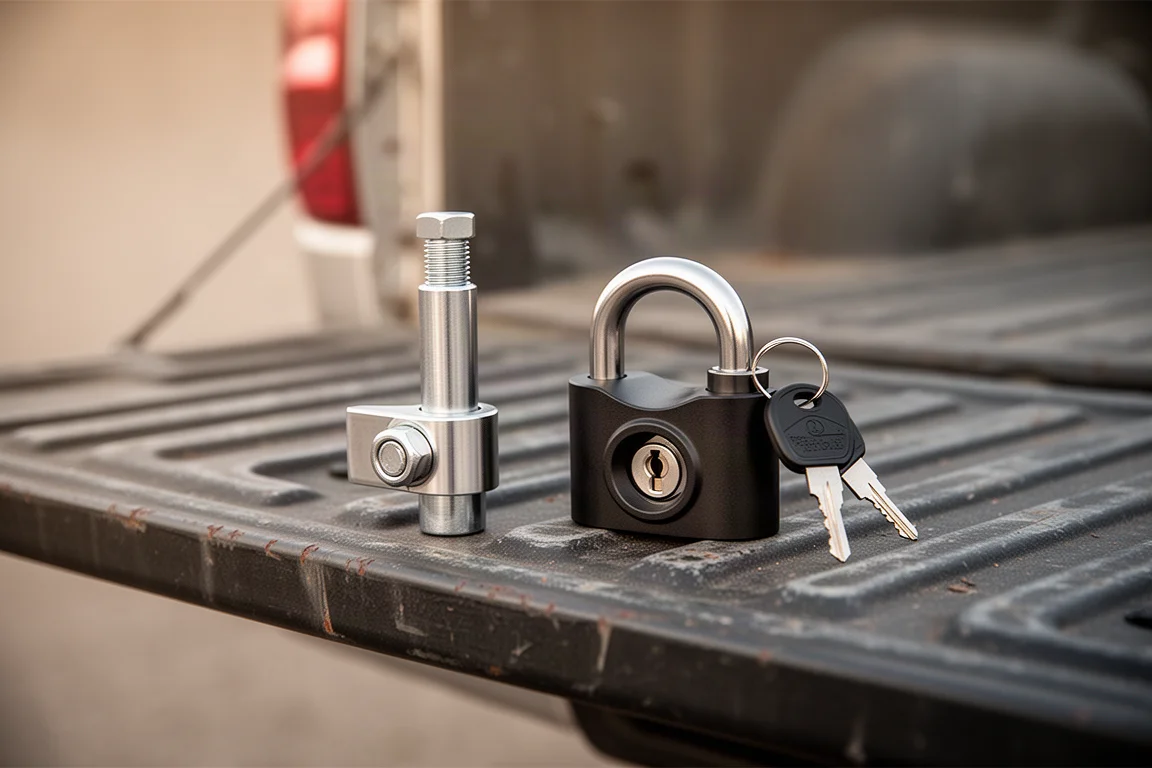
The racks come with all mounting hardware, including the receiver pin. The pin is a plain bolt rather than a quick-release or keyed design, which is not fancy but works fine; once torqued down, it is not coming off by hand, and a thief would need tools. For travel, we paired the racks with a locking coupler and receiver pin set that uses the same key for both, which is a worthwhile upgrade over a basic quick-release pin.
Pricing and Value
The 2-bike rack lists at $120 with a $30 coupon that brings it down to $90. The 4-bike model lists at $130 with the same $30 coupon, landing at $100. For racks that outperformed several better-known brand-name products in build quality, that pricing is hard to argue with.
Who Should Buy Which
The 2-bike rack suits smaller vehicles, front hitch setups, or anyone carrying one or two conventional bikes. It is compact enough to leave mounted permanently on a front receiver for quick around-town use. The 4-bike rack is the better fit for families or larger groups, with the caveat that the 143-pound limit applies here too, so heavy e-bikes deserve careful weight planning.
Conclusion
After more than 900 miles, dramatic elevation changes, and temperature swings from over 100 degrees to snow, both KYX racks held tight with no failures. The 4-bike rack does not raise the 143-pound capacity despite its longer top rack, so e-bike owners should plan loads carefully and add a crossbar adapter for step-through frames. For the price, the build quality punches well above expectations, and both racks earned a permanent place in the fleet.
Further reading
Related Reviews

Cycling Accessories
7 Inexpensive Everyday Products That Are Brilliant for Cyclists
Seven cheap household products that solve real problems for cyclists, from portable bike washing and dry shoes to clean bottles and protected paintwork.
Cycling Accessories
Amazon Cycling Accessories Worth Buying: Five Practical Picks
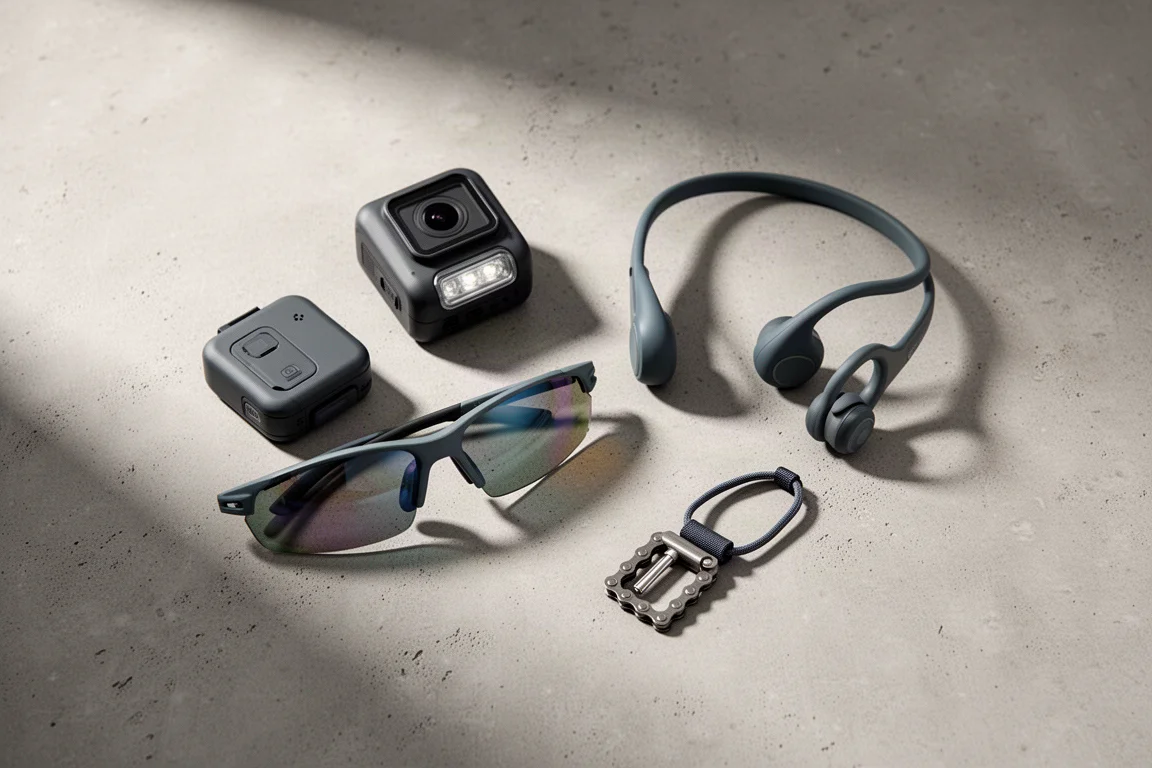
A basket of low-cost cycling accessories judged on real-world use, from a dash cam style camera and light combo to bone conduction headphones and one tool best left on the shelf.
Cycling Accessories
Electric Bike Pumps Compared: AS2 Pro Tiny Pump vs AS2 Pro Max
A practical look at two battery-powered bike pumps: what they do well, where they fall short, and which one suits which kind of rider.