Stationery
Kuru Toga Dai Bu Review: Uni Mitsubishi's Flagship Mechanical Pencil, Plus the Advance Doku Alternative
A close look at the flagship Kuru Toga Dai Bu with its four writing mechanisms and self-repairing coating, and how it compares with the Advance Doku M5-151.
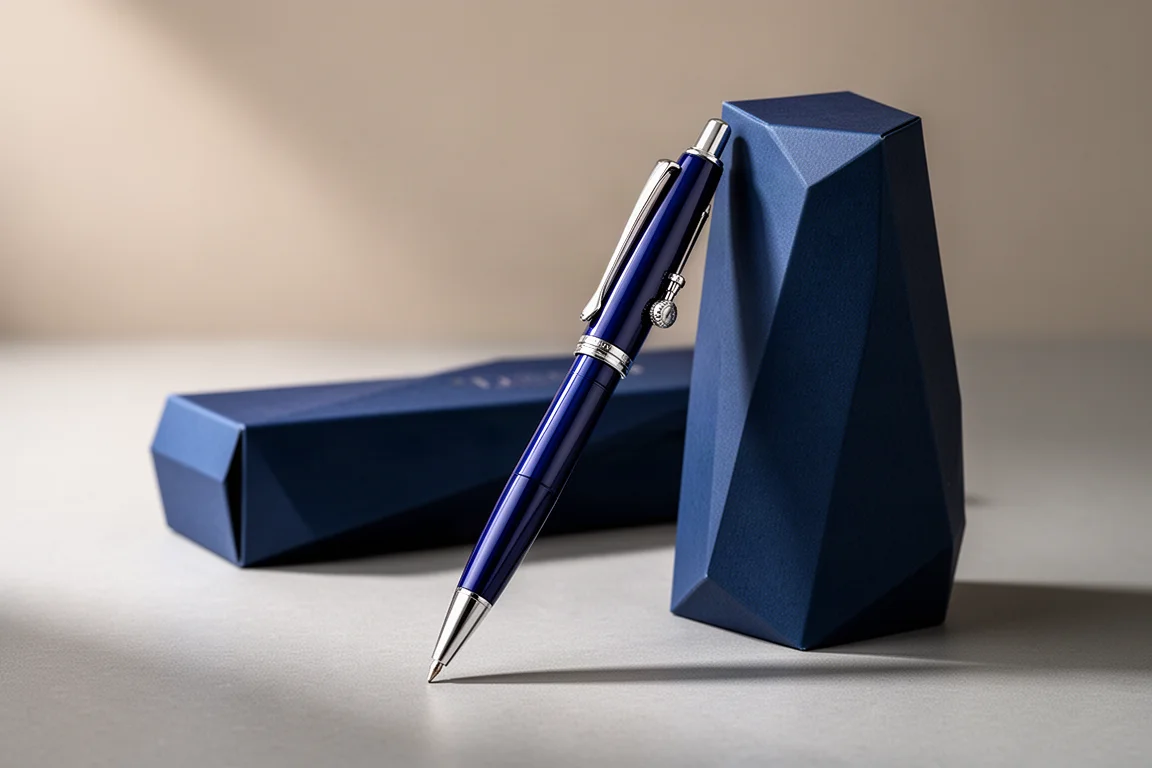
Introduction
Uni Mitsubishi’s Kuru Toga line has long been known for one clever idea: a mechanism that rotates the lead as you write, keeping the tip sharp instead of wearing it flat on one side. The Kuru Toga Dai Bu takes that concept to its most ambitious expression yet, stacking four separate writing mechanisms into a single capped pencil. There is also the Advance Doku (M5-151), a sibling model that will matter to buyers weighing whether the flagship is really worth stepping up to.
What Is the Kuru Toga Dai Bu?
The Dai Bu is a capped mechanical pencil released in February 2022, positioned as the top model in the Kuru Toga range. It ships in a single Grand Blue colorway with a 0.5 mm lead size, and it was sold as a limited-quantity run, which made it genuinely difficult to find at launch. The pencil comes packaged in a strikingly unusual angular blue box, a design that itself helps keep costs down, and it retails at 5,500 yen including tax.
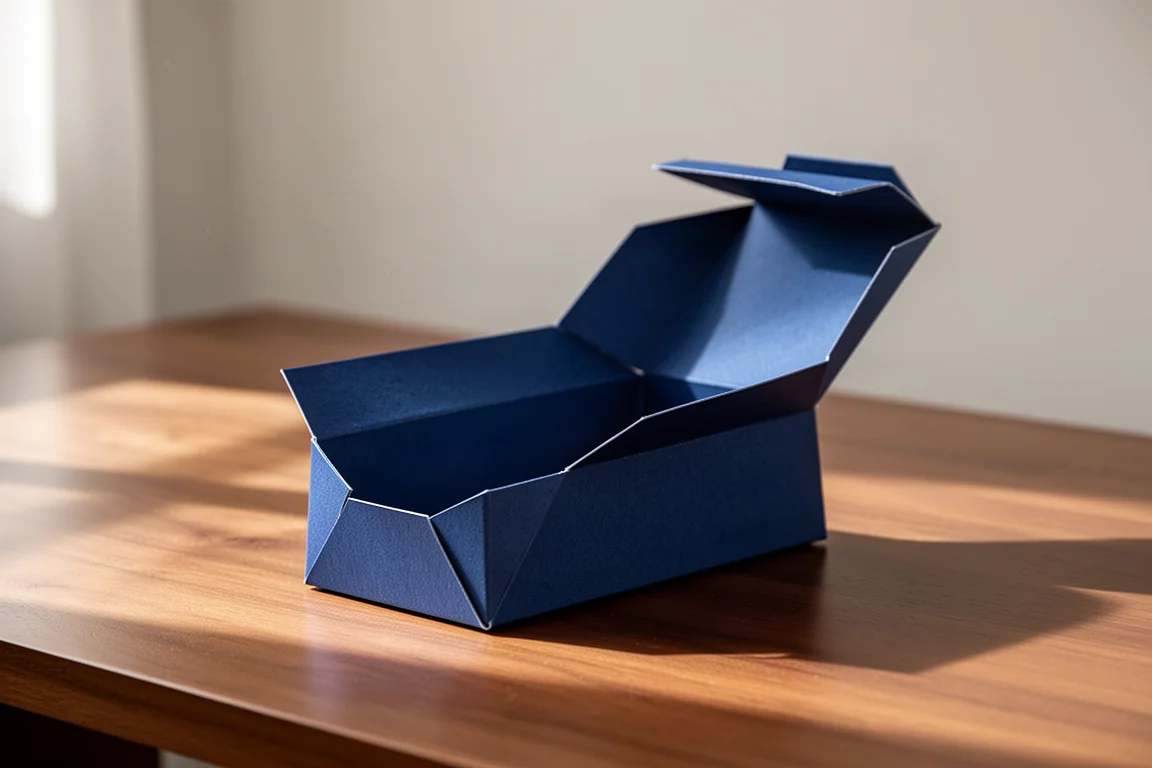
Given that the pencil sold in limited numbers, an expanded or standard production version later on is an easy prediction, and that matters if you missed the initial release. The stated concept behind the Dai Bu is immersion in writing: a pencil designed so you can simply keep writing without interruption.
The Four Mechanisms
The first mechanism is the familiar Kuru Toga engine. Every time the pencil touches paper, the lead rotates slightly so it wears evenly and always presents a sharp edge. That alone defines the line, but the Dai Bu goes further.
The second mechanism is an automatic lead-advance system. It converts the sideways rotation motion of writing into vertical movement that feeds the lead out, so the tip stays at a consistent working length. Notably, this system is designed so the lead does not press against the guide pipe; the lead sits exposed in the normal way, and the advance happens without changing the writing feel. A small window on the barrel lets you see the Kuru Toga engine working.
The third mechanism is a five-step dial near the metal fitting that adjusts how much lead is fed out per cycle. You set the dial, close the cap, then open it, and the new feed amount takes effect. One important caution from the manual: do not close the cap with the lead extended, because the lead will not retract as the cap closes.
The fourth mechanism handles the start of each writing session. When you begin writing, the pencil automatically feeds lead out to your pre-set length, which means you essentially only need to press the knock button when changing the lead.
Design and Build Details
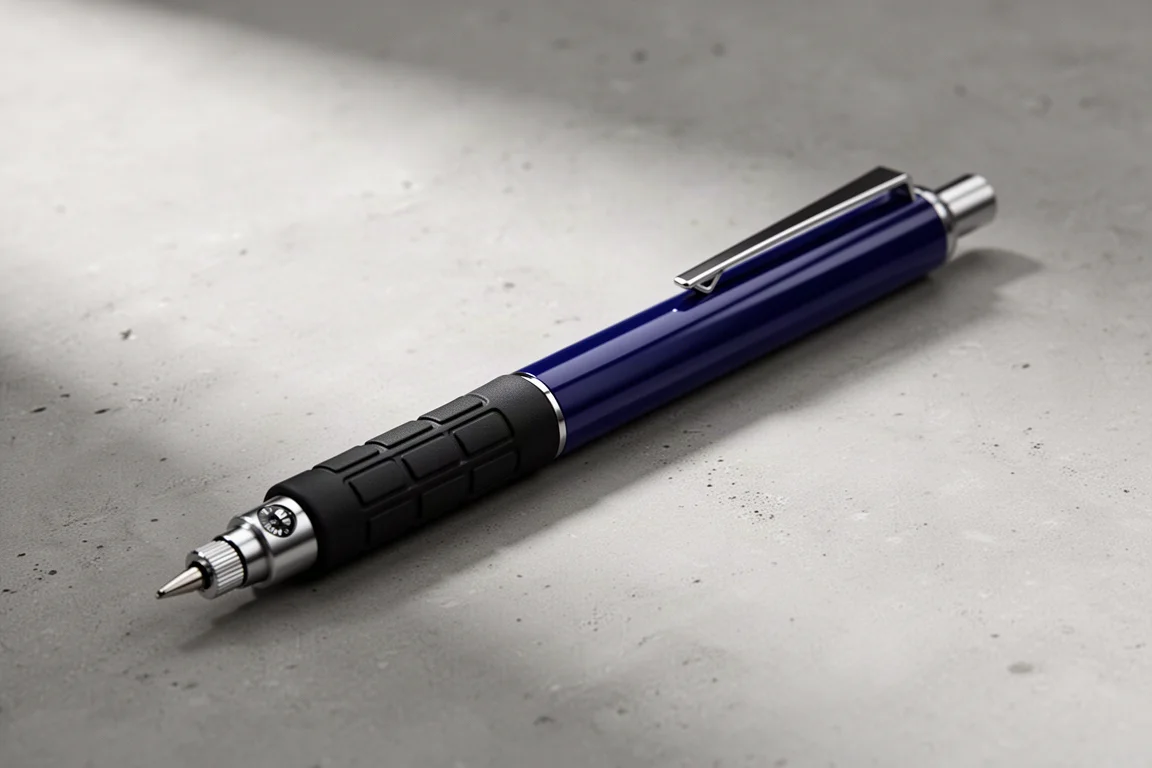
The body uses resin in the knock section and the magnet section, a deliberate cost-saving choice that helps hold the 5,500 yen price point. The cap is magnetic and opens and closes smoothly, with a magnet strength that feels well judged rather than overly strong. The barrel’s lower half is slimmer, most likely so the cap can be posted on the back. The grip is firm rubber moulded with rectangular anti-slip panels, and the clip is thin but grips well without being too stiff.
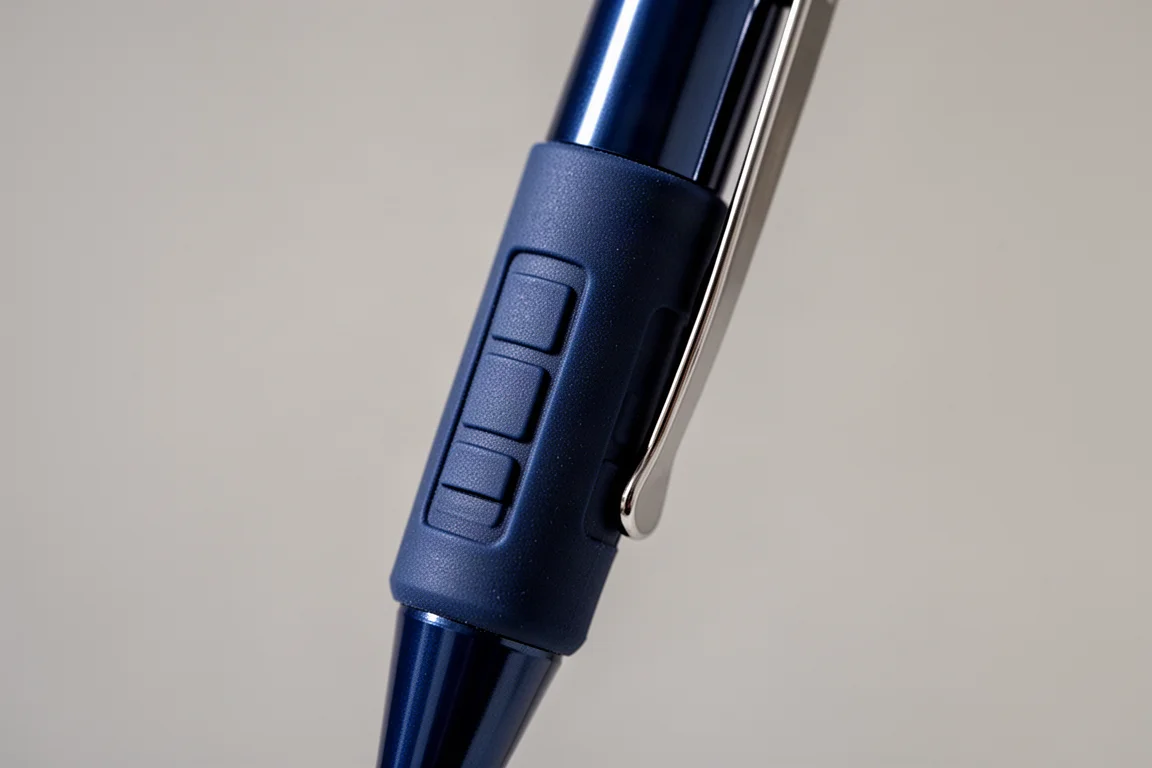
There is one more detail worth knowing: the glossy barrel carries a special coating called Auto Repair Coat, the same finish used on the top-tier Jetstream Prime model. Fine scratches from everyday handling repair themselves over time, which adds real peace of mind for a pencil this expensive. Overall dimensions are 148 mm long and 19 g in weight.
Writing Experience
In use, the Dai Bu feels noticeably better than its reputation as a gimmick might suggest. There is the characteristic Kuru Toga sensation of the pen tip sinking slightly into the mechanism as you write, but the stroke itself is smooth and the overall quality exceeds expectations. The four mechanisms work in good balance with each other, and the theme of losing yourself in writing genuinely comes through: you can keep going for long stretches without knocking.

The magnetic cap deserves its own mention. The soft, precise snap when it closes is satisfying enough that you may find yourself opening and closing it just for the feel of it.
Things to Consider Before Buying
The characteristic Kuru Toga sink-in at the tip is present, and it feels stronger here than on the Advance, which some writers will notice immediately. Closing the cap requires attention: the lead must not be out, so you have to check the tip each time. With the cap posted, the pencil becomes somewhat back-heavy, so if that bothers you, leave the cap off.
There is also an important audience caveat. For illustration work, the Dai Bu is not a good fit. Artists deliberately use flat lead wear to vary line thickness, and the Kuru Toga engine’s constant rotation fights that, adding a mechanical catch that gets in the way. For plain writing, though, it works very well.
How the Advance Doku Compares
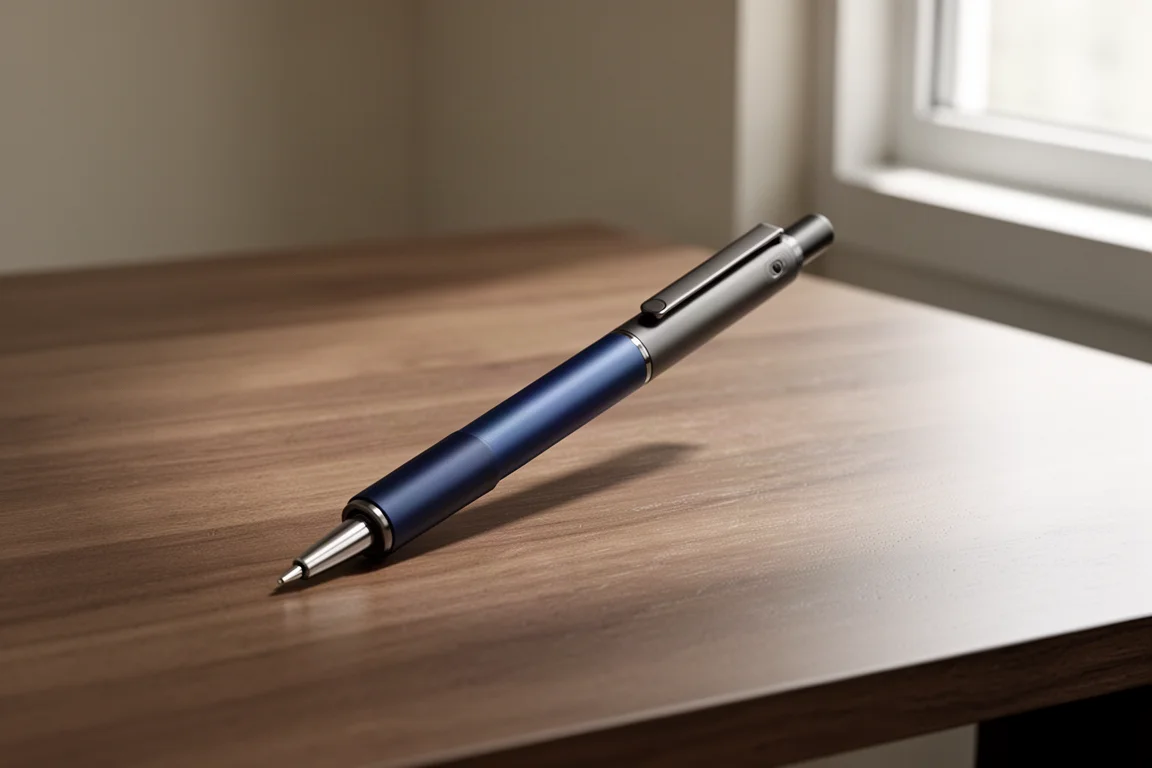
The Advance Doku (M5-151) sits below the Dai Bu in the lineup and offers the core Kuru Toga rotation experience in a more conventional form. The main practical difference reported between the two is the sink-in sensation at the tip, which is milder on the Advance. If you find the flagship’s deeper tip movement distracting, the Advance Doku is the natural alternative, and it also avoids the flagship’s cap-handling caveats entirely since it is not a capped design.
Buying Advice
At 5,500 yen, the Dai Bu can look expensive at first glance, but the combination of the Kuru Toga engine, automatic lead advance, adjustable feed dial, start-up feed mechanism, and self-repairing coating justifies the premium for writers who log serious daily page time. If you missed the limited first run, waiting for the expected standard model is a sensible move. And if the tip sink-in is a dealbreaker, the Advance Doku remains a strong way into the Kuru Toga system.
Conclusion
The Kuru Toga Dai Bu is a remarkably well-engineered writing tool whose four mechanisms genuinely deliver on the promise of uninterrupted writing. Its quirks, from cap handling to the pronounced tip sink-in, are worth understanding before you buy, but for heavy note-takers and long-form writers it is an easy pencil to grow fond of. Illustrators should look elsewhere, and undecided buyers may prefer the Advance Doku or a future standard-edition Dai Bu.
Further reading
Related Reviews
Stationery
Musgrave Pencils Review: Four Classic Pencils from Tennessee's Last Pencil Factory
We put four Musgrave pencils to paper, from the classic Harvest to the Unigraph 1200 drawing pencil, to see what a century-old Tennessee workshop can still do.
Stationery
Fountain Pen Tiers Explained: From Starter Pens to Luxury Grails
A practical overview of the different levels of fountain pens and inks, from a sub-$20 starter setup to Italian piston fillers and retractable gold-nib everyday carries.
Stationery
HP Premium 32 lb Copy Paper Review: A Fountain Pen Friendly Everyday Printer Paper
A heavy, smooth 120 GSM copy paper that handles fountain pens far better than standard printer stock, with only minor trade-offs in shading and sheen.