Studio Equipment
KRK Studio Monitors: Are They Still Worth Buying in 2026?
A practical look at KRK's latest Rokit G5 monitors, how they compare to alternatives, and why experienced producers stick with familiar gear.
Introduction
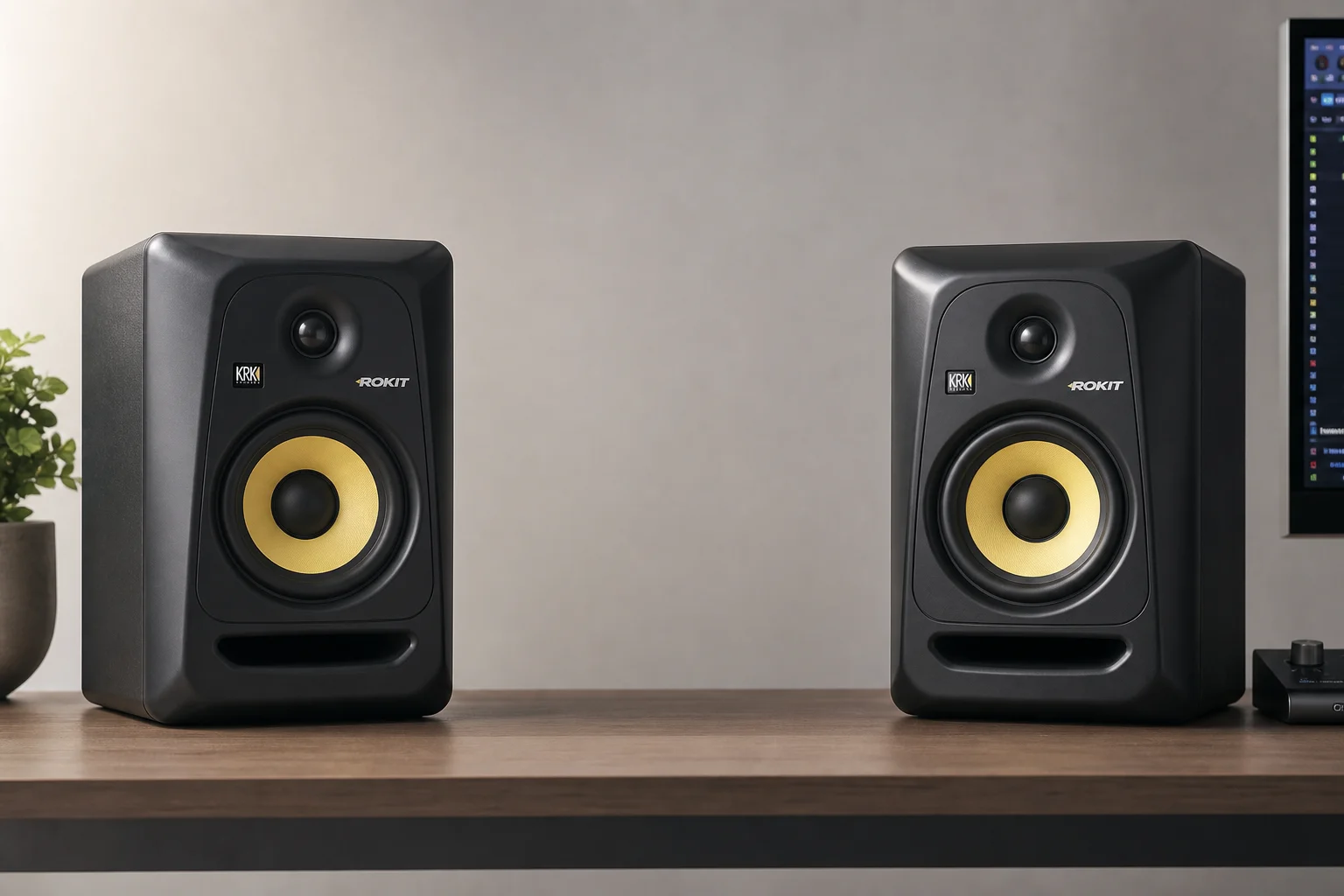
When a producer with access to any studio gear in the world chooses to stick with older equipment, it raises a question worth asking: what makes that choice sensible? Benny Blanco’s continued use of KRK Rokit 8 Generation 3 monitors in his professional studio prompted a closer look at KRK’s current lineup and whether their newer monitors deserve a place in a modern setup.
What Makes KRK Monitors Familiar to Producers
KRK monitors have a long history in music production. Many producers who grew up using them developed an intuitive understanding of how their monitors translate mixes to other playback systems. This familiarity is not something money can easily replace. When a producer knows how their specific monitors sound and has learned to mix on them successfully, switching to unfamiliar gear introduces risk and requires relearning the acoustic characteristics of a new system.
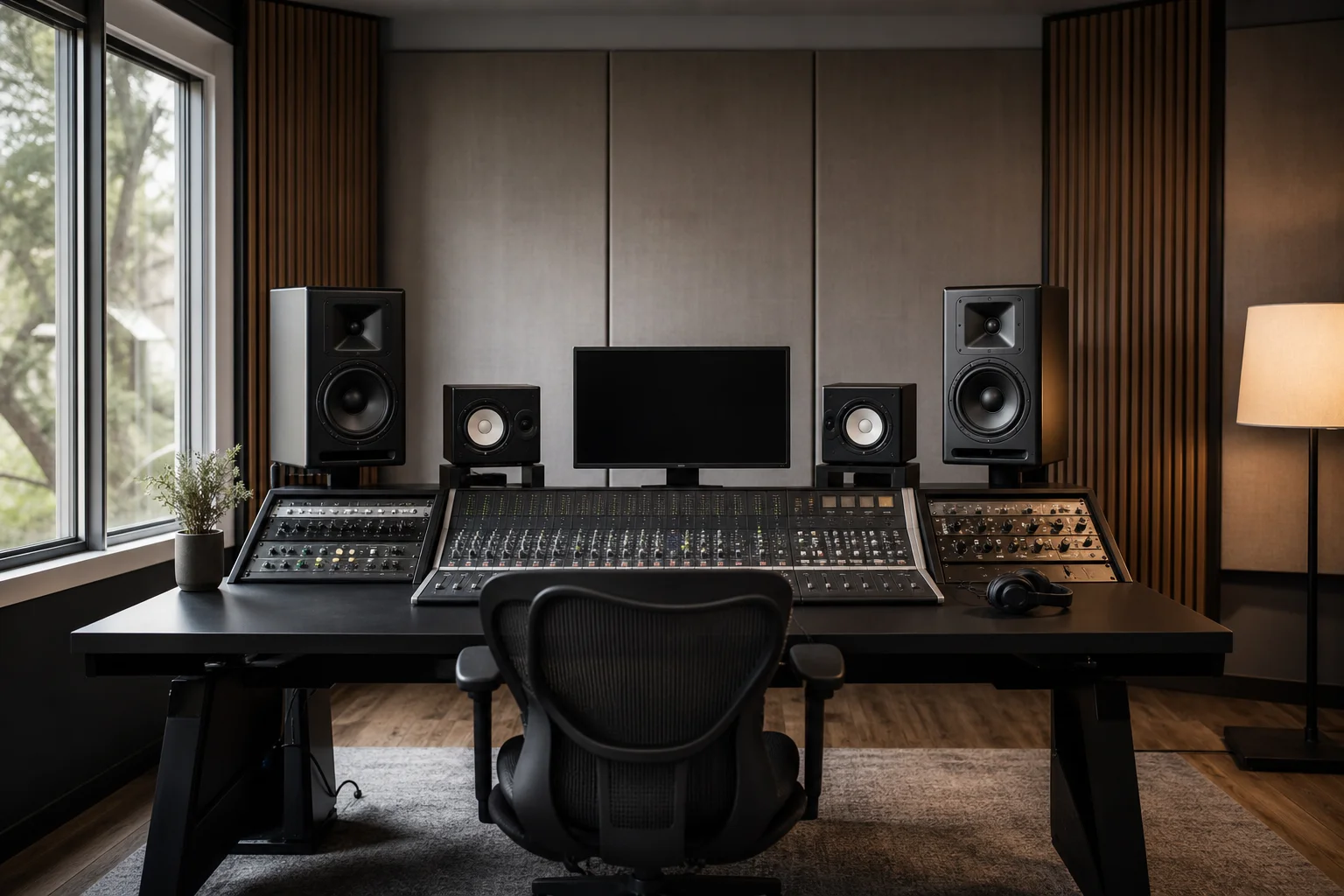
The reason experienced producers often stick with older monitors for years or even decades is straightforward: they understand the sonic signature of their equipment. Benny Blanco’s choice to continue using Generation 3 Rokit 8 monitors reflects this principle. He has spent years learning how to make records that translate well using those specific speakers.
Design and Build Quality
The KRK Rokit 8 G5 features a 1-inch tweeter paired with an 8-inch Kevlar-styled woofer. This combination is designed to provide even sound distribution across the frequency range. The front-facing bass port delivers additional low-end punch, which can be useful in mixing scenarios where bass clarity matters.
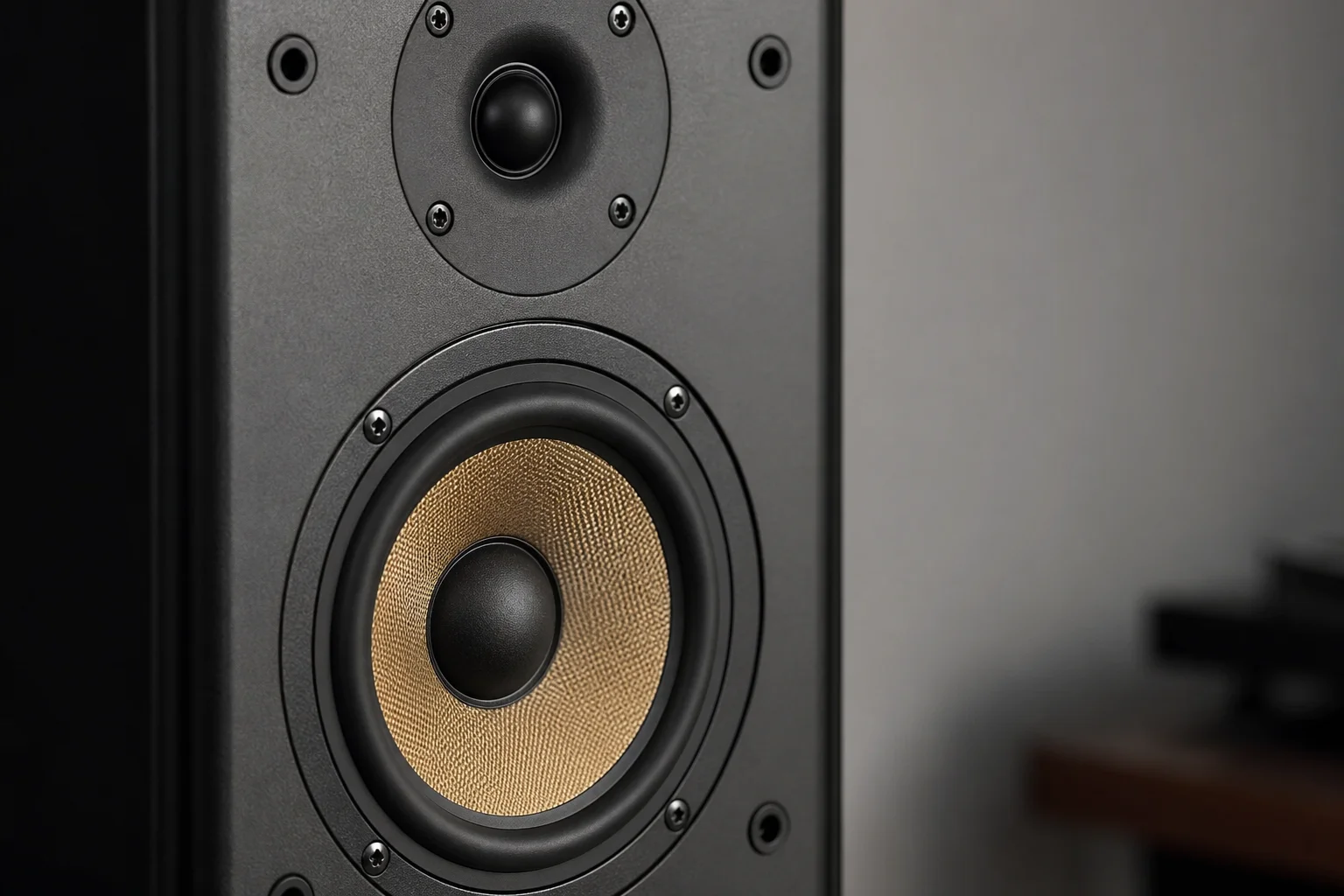
KRK includes removable metal grilles and foam pads with the Rokit 8 G5, allowing users to customize the speaker’s appearance and reduce resonance if needed. This flexibility in setup options acknowledges that different studio environments and personal preferences require different configurations.
Connectivity and Room Tuning Features
The rear panel includes a combo XLR and TRS input, making the monitors compatible with most studio interfaces and mixing consoles. The integrated DSP room tuning system offers multiple modes: a flatline mix option for neutral response, a low-end boosted create option for enhanced bass, and a mid-range focus mode for vocal-heavy work.
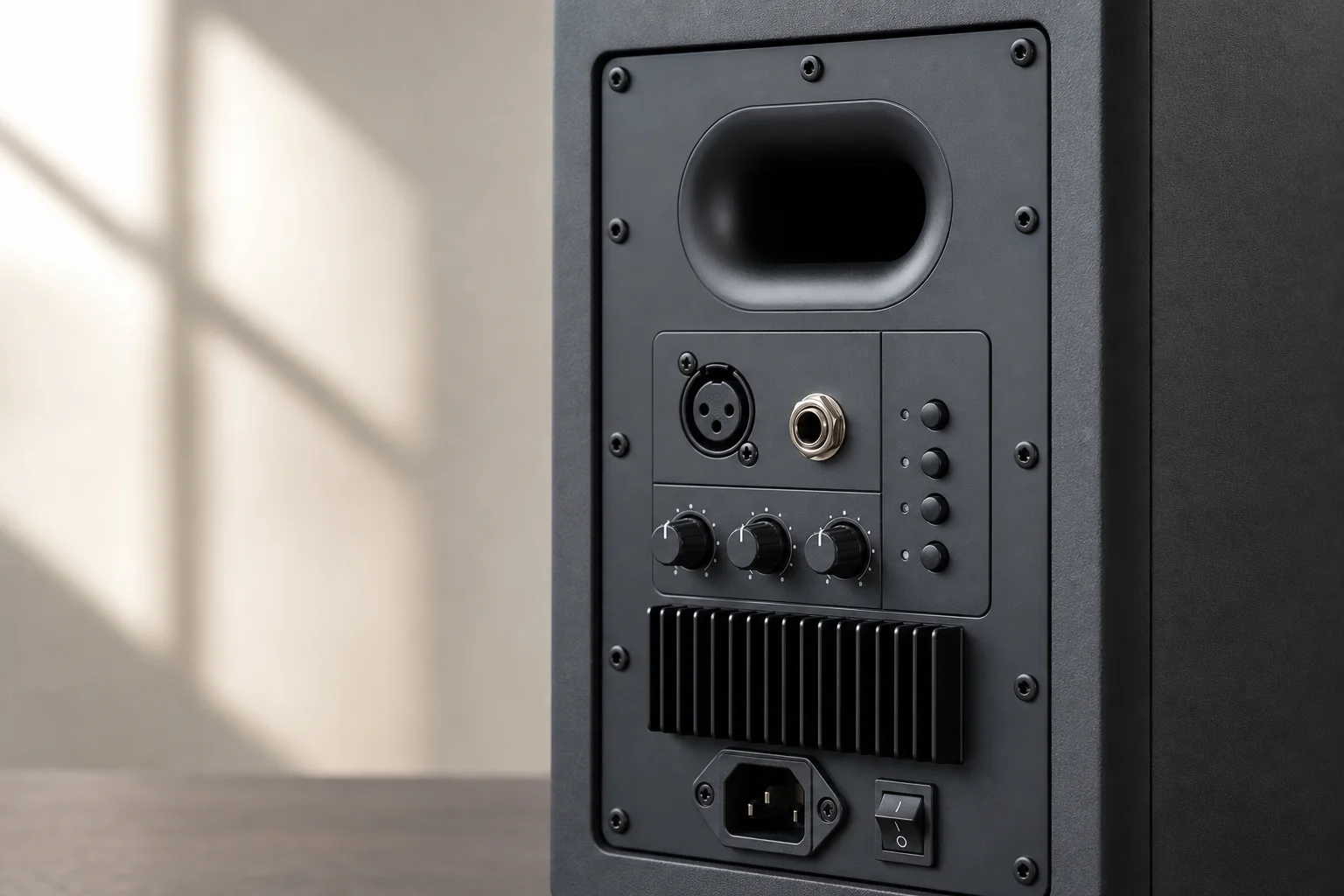
These tuning options allow users to adapt the monitors to their specific room acoustics and mixing priorities without requiring external hardware or extensive acoustic treatment. The flexibility to switch between modes depending on the task at hand is a practical feature for producers working across different genres.
The Value Proposition
Heading into 2026, the studio monitor market offers numerous options at various price points. KRK’s approach with the Rokit G5 series positions these monitors as an affordable entry point with established reliability. The technology on offer at this price level provides genuine value for producers building or upgrading a studio.

The real question is not whether KRK monitors are the absolute best available, but whether they offer a sensible balance of cost, familiarity, and performance. For producers already familiar with KRK’s sonic character, the upgrade path to the G5 generation makes sense. For newcomers to music production, KRK monitors remain a reasonable choice, though the most important factor is developing a thorough understanding of whatever monitors you choose to use.
Conclusion
KRK studio monitors remain a viable choice in 2026, particularly for producers with existing experience using them. The Rokit 8 G5 offers practical features, room tuning flexibility, and a price point that makes professional monitoring accessible. However, the ultimate success of any monitor choice depends on the producer’s willingness to learn its sonic characteristics and develop mixing skills that translate across different playback systems. Familiarity and understanding beat constant gear upgrades.
Product link
View more details for KRK Rokit 8 G5
This product is mentioned in the review. Check the specifications, options, and compatibility before buying.
View more details for KRK Rokit 8 G5Further reading
Related Reviews
Studio Equipment
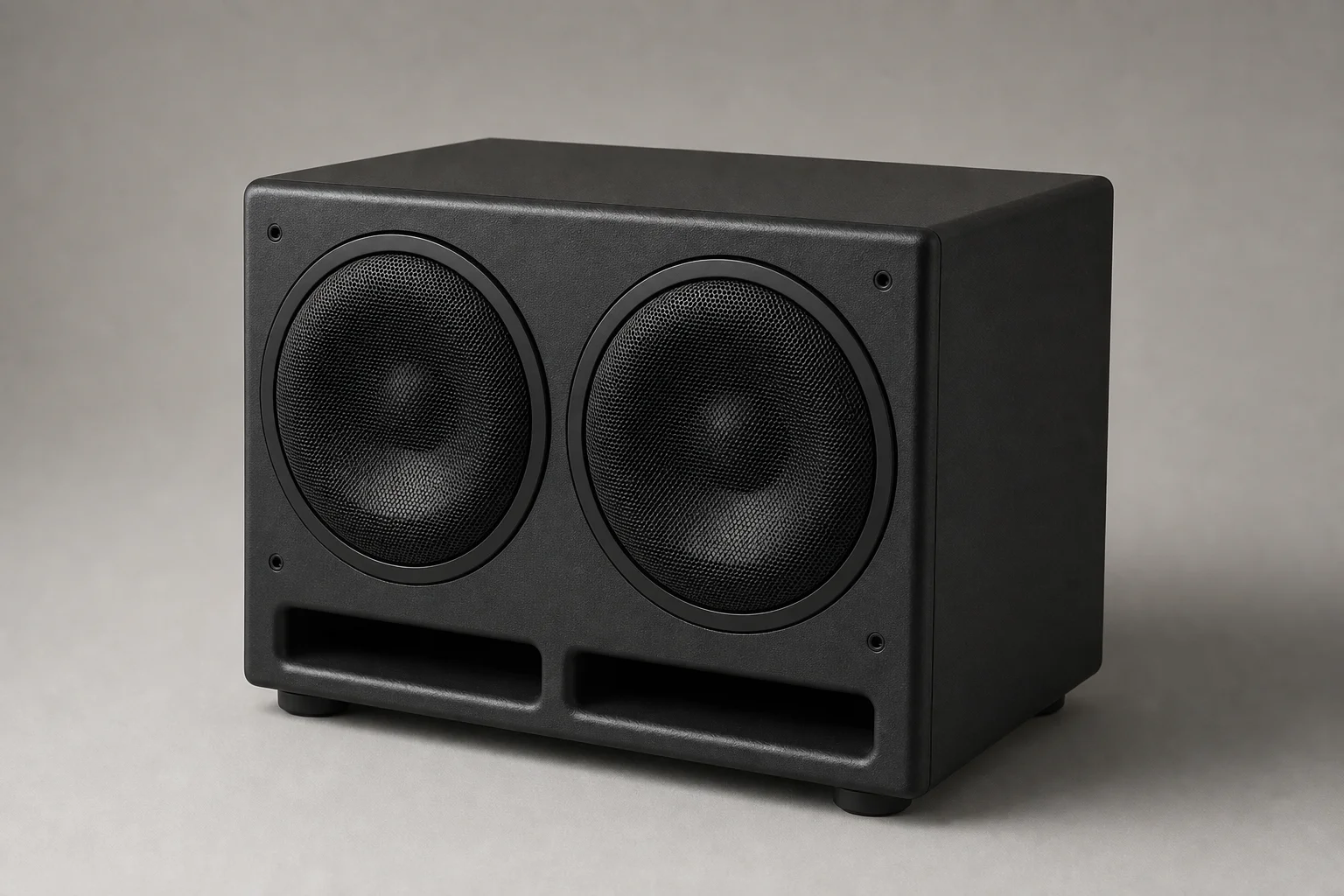
Kali Audio WS-6.2 Subwoofer Review: Compact Low-End Extension for Home Studios
The Kali Audio WS-6.2 brings deep bass reproduction to small studio spaces without the typical placement and volume-matching headaches of larger subwoofers.
Music Production
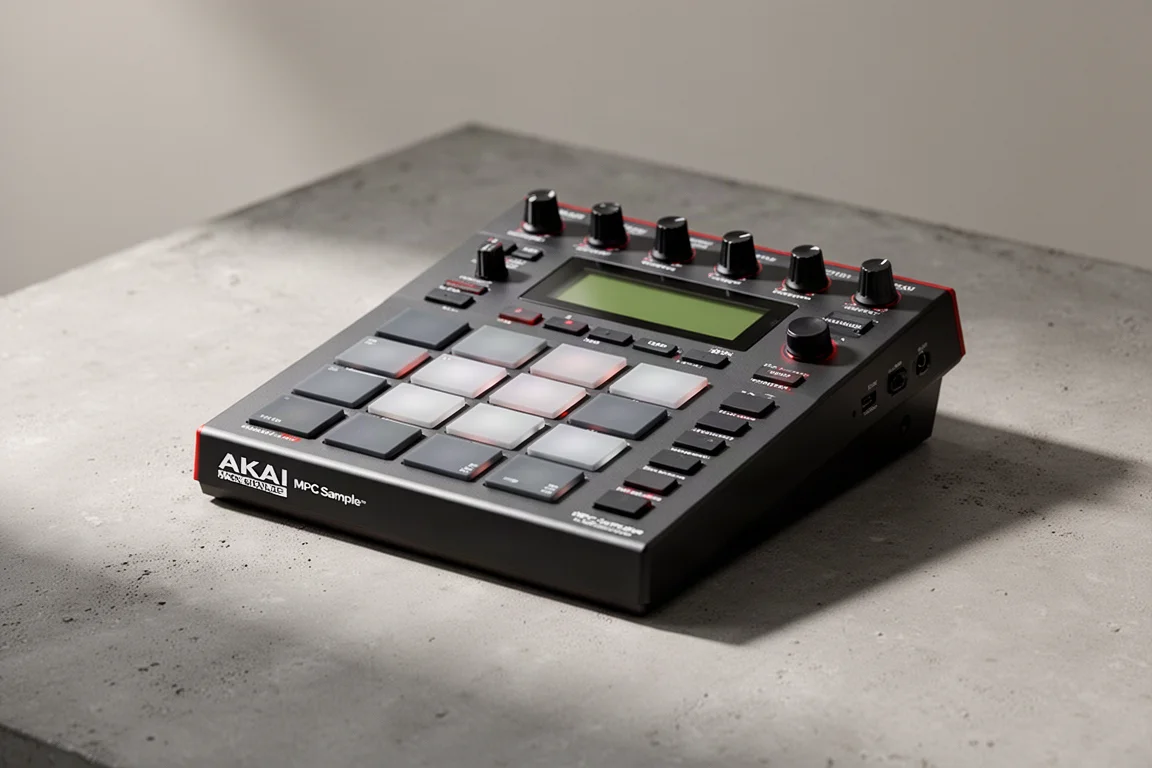
Akai MPC Sample Review: A Portable Beatmaking Powerhouse
The Akai MPC Sample brings the classic MPC workflow into a portable, standalone device with a built-in speaker, mic, and battery. Here is our full review.
MIDI Controllers
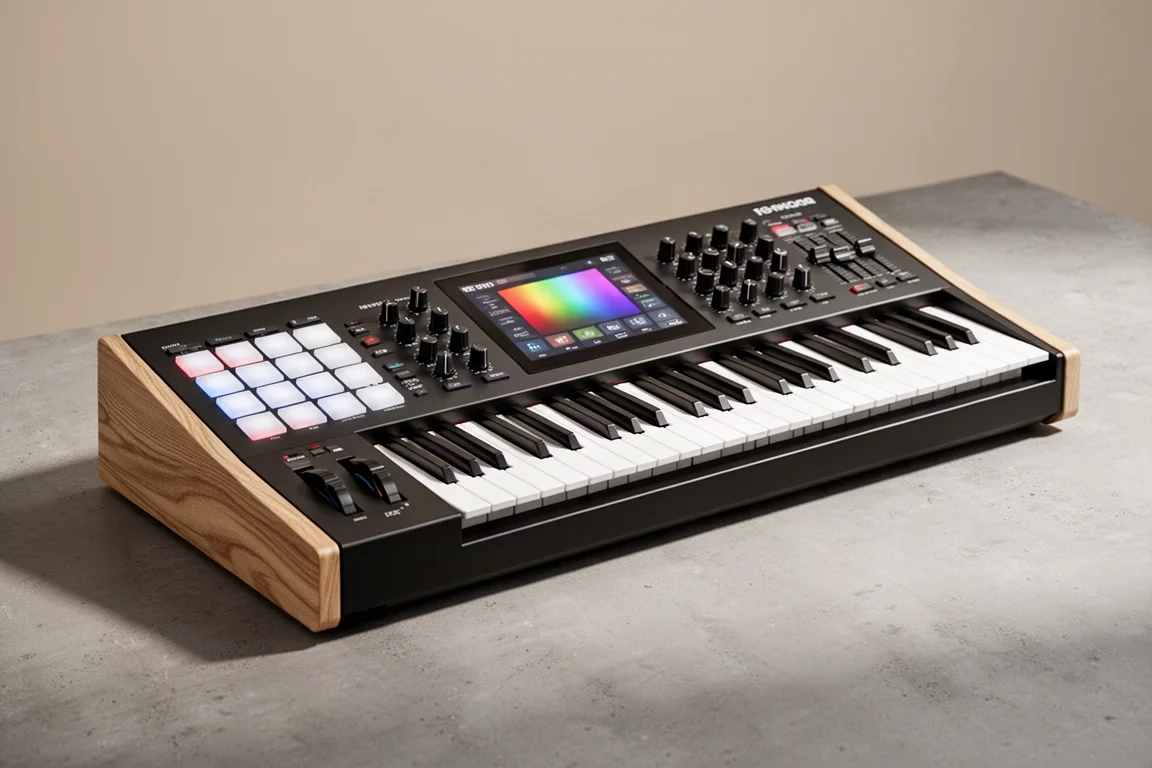
Arturia KeyLab 88 MK3 Review: A Weighted Hammer Action Controller for Serious Virtual Instrument Work
The Arturia KeyLab 88 MK3 brings a fully weighted hammer action keybed, deep software integration, and hands-on controls to a flagship MIDI controller.