Stationery
KOKUYO Jibun Techo Review: A Deeply Thought-Out Japanese Planner
The KOKUYO Jibun Techo packs a 24-hour vertical timeline, weather and mood tracking, and carefully chosen paper into one of the most popular Japanese planners available today.
Introduction
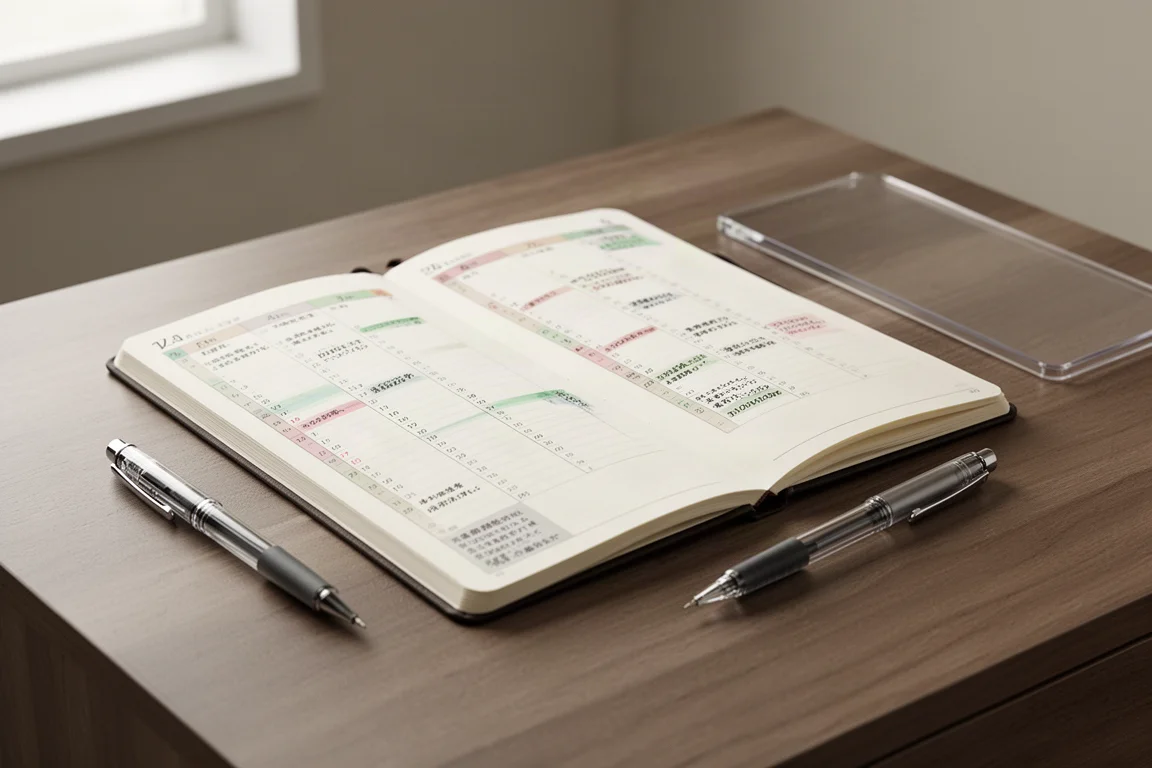
The KOKUYO Jibun Techo has a reputation for being complicated at first glance, and that reputation is not entirely unfair. Each spread is packed with sections for tracking the weather, your mood, and more. Yet it remains one of the most popular planners in its category, and after spending time with its design philosophy, it is easy to see why.
This is not a planner that tries to be minimal. It is a planner that tries to give every piece of your life a clearly defined place, from your work schedule to your sleep to family plans. The result is a system that rewards even light use and forgives imperfect habits.
The Story Behind It
The Jibun Techo began as a personal project. Its creator, Hideaki Sakuma, originally printed the planner himself because no existing product fit his lifestyle. He worked late nights and stayed up into the morning, and typical planners starting at 8 a.m. and ending around 10 p.m. simply did not accommodate that.
After challenges with self-publishing, he approached KOKUYO, a leading Japanese stationery company with a 120-year history and a long-standing belief in helping people express themselves through stationery. The partnership brought the Jibun Techo to a worldwide audience, and the planner continues to be refined each year based on feedback from its passionate fan community, some of whom have submitted improvement requests en masse at fan meetings.
The Layout: Vertical Timeline and Purposeful Spaces
The Jibun Techo comes in two formats: a weekly vertical layout and a daily vertical layout. Both use a 24-hour timeline running down the page, a deliberate choice by Sakuma, who reasoned that the human eye naturally moves from top to bottom, much like a Japanese TV program guide. A full 24-hour axis means night owls and early birds are equally served.
The signature design move is placing the time axis through the middle of the layout, so you can separate different kinds of information by writing on either side. On the daily format, for example, you can keep your schedule on the right side and your to-do list and family plans on the left. The horizontal axis shows about three weeks’ worth of dates, with the intersection marking the current date and a gray portion highlighting the current Monday-to-Sunday week, shifting left by one day with each page turn. That axis design earned a patent.
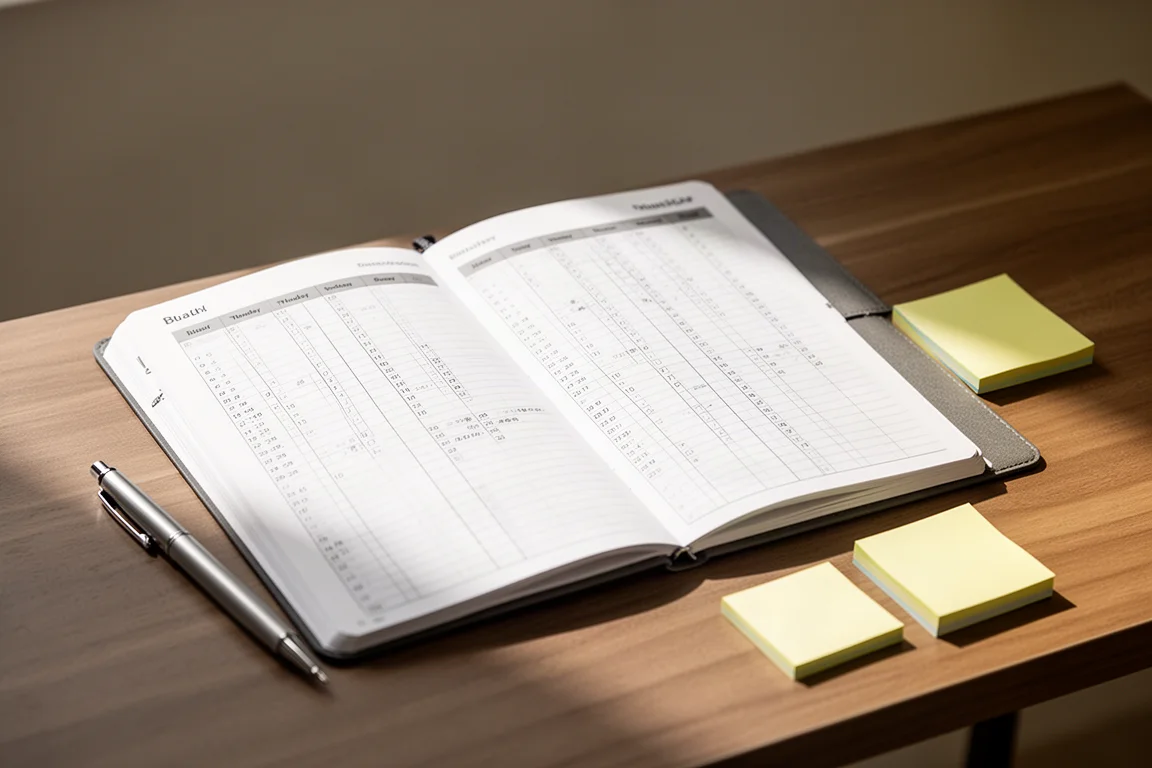
For first-time users, the structured spaces are the real advantage. Rather than a blank page with dates, everything has an obvious home, which makes the format approachable even if you have never used a vertical planner before.
Paper Choices: THIN PAPER and MIO PAPER
Paper selection is where the Jibun Techo quietly differentiates itself. The Standard version uses KOKUYO THIN PAPER, chosen because thinner paper keeps the book less bulky even when filled with stickers, while still resisting bleed-through from fountain pens and most writing instruments.
The Biz version uses KOKUYO MIO PAPER, a sturdy, thick stock with a firm texture. That firmness matters specifically for erasable FriXion pens: no matter how much you rub the eraser over the page, the paper will not get ruined. The two paper types reflect two intended styles of use, heavy writing and frequent revisions.
Writing Tools That Pair Well With It
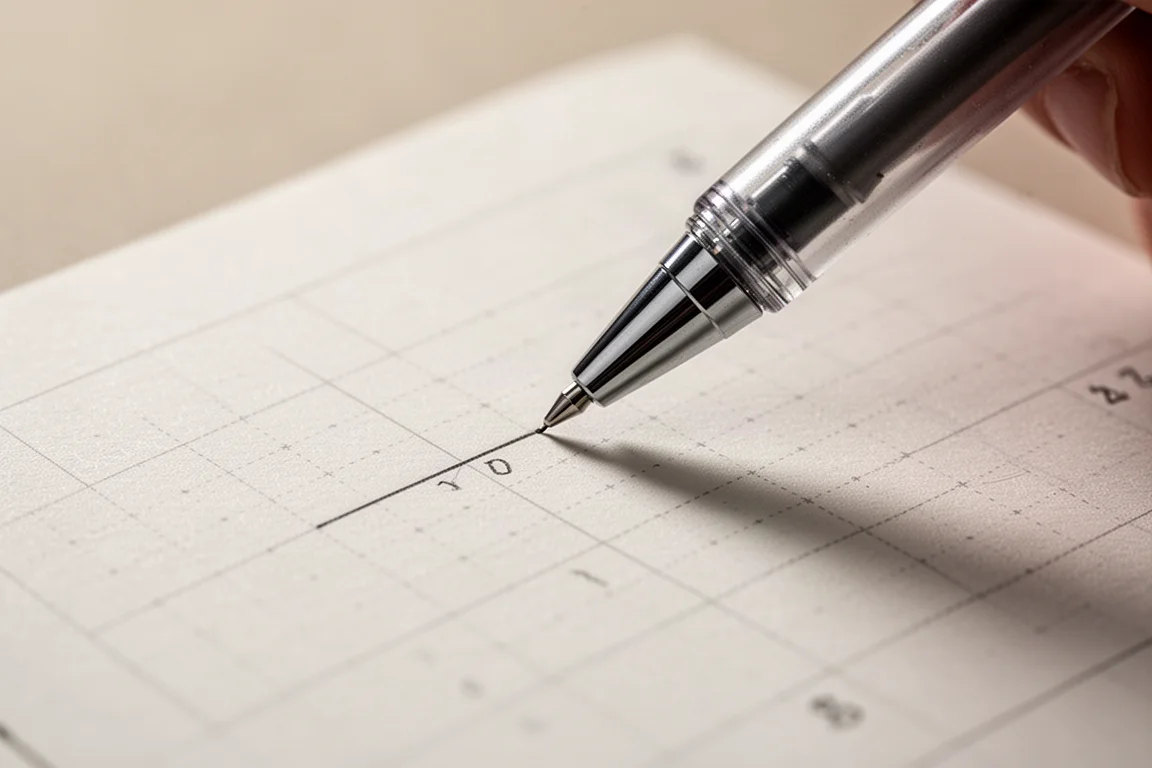
Sakuma’s own favorites are a practical starting point: the Pilot Juice Up Gel Pen, the Pentel EnerGel Gel Pen, and the Zebra Sarasa Dry Gel Pen. He favors blue ink for everyday writing and red ink for emphasis, keeping the system simple and readable.
For schedules that change frequently, erasable FriXion pens are the go-to choice, particularly on the Biz version’s MIO PAPER. For color-coding, he maps out work times, social calendar, and meals with Zebra Optex 1 EZ Highlighters, whose vibrant colors make each category obvious at a glance. KOKUYO’s own pens and highlighters also work well.
Who the Jibun Techo Is For
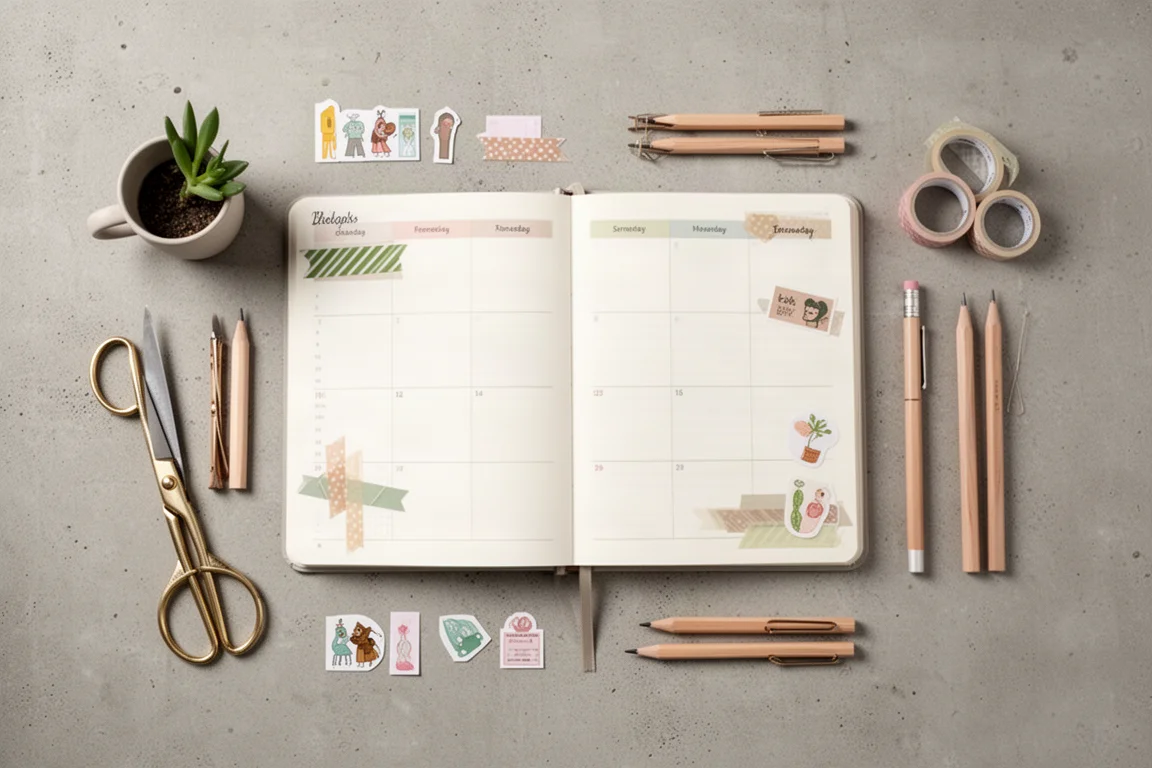
The weekly format suits people who want everything in one place at a glance. The daily format, the Jibun Techo DAYs, came about when the creator’s family grew to three children and the weekly space was no longer enough to record everything. It is now a single whole-year book as of 2025, previously split into two half-year volumes, and it is thick enough to look intimidating at first.
An undated version does not currently exist, though it has been requested, and some users prefer to write only on eventful days. The creator’s advice applies here: do not force yourself to fill every page. An empty-looking planner can simply mean you were busy or fulfilled enough not to write, and striving for perfection defeats the purpose.
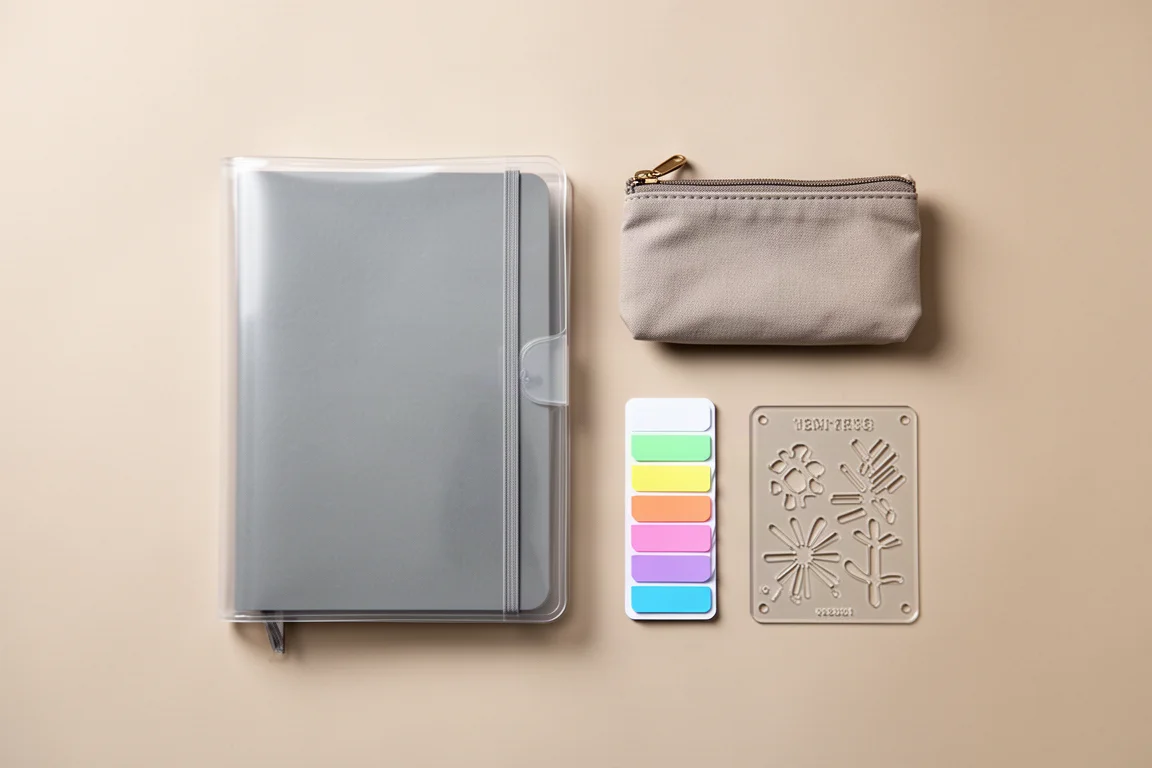
The most practical way to start is also the simplest: try it for one week rather than committing to a full year. Record something anyone does daily, such as how long you sleep or what you ate, and it becomes surprisingly easy to see how you are actually doing. Use the pages that matter to you and skip the ones that do not.
Conclusion
The KOKUYO Jibun Techo rewards a specific kind of user: someone who wants a structured, information-dense system with a genuine 24-hour timeline and paper engineered for how they actually write. Its vertical layout, patented week-tracking axis, and thoughtful paper choices make it far more approachable than its dense appearance suggests. If you have struggled to find a planner that fits an unusual schedule or a full life, this one is built precisely for that problem.
Product link
View more details for Kokuyo Jibun Techo
This product is mentioned in the review. Check the specifications, options, and compatibility before buying.
View more details for Kokuyo Jibun TechoFurther reading
Related Reviews
Stationery
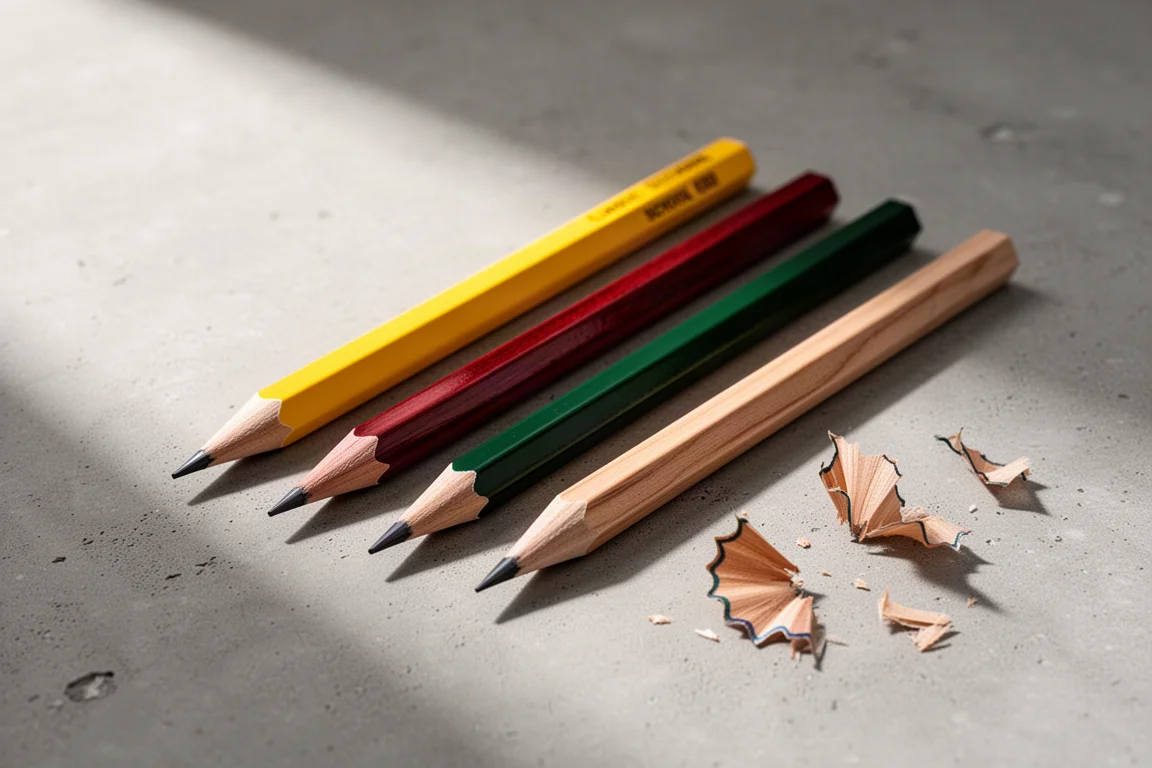
Musgrave Pencils Review: Four Classic Pencils from Tennessee's Last Pencil Factory
We put four Musgrave pencils to paper, from the classic Harvest to the Unigraph 1200 drawing pencil, to see what a century-old Tennessee workshop can still do.
Stationery
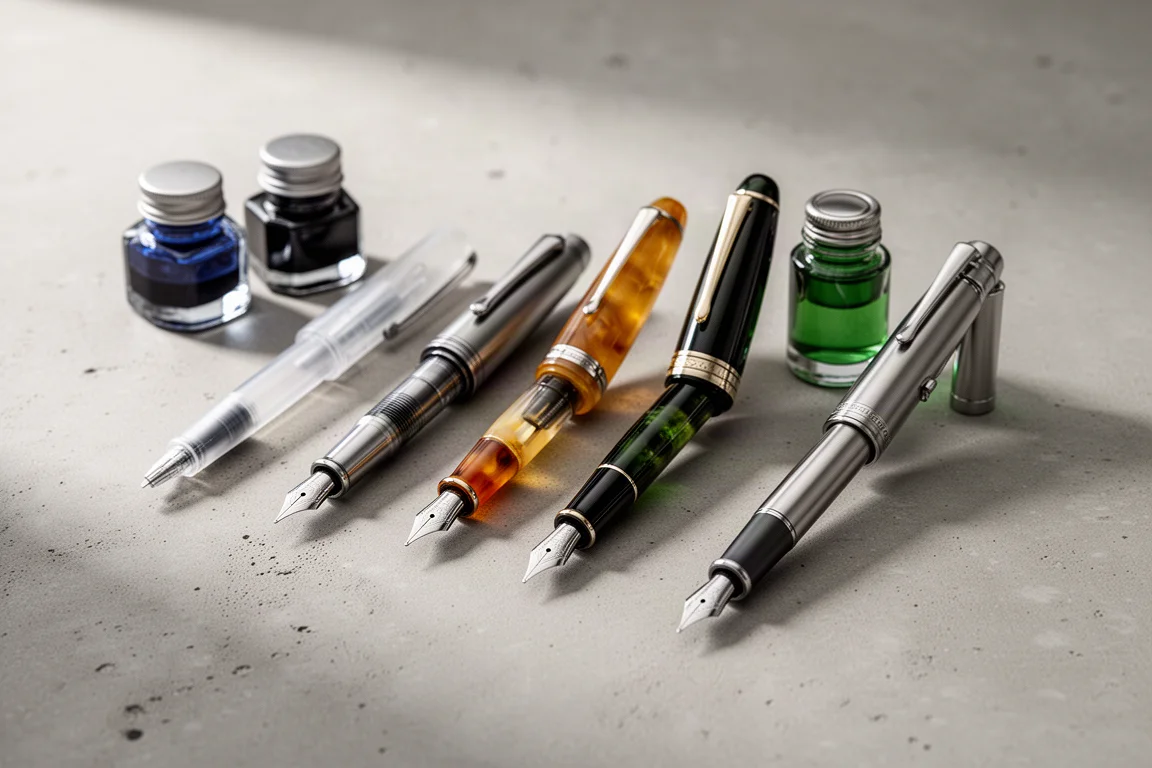
Fountain Pen Tiers Explained: From Starter Pens to Luxury Grails
A practical overview of the different levels of fountain pens and inks, from a sub-$20 starter setup to Italian piston fillers and retractable gold-nib everyday carries.
Stationery
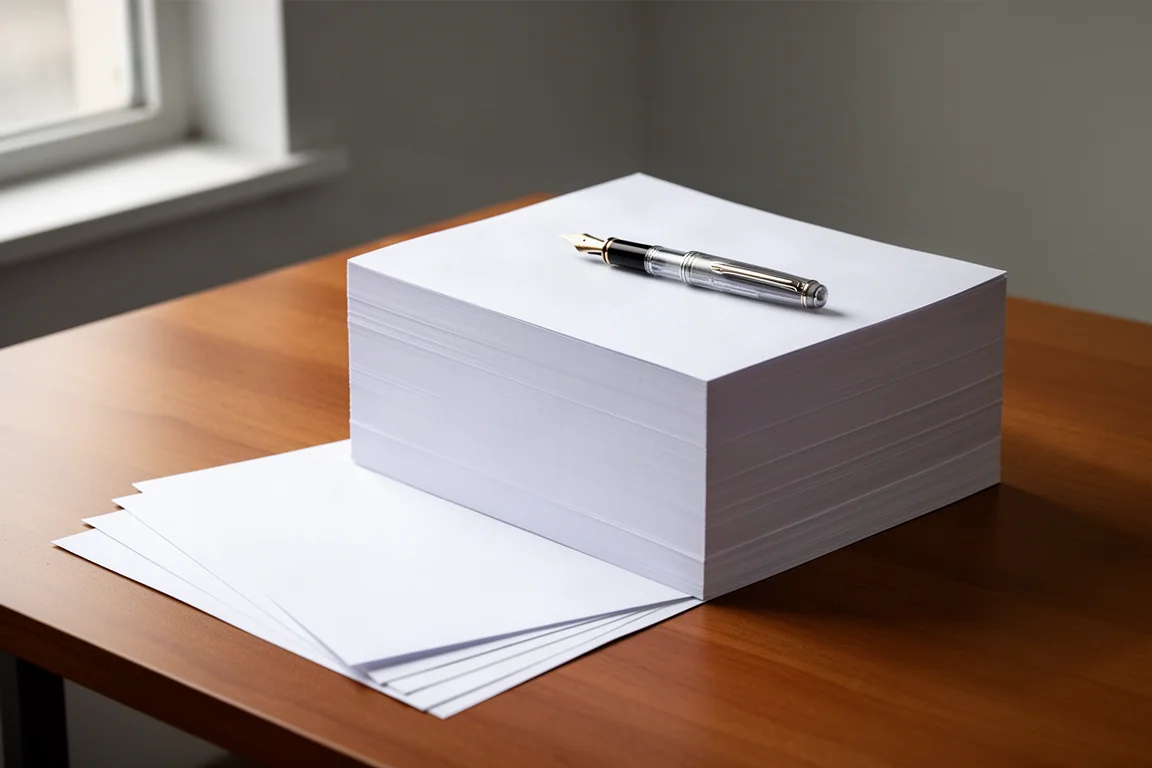
HP Premium 32 lb Copy Paper Review: A Fountain Pen Friendly Everyday Printer Paper
A heavy, smooth 120 GSM copy paper that handles fountain pens far better than standard printer stock, with only minor trade-offs in shading and sheen.