Floorstanding Speakers
Klipsch RP-5000F II vs RP-6000F II vs RP-8000F II: Which Floorstanding Speaker Should You Choose?
A practical comparison of Klipsch's three Reference Premiere II floorstanding towers, covering sensitivity, bass extension, treble balance, and placement.
Introduction
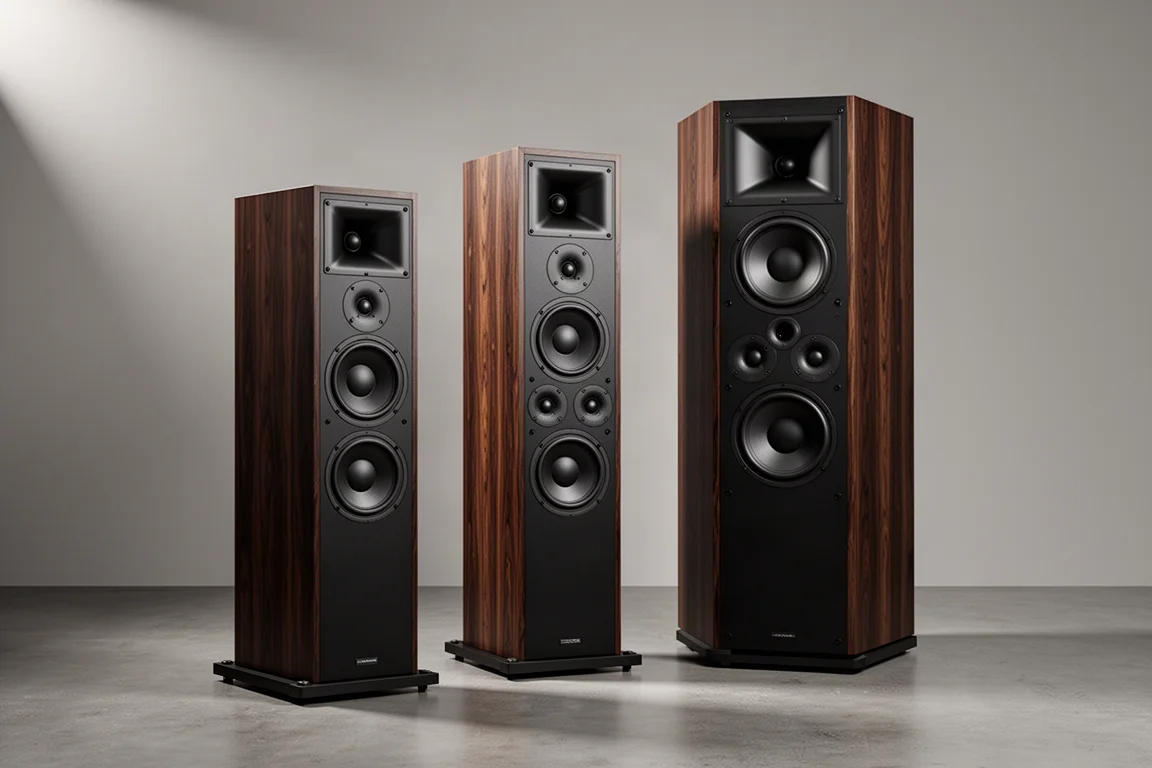
Klipsch’s Reference Premiere II floorstanding range gives buyers three tower speakers built around the same horn-loaded tweeter concept, and the differences between them are smaller than the price gaps suggest. The RP-5000F II, RP-6000F II, and RP-8000F II share a family sound, a similar radiation pattern, and the same practical requirement: each one performs noticeably better when a subwoofer handles the deepest octaves.
Pricing runs from roughly $1,200 per pair for the RP-5000F II, to about $1,500 per pair for the RP-6000F II, up to about $1,800 per pair for the RP-8000F II. Beyond that, the meaningful differences are sensitivity, cabinet volume, low-frequency behaviour, and how forgiving each model is about placement.
This guide covers what the three towers share, what separates them, and which one makes sense for a given room, amplifier, and listening habit.
What the Klipsch RP II Series Has in Common
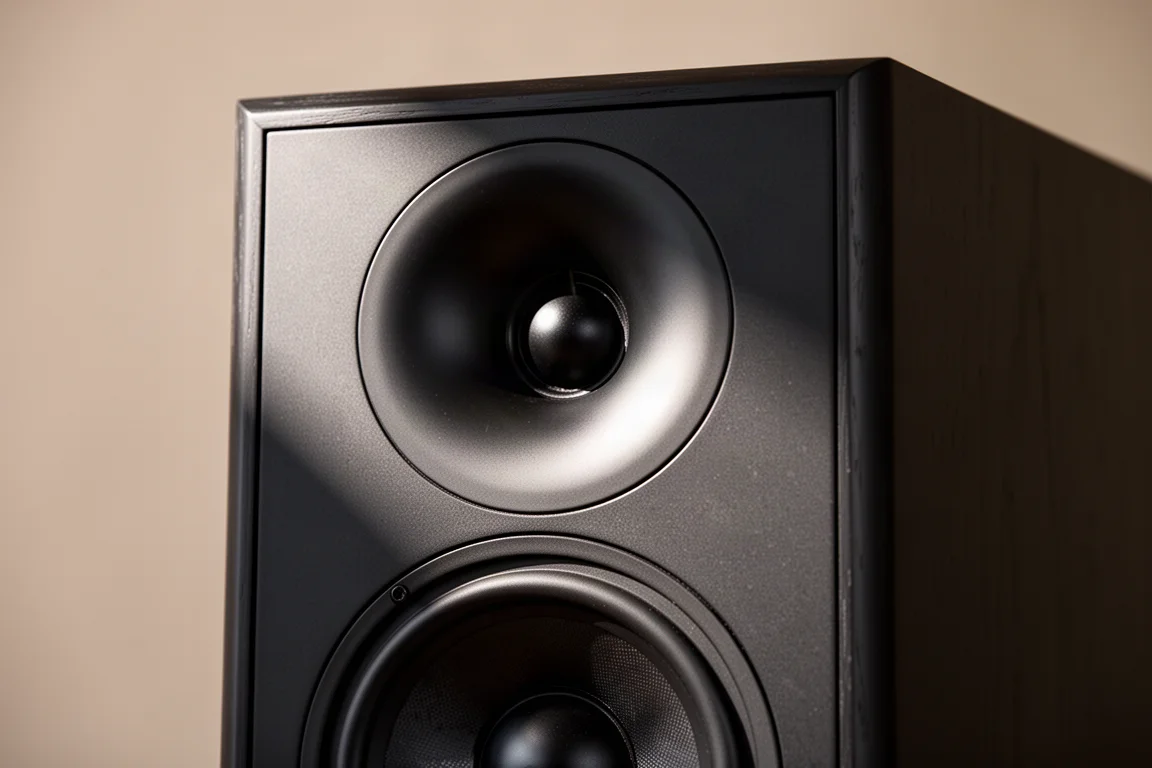
All three towers use a controlled directivity horn and waveguide for the high frequencies, which keeps horizontal radiation fairly tight. Depending on the model, useful horizontal coverage runs from roughly plus or minus 40 degrees to plus or minus 60 degrees. The trade-off is consistent across the range: a narrower soundstage than some wide-dispersion designs, paired with precise image placement inside that stage.
A second shared trait is tonal balance. Measurements show a baffle step mismatch in the 200 to 300 Hz region, where the upper bass and the midrange do not transition evenly. On top of that, the high frequencies sit about 1.5 to 2 dB above the mean sensitivity from around 2 kHz upward. Together, those two characteristics produce a leaner low end and a brighter top end than a neutral balance would suggest.
Low-frequency extension is limited on all three. The bass can feel thin in a room no matter how the speakers are positioned, and the measured data points to the same cause: the upper bass and midrange do not meet evenly, and extension runs out early. Buyers should plan on a subwoofer with any of these models.
Vertical directivity is tight as well. Listeners need to sit within roughly plus or minus 10 degrees of the tweeter axis, which matters in multi-row home theatre setups where the back row sits higher than the front.
Finally, the region between about 1 and 2 kHz is the hardest to correct with equalisation, because it stems from the vertical offset between the horn and the woofer below it. Other irregularities, including the treble tilt and the baffle step mismatch, respond far better to EQ.
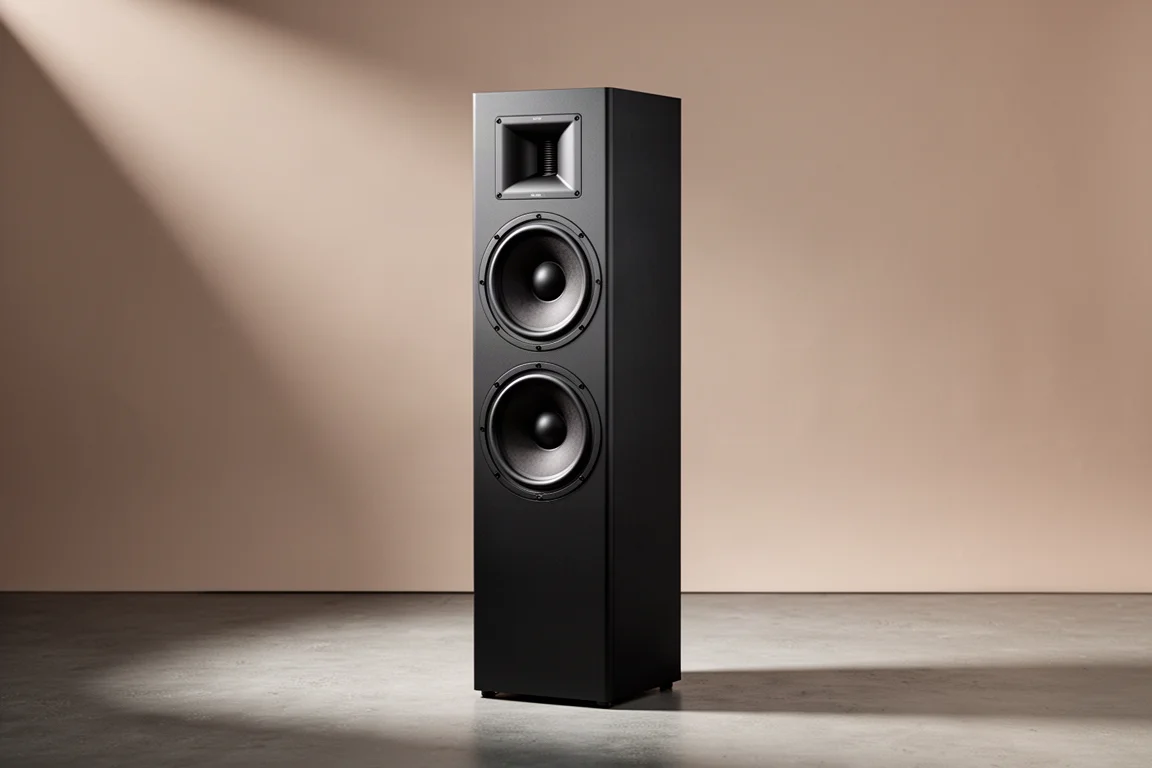
Klipsch RP-5000F II: The Entry Point
The RP-5000F II is the most affordable of the three at around $1,200 per pair, and it also delivers the most linear estimated in-room response. Sensitivity is a healthy 90 dB, so modest amplifiers can drive it to sensible levels in most rooms.
Measured extension places f3 near 55 Hz and f10 near 41 Hz, which confirms that a subwoofer belongs in the plan rather than on a wish list. The treble rise is milder here than on the larger models, at roughly 1 dB, and the baffle step swing is around 2 dB.
The estimated in-room response shows a broad lift between 300 Hz and 1 kHz that can make the sound feel slightly boxy, plus a dip near 1.5 kHz that costs some fine detail. Horizontal coverage runs about plus or minus 50 to 60 degrees and narrows above roughly 3.5 kHz. Vertical coverage holds within about plus or minus 10 degrees of the tweeter line. Compression behaviour stays good at normal listening levels, though a subwoofer is still advisable at the highest outputs.
Klipsch RP-6000F II: Bigger Cabinets, Similar Trade-offs
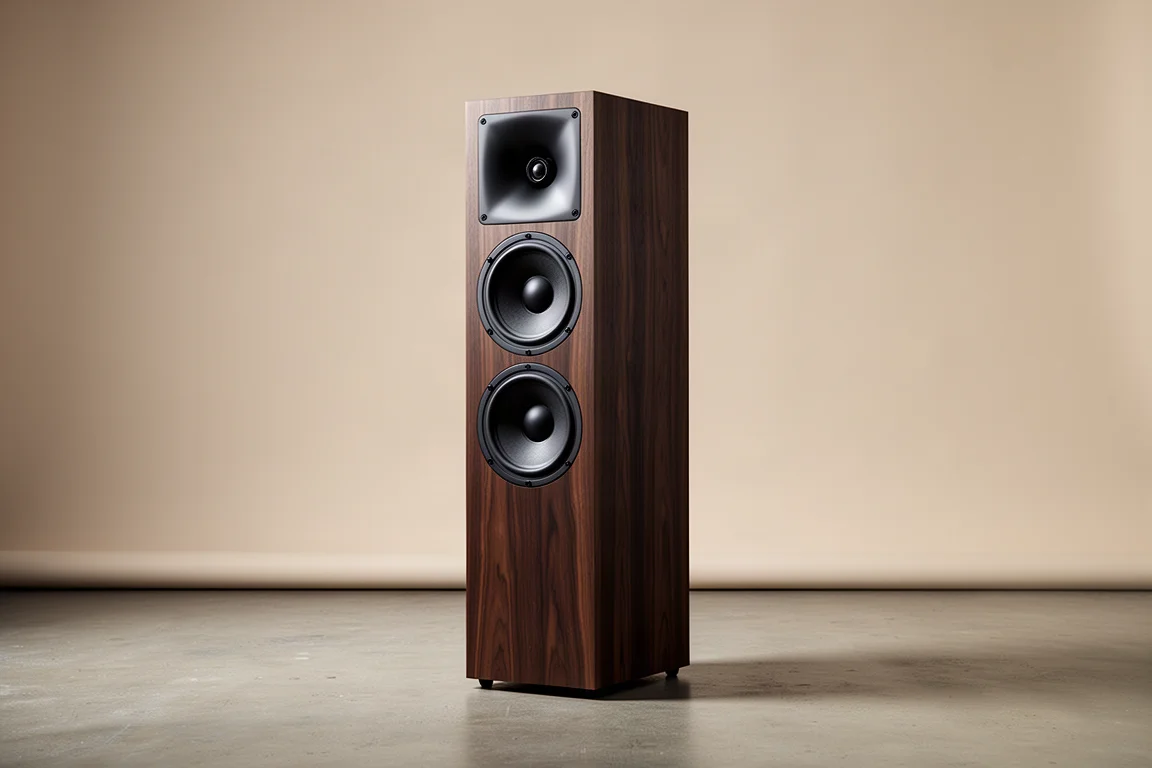
The RP-6000F II sits in the middle at about $1,500 per pair. Sensitivity remains around 90 dB, and a pair of 6-inch woofers behind the waveguide gives it more cabinet volume without changing the family character.
The baffle step mismatch is more pronounced than on the RP-5000F II, with a swing closer to 3 to 4 dB depending on frequency. Measured f3 lands near 67 Hz, while f10 reaches down to about 33 Hz. The high-frequency tilt stays in the same 1.5 to 2 dB range above the mean sensitivity.
In-room behaviour follows a similar pattern to the smaller model: a lift between 300 Hz and 1 kHz that reads as slightly boxy, and a lack of detail through the 1 to 2 kHz area. This model adds a further lift in a region that can make vocals sound sibilant and some instruments sound edgy, which makes it the least forgiving of the three on rougher recordings.
Horizontal coverage is again about plus or minus 50 to 60 degrees, and the vertical listening window is about plus or minus 10 degrees. Compression behaviour is comparable to the RP-5000F II.
Klipsch RP-8000F II: The Most Capable of the Three
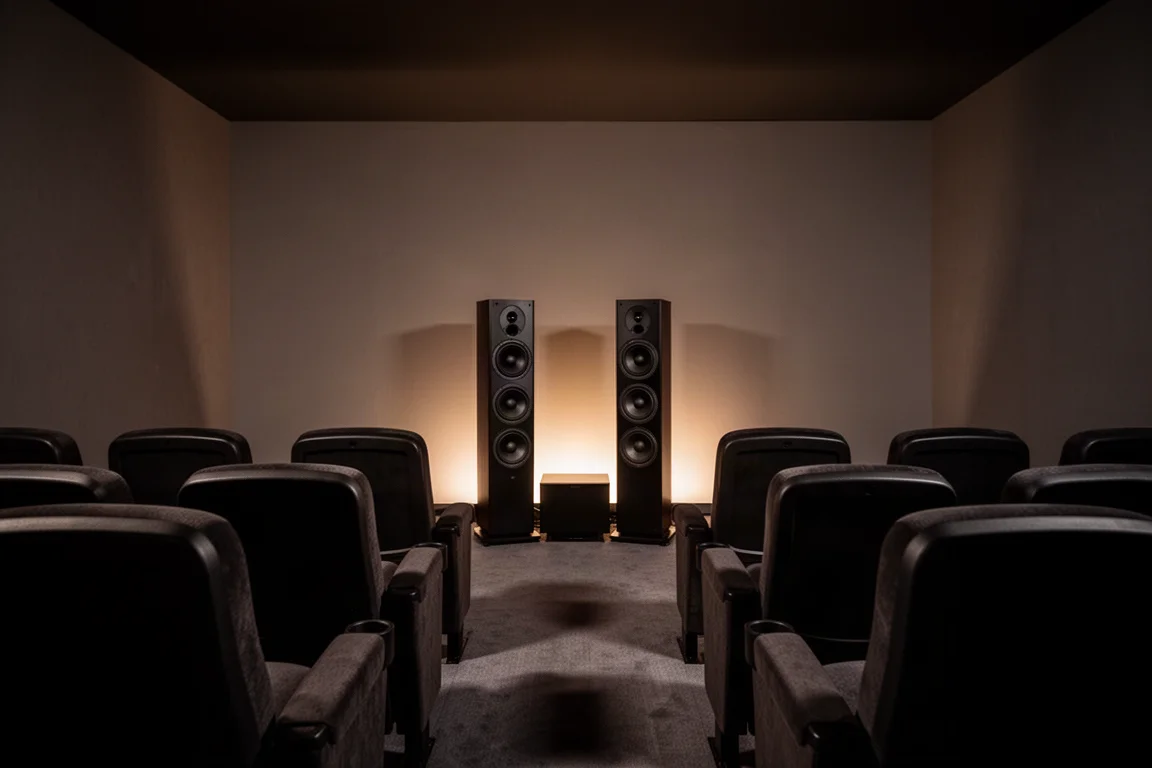
The RP-8000F II tops the range at roughly $1,800 per pair. It is about 2 dB more sensitive than its siblings, a genuine advantage for buyers with modest amplification or larger rooms, and it is the strongest of the three on compression and dynamic behaviour.
Dual 8-inch woofers in a ported cabinet suggest deeper bass than the smaller models manage. In practice, the RP-8000F II reaches only about 50 Hz at best in-room and mostly hovers near 60 Hz, with f3 and f10 close to the RP-6000F II figures. Mid-bass measures around 2 dB below the midrange and treble, which is why the low end can sound lean rather than weighty.
The upper presence region is the other point worth knowing about. A lift between roughly 5 and 6 kHz makes certain guitar tones jump forward in a way that can feel aggressive. Horizontal coverage is tighter than on the other two models, at about plus or minus 40 to 50 degrees, and the vertical window is narrower as well, roughly plus 5 to minus 10 degrees, so placement and listening height matter more here.
Placement Tips That Change What You Hear
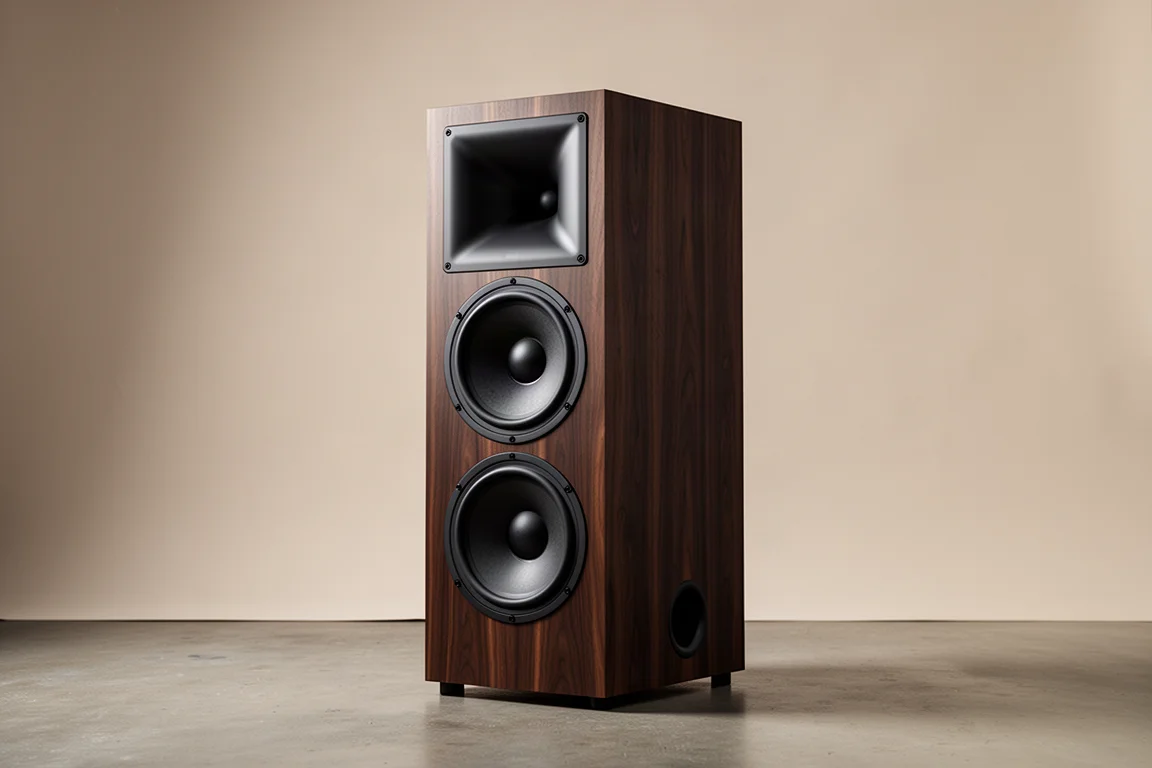
The manual recommends listening on axis, but the elevated treble suggests that a little toe-out is worth trying. Angling the speakers 20 to 30 degrees out into the room often brings the top end into better balance, and comparing both setups costs nothing before you settle on a position.
Room character matters as well. Because these speakers radiate fairly narrowly in the horizontal plane, they can suit lively, reflective rooms where a wide-dispersion design would sound bright and diffuse. The trade-off is a smaller sweet spot and a soundstage that feels more compact.
Vertical placement deserves attention too. Sitting at tweeter height keeps the tonal balance intact, while sitting above or below that line changes what you hear, which is worth remembering if you run a second row of seats.
Equalisation can help with two of the three main issues. Pulling down the treble tilt and easing the 200 to 300 Hz baffle step mismatch makes the speakers noticeably more linear without giving up output. The dip around 1 to 2 kHz is harder to correct, because it comes from the physical alignment of the drivers rather than from the crossover.
How to Choose Between the Three Models
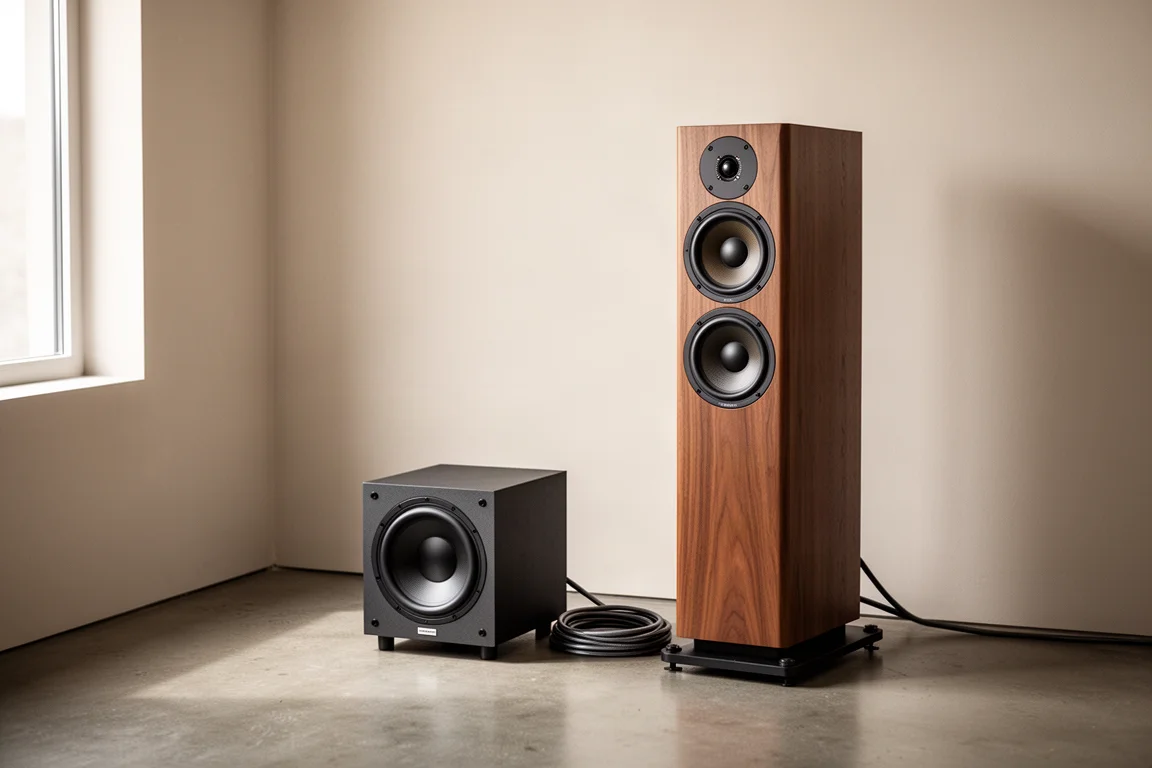
If budget and measured balance matter most, the RP-5000F II is the strongest value of the three. It offers the gentlest treble rise and the most linear estimated in-room response, and at about $1,200 per pair it leaves more room in the budget for the subwoofer that all three models need.
The RP-6000F II makes sense when you want more cabinet volume and deeper f10 extension, and you are willing to accept a larger baffle step mismatch and a region that can sound sibilant. The RP-8000F II is the pick when sensitivity, dynamics, and headroom matter more than a lean mid-bass and a tighter listening window.
One practical rule applies to all three. Budget for a subwoofer and for some form of equalisation, because those two additions address the bass leanness and the treble tilt more effectively than stepping up the range does. Choose the model whose strengths match your priorities rather than the largest cabinet your budget allows.
Conclusion
The Klipsch RP-5000F II, RP-6000F II, and RP-8000F II are variations on a single theme, and the differences between them are measurable but not dramatic. Each offers healthy sensitivity, precise imaging, and good compression behaviour at typical volumes, and each asks for a subwoofer and a little EQ work to sound its best.
The RP-5000F II is the safest choice for most buyers, since it is the most linear in-room and the least expensive. The RP-8000F II rewards listeners who need output and dynamics, provided they can place it carefully and accept a leaner mid-bass. The RP-6000F II sits between them, with more low-end reach on paper and a tonal balance that is the least forgiving of the three.
Further reading
Related Reviews
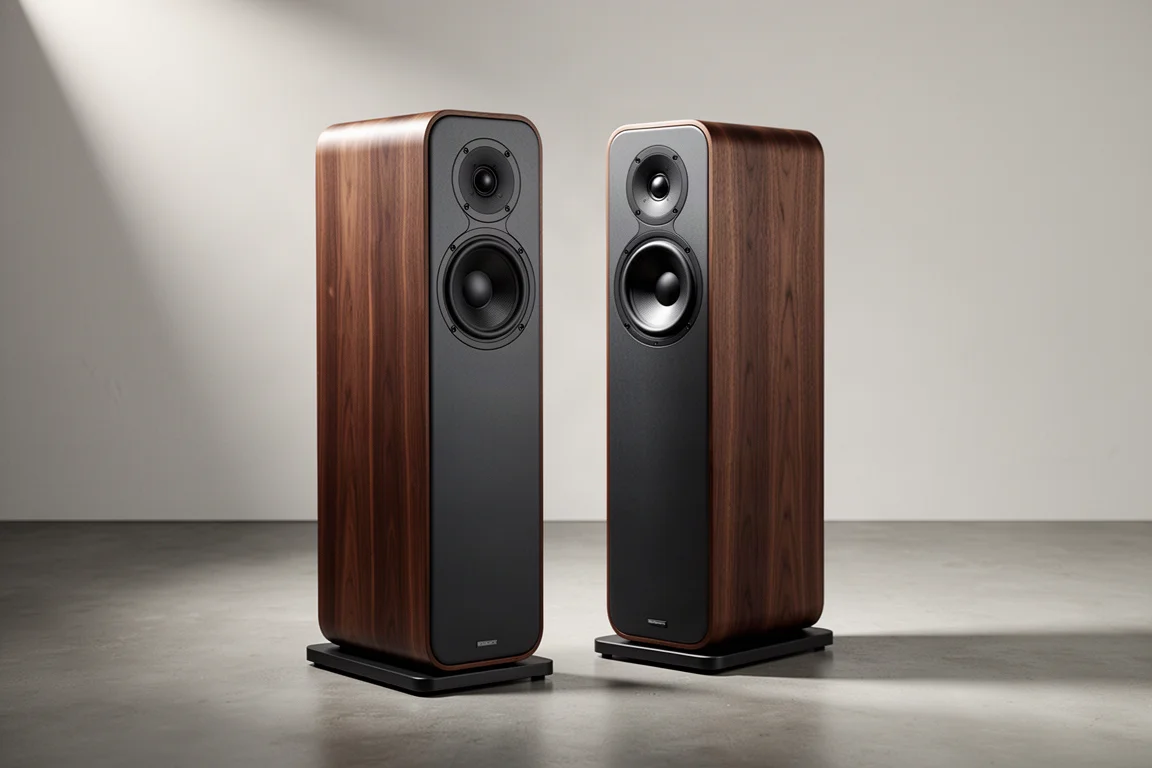
Floorstanding Speakers
Acoustic Energy AE109 Mark II Review: A Refined Floorstander at £699
The Acoustic Energy AE109 Mark II is a slim, warm sounding floorstander that delivers clarity, midrange body and strong imaging in small to medium rooms.
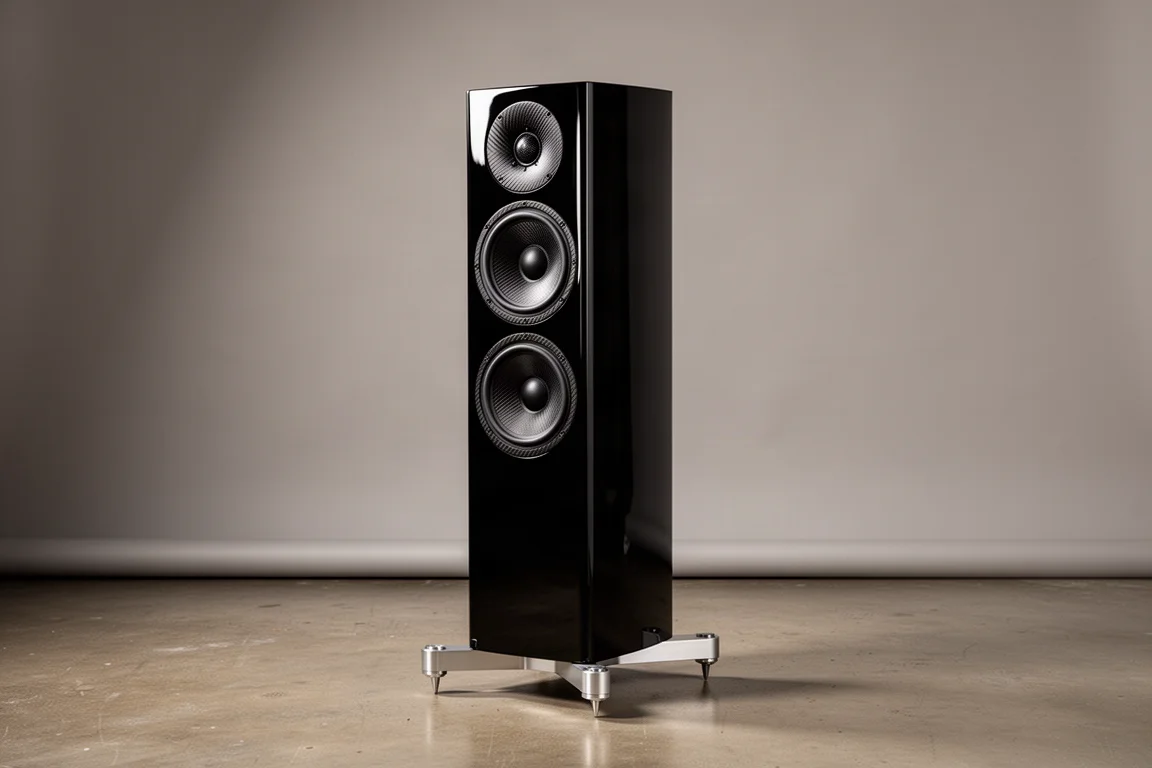
Floorstanding Speakers
Acoustic Energy AE509 Review: A Slim Floorstander With Deep, Defined Bass
A practical look at the Acoustic Energy AE509, a slim floorstanding speaker with carbon fibre drivers, deep and well-defined bass, and an easy-going character that rewards careful system matching.
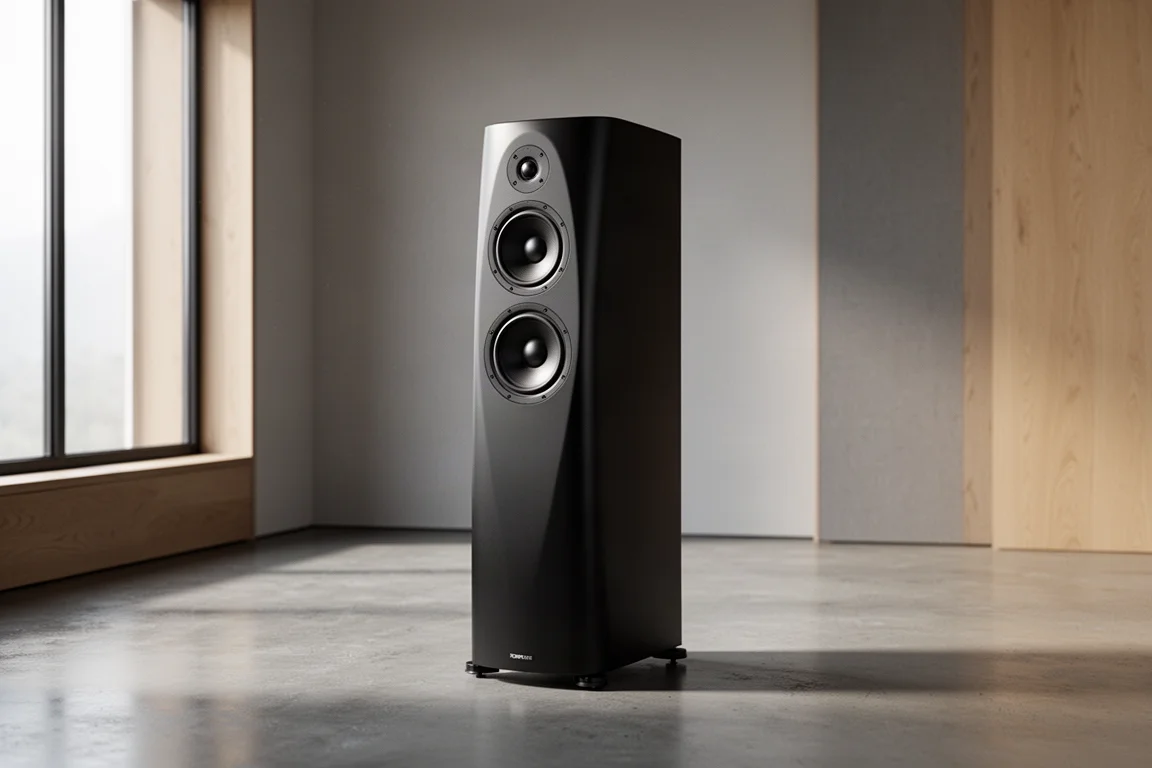
Floorstanding Speakers
Arendal 1528 Tower 8 Review: Reference Neutrality With Real Demands
A close look at the Arendal 1528 Tower 8, a nearly five-foot, 200-pound floorstander that rewards generous space, serious power, and high listening levels with reference-grade neutrality.