Floorstanding Speakers
Klipsch RP-6000F II Review: Deep Bass and Easy Amplifier Loads From a Slim Tower
A 96 dB floorstanding tower at $1,498 a pair that reaches into the 30 Hz range and stays composed from late-night levels to very loud playback.
Introduction
The Klipsch RP-6000F II is a two-way floorstanding tower priced at $1,498 a pair, and its specification sheet reads like something from a much larger cabinet. Sensitivity is rated at 96 dB, and the low-frequency limit is quoted at 38 Hz. In a normal listening room it reaches comfortably into the 30 Hz range, which is a considerable amount of bass for a slim tower with two 6.5-inch woofers.
The tower also costs exactly double the Klipsch RP-600M II stand mount at $749 a pair. On paper that looks like a straightforward size upgrade. In practice it is a substantially better speaker rather than simply a louder one, with more low-frequency weight and a greater sense of scale.
Who This Speaker Is For
This tower suits listeners who want a full-range system without adding a subwoofer, and who value the flexibility that comes with high sensitivity. Because the RP-6000F II is rated at 96 dB, it can be driven by amplifiers that would struggle with a typical low-sensitivity floorstander, including low-powered tube designs.
It also rewards listeners who move between extremes. The speaker stays engaging at hushed late-night levels and remains composed when the volume goes up, rather than getting harder and more aggressive as it is pushed.
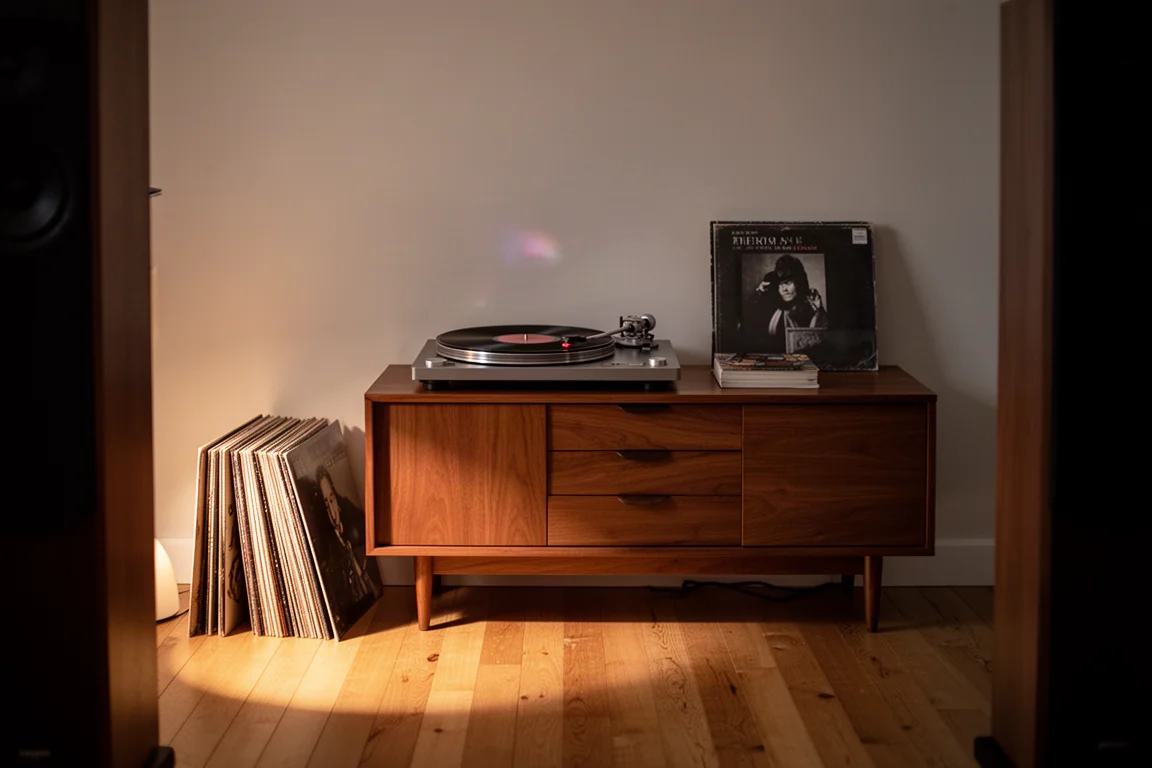
Room size matters here. In a large room the tower’s bass output is an asset. In a small room, roughly 12 by 15 feet or less, a smaller stand mount is usually the safer choice, since a speaker with this much low-frequency energy can overwhelm a confined space when played loudly.
Design, Build Quality, and Setup
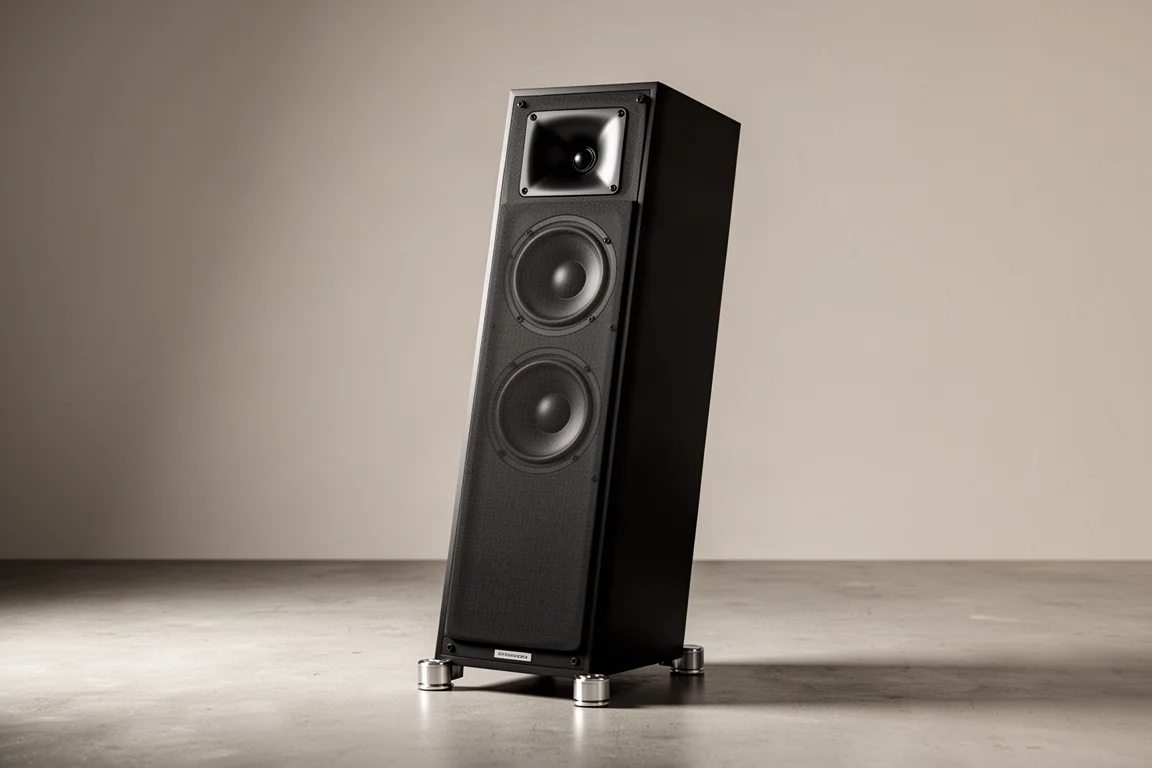
The RP-6000F II is a two-way design built around a 1-inch titanium compression driver mounted in a Tractrix horn, with two 6.5-inch Cerametallic woofers below it. Each woofer sits in its own internal compartment and uses its own Tractrix port, so the two drivers do not share interior volume.
The cabinet is tall, slim, and relatively deep, and it is canted back slightly so the drivers angle upward toward the listener. The feet are cast aluminium rather than plastic, which is not always a given at this price. A full-height grille attaches magnetically and covers the front cleanly.
Around the back there are three sets of binding posts. The extra top set is there for an optional up-firing Atmos module that sits on top of the cabinet and fires toward the ceiling, which gives the speaker an easy path into an Atmos setup.
Finishes are walnut and black, both vinyl rather than real wood veneer, and both neatly applied. Setup is undemanding: place the speakers, apply a small amount of toe-in, and the work is essentially done.
Manufacturing is handled in China from designs created in the United States, using factories Klipsch has long-standing relationships with for quality control. Buyers who specifically want a US-built Klipsch speaker still have options, including the Heresy, Forte, Cornwall, La Scala, Jubilee, and the RF-7 III tower at $4,400 a pair.
Main Strengths: Dynamics and Deep Bass
Bass is the headline. Two 6.5-inch woofers in a slim tower have no business sounding this substantial, yet the RP-6000F II produces low-frequency energy and quality that is genuinely impressive for the money. It can shake a room, though it is not a substitute for a dedicated subwoofer.
Dynamics are the second strength. The speaker has real drive behind the music, and dense, bass-heavy recordings played at high levels come across with force rather than compression. The horn-loaded top end also gives rock music the hard edges and intensity that suit the genre.
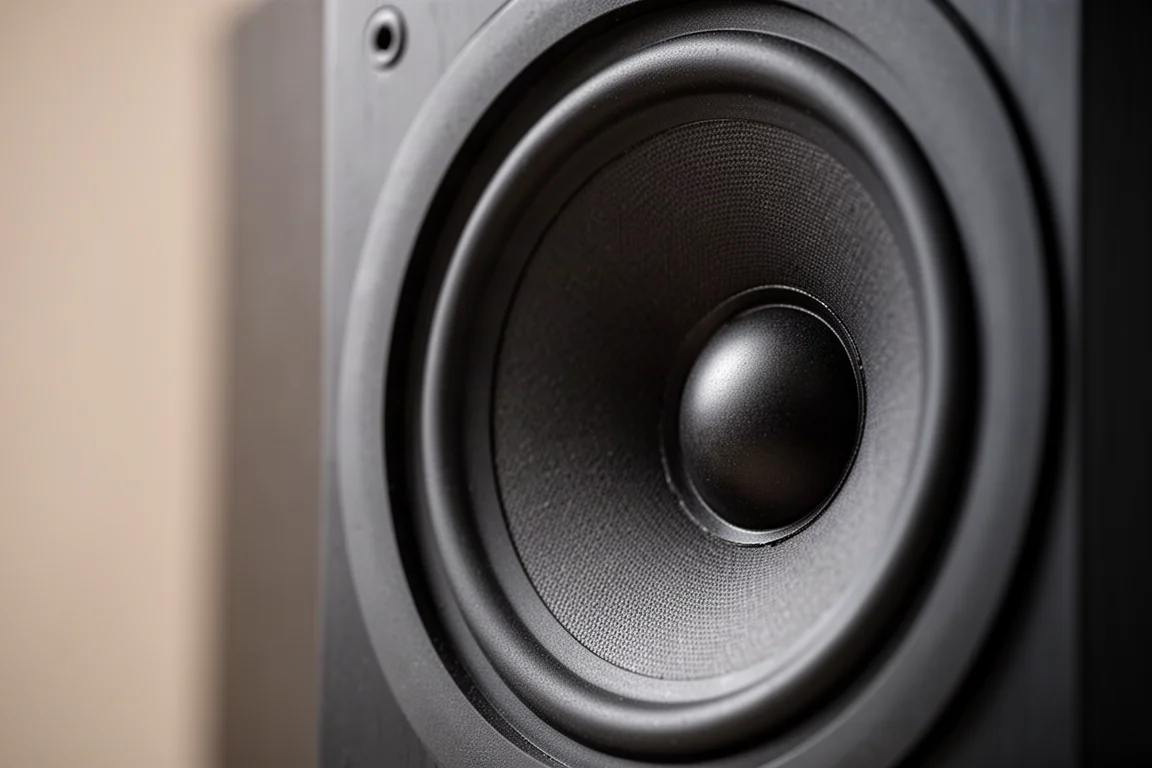
Volume behaviour deserves its own mention. Plenty of speakers sound good at one level and fall apart at another. This one holds together when played quietly, at moderate levels, and very loudly, which makes it easy to live with across a full evening of listening.
Listening Notes Across Music and Volume Levels
Solo piano is a revealing test for a tower like this, and a well-recorded Duke Ellington programme showed the speaker delivering the scale and the physical size of the instrument rather than a flattened version of it. The playing ranges from very soft to hard struck, and that dynamic spread came through clearly.
A pipe organ recording was equally persuasive. The sense of air moving through pipes was present, and the instrument seemed to breathe, with both large and small dynamic shifts rendered vividly.
Dense, bass-heavy modern funk and electronic productions exercised the woofers, and the tower handled the low-frequency weight without losing composure. Rock recordings with hard, spiky guitar edges arrived with the intensity that horn-loaded designs tend to deliver well.
Smaller, intimate material was treated with care too. A two-song acoustic release built around a very quiet vocal sounded close and largely untreated, and the speaker did not add gloss where none belonged.
Amplifier Pairing and Sensitivity
The 96 dB rating is not marketing decoration. A 2.3 watt per channel single-ended tube integrated amplifier drove the RP-6000F II to reasonable levels, comfortably into the 80 dB range. That is not a recipe for loud rock playback, but it is a strong signal that the speaker is unusually friendly to low-power amplification.
A modest real-world system, built around a $500 integrated amplifier and a Blu-ray player used as a disc transport, was musical and played loudly enough. It did not match a high-end chain for depth, space, and tonality, but it did not embarrass itself either.
At the other end of the scale, a reference front end with a separate preamplifier and a First Watt J2 power amplifier showed how far the speaker can be taken. It responded to improvements upstream, which is a good sign for anyone planning to upgrade electronics over time.
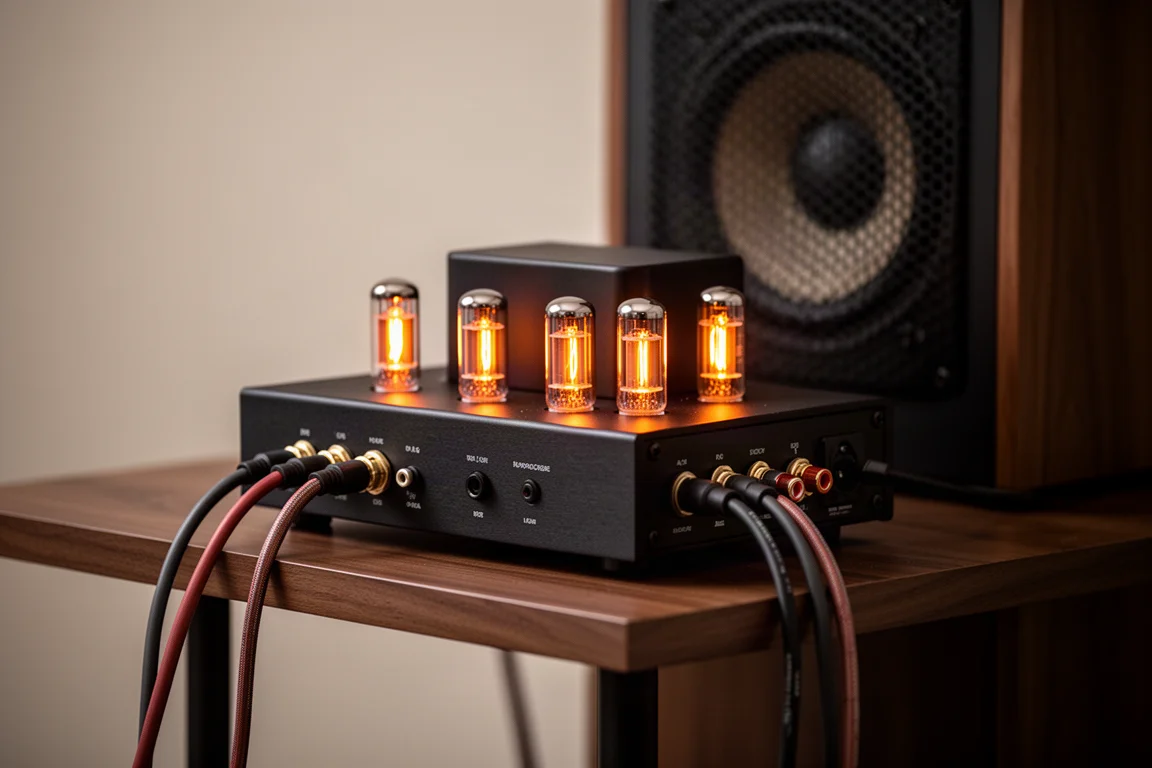
Pairing advice is therefore simple. Almost any competent amplifier will work, and the speaker is transparent enough to reveal the differences between them.
Things to Consider Before Buying
Imaging is the clearest compromise. The RP-6000F II sounds open and spacious, which is notable for a horn design, but it does not produce laser-focused, hyper-resolving images or layer instruments with pinpoint precision.
The top end is good rather than exceptional. It does not call attention to itself, but it is not ultra-resolving or extended. A stand mount such as the Buchardt S400 MKII was noticeably clearer and more transparent in the treble, while the Klipsch pulled ahead on dynamics and drive.
The RP-600M II comparison is also worth knowing about. The stand mount is an excellent speaker in its own right, but side by side the tower is simply better: lower, more dynamic, and more alive.
Scale is the other consideration. A much larger three-way speaker such as the Klipsch Cornwall IV, with its 15-inch woofer, is more effortless, plays louder, and does essentially everything better. It also costs more than four times as much and occupies far more space, so that comparison is really about budget and room rather than about which speaker is the smarter buy.
Two smaller points are worth noting. The wood-look finishes are vinyl rather than real veneer, and production takes place overseas even though the design work is American.
Buying Advice
At $1,498 a pair, the RP-6000F II is a strong value proposition for a full-range tower. It delivers bass that reaches into the 30 Hz range, dynamics that hold up at high volume, and sensitivity that opens the door to low-powered amplifiers.
If the room is small, the RP-600M II at $749 a pair is the more sensible purchase. If the budget and the floor space allow for a much larger speaker, going bigger still pays off, but that is a different category of purchase entirely.
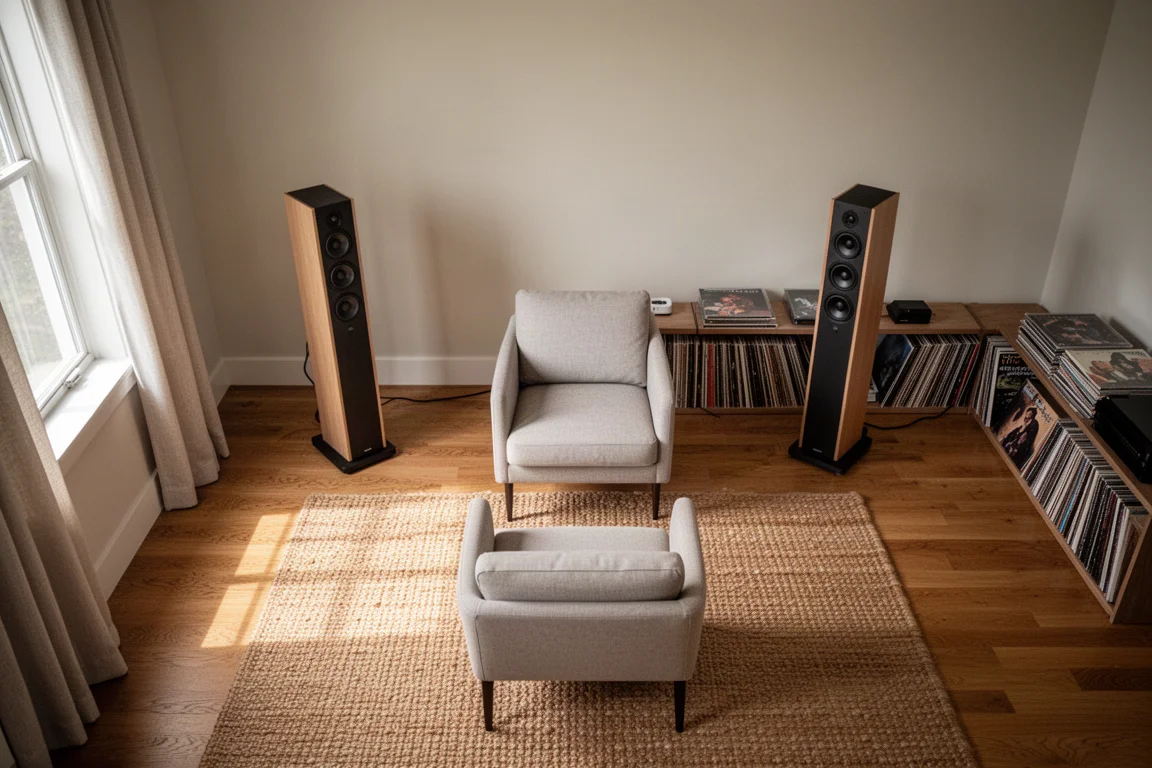
Amplifier choice should not be a source of anxiety. A modest integrated amplifier will get the system running well, and the optional Atmos module means the speaker can grow into a home cinema setup later without replacing the front pair.
Conclusion
The Klipsch RP-6000F II does not try to be a hyper-detailed audiophile monitor. It is an enjoyable, high-sensitivity tower with surprising bass extension and real dynamic drive, and it stays listenable at any volume. Buyers who want pinpoint imaging and an ultra-transparent treble should look elsewhere. Buyers who want a big, confident, easy-to-drive floorstander for the money will find a great deal to like here.
Product link
View more details for Klipsch RP-6000F II
This product is mentioned in the review. Check the specifications, options, and compatibility before buying.
View more details for Klipsch RP-6000F IIFurther reading
Related Reviews
Floorstanding Speakers
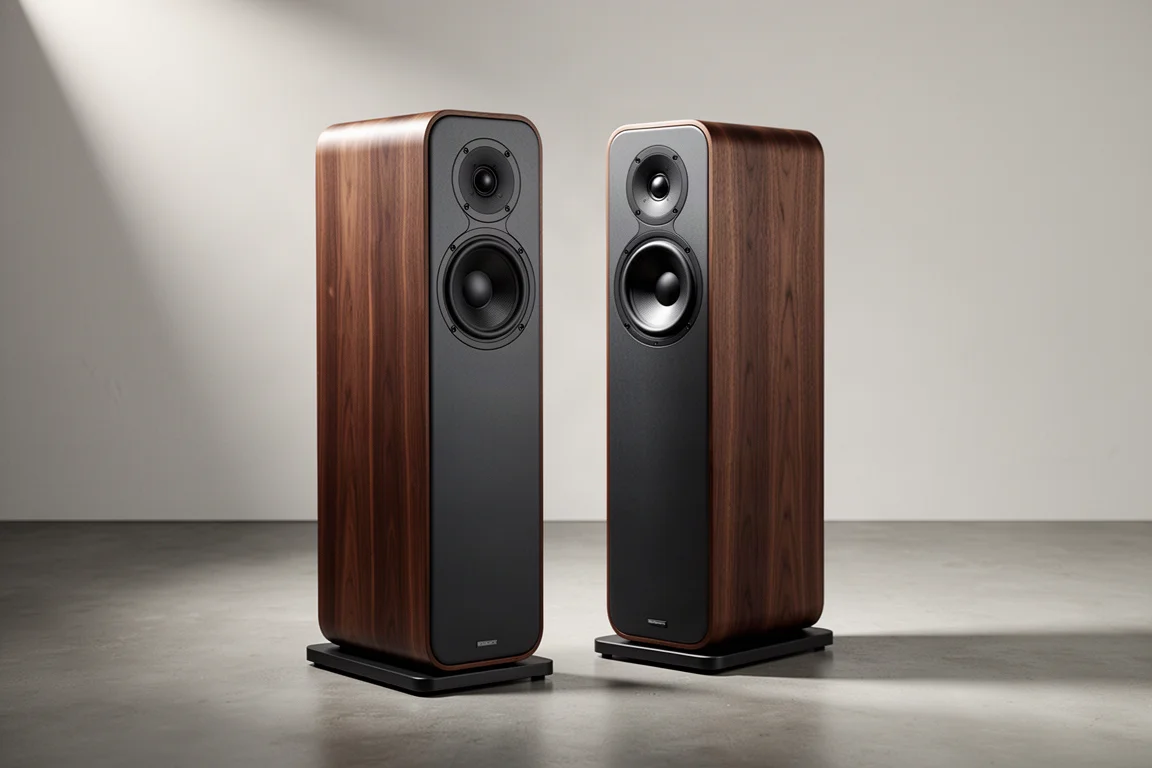
Acoustic Energy AE109 Mark II Review: A Refined Floorstander at £699
The Acoustic Energy AE109 Mark II is a slim, warm sounding floorstander that delivers clarity, midrange body and strong imaging in small to medium rooms.
Floorstanding Speakers
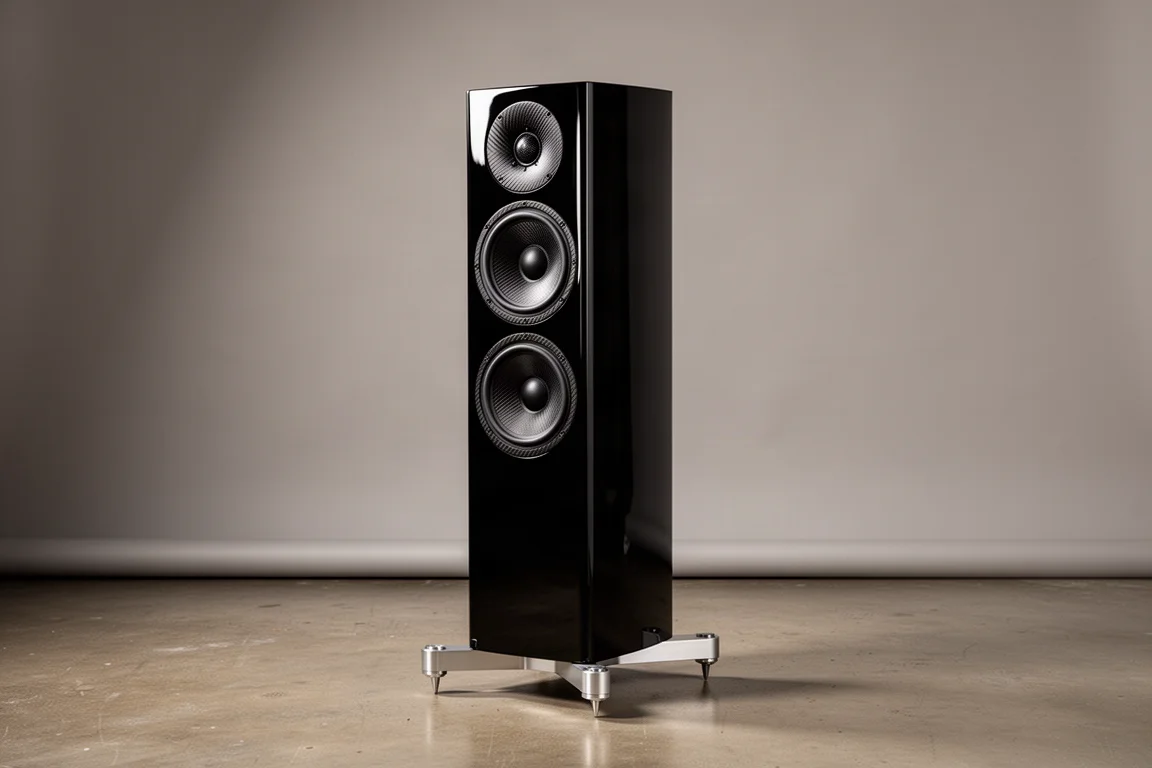
Acoustic Energy AE509 Review: A Slim Floorstander With Deep, Defined Bass
A practical look at the Acoustic Energy AE509, a slim floorstanding speaker with carbon fibre drivers, deep and well-defined bass, and an easy-going character that rewards careful system matching.
Floorstanding Speakers
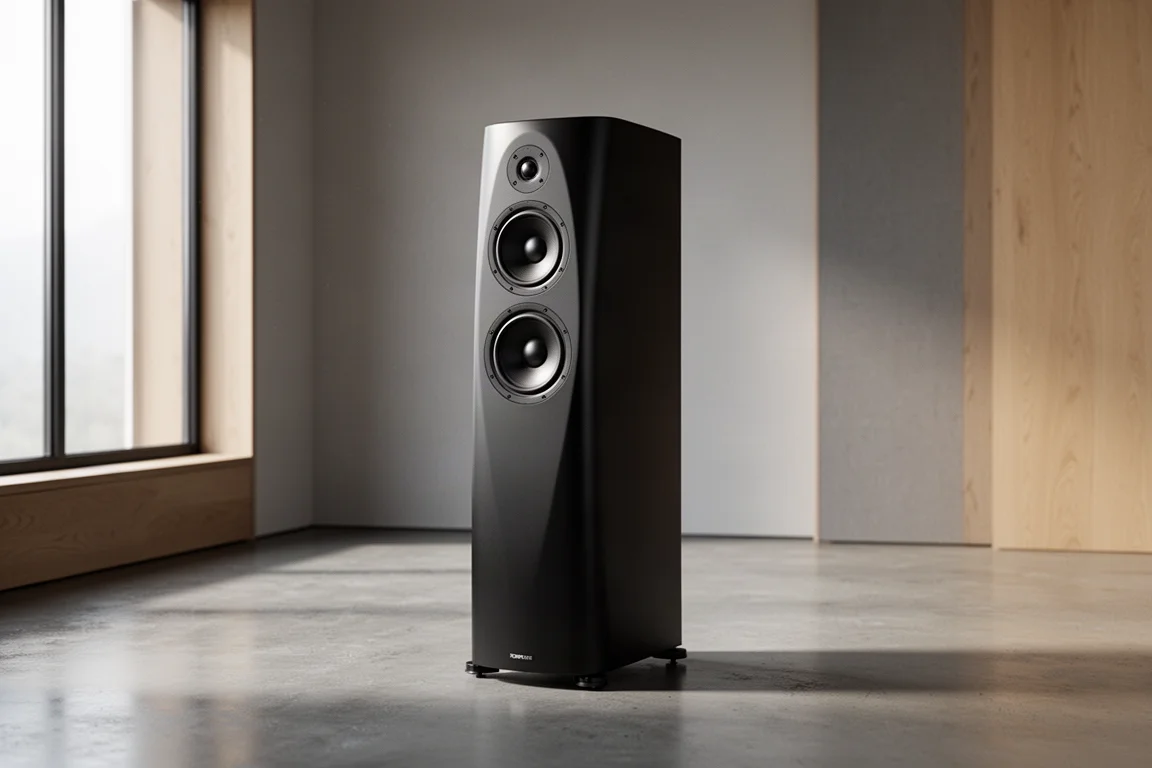
Arendal 1528 Tower 8 Review: Reference Neutrality With Real Demands
A close look at the Arendal 1528 Tower 8, a nearly five-foot, 200-pound floorstander that rewards generous space, serious power, and high listening levels with reference-grade neutrality.