Loudspeakers
Klipsch Jubilee Review: The Two-Way Heritage Flagship Explained
A practical look at the Klipsch Jubilee, the Heritage flagship with dual 12-inch woofers, 18 Hz bass extension, and a $36,000 per pair price.
Introduction
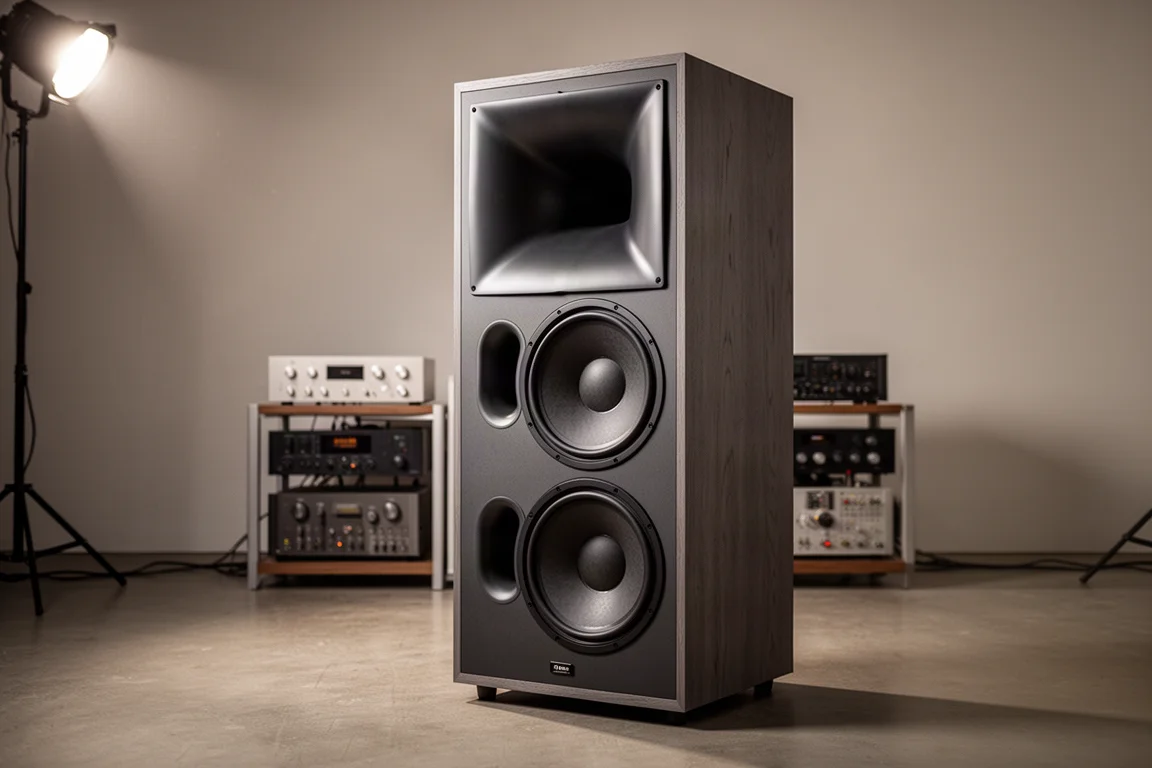
The Klipsch Jubilee is the flagship of the Klipsch Heritage line and the most ambitious two-way loudspeaker the company has put into production. It is built in Hope, Arkansas, where Klipsch has assembled its Heritage models from the beginning, and the design was led by Klipsch engineer Roy Delgado. The project has an unusually long history: a Jubilee was first planned for the company’s 50th anniversary in 1996, and the finished speaker finally arrived for the 75th anniversary in 2022.
The specification sheet is the first clue that this is not a conventional design. The Jubilee is a two-way system. Two 12-inch woofers in a specially vented cabinet handle the low end, while a very large horn loaded with a 7-inch titanium dome driver and a 5-inch voice coil covers everything above 340 Hz. Klipsch rates low-frequency extension to 18 Hz at the minus 3 dB point, which is rare territory for any speaker, let alone a two-way horn design. Price is $36,000 per pair.
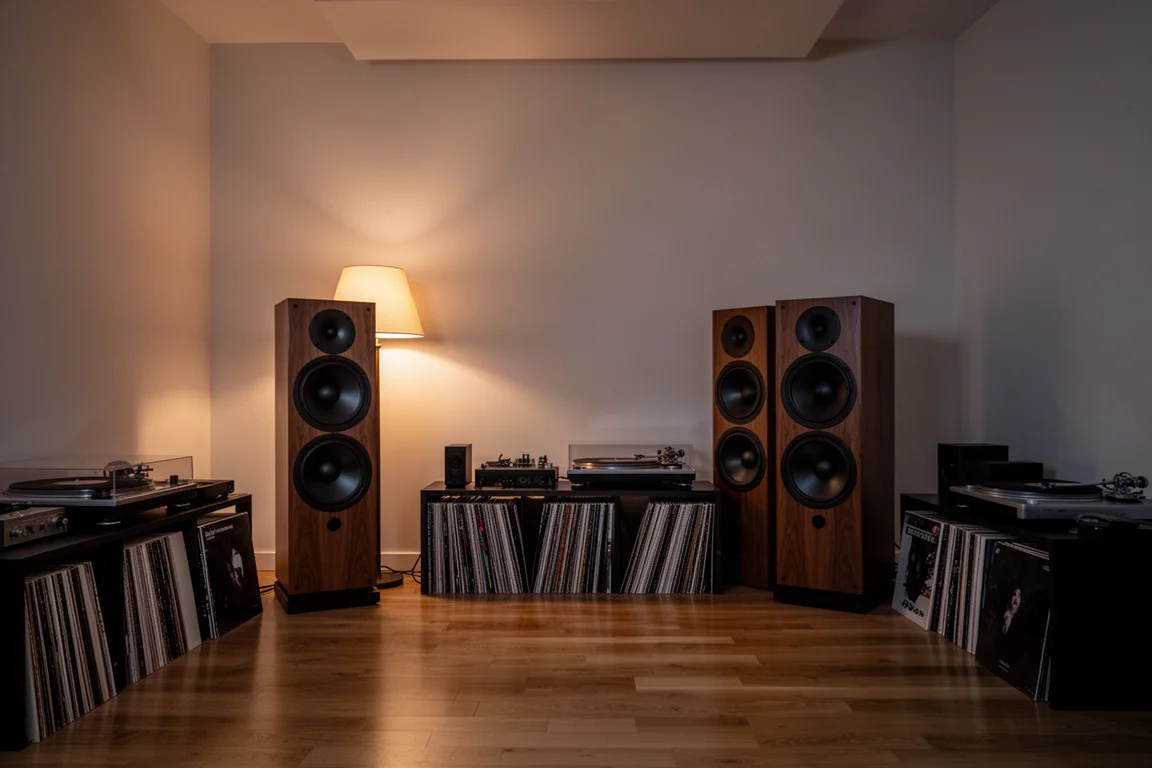
That combination of a large horn and a simple two-way crossover is what gives the Jubilee its character. Rather than dividing the audio band across several drivers, the design hands almost the entire midrange and treble range to a single horn, and asks the woofers only for bass.
Who the Klipsch Jubilee Is For
This is a speaker for listeners building a serious two-channel system around dynamics, deep bass, and low-level detail. It rewards owners who value the ability to play quietly at three in the morning without disturbing the rest of the house, and it does not require high volume to feel engaging.
Room size matters less than the cabinet dimensions suggest. The Jubilee is physically huge, yet it performs well in rooms that are not gigantic, and it will also fill very large spaces with ease. Buyers who cannot stretch to the Jubilee should look at the Klipschorn, the closest model in the range, while the broader Heritage family covers a wide spread of budgets through the Heresy, Forte, Cornwall, and La Scala.
Main Strengths
Bass and Low-Frequency Extension
Bass output is the most immediately striking quality of the Jubilee. Extension reaches down to 18 Hz, and the presentation is less about blunt impact than about the sense of a very large, low foundation underneath the music. On recordings built around deep drums, the speaker conveys the size and weight of each instrument while keeping the low end controlled rather than bloated.
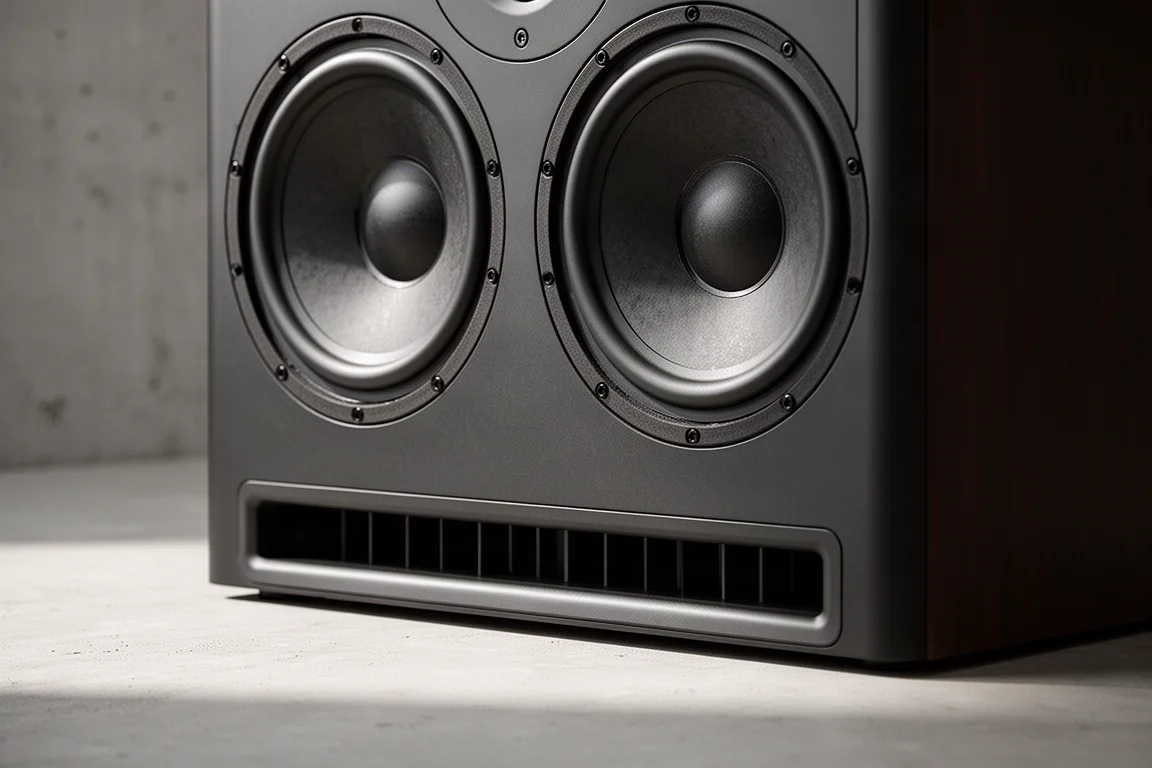
Subtlety at the bottom end is part of the story too. The shading of individual drum heads, the texture of a beater against a skin, and the decay of a large struck gong all come through as distinct events rather than a general wash of low-frequency energy.
Dynamics Without Harshness
The Jubilee is extremely dynamic and extremely powerful, but it never turns that capability into brightness. There is nothing edgy or aggressive about the treble. Cymbals arrive with full shimmer and metallic detail, yet nothing in the presentation sounds boosted or hyped, so long listening sessions stay comfortable.
That composure extends to difficult recordings. Heavily compressed, rough-sounding rock material that normally becomes fatiguing on a revealing high-end system can be played at volume here without the listener wanting to reach for the volume control. The speaker lets the music through instead of spotlighting the flaws in the master. It also sounds genuinely good at low levels, which is a rarer quality than the specification list suggests.
Imaging and Detail
Imaging is unusually precise and focused for a speaker of this size. On a live acoustic recording captured in a reverberant space, the natural room reverb is rendered convincingly, and the gaps between individual musicians are easy to hear. Instruments occupy distinct positions rather than blending into a single mass.
Detail retrieval is strong without ever feeling analytical. High-frequency information is simply present when the recording contains it, and the large horn visually dominates the room while the sound itself seems to come from well behind and beyond the cabinets. Listeners who expect the cupped, coloured character often associated with horn loudspeakers will find something quite different here.
Things to Consider Before Buying
The price is the obvious one: at $36,000 per pair, the Jubilee sits at the top of the Heritage range, and it should be matched with amplification and a source of comparable quality. Partnering electronics matter at this level, and a demonstration system built around dedicated two-channel amplification and a CD player is the sensible starting point.
Physical size is the second consideration. The cabinets are very large, and while they work in modest rooms, they still need floor space and sensible placement. Finally, audition opportunities are limited. The Jubilee is not a speaker most buyers can hear on a whim, though at least one specialist dealer in New York City keeps a permanent demonstration pair, and Klipsch Heritage dealers generally work by appointment.
Buying Advice
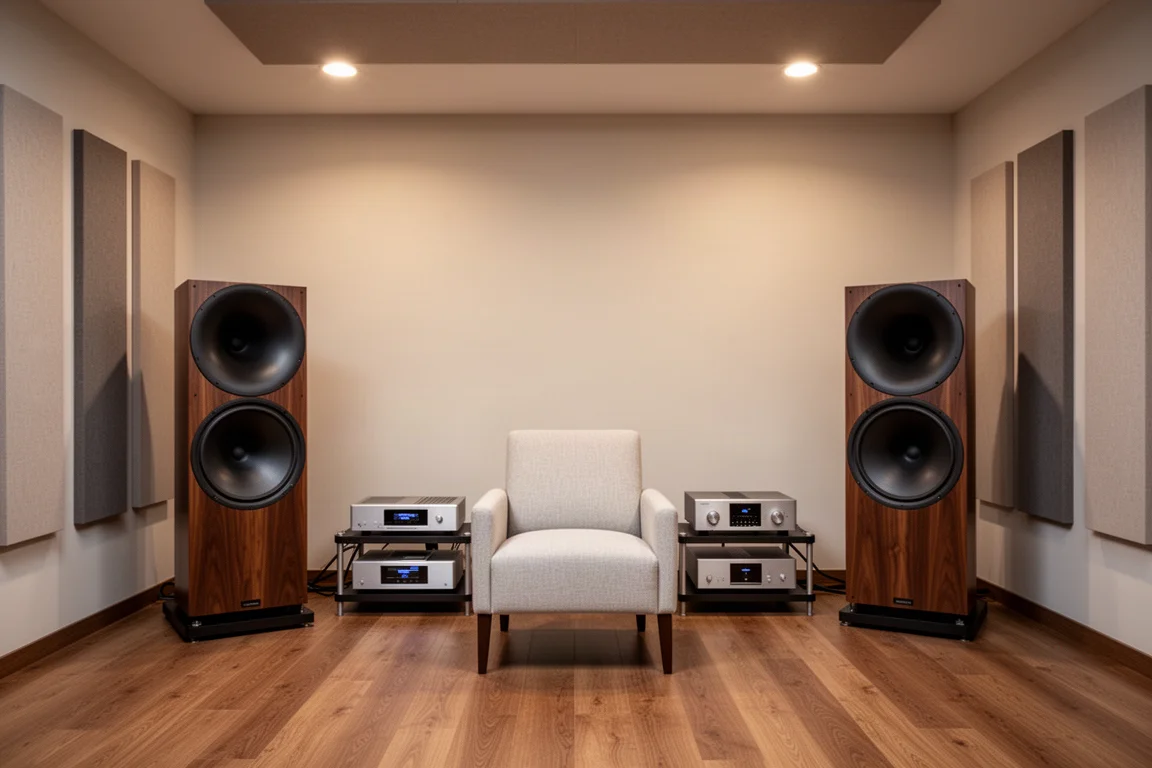
Within the Heritage line, the Jubilee is positioned as the flagship and the Klipschorn as its closest alternative, with the Heresy, Forte, Cornwall, and La Scala offering progressively different balances of size, sensitivity, and price. Buyers who want the deepest bass and the most dynamic headroom the range offers should start at the top; buyers who mainly want the Heritage character in a more room-friendly package have several well-established options.
Given the construction quality and the fact that the speaker is made in the United States, the Jubilee’s asking price is easier to justify than the raw number suggests. It is a long-term purchase rather than an incremental upgrade, and it makes most sense for listeners who have already settled on their room and their electronics.
Conclusion
The Klipsch Jubilee is a genuinely distinct entry in the Heritage catalogue. It delivers extraordinary bass depth, enormous dynamic capability, and precise imaging, while avoiding the hardness and colouration that many listeners associate with horn designs. It also plays beautifully at low volume, which broadens its appeal beyond buyers who simply want to listen loud.
For anyone shopping at the top of the Klipsch range, the Jubilee deserves a serious audition, and the Klipschorn remains the natural alternative if the budget or the room points elsewhere. Buyers who can accommodate the size and the price will find a speaker that is difficult to match for scale, ease, and low-frequency authority.
Product link
View more details for Klipsch Jubilee
This product is mentioned in the review. Check the specifications, options, and compatibility before buying.
View more details for Klipsch JubileeFurther reading
Related Reviews
Loudspeakers
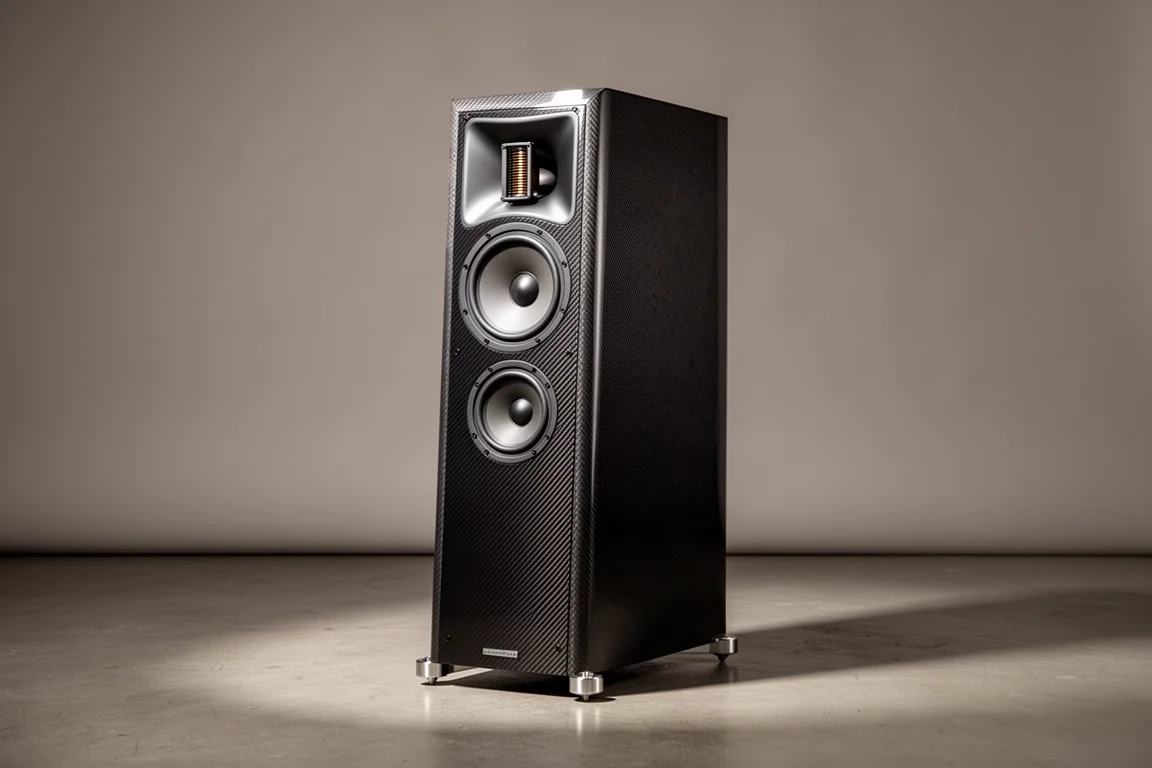
Borresen X2 Review: Deep Bass and a Warm Balance From a Slim Floorstander
A close look at the Borresen X2 loudspeaker: ribbon tweeter and carbon fiber drivers, bass below 30 Hz without a subwoofer, and how it behaves with solid state, integrated and tube amplification.
Loudspeakers
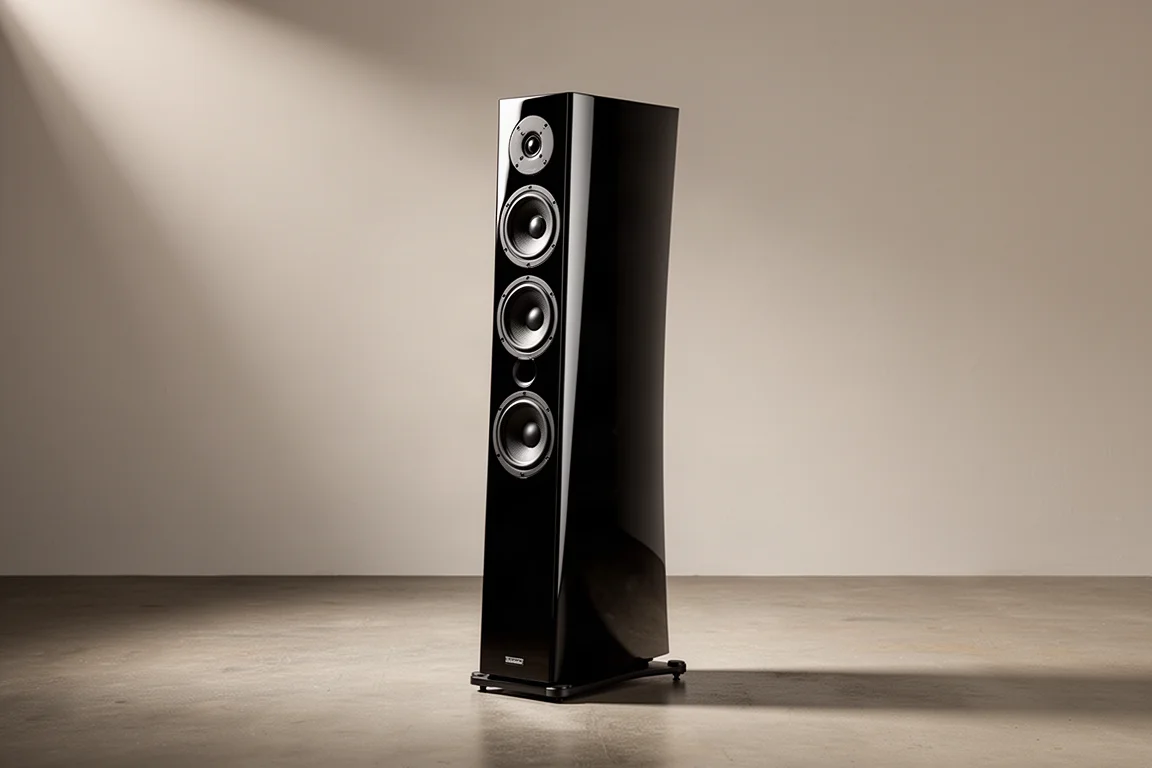
Borresen X3 Review: A Danish Floorstander Built Around Soundstaging
The Borresen X3 pairs a true ribbon tweeter and a slim Danish cabinet with remarkable imaging, fast transients, and a few practical trade-offs worth knowing before you buy.
Loudspeakers
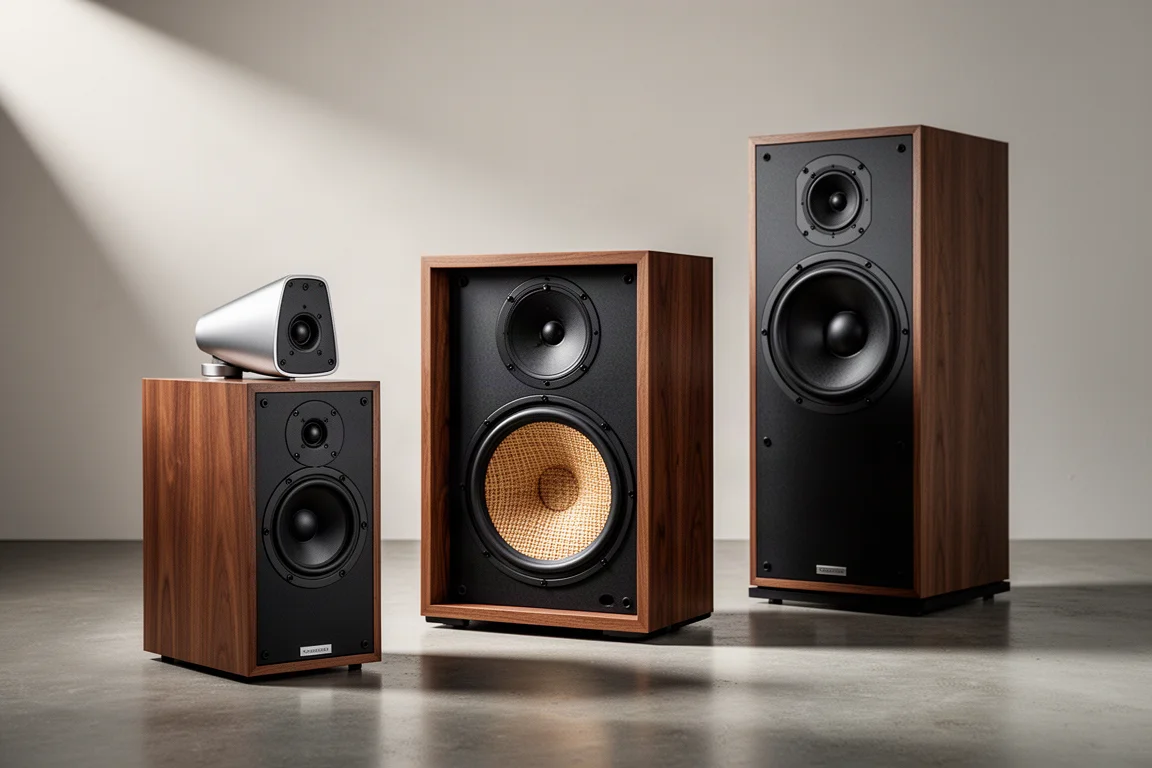
Bowers & Wilkins 705 S3 vs Wharfedale Linton vs Zu Audio DWX: Three Standmount Speakers Compared
A three-way standmount loudspeaker comparison covering the detail-led Bowers & Wilkins 705 S3, the value-focused Wharfedale Linton, and the dynamic Zu Audio DWX.