Speakers
Klipsch Forte IV vs Zu Audio Soul Six: Two High-Efficiency Floorstanders Compared
A close look at two 99 dB floorstanding speakers with very different personalities, and how to decide which one suits your room and taste.
Introduction
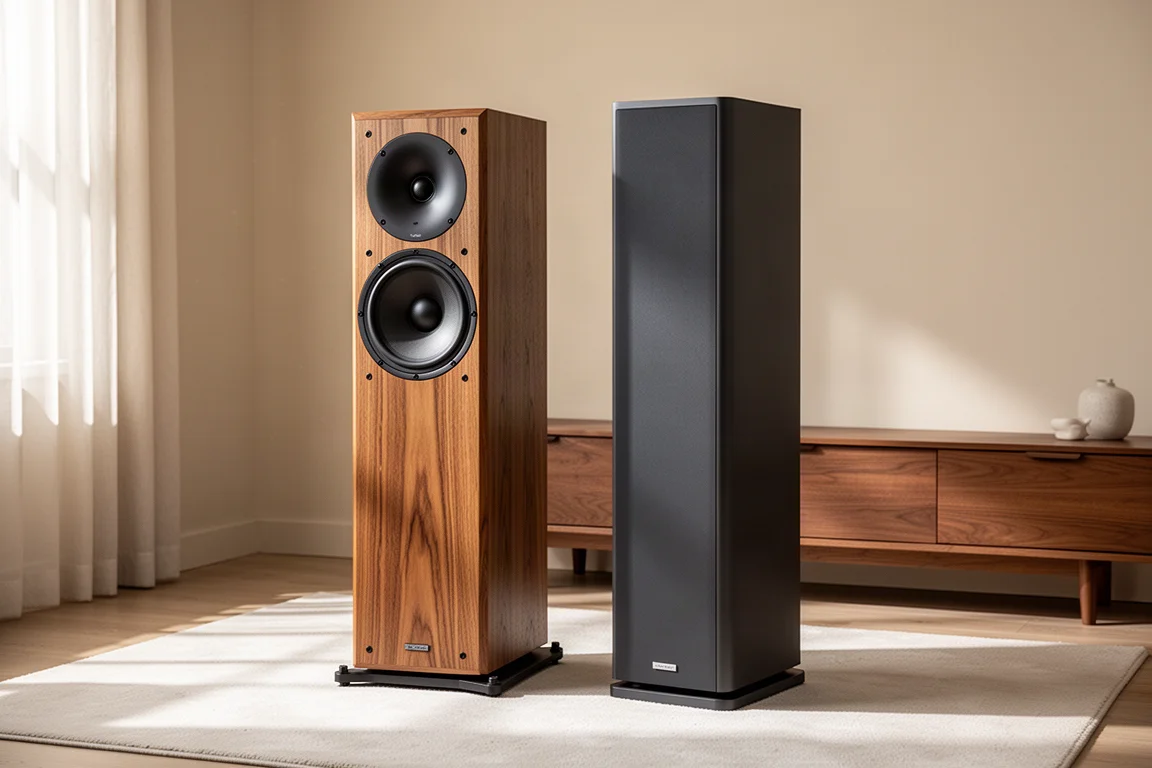
Some speakers are built around efficiency, and that single design decision changes almost everything about how they sound and how they are used. The Klipsch Forte IV and the Zu Audio Soul Six are both rated at 99 dB efficiency, and both sit in the same price territory at roughly €5,000 to €6,000 per pair. That combination of sensitivity and price makes them natural rivals, even though they take noticeably different routes to a big, effortless presentation.
Both are large, high-output floorstanders that fill a room without straining. Both are also unusually dynamic, in the sense that they reproduce sudden shifts in level with real force rather than compressing them into something polite. What separates them is not scale but character: one leans warm, heavy and heritage-inspired, the other leans fast, lean and midrange-forward.
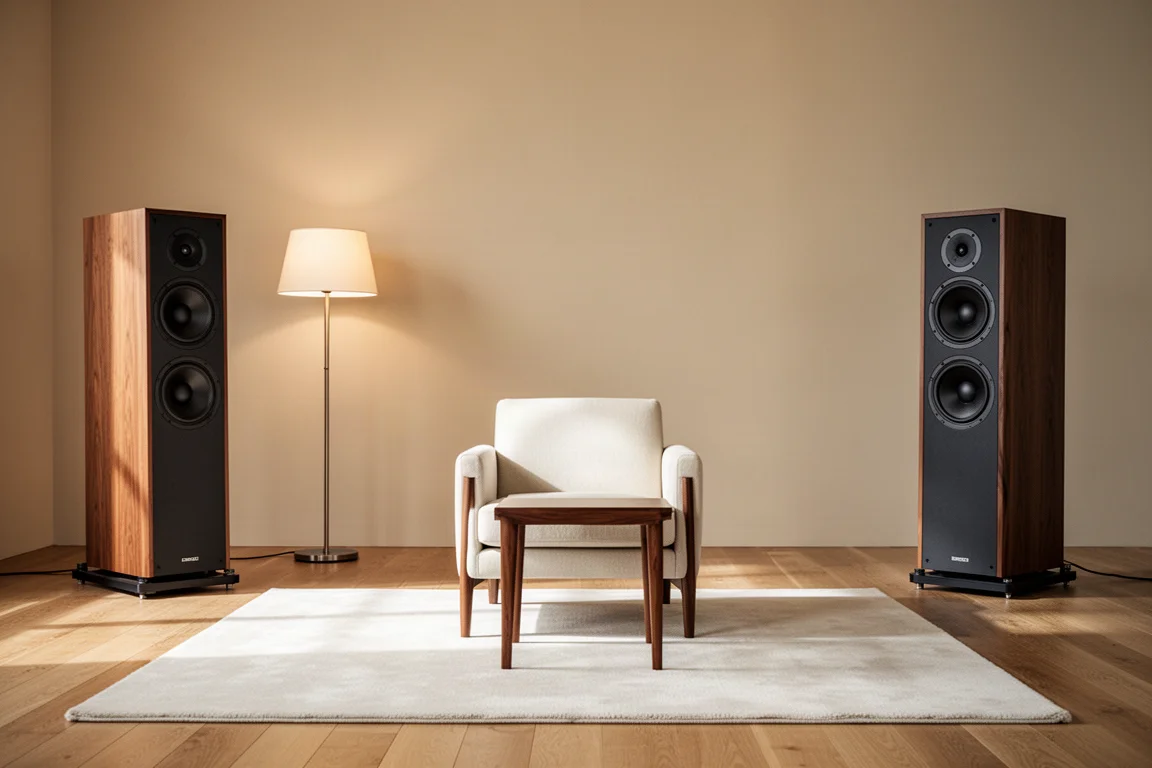
This comparison covers the design choices that shape each speaker, the tonal differences you are likely to notice first, and the rooms and listening habits each one rewards. It is worth saying up front that neither speaker is a compromise purchase. They are simply tuned for different priorities, and the right choice depends on what you value most in a system.
Shared Ground: Big Sound, Easy Amplification
Start with what the two have in common, because it is a lot. Both produce a soundstage that is very wide and very tall, and neither is especially deep in the way it projects forward and back. Both are exceptionally strong when it comes to dynamics, and they belong to the same broad family of loudspeakers that prioritise impact and liveliness over restraint.
The 99 dB efficiency rating matters just as much as the sound. Speakers this sensitive do not demand huge power, so a modest amplifier can drive them to satisfying levels without running out of headroom. That makes both options unusually flexible for listeners who would rather invest in source components than in a large power amplifier.
Klipsch Forte IV: Heritage Design, Modern Crossover
The Forte line has an unusual history. Klipsch introduced the series in the 1980s, discontinued it in the 1990s as demand shifted toward smaller speakers, and then revived it with the Forte III. The Forte IV is the current update in that line, and it keeps the deliberately retro look that defines the family.
Under the grille, the changes are more substantial than the exterior suggests. The tweeter is a K100 Ti titanium unit coupled to a Klipsch horn, and the update here concerns the phase plug on that driver. The bigger change is the midrange driver, which also sits in a horn, this time a Tractrix design originally developed for the Cornwall IV. In the Forte III that diaphragm was titanium; in the Forte IV it is made of polymide. Bass is handled by a 12 inch composite fiber driver working together with a 15 inch passive radiator mounted on the back of the cabinet, so the speaker is not ported. Klipsch also overhauled the crossover substantially for this generation. The manufacturer rates the Forte IV down to 38 Hz, with a nominal impedance of 8 ohms and that 99 dB efficiency figure.
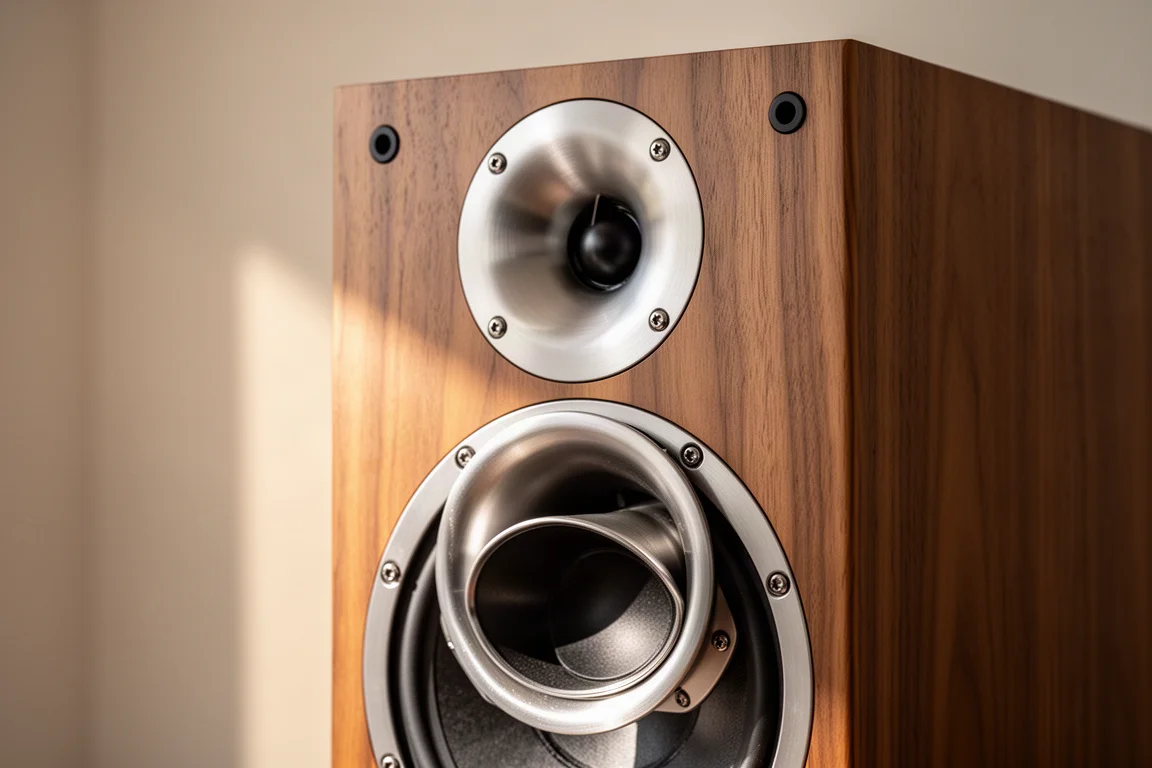
Grille choice makes an audible difference here. With the grilles on, the top end is ever so slightly warm, which suits long listening sessions. Removing them adds zip and bite, and listeners who want a little more energy up top can simply take them off.
In use, the Forte IV delivers the wide, tall stage described earlier, with depth that is present but not the headline. Image specificity and midrange transparency come up slightly short of the Zu Audio Soul Six, and the Klipsch is the more standoffish of the two. It does not leap out at the listener. What it offers instead is a richer mid-bass and noticeably more weight and push at the very bottom, so it sounds like the heavier speaker of the pair. That low-end heft makes it the better fit for larger rooms, and it is also the speaker that is easier to live with without a subwoofer, though adding one remains an option. Tonality is fleshier and richer overall, and while it is not quite as snappy as the Soul Six, it still sits firmly on the dynamic side of the fence. Listeners who want a vintage-inspired presentation will find it here.
Zu Audio Soul Six: Speed and Midrange Presence
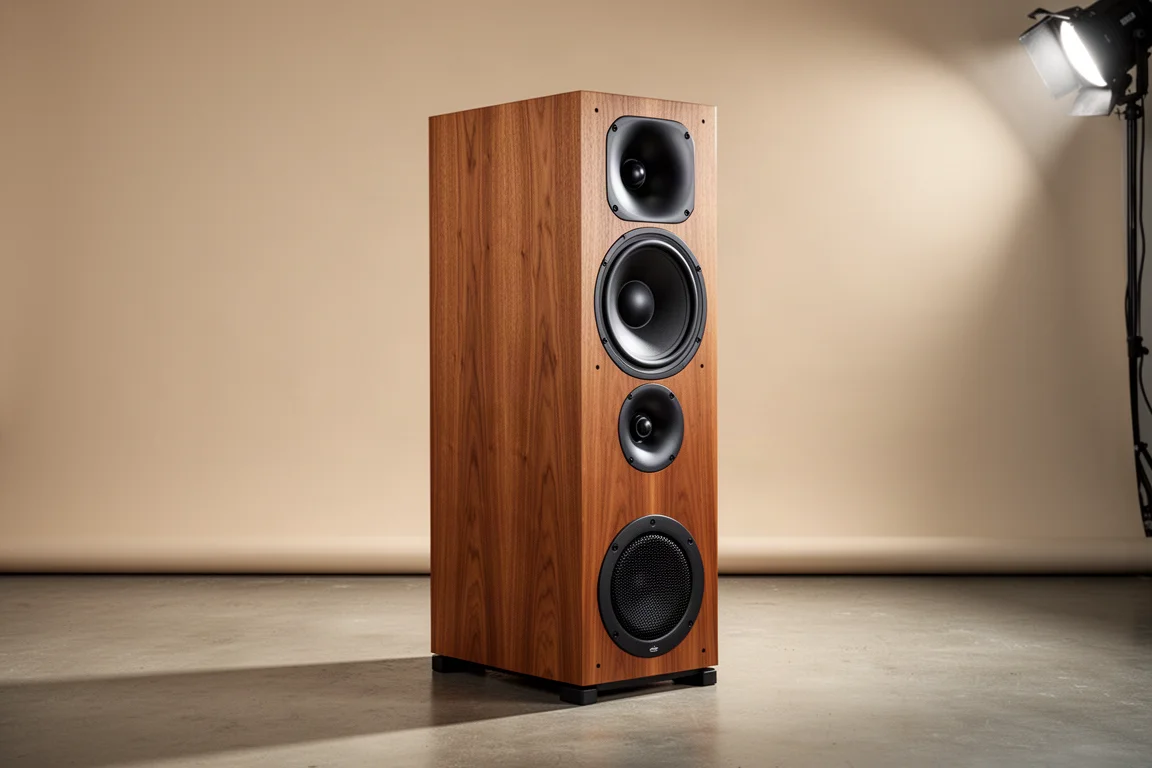
The Zu Audio Soul Six matches the Klipsch on efficiency and price, but its personality sits at the opposite end of the spectrum. Where the Forte IV is weighty and relaxed, the Soul Six is leaner and quicker. Its image specificity is stronger, its midrange transparency is more pronounced, and it has a pop and presence that pulls the listener forward rather than holding back.
Speed is the clearest dividing line. The Soul Six simply sounds faster, and that quality shapes everything from vocal articulation to the leading edges of percussion. It is also the more dynamic of the two speakers, which makes it a compelling choice for listeners who prize immediacy above all else.
The trade-off is tonality. The Soul Six is leaner than the Forte IV, and it benefits far more from a subwoofer to fill out the bottom end. Listeners who expect a rich, full-bodied low end straight out of the box will notice the difference immediately, while those who value agility and midrange clarity will consider it a fair exchange.
Overall Buying Advice
The decision comes down to room size and tonal taste rather than outright quality. If you listen in a larger space, want more low-end weight, prefer a slightly warm top end and would rather not add a subwoofer, the Klipsch Forte IV is the more natural fit. Its richer mid-bass and heavier bottom end make it easier to place in a room that needs to be filled properly.
If your priority is midrange presence, image specificity and sheer speed, the Zu Audio Soul Six is the more rewarding speaker. It suits smaller rooms and listeners who accept a leaner balance in exchange for that immediacy, and who are willing to pair it with a subwoofer for fuller low frequencies.
Two practical points apply to both. First, these are large speakers with a wide and tall presentation, so placement and room proportions will shape the result as much as the speaker itself. Second, because both are rated at 99 dB, neither requires a high-power amplifier to sound alive, which keeps the rest of the system flexible. Match either one to the room and to the balance you actually enjoy, and both will justify the investment.
Conclusion
The Klipsch Forte IV and the Zu Audio Soul Six share a rare combination of high efficiency, big scale and exceptional dynamics, and they sell for broadly the same money. The Forte IV is the warmer, weightier option, closer to a traditional high-end floorstander and comfortable without a subwoofer. The Soul Six is the faster, leaner option, with stronger midrange transparency and image focus. Both are easy to drive and both reward a well-matched room. The choice is about which character you want to live with.
Further reading
Related Reviews
Speakers
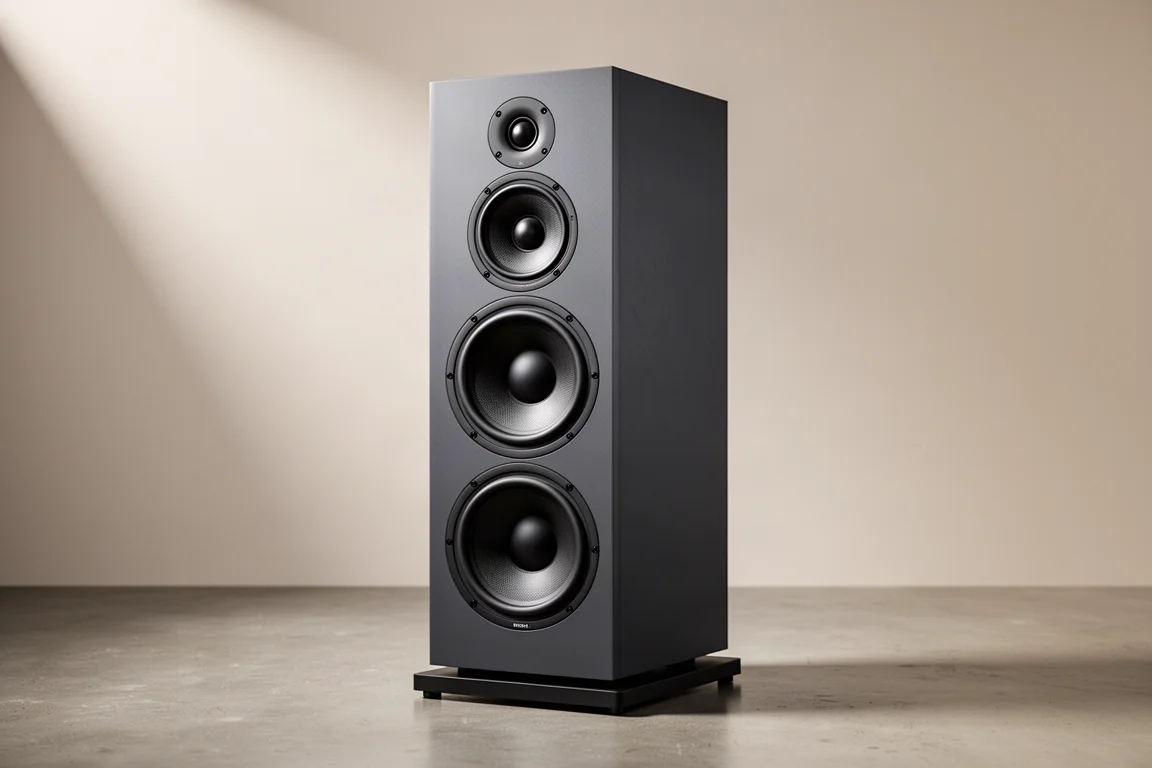
13 Under-the-Radar Speakers Still Worth Buying
Thirteen speakers that quietly stayed in production while newer models took the spotlight, from budget bookshelf pairs to a full-size tower.
Speakers
Arendal 1528 Monitor 8 Review: A Three-Way Standmount With Serious Dynamic Headroom
A three-way standmount speaker with extremely low distortion, high output capability, and deep bass for its size, plus the setup details worth knowing before buying.
Speakers
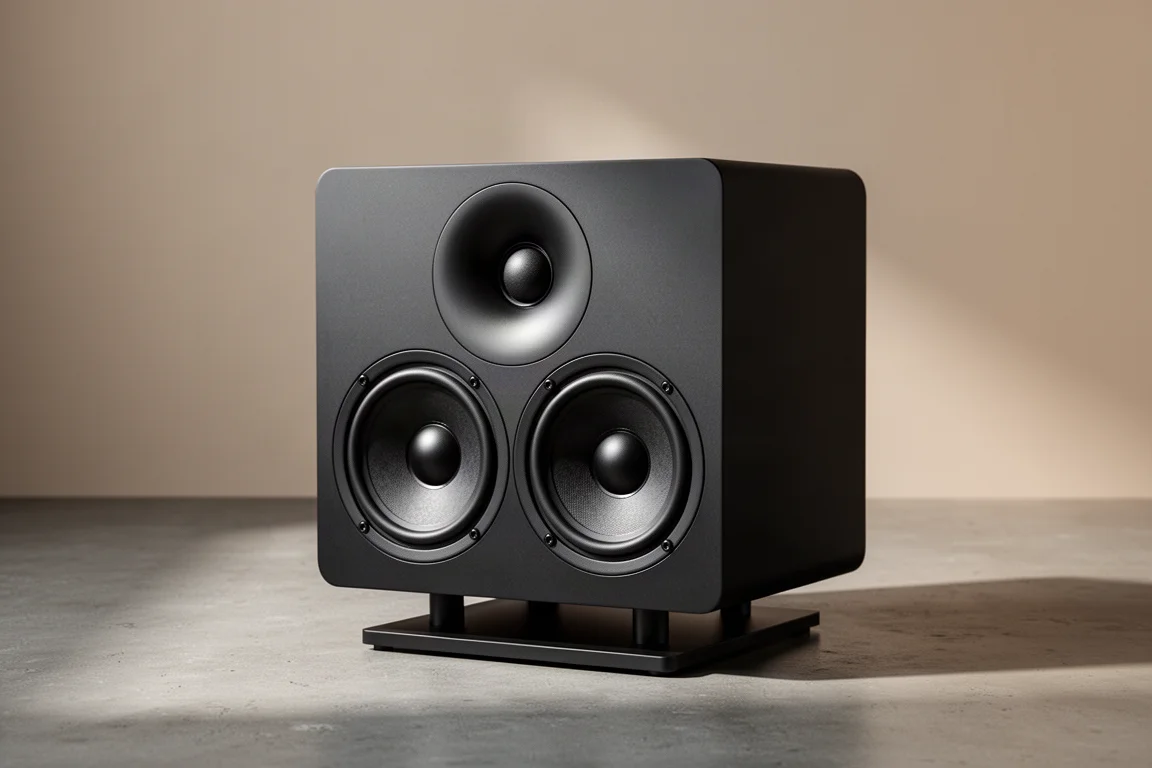
Arendal 1723 Monitor S Review: A Compact Monitor With Serious Ambition
A close look at the Arendal 1723 Monitor S, a compact MTM monitor with a waveguide-loaded tweeter, an HDF cabinet, and flexible ported or sealed operation for music and home theater.