Soundbars
Klipsch Flexus Core 200 Review: A 3.1.2 Dolby Atmos Soundbar Built for Real Living Rooms
The Klipsch Flexus Core 200 brings Dolby Atmos immersion and expandable bass in a simple, everyday-friendly package, with a few trade-offs worth knowing before you buy.
Introduction
Walk into almost any electronics store and the pattern is hard to miss. Soundbars fill entire walls of shelving, while traditional home theater separates, the receivers and matched speaker sets that defined living room audio for decades, occupy a fraction of the floor space they once did. Separate-component home theater has not disappeared, but it has settled into a niche, in much the same way two-channel stereo systems did before it.
That shift has happened for practical reasons. Soundbars are simpler to install, simpler to operate, and far easier to live with in a room that also serves as a kitchen, playroom, or family lounge. The trade-off is that the category moves quickly, with new models arriving at a steady pace and prices climbing on the higher end.
The Klipsch Flexus Core 200 sits right in the middle of that conversation. It is a 3.1.2-channel Dolby Atmos soundbar with a built-in bass solution, and it can be expanded later with wireless accessories if you want more impact and more envelopment. The interesting question is not whether it can match a large separates system, because it cannot, but how much of that experience it delivers in a package that a whole household can actually use.
Who the Klipsch Flexus Core 200 Is For
This soundbar is aimed at anyone who wants a genuinely immersive movie and television experience without running speaker cable around the room. If your priority is a clean setup that sounds dramatically better than television speakers, this is the category to be shopping in.
It also suits households where the main viewing room has other jobs. In a shared living space, the value of a system that switches on with the television and needs no menu diving is difficult to overstate. There is no receiver to configure, no speaker calibration routine to learn, and no nest of wires to trip over when the furniture gets rearranged.
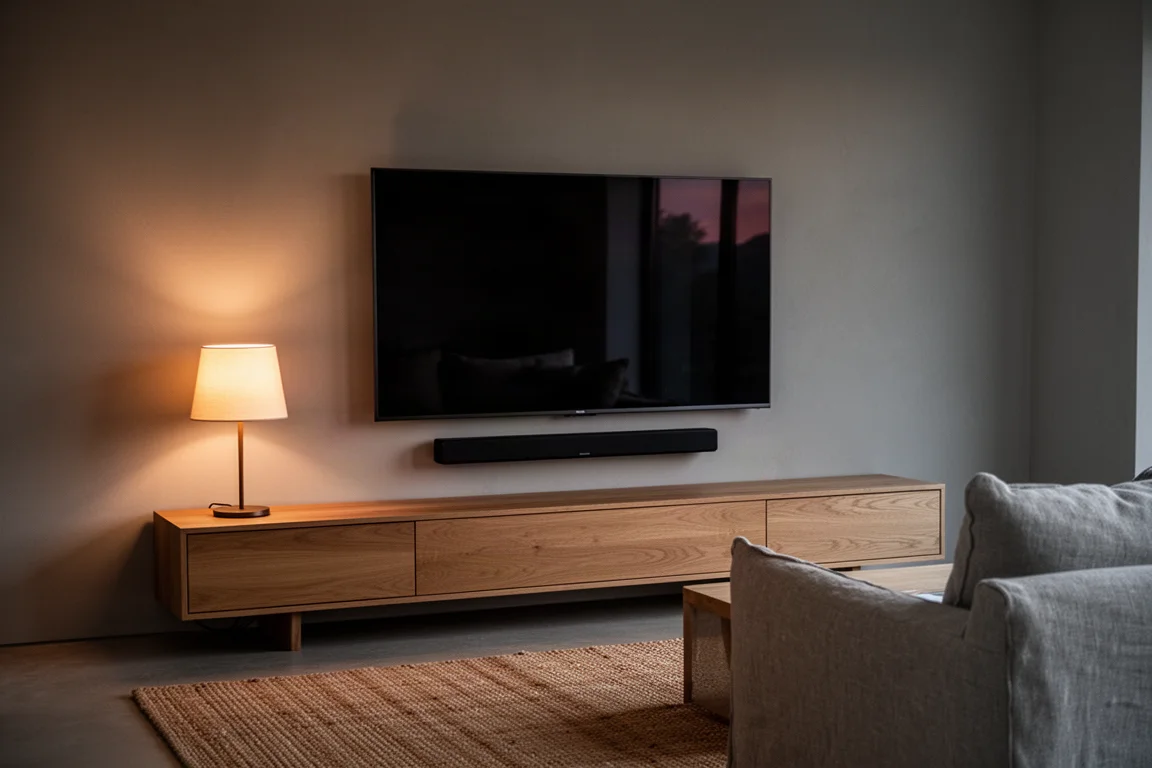
Small and medium rooms are where this system makes the most sense, particularly if you want the option to grow. The soundbar works on its own, and the wireless subwoofer and surround speakers can be added when budget or appetite allows.
It is not, however, a replacement for a dedicated theater room. Anyone who has built a large multichannel system with substantial speakers and big subwoofers should treat this as a different kind of product rather than a direct competitor.
Design and Driver Layout
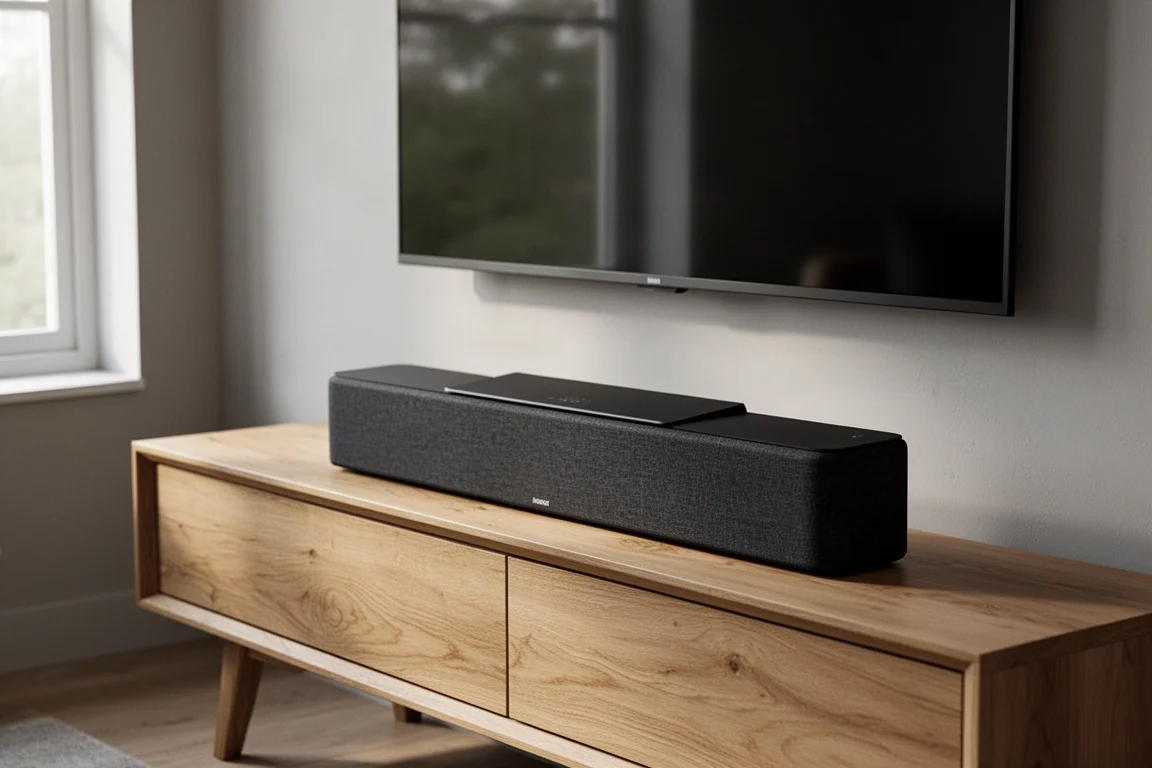
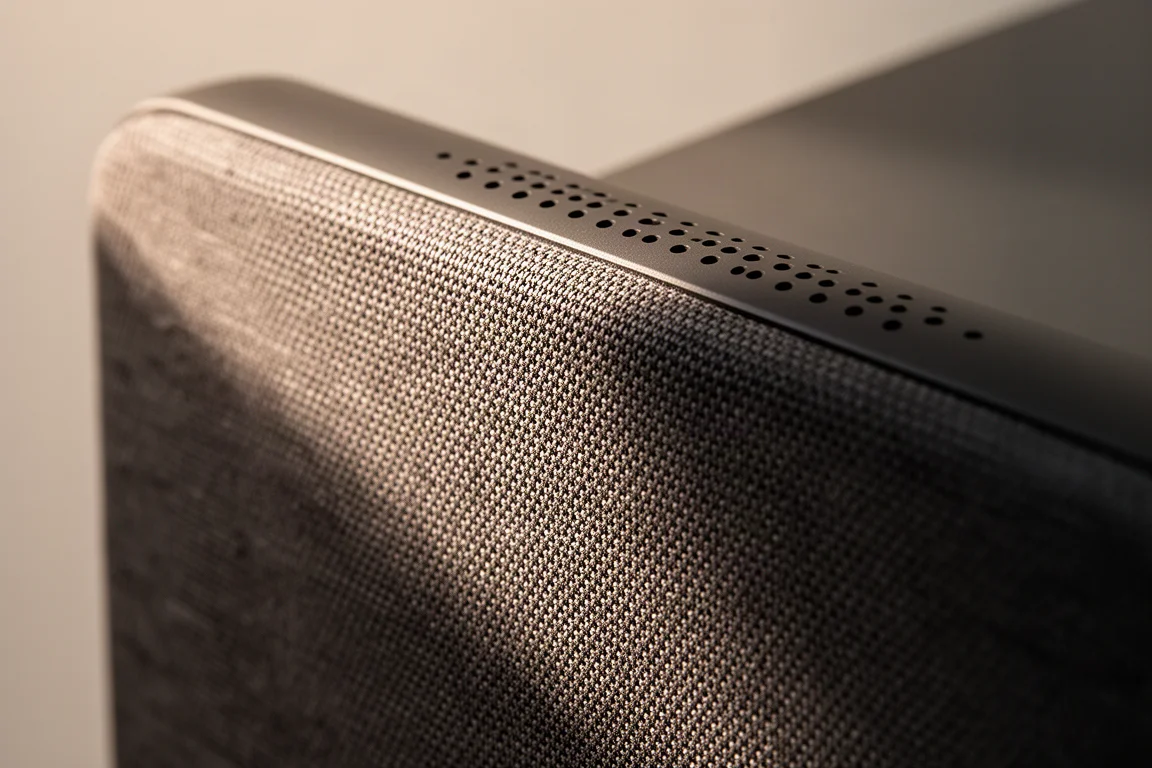
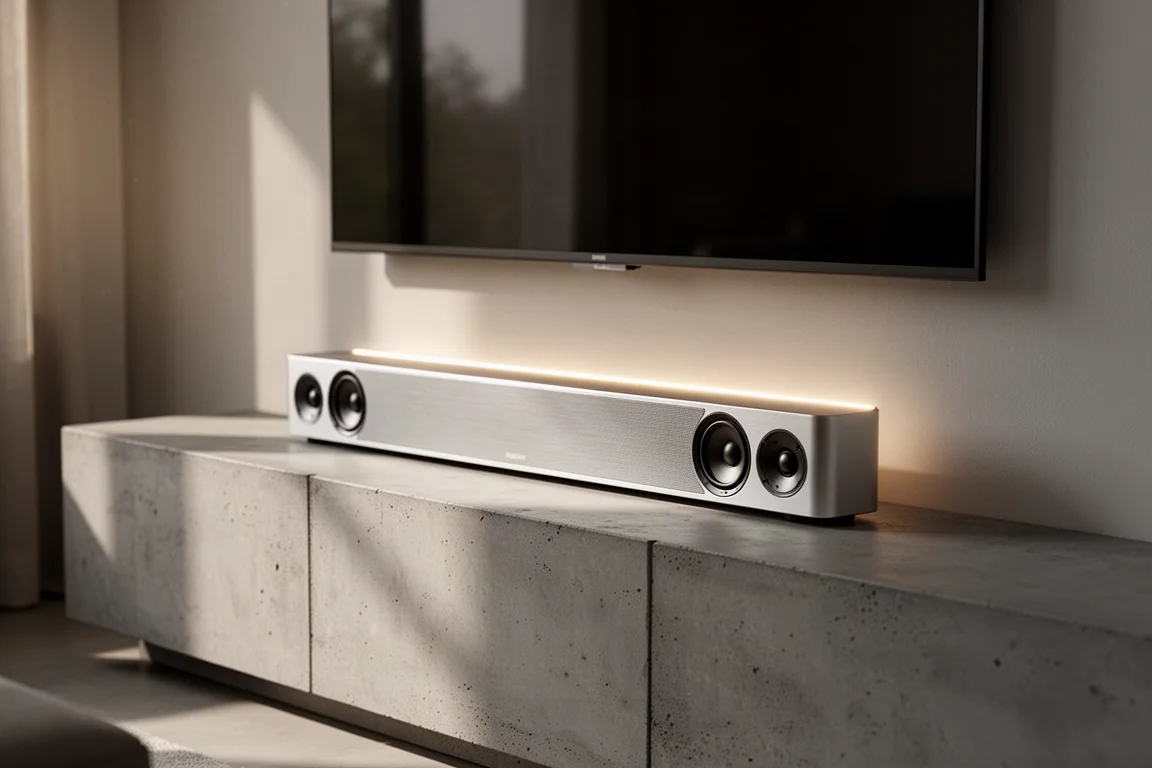
The Core 200 is a 3.1.2-channel design, which means three front channels, one bass channel, and two height channels handled by upward-firing drivers. Across the front center sit two 2.5-inch mid-bass drivers and a 0.75-inch horn-loaded tweeter, a configuration that places the horn in the position most responsible for dialogue. Toward the outer edges of the cabinet there are two 2.25-inch aluminum drivers, and on the top surface two more 2.25-inch drivers fire upward to bounce height information off the ceiling. A 4-inch built-in subwoofer sits at each end of the bar.
The amplifier section comes from the same engineering group behind Onkyo electronics, which gives the design a familiar technical lineage rather than an unknown one. Klipsch also offers the Flexus Core 100, a less expensive version of the same idea with fewer drivers, so the 200 is the more capable starting point of the two.
Expansion is the most consequential part of the design. The bar accepts wireless surround speakers and a wireless subwoofer, and it can support up to two wireless subwoofers, or a conventional wired subwoofer if you prefer to connect one that way. That flexibility means the system does not have to be bought all at once, and it does not have to be replaced if you later want more low-frequency output.
Main Strengths: Bass, Immersion, and Flexibility
The first surprise is how much low-frequency output the bar produces on its own. The built-in 4-inch subwoofers at either end do real work, and even without the separate wireless subwoofer connected, the Core 200 has more weight than its slim cabinet suggests.
Adding the wireless subwoofer changes the character of the system considerably. Despite a fairly compact cabinet, it keeps pace well with much larger subwoofers used in expensive separates setups, which is a meaningful achievement for a wireless unit of this size. The option to add a second subwoofer, or to wire in a larger one, covers most rooms without asking anyone to rebuild their living space.
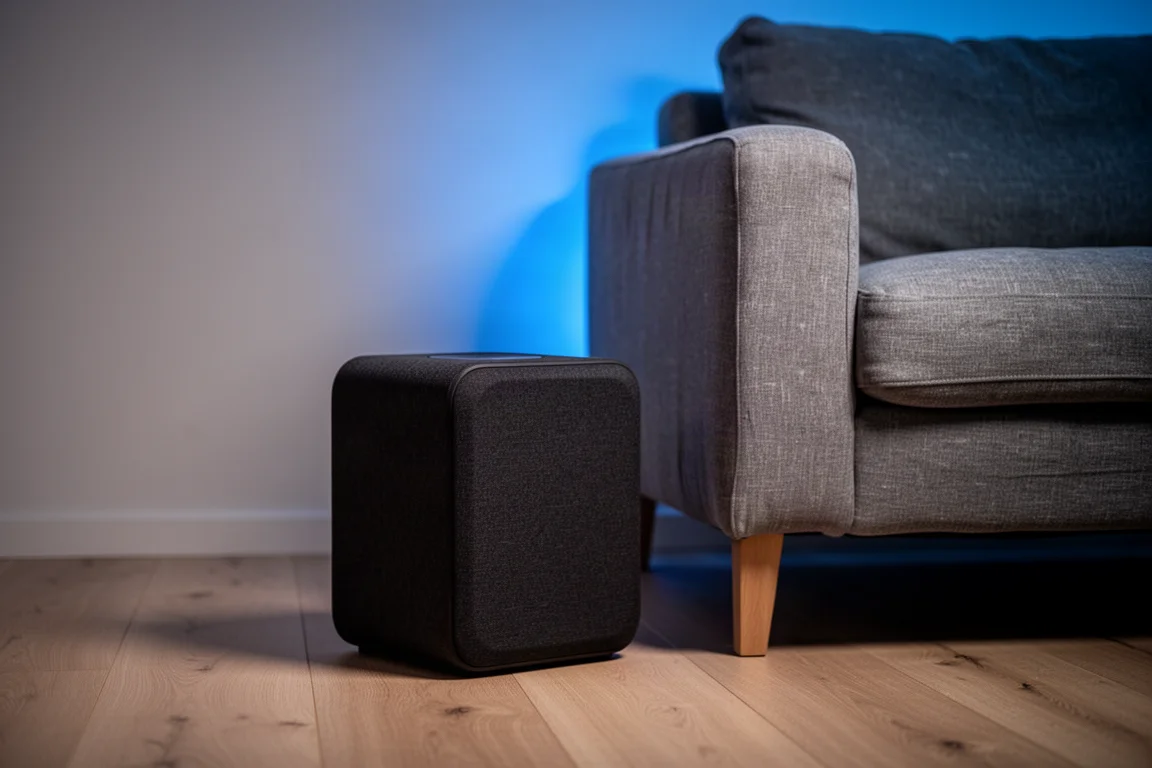
Immersion is handled convincingly as well. With the upward-firing drivers active and the wireless surrounds in place, the system produces a genuine sense of height and envelopment rather than a flat wall of sound. The surround speakers are small and unusually flexible: they can be wall mounted, placed on stands, or simply rested on top of existing speakers if you already have furniture doing that job.
The everyday experience is where the system quietly wins. It turns on with the television, it stays connected, and it does not require anyone in the household to understand how it works. For most people in most rooms, that reliability matters more than the last few percent of performance.
Things to Consider Before Buying
Dialogue is the area where the Core 200 shows its limits. Vocals can sound a little thin and lacking in body compared with a system built around a large dedicated center channel, and the difference is most obvious on older mixes where the center channel carries almost everything. There are adjustments available to compensate, but the starting point is worth knowing about.
The system is also fundamentally a 3.1.2 design, and the more impressive versions of the experience involve buying the wireless subwoofer and the surround speakers separately. Budget for the accessories if you want the full effect rather than judging the bar in isolation.
Room size matters. In a very large or open space, a single compact subwoofer may leave you wanting more, and that is where a second subwoofer or a wired alternative becomes relevant. Finally, the soundbar market refreshes frequently, so a model bought today may be superseded by a newer version relatively soon. A simple, well-executed system tends to stay useful regardless, which is a reasonable way to think about the purchase.
Dialogue Clarity and the Klipsch Connect App
The thinness in dialogue is subtle but real, and it becomes more noticeable with older material. Films mixed in the early 2000s, where the center channel does the heavy lifting for almost all spoken content, expose the gap more than a modern blockbuster does. On those soundtracks the vocals can feel like they are missing the chesty weight that a large center channel speaker supplies.
The Klipsch Connect app offers a practical way to push back against that. It provides a three-band EQ, so you can lift the lower midrange and add a little richness to voices if the default tuning sounds lean to you. It is a useful tool rather than a cure, but for many rooms a small adjustment is enough to make dialogue feel comfortable over long viewing sessions.
One detail to note before you go looking for the app: it is a different application from the one used by the previous generation of Klipsch soundbars, including the Cinema 600 and Cinema 400. If you are moving from one of those models, do not expect the same app to pick up the new bar.
What the app cannot do is recreate the physical presence of a dedicated center channel speaker. The tuning helps, but the underlying difference in driver size and cabinet volume remains. That is simply the nature of comparing a compact bar with a separates system, and it is the clearest argument for listening before you buy if dialogue clarity is your top priority.
How It Compares to a Full Home Theater Setup
A full multichannel separates system with a substantial center channel and one or more dedicated subwoofers still does things this soundbar cannot. It delivers vocal realism with more body, it produces deeper and more physical bass, and it can fill a large dedicated room with ease. That remains true regardless of how good a soundbar gets.
Where the comparison gets interesting is in the middle of the experience. The Klipsch system with its surrounds and wireless subwoofer covers a meaningful portion of the distance to a large separates setup, well beyond what the price and cabinet size would suggest, and it does so without the wiring, the configuration, or the family friction. There are no cables to trip over, no speakers to knock out of position, and no setup that has to be dismantled whenever something changes.
The honest framing is that these are different products solving different problems. A separates system rewards commitment with maximum performance. A soundbar system like this one rewards practicality with performance that is good enough that most people will not miss what they have given up.
Buying Advice
Start with the room. In a small or medium living space used for everyday television, films, and streaming, the Core 200 on its own is a substantial upgrade and an easy recommendation. If your room is large or open plan, plan for the wireless subwoofer from the beginning, and consider the second subwoofer option if you want serious output.
Think about the surround speakers as well. They are what turn a good soundbar into a properly enveloping system, and their small size and flexible placement options make them easy to accommodate in rooms where conventional speakers would be a hard sell.

Consider who else uses the television. The strongest argument for this system is not a specification, it is that it works every time someone presses the power button, without instructions and without troubleshooting. In a household with children or guests, that is worth more than a small gain in measured performance.
Finally, buy for the long term. A simple 3.1.2 system with optional expansion stays useful for years even as newer models arrive, and the ability to add bass later means you are not locked into a decision you make on day one.
Conclusion
The Klipsch Flexus Core 200 does not compete with a large separates home theater system, and it does not pretend to. What it offers instead is a genuinely immersive Dolby Atmos experience, surprising bass from a slim cabinet, and an upgrade path through wireless surround speakers and subwoofers that can be taken one step at a time.
Its weaknesses are specific and predictable. Dialogue lacks some of the body a large center channel provides, particularly on older soundtracks, and the best version of the system involves buying accessories rather than just the bar. For most living rooms and most households, those are reasonable trade-offs against a setup that simply works, every day, without anyone having to think about it.
Product link
View more details for Klipsch Flexus Core 200
This product is mentioned in the review. Check the specifications, options, and compatibility before buying.
View more details for Klipsch Flexus Core 200Further reading
Related Reviews
Soundbars
Bang & Olufsen Premiere Review: A Compact Soundbar Built to Last
A close look at the Bang & Olufsen Premiere, a compact soundbar with deep bass for its size, automatic sound profiles, and a clear modular upgrade path.
Soundbars
Best Dolby Atmos Soundbars: Six Picks for Movies, Music, and Small Rooms
A practical roundup of six Dolby Atmos soundbars, from compact dialogue-focused bars to expandable systems and an all-in-one flagship.
Soundbars
Bluesound Pulse Cinema Review: A Music-First Soundbar With a Software Catch
A close look at the Bluesound Pulse Cinema, a 3.2.2 soundbar with a genuinely expressive midrange and natural tone, plus the app and expansion limits worth knowing before you buy.