Floorstanding Speakers
Klipsch 8000F Mark II Review: Horn Scale and Home Theater Value
A floorstanding tower that trades flat neutrality for horn-loaded scale and dynamics, where placement and amplifier pairing do much of the work.
Introduction
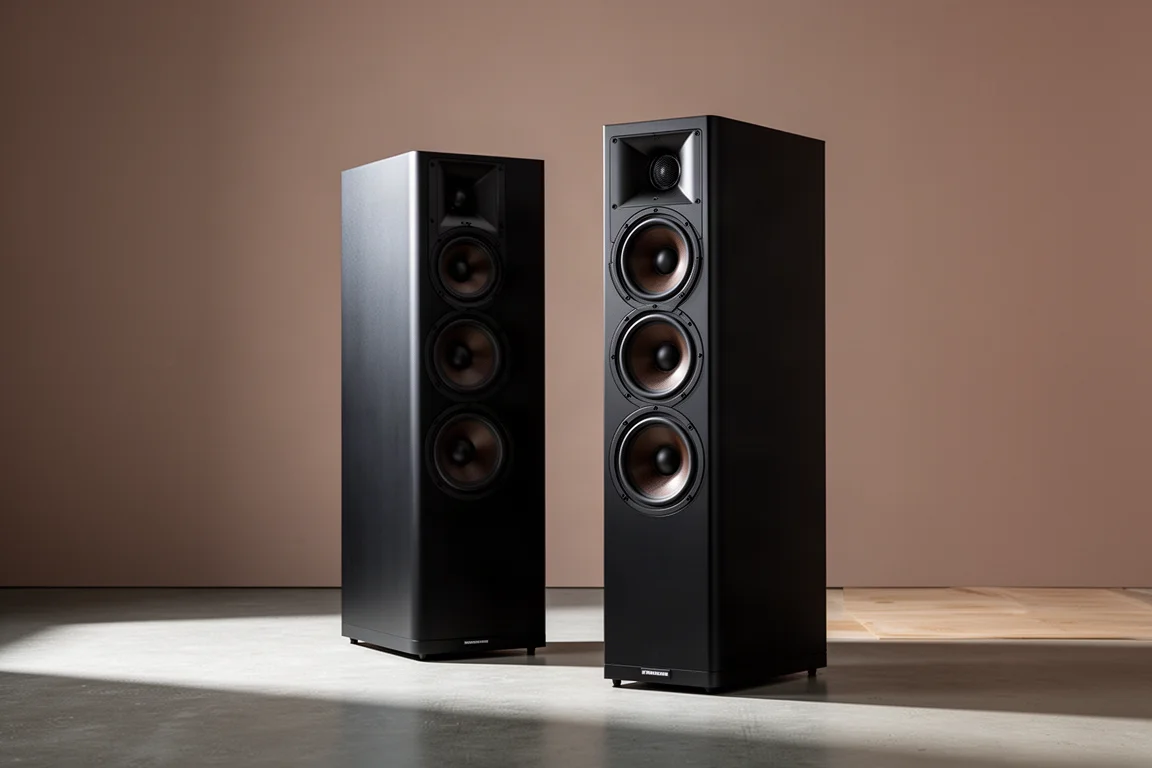
The Klipsch 8000F Mark II is a floorstanding tower loudspeaker priced at $900 each, or $1,800 per pair, which places it just below the $2,000 mark. That is one of the most competitive bands in hi-fi right now, crowded with high-performance towers and affordable DIY designs, so the fair question is whether a horn-loaded Klipsch tower still earns a place on a shortlist.
It does, provided you want what Klipsch is genuinely good at. The 8000F Mark II is not a neutral studio monitor and not a point-source design. It is a horn speaker built around a wide Tractrix waveguide, twin woofers and dual rear ports, and it delivers a sense of scale and dynamic presence that is difficult to find below $2,000.
The rest of this review covers where the Mark II fits, what it does exceptionally well, and the two setup decisions, placement and amplifier matching, that change how it sounds more than any spec sheet suggests.
Who This Speaker Is For
Two kinds of buyers get the most from this tower. The first is someone who wants a horn speaker without committing to a full horn system. Large horn loudspeakers can be expensive, physically imposing and awkward to fit into a normal living room. The 8000F Mark II packages that horn character into a more conventional, more minimal tower footprint for far less money.
The second is the buyer whose system has to do double duty. The Mark II is crisp and clear for dialogue, its high sensitivity makes it easy to drive, and it is designed with the expectation that most owners will run a subwoofer for home theater. If your setup needs to handle films one evening and stereo the next, this is a sensible place to start.
Main Strengths: Horn Scale and Dynamic Presentation
The reason to buy a Klipsch tower is the horn, and the Mark II uses a wider Tractrix waveguide than the model it replaces. That wider guide gives the speaker the dispersion pattern and the sense of scale horn designs are known for, and it is the one quality competitors in this price range struggle to match. Point-source speakers, neutral studio designs and affordable DIY kits can beat this speaker on imaging, separation and the ability to pick out fine detail, but they will not give you this presentation.
That presentation is what makes the Mark II exciting on rock and other dynamic material. It has a lively, forward character, and the Mark II is noticeably better balanced than the earlier version, with less of the aggressive treble emphasis that made the previous model harder to live with. Treble is still a touch more prominent than the midrange and bass, but the gap is smaller than before, and long listening sessions did not produce fatigue.
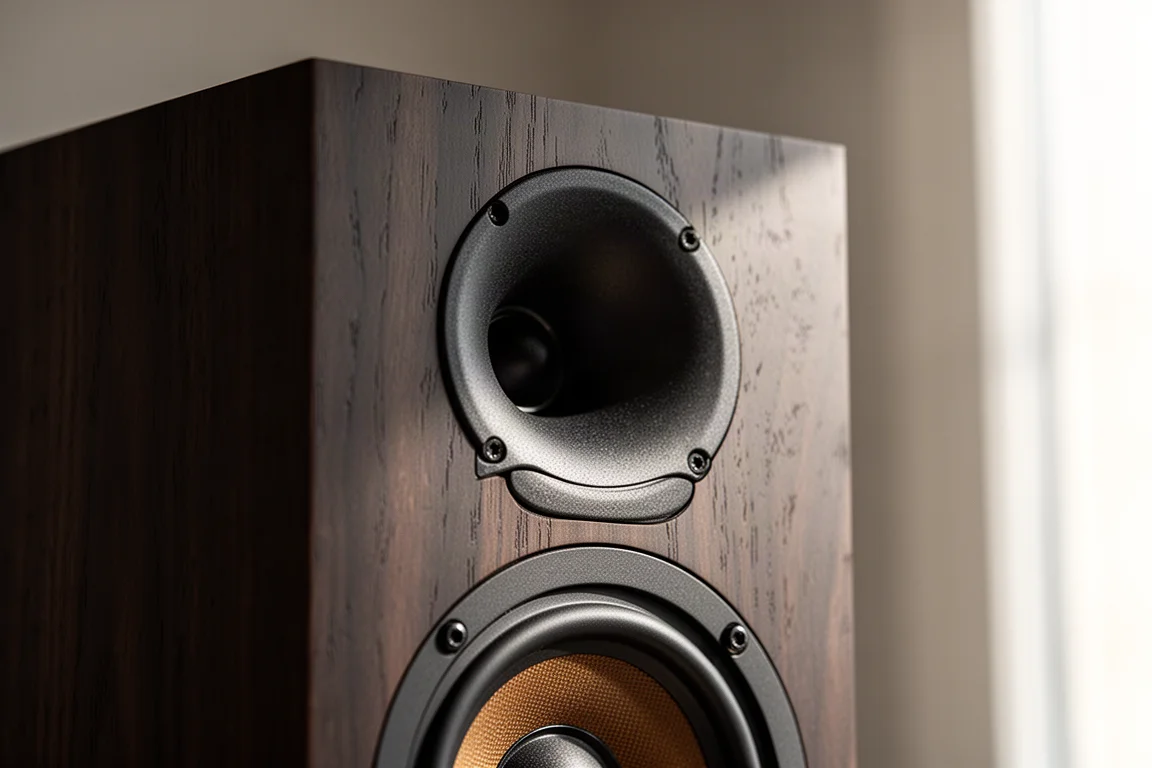
Mid-bass carries real punch and the midrange has warmth, particularly once the speaker sits closer to the wall behind it. Dynamics are the headline here: this is a speaker that communicates impact rather than simply measuring flat.
Setup and Placement Notes
Placement changes this speaker more than most. Set roughly four feet out from the wall behind it and toed straight out into the room, the low end sounds thin and lacks extension, which is underwhelming for a tower with twin woofers and dual rear ports.
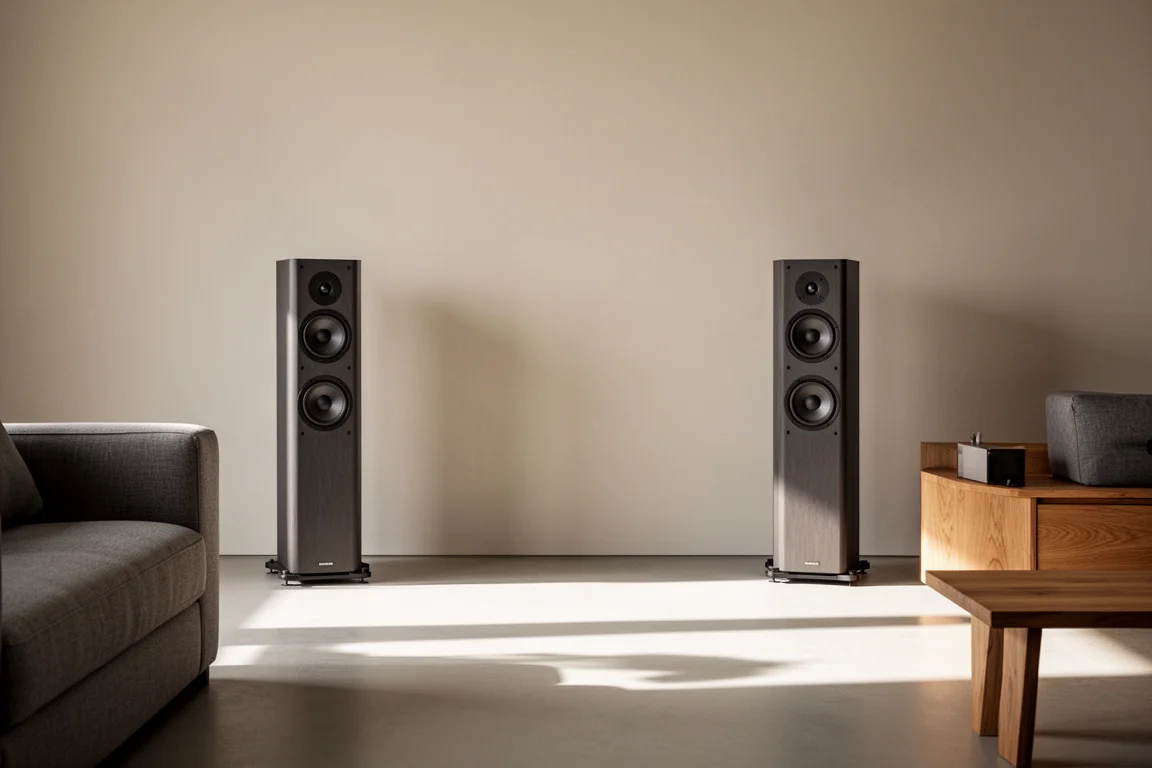
Moving the speakers to roughly two feet from the wall, or a little less, adds bass energy, more punch, better dynamics and a touch more midrange warmth. That positioning also happens to be how most people arrange a pair in a living room or entertainment space, which suggests the speaker was voiced with that arrangement in mind. If you want true low-frequency extension, plan on adding a subwoofer rather than chasing it through placement.
Amplifier Pairing Makes the Difference
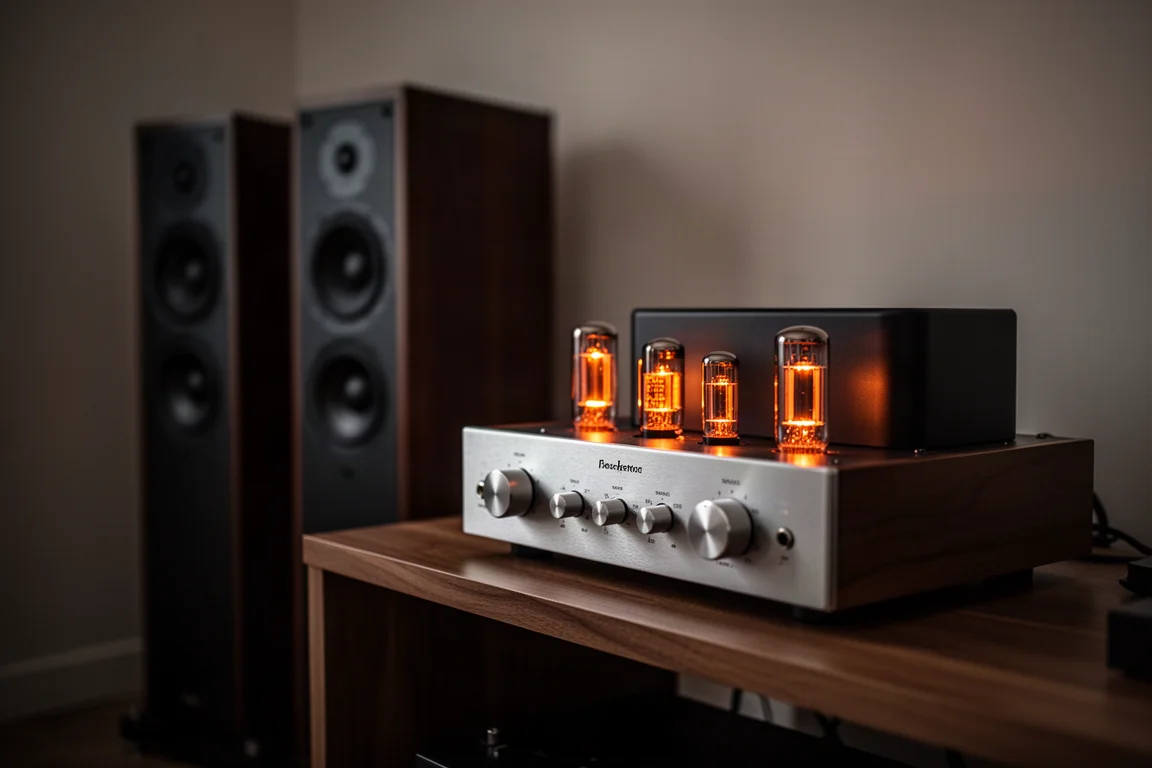
Klipsch speakers have a long-standing reputation for brightness, and the 8000F Mark II responds well to amplification that smooths the top end. A low-powered 300B tube amplifier proved to be the standout match, adding warmth through the midrange, smoothing the highs and producing a wide, holographic soundstage that made the speaker sound considerably more refined than its price suggests.
Solid-state integrated amplifiers also worked and were perfectly listenable, but the tube pairing was clearly the better match for music. If you are building a two-channel system around this speaker, budget for the amplifier as carefully as you budget for the speaker itself.
The good news is that the Mark II is flexible enough to reward either path. It is not a speaker that only comes alive with one specific amplifier, but it is a speaker that tells you very clearly when the match is right.
Things to Consider Before Buying
Bass extension is the main compromise. The Mark II delivers mid-bass punch rather than deep sub-bass, which is consistent with a design that prioritizes sensitivity and assumes a subwoofer in the system. Buyers who want a tower to carry the low end entirely on its own should either add a sub or look at a different speaker.
The second consideration is character. This is not a neutral speaker, and listeners who prioritize even tonal balance, pinpoint imaging and fine detail will find stronger options in this price band. The Mark II asks you to want its presentation. If that horn character is not what you are after, nothing else in the package will change your mind.
Home Theater and Everyday Flexibility
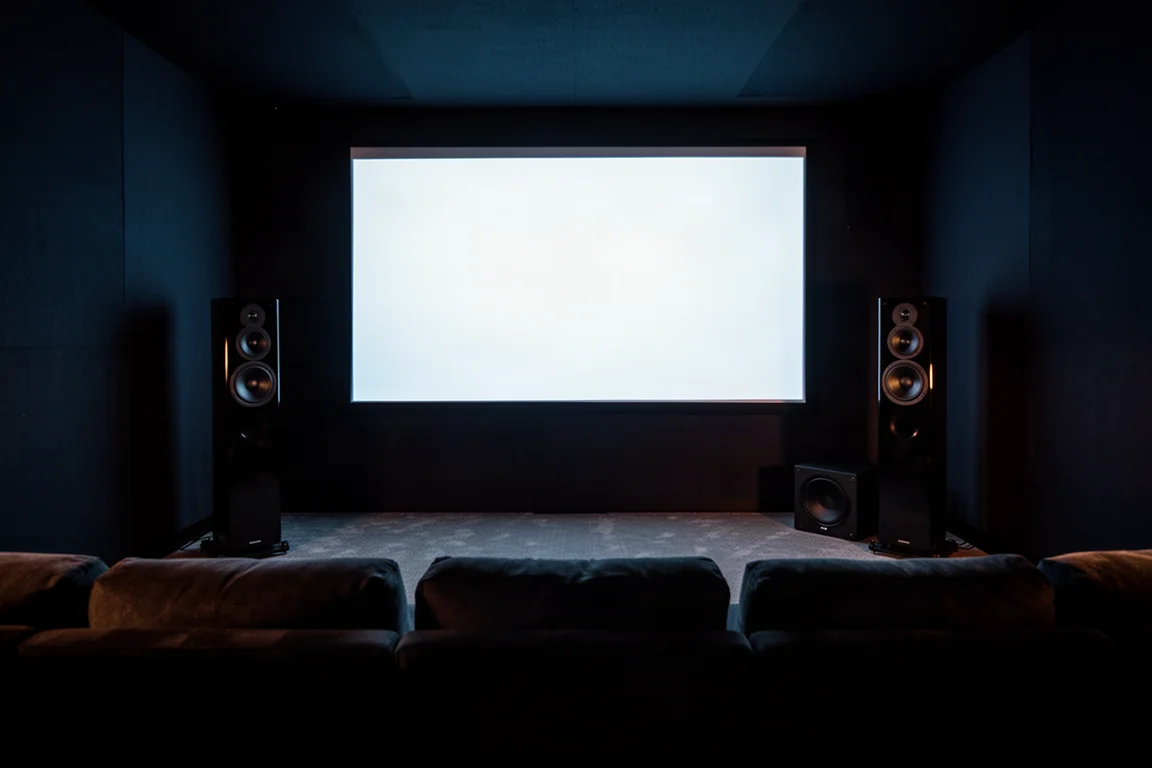
Home theater is where this speaker makes its strongest case. Dialogue is crisp, the sensitivity makes it easy to drive from an AV receiver, and an elevation module is available to add a height channel on top of the tower for an Atmos-style setup. Paired with a subwoofer, the modest low-frequency extension stops being a limitation.
An Onkyo receiver with built-in settings for Klipsch speakers is a practical, budget-conscious option for a combined two-channel and home theater system. It is a strong performer with film content, though it is less convincing for music, so a dedicated two-channel amplifier remains the better route if stereo listening comes first.
Buying Advice
The 8000F Mark II is worth buying if you specifically want horn-loaded scale and dynamics at a price most towers cannot match, and if your room allows the roughly two-foot placement from the rear wall that this speaker prefers. Pair it with a smooth, low-powered tube amplifier for music, or with a Klipsch-friendly AV receiver and a subwoofer for a film-first system.
If instead you want the flattest, most neutral performance in this price range, this is not the speaker that will get you there. Buy it for the horn presentation and the home theater versatility, not for measurements alone.
What makes the decision easier is that both paths share the same foundation. The cabinet, the waveguide and the sensitivity are the same either way, so you can start with a stereo amplifier and add a subwoofer and a receiver later without replacing the speakers.
Conclusion
The Klipsch 8000F Mark II holds its place in a crowded sub-$2,000 category by doing something most of its rivals cannot. Its bass extension is modest, its tonal balance leans bright, and it needs the right placement and the right amplifier to sound its best. Set up well, it offers scale, impact and horn-driven energy that make it a compelling choice for listeners who value those qualities above flat neutrality.
Product link
View more details for Klipsch 8000F Mark II
This product is mentioned in the review. Check the specifications, options, and compatibility before buying.
View more details for Klipsch 8000F Mark IIFurther reading
Related Reviews
Floorstanding Speakers
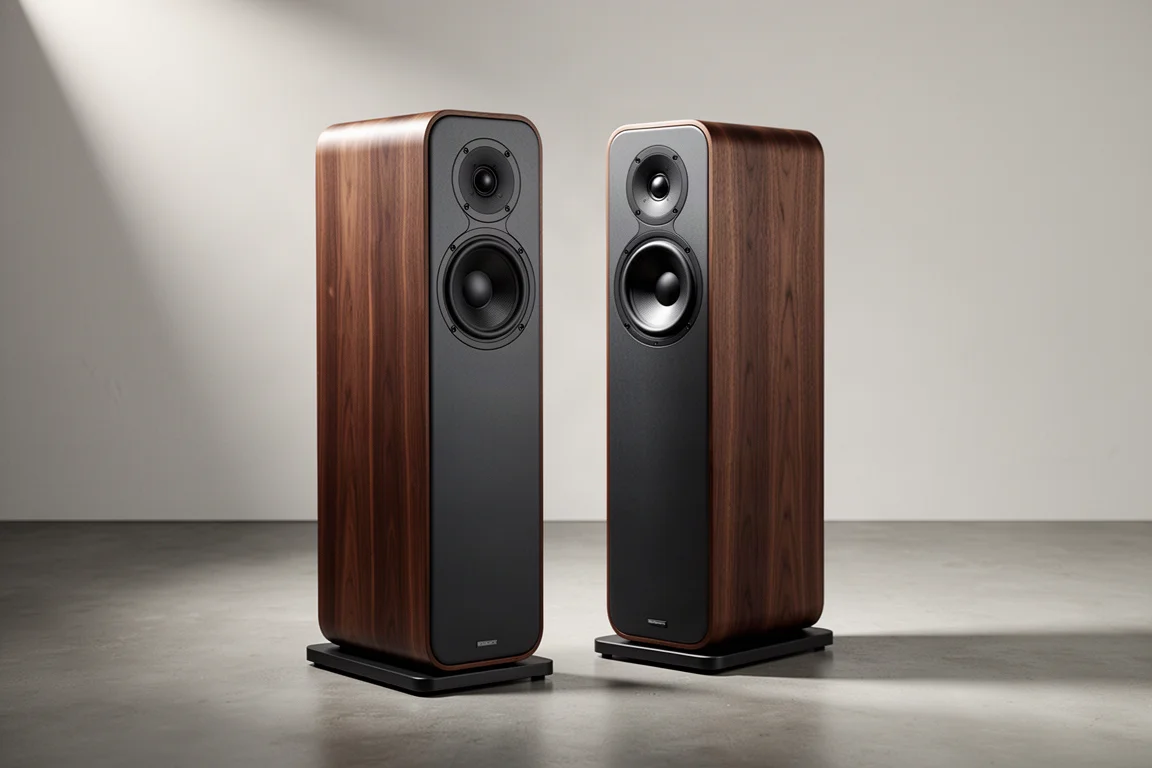
Acoustic Energy AE109 Mark II Review: A Refined Floorstander at £699
The Acoustic Energy AE109 Mark II is a slim, warm sounding floorstander that delivers clarity, midrange body and strong imaging in small to medium rooms.
Floorstanding Speakers
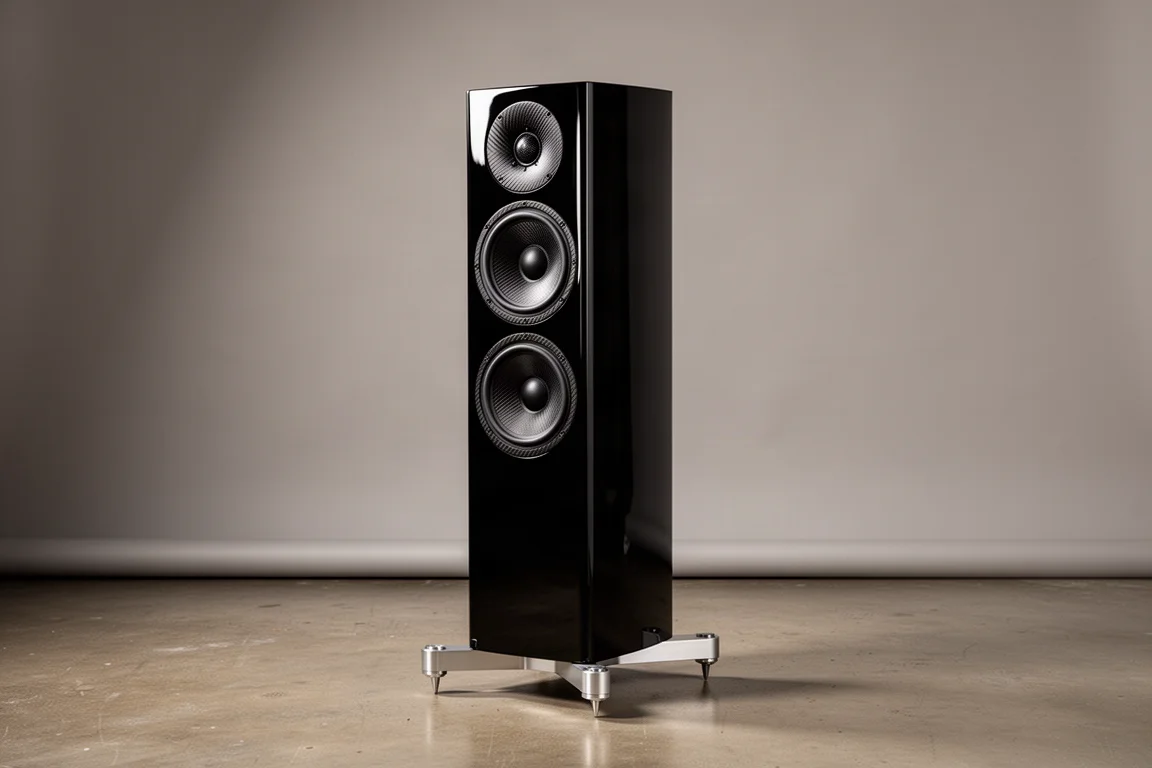
Acoustic Energy AE509 Review: A Slim Floorstander With Deep, Defined Bass
A practical look at the Acoustic Energy AE509, a slim floorstanding speaker with carbon fibre drivers, deep and well-defined bass, and an easy-going character that rewards careful system matching.
Floorstanding Speakers
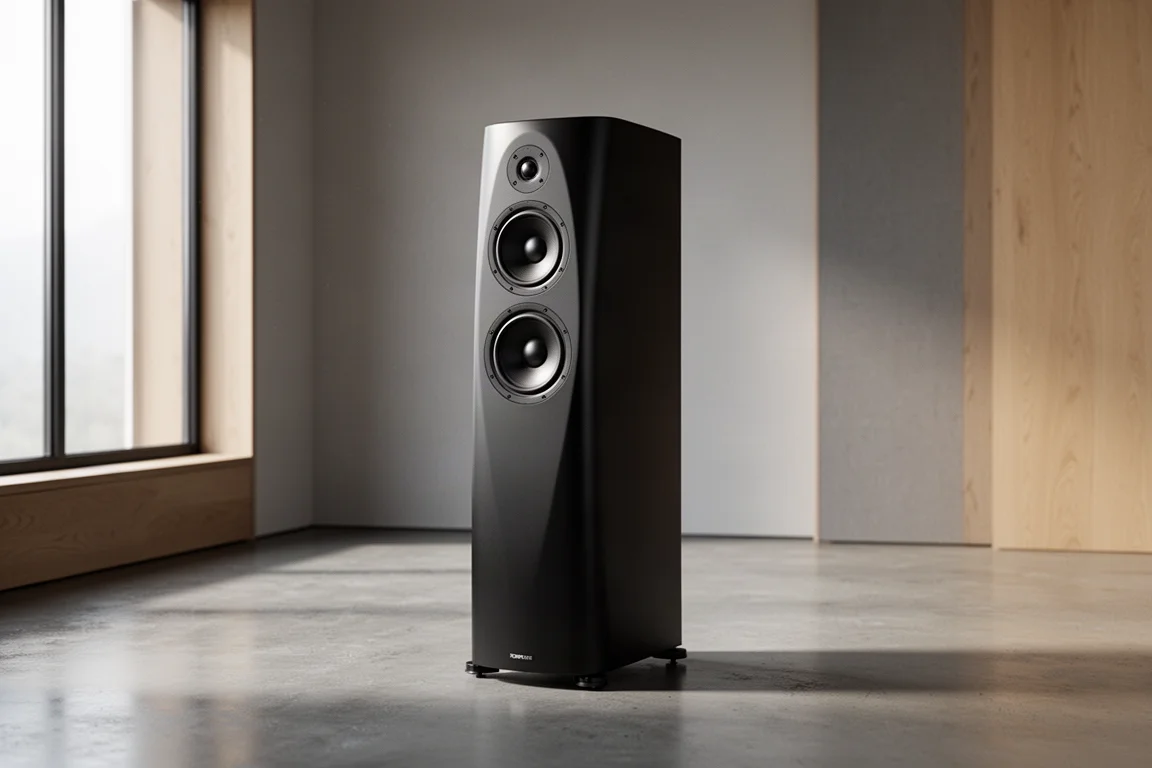
Arendal 1528 Tower 8 Review: Reference Neutrality With Real Demands
A close look at the Arendal 1528 Tower 8, a nearly five-foot, 200-pound floorstander that rewards generous space, serious power, and high listening levels with reference-grade neutrality.