Speakers
KLH Model 5 Review: A Sealed Three-Way Speaker With a Big Voice
A neutral measuring, three-dimensional sounding stand-mount speaker that rewards careful setup, stands and warm amplification.
Introduction
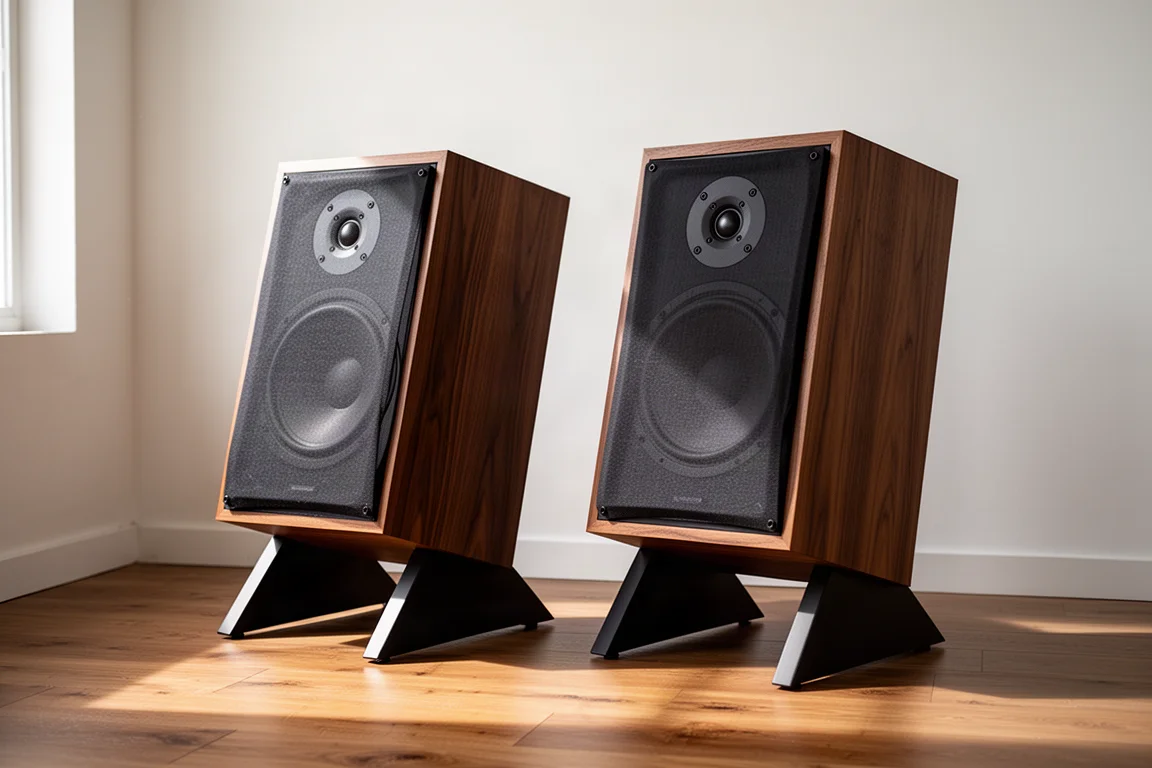
The KLH Model 5 is a three-way, sealed acoustic suspension loudspeaker built around a tweeter, a midrange driver and a woofer in a cabinet with no ports at all. That last detail shapes expectations before you even connect it, because a sealed box in this class usually trades low-end reach for control. The Model 5 turns out to be a more interesting proposition than that, combining a genuinely neutral measured response with the kind of body and presence that normally costs considerably more.
It also looks the part of a heritage design, with a retro cabinet that nods to classic American loudspeakers. The question worth answering is whether the sound justifies the attention. On the evidence, it largely does, provided you set it up the way it was intended.
Who the KLH Model 5 Is For
The Model 5 suits listeners who want a speaker that stays honest without sounding clinical. Its midrange carries real texture and body, so acoustic material, vocals and string instruments come across with nuance rather than a thin, analytical edge. If your listening leans toward jazz, folk, singer-songwriter records and well-recorded rock, this is the sort of speaker that keeps you in the seat.
It is also a strong choice for rooms where people move around. Because the off-axis response holds up well, the sound does not collapse the moment you step out of the sweet spot. Anyone who listens while cooking, working or hosting gets a consistent experience rather than a narrow window of good sound.
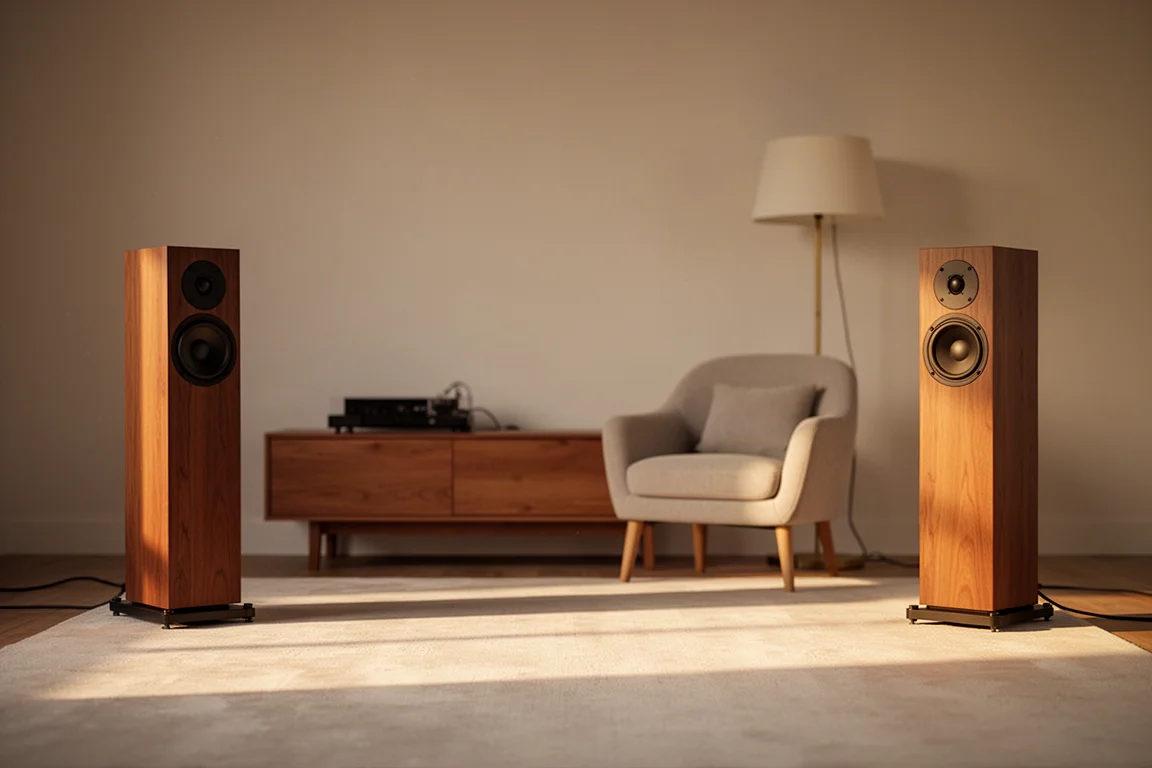
By contrast, listeners who want a bass-heavy presentation or a speaker that disappears visually may want to look elsewhere. The cabinet is unapologetically retro, and the low end, while clean, is linear rather than boosted.
Design and Build: A Sealed Three-Way Speaker
The Model 5 is a three-way design with a tweeter, a midrange and a woofer, housed in a sealed acoustic suspension cabinet. There are no ports, which is unusual in this price bracket and which shapes the bass character: the low end rolls off gradually and stays controlled rather than being tuned for a mid-bass bump.
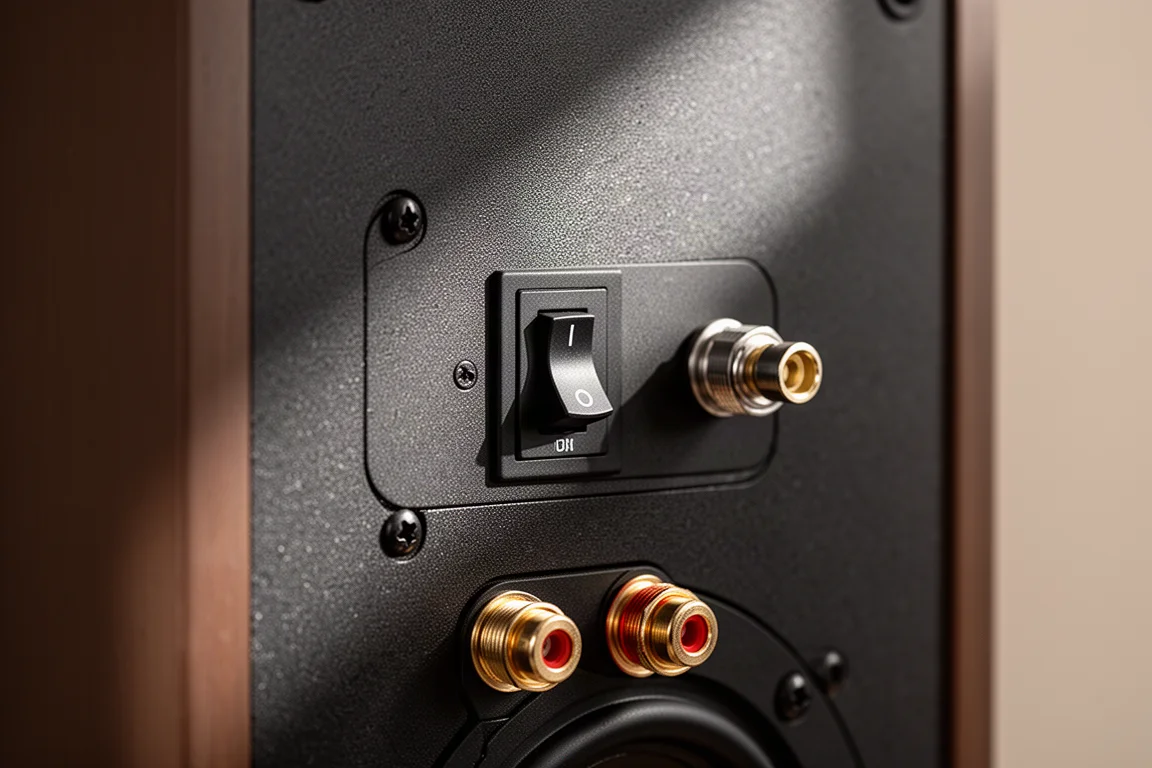
On the rear panel there is a control for the mid and high frequency drivers, and it works differently from the tone controls many listeners are used to. The top setting is the neutral starting point, and two further positions attenuate the mid and high frequencies in steps. That gives you a practical way to tune the speaker to a bright recording, a reflective room or a personal preference without touching the rest of the chain.
The published specifications, including sensitivity and impedance, hold up well against independent measurement. That is a detail worth noting, because it means the numbers you use to match an amplifier are trustworthy rather than optimistic.
Soundstage and Imaging: Three-Dimensional Presence
The most striking quality of the Model 5 is how it presents space. The soundstage extends well beyond the cabinets in both width and depth, and instruments can appear beside and even behind the listening position on recordings with strong spatial cues. On well-made tracks, bells and background details sit in their own distinct pockets of air.
Centre imaging is focused and stable. Vocalists lock into the middle of the stage with enough precision that it is easy to follow a single line inside a dense mix. It is not the most surgically pinpointed presentation available, but it is precise enough that most listeners will not want more.
This three-dimensional quality is closely tied to the speaker’s off-axis behaviour. A speaker that holds its tonal balance off axis tends to produce a wide, believable stage, and that is exactly what happens here. The result is an enveloping presentation rather than a sound that is glued to the front wall.
Midrange and High Frequency Performance
The midrange is the heart of this speaker. It is neither thin nor overly full, avoiding the bloated, mushy quality that can come from too much mid-bass emphasis. Tone, articulation and detail resolution are all strong, and vocals carry a realistic amount of texture, including the husky grain of a close-miked performance. String instruments are rendered with enough edge to sound like strings rather than a smooth approximation of them.
The high frequency sits in good alignment with the midrange. It sparkles just enough to add air and detail without sounding forward, though on some loud, brightly recorded tracks it can tip toward brightness. That is precisely what the rear attenuation control is for. Dropping one or two steps on aggressive material keeps the top end composed, while leaving it at the neutral setting suits warmer recordings that benefit from a little more lift.
Bass Response and Placement
Sealed cabinets rarely promise much sub-bass, so the Model 5’s low end is the biggest surprise. It is linear and clean rather than immediately punchy, which means the bass can seem understated at first. Give it time and the mid-bass punch reveals itself as tight and rounded, and the sub-bass extension adds weight you can feel in your chest on the right material. Listeners who want a subwoofer for electronic music or heavy low-frequency content can still add one, but most will be surprised at what the cabinet delivers on its own.
Placement is less fussy than the sealed design might suggest. Roughly one foot of space behind the speaker gives a good balance between bass authority and clean extension, and pushing the cabinet closer to the wall adds low-end weight if you want it. Toe-in is worth experimenting with, since angling the speakers toward the listening position sharpens centre focus and lets you fine-tune the top end alongside the rear control. Sitting slightly farther back than an equilateral triangle tends to add bass and a greater sense of dimension.
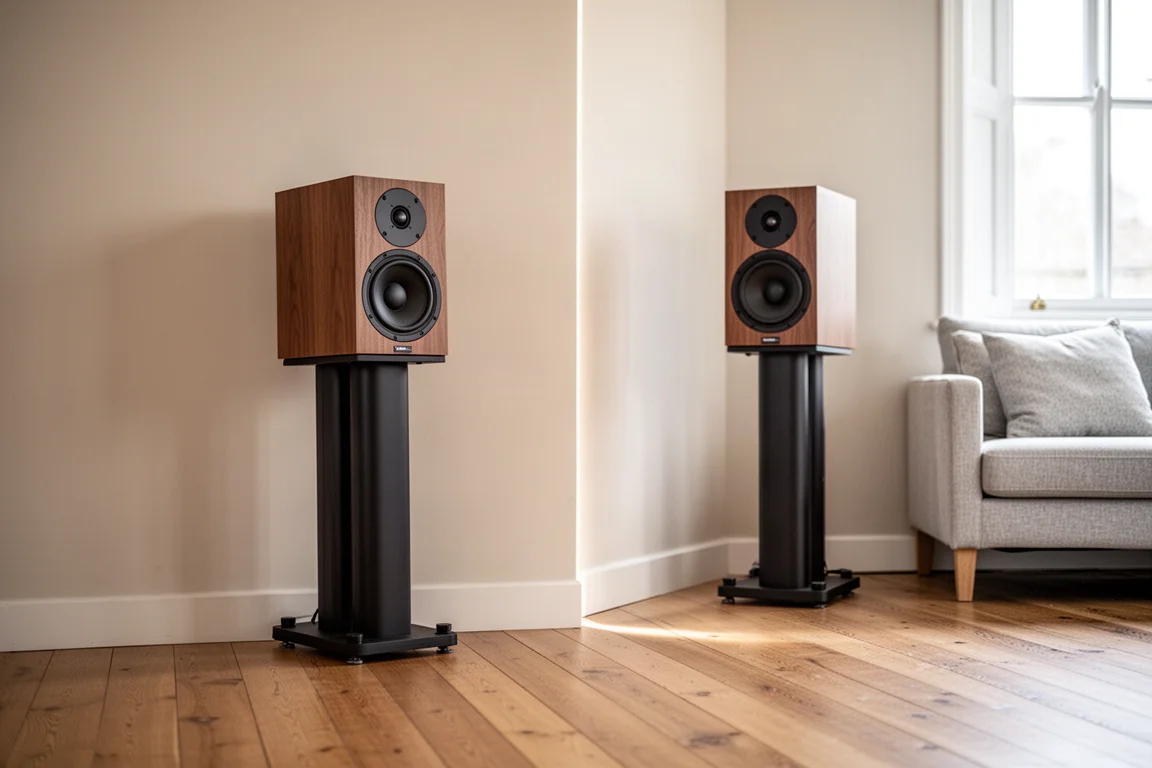
The matching stands matter more than they usually do. The Model 5 is intended to sit on angled stands, and the slight tilt is part of how it was designed and measured. Placed on a flat stand, the tonal balance shifts and the speaker loses much of what makes it special, sounding considerably more ordinary.
Amplification and System Matching
The Model 5 is not a difficult load, and it responded well to a wide range of amplifiers, including Class D, Class AB and Class A designs. What changes is character rather than competence. Amplifiers with a warm, muscular presentation in the low end tend to bring out the best in the sealed cabinet, adding a little weight while keeping the bass controlled.
Affordable integrated stacks also worked well here, delivering warmth and grip at a lower cost. As always, room size dictates how much power you need, with larger spaces benefiting from more of it. If you are choosing between two amplifiers, the one with the fuller, more grounded tonal signature is the safer match.
Things to Consider Before Buying
The retro cabinet is a matter of taste. It reads as heritage and craftsmanship to some listeners and simply old-fashioned to others, and no amount of sound quality changes that.
The top end can also be a little bright on loud, aggressive recordings. The rear control manages this well, but it is worth knowing that you will use it.
Finally, the bass is clean and linear rather than boosted. If your priority is a big, immediate low-end punch, plan on a subwoofer, or audition the speaker with the material you actually listen to.
Buying Advice
At around $2,000, the Model 5 competes with speakers that cost considerably more, and it is the midrange and the soundstage that make the strongest case. Before buying, budget for the matching stands, since they are not optional in practice if you want the intended tonal balance.
Plan your placement in advance. Allow roughly a foot behind the cabinets, experiment with toe-in, and position your seat slightly farther back than an equilateral triangle. Give yourself time with the rear attenuation control, because it takes a few listening sessions to learn which setting suits which recording.
On amplification, aim for something with a warm, muscular low end and enough power for your room. Pair it that way and the Model 5 delivers a level of texture, space and presence that is rare at this price.
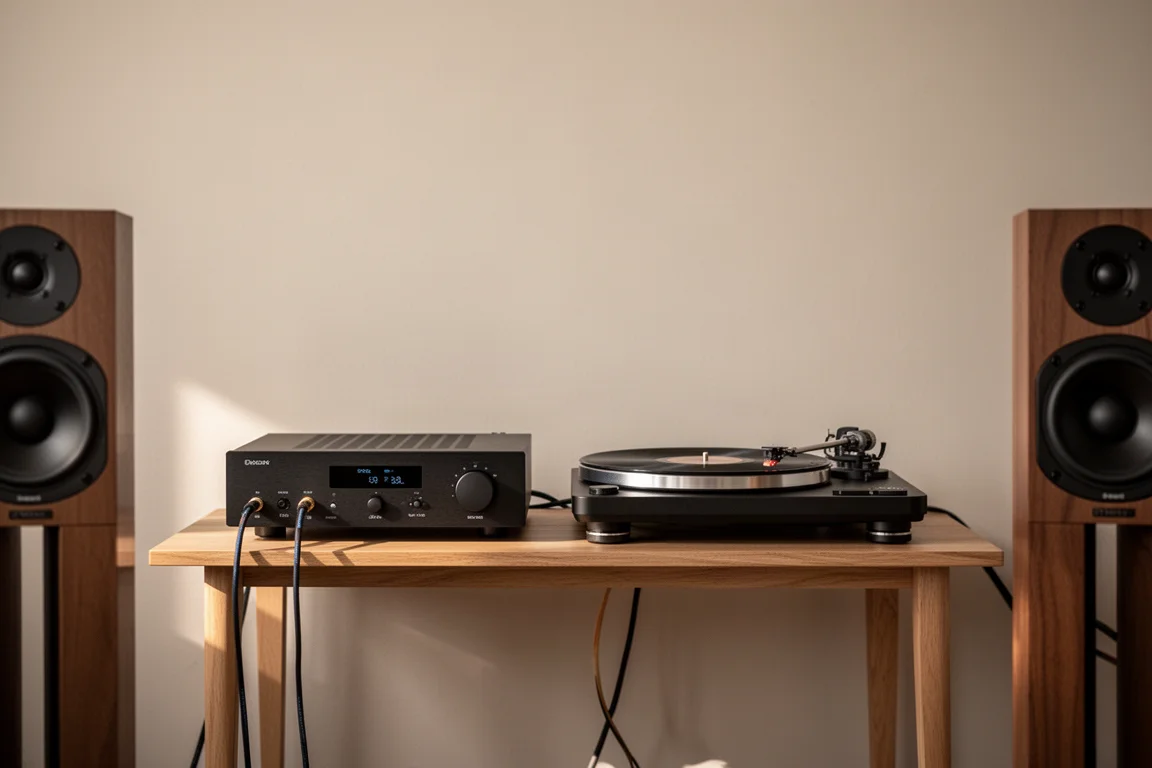
If you have been weighing a much more expensive speaker, this is one of the few designs at this price that genuinely invites the comparison. It will not match the craftsmanship or the finish of flagship models, but in the ways that matter most, it holds its own.
Conclusion
The KLH Model 5 is a sealed three-way speaker that measures neutral, stages like something far larger and delivers a midrange with real character. It rewards careful setup with stands, toe-in and the rear attenuation control, and it pairs best with warm, controlled amplification. For listeners who value midrange honesty, three-dimensional imaging and clean linear bass, it is an easy recommendation at its price.
Product link
View more details for KLH Model 5
This product is mentioned in the review. Check the specifications, options, and compatibility before buying.
View more details for KLH Model 5Further reading
Related Reviews
Speakers
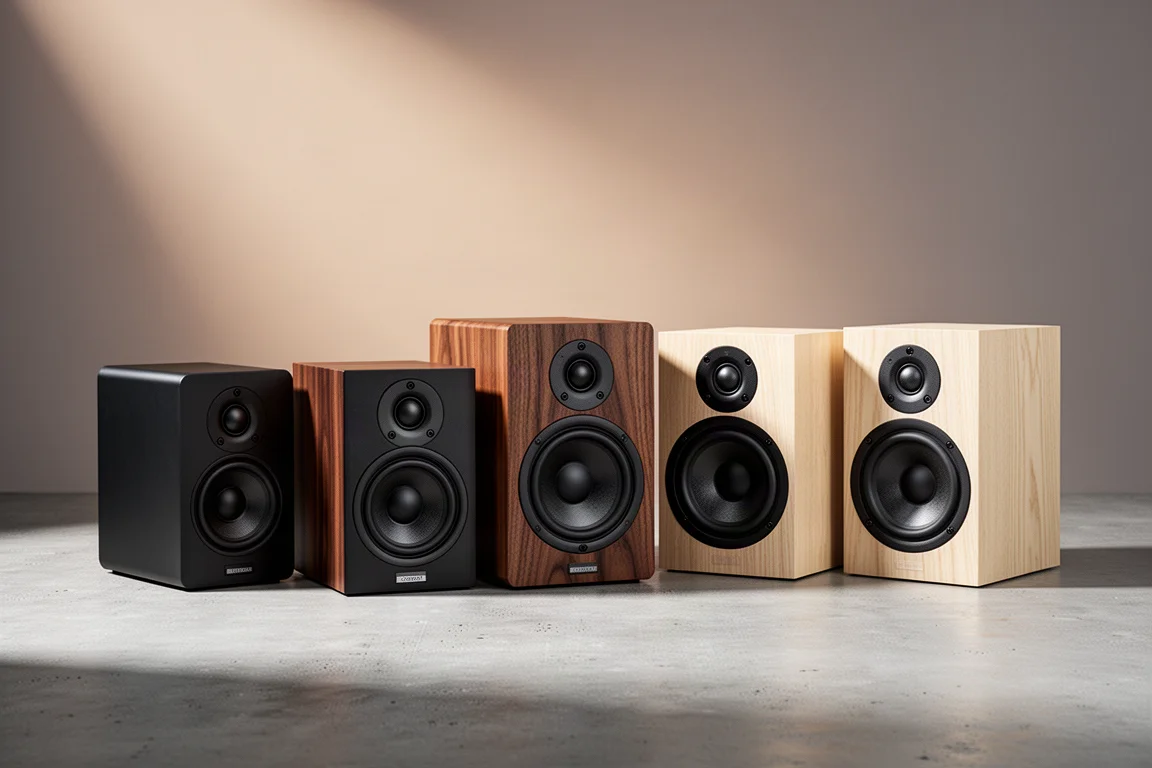
13 Under-the-Radar Speakers Still Worth Buying
Thirteen speakers that quietly stayed in production while newer models took the spotlight, from budget bookshelf pairs to a full-size tower.
Speakers
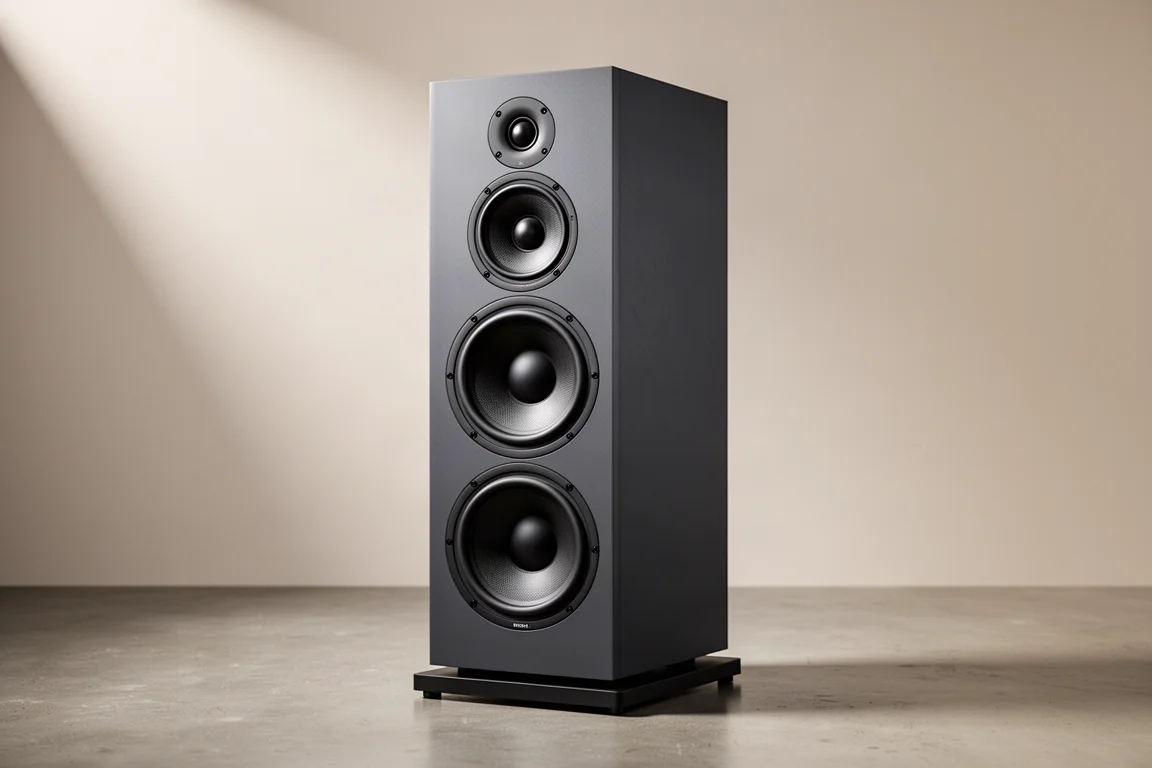
Arendal 1528 Monitor 8 Review: A Three-Way Standmount With Serious Dynamic Headroom
A three-way standmount speaker with extremely low distortion, high output capability, and deep bass for its size, plus the setup details worth knowing before buying.
Speakers
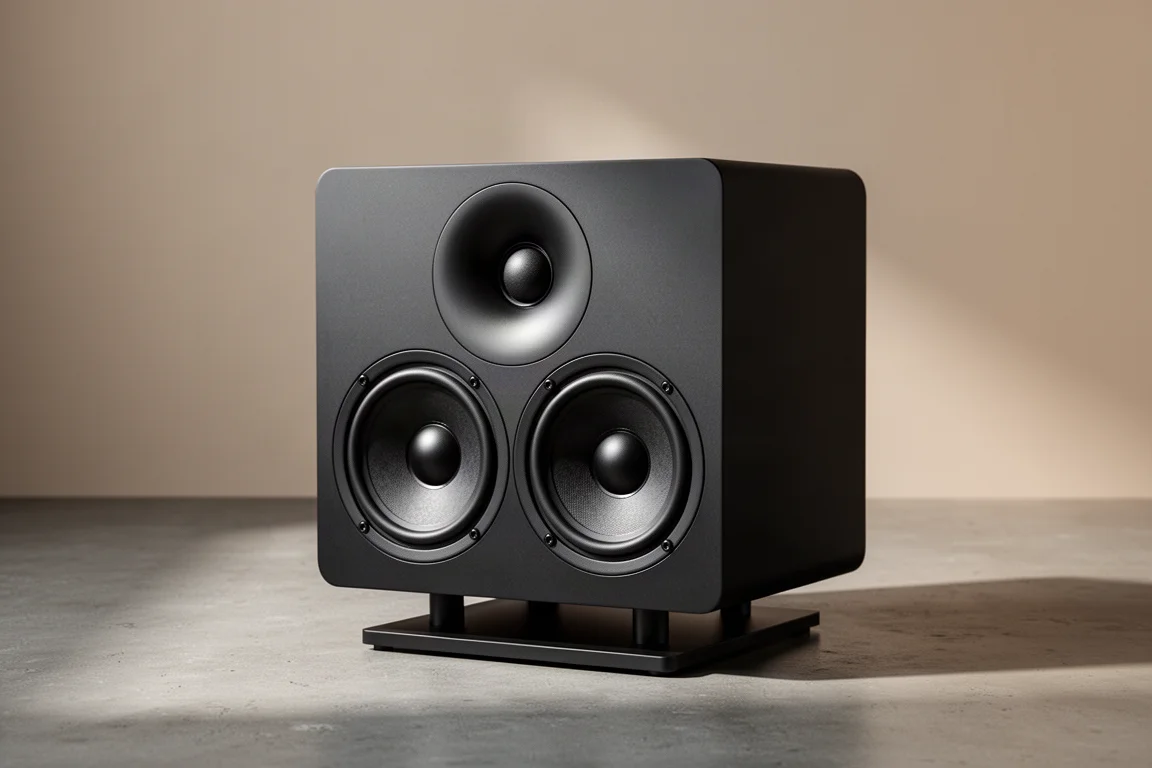
Arendal 1723 Monitor S Review: A Compact Monitor With Serious Ambition
A close look at the Arendal 1723 Monitor S, a compact MTM monitor with a waveguide-loaded tweeter, an HDF cabinet, and flexible ported or sealed operation for music and home theater.