Floorstanding Speakers
KLH Model 4 Review: Compact Floorstanding Sound With Model 5 DNA
The KLH Model 4 brings the driver architecture of the Model 5 into a much smaller, wall-friendly cabinet. Here is what it does well and what to weigh first.
Introduction
The KLH Model 4 is the newest floor-standing speaker in KLH’s Model Collection, and it exists to solve a specific problem. The line already offered a compact bookshelf in the Model 3 and a larger floorstander in the Model 5, but nothing that paired a small footprint with the acoustic character of the bigger cabinets. The Model 4 fills that gap by borrowing from both.
Early units appeared at an audio show ahead of the official September launch, and the demo room stayed busy throughout. Listeners who had spent time with the Model 7 when it debuted the previous year came back specifically to hear the new, smaller speaker next to it. KLH set up back-to-back comparisons between the Model 7 and the Model 4. Choosing the flagship as the reference point, rather than the closer in size Model 5, says a lot about how the company views the new model, and the results hold up.
Who the KLH Model 4 Is For
This is a speaker for listeners working with small to medium rooms, apartments, and condos, where a full-depth floorstander is not realistic. The cabinet is only 8.25 inches deep, 11 inches once the included riser base is attached, so it can sit a few inches from a wall without the bass turning boxy. That shallow profile is the single biggest practical advantage of the design.
Because the cabinet is fully sealed, the Model 4 behaves consistently whether it is pushed back against a wall, tucked into a corner, or pulled out into the room. That matters in smaller spaces, where the ideal placement is not always available.
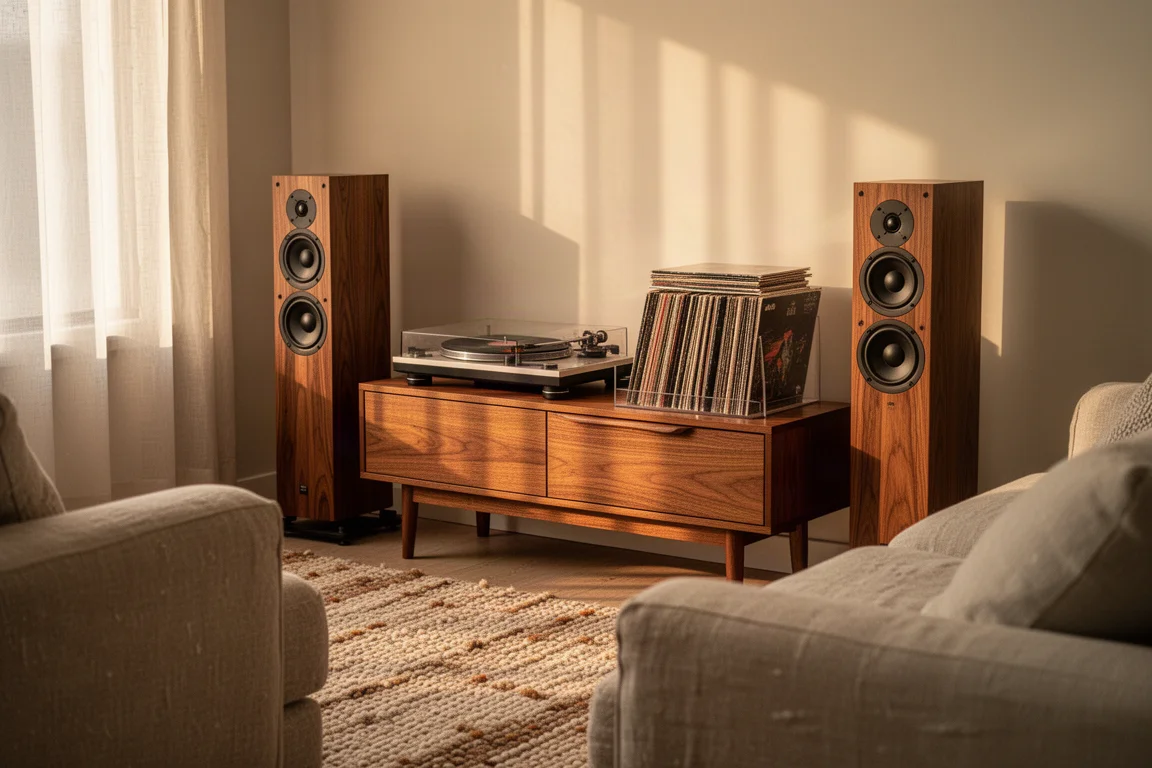
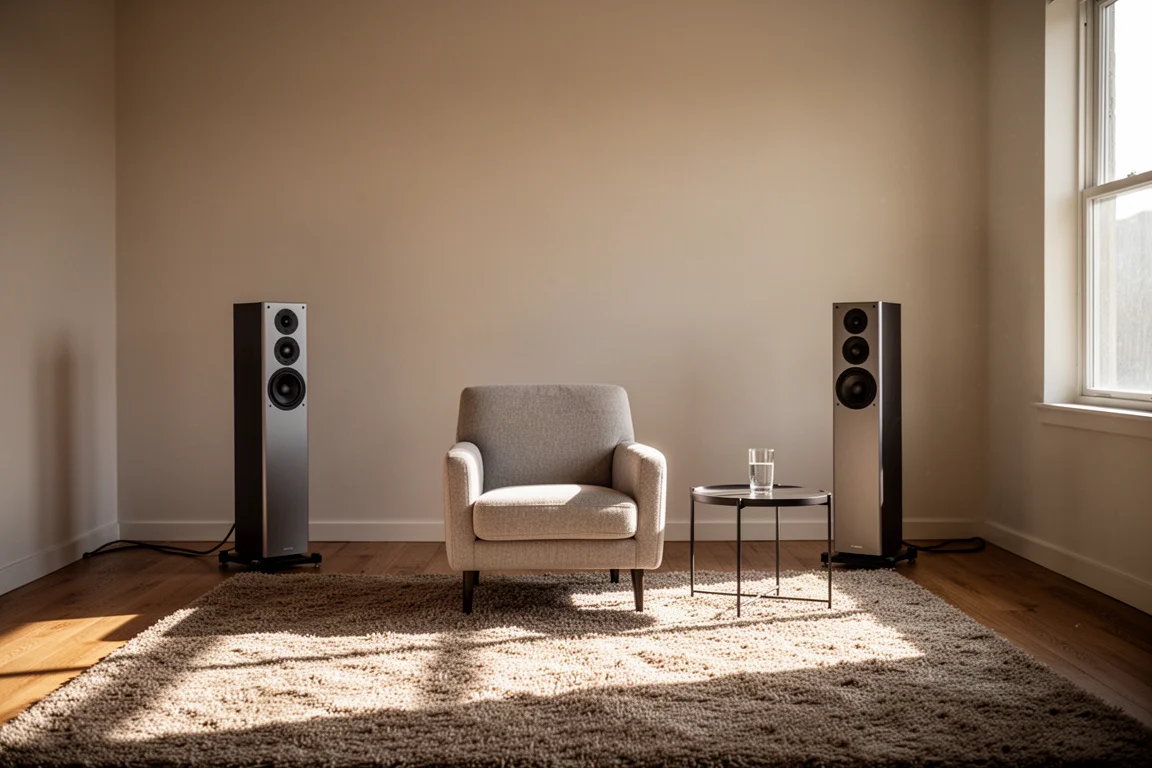
As a starting point, KLH suggests keeping the speakers about 6 to 24 inches off the back wall and at least 24 inches from any corner. Spacing the pair 6 to 8 feet apart with a listening position 8 to 10 feet back gives the drivers room to work, and toe-in can then be adjusted to taste. More angle sharpens and deepens the center image, while less angle opens the stage wider.
Design and Build Quality
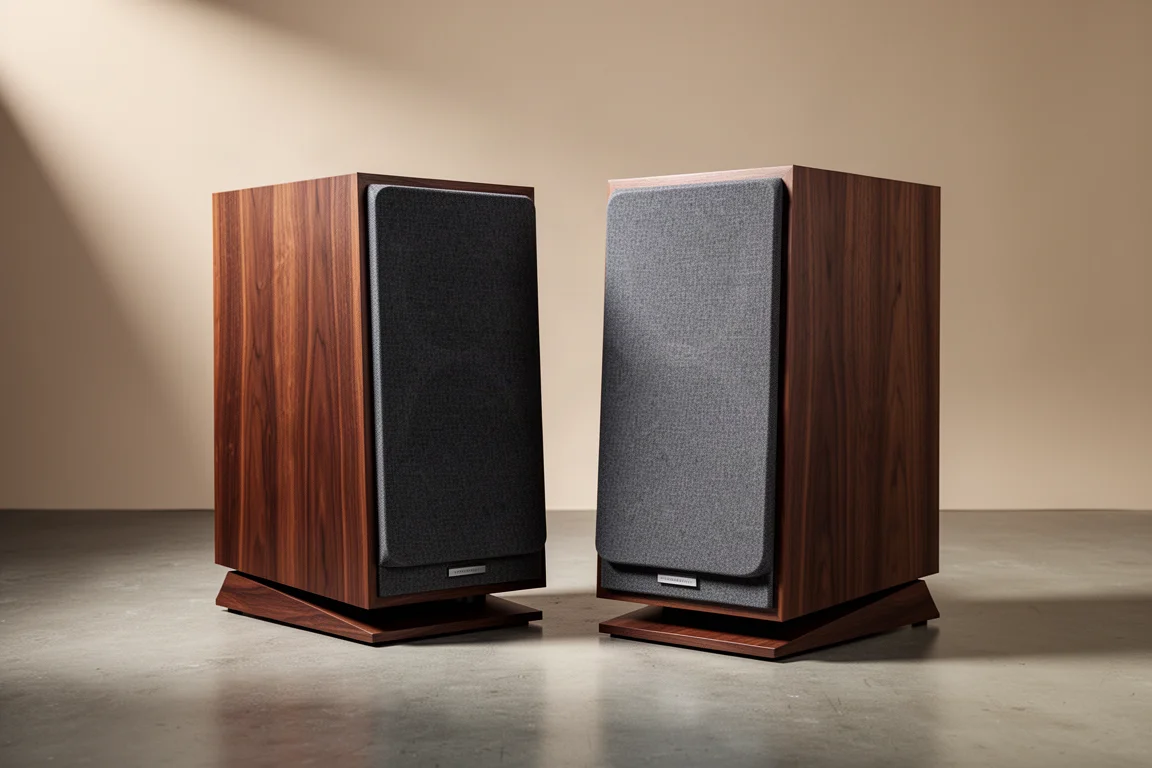
The Model 4 does not chase a modern, flashy look. It goes the other way, with a retro, mid-century character that matches the rest of the KLH catalog. The shape is a rectangle with a wide front baffle, a classic arrangement used by many speakers in the 1970s, and it suits the collection well.
Without the riser, the cabinet stands about 26 inches tall, 13 inches wide, and 8.25 inches deep. With the riser attached, height rises to 32.2 inches and the base tilts the cabinet back about 6 degrees, aiming the midrange and tweeter toward a seated listener. Total depth with the riser comes in at 11 inches, the shallowest cabinet in the Model collection. The riser is included at no extra cost.
Cabinets are built from structurally reinforced MDF in 3/4 inch and 1 inch thicknesses and finished in English walnut, black ash, or white oak. Each finish comes with a matching magnetic grille: stone wash knit for the walnut, gray knit for the black ash, and black knit for the white oak. The drivers are stacked dead center on the baffle, the same centered layout as the Model 5. That differs from the Model 7, which mounts its tweeter and midrange off-center and sells as a mirrored pair, with left and right cabinets built as opposites rather than identical.
Main Strengths
The most compelling argument for the Model 4 is what it inherits. The 4 inch pulp paper midrange, the 1 inch aluminum dome tweeter with its soft rubber suspension, and the crossover architecture all come from the Model 5. The crossover is a second order electroacoustic design that splits to the midrange at 380 Hz and to the tweeter at 2,500 Hz. The 8 inch woofer, a pulp paper cone with reverse roll rubber suspension and a 1.5 inch flat wire voice coil, is the same driver used in the Model 3.
Like every speaker in the collection, the Model 4 runs on an acoustic suspension platform, a sealed approach KLH helped popularize in the late 1950s. With a fully sealed cabinet, the trapped air acts like a spring that controls how the woofer moves, letting the cone travel further while staying accurate than the mechanical suspensions used in ported designs allow. The trade-off is a gentler bass roll-off and typically less raw output than an equivalent ported cabinet, but the payoff is tighter, more controlled bass that holds together near a wall.
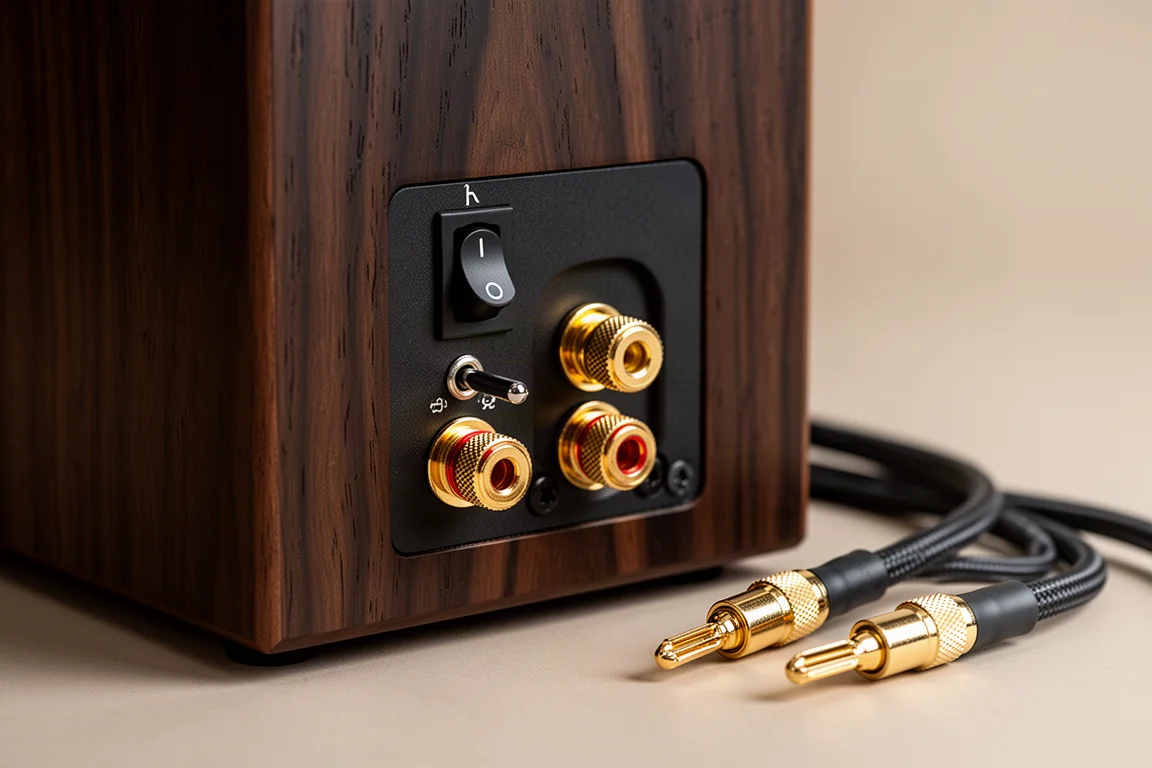
On the back panel sits the three-position acoustic balance control KLH first introduced in the 1960s. It works at frequencies above 400 Hz, the range most shaped by how reflective a room is. High leaves that range flat and suits rooms that already absorb a lot of sound, such as spaces with heavy carpet, plush furniture, thick drapery, and acoustic treatment. Mid is the factory default and pulls the range down by 1.5 dB, a sensible starting point for a typical room with a mix of hard and soft surfaces. Low cuts it by 3 dB for rooms with hard floors, bare walls, and large windows that bounce sound back. Below the switch are gold-plated binding posts that accept banana plugs, spades, or bare wire.
On paper the load is friendly: 6 ohms nominal with a minimum of 3.5 ohms around 120 Hz, which is easy for nearly any receiver or integrated amplifier. Sensitivity is rated at 88 dB, power handling at 150 W continuous and 600 W peak, and in-room maximum output at around 108 dB. KLH recommends amplifiers in the 30 to 150 W range.
Sound Quality in Practice
The Model 4 carries the same tonal signature as the rest of the collection, with an open and natural midrange. Compared directly with the Model 7 on the same reference material, the match in character is closer than the size difference would suggest.
On John Coltrane’s Naima, the opening piano chords sounded nearly identical in tone through both speakers, and that held for the length of the track. Coltrane’s saxophone carried the same warmth, with no thinness or edge, and the brush work on the drums came through with the same texture. For a speaker with an 8 inch woofer rather than a 13 inch one, that is a genuinely impressive result, and it reflects how deliberately KLH voices the whole collection toward a single target.
Bon Iver’s Holocene gave the Model 4 more to handle, with layered synths and low-end swells building through the track. The bass stayed tight and controlled rather than turning muddy, which is exactly what an acoustic suspension design at this size should do. Turned up, the Model 4 filled a small to medium room with ease. The Model 7 still has noticeably more headroom for much larger spaces, and more physical weight in kick drums and bass guitar, but the gap is smaller than the cabinet sizes imply.
Horizontal dispersion is wide, holding tonal balance out to 140 degrees at the minus 6 dB point, and KLH states that the sound stays consistent up to 20 degrees off axis. That makes the speaker forgiving of modest toe-in adjustments and of listeners sitting slightly off center.
Things to Consider Before Buying
The 88 dB sensitivity rating is a few decibels below the Model 7, so the Model 4 asks a little more of an amplifier to reach the same volume. Most receivers and integrated amps within the recommended 30 to 150 W range will be fine, but very low powered designs deserve a second look.
Bass extension is the other point to weigh. The rated response is 46 Hz to 20 kHz plus or minus 3 dB, with usable output down to 35 Hz at minus 10 dB. That is deep for a sealed cabinet of this size, but a larger sealed model will still move more air. If the room can take the extra size, the Model 5 steps up to a 10 inch woofer that reaches down to 32 Hz with roughly a third more power handling, while the Model 7 goes further still with a 13 inch woofer. The Model 4 is the right answer when space, not output, is the constraint.
One more consideration is layout. The Model 4 uses a centered driver arrangement and is not sold as a mirrored pair, so the two cabinets are identical rather than opposites. That is a simpler proposition for most rooms, and it keeps placement flexible.
Buying Advice
The Model 4 is priced at $999 each, or $2,000 for a pair, with the riser stands included. That sits well below the Model 5 and Model 7 while retaining the same midrange, tweeter, and crossover architecture as the Model 5, which makes it the value play in the collection for anyone with a smaller room.
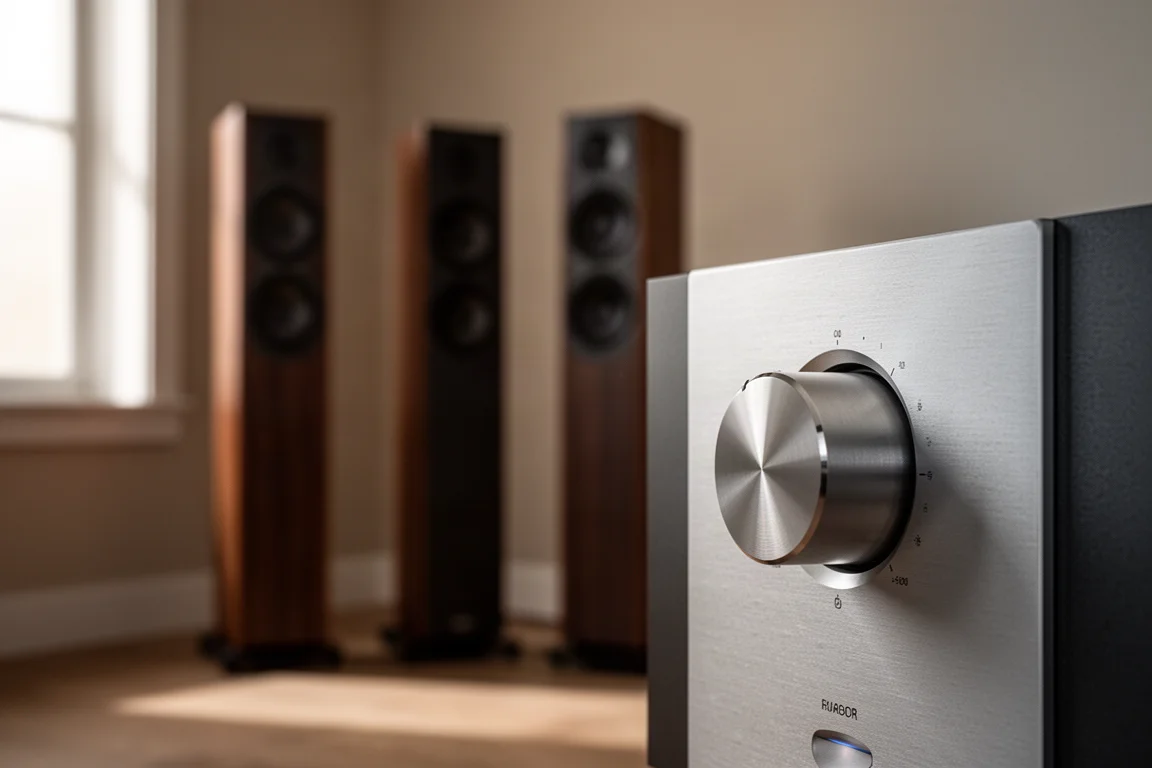
Setup rewards a little patience. Start with the balance control in the mid position and adjust only if the room is unusually reflective or unusually absorbent. Give the speakers 6 to 24 inches of space behind them, keep them clear of corners, and set the pair 6 to 8 feet apart with the listening seat 8 to 10 feet back. The 6 degree tilt built into the riser already aims the midrange and tweeter at ear height once seated, so the main remaining variable is toe-in. A modest inward angle usually lands the sweet spot where vocals and instruments float between the cabinets instead of sticking to them.
For buyers who want a compact floorstander that disappears into a small room while still delivering the character of a larger KLH model, the Model 4 is an easy recommendation. If the room can accommodate a bigger cabinet and you want maximum low-frequency weight, the Model 5 is the natural next step.
Conclusion
The KLH Model 4 does what a good gap-filler should. It takes the driver architecture and voicing of the Model 5, adds the 8 inch woofer from the Model 3, and packages everything in the shallowest cabinet in the collection, with a riser stand included at no extra cost. It reaches down to 46 Hz in rated terms, stays controlled near a wall, and offers a genuinely useful three-position balance control for real rooms.
The compromises are the expected ones: less low-end weight and headroom than the larger models, and a slightly lower sensitivity that asks more of an amplifier. For small rooms, apartments, and condos, those trade-offs are easy to accept.
Product link
View more details for KLH Model 4
This product is mentioned in the review. Check the specifications, options, and compatibility before buying.
View more details for KLH Model 4Further reading
Related Reviews
Floorstanding Speakers
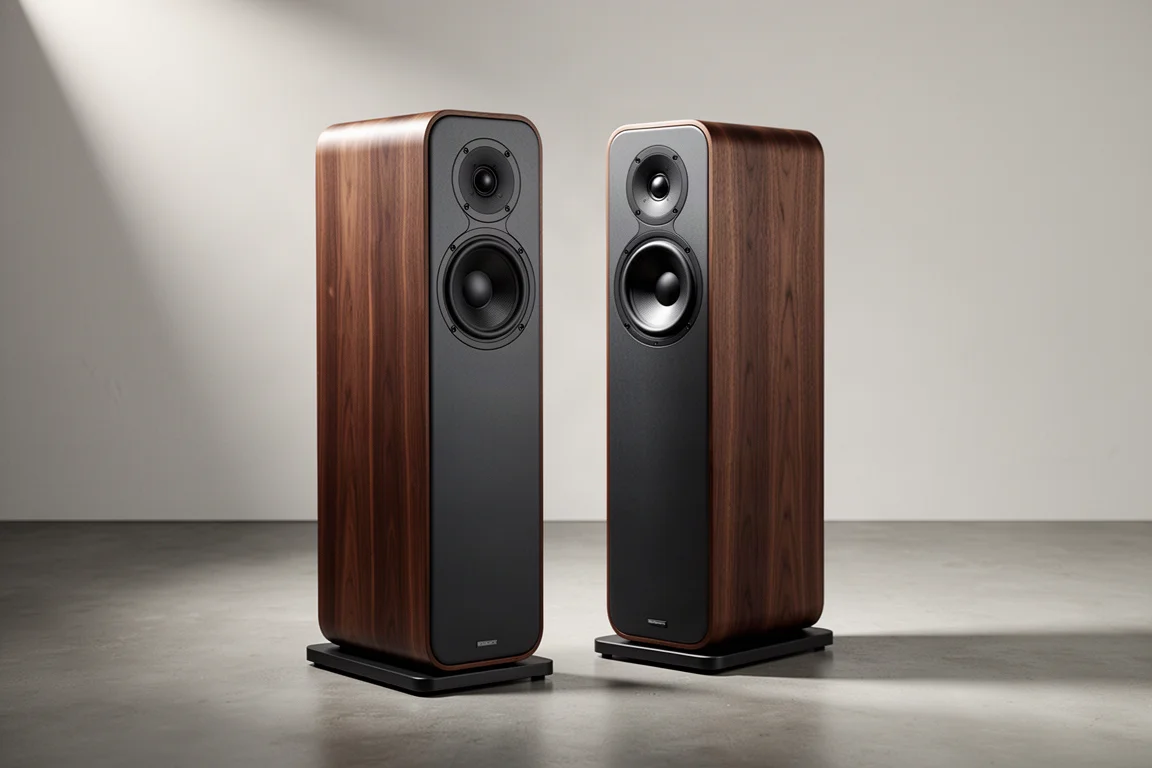
Acoustic Energy AE109 Mark II Review: A Refined Floorstander at £699
The Acoustic Energy AE109 Mark II is a slim, warm sounding floorstander that delivers clarity, midrange body and strong imaging in small to medium rooms.
Floorstanding Speakers
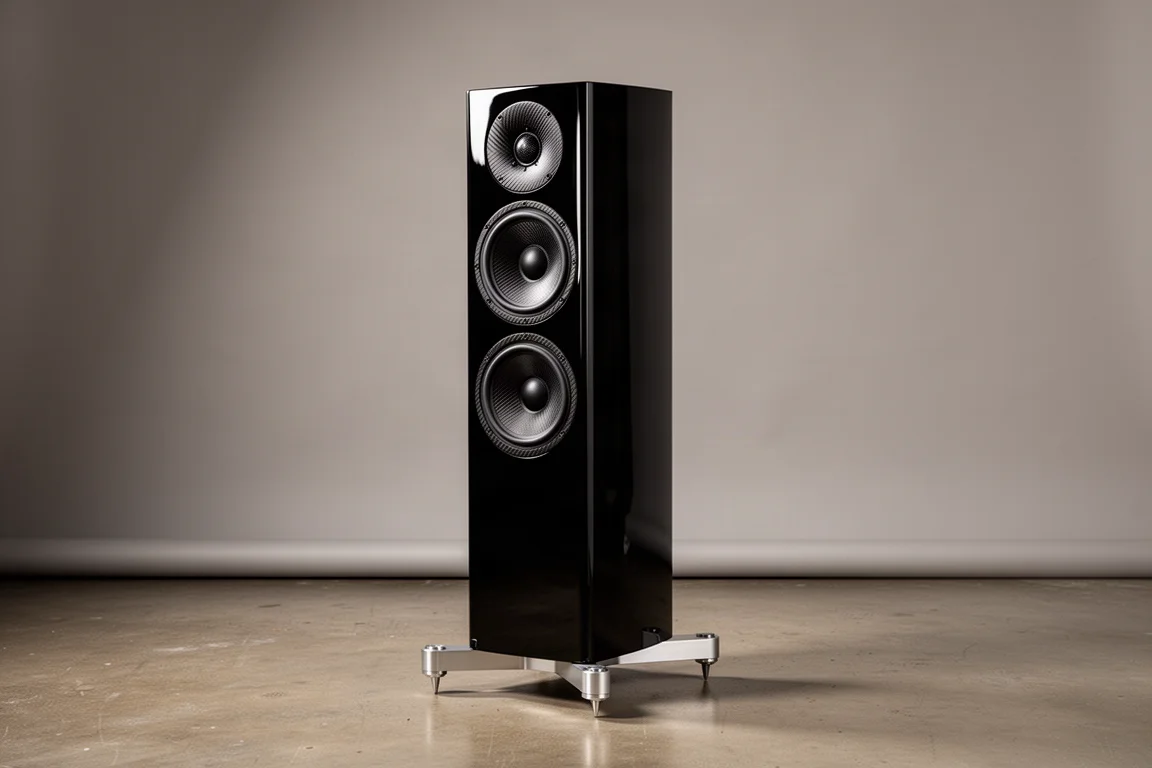
Acoustic Energy AE509 Review: A Slim Floorstander With Deep, Defined Bass
A practical look at the Acoustic Energy AE509, a slim floorstanding speaker with carbon fibre drivers, deep and well-defined bass, and an easy-going character that rewards careful system matching.
Floorstanding Speakers
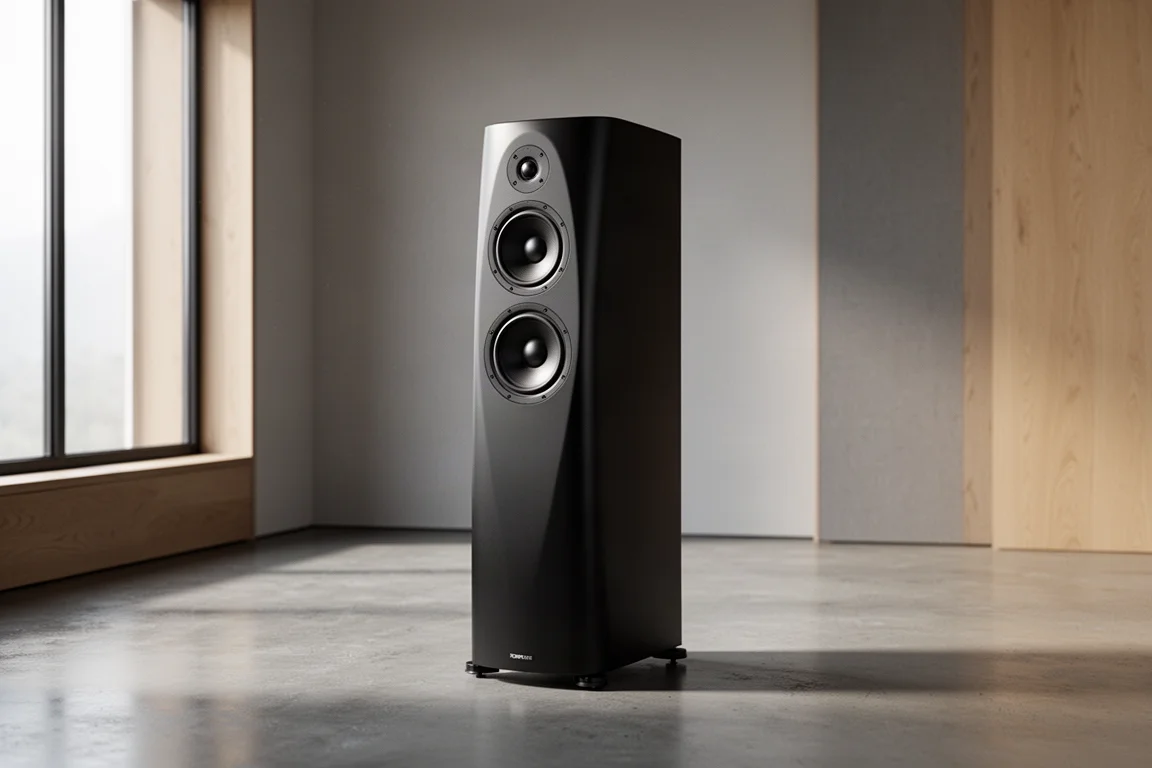
Arendal 1528 Tower 8 Review: Reference Neutrality With Real Demands
A close look at the Arendal 1528 Tower 8, a nearly five-foot, 200-pound floorstander that rewards generous space, serious power, and high listening levels with reference-grade neutrality.