Workshop Safety
Klein Tools Blade Safety Glasses: Full-Coverage Eye Protection That Finally Fits Right
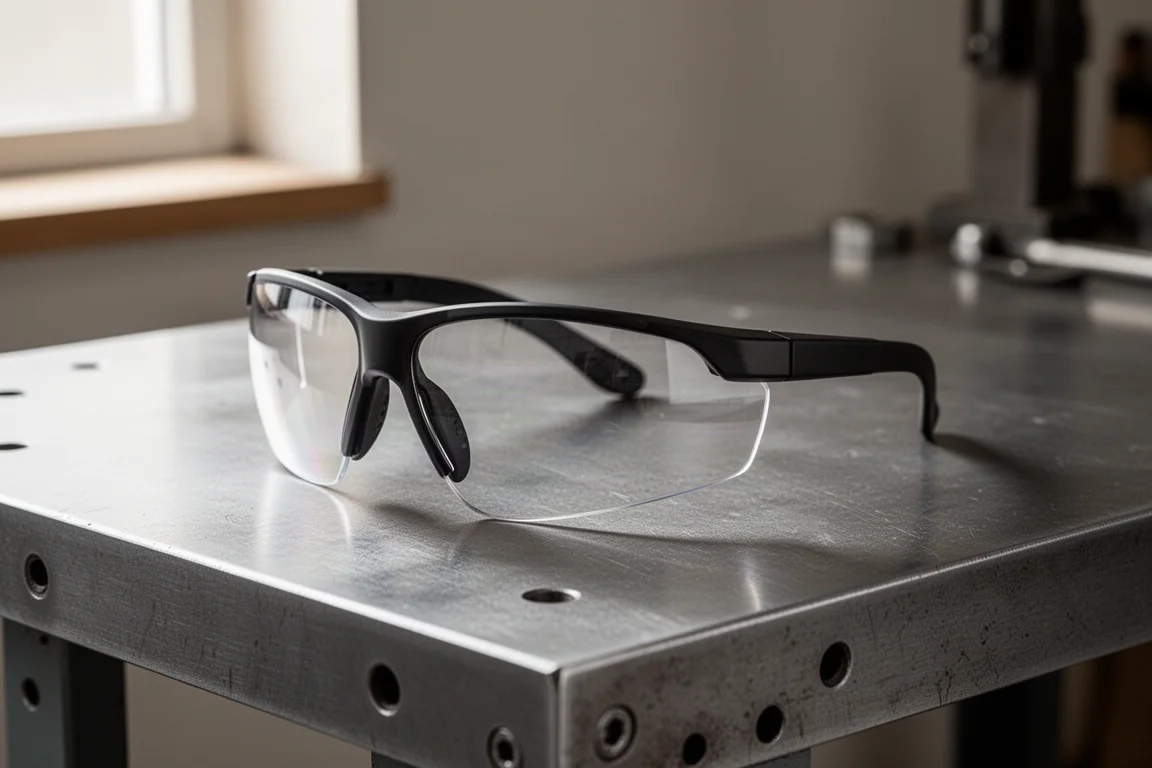
Klein Tools' blade-style safety glasses bring ballistic-grade impact resistance, solid nose coverage, and true UV blocking, with clear and polarized tinted options.
Introduction
Nothing ruins a workday faster than getting something in your eye, whether it is wood, metal, dirt, or a chemical. The regret is immediate, and if it ends with a trip to the doctor, the cost of even a very nice pair of safety glasses turns out to be completely insignificant by comparison. That is exactly why eye protection deserves more attention than it usually gets.
Klein Tools has entered the safety glasses market with a new blade-style design, and after time with them, they stand out against older alternatives like Snap-on and Uvex pairs that many of us have worn for years. Here is how they compare and why the blade style matters.
Why the Blade Style Works
The blade look is not just a fashion statement. The wide, wraparound lens gives much better coverage than the thin, almost useless slim designs that safety glasses drifted toward over the years. Think back to the oversized cyclist sunglasses of the 1980s: full coverage, all the way around the eye.
Many traditional safety glasses rely on adjustable hinges. Those seem clever at first, but they force a compromise: you either angle the lens to cover the top of your face or the bottom, rarely both. The blade design does not need adjusting because it is tall enough to give good coverage down along the cheek and nose as well as all the way up toward the eyebrows.
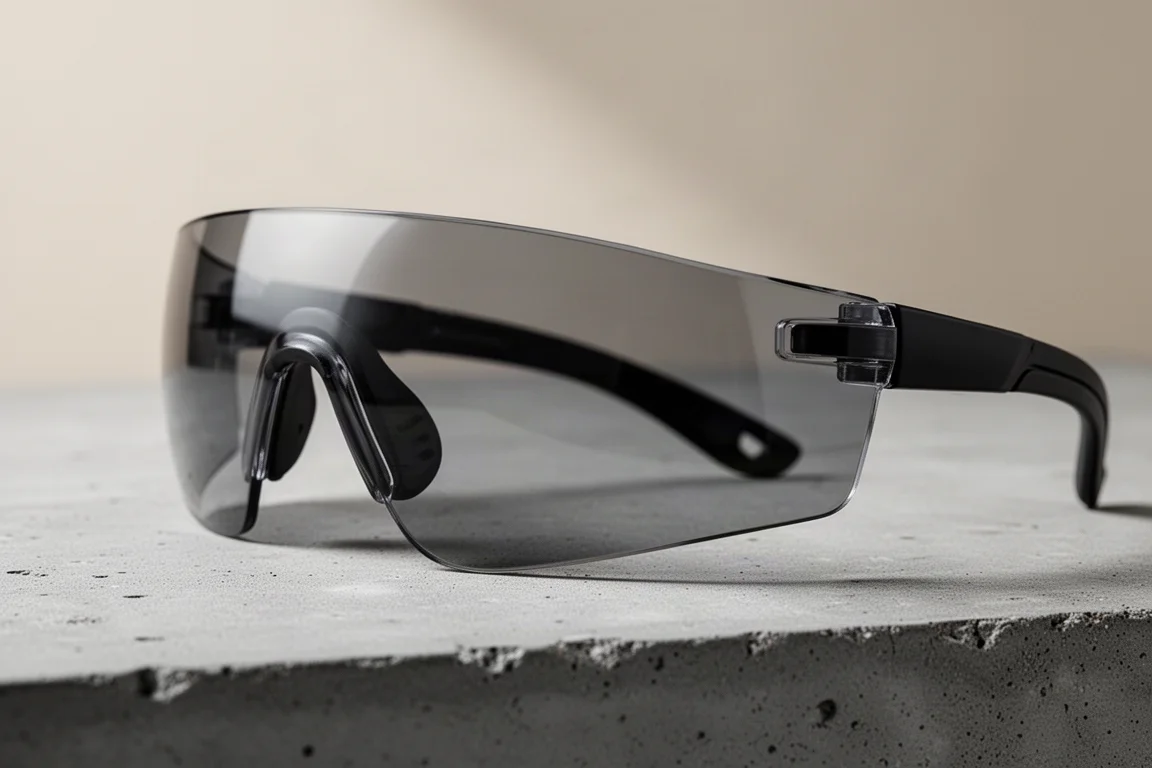
The build quality also feels noticeably more solid than typical safety glasses. The nose piece is large and sturdy, whereas smaller nose cones on other pairs are notorious for popping off and needing to be glued back repeatedly.
Klein Tools Blade Safety Glasses
The tinted Klein blade glasses sell for about $50 each. They are polarized, meet the ANSI Z87.1+ standard, and also carry the MIL-PRF-32432A military performance standard for ballistic protection. That standard matters: it requires the glasses to be impact resistant and the frame to be strong enough that it will not simply break apart, leaving your eyes exposed to secondary impacts. They are still fairly light despite the thick lens.
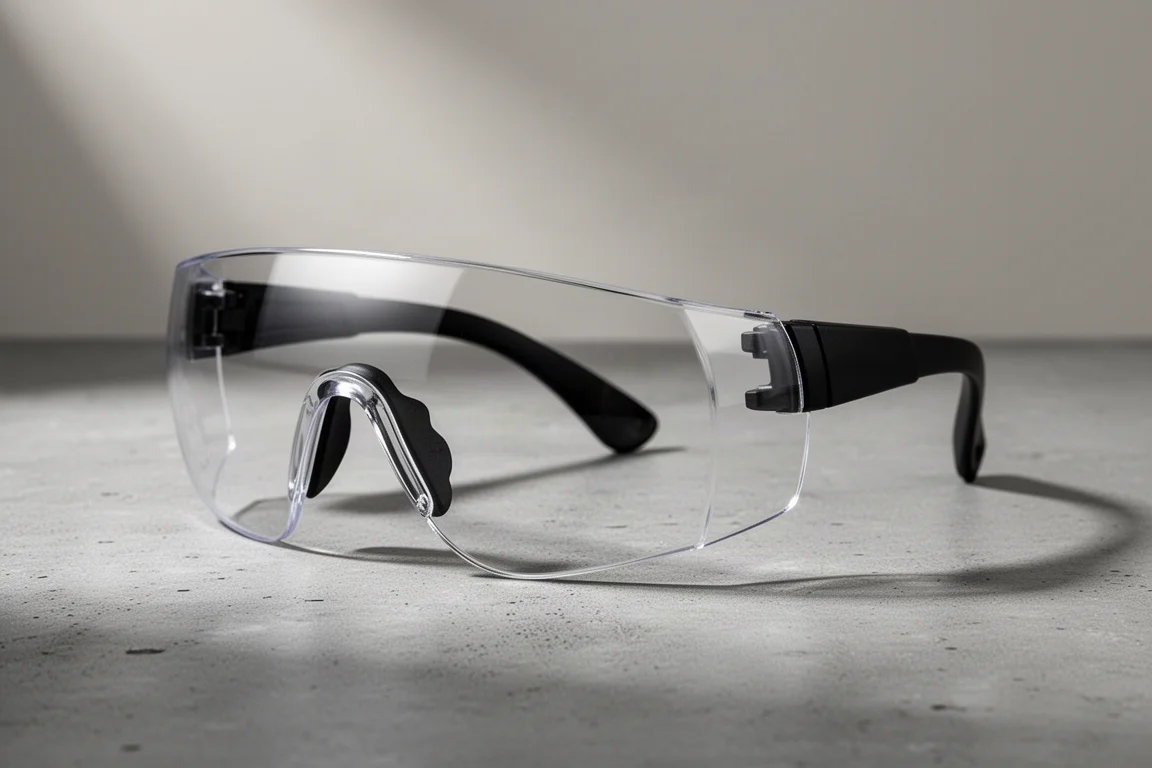
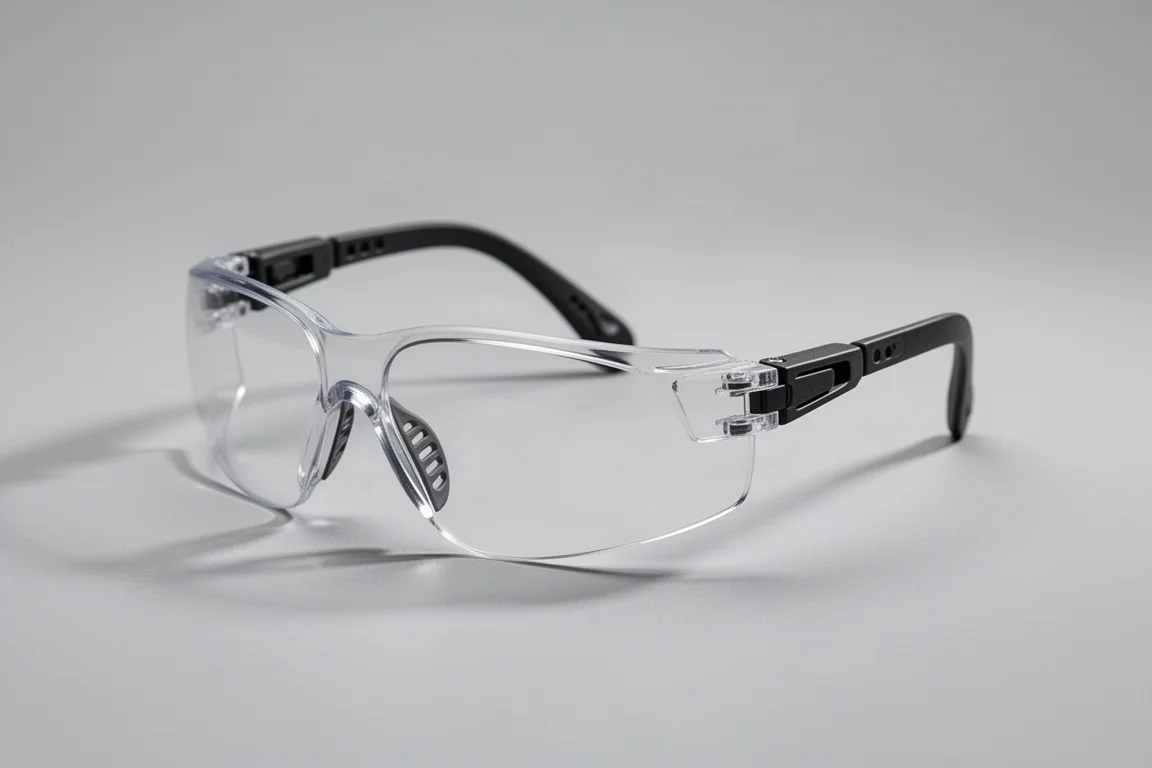
There is also a clear version that sells for about $20. It meets ANSI Z87.1 but not the military ballistic standard, and it is not polarized. As a dedicated shop glass, it is a solid, affordable option.
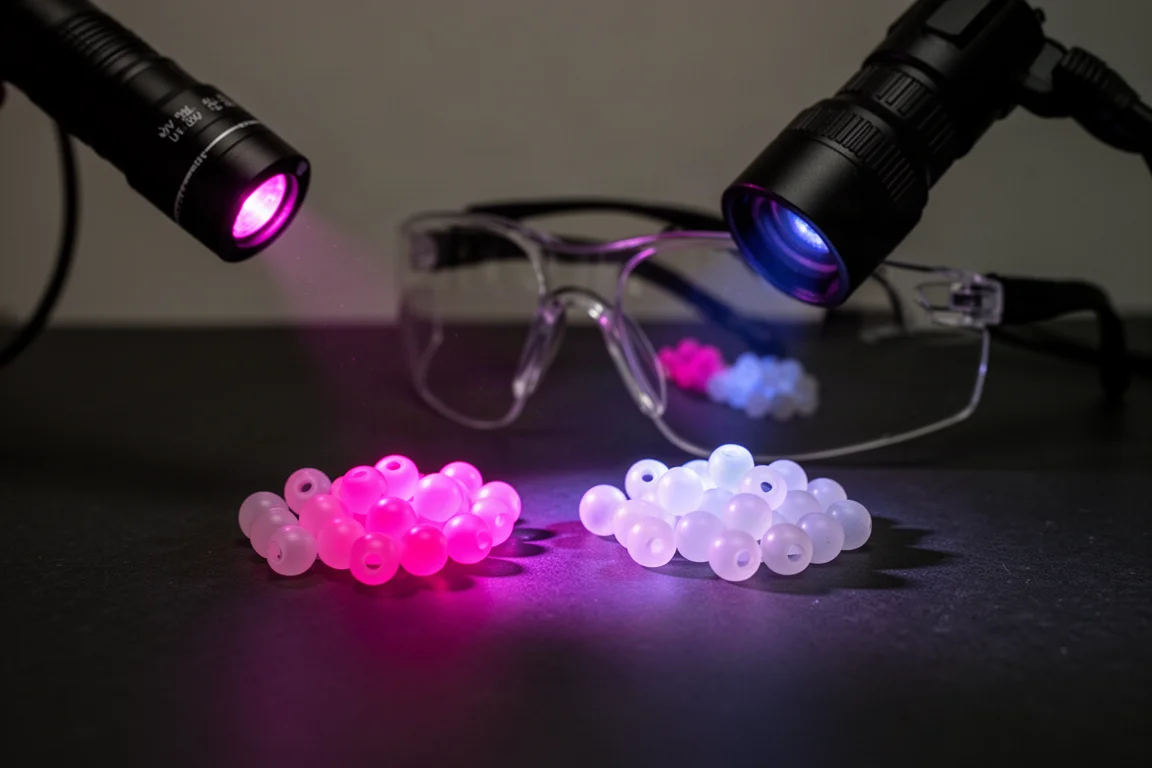
Both versions blocked ultraviolet light convincingly in testing with UV-reactive beads and a UV flashlight, which is the wavelength that can genuinely damage your eyesight. No infrared standard was listed on these, which is worth noting, though infrared exposure is more of an irritation concern in typical shop use.
Snap-on Safety Glasses
The Snap-on pairs are the light, low-profile glasses that get worn daily around the shop. They are comfortable and unobtrusive, which is exactly why they end up on your face so often.
Their main trade-offs are the familiar ones for traditional designs: coverage depends on how you angle them, and the small nose pieces tend to break loose over time. If you already own a pair you genuinely like wearing, that is worth a lot, because the best safety glasses are the ones you actually keep on.
Uvex Safety Glasses
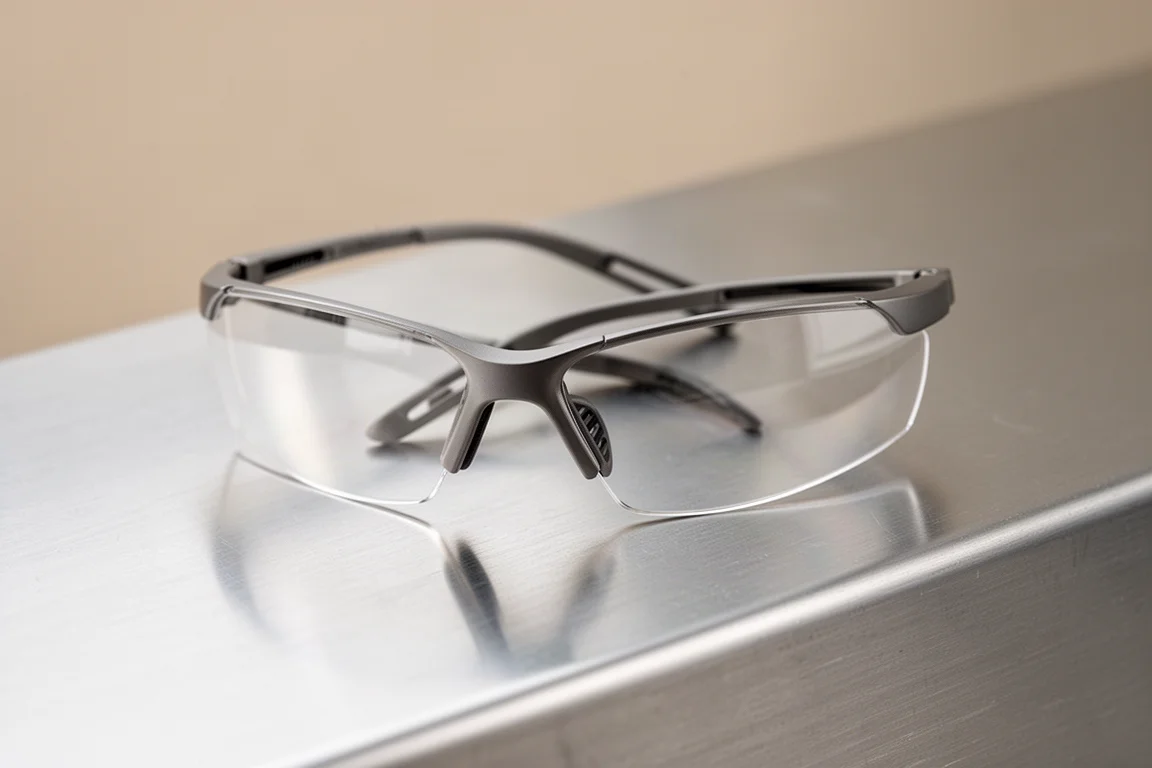
The Uvex glasses in this comparison are recognizable by their adjustable hinges, letting you dial the angle in for your face. Uvex has a long reputation in protective eyewear, including in skiing circles, so the brand is a familiar name in safety gear.
The limitation is the same compromise mentioned earlier: with an adjustable hinge, you choose whether the glasses cover better at the top or at the bottom of your face, and you still sacrifice coverage somewhere. For anyone who finds that acceptable, they remain a reasonable choice, but the blade style simply sidesteps the problem.
Everyday Protection in the Shop and Beyond

Eye damage happens in a short amount of time or over a long amount of constant exposure, especially in sun and snow. Anyone who moves between sports and activities, particularly around water or moving machinery, benefits from a plastic lens safety option they will actually wear consistently.
The real point is simple: having something you will wear pays for itself instantaneously. Spend the money now rather than on a doctor visit later. And if you know someone who would rather buy a new tool than a pair of safety glasses, get them a pair they like. Preventable eye injuries are the saddest kind.
Clear vs. Polarized Tinted: Which One to Pick
The polarization is easy to verify: twist the glasses against a reflective surface and you will notice the reflectance difference on windshields, car panels, and headlights. Polarization is most useful outdoors, on the water, or anywhere glare is a factor.
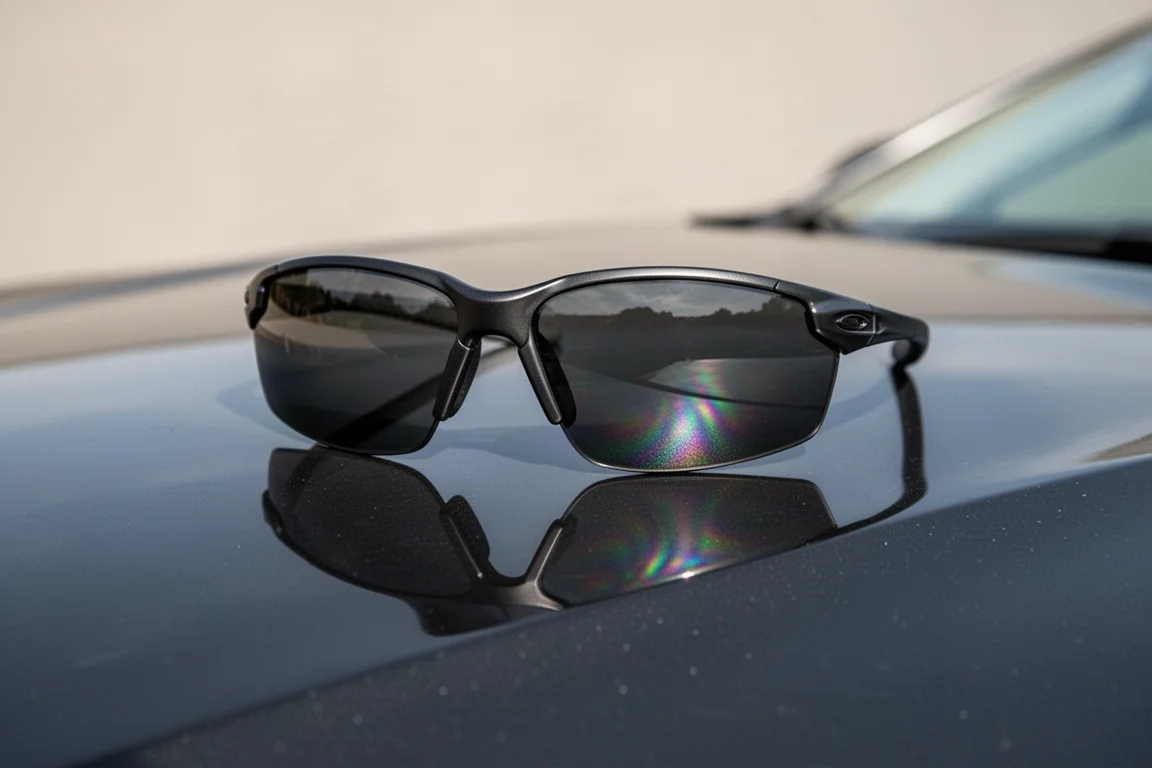
For pure shop work with saws, grinders, and chemicals, the clear $20 version is the practical pick. If you want one pair that doubles as outdoor eye protection with full ballistic-grade certification and ANSI Z87.1+, the polarized tinted version at around $50 is the one to get.
Buying Advice
Do not cheap out on eye protection. The polarized Klein blade glasses justify their roughly $50 price with the MIL-PRF-32432A ballistic standard, ANSI Z87.1+ rating, strong UV blocking, and coverage that needs no adjustment. If your needs are strictly indoor shop work, the clear version at about $20 covers the basics well. Either way, a pair you actually enjoy wearing beats a premium pair that stays in a drawer.
Conclusion
The Klein Tools blade safety glasses finally combine full wraparound coverage, a solid one-piece feel, certified impact protection, and verified UV blocking in a design you do not have to constantly adjust. Whether you replace an aging pair of Snap-on or Uvex glasses or simply add proper eye protection to your routine, making 2026 your year of good eye protection is a decision you will never regret.
Further reading
Related Reviews
Workshop Safety
Best Workshop Ear Defenders: Three Options Compared for DIY and Woodworking
From lightweight foldable defenders to Bluetooth-enabled protection, here are three ear defenders that suit different workshop and garden needs.
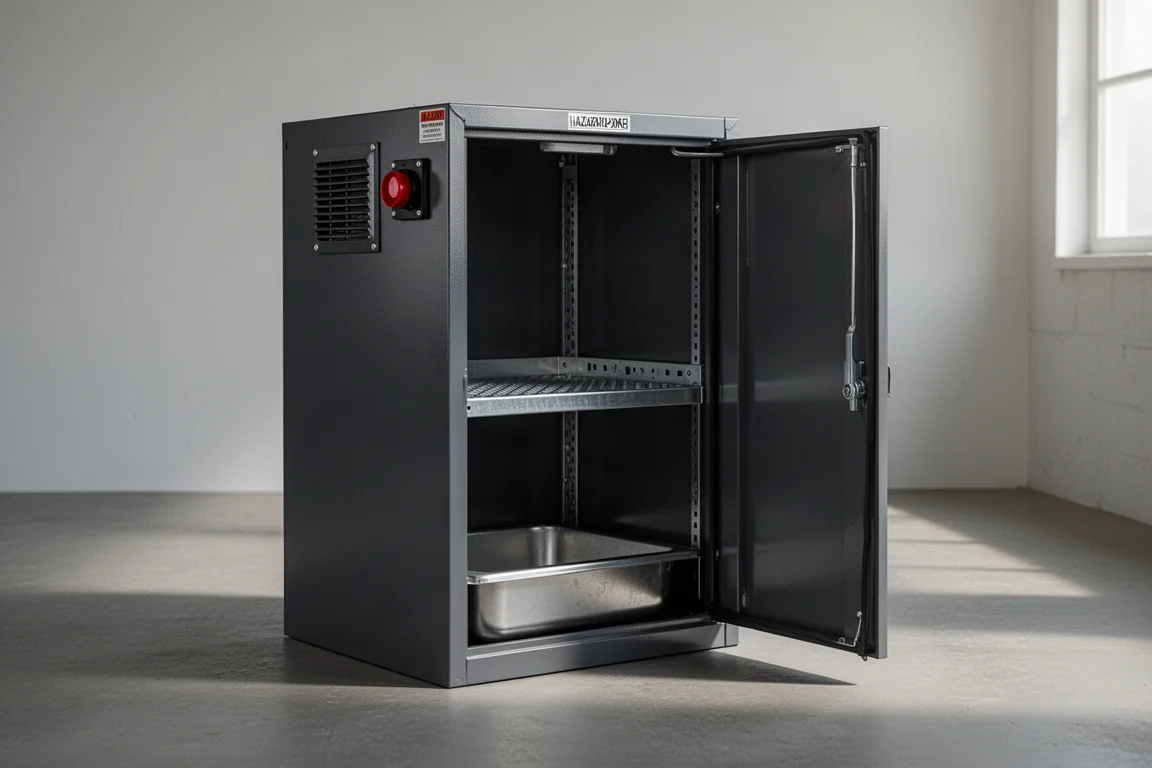
Workshop Safety
Hazero Lithium-Ion Battery Storage Cabinet (Mini): Tested With Real Battery Fires
A purpose-built hazard cabinet for storing power tool and laptop batteries, stress-tested with dozens of lithium-ion cells in thermal runaway.
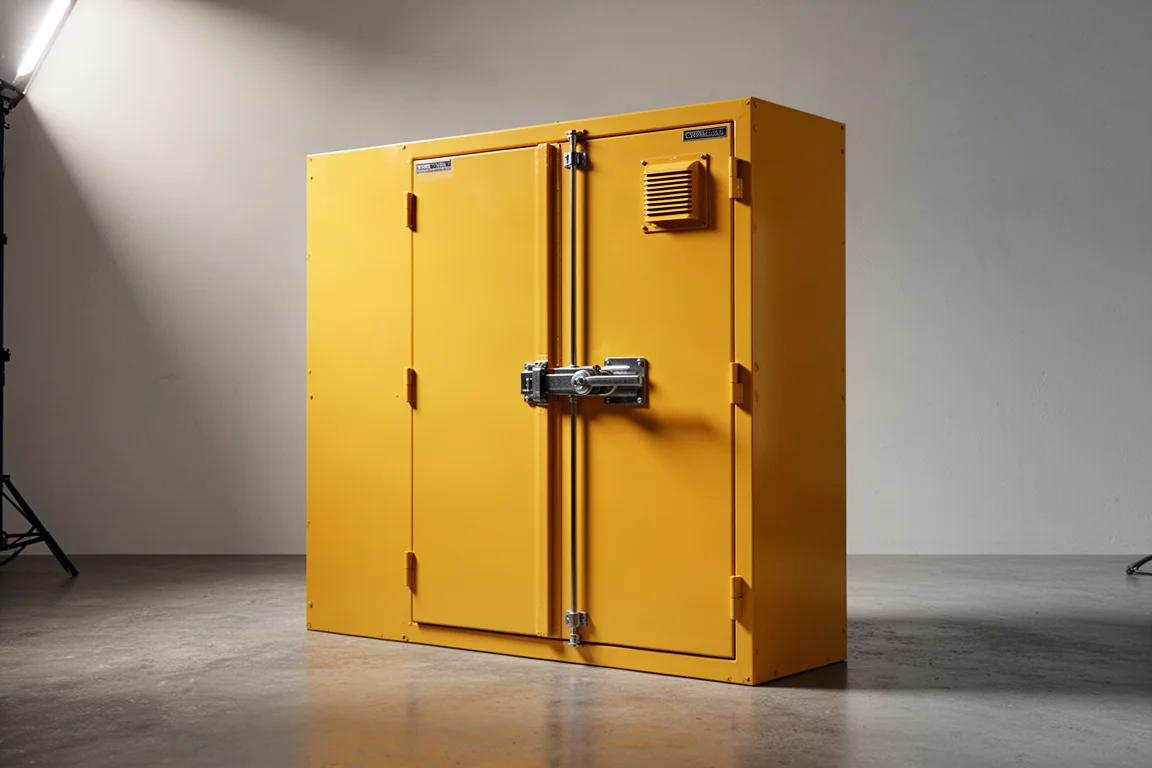
Workshop Safety
Just Right Lithium-Ion Battery Charging Cabinet: A Safer Way to Charge
A heavy-duty charging cabinet designed to contain lithium battery fires, with ventilation, surge protection, and vault-style doors.