Workshop Safety
Just Right Lithium-Ion Battery Charging Cabinet: A Safer Way to Charge
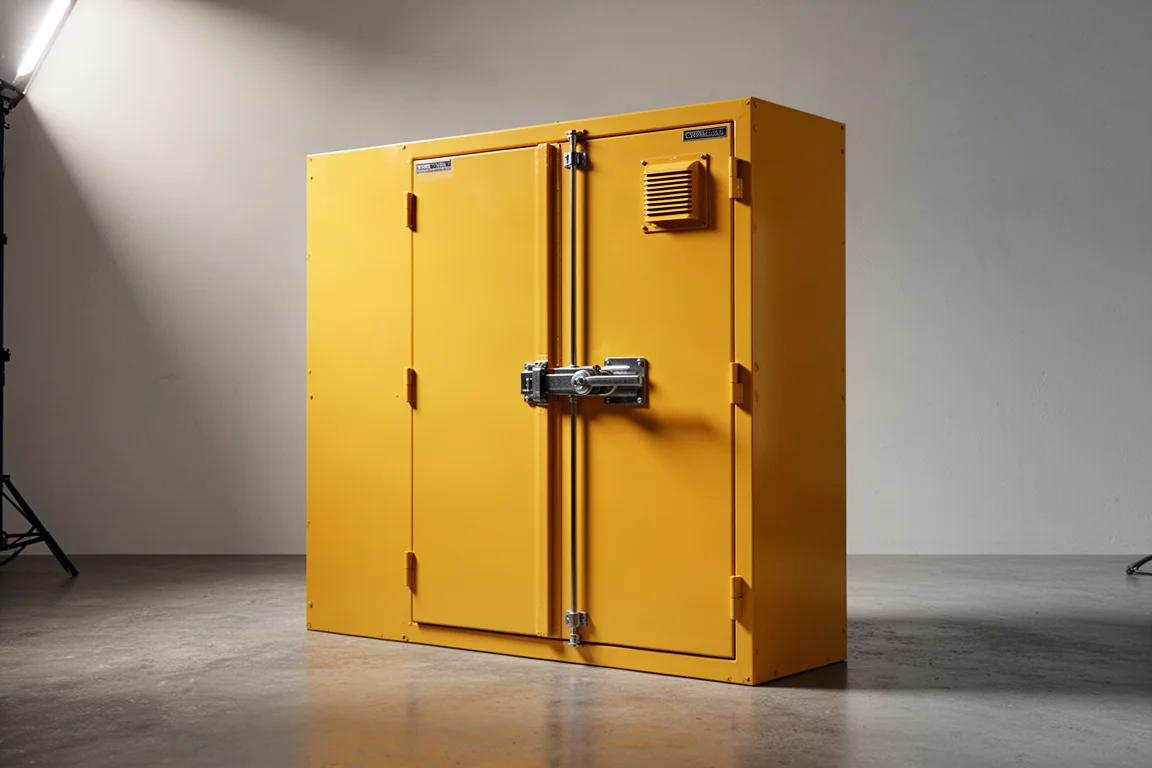
A heavy-duty charging cabinet designed to contain lithium battery fires, with ventilation, surge protection, and vault-style doors.
Introduction
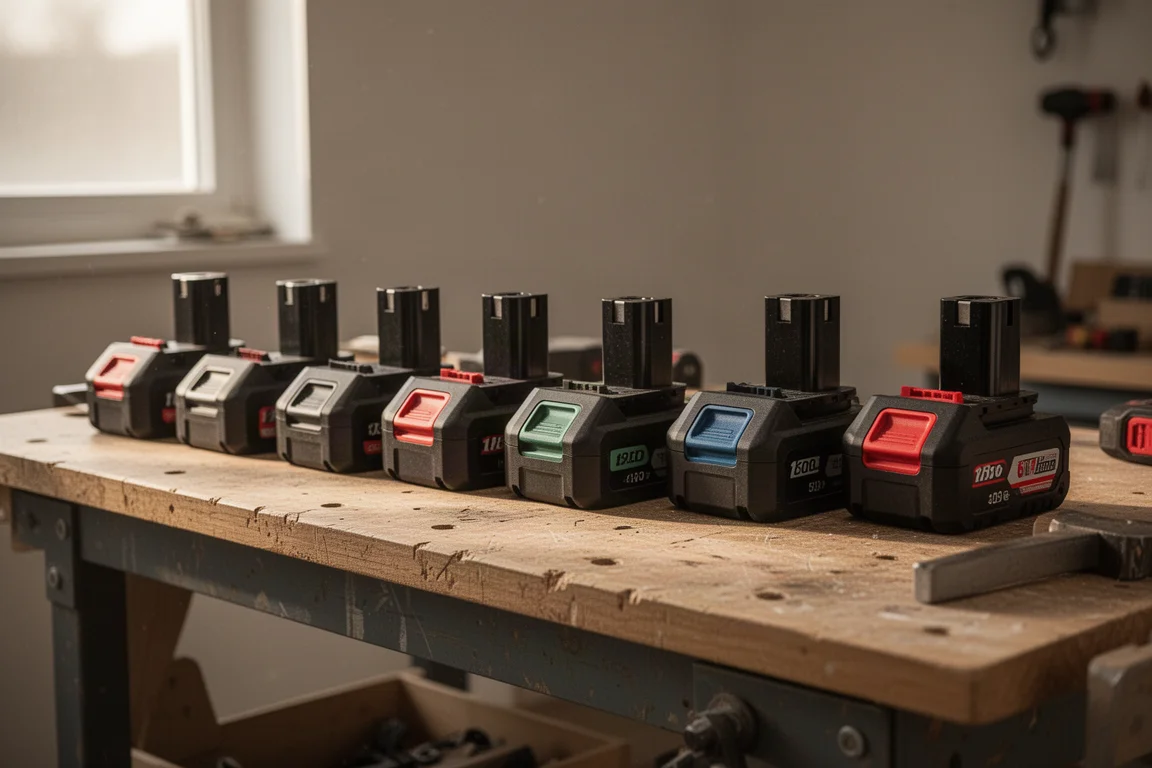
If your shop, garage, or shed is full of lithium-ion batteries, the riskiest moment is not while a battery sits on a shelf. It is while it charges. A fire inspector visiting one very well-stocked workshop reportedly remarked they had never seen so many lithium batteries in one place, and that prompted a serious look at safer charging. The result: the Just Right lithium-ion battery charging cabinet, a purpose-built enclosure designed to contain a battery fire if the worst happens.
Why Lithium Charging Needs Special Attention
Lithium-ion battery failures are violent and, critically, they tend to happen during the charging stage. One faulty cell, one battery that was not built right, or one pack that is simply failing can turn into a fast, explosive fire. Leaving batteries on charge overnight or over a weekend is exactly when you want containment, not a house or shop full of smoke.
Built Like a Vault
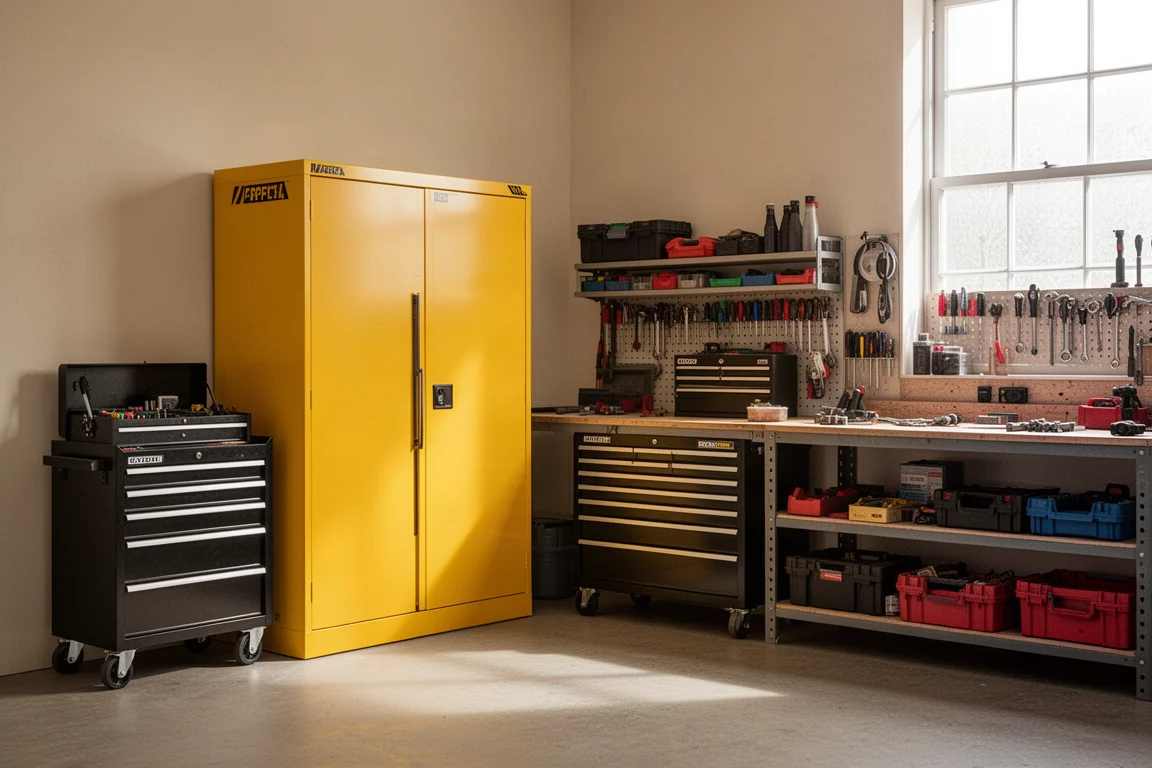
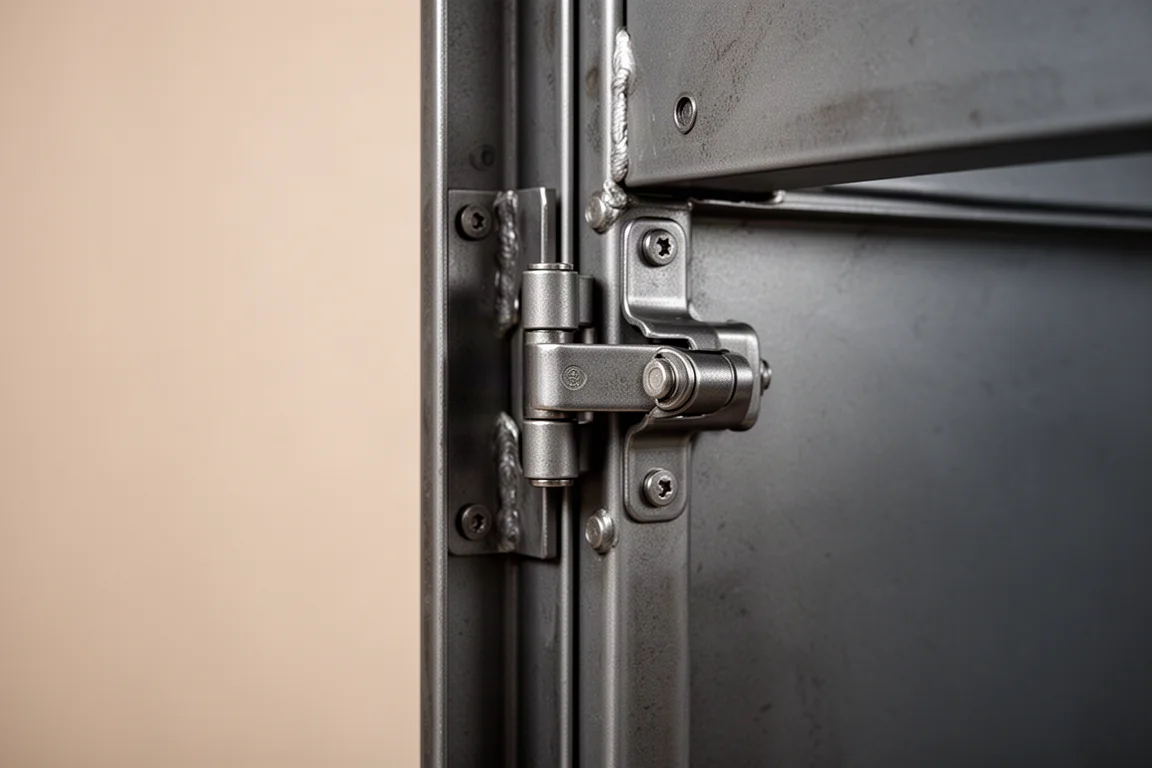
The first thing you notice is the doors. They close with a vault-like latching mechanism, and the whole unit weighs 157 lbs, so it is not going anywhere. If a battery fails inside, the doors are designed to stay shut. The expandable seals react to heat by expanding to keep a controlled explosion inside, and the doors carry a warning: if the seal is black, do not open the cabinet, because something has ignited inside. The hinges are fireproof as well, so they will not burn through and fail.
Fire Containment Features
The cabinet uses flame arresters and a pressure relief vent system to vent pressure without letting flames escape. Smoke will most likely still come out, but the design goal is that flames will not. The side ventilation system runs cool air through the interior during normal charging, and spring-loaded vents automatically snap shut when heat is detected, preventing flames from escaping out the sides. A demonstration comparison of a regular battery versus one inside the cabinet shows the containment difference clearly.
Charging Capacity and Ventilation
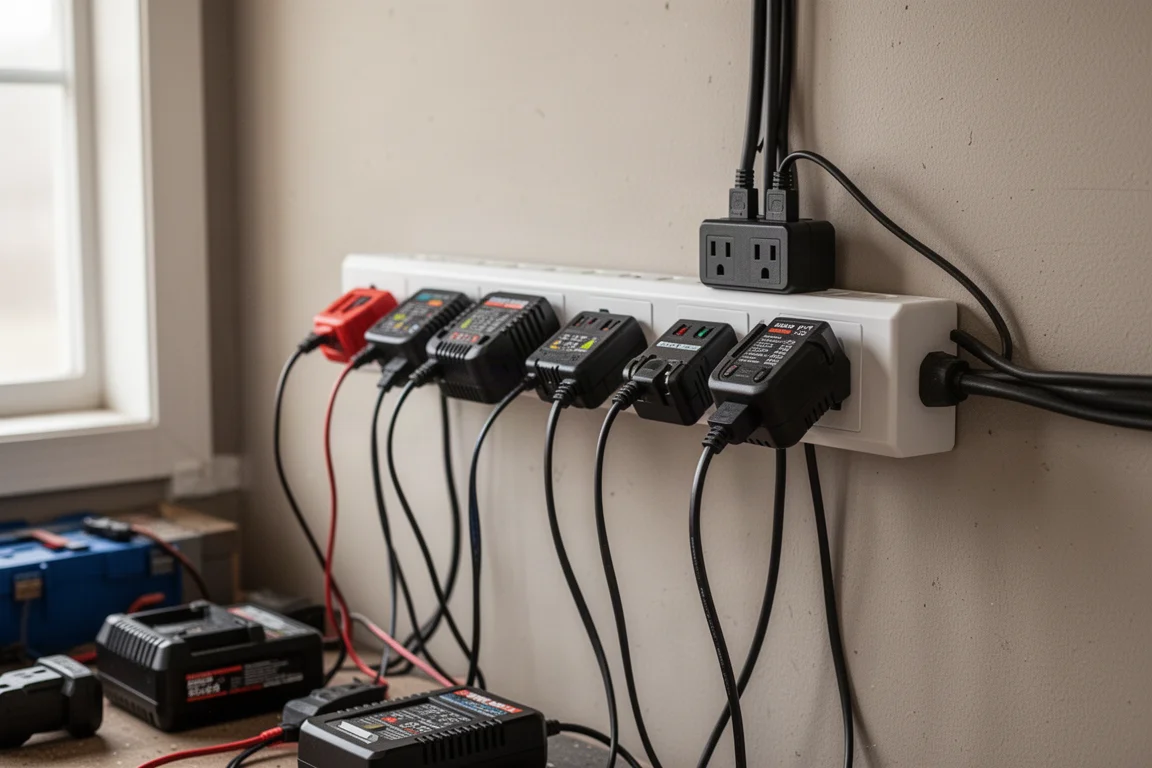
Setup is genuinely simple. Plug a properly rated extension cord into the cabinet (minimum 14 gauge is required), the fans kick on, and you are charging. A surge detector on the back provides eight outlets, so you can run eight chargers at once. Capacity is up to 2 kWh of batteries, and each shelf holds up to 65 lbs, far more than tool batteries will ever demand.
Practical Limits
This is an indoor-use-only product. It is not meant to ride on a work truck or sit out in the rain. Its purpose is protecting life and property indoors, where a charging fire would otherwise do the most damage. There is a formula provided for calculating what the cabinet can handle, along with the 14 gauge cord requirement, so you can plan your setup properly.
Who Should Consider One
Anyone charging lithium batteries at home, in a shop, or in a shed is a candidate, but two groups stand out. RC car hobbyists benefit enormously, since RC batteries are known to be unreliable as they age. And anyone with a large fleet of cordless tool batteries gains peace of mind knowing that a weekend of unattended charging is contained.
Buying Advice
Think of the cabinet as insurance: an investment in containment versus the potential cost of property damage, or worse, from a single faulty battery. Measure your space first, since at 157 lbs you will want to decide where it lives before it arrives. Keep it indoors, use at least a 14 gauge extension cord, and stay within the 2 kWh charging capacity.
Conclusion
The Just Right lithium-ion battery charging cabinet is unusual: a vault-like enclosure with heat-activated seals, spring-loaded vents, flame arresters, fireproof hinges, and eight-outlet surge protection, all built around one job. If charging lithium batteries unattended worries you, this cabinet addresses that risk directly.
Product link
View more details for Just Right Lithium-Ion Battery Charging Cabinet
This product is mentioned in the review. Check the specifications, options, and compatibility before buying.
View more details for Just Right Lithium-Ion Battery Charging CabinetFurther reading
Related Reviews

Workshop Safety
Best Workshop Ear Defenders: Three Options Compared for DIY and Woodworking
From lightweight foldable defenders to Bluetooth-enabled protection, here are three ear defenders that suit different workshop and garden needs.
Workshop Safety
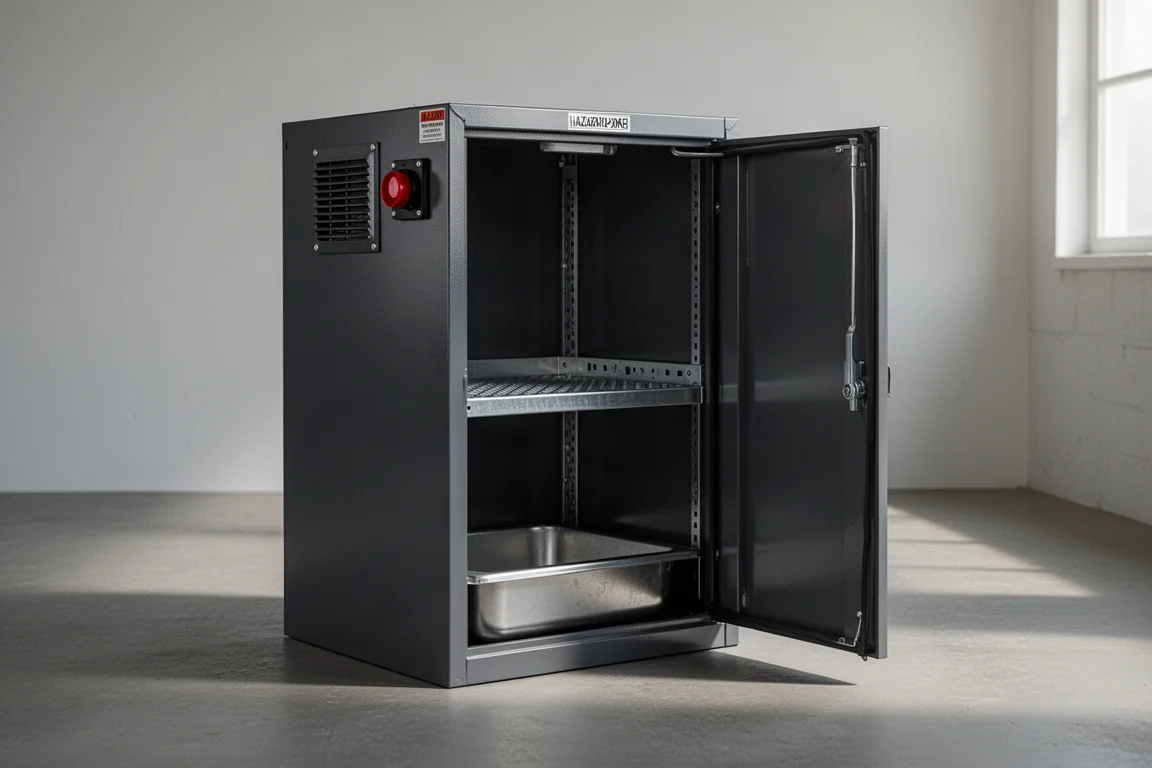
Hazero Lithium-Ion Battery Storage Cabinet (Mini): Tested With Real Battery Fires
A purpose-built hazard cabinet for storing power tool and laptop batteries, stress-tested with dozens of lithium-ion cells in thermal runaway.
Workshop Safety
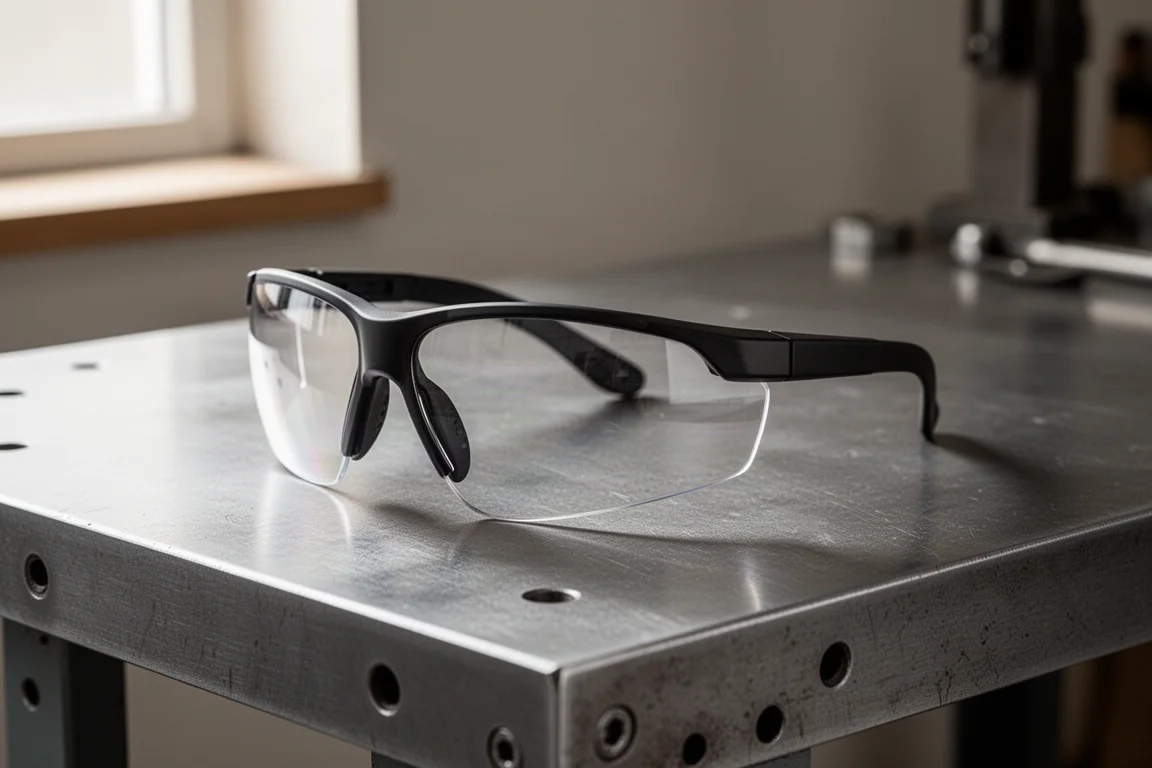
Klein Tools Blade Safety Glasses: Full-Coverage Eye Protection That Finally Fits Right
Klein Tools' blade-style safety glasses bring ballistic-grade impact resistance, solid nose coverage, and true UV blocking, with clear and polarized tinted options.