Workshop Safety
Hazero Lithium-Ion Battery Storage Cabinet (Mini): Tested With Real Battery Fires
A purpose-built hazard cabinet for storing power tool and laptop batteries, stress-tested with dozens of lithium-ion cells in thermal runaway.
Introduction
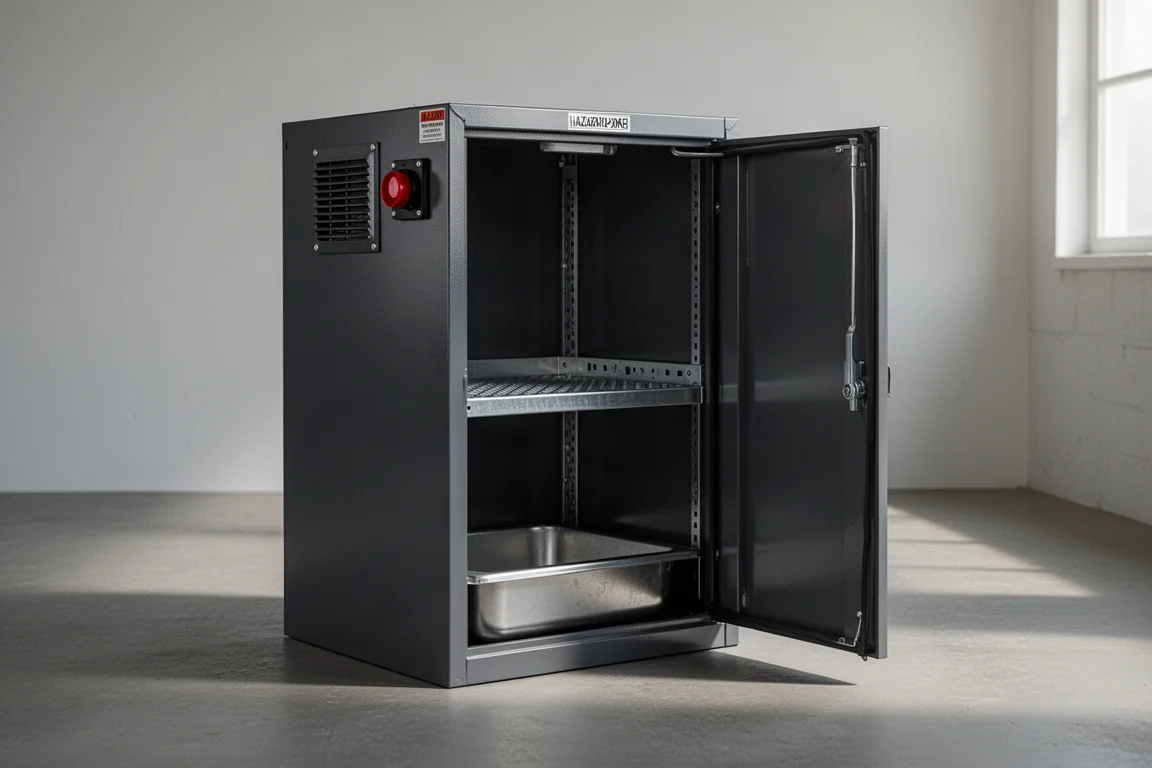
Lithium-ion batteries are everywhere in a modern workshop. Every decent cordless power tool battery, most laptop batteries, e-bike packs, even lawn mower packs, are lithium-ion, and many people keep a growing pile of them on a shelf without much thought. The Hazero lithium-ion battery storage cabinet (mini) is a dedicated hazard cabinet designed to contain that risk, and it is the first product we have seen built specifically for this job.
The mini is the smallest cabinet in the range, but it was put through an unusually demanding trial: dozens of lithium-ion cells, several full battery packs, and deliberately triggered thermal runaway events inside the closed cabinet. The results say a lot about what this cabinet can and cannot do.
Who This Cabinet Is For
Most buyers will use this for power tool batteries, since virtually all quality tool packs today are lithium-based. It also suits anyone storing batteries from laptops, e-bikes, or lawn equipment. If you have a home workshop, a garage, or a small business full of charging packs, the appeal is straightforward: a cabinet that buys you time and keeps a battery fire from spreading to your workshop.
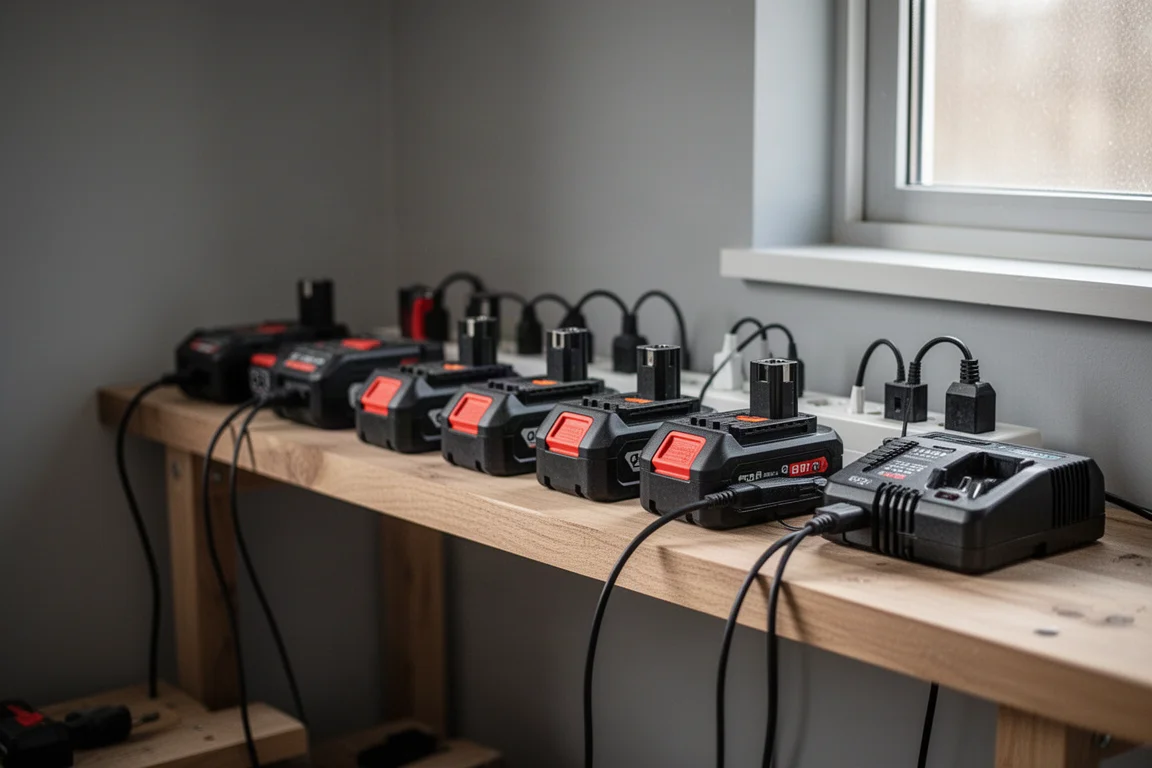
It is also genuinely useful for people who have started worrying about how many batteries they own. As collections grow, so does the risk, and a dedicated storage location is a simple, practical response.
What the Cabinet Offers
The mini shares the core features of the range: a self-closing, lockable door, twin-skin steel construction that helps keep heat in and out, and a large sump in the base. It ships with one shelf, with a second available, and is essentially a purpose-built hazard cabinet for batteries.
The tested unit adds optional electrical features. A vent fan runs continuously, and together with the smoke alarm, siren, and internal lights, the whole system draws only about 10 watts, next to nothing. It can also be wired to power chargers inside the cabinet, and if an alarm triggers, that power cuts out automatically. A red status light stays on after an event so you know something happened while you were away, and a green button resets everything once it is safe.
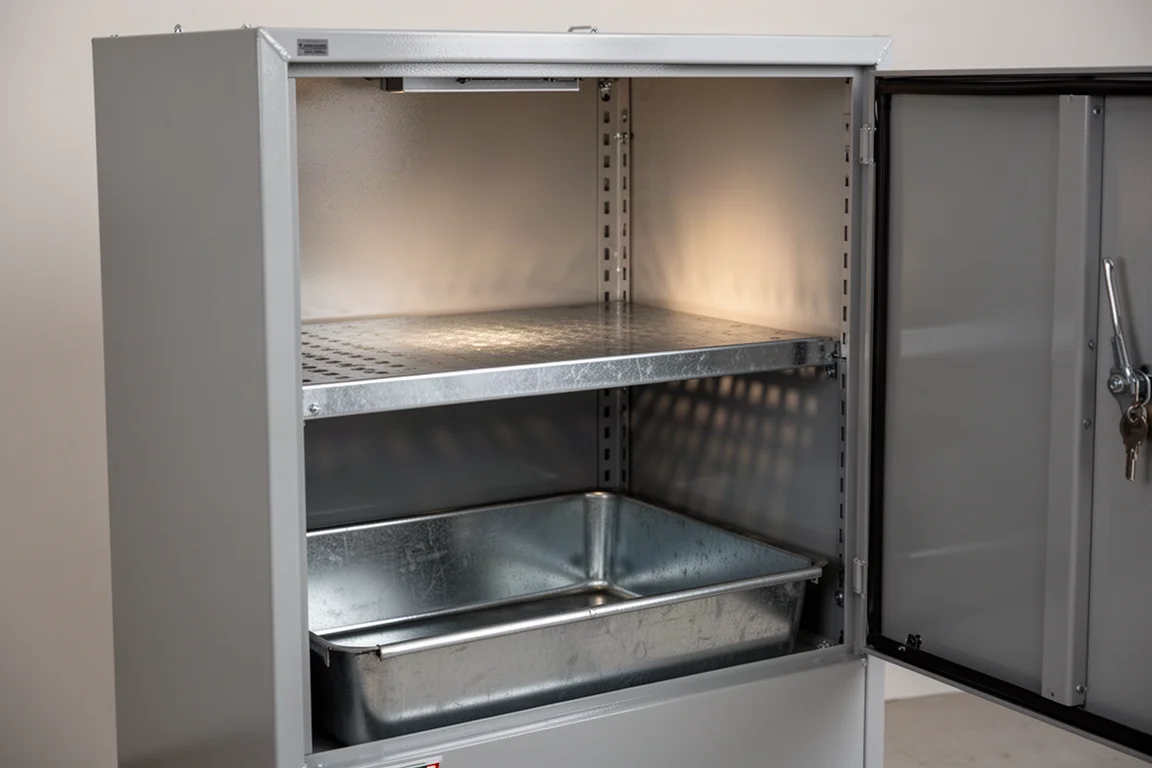
Beyond the mini, Hazero makes larger double-door cabinets, and the company can configure units to suit specific needs, including fire suppression systems for bigger models. Alarms that send alerts to your phone are available too. If you have a large battery collection, a bigger double-door unit is likely the better fit, especially if you want chargers inside.
How the Alarm System Performed
Before any batteries were involved, the alarm chain was tested with smoke. When smoke reaches the detector, the fan and internal power cut out, a siren sounds, and a red light stays on until reset. The system triggered reliably, and a short reset with the green button brought the fan and power straight back.
One thing to understand: this is not an airtight or smoke-free cabinet. Smoke will escape around the door and any vents. If you order the basic unit without electrics, a simple bung plugs the vent opening instead. The point of the cabinet is containment and warning, not a smoke seal, and depriving a lithium fire of oxygen does not stop one easily anyway.
The Real-World Fire Test
The cabinet was set up outdoors with two cameras inside, a fire extinguisher on hand, and at least 60 lithium-ion 21700 cells plus a few nickel-metal hydride packs loaded inside. Thermal runaway was then triggered deliberately.
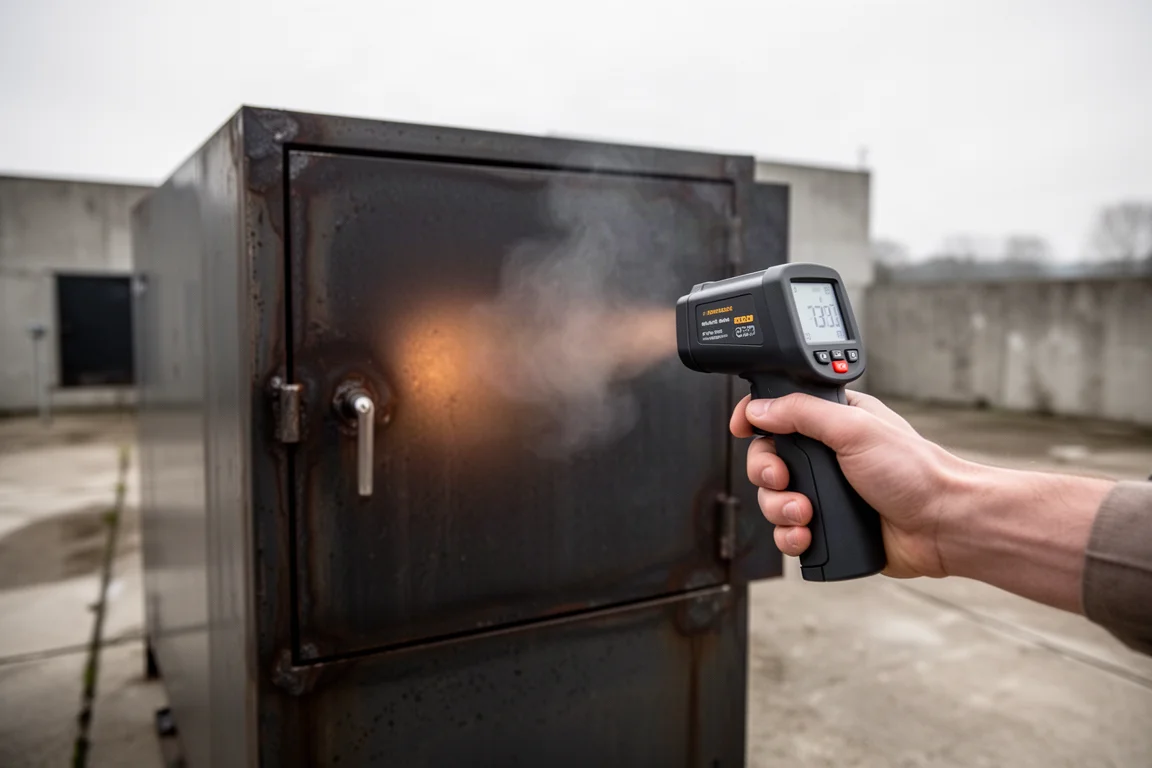
The reaction inside was severe. Multiple cells and packs went off, one after another, over an extended period. The siren sounded repeatedly, and no fire escaped the cabinet at any point. Before the test, the cabinet surfaces read around 20 degrees Celsius; after the conflagration, the top read in the high 30s and the front in the low 40s, a remarkably modest increase given what was burning inside.
That said, opening the door mid-event revealed still-burning batteries inside, with readings over 100 degrees Celsius near the top of the door and the fumes genuinely toxic. The fumes from burning lithium cells are nasty, and anyone dealing with a real event should get well away from them. This is a cabinet that gives you time to leave your garage, shed, or factory before being smoked out.
How It Held Up After the Fire
The damage was real but contained. The door carries a burn mark where a pack blew onto it, the paint is damaged in spots, the internal smoke alarm is melted, and an impact driver stored inside for the test is blackened. The sump base, notably, remained in pristine condition.
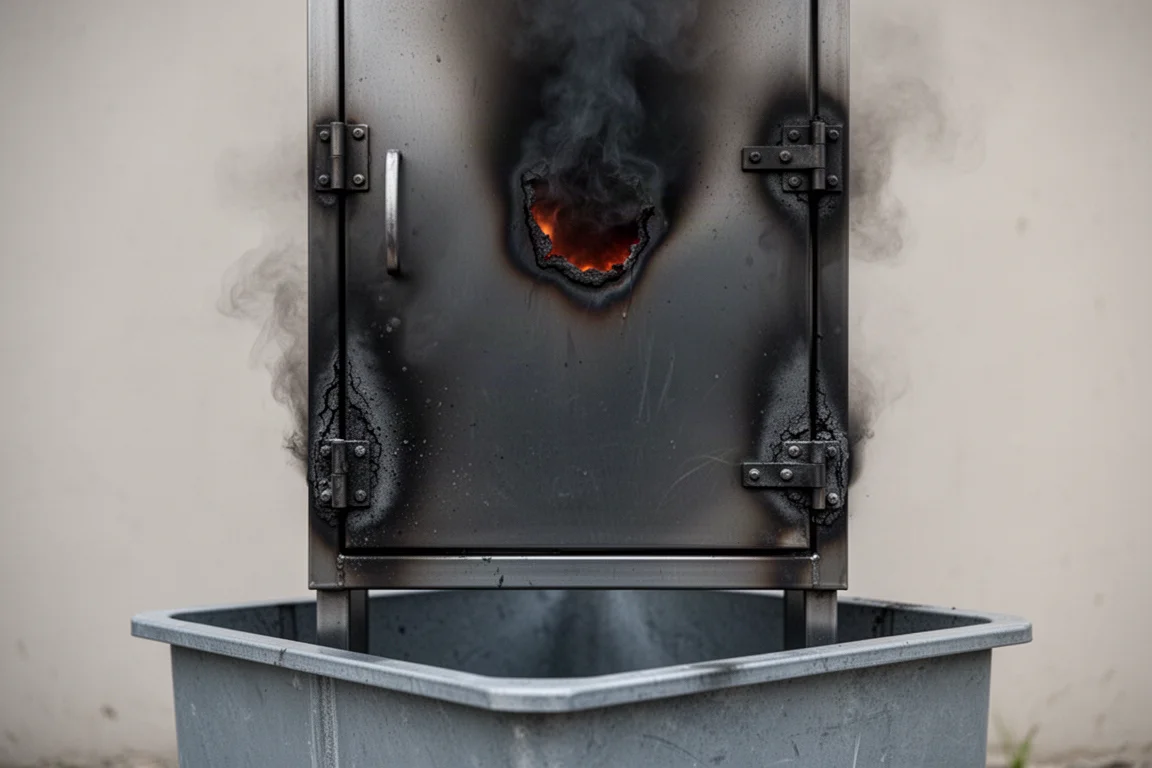
Externally, the sides and back were fine, with only some soot staining around the hinge side and siren. The electrics survived too: plugging the unit back in restored power, though the power cutoff function was damaged in the fire, not surprisingly. Given that dozens of cells burned inside for an extended period, the cabinet did its job of keeping the fire from spreading.
Things to Consider Before Buying
The mini is genuinely small. Anyone with a serious battery collection, or who wants chargers inside, will almost certainly need one of the larger double-door cabinets instead. It is not airtight, so smoke will escape, and door sealing is arguably pointless while vents are open anyway. The alarm cabling also suffered during the prolonged fire, which is worth knowing if you plan to push the cabinet that hard.
Buying Advice
If you store a growing number of lithium-ion packs in a workshop, garage, or business premises, a dedicated hazard cabinet like this is a sensible safety upgrade, and this tested unit proved it can contain a serious battery fire. Start by counting your batteries and chargers honestly, then size up accordingly; the mini is best as an entry point or for smaller collections.
Conclusion
The Hazero mini lithium-ion battery storage cabinet passed its trial with credit: no fire escaped, exterior temperatures stayed manageable, and the alarm, power cutoff, and reset systems all worked as designed. It came out scorched and battered, but the workshop around it would have survived intact. For anyone with a pile of tool batteries they would rather not worry about, it is a product worth taking seriously.
Product link
View more details for Hazero Lithium-Ion Battery Storage Cabinet (Mini)
This product is mentioned in the review. Check the specifications, options, and compatibility before buying.
View more details for Hazero Lithium-Ion Battery Storage Cabinet (Mini)Further reading
Related Reviews

Workshop Safety
Best Workshop Ear Defenders: Three Options Compared for DIY and Woodworking
From lightweight foldable defenders to Bluetooth-enabled protection, here are three ear defenders that suit different workshop and garden needs.
Workshop Safety
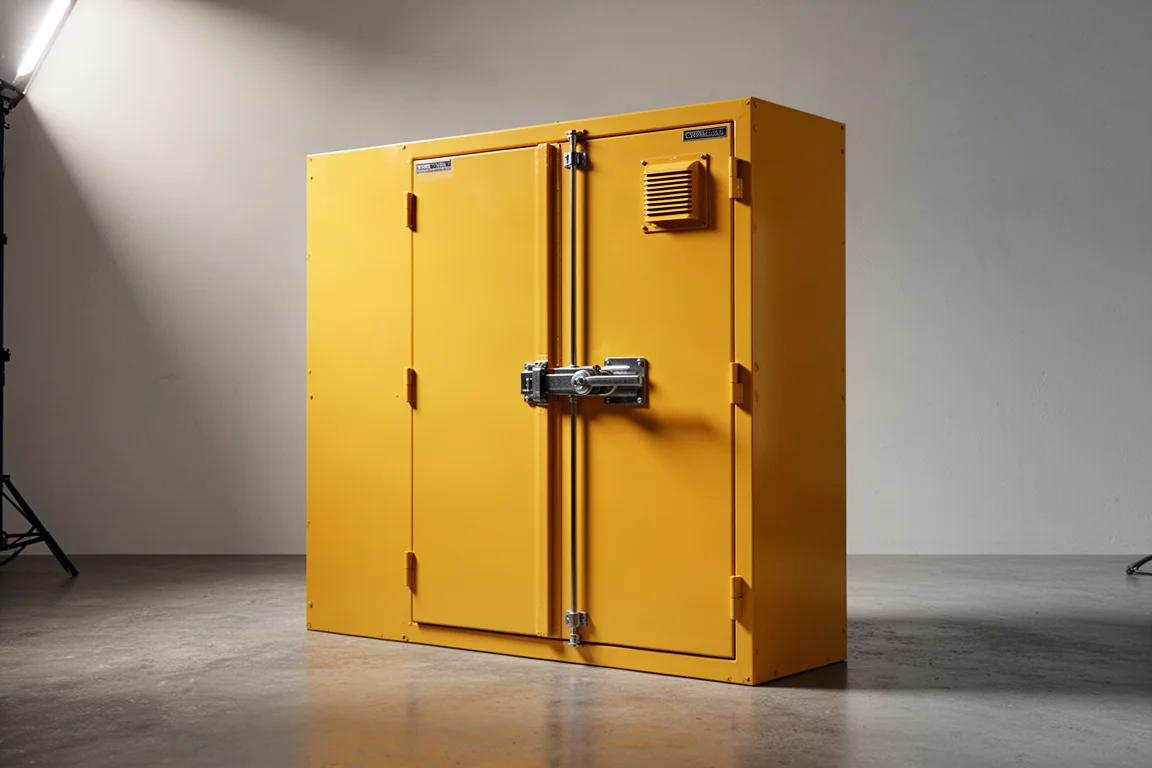
Just Right Lithium-Ion Battery Charging Cabinet: A Safer Way to Charge
A heavy-duty charging cabinet designed to contain lithium battery fires, with ventilation, surge protection, and vault-style doors.
Workshop Safety
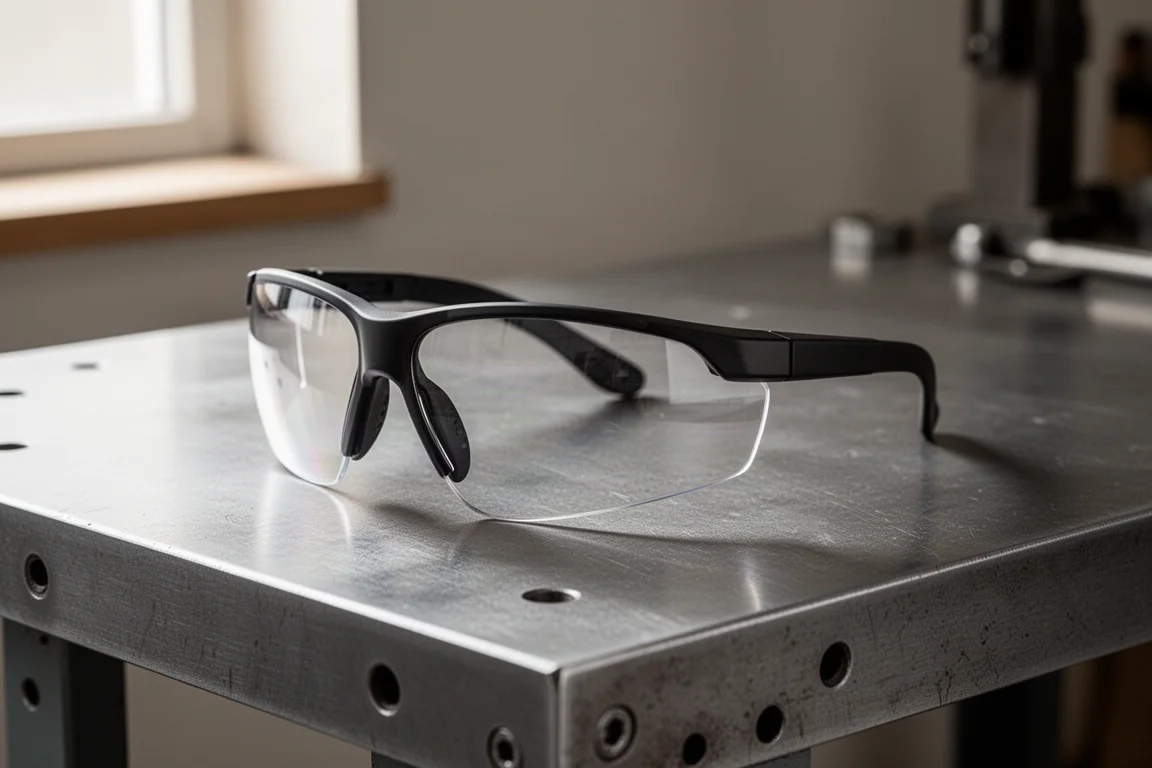
Klein Tools Blade Safety Glasses: Full-Coverage Eye Protection That Finally Fits Right
Klein Tools' blade-style safety glasses bring ballistic-grade impact resistance, solid nose coverage, and true UV blocking, with clear and polarized tinted options.