Coffee Equipment
KINGrinder P1 Hand Grinder Review: Budget-Friendly Burr Grinding That Surprises
The KINGrinder P1 offers metal burr grinding at an accessible price point, delivering noticeably better results than budget ceramic alternatives while remaining practical for home coffee enthusiasts.
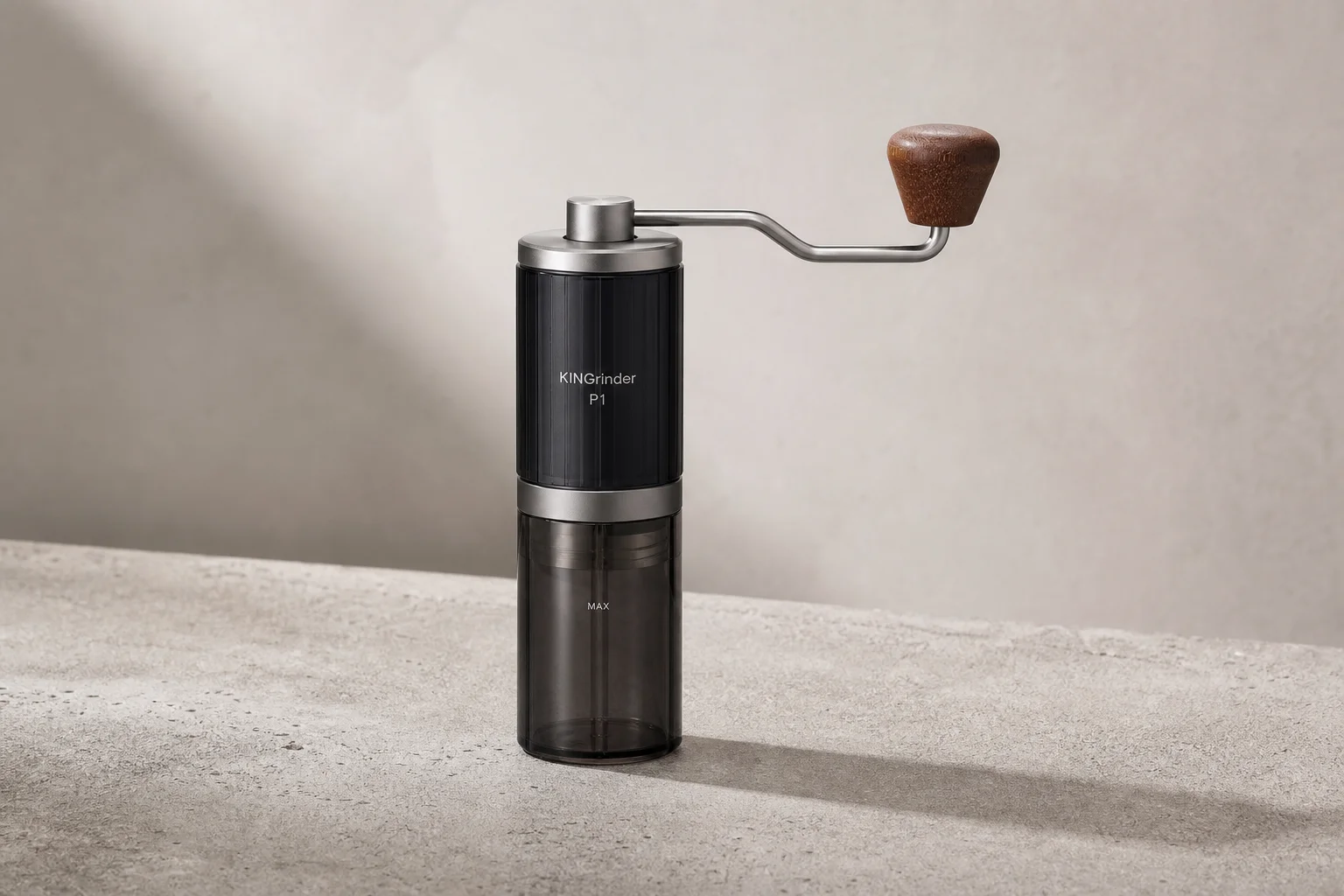
Introduction
The KINGrinder P1 sits at an interesting crossroads in the hand grinder market. Priced around £33, it occupies the same budget territory as the long-standing Hario Slim Mini Mill, yet promises a fundamentally different grinding experience through its metal burr construction. For anyone considering entry into whole-bean coffee grinding, this grinder raises an important question: has the value proposition at this price point genuinely shifted?
Build Quality and Design
The P1 arrives with construction that feels immediately more refined than its budget ceramic competitors. The body uses polycarbonate, the handle is metal, and a wooden accent piece on the handle adds a tactile quality that suggests more thoughtful design than typical budget grinders.
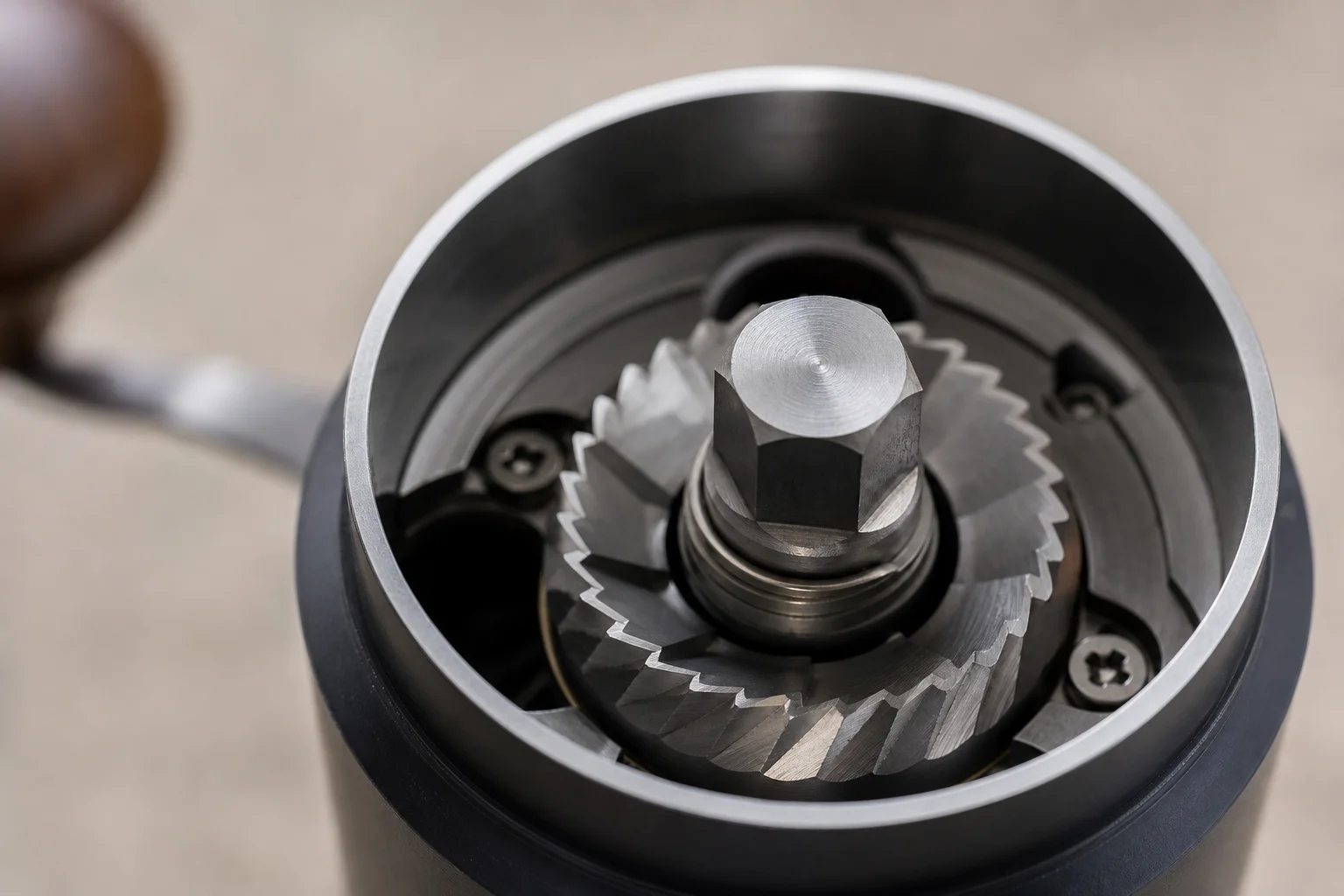
The grinder uses a hexagonal metal burr, with options for heptagonal and pentagonal burr configurations at slightly higher price points. This metal construction represents a meaningful departure from the ceramic burrs found in older budget models. The overall assembly feels solid without being premium, striking a practical balance for the price.
Grinding Experience and Ergonomics
The difference in grinding feel between the P1 and the Hario Slim is immediately apparent. The Hario’s slim body does offer a comfortable grip, but the grinding action itself feels laborious. The P1’s metal burr grinds noticeably faster and with less effort, making the process of grinding 15 grams of coffee feel substantially less like a chore.
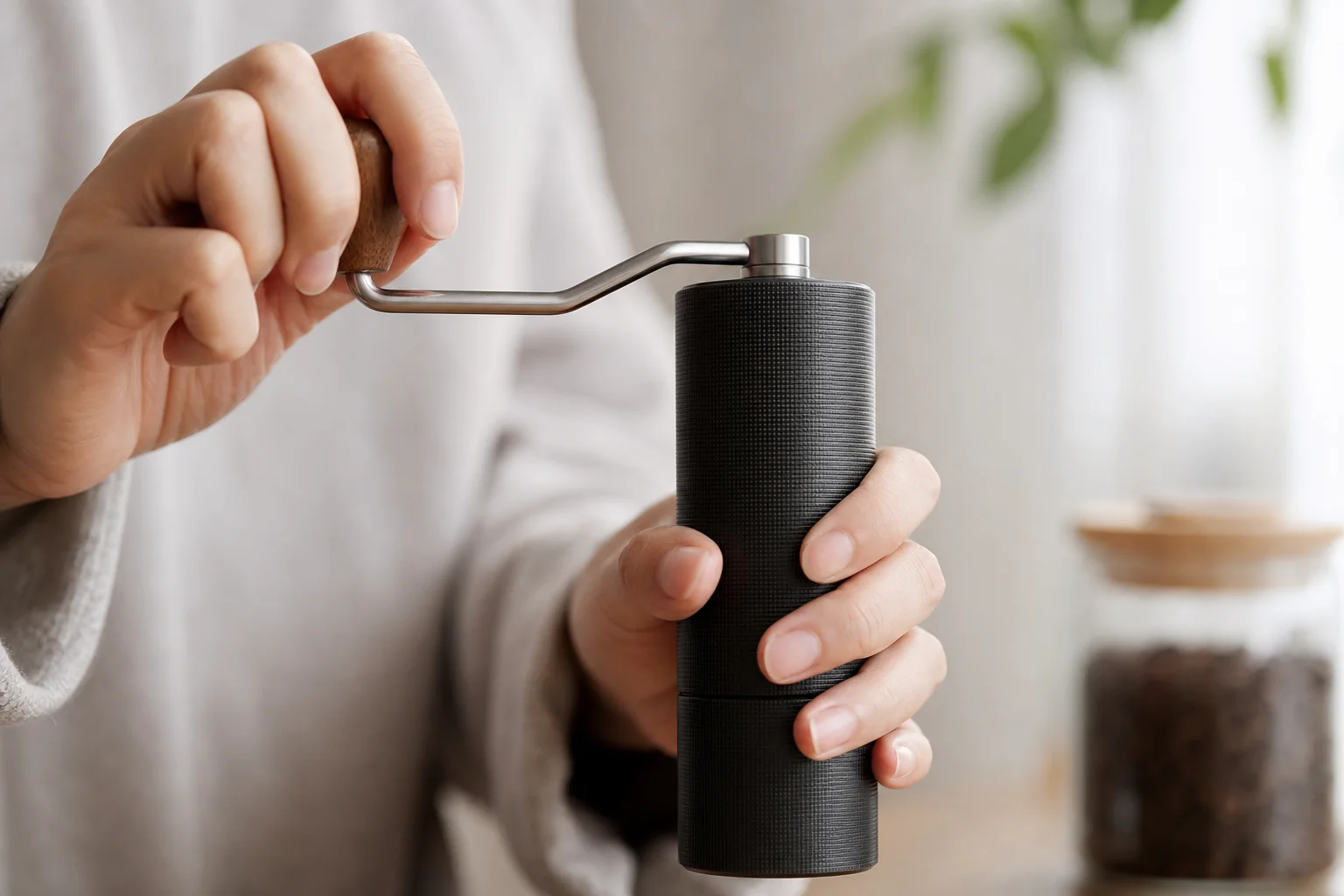
The wooden handle piece combined with the metal construction creates an ergonomic experience that sits much closer to premium hand grinders than to budget alternatives. Turning the handle requires less force, and the overall grinding motion feels more refined. For someone grinding coffee daily, this difference accumulates into genuine quality-of-life improvement.
Particle Size and Brew Quality
Testing the P1 against both the Hario Slim and a Comandante (a premium hand grinder costing over £200) revealed unexpected complexity. Particle size analysis showed the P1 producing more fine particles than either competitor, yet blind taste testing told a different story.
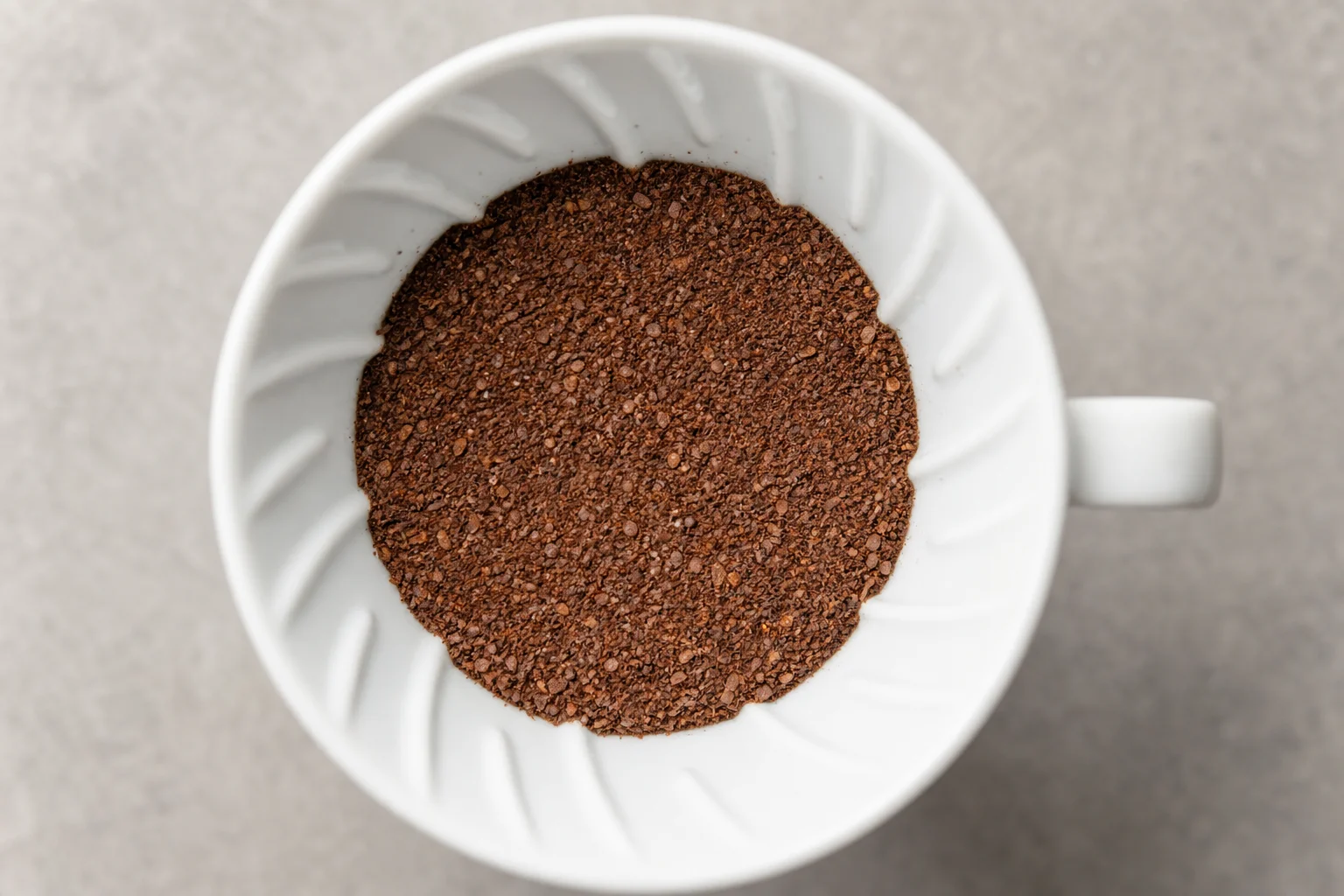
In a controlled V60 brewing test, the P1 produced coffee that ranked between the Hario Slim and the Comandante in overall quality. The Hario’s larger particles resulted in a thinner, more astringent cup. The P1’s cup showed better balance and sweetness, despite the particle analysis suggesting otherwise. The key difference appears to be the reduction in very large particles (over 1,500 microns) that the Hario produces in significant quantities. These oversized pieces fail to contribute meaningfully to the brew, whereas the P1’s finer overall distribution, even with more fines, produces a more complete cup.
Espresso Performance
The P1 claims espresso capability, but this represents a genuine limitation. Dialing the grinder to espresso settings proved possible, and the adjustment mechanism works smoothly with approximately 30 clicks per rotation. However, the resulting espresso lacked sweetness and texture, tasting acidic and under-developed.
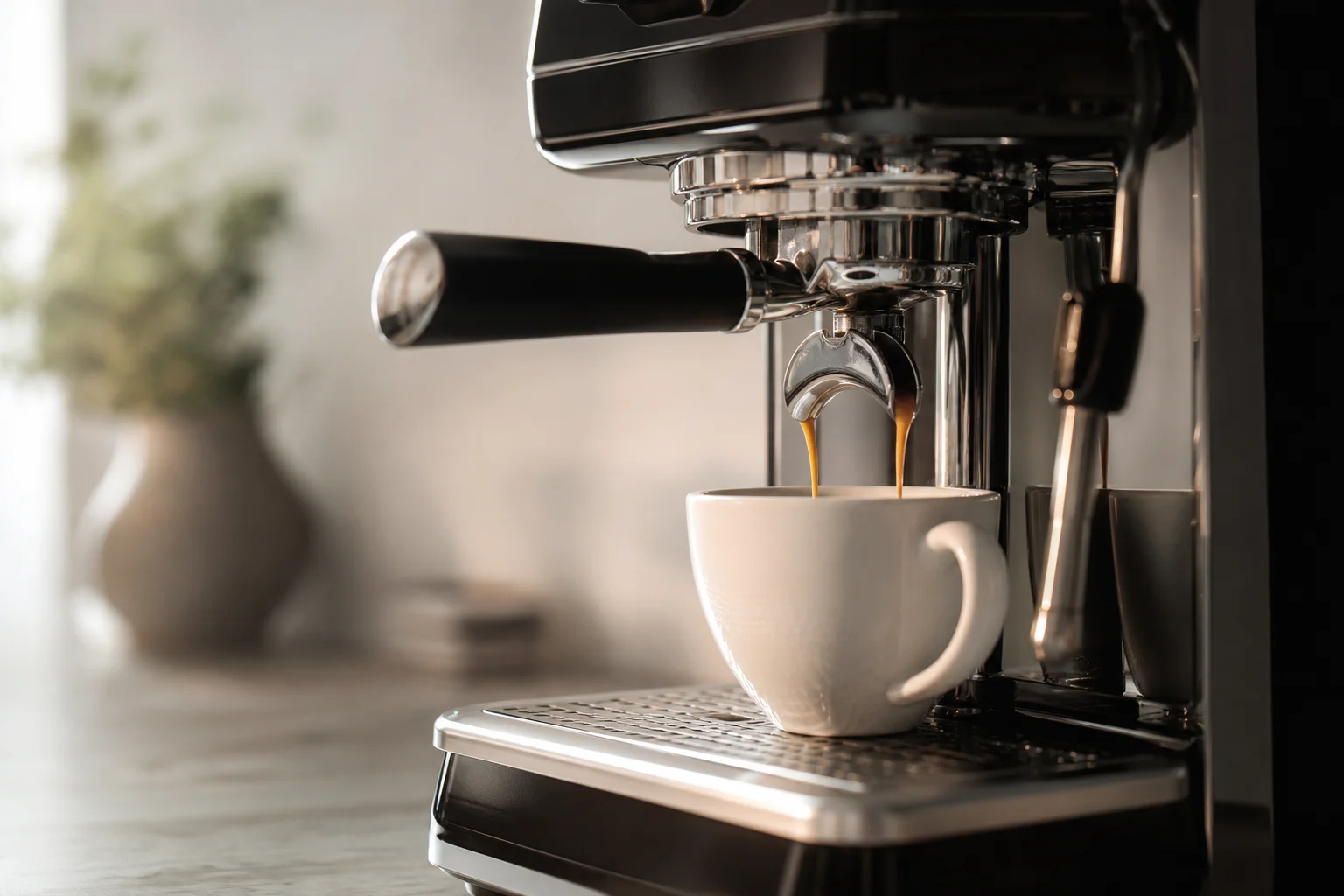
The grinder can technically produce espresso-appropriate particle sizes, but the resulting shots suggest this is not where the P1 excels. For espresso-focused brewing, a dedicated espresso grinder remains the better choice. For pour-over methods, the P1 performs well within its price category.
Value Proposition
The meaningful comparison here is not between the P1 and premium grinders, but between the P1 and the Hario Slim at nearly identical price points. For £33, the P1 offers substantially better grinding quality, a more enjoyable grinding experience, and the ability to produce coffee that tastes noticeably better. This represents genuine progress in the budget segment.
A practical consideration: spending £33 on the P1 leaves significantly more budget for purchasing quality whole-bean coffee compared to spending £250 on a premium grinder. The quality of the beans themselves often matters more than incremental grinder improvements, making this budget option genuinely sensible for newcomers exploring whole-bean coffee.
Durability and Long-Term Reliability
The P1’s longevity remains unknown from short-term testing. The combination of metal and polycarbonate construction appears robust, but without extended use data, claims about durability would be premature. The metal burrs should resist wear better than ceramic alternatives, which is a theoretical advantage worth noting.
Conclusion
The KINGrinder P1 represents a meaningful step forward in budget hand grinder design. It grinds faster, feels better to use, and produces noticeably better coffee than the Hario Slim at the same price point. While it does not match premium hand grinders in overall quality, it offers enough improvement over previous budget options to warrant genuine recommendation for anyone beginning to explore whole-bean coffee grinding. The value proposition is compelling: spend £33 on a capable grinder and invest the remaining budget in better coffee beans.
Product link
View more details for KINGrinder P1
This product is mentioned in the review. Check the specifications, options, and compatibility before buying.
View more details for KINGrinder P1Further reading
Related Reviews
Coffee Equipment
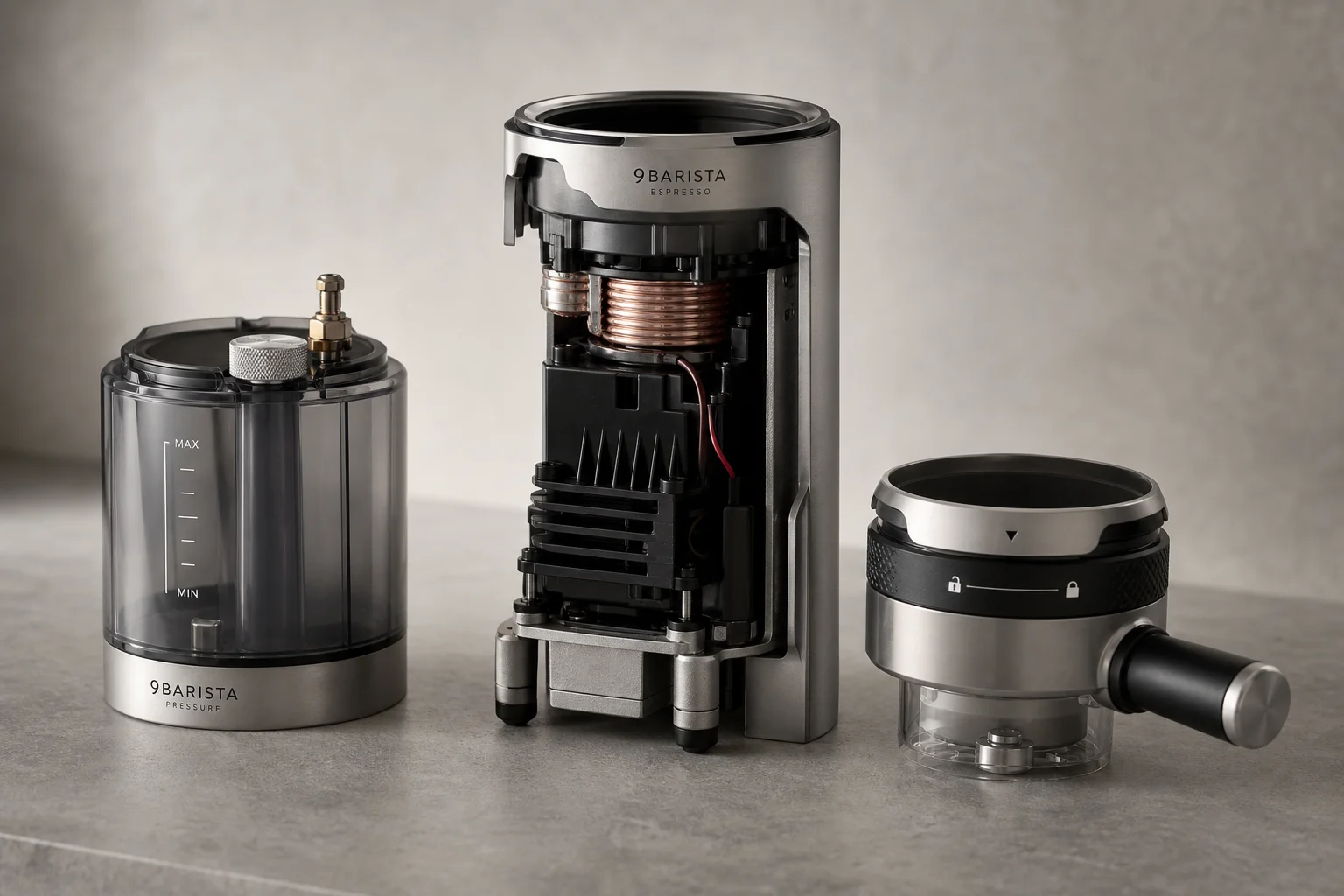
9Barista Espresso Machine Review: Stovetop Espresso for Single-Cup Enthusiasts
A cleverly engineered stovetop espresso maker that generates nine bars of pressure without electricity. Excellent coffee quality, but requires patience and suits solo drinkers only.
Coffee Equipment
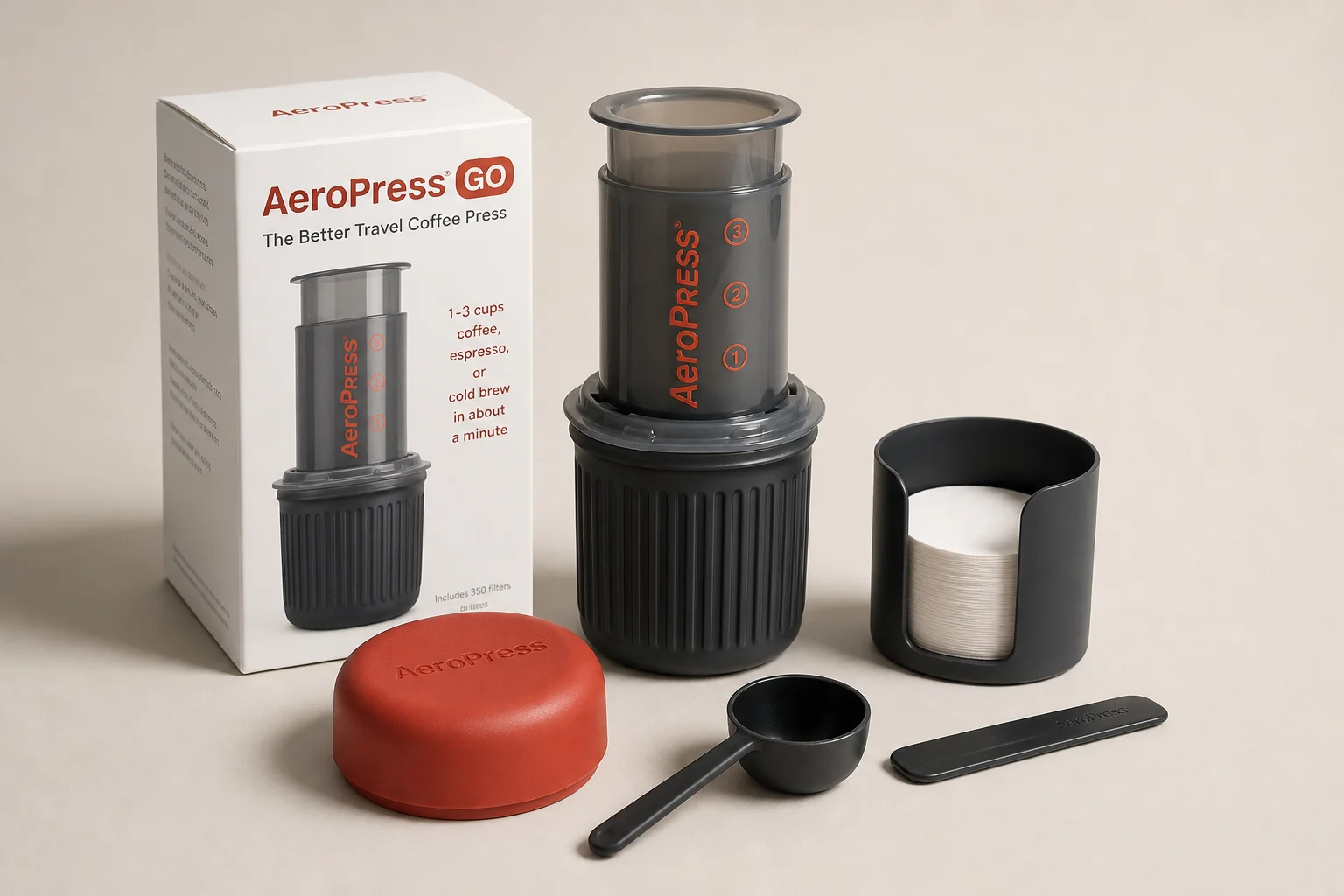
Aeropress Go Review: A Compact Travel Brewer That Solves One Specific Problem
The Aeropress Go shrinks the original design and adds an integrated cup, but it may not address the travel challenges most coffee enthusiasts actually face.
Coffee Equipment
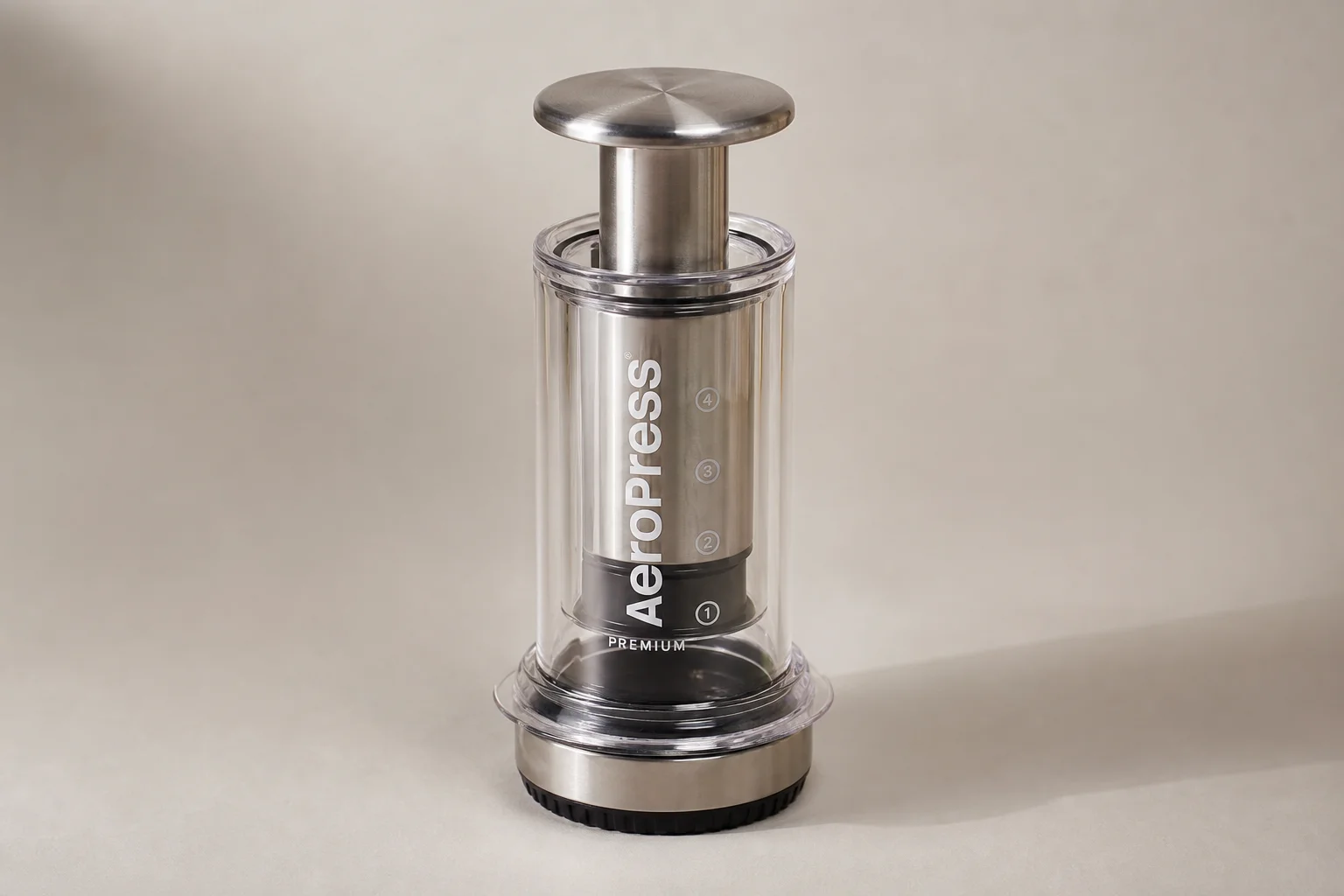
AeroPress Premium Review: Premium Materials, Practical Trade-offs
The AeroPress Premium brings glass and metal construction to a beloved brewer, but trades portability and durability for a more refined feel. Here's what changes in the cup and what matters before you buy.