Ski Boots
Kesley K130P Review: A Mid-Volume Boot With Plug-Boot Intent
The Kesley K130P pairs a thick, high-overlap shell with a low-profile liner to deliver direct power transfer and a fit that stays consistent all season.
Introduction
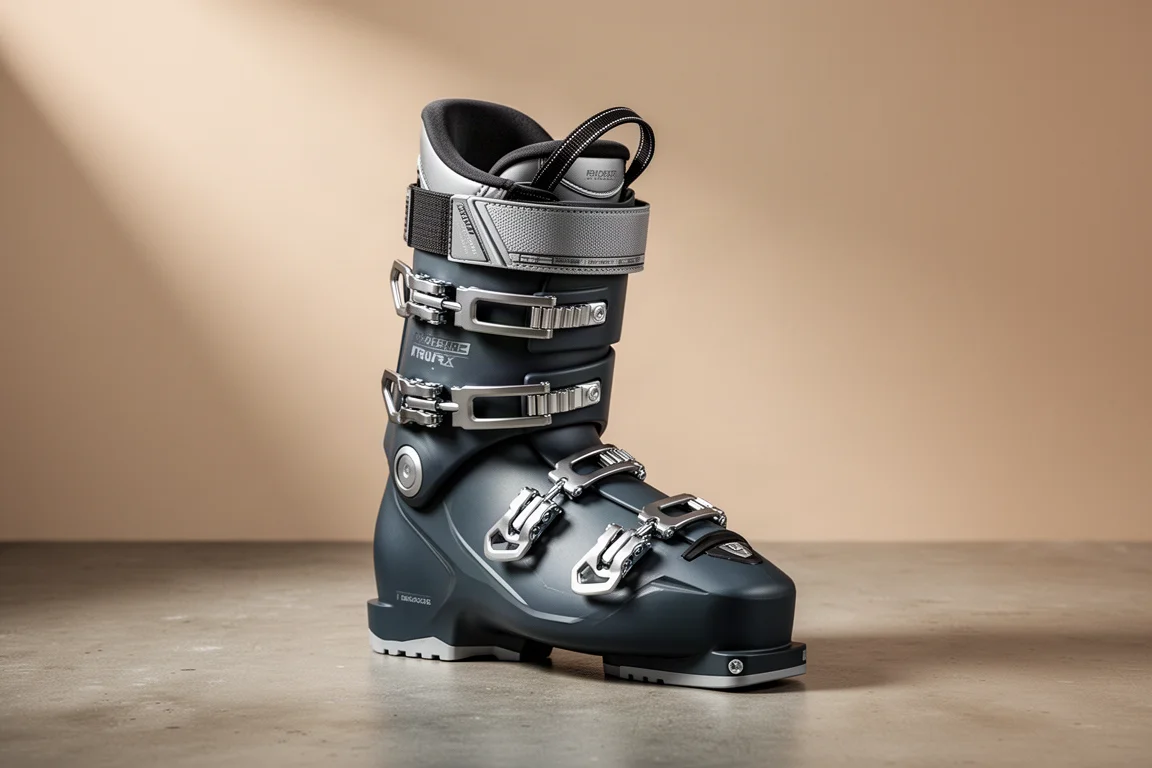
The Kesley K130P is a 130-flex alpine ski boot that arrived alongside the first full year of the brand’s boot range, and it occupies an unusual spot in the market. Instead of dressing up a soft, heavily padded liner in a shell that merely looks race-ready, Kesley went the other way: a genuinely thick-walled, high-overlap shell paired with a low-profile lace-up liner, all built around a mid-volume 100mm last.
That combination produces something a simple spec sheet struggles to capture. It skis with the directness of a plug boot, yet it fits a foot that would never survive a 91mm race last. It is also an easy boot to spot on the rack, though the looks are secondary to how it performs.
Who the Kesley K130P Is For
This is a boot aimed at strong, aggressive skiers with mid-volume feet. The K line runs down to a 100 flex and every model in it uses a mid-volume last. The K130P is a 100mm last at the 265mm shell size, and the 275 shell measures roughly 101mm across the forefoot, so it sits on the roomier end of the mid-volume spectrum without looking bulky.
Kesley also builds two plug-style race models, the K150R and the K130R, both on 91mm lasts. The K130P takes the intent behind those boots and translates it into a fit that a much wider group of skiers can actually wear.
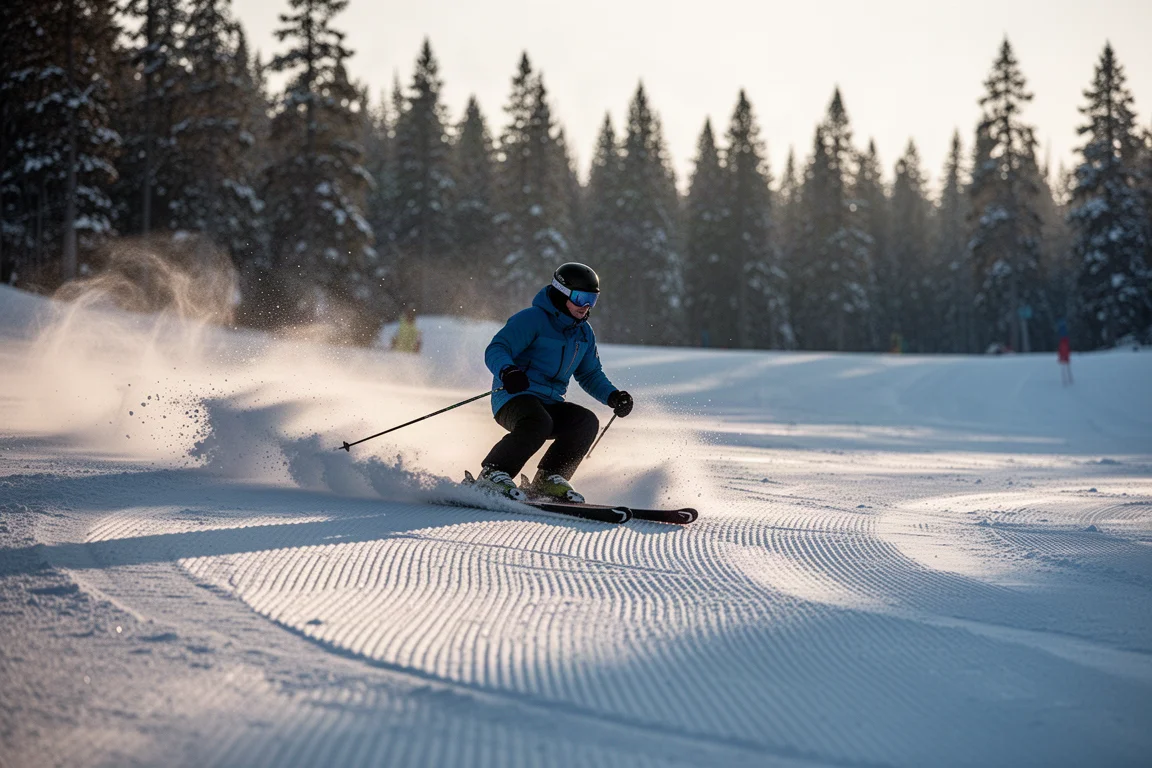
Skiers who want a stiff, supportive boot for groomer laps, moguls and fast variable terrain are the natural audience here. So are heavier or taller skiers who can use a boot that resists being overpowered, and anyone who has wanted the direct feel of a plug boot but never had a foot that would fit one.
Shell and Build Quality
The first thing that stands out is the plastic. The shell walls are noticeably thicker than on many other stiff boots, and the upper cuff carries a substantial amount of material. Combined with a large amount of shell overlap and a lower shell that rises high into the cuff, it gives the boot a solid, serious feel in the hand.
There is no multi-injection plastic over the instep here, and no large relief slits on the sides. The lower shell is simply robust and consolidates the foot well. The closure feel has something in common with stiff race-derived shells, with a firm and decisive engagement rather than a soft, progressive one.
Kesley does not publish the exact plastic formulation, describing it only as a proprietary material, likely a blend of polyurethane and polyethylene. The boots are made in Italy at an Italian factory, with production potentially moving to a Kesley-operated facility as the line grows.
Hardware is straightforward and consistent. The upper cuff adjustment sits on the sides, and two rivets at the rear can be removed to soften the flex, though softer versions of the boot already exist in the range. The lower buckles use a quick-release tab that sits flatter than a conventional buckle, which is a neat touch but not a dramatic improvement once mittens are on. A single T10 tool handles both the cuff hardware and the buckles.
The boots ship with alpine soles pre-installed and a set of GripWalk soles in the box. A ratchet-style power strap finishes the upper, and it is easy to use and clearly well made. One small quirk worth knowing: the power strap tended to sit inside the cuff more than on other boots, which did not change performance either way.
Liner and Fit Consistency
The liner is where this boot departs most clearly from its high-end recreational peers. It is a low-profile, lace-up design with some memory foam rather than a heavily stuffed liner full of cork or high-density padding. Kesley also includes velcro-on C-bands or J-bands in the package, which can be attached at home.
The liner has eyelets, so it can be laced directly, and a velcro panel at the front lets the tongue be moved up or down to fine-tune instep fit. Out of the box, the tongue position needed no adjustment.
Because there is less material between the foot and the shell, the foot sits closer to the plastic, which is exactly the mechanism that gives a plug boot its direct power transfer. It also means the fit on day one stays very close to the fit on day fifty. The liner does not pack out in any meaningful way, so the boot remains predictable over a full season and beyond.
That combination of a minimal liner and a substantial shell has a second benefit: performance stays more consistent across a wider range of temperatures, because there is less soft material to change character as conditions shift.
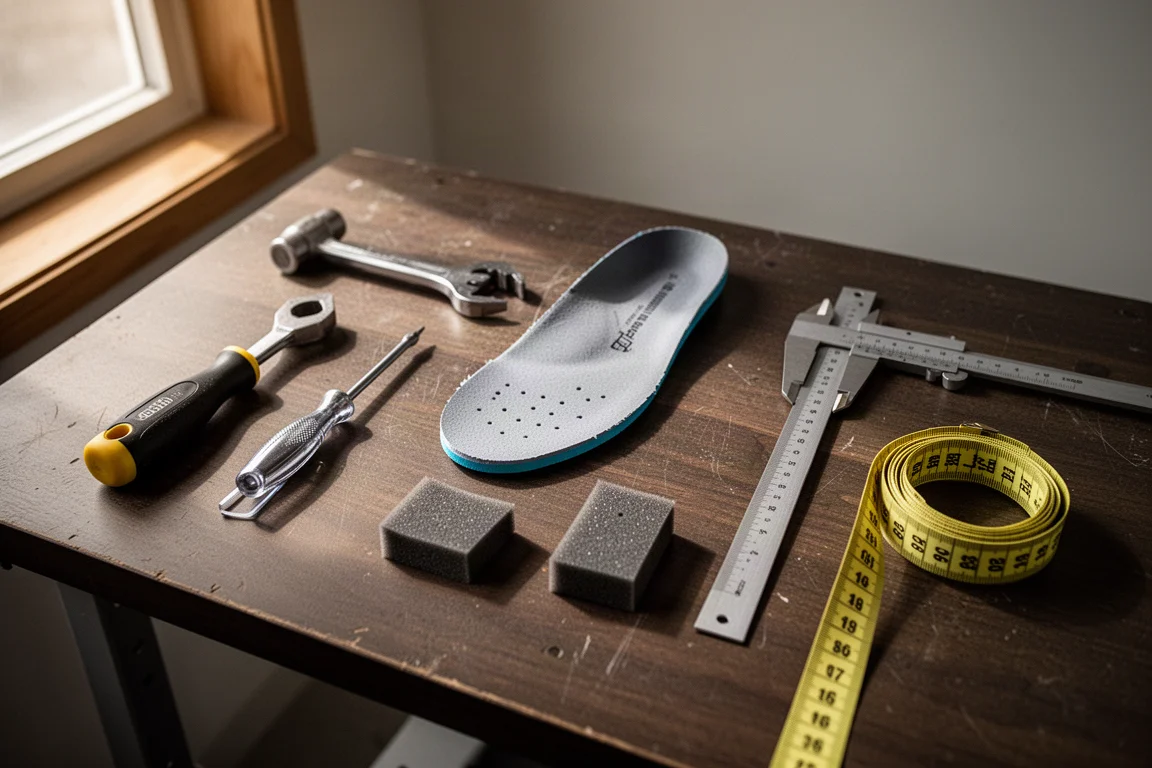
Fit aids are worth noting. A rear spoiler adds forward lean for a more aggressive stance and helps offset a flatter ramp angle, roughly two degrees rather than the four degrees common on many boots. A small heel lift and an extra shim were used to unlock the ankles and take up room in what turned out to be a slightly generous shell. The interior of the boot is deliberately smooth and uncluttered, with few ridges for the liner to sit around, which keeps the liner in direct contact with the boot board.
On-Snow Performance
Firm Snow and Carving
At a 130 flex, this is a stiff and highly responsive boot. Every input goes straight to the ski. It is very difficult to push past the shell, which suits skiers with the size and strength to drive it. On groomers it delivered the strongest, most race-like performance of the season’s test boots, with excellent edge grip and a very stable platform.
Weight is the obvious trade-off. A heavier boot can feel less agile in the hand, but when the goal is railing turns on firm snow, that mass mostly reads as composure rather than burden.
Moguls, Trees, and Variable Snow
The surprise is how well the K130P handles tighter, softer terrain. It was the best mogul boot of the season, never feeling too aggressive or punishing. The rear support is a large part of that: boots with walk modes or softer flexes tend to announce their limits the moment a skier gets slightly back, while this shell keeps the skier engaged and supported.
Quick turns through trees felt natural, and the responsiveness that makes it strong on groomers translates into fast edge-to-edge transitions in bumps. Through crud, chop and broken snow at speed, it smoothed out the clatter and made rough runs feel considerably calmer.
Things to Consider Before Buying
The weight is real, and skiers who prioritise a light, agile feel may prefer something else. The quick-release lower buckles are a nice detail but are not obviously easier to operate with mittens on than standard buckles. The forefoot fit is snug, and while that never became painful, it is worth being honest about.
Getting the boot on and off is not especially difficult, but it is also not the most user-friendly process, which is typical of a shell this substantial. And a 130 flex is a genuine commitment: it rewards strong, aggressive skiers and can feel like a lot of boot for lighter or more relaxed ones.
Buying Advice
Boots are the most subjective piece of ski equipment there is. The same shell that feels perfect for one skier can be entirely wrong for another, and no amount of reading settles the question. This boot is a genuinely well-executed product, but whether it works for a given foot is a separate matter entirely.
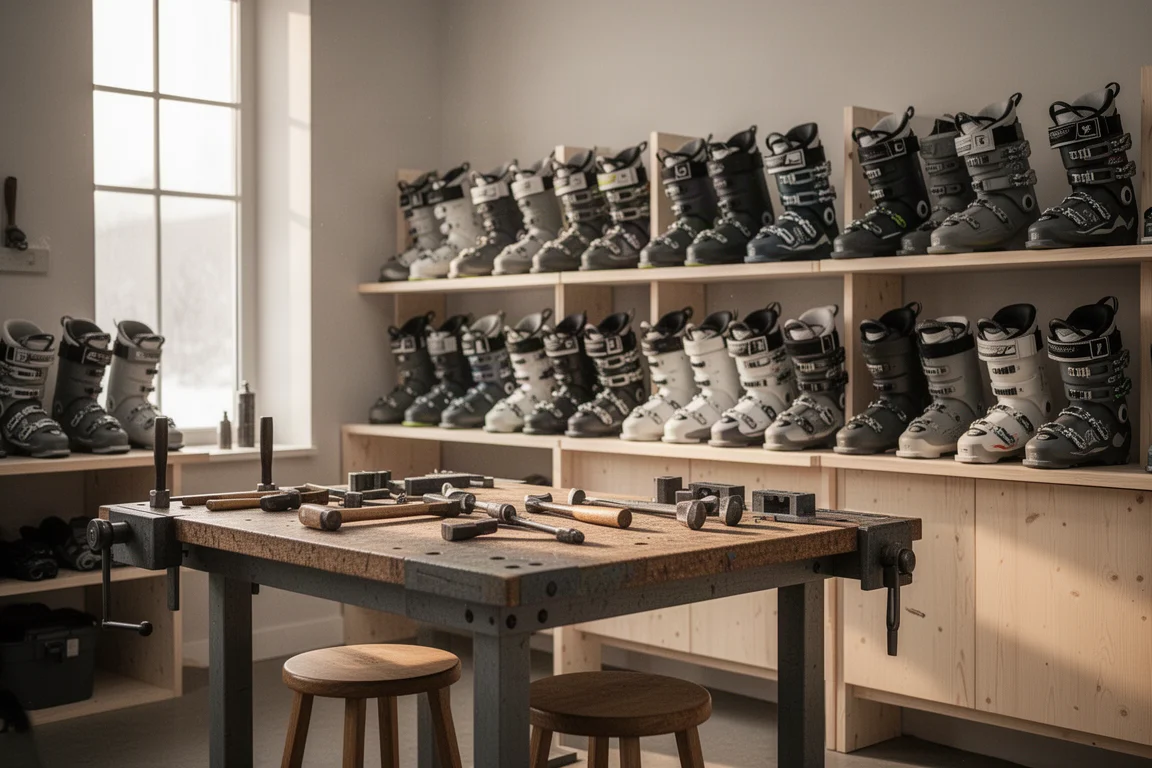
The reliable path is still to work with a boot fitter. Put your foot in the actual boot, get a custom footbed, and have your stance assessed. Very few skiers get a great result straight out of the box, and the customisation that follows the initial fit is often what turns a good boot into a great one.
Conclusion
The Kesley K130P is best understood as a recreational plug boot: a thick, stiff, high-overlap shell with a low-profile liner that keeps the foot close to the plastic. It delivers direct power transfer, a fit that stays consistent from the first day to the last, and stability that holds up from firm groomers to moguls and chopped-up snow.
Its weight and its committed flex are the honest trade-offs, and the fit will not suit every foot. For strong mid-volume skiers who want race-boot directness without a race-boot last, it is a compelling option worth discussing with a fitter.
Product link
View more details for Kesley K130P
This product is mentioned in the review. Check the specifications, options, and compatibility before buying.
View more details for Kesley K130PFurther reading
Related Reviews

Ski Boots
2027 Ski Boot Roundup: Six 130-Flex Boots Worth Knowing
Six 130-flex ski boots for 2027, plus a low-volume liner upgrade, compared on weight, fit, flex feel, and ease of use.

Ski Boots
Armada AR One Ski Boot Review: A Three-Piece Cabrio That Finally Gets It Right
Armada's first ski boot blends three-piece Cabrio design with Atomic engineering, a heat-moldable shell, and a 100mm last that fits better than any Cabrio before it.

Ski Boots
Armada AR1 Ski Boot Review: A Cabrio and Overlap Hybrid for Park and Freeride Skiers
Armada's first ski boot pairs a three-piece cabrio shell with overlap-style buckles and a cable-driven slingshot buckle. Here is where it shines, and what to weigh before buying.