Floorstanding Speakers
KEF R7 Meta Review: A Three-Way Floorstander With Big-Speaker Presence
The KEF R7 Meta brings flagship thinking to a $5,000 floorstander. Here is what it does well, what it asks of your amplifier, and who it suits.
Introduction
The KEF R7 Meta sits in an interesting spot. It is a three-way floorstanding loudspeaker priced at $5,000 a pair, which is roughly one third of the $15,000 a pair asked for the brand’s Reference 3 Meta. For anyone who admired that flagship model but could not justify the outlay, the gap is the whole story.
The R7 Meta is the model in focus here. It is part of a wider R Meta series that also includes two other floorstanders, a stand-mount model, two centre channel speakers and a surround speaker, but the floorstander makes the strongest case for a serious two-channel system.
What follows covers what the speaker does well, where it asks more of the buyer, and who it suits.
Who the KEF R7 Meta Is For
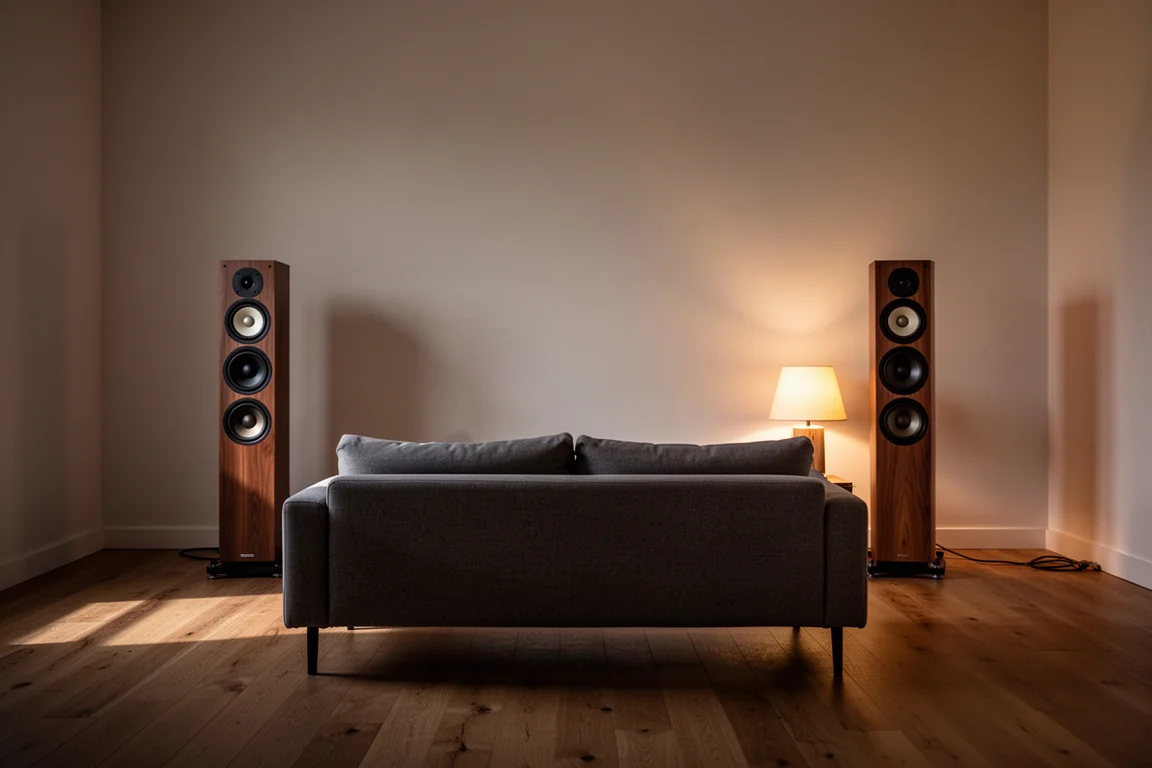
This is a speaker for listeners who want the weight and ease of a large floorstander without the room demands of a flagship model. The Reference 3 Meta is a big speaker that can feel borderline in a normal room, while the R7 Meta is more room friendly and is likely to sit comfortably in a space of roughly 11 by 18 to 20 feet.
It also suits people who listen at both ends of the volume range. It stays composed at very low late-night levels and takes loud playback in its stride. The presentation is neutral rather than coloured, so it rewards listeners who value accuracy over character.
Finally, it is a good fit for anyone building a system around quality electronics. The speaker is revealing of whatever sits upstream, which is a strength in a well-matched system and a limitation in a compromised one.
Design and Build Quality
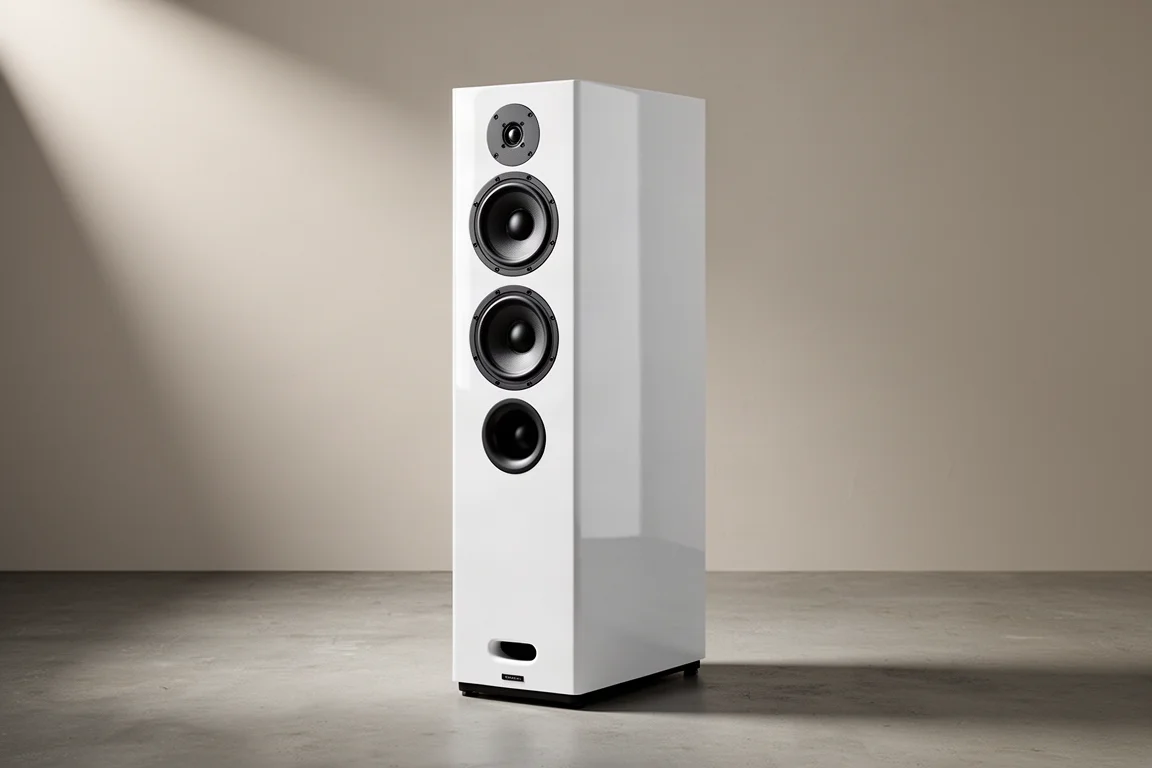
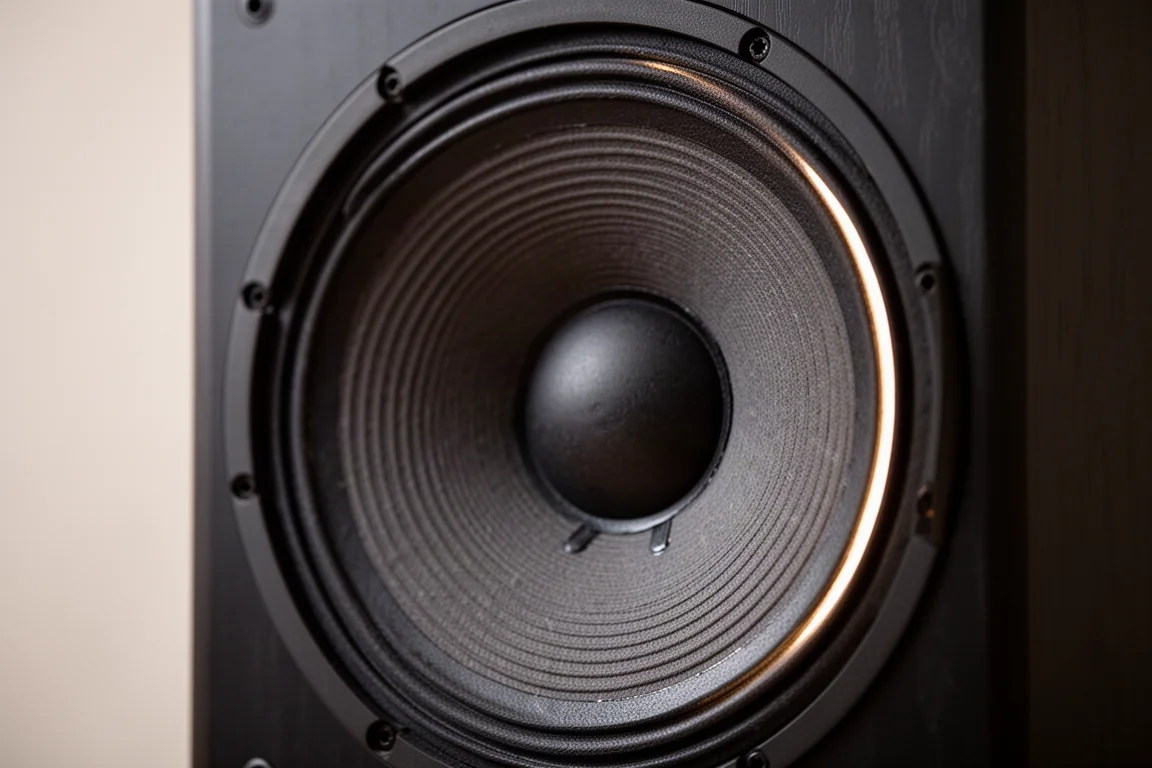
The R7 Meta is a three-way design. At the top of the baffle sits the driver array KEF calls its 12th-generation Uni-Q, which pairs a five-inch aluminium midrange cone with a one-inch aluminium dome tweeter. In this speaker the array works as the midrange and treble section, handing over to the bass drivers at 400 Hz. Two six and a half inch aluminium and paper hybrid woofers cover everything below that.
The Uni-Q assembly includes a decoupled chassis and a new midrange motor system. The back wave from the driver travels through a more streamlined waveguide behind the tweeter and exits into the Meta disc at the rear of the driver. The aim is to reduce reflections travelling back through the tweeter, and the result is a cleaner sounding tweeter. The driver is also surrounded by what KEF calls a shadow flare waveguide.
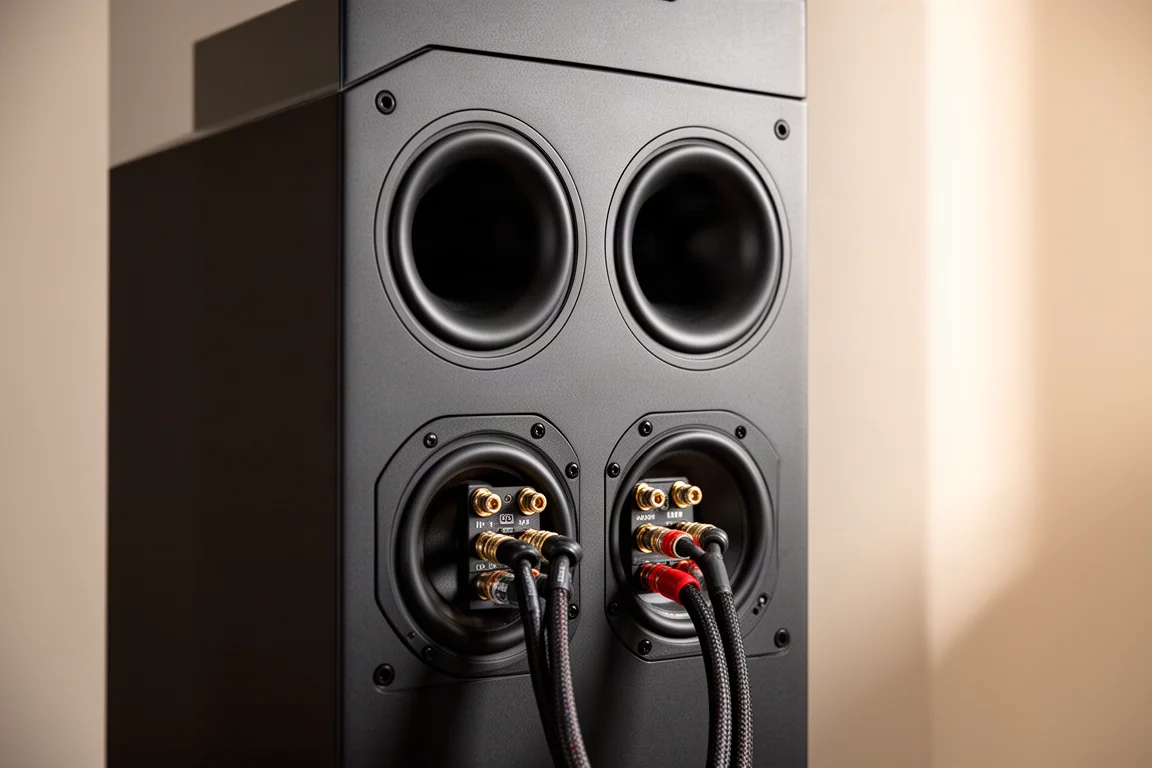
Around the back there are two large bass ports and, below them, bi-wire speaker connections. The finish on hand here was gloss white with an impeccable paint finish, and the cabinet is also offered in gloss black and walnut, plus a special order titanium finish.
Sound Quality: Bass, Dynamics, and Scale
Bass extends down to a solid 40 Hz in a normal room, and the speaker sounds like a genuinely large loudspeaker rather than a compact design in a tall cabinet. The leading edge of the bass is strong and grippy, and the textures inside it are finely delineated, which is where the design earns its keep.
Dynamics are a core part of the appeal. Played at 90 dB and into the mid nineties, the R7 Meta stays easy and low in distortion, with no listening fatigue even across long sessions. The top end is pure, extended and delicate. The same composure carries over to quiet listening, where the speaker still holds together.
One caveat comes with that transparency. The R7 Meta is very revealing of the electronics and sources in front of it, so it will expose the limits of a modest front end rather than flatter it.
Set against a smaller stand-mount design from a rival brand, the R7 Meta gives up a little top-end finesse and transparency but gains a great deal in power delivery and physical scale.
Setup and Amplification
Setup is straightforward. The R7 Meta sounds fine firing straight ahead, and no toe-in is needed to lock in a solid centre image. In practice the speakers sat about three feet from the wall behind them and roughly eight and a half feet apart, with the listening seat about nine feet away.
Amplification deserves real attention. Nominal impedance is rated at four ohms and drops to 3.2 ohms, which is a genuinely low figure. Budget receivers are not a sensible match here; the speaker wants an amplifier that is comfortable driving low impedance loads. Two very different amplifiers were used during listening, a NAD M23 and a Linear Tube Audio MicroZOTL 40 Reference Plus tube amplifier, and both sounded good while sounding distinctly different.
How It Compares With Other Speakers
Against the LS50 Meta, the smaller KEF is on its own terms awfully good, and it costs less than a third of the R7 Meta. The R7 Meta plays louder with greater ease, delivers more bass and simply sounds like a bigger speaker. The more surprising difference is the soundstage: it opens up noticeably, with more three-dimensional solidity and a stronger sense of being in the studio.
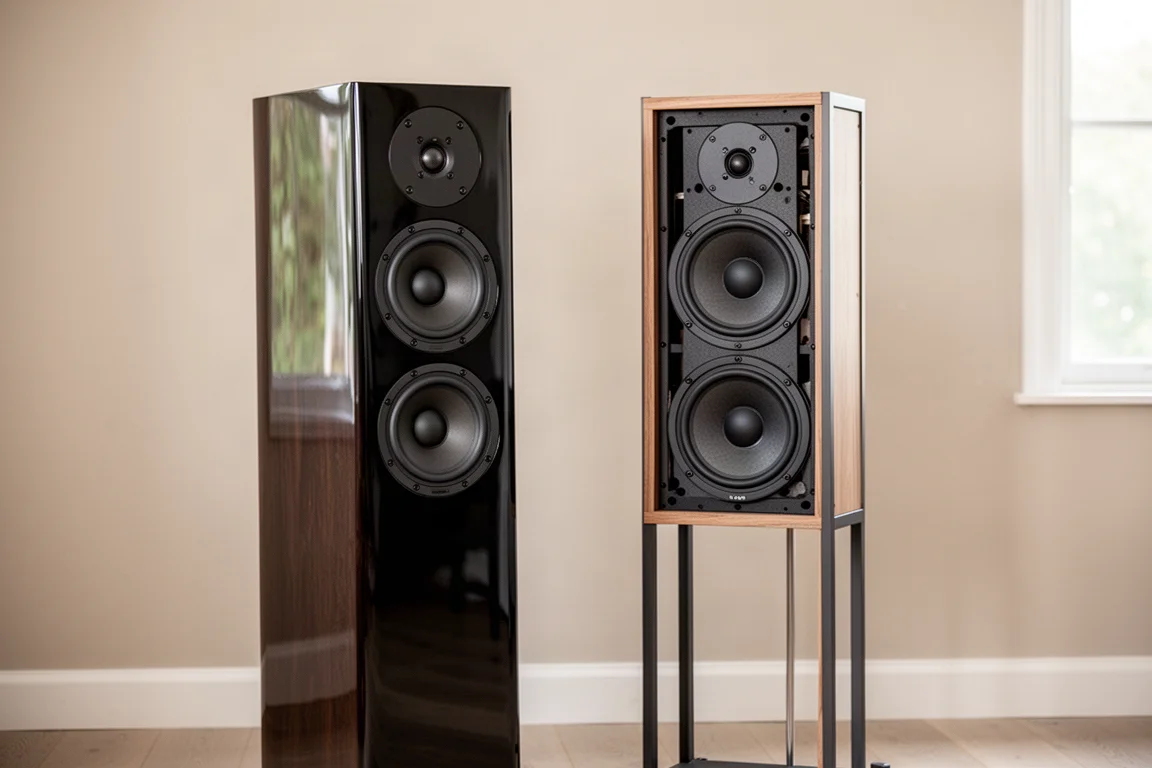
The Zu Audio Dirty Weekend 6 goes in another direction. Its midrange is thinner and less full than either KEF, but it cuts through more, with vocals that feel right there in the room, and it lights up when pushed loud. It is not as accurate or neutral, but it communicates rhythm, pace, liveness and energy extremely well. It is a different flavour rather than a better or worse one.
The Pure Audio Project Duet 15, an open baffle panel speaker with a full-range driver and a 15-inch woofer, is a fairer comparison on price at $6,500 a pair. Its bass is bigger, fuller and more voluptuous, though the R7 Meta’s bass is far more articulate and clear. The open baffle design throws a big, spacious soundstage that is less finely focused, and it plays louder with greater effortlessness. The R7 Meta counters with a purer, more extended and more delicate top end.
Things to Consider Before Buying
The low impedance is the first thing to plan around. This is not a speaker to pair with a cheap receiver; the amplifier needs to be happy at 3.2 ohms.
The second consideration is how much the speaker will reveal. With good electronics and good sources it is capable of a great deal, but it will not disguise weak links upstream.
Third, size and finish. The R7 Meta is more room friendly than the Reference 3 Meta, but it is still a large floorstander, and the available finishes run from gloss white and gloss black to walnut and a special order titanium.
Buying Advice
At $5,000 a pair, the R7 Meta makes a strong case for itself. It offers much of what made the Reference 3 Meta so compelling, in a cabinet that is easier to live with, at a third of the price. The fit and finish feels like a high-end speaker, and the overall balance is neutral, with big-speaker presence and power.
For a listener who wants neutral sound, genuine dynamic range and a soundstage that opens up when the recording allows it, this is a hard combination to beat at the price. Budget for a capable amplifier alongside the speakers and the system should reward the outlay for a long time.
Conclusion
The KEF R7 Meta delivers the essentials: a clean three-way design, bass that reaches a solid 40 Hz, and the ease of a large speaker that stays composed from late-night levels through to loud sessions. It is revealing, it is neutral, and it needs an amplifier that can handle a low impedance load. Match it well and it stands out as one of the more convincing floorstanders at this price.
Product link
View more details for KEF R7 Meta
This product is mentioned in the review. Check the specifications, options, and compatibility before buying.
View more details for KEF R7 MetaFurther reading
Related Reviews
Floorstanding Speakers
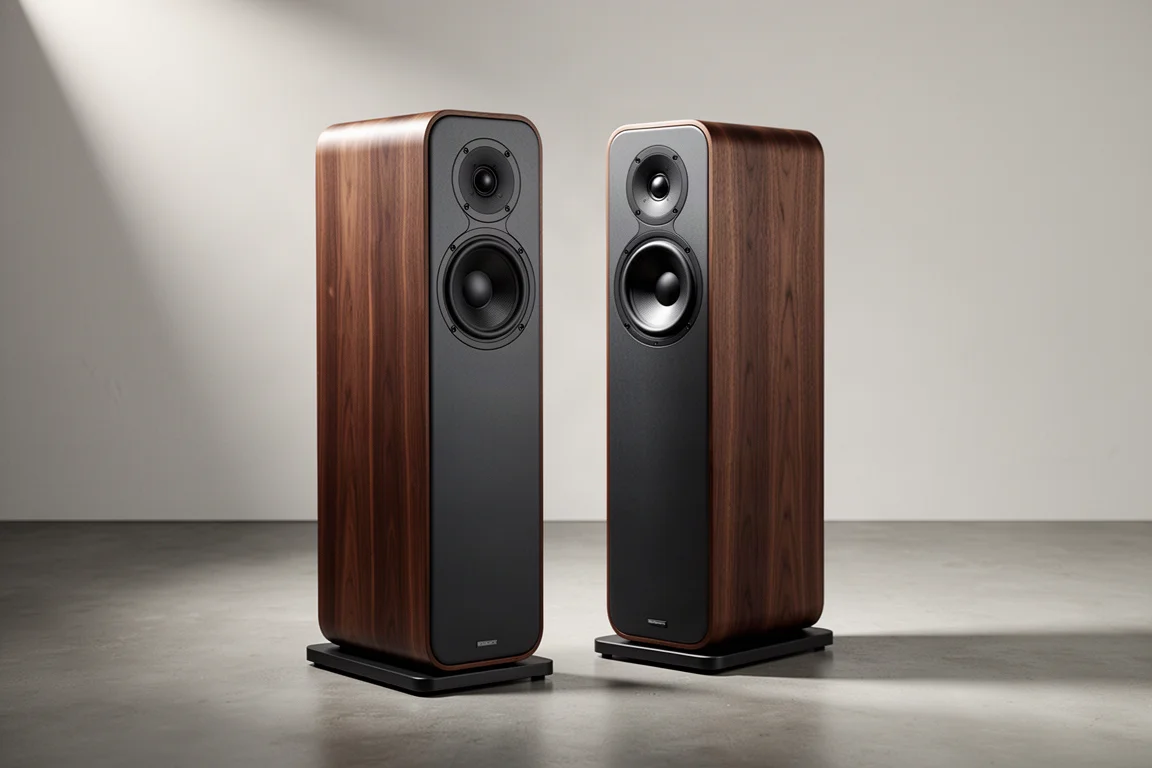
Acoustic Energy AE109 Mark II Review: A Refined Floorstander at £699
The Acoustic Energy AE109 Mark II is a slim, warm sounding floorstander that delivers clarity, midrange body and strong imaging in small to medium rooms.
Floorstanding Speakers
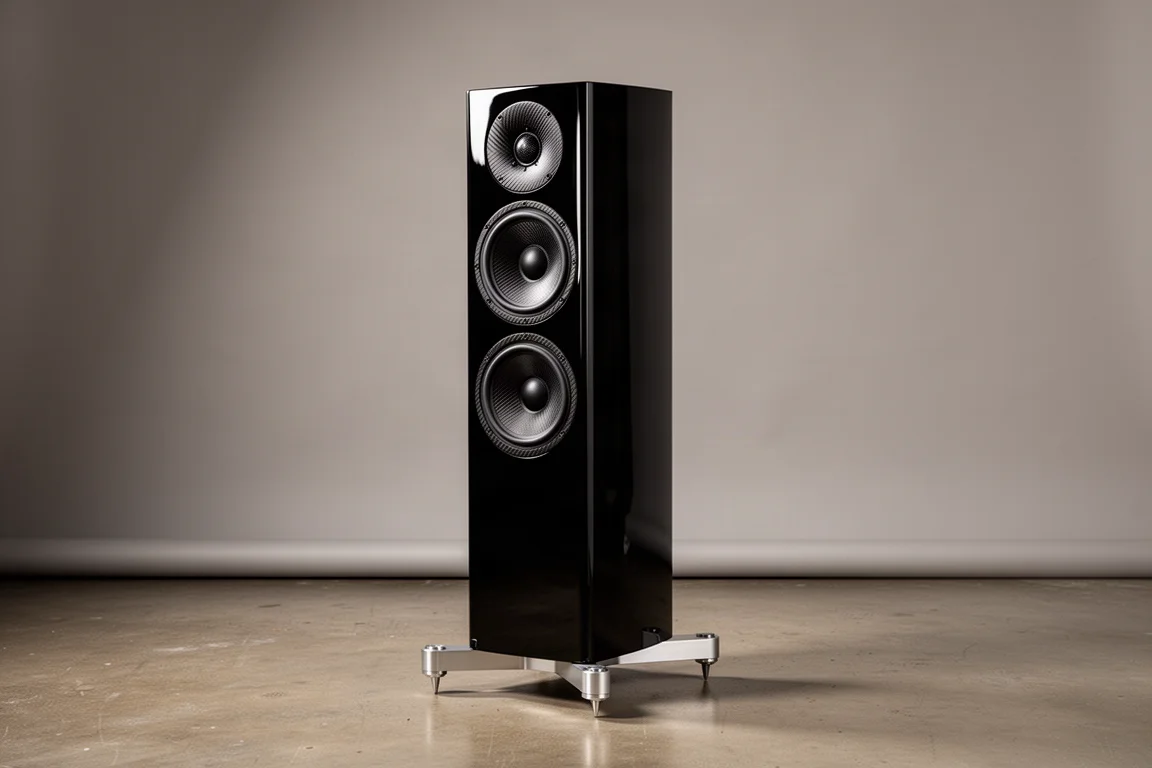
Acoustic Energy AE509 Review: A Slim Floorstander With Deep, Defined Bass
A practical look at the Acoustic Energy AE509, a slim floorstanding speaker with carbon fibre drivers, deep and well-defined bass, and an easy-going character that rewards careful system matching.
Floorstanding Speakers
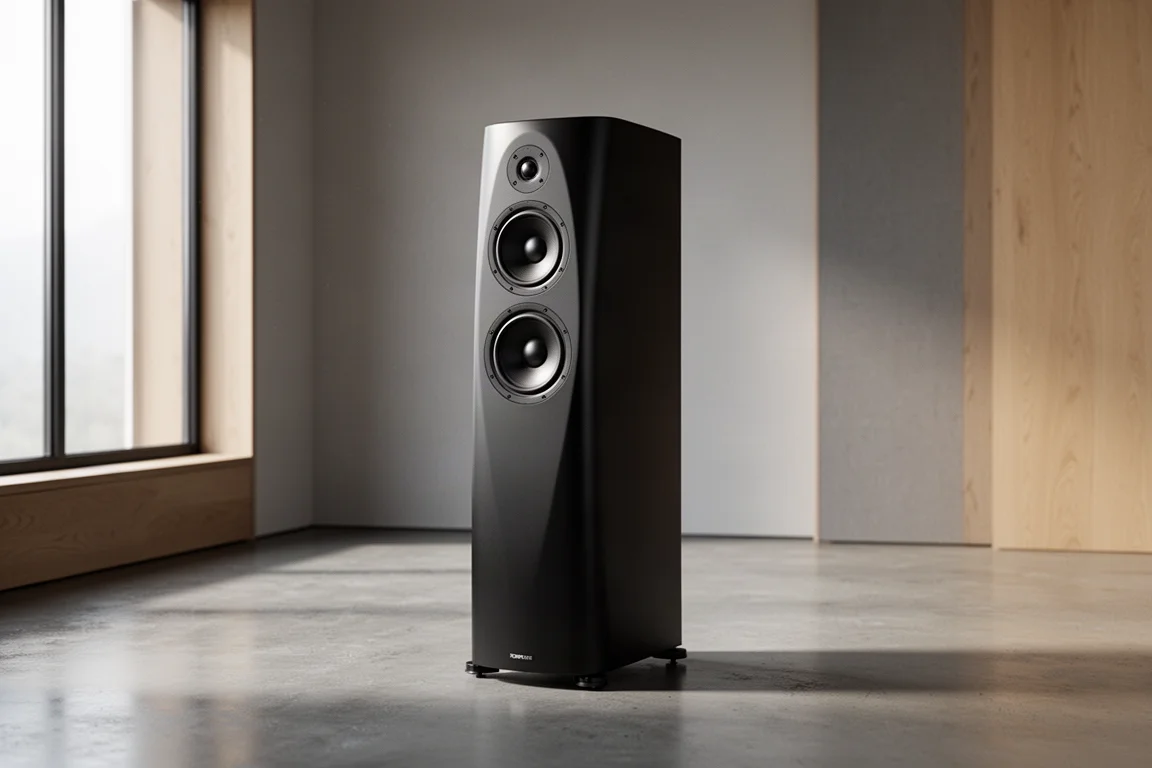
Arendal 1528 Tower 8 Review: Reference Neutrality With Real Demands
A close look at the Arendal 1528 Tower 8, a nearly five-foot, 200-pound floorstander that rewards generous space, serious power, and high listening levels with reference-grade neutrality.