Floorstanding Speakers
KEF R5 Meta Review: A Neutral Floorstander That Works With Your Room
A close look at the KEF R5 Meta floorstanding speaker, covering neutral tonality, a generous vertical listening window, near-wall placement behaviour, and the subwoofer question.
Introduction
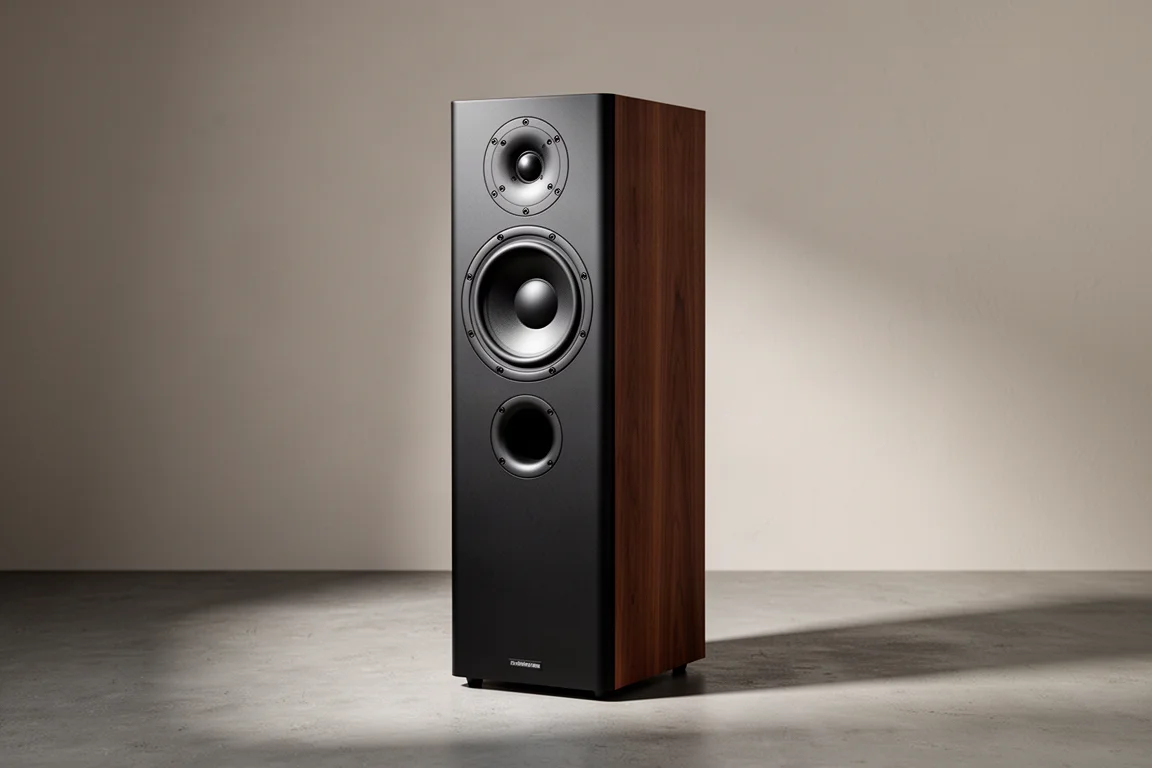
The KEF R5 Meta is a three-way floorstanding loudspeaker that combines KEF’s Meta absorber technology with a 1-inch dome tweeter and a 5-inch coaxial mid-range driver. Two 5.25-inch midwoofers sit above and below that concentric driver, one on each side of it, which keeps the cabinet slim rather than bulky. At around $4,000 per pair, it is a considered purchase rather than an impulse one, and it is easy enough to hear in person because KEF speakers are carried by large retailers such as Best Buy.
The defining feature is the coaxial mid-range and tweeter arrangement. In a typical two-way or three-way speaker with separate drivers, moving your head above or below the reference axis usually puts you into a dip in the crossover region. Three-way designs are less affected, and coaxial designs are affected least. The R5 Meta keeps a usable vertical window of roughly 40 to 50 degrees above or below the tweeter axis, so you can stand up, walk across the room, and sit back down without the tonality falling apart.
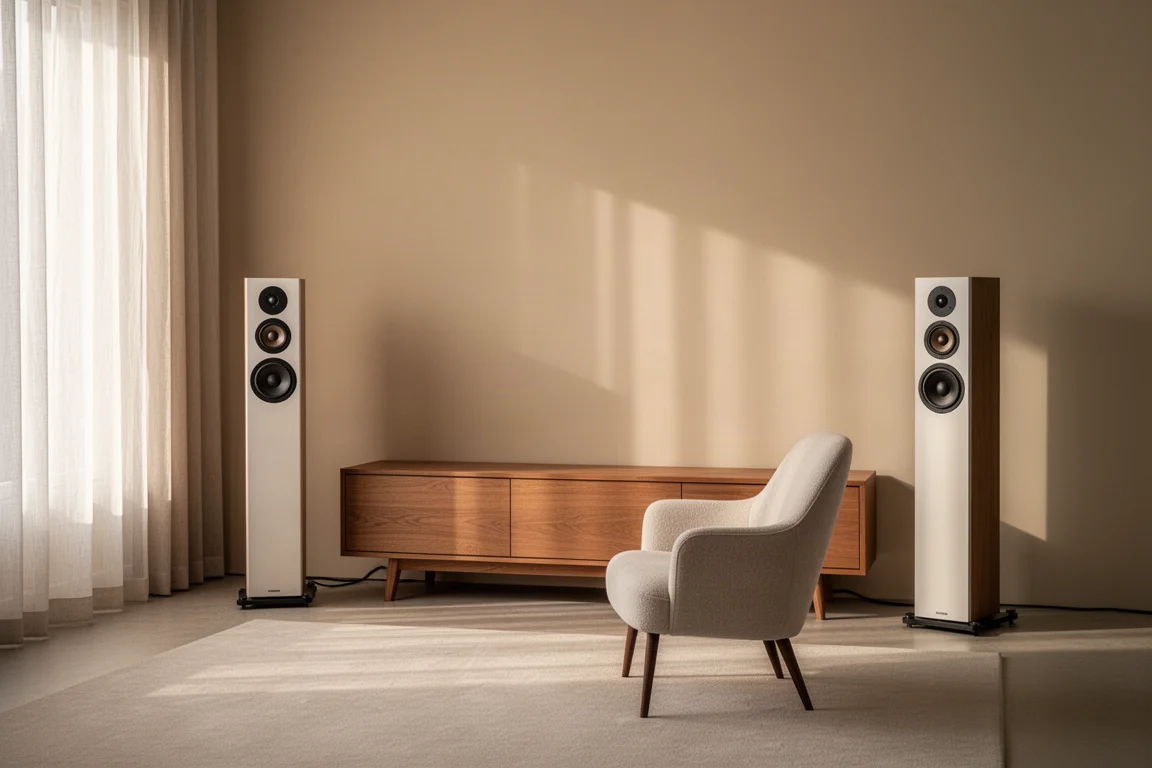
What follows covers how the speaker behaves in a real room: its tonal character, how it handles bass and placement, and the handful of details worth checking before and after purchase.
Who This Speaker Is For
The R5 Meta suits listeners who want a neutral, true-to-source presentation across music, television and film. It does not push high frequencies forward, and it does not sound sharp or dull. If you want a speaker that reproduces what is on the recording without a strong signature of its own, this is the kind of voicing that rewards that preference.
It also suits smaller rooms and near-wall setups. The cabinet uses an extended bass shelf alignment, which rolls off in a way that resembles a sealed design with a slightly lower port tuning, adding a small lift as the response descends. That behaviour reduces the boominess and muddiness that usually appear when a speaker sits close to a wall.
It is not the right choice if you expect full-range bass from the towers alone, and it is not ideal if you want to pull the speakers three feet or more into the room. Listeners who prioritise the widest possible sense of scale may also find the horizontal radiation pattern, at roughly 50 degrees, a touch conservative.
Sound Character and Coaxial Coherence
Tonally, the R5 Meta reads as neutral. Nothing is skewed: high frequency content is neither emphasised nor rolled away in a way that sounds dull. The design also maintains essentially constant directivity through the high frequencies. Because the off-axis energy stays consistent, the on-axis response above roughly 7 kHz is deliberately tapered downward, which produces a smooth, gently downward-sloping estimated in-room response instead of a response that flattens out in the treble and ends up sounding bright.
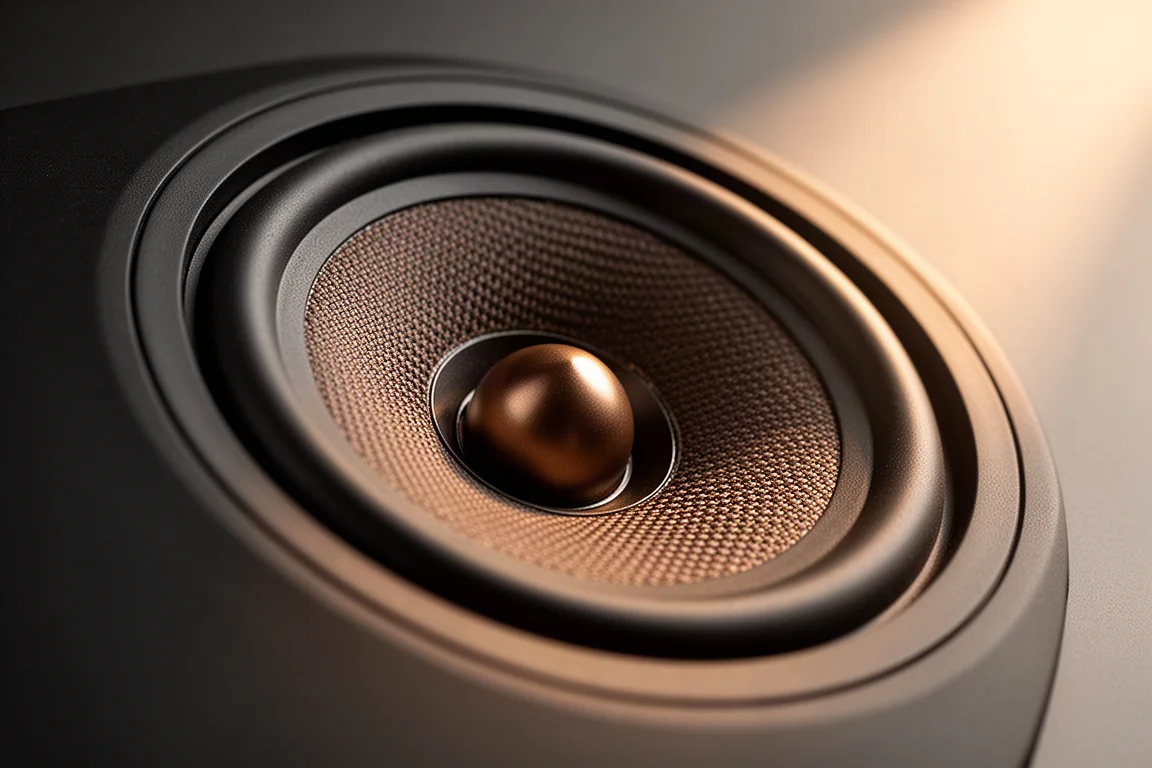
Horizontal radiation measures about 50 degrees at the minus 6 dB point, and vertical radiation extends roughly 40 to 50 degrees above and below the tweeter axis. Width is only part of the story. Continuity matters just as much: the mid-range and high frequency need to disperse at similar angles, otherwise the soundstage collapses and expands as different instruments and voices move across the frequency range. That continuity is a clear strength here. Narrower radiation also means less reflected energy, which can work in your favour in a small or acoustically lively room.
Mid-range, Dynamics, and What You Might Notice
The one subjective characteristic worth flagging is a mild recess in the mid-range, in the region of about 1 dB. It can make some material feel slightly laid back, marginally less crisp on tracks where the attack of an instrument is very familiar. The effect is much smaller than the roughly 3 dB scoop through the same area on the LS50 Meta. With film and television it is unlikely to register at all, and on most music it stays well below the threshold of concern.
Measured behaviour is reassuring. Average sensitivity is 86 dB with roughly 2 to 2.5 dB of tolerance depending on the frequency range. Distortion looks good at both 86 dB and 96 dB, and multitone distortion from 70 dB to 96 dB also looks good without a subwoofer in the chain. Crossing the speaker over at 80 Hz keeps distortion in good shape. Compression stays controlled up to roughly 26 dB of dynamic range, measured from 76 dB to 102 dB at one metre.
Bass Output, Placement, and Room Fit
Two 5.25-inch midwoofers do not promise full-range output, and the R5 Meta does not deliver it. Expect usable output down to around 50 Hz rather than 20, 30 or 40 Hz. That is low enough to blend cleanly with a subwoofer, and a subwoofer is the sensible companion if you want genuinely deep bass or high playback levels.
The extended bass shelf alignment is what makes near-wall placement practical. Instead of extending flat and then falling away, the response descends gradually with a slight lift in the lower region, which keeps the speaker from turning boomy when it sits near a boundary. Keep the back of the cabinet at least about two feet, or 24 inches (roughly 60 cm), from the wall behind it. Pushing it closer can introduce boundary effects that muddy the lower mid-range unless you have equalisation available to trim the resulting peaks. Pulling it three feet or more into the room gives up the benefit of the alignment entirely.
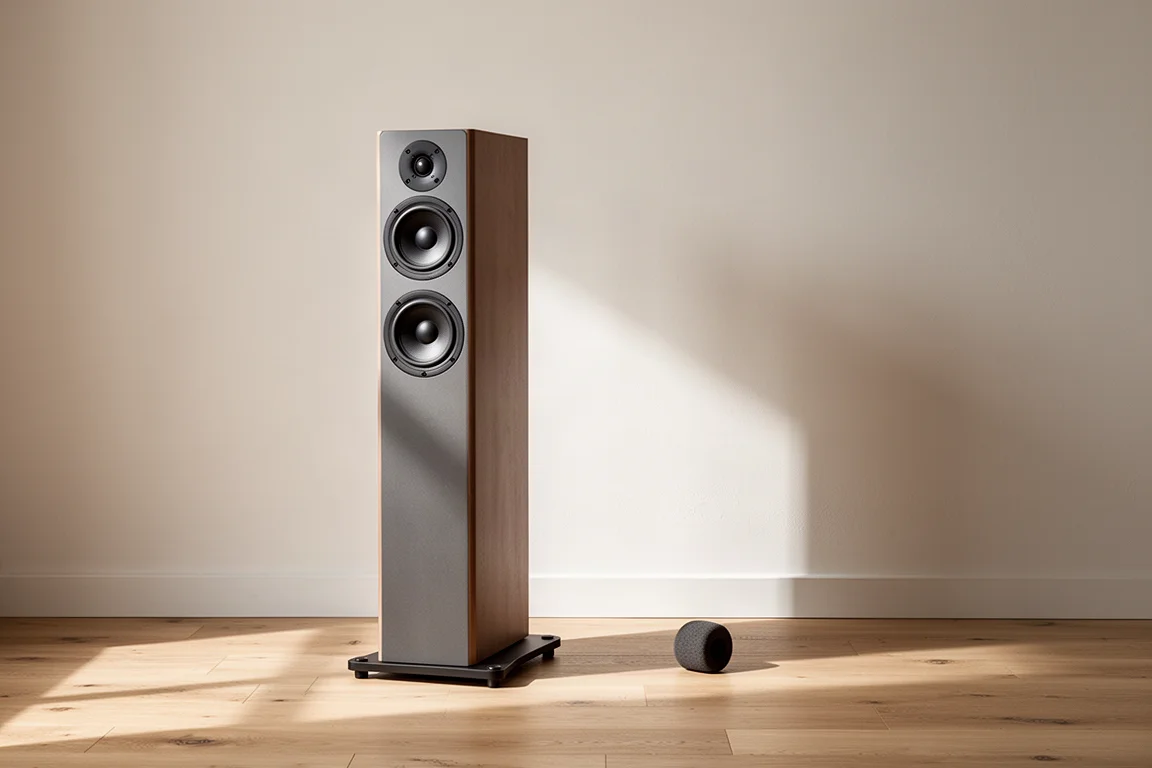
The speaker is ported, and it ships with bungs that let you plug the ports and run it sealed if your room calls for it.
Design, Finishes, and a Setup Check Worth Doing
The R5 Meta is available in three finishes: black, gloss white and walnut. The cabinet is ported, and the supplied bungs allow a sealed configuration.
One detail is worth checking on arrival. The shadow trim flare ring around the concentric driver can work its way forward during shipping and vibration. A ring protruding about 1 mm ahead of the baffle has been measured against the same ring pushed flush, and the difference in on-axis response between the two states was roughly 1 to 1.5 dB between 1 and 2 kHz, with larger differences off-axis. On its own, that shift may be hard to hear, but it is measurable and easy to correct. After unboxing, press the trim ring back so it sits flush with the baffle.
Things to Consider Before Buying
Bass extension stops around 50 Hz, so plan for a subwoofer if you want deep low frequencies or high output.
Placement has a defined sweet spot: at least two feet from the rear wall, and not far out into the room.
The mid-range recess is mild but present, and listeners who are highly attuned to attack and dynamics may notice it on familiar recordings.
Horizontal radiation of about 50 degrees is slightly narrower than some listeners prefer, though the upside is less reflected energy in small or lively rooms.
The trim ring around the concentric driver may need to be pushed flush after shipping.
At around $4,000 per pair, this is a significant purchase that deserves an in-person listen if you can arrange one.
Buying Advice
For a small or medium room where the speakers can sit near a wall and a subwoofer can handle the bottom end, the R5 Meta is a coherent, easy-to-live-with choice. The tonal balance is honest, the vertical window is generous enough for real rooms where people move around, and the in-room response is smooth rather than bright.
The Meta version also addresses a weakness of the earlier R5. The original had less output in the 100 to 300 Hz region, which could make vocals sound thin, and it came across as slightly bright in the room. The R5 Meta adds output in that lower mid-range and upper bass area and tapers the top end, which results in a more neutral overall balance. Buyers who need to place speakers particularly close to a wall can also look at the R3, the R3 Meta and the earlier R5, which share the extended bass shelf approach. If your priority is deep bass without a subwoofer, this is not the speaker for that job.
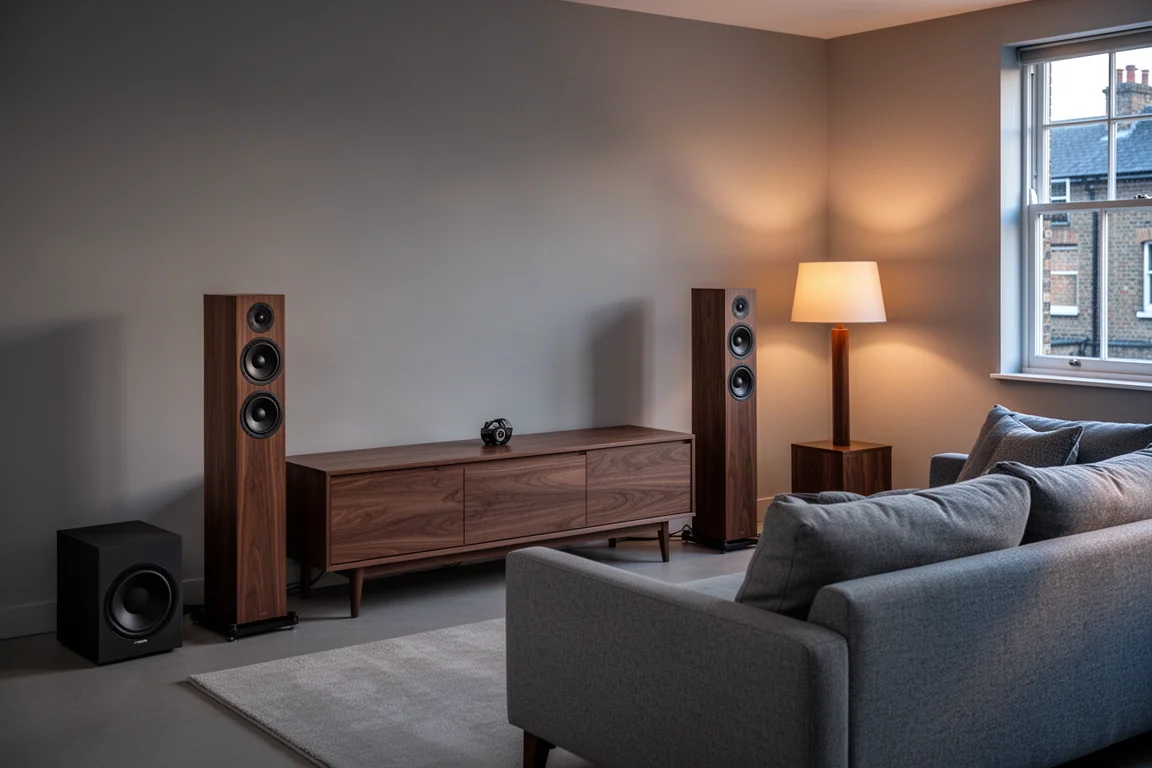
Before committing, confirm the placement distance you can realistically achieve and settle on a subwoofer plan at the same time. Those two decisions shape how much of the R5 Meta’s design you actually get to use.
Conclusion
The KEF R5 Meta is a well-engineered floorstander with a neutral character, strong directivity and behaviour that suits real rooms rather than idealised ones. Its limits are clear and predictable: bass extension stops around 50 Hz, placement matters, and there is a faint mid-range recess. None of those are serious problems if you pair it with a subwoofer and give it the two feet of breathing room it wants. For listeners who value natural tonality over spectacle, it is a convincing package.
Product link
View more details for KEF R5 Meta
This product is mentioned in the review. Check the specifications, options, and compatibility before buying.
View more details for KEF R5 MetaFurther reading
Related Reviews
Floorstanding Speakers
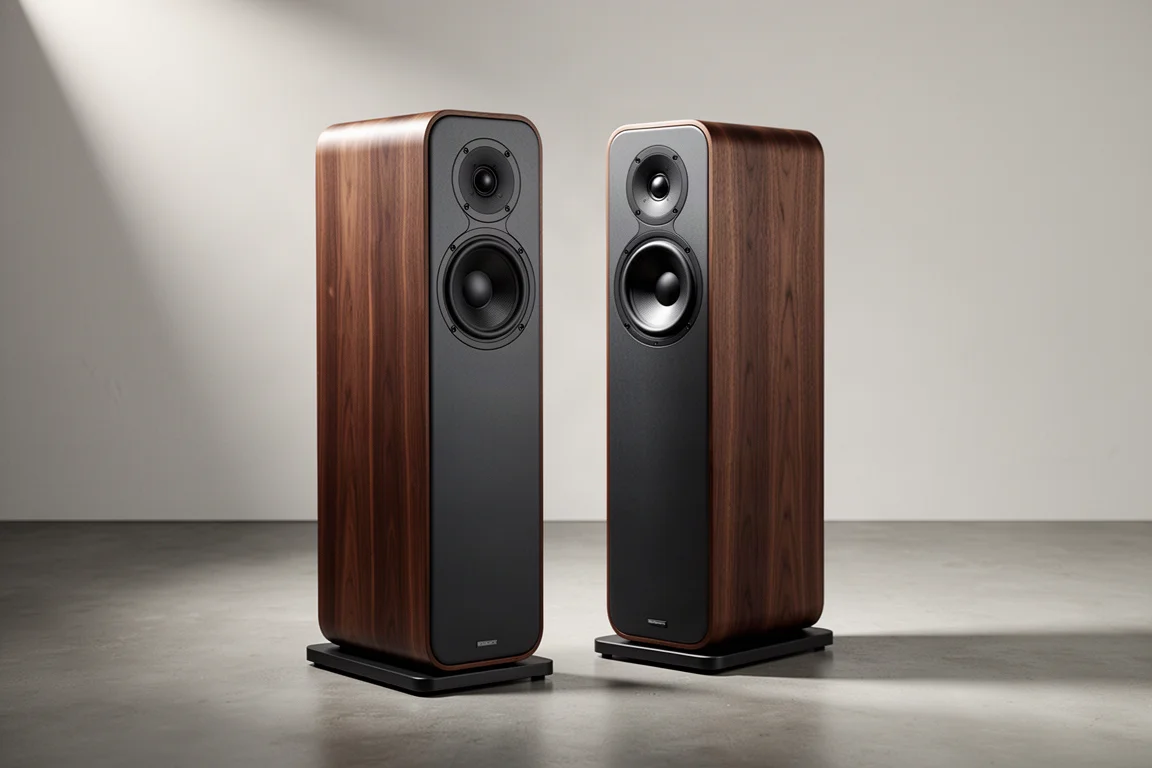
Acoustic Energy AE109 Mark II Review: A Refined Floorstander at £699
The Acoustic Energy AE109 Mark II is a slim, warm sounding floorstander that delivers clarity, midrange body and strong imaging in small to medium rooms.
Floorstanding Speakers
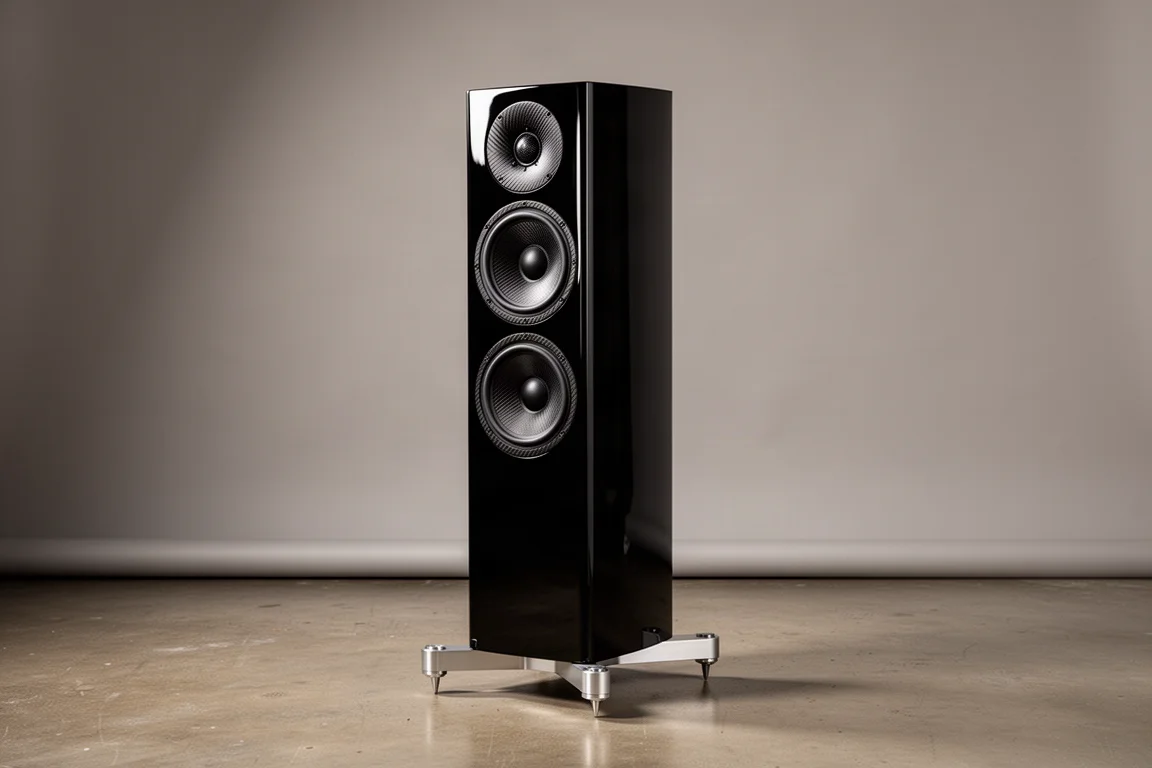
Acoustic Energy AE509 Review: A Slim Floorstander With Deep, Defined Bass
A practical look at the Acoustic Energy AE509, a slim floorstanding speaker with carbon fibre drivers, deep and well-defined bass, and an easy-going character that rewards careful system matching.
Floorstanding Speakers
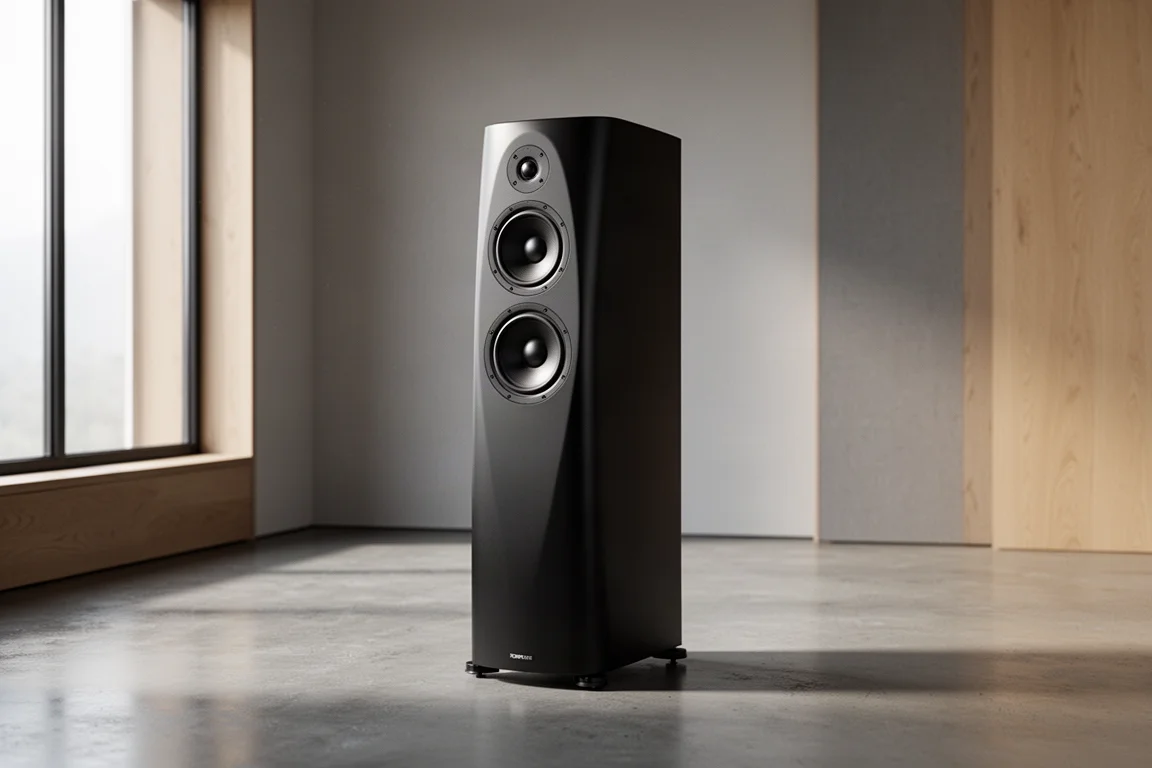
Arendal 1528 Tower 8 Review: Reference Neutrality With Real Demands
A close look at the Arendal 1528 Tower 8, a nearly five-foot, 200-pound floorstander that rewards generous space, serious power, and high listening levels with reference-grade neutrality.