Tower Speakers
KEF Q750 Review: A Compact Tower With Real Character
A practical look at the KEF Q750 tower speaker, covering its driver array, bass reach, soundstage strengths, home theater matching, and the trade-offs to weigh before buying.
Introduction
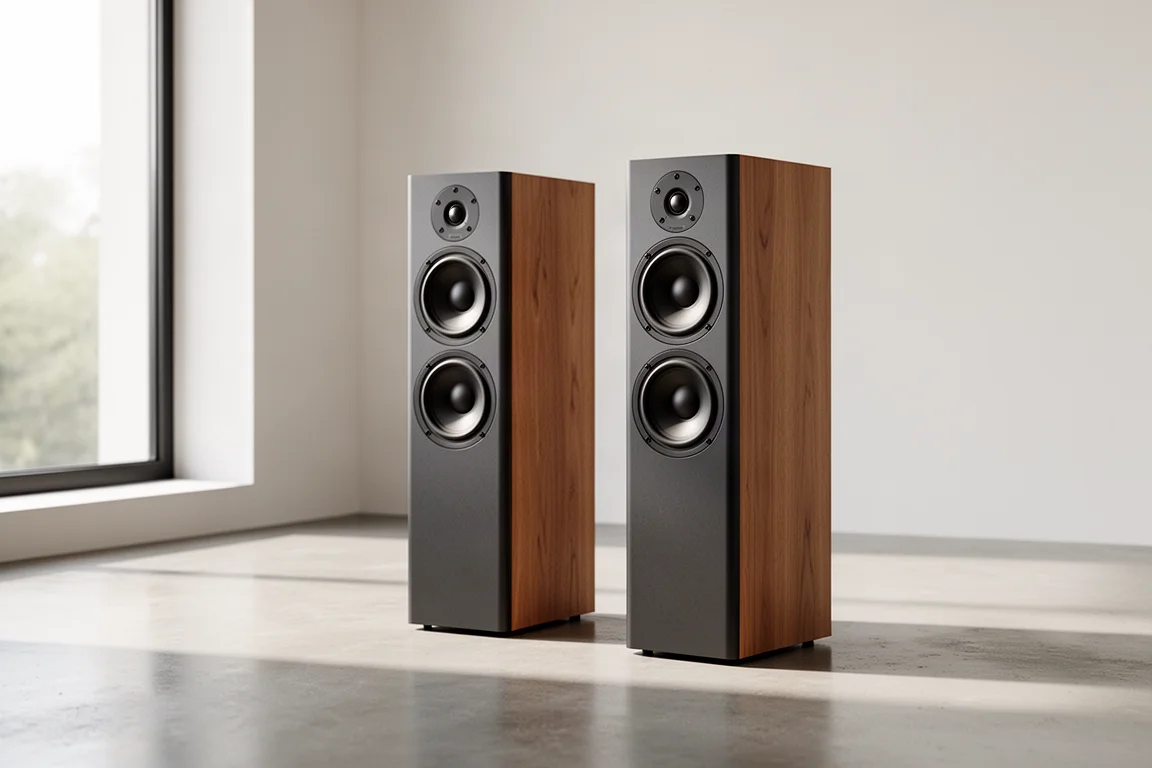
Climbing a brand’s range usually brings clear, predictable gains, and the assumption is that a flagship will always outclass the model beneath it. The KEF Q750 is a good test of that assumption. It is a compact two and a half way tower loudspeaker that carries the brand’s signature driver array, yet it sits well below the company’s most advanced designs. It also retails at close to $1,800 per pair, which places it directly against some serious tower speakers.
What follows is a practical look at what the Q750 does well, where it holds back, and whether it deserves a place in a two-channel system or a home theater build.
Who the KEF Q750 Is For
The Q750 makes the most sense for listeners who want a tower that does not take over the room. It is short for a tower speaker, and with the outrigger feet left off it is actually shorter than many bookshelf speakers sitting on stands. That makes it unusually easy to place in smaller rooms or in spaces where a full-size floorstander would feel intrusive.
It also suits two audiences at once. Two-channel listeners get a speaker with genuine imaging ability and a midrange that sounds more organic than strictly analytical. Home theater builders get a model that pairs with matching centre, surround, and height speakers from the same range, so a complete system can be assembled around it.
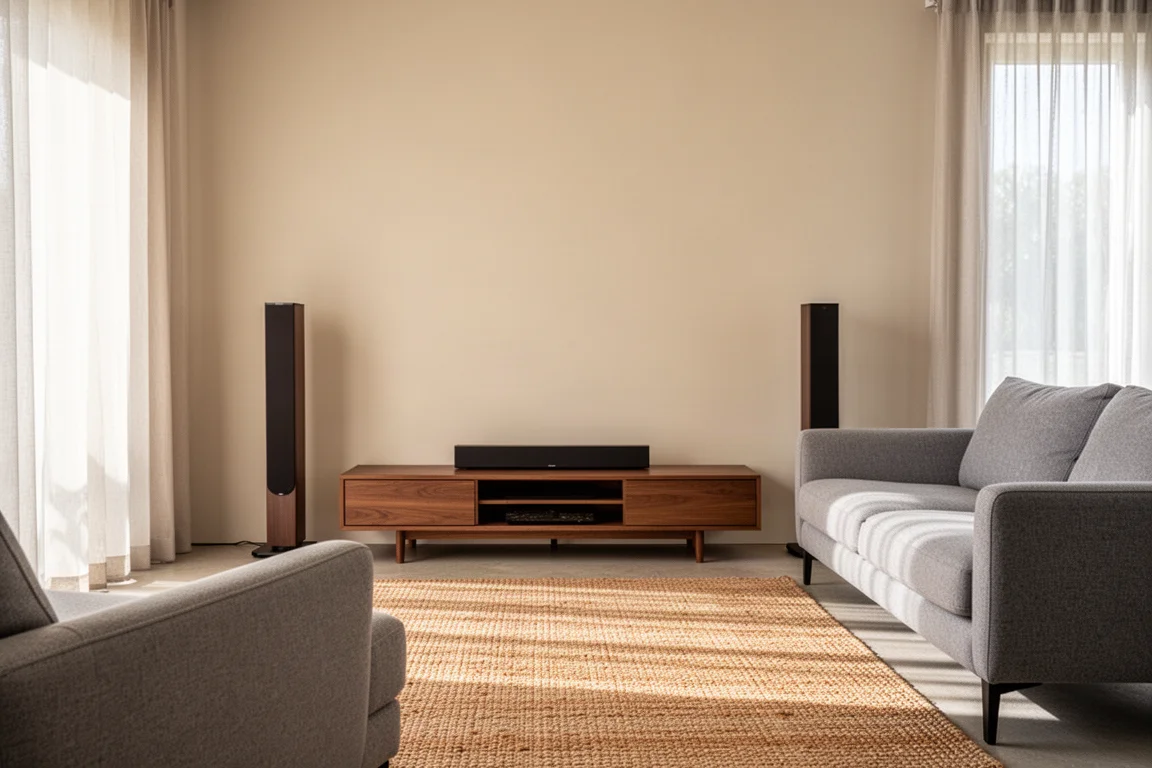
That flexibility is the core of the appeal. The Q750 works as a standalone pair for music, and it scales into a multi-channel setup without changing character along the way.
Design, Drivers, and Build Quality
The Q750 uses the brand’s distinctive driver array, which places a one inch vented aluminium dome tweeter at the acoustic centre of a six and a half inch aluminium woofer. A dedicated aluminium bass driver and two six and a half inch passive radiators complete the complement. The result is a reported frequency response of 48 Hz to 28 kHz.
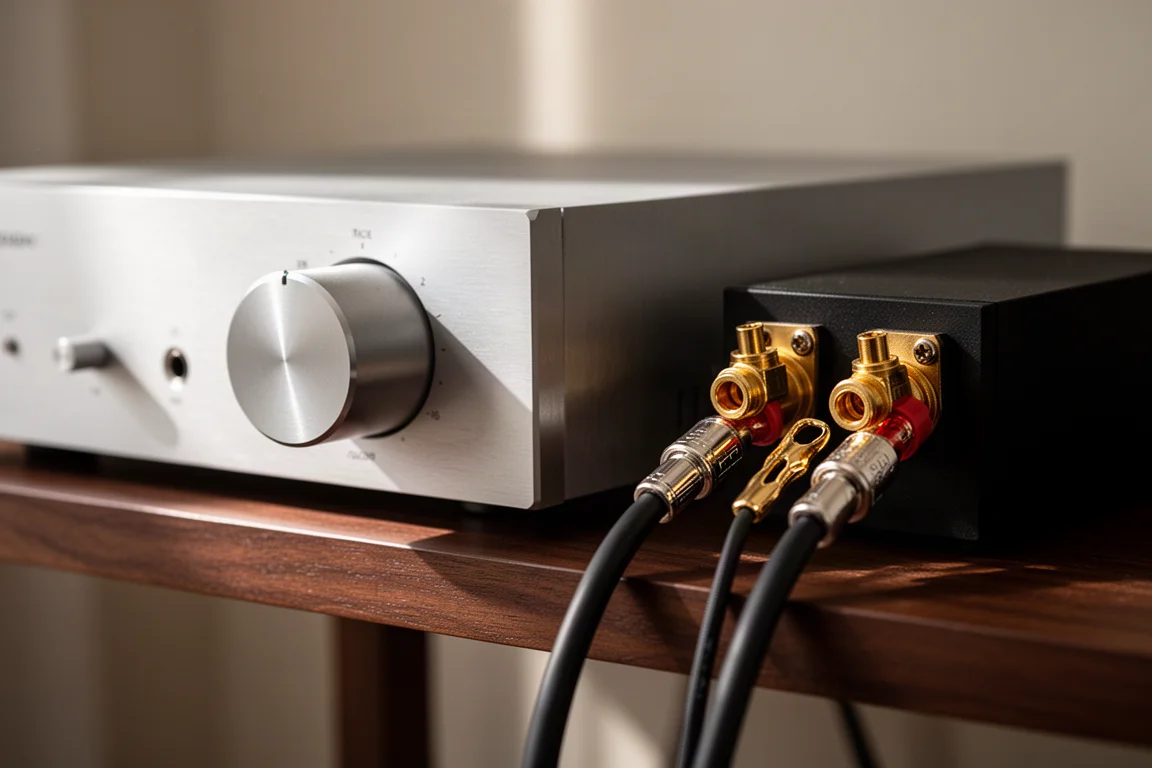
Impedance is rated at 8 ohms, though it can dip to just below 4 ohms, and sensitivity is 88 dB. That combination means the Q750 is not a difficult speaker to drive, but it rewards a solid amplifier. An integrated amp or AV receiver that can handle a 4 ohm load with 50 or more watts on tap is the sensible starting point.
Visually, the Q750 follows the brand’s design language closely, and the exposed drivers give the front baffle some visual interest. The outrigger feet raise the speaker by a few inches and can add stability, which can influence how the speaker behaves in a room. In one installation their benefit proved negligible, and they were left off. Grills are not included and are sold separately for around $50, which is worth factoring into the budget if there are children or pets in the house.
Sound Quality: Bass and Midrange
Bass performance is solid rather than subterranean. The Q750 is comfortable down to the mid-40 Hz region, and a room that naturally reinforces that range can make the speaker sound richer down low than its specifications suggest. For music listening, a subwoofer is not strictly necessary. For films, or for listeners who want true full-range playback, one or two subwoofers will be required.
From roughly 40 Hz up through the midrange, the bass is remarkably articulate. Paired with a capable amplifier, the Q750 surfaces fine details in bass lines that many speakers at this price smooth over or gloss past entirely.
The midrange is where the Q750 develops its personality. It is not the sterile, strictly neutral presentation the brand’s more rigidly built models deliver. There is a little extra body through the middle, and the result sounds more organic and more lifelike with instruments and voices. The underlying timbre stays largely neutral, neither warm nor cool, but the speaker comes across as livelier than its more precise siblings.
Amplifier matching matters here. A 50 watt per channel class A/B integrated proved a strong match, and a more premium integrated produced the best overall result, though that combination moves into high-end territory on price. A well-regarded integrated costing around $600 also paired well, which shows the Q750 does not demand an expensive partner to sound good.
Treble, Detail, and Soundstage
The tweeter is constructed from aluminium, and it sounds more metallic than the brand’s more refined designs. That is not a criticism in itself. High frequencies are detailed and airy, and only at very loud volumes does a touch of sibilance appear. Keep playback below roughly 90 dB and the difference between this tweeter and a more expensive one becomes difficult to hear.
What stands out most is detail and resolution. Among speakers in this class, the Q750 digs out an impressive amount of information without ever turning aggressive or forward. It stays composed when the material gets busy.
Soundstage is the headline strength. The Q750 images exceptionally well and disappears in the room with ease. Width, depth, separation, and centre focus are all strong, and centre imaging in particular has a monitor-like precision, backed by the extra weight and dimension only a tower can provide. Even listeners sitting well off axis reported feeling enveloped by the sound.
Home Theater and Amplifier Matching
In a home theater role, the Q750 integrates cleanly with the rest of the range. Matched with the Q650c centre speaker, the blend between the towers and the centre is seamless. The Q150 or Q350 bookshelf models can serve as surrounds, and two or four Q50a modules can round out a two or four channel Atmos configuration.
A 3.0 or 3.1 arrangement built around the Q750 and the matching centre came across as almost surround-like in the way it wrapped the listening position in sound. A mid-range AV receiver drove the towers comfortably to around 90 dB, though a more powerful receiver is the better choice for genuinely cinematic results.
Dynamically, the Q750 is a little reserved, even polite. It is not an explosive speaker in the way some rival towers are, even at moderate volumes. Turning the volume up, or pairing it with a capable amplifier, unlocks more of its dynamic range and improves macro dynamics at lower listening levels as well.
Subwoofer pairing deserves a mention. A compact sealed subwoofer worked nicely with the Q750, but a subwoofer from the same brand’s cube series is a better physical match for the tower.
How the Q750 Compares
Comparisons in this price bracket are close. A similarly priced tower from Focal is livelier and more forward, with punchier bass and more dynamic range across the board, while soundstage and centre imaging remain very close between the two. A larger and less expensive Klipsch tower plays deeper and hits harder, which in some rooms can remove the need for a separate subwoofer altogether.
Against a comparably priced KLH Model Five, the choice comes down to priorities. For two-channel listening, the Model Five offers a little more low-end weight and a touch more dynamic range. If home theater is part of the plan, the KEF is the more sensible investment.
What sets the Q750 apart is balance. It is not the most dramatic speaker in its class, and it is not the most analytical either. It sits between those two camps, offering refinement with enough character to keep music engaging.
Things to Consider Before Buying
A few details are worth knowing before committing. Grills are an optional extra at around $50, which is a fair complaint for anyone with children or pets. The outrigger feet feel cheap relative to the rest of the speaker and, at close to $1,800 per pair, do not match the sense of quality the cabinet projects.
Bass extension is another consideration. The Q750 does not reach the deepest lows, so a subwoofer is effectively mandatory for film soundtracks and for listeners who want genuine full-range performance.
Finally, dynamics. The Q750 is refined rather than forceful. Listeners who want a punchy, energetic presentation may prefer a different character of speaker, and that is a matter of taste rather than a flaw.
Buying Advice
The Q750 is easiest to recommend to listeners who value imaging, detail, and a midrange with a little life in it, and who are willing to pair it with an amplifier that can drive a 4 ohm load with 50 or more watts. An integrated amplifier or AV receiver in that range is enough to hear what the speaker can do, and there is no need to spend heavily to get a good result.
If a home theater system is the goal, plan the full set at once: the matching centre speaker first, then surrounds, then height modules if Atmos is on the wish list. Add a subwoofer if films make up a large share of listening.
For a two-channel system, the Q750 stands on its own. It offers a level of soundstage performance that is rare at this price, and it delivers it in a cabinet that will not dominate a room.
Conclusion
The KEF Q750 is a compact tower that earns its place through imaging, detail, and a midrange that sounds more human than clinical. It gives up some low-end extension and some dynamic punch compared with the liveliest speakers in its class, and the optional grills and budget-feeling feet are fair criticisms at this price.
Those trade-offs are easy to live with for the right listener. For a two-channel setup or as the foundation of a home theater system, the Q750 offers a balance of refinement and character that is genuinely hard to beat below $2,000.
Product link
View more details for KEF Q750
This product is mentioned in the review. Check the specifications, options, and compatibility before buying.
View more details for KEF Q750Further reading
Related Reviews
Tower Speakers
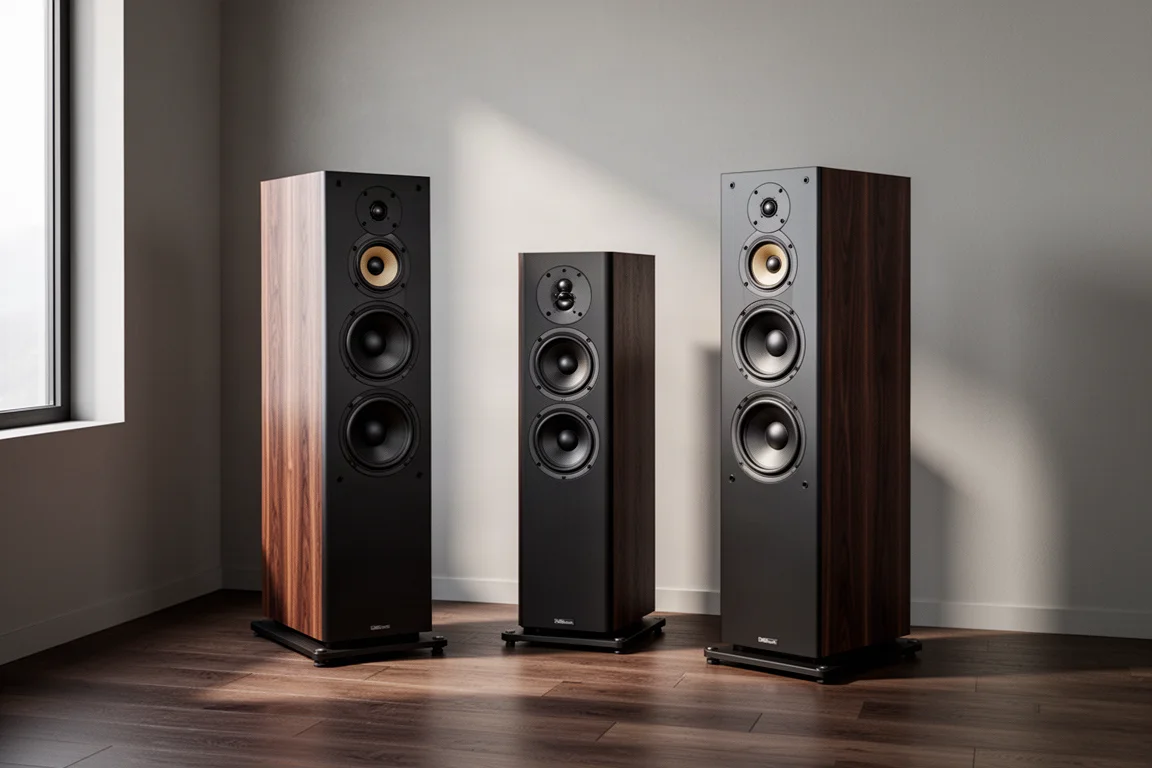
Arendal 1610 Tower 8 vs MoFi SourcePoint 888 vs MoFi V10: Three Tower Speakers Compared
A close look at three large tower speakers in a similar price bracket, from the punchy, heavy-built Arendal 1610 Tower 8 to the coaxial MoFi SourcePoint 888 and the high-output MoFi V10.
Tower Speakers
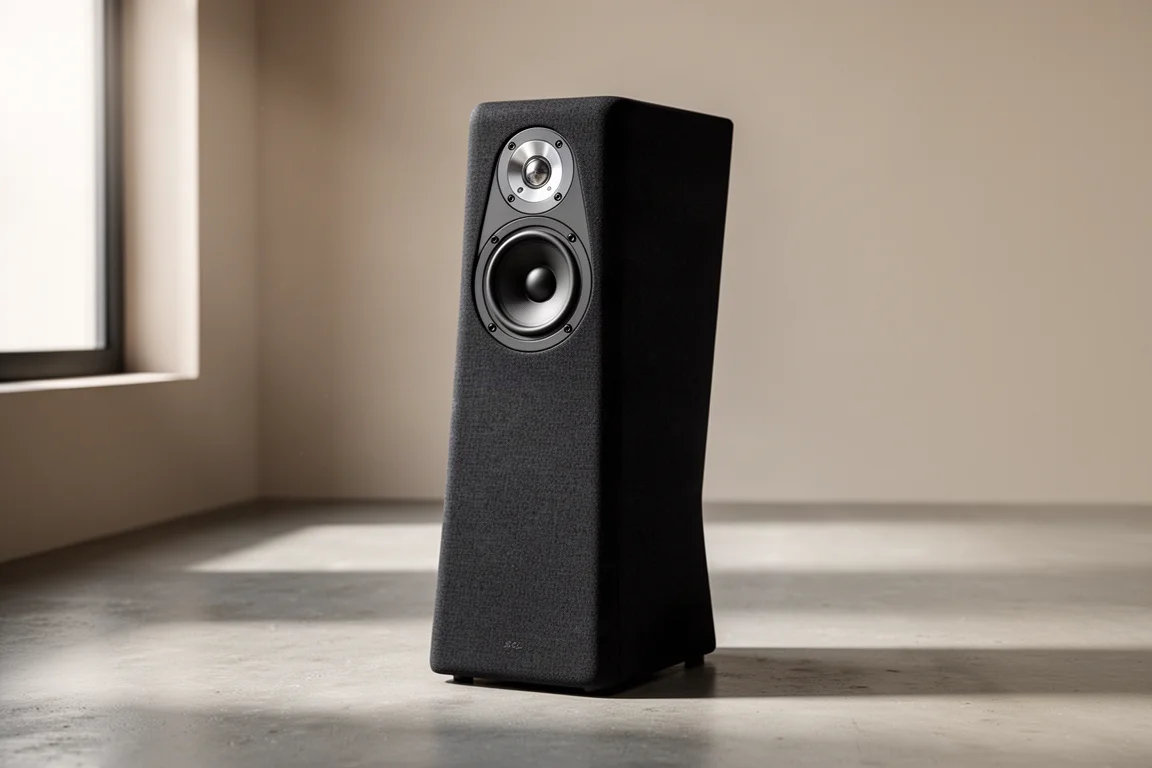
Definitive Technology BP9020 Review: A Powered Tower With Real Bass and a Few Quirks
A slim tower speaker that hides a powered 8-inch subwoofer inside the cabinet, delivering deep bass and a wide stage alongside some clearly defined trade-offs.
Tower Speakers
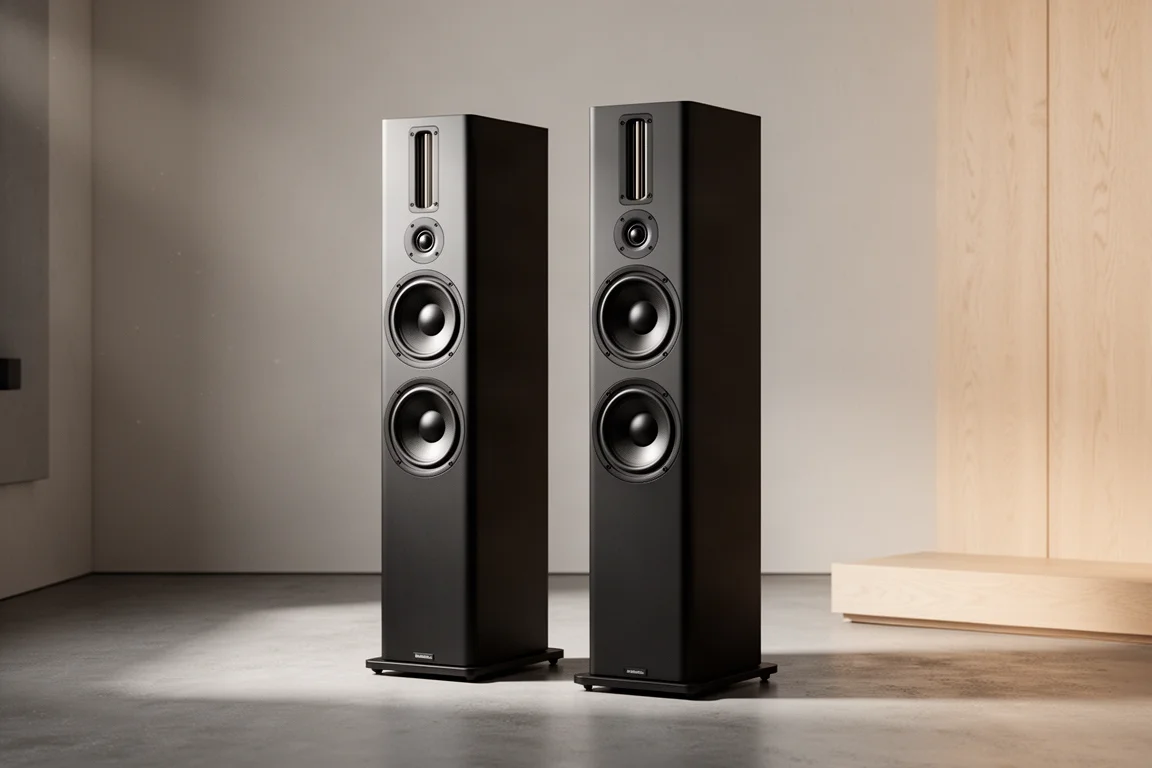
Emotiva XT1 Tower Speakers Review: Serious Clarity Under $1,000
The Emotiva XT1 brings three woofers, a dedicated midrange and an AMT tweeter to the sub-$1,000 tower market. Here is where it delivers and what to weigh first.