Cycling Gear
Kask Protone Icon and Oakley Sutro Lite: Two Premium Cycling Upgrades Worth Knowing
A practical look at the Kask Protone Icon helmet and the Oakley Sutro Lite sunglasses, covering fit, ventilation, lens behaviour, safety considerations and value.
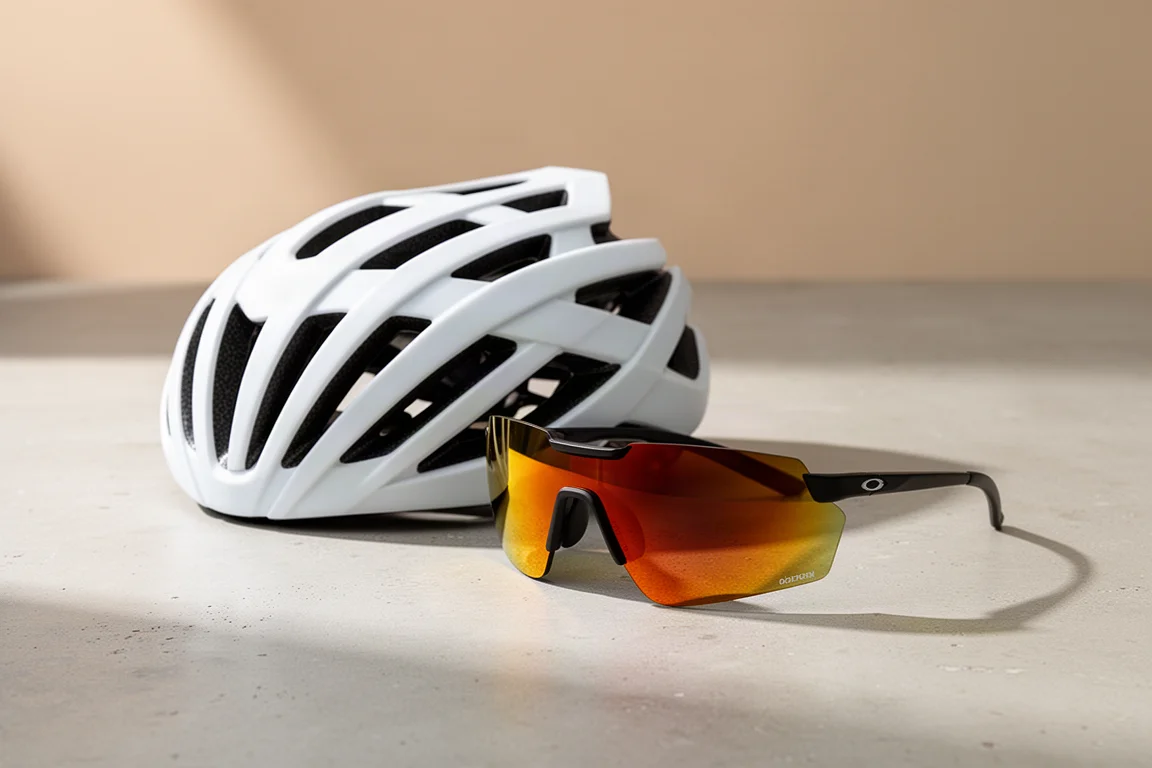
Introduction
Premium cycling gear rarely sells on specification alone. The two products covered here, the Kask Protone Icon helmet and the Oakley Sutro Lite sunglasses, sit near the top of their categories and each solves a specific problem rather than simply adding features.
The Protone Icon is an updated version of a helmet that has been one of the most popular choices in road cycling for years, with changes focused on fit, ergonomics, ventilation and aerodynamics. The Sutro Lite is a wide half-frame design in a special edition colourway and lens tint, built around coverage and an unobstructed view of the road ahead.
Both are expensive, and both are aimed at riders who spend long hours in the saddle and expect their equipment to become invisible rather than distracting. This roundup looks at what each one does well, where the trade-offs sit, and who should consider paying for them.
Kask Protone Icon: Fit, Retention, and Shape
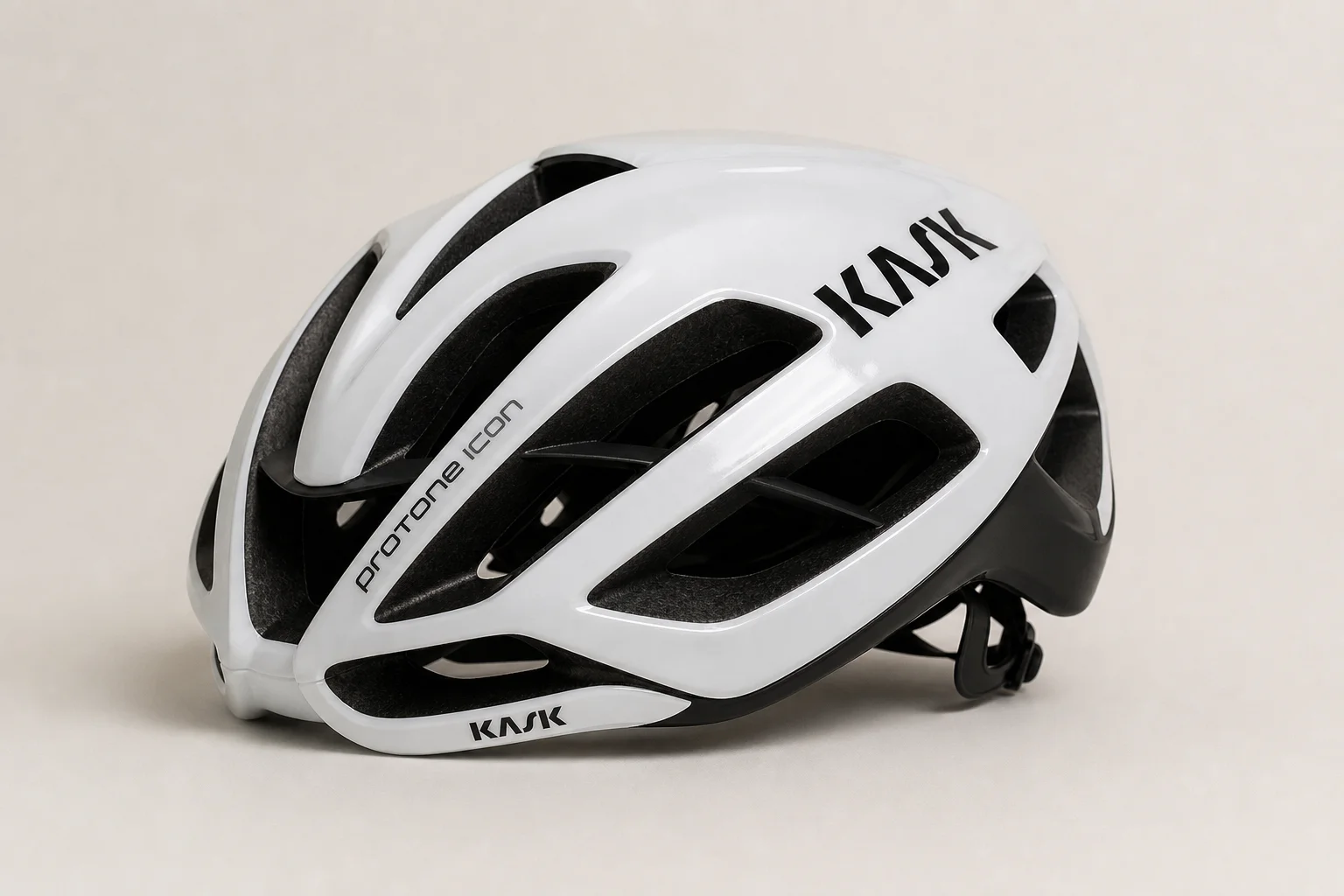
Kask is an Italian helmet manufacturer whose profile in road cycling grew considerably through professional team sponsorship. The original Protone launched back in 2015 and became one of the most widely worn helmets in the sport. The Icon is the new version, and at first glance it looks very similar to the outgoing model, which is no bad thing. The changes are largely internal.
The most noticeable update is the retention cradle, which now offers a wider contact area against the back of the head. The result is a more planted fit that holds position well, including on rougher surfaces where a helmet can start to shift around. A large rotary dial makes adjustment on the move easy, with clear feedback as you tighten it. Three shell sizes are offered here, where many brands provide only two.
The straps use wide webbing similar to the previous generation and behave predictably. The one small blemish concerns the section of strap that crosses beneath the chin, which does not sit completely flush. Everything else about the fit is convincing, and the helmet stays exactly where it should once the dial is set.

It is worth being clear about what this helmet is: a refined, well-rounded road helmet rather than a radical redesign. The shape has aged well, and the fit adjustments make it easier to dial in than the original. Riders who liked the previous Protone will find the same silhouette with fewer compromises.
Oakley Sutro Lite: Wide Lens, Minimal Frame
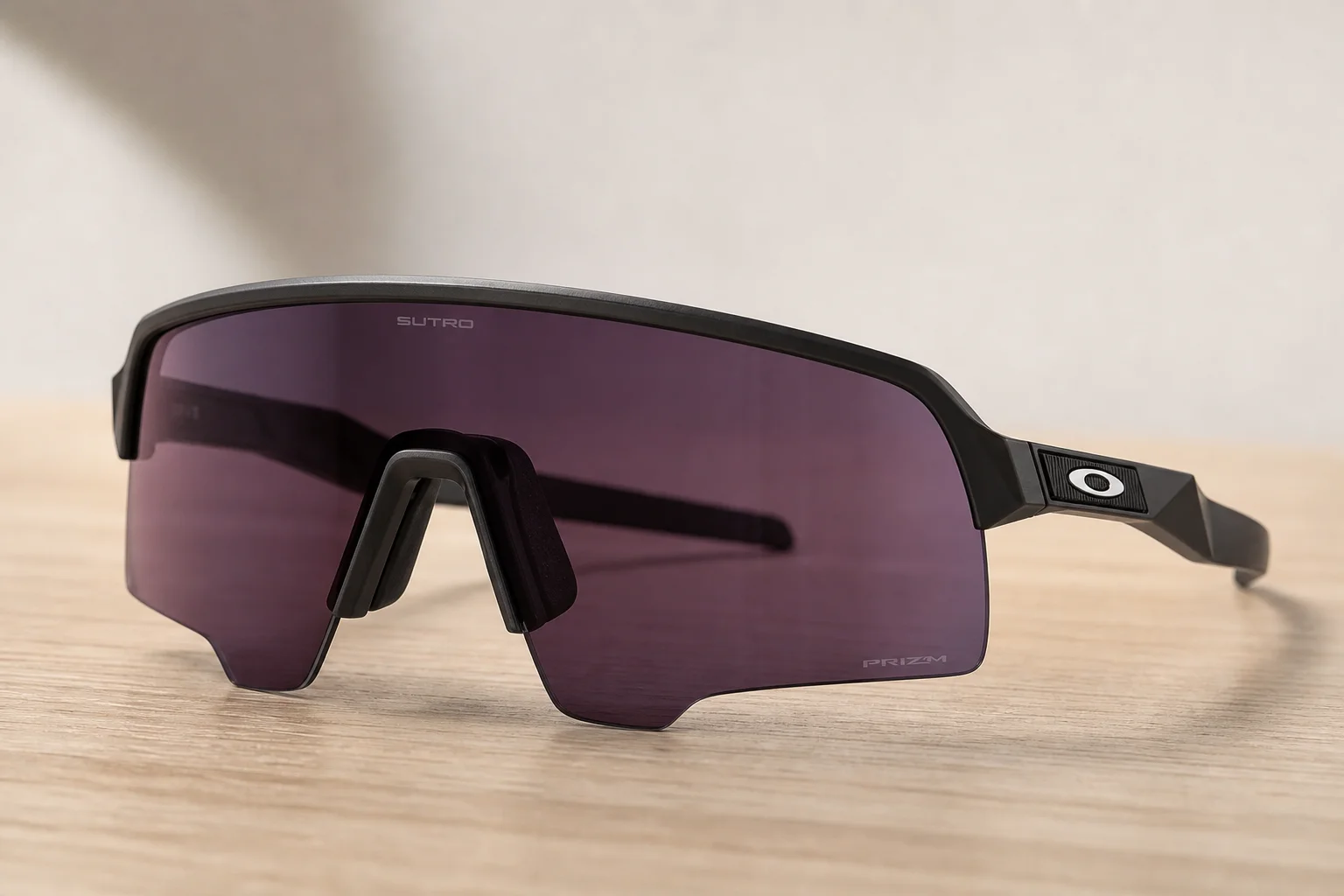
The Sutro Lite is not a new shape, but this version is a special edition with a new colourway and a new lens tint, following the same design worn in top-level racing. It is the half-frame version of the original Sutro, which means there is no frame running along the bottom edge of the lens.
That detail matters more than it sounds. With nothing beneath the lens, nothing interrupts your view when you look ahead and down the road. Raising the top of the frame above the nose bridge also opens up more vertical vision, which is a real advantage in a low, head-down position. On narrower, older-style designs the top of the frame sits much closer to the nose and creeps into your field of view when you are in the drops.
Fit is first class. The sunglasses are very light, with just enough pressure at the temples to hold them securely without causing soreness over a long ride. There is no interference with the retention systems of a range of helmet brands, and after a short while you stop noticing you are wearing them at all. Some eyewear makes itself known through pressure on the nose or around the ears; this pair simply disappears.
The lens is where Oakley has built its reputation. The Prizm Road tint delivers strong, useful contrast across changeable light and performs particularly well in bright, sunny conditions. It is less suited to flat overcast days or shaded woodland, where the tint becomes a compromise. Riders who spend most of their time in low light should factor that in.
Ventilation, Weight, and Long-Ride Comfort
Ventilation is the area where the Protone Icon has changed most, even though the outside looks familiar. Material has been removed from the inside of the shell to create noticeably larger internal channels, so air entering the big external vents is guided across the top of the head and out through the rear exhausts.
In genuinely hot weather the result is impressive. This ranks among the best-ventilated helmets around, though it is not quite the most airy design available, and it does not match the very lightest helmets in the category either. At roughly 230 g it is comfortably light without being record-breaking, and it never feels heavy on the head.
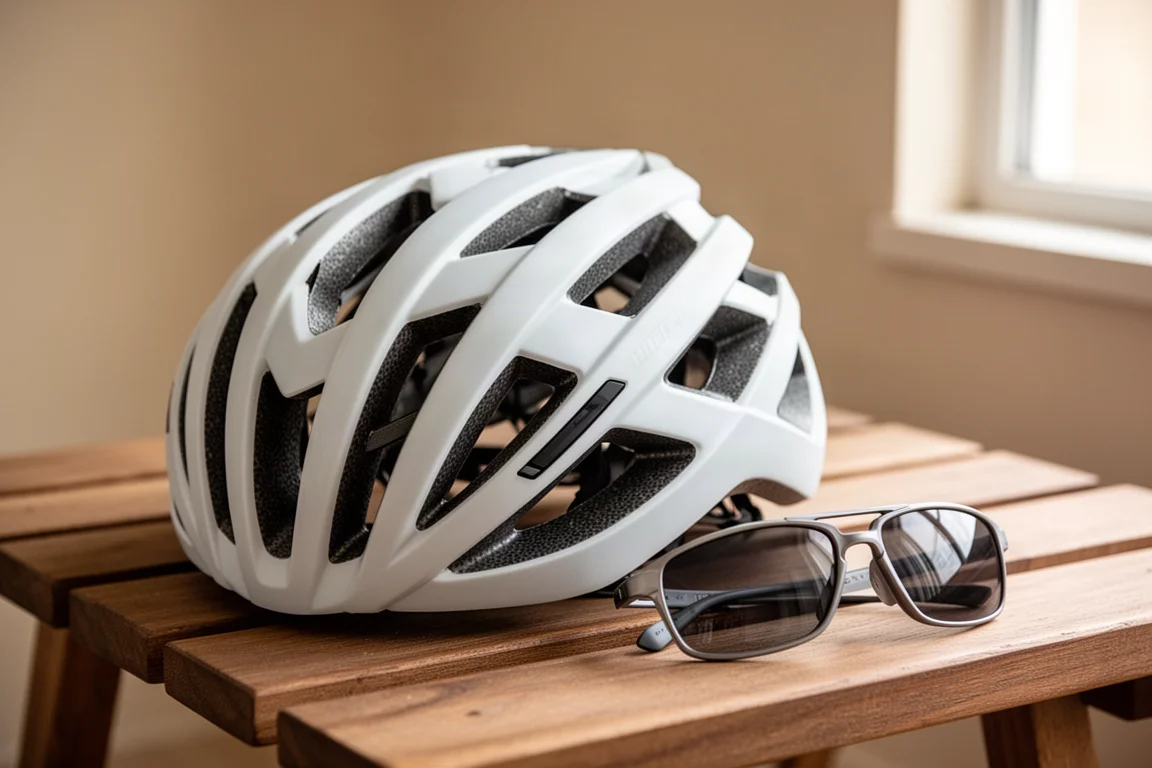
A generous sweat pad across the forehead deserves its own mention. It does a genuine job of absorbing moisture and stopping sweat from running down into your eyes, which remains a common complaint with other designs. Combined with the airflow through the shell, that makes the helmet comfortable on long, hot rides rather than merely adequate.
Safety and Rotational Protection
The most significant gap in the Protone Icon is the absence of MIPS or any recognisable rotational slip-liner system. Rotational-force management has become a mainstream expectation in recent years, and many competitors either license MIPS or use their own in-house equivalent.
The manufacturer states that the helmet performs very well in its own rotational-force testing. What is missing is independent benchmark data for this model or its predecessor, so there is no straightforward way to compare it against helmets with a rotational liner. For riders who treat a rotational system as a non-negotiable requirement, that is a reason to look elsewhere. For riders who are comfortable relying on the manufacturer’s own testing, it is unlikely to be a dealbreaker. Either position is reasonable, but it is worth deciding deliberately rather than assuming.
Value and Pricing Considerations
The Protone Icon is priced at £245, which places it firmly in premium helmet territory. Historically, helmets in this bracket are discounted over their lifespan, so riders who are not in a hurry may find better value by waiting. What you get for the money is a well-ventilated, low-weight helmet with a strong retention system, three size options and a shape that looks sharp in white or any of the other available colours.
The Sutro Lite sits at £175, which is expensive for a pair of cycling sunglasses. Oakley invests heavily in marketing and professional sponsorship, and the sheer number of riders wearing the brand suggests that plenty of people are willing to pay for it. The lens quality and the fit are the reasons that decision holds up.
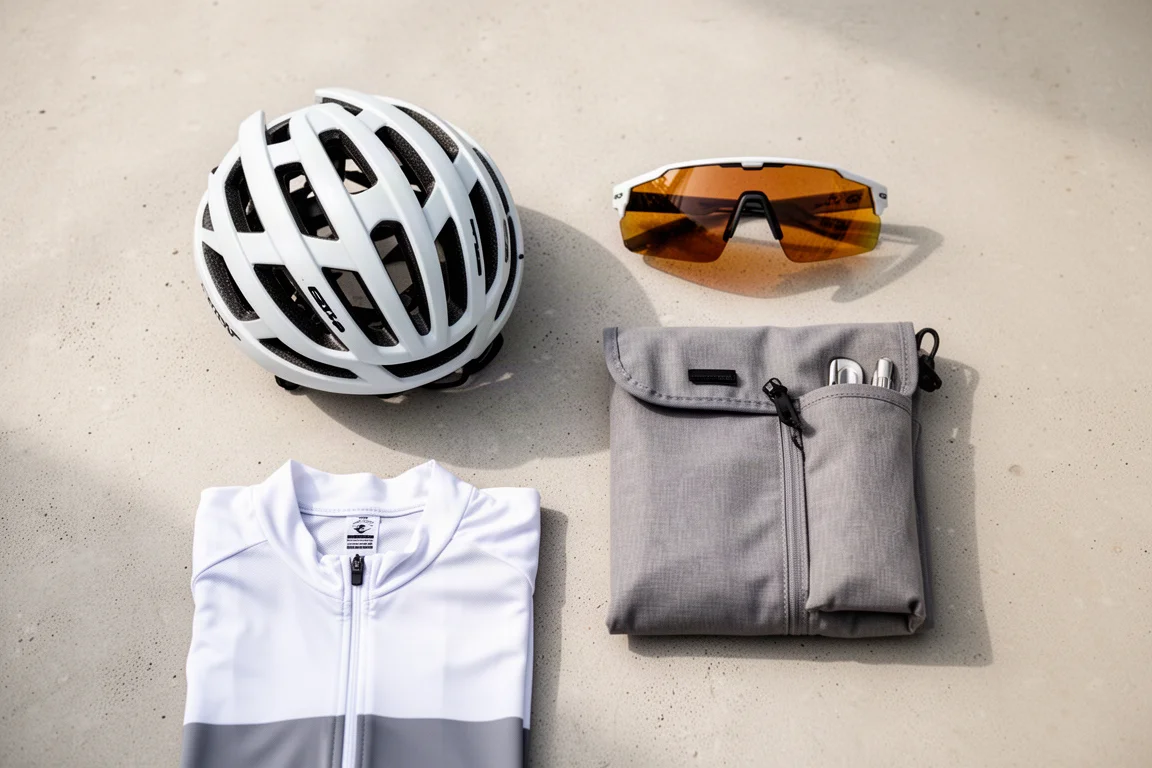
Judged purely on cost, neither product is a bargain. Judged on how often you would use them and how much the small details matter over long rides, both make a case for themselves. The helmet is a daily-use item for most riders; the eyewear is the same. That usage pattern is what makes premium pricing easier to justify.
How the Helmet and Eyewear Pair Together
Compatibility is often overlooked when buying gear separately. The Sutro Lite does not interfere with the retention systems used by a range of helmet brands, and there are no pressure points where the arms meet the shell or where the cradle meets the temples.
That matters because a helmet and sunglasses are used together almost every time you ride. A poorly matched pair can create pressure on the temples, push the eyewear out of position, or force you to compromise the retention adjustment. This combination avoids all of that, so buying both together does not create an adjustment headache.
Buying Advice
Choose the Kask Protone Icon if you want a helmet that gets the fundamentals right: three sizes to choose from, a wide and stable retention cradle, generous ventilation, low weight and a clean look. Choose something with a rotational liner instead if that technology is a firm requirement for you.
Choose the Oakley Sutro Lite if you ride in bright, changeable conditions and want maximum coverage with nothing in your line of sight. Think twice if most of your riding happens in flat light or deep shade, where the lens tint gives up some of its advantage.
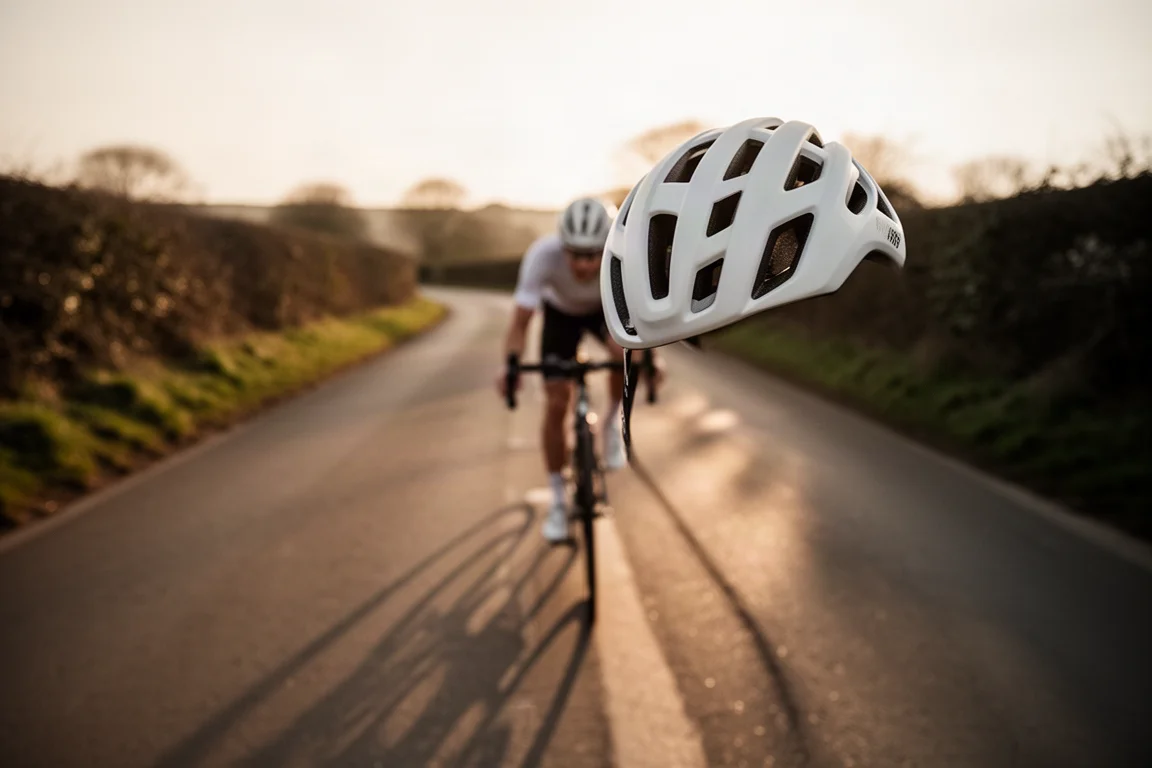
If both appeal, there is no reason to separate them. The helmet and the eyewear work together cleanly, cover the same range of riding, and target the same rider: someone logging long distances who would rather not think about their equipment once they are moving. Buy the one that solves your most immediate problem first, and add the other when the budget allows.
Conclusion
The Kask Protone Icon and the Oakley Sutro Lite are both premium products with clear, defensible reasons for their price. The helmet delivers improved fit, strong ventilation and low weight, with the absence of a rotational liner as the main question mark. The sunglasses deliver wide coverage, an unobstructed view and a lens that shines in bright, changeable light.
Neither is the cheapest way to solve the problem. Both are the kind of gear that fades into the background on a long ride, and that is usually what makes premium cycling equipment worth the money in the end.
Further reading
Related Reviews
Cycling Gear
8 Cycling Products Riders Keep Coming Back To
Eight cycling components and accessories with clear strengths, honest trade-offs and long-standing reputations among riders and mechanics.
Cycling Gear
Aero Helmets and Bottle Setups Tested: Six Options Ranked by Measured Watt Savings
Wind tunnel data on six aero helmets and bottle setups, with real watt savings, practical trade-offs, and guidance on what is worth buying first.
Cycling Gear
Aero Road Bikes and Fast Tires Worth Watching in 2026
Four aero road bikes and one fast road tire, with the real strengths, the open questions, and what to check before you buy.