Ski Boots
K2 Mindbender 130 Review: A Stiff Freeride Boot That Still Walks
A close look at the K2 Mindbender 130, a 98mm-last freeride boot that pairs a stiff 130 flex shell with tech fittings, GripWalk pads, and a walk mode.
Introduction
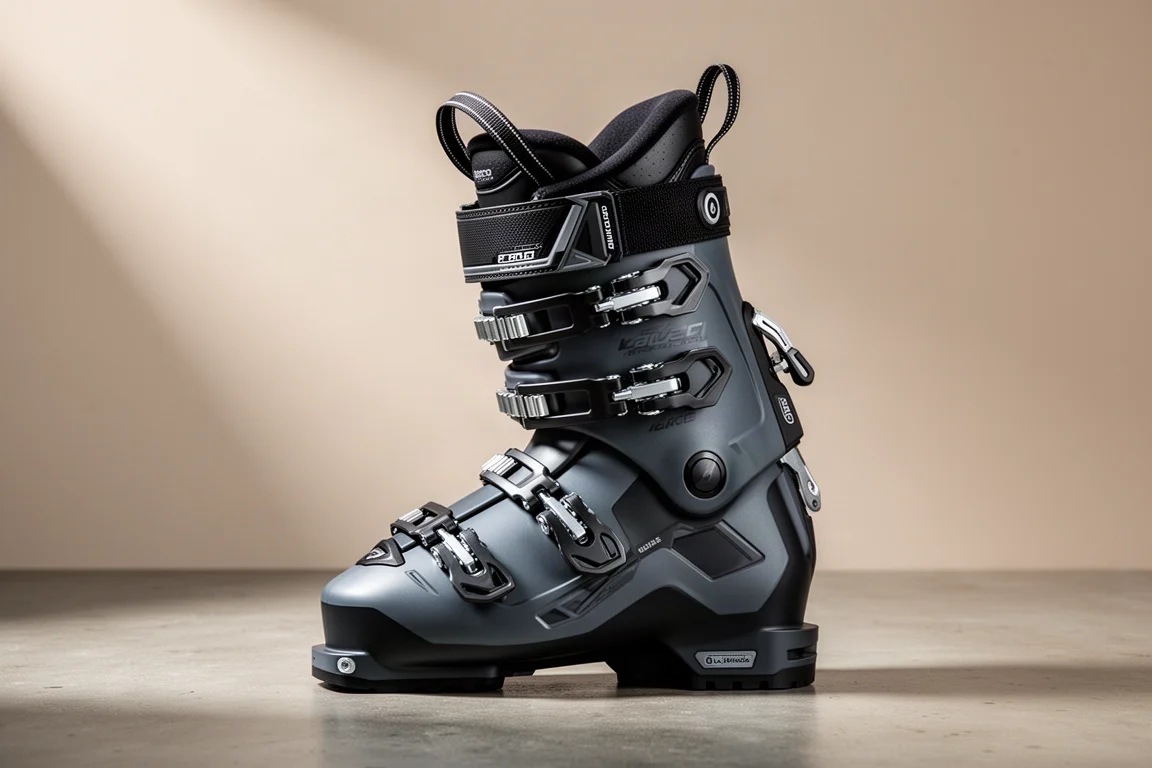
The K2 Mindbender 130 sits at the top of K2’s freeride boot range, and it follows directly on the Mindbender ski line. It is a stiff, high-performance alpine boot that also carries tech fittings and a walk mode, which is the combination that has become increasingly common in premium freeride boots. The idea is straightforward: one boot that can drive a wide ski on the descent and still let you skin uphill without swapping shells.
That versatility is the whole pitch here, and the boot backs it up with a low-volume 98mm last, a 130 flex, and hardware borrowed from K2’s alpine line. This review walks through what the Mindbender 130 does well, where it asks for a compromise, and who should consider it.
Who This Boot Is For
The Mindbender 130 is built around a 98mm last with a low instep and an overall low-volume fit. In practice that means a snug, high-precision hold on the foot, which suits skiers with narrower or lower-volume feet and anyone who wants direct energy transfer rather than a roomy, cushioned feel.
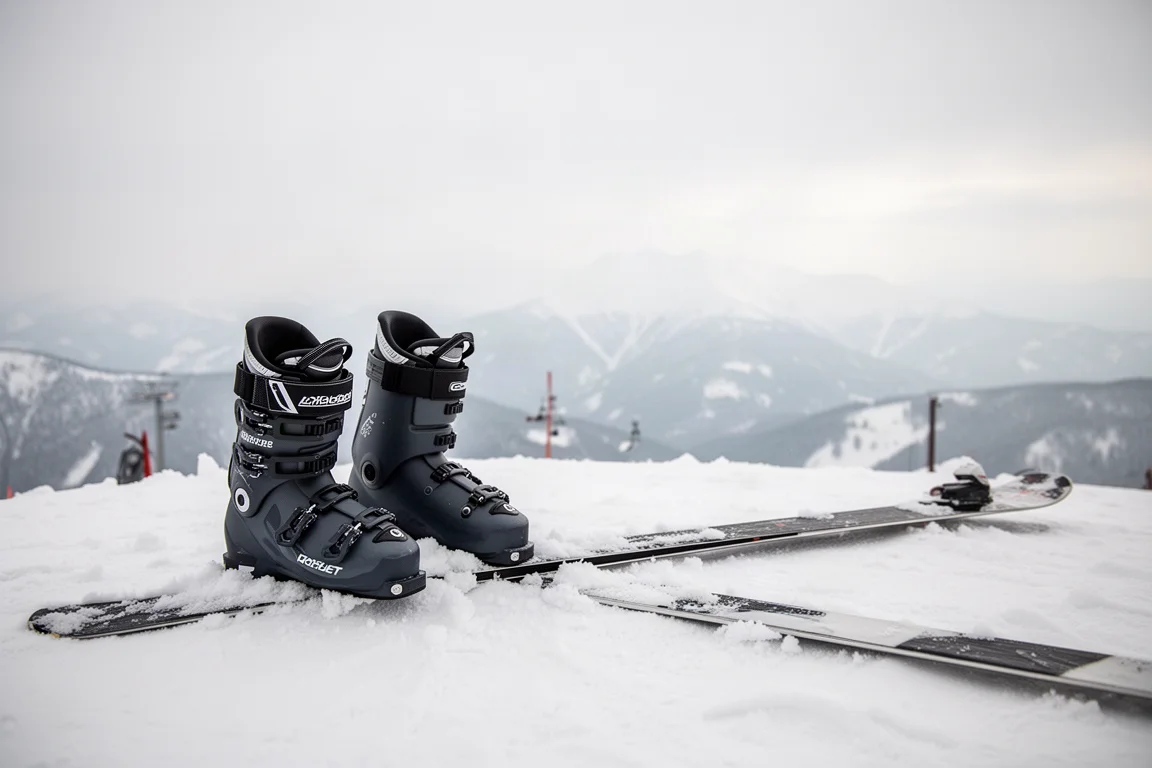
It is also aimed at the skier who wants a single boot for both resort days and uphill access. Because the shell accepts tech inserts and has a walk mode, it can be paired with a lightweight tech binding or with an alpine binding that is GripWalk compatible. That range is unusual in a boot with this much stiffness, and it is the main reason to look at this model rather than a dedicated alpine shell or a featherweight touring boot.
Fit, Flex, and Shell Construction
The 130 flex rating puts this firmly in expert territory. The plastic is stiff, and the boot is designed to reward a strong, forward-driving stance. Combined with the 98mm last, the fit is precise rather than forgiving, so it is worth being honest about your foot shape before committing.
K2’s power lock spine runs up the rear of the boot and connects the lower shell to the upper cuff. That rearward spine adds lateral stiffness, which lets energy move from the shell to the edge of the ski and into the snow more quickly. It is the same spine technology used on K2’s Recon boots, and it is what keeps the boot feeling planted when you push it hard.
Main Strengths
The first strength is downhill performance. A stiff 130 flex shell paired with the power lock spine gives the Mindbender 130 a very direct feel underfoot, and that is exactly what a skier choosing a 130 flex is usually looking for.
The second is versatility. Four micro-adjustable alpine-style buckles and a ratchet-style locking power strap hold the foot securely. The power strap pulls tight like a ratchet rather than relying on a hook-and-loop closure, which is now close to standard on boots in this flex range and makes it easier to dial in consistent tension.
The third is that the walk mode does not appear to cost much in the way of flex. K2 has become notably good at these mechanisms, and the result is a boot that gives up very little performance when a walk mode is added. For a skier who wants one pair of boots to cover more ground, that matters more than a small weight penalty.
Walk Mode and Binding Compatibility
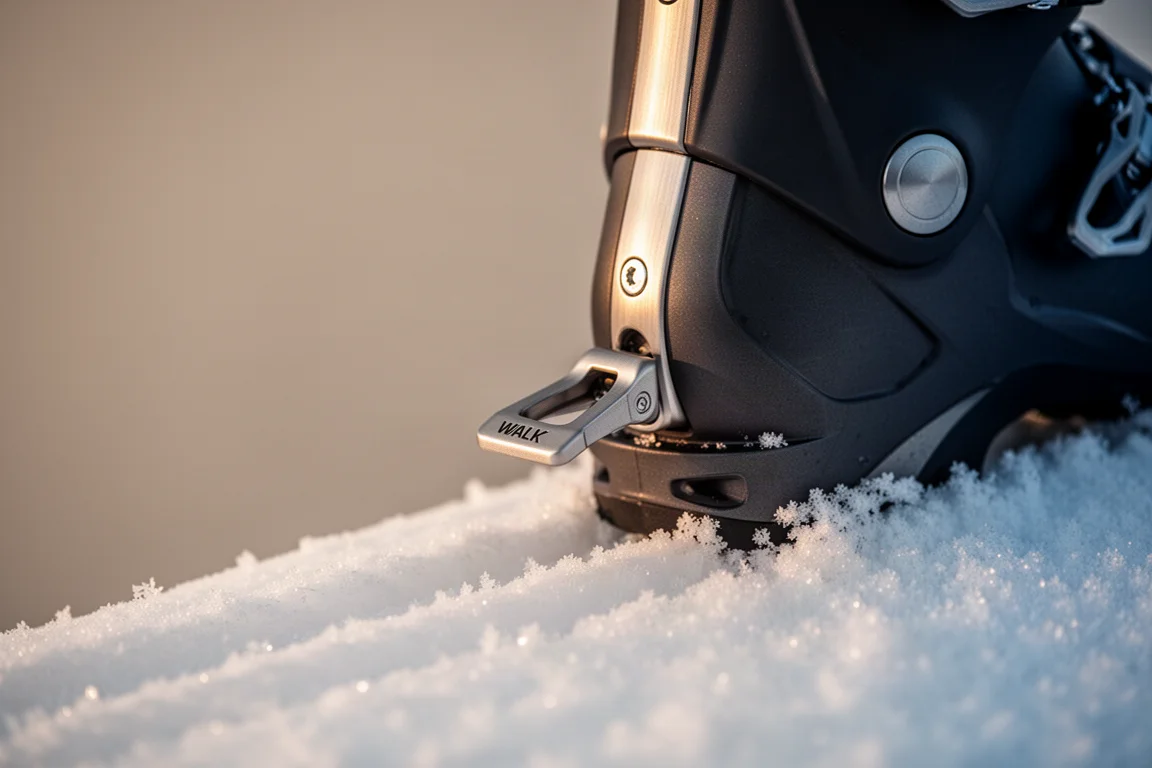
The walk mode lever sits on the rear spine. Push it up for walk, and it locks down for ski. Because the walk mechanism is built into a shell that also carries Dynafit tech inserts, the boot can be used with lightweight tech bindings for uphill travel.
GripWalk pads are fitted in the toe and heel, which means the boot also works with alpine bindings that are GripWalk compatible. That is the real flexibility story here: you are not locked into one binding standard.
It is worth noting that the Mindbender 130 is not the lightest boot available. That is a deliberate trade. The skier this boot is built for wants the extra heft for the descent, and the walk mode exists to make the uphill portion manageable rather than to turn the boot into a dedicated touring shell.
Things to Consider Before Buying
The most important consideration is fit. A 98mm last with a low instep and low overall volume is not going to suit a wide or high-volume foot, and no amount of heat molding will change the shell’s fundamental shape. If you know you need a wider last, this is the wrong starting point.
The second consideration is weight. If your priority is long, fast ascents with minimal weight on your feet, a lighter touring-specific boot will be the better tool. The Mindbender 130 is a downhill-first boot that happens to walk, not a touring boot that happens to ski.
The third is flex. A 130 flex is a lot of boot. Lighter or less aggressive skiers may find it unforgiving, and a softer flex in the same family would likely be more enjoyable.
Liner, Fit Adjustments, and Customization
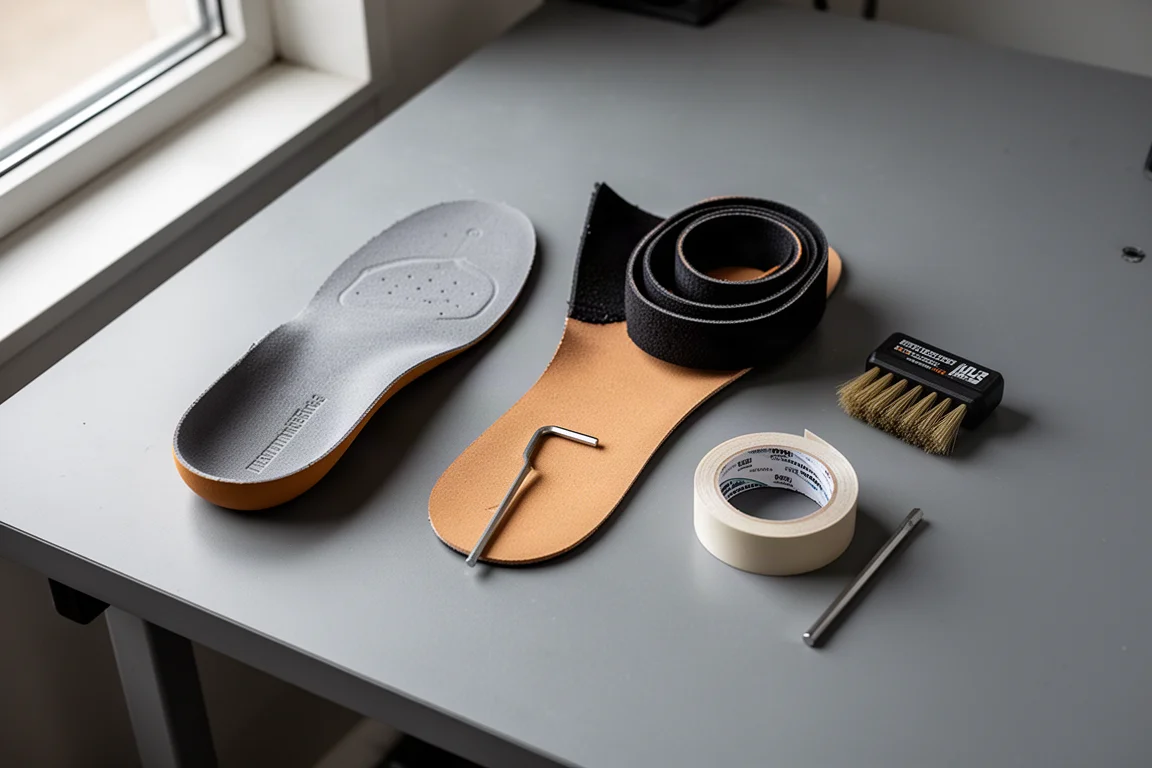
The liner is heat moldable, with ankle-area pockets and moldable foam through the lower section, so a bootfitter can work with it to address specific pressure points and refine the hold around the ankle and heel.
Lace eyelets are included, which lets you lace the liner up for uphill efficiency. Lacing the liner keeps the shell closer to the foot during the climb, and the liner has a ridged area built in to articulate when you are walking uphill. It is a hybrid alpine and touring liner, and the difference in range of motion becomes obvious when the liner is removed and you can see how far the shell moves back and forth.
Buying Advice
Buy the Mindbender 130 if you want one boot that covers stiff, confident downhill skiing and occasional or regular uphill travel, and if your foot matches a low-volume 98mm last. The combination of the power lock spine, the walk mode, tech inserts, and GripWalk compatibility makes it a genuinely well-rounded choice rather than a compromise in every direction.

Be realistic about the two trade-offs. Weight is the price of the stiff shell, and the low-volume fit is the price of the precision. If both of those sound acceptable, this is a boot that should serve a freeride skier across a wide range of days, from groomed laps to short tours.
Conclusion
The K2 Mindbender 130 takes a stiff, precise freeride shell and adds the hardware that makes it far more flexible to own: a walk mode, tech inserts, and GripWalk pads. It is not the lightest option and it will not suit every foot, but for skiers who want strong downhill performance without giving up the ability to head uphill, it is a well-considered package.
Product link
View more details for K2 Mindbender 130
This product is mentioned in the review. Check the specifications, options, and compatibility before buying.
View more details for K2 Mindbender 130Further reading
Related Reviews
Ski Boots
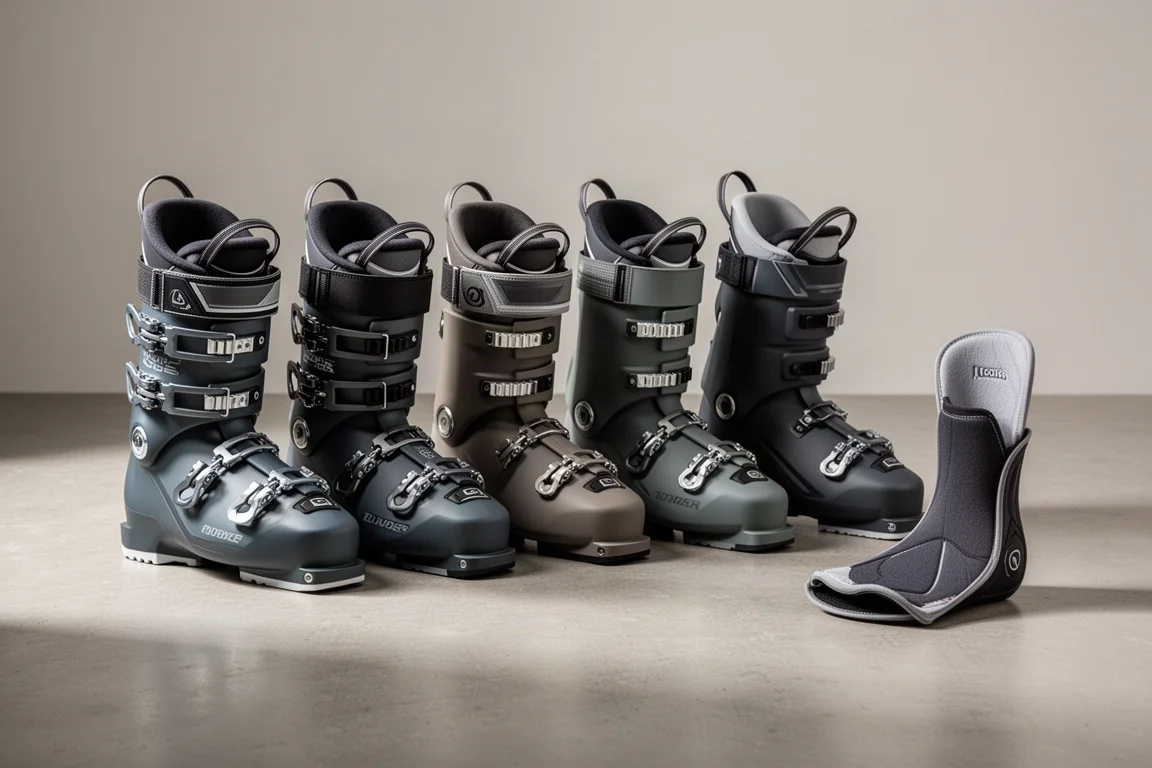
2027 Ski Boot Roundup: Six 130-Flex Boots Worth Knowing
Six 130-flex ski boots for 2027, plus a low-volume liner upgrade, compared on weight, fit, flex feel, and ease of use.
Ski Boots
Armada AR One Ski Boot Review: A Three-Piece Cabrio That Finally Gets It Right
Armada's first ski boot blends three-piece Cabrio design with Atomic engineering, a heat-moldable shell, and a 100mm last that fits better than any Cabrio before it.
Ski Boots
Armada AR1 Ski Boot Review: A Cabrio and Overlap Hybrid for Park and Freeride Skiers
Armada's first ski boot pairs a three-piece cabrio shell with overlap-style buckles and a cable-driven slingshot buckle. Here is where it shines, and what to weigh before buying.