Freeride Skis
K2 Mindbender 106C W Review: An Agile Freeride Ski for Soft Snow and Trees
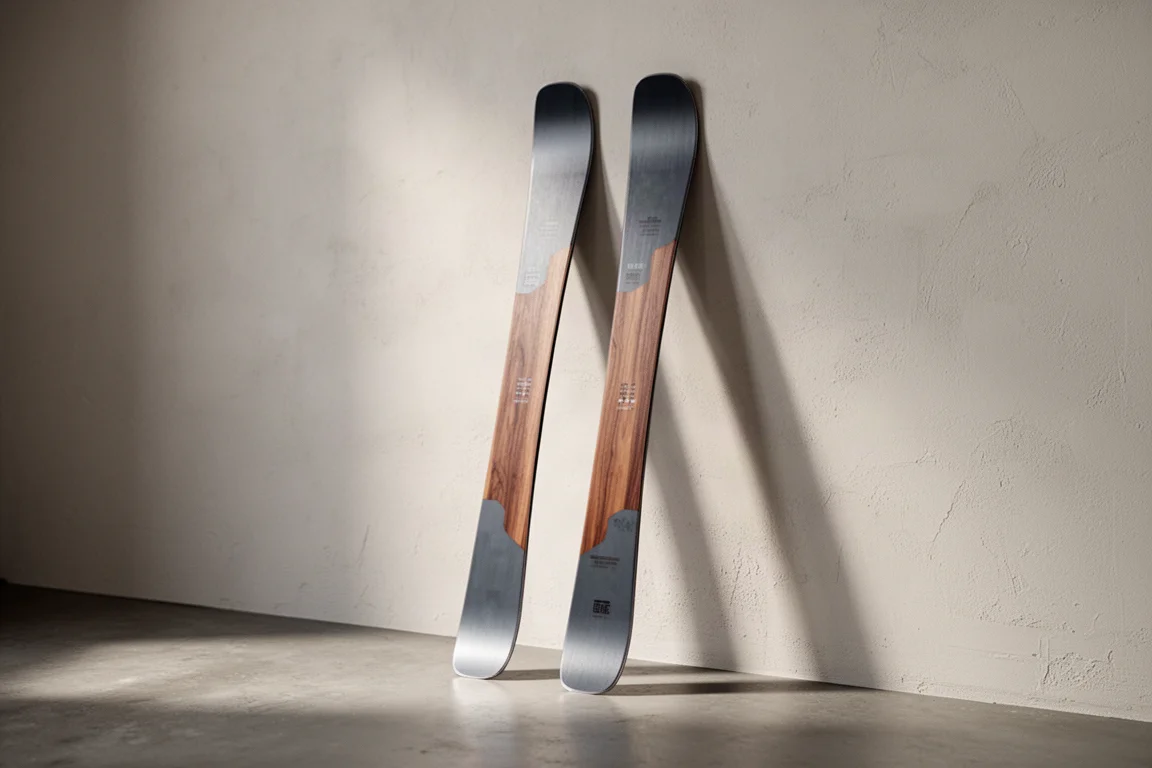
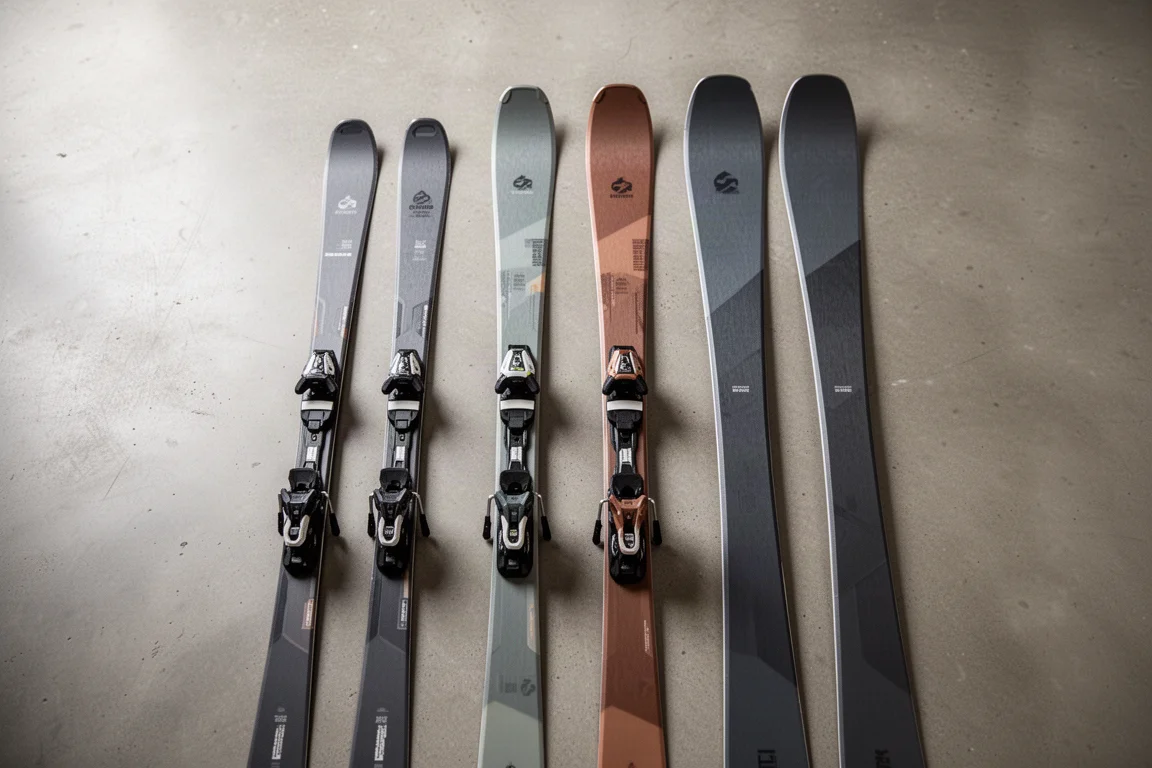
The K2 Mindbender 106C W pairs a lightweight aspen core with a carbon braid layup to create a 106 mm freeride ski that turns easily, stays playful, and shines in trees and soft snow.
Introduction
A 106 mm waist is usually the point where a ski starts asking for more input from the rider. The K2 Mindbender 106C W goes the other way. It is a soft snow focused freeride ski that stays remarkably easy to steer, which makes it a genuinely approachable option for skiers moving into wider, more directional shapes for the first time.
The numbers suggest a big ski. It measures 137 mm at the tip and 106 mm underfoot. The way the materials are arranged, however, is what keeps it feeling agile rather than demanding.
Who This Ski Is For
The 106C W suits skiers who are adding adventure and soft snow terrain to their repertoire and want their first more directional freeride ski. It is easy to initiate turns on, easy to steer, and forgiving enough that the ski does not punish a rider who is still learning how a wider platform behaves.
It also fits a specific slot in a larger quiver. For someone who skis almost exclusively in trees or in softer snow, this could reasonably serve as a daily driver. For most other skiers, it makes more sense as the wider option in the collection, the ski that comes out when the snow turns deep or the terrain gets tight.
Main Strengths
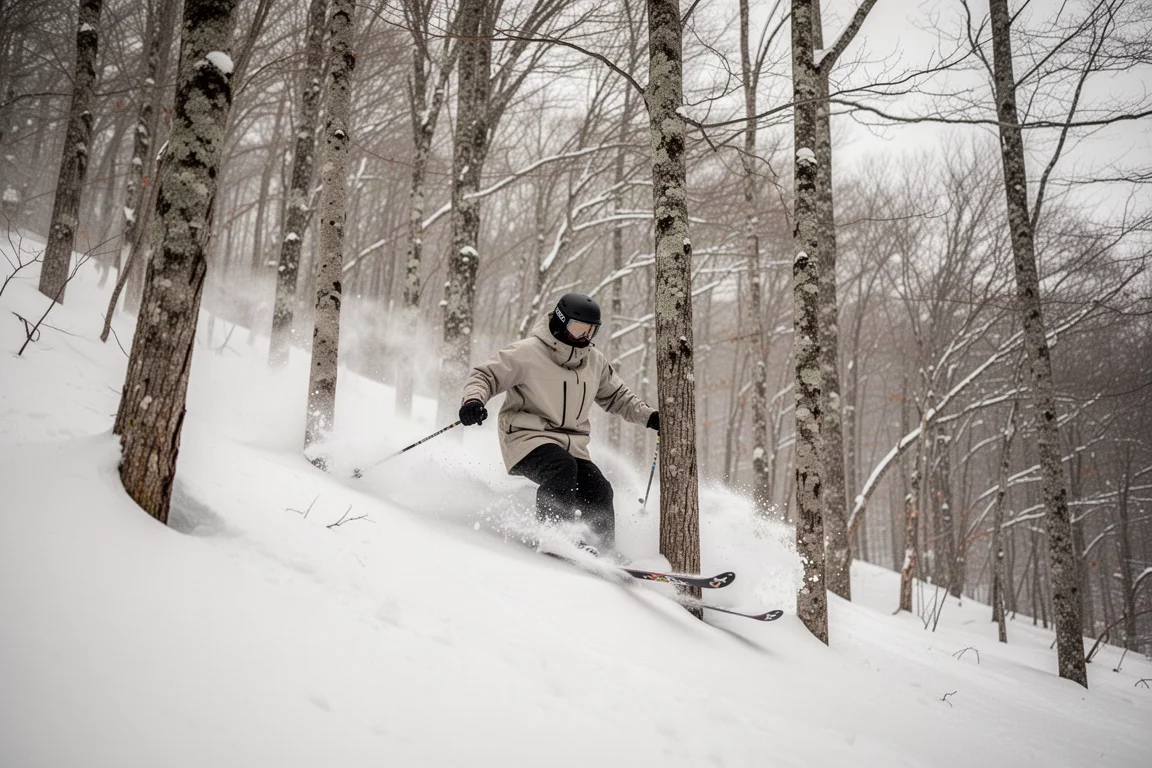
The headline strength is turning capability. The ski is agile and responsive, and it rewards a rider with smooth, confident turns rather than requiring force. Turn initiation is easy, and the ski finishes a turn with energy rather than feeling vague or lifeless.
That combination of easy entry and a lively finish is what makes the 106C W feel fun across a wide range of soft snow conditions. It is not a ski that asks you to earn every turn. It steers where you point it and stays predictable while doing so.
Construction and Flex Profile
K2 builds this ski around an aspen micro block wood core, made from thin stringers of aspen. Aspen appears across much of the brand’s range, and it matches the personality here: lightweight, energetic, and quick to deliver energy back at the end of a turn while keeping the start of the turn easy.
The more distinctive part of the build is the carbon spectral braid. Cross-hatched carbon stringers run from tip to tail, and their orientation changes along the length of the ski. In the tip and forebody they sit more horizontally, which contributes to the easy turning and the high level of responsiveness. Toward the tail the stringers become progressively longer and more directional, which stiffens the longitudinal flex.
That produces a deliberate flex pattern: noticeably softer in the shovel, a little stiffer at the very tail. The soft shovel helps you initiate the turn, and the firmer tail gives the ski an energetic, poppy finish.
Rocker Profile and Snow Feel
The profile is built for soft snow rather than hardpack. There is positive camber underfoot, but not a great deal of it. The ski sits on the flatter side, which supports drifty, smear-style skiing and makes it easy to break the tail loose when you want to.
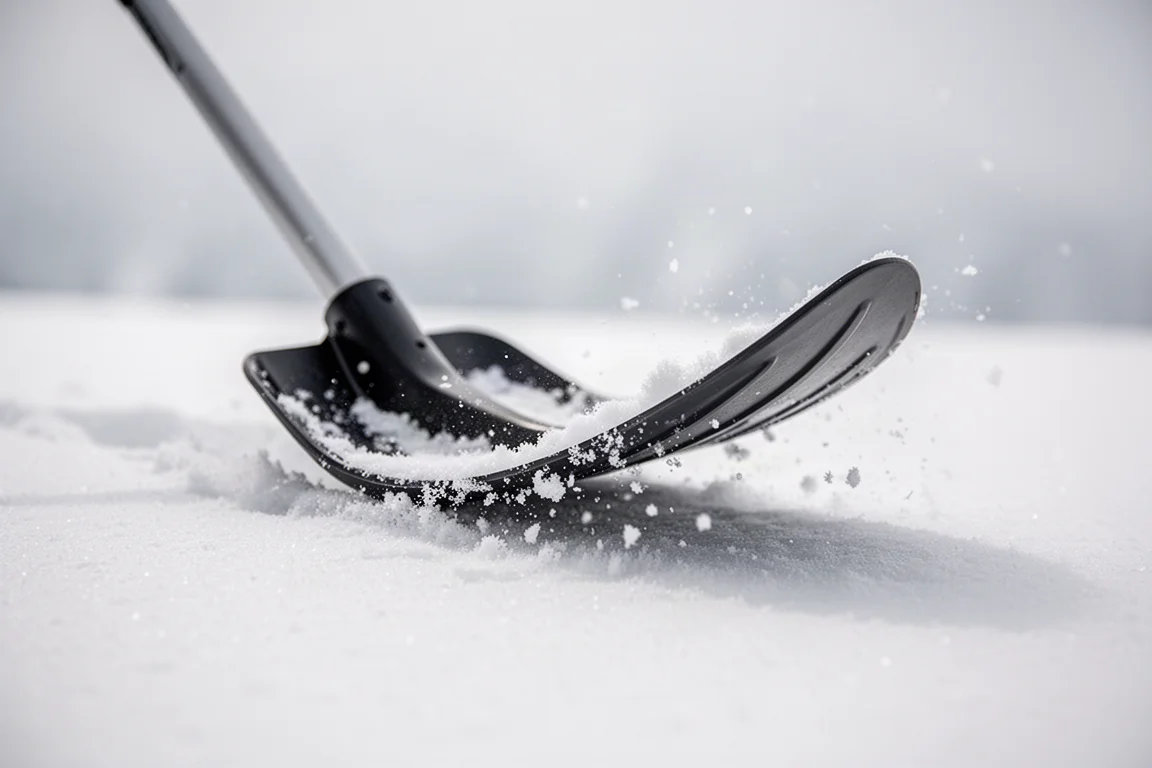
The tip rocker is long and extends well down into the ski, but it is not dramatic. It uses a lower profile and lower splay than you might expect, which preserves a longer effective edge and adds to the smoothness of the ride. The tail rocker is roughly as long and similarly low.
Add early taper and a stiff flex to that long rocker, and you get the steering control the ski is known for. The shovel rides up and stays on top of the snow while the tail behaves like a rudder, helping you steer through trees, softer snow, and spring conditions.
Where It Performs Best
Trees are where this ski makes the strongest case for itself. It has proven to be one of the better tree skis around, particularly in the tighter glades where quick direction changes matter more than raw stability at speed.
Soft snow and powder suit it just as well, and the 137 mm tip gives it enough float to stay on top without feeling unwieldy. The agility, early taper, and long low rocker all work together to let you pick your line and hold it with confidence.
Things to Consider Before Buying
This is not a firm snow ski, and it is worth being honest about that before you buy. It can carve a clean turn, but it is not nearly as powerful as a ski with metal in the layup or a noticeably heavier build. On hardpack and on-piste terrain, that difference shows up quickly.
Weight is a related consideration. In the 169 cm length the ski comes in at 1,830 grams. That is under the 2,000 gram mark, which is a good result for a 106 mm waisted ski, but there is still a lot of surface area and mass here. It is not a featherweight, and it is not trying to be.
Buying Advice
The decision comes down to where you actually ski. If your days are mostly spent in trees and softer snow, the 106C W can carry a lot of your season as a primary ski, and the easy steering means you will not spend the first run adapting to it.
If you split your time between groomers and off-piste, treat it as the wider ski in a quiver and pair it with something more planted for firm conditions. Buy it for the terrain it was designed for, and it delivers a rewarding, low-effort ride in exactly those conditions.
Conclusion
The K2 Mindbender 106C W is a soft snow freeride ski that refuses to feel like hard work. The aspen core and carbon spectral braid layup create a ski that starts turns easily, finishes them with energy, and steers with unusual precision for its width. Skiers who spend their time in trees, powder, and spring snow will find it an incredibly fun and forgiving companion, provided they are not expecting hardpack performance.
Product link
View more details for K2 Mindbender 106C W
This product is mentioned in the review. Check the specifications, options, and compatibility before buying.
View more details for K2 Mindbender 106C WFurther reading
Related Reviews
Freeride Skis
Armada Playmaker 101 Review: A Light, Lively Freeride Ski Built to Play
A closer look at the Armada Playmaker 101, a lightweight freeride twin tip with a poplar and paulownia core, carbon rods through the mid-body, and a deliberately playful character.
Freeride Skis
Armada Playmaker 111 Review: A Lightweight Freeride Ski Built for Soft Snow
A close look at the Armada Playmaker 111, a 111 mm freeride twin tip built around float, playfulness, and a drifty feel in fresh and soft snow.
Freeride Skis
Best Women's Freeride and Powder Skis 2026
A 104 mm to 118 mm comparison of sixteen women's freeride and powder skis, covering weight, rocker, metal placement and the terrain each model suits best.