Ski Boots
K2 Cortex 140 Review: Dual BOA Performance for Strong Skiers
A close look at K2's first dual BOA ski boot, the stiffest Cortex model, and what its performance-first design means for everyday skiing.
Introduction
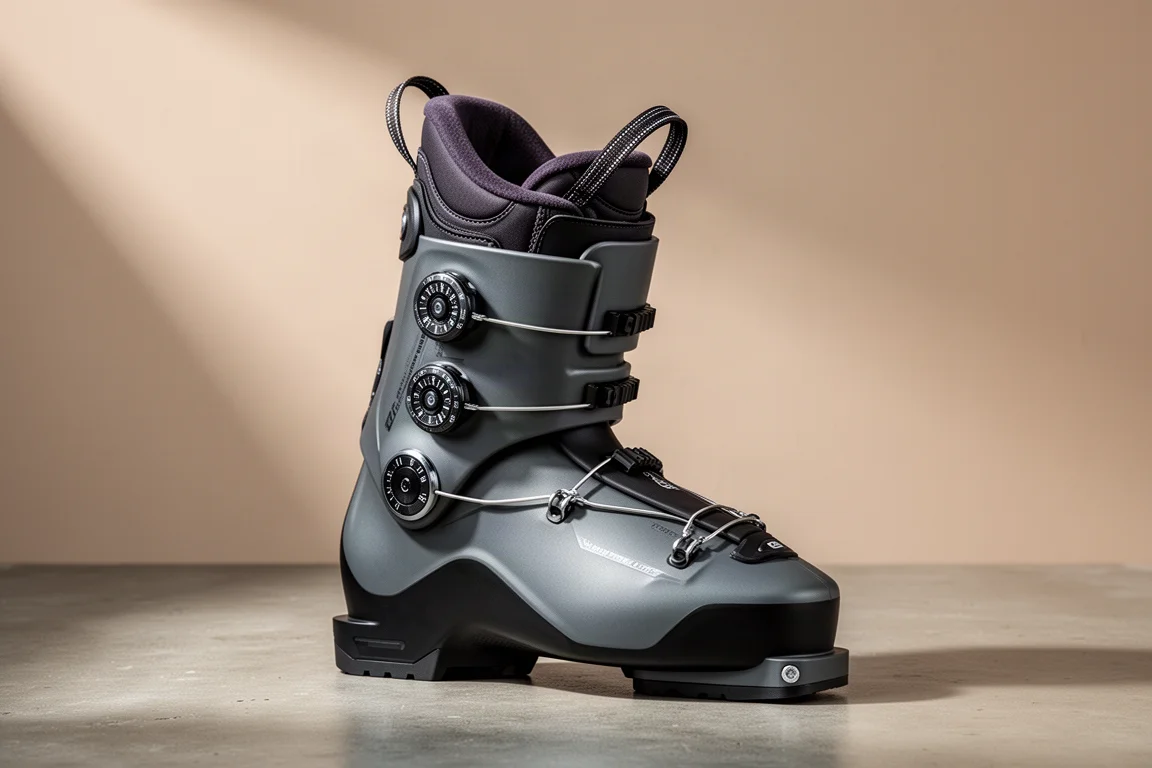
The K2 Cortex 140 is K2’s first dual BOA ski boot and the most performance-focused model in the Cortex line. K2 does not run a race program, so the brand never had a race-derived boot to put under the feet of its freeride athletes. The Cortex was built to close that gap: a boot with the performance of a consumer-level race boot, without the compromises that usually come with one.
The 140 sits at the top of the family. It is the only Cortex model with the power plate, and the only one using K2’s stiffest lower shell. Everything around it, from the dual BOA closure to the heat-moldable shell and the full-width boot board, is aimed at making that level of performance easier to live with day to day.
Who the K2 Cortex 140 Is For
This is a boot for skiers who want a stiff, high-performance fit but do not want to deal with the practical downsides of a race boot. K2’s own framing is the gap between a hard-charging consumer race boot and an easygoing all-mountain model: the Cortex is meant to land in the middle, with the performance of the first and the daily usability of the second.
It also makes sense for skiers who have struggled with a high instep. The upper cuff uses a single cable rather than two static buckles, and because that cable pulls to the point of least resistance first, it wraps progressively around the shape of the leg. A pronounced calf and a straighter calf both get a different result than they would from buckles, because the cable keeps taking up tension where the leg allows it.
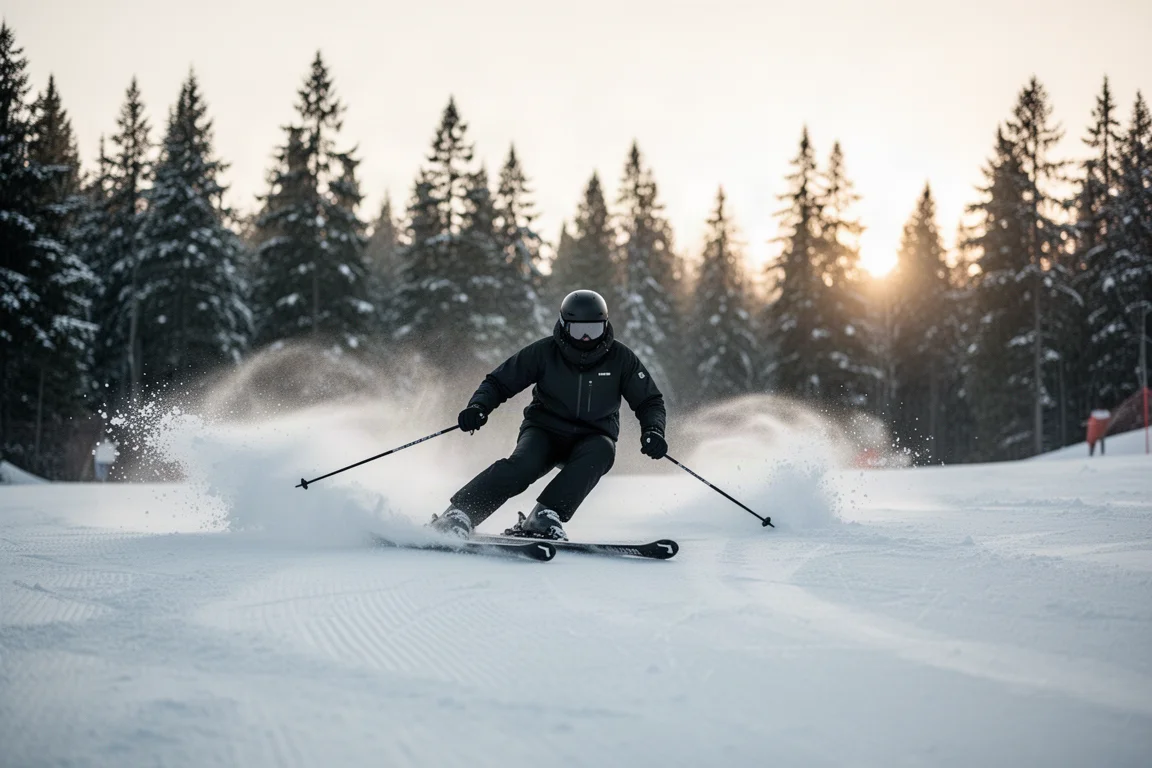
That said, the Cortex 140 is not the only sensible answer, even within its own line. K2 still builds Cortex models with a buckle cuff at lower price points and softer flexes, and buckles remain a legitimate preference for plenty of skiers. Dual BOA is a different feel rather than a universal upgrade.
What Dual BOA Changes in the Upper Cuff
The upper cuff dial is the newest part of the equation, and K2 spent years testing it. The brand first experimented with an upper cuff closure in 2020 but held it back, releasing the lower shell system first, on the reasoning that introducing two changes to ski boots at once was a step too far.
Because it is a single-pull cable, moving the position of the guides does not change how the system feels. It self-actualizes. That is also why K2 moved to a single-piece front cuff panel on the BOA models instead of the separate panels used on the buckle version. In testing, separating the panels exaggerated the way the cable pulls to the least resistance and produced a less consistent wrap. A single piece works with the system rather than against it.
K2 is clear that this is a different feel, not automatically a better one. Buckles still work on the cuff, which is why they remain on the softer, more price-driven models. What the cable offers is a wrap that adjusts continuously around the leg instead of holding two fixed positions.
Main Strengths: Race-Boot Performance With Everyday Usability
The central strength of the Cortex 140 is that it chases race-boot performance without adopting race-boot habits. Consumer race boots tend to ski extremely well but can be cold, hard to get on and off, and short on comfort and shock absorption. The Cortex takes the performance target and keeps the boot livable.
That shows up in practical details. The boot has an outsole on the bottom, so it does not need to be routed and fitted with lift plates before it can be skied. The fast fit instep panel across the top makes the boot easier to put on and take off when it is cold. K2’s position is that this panel makes no measurable difference to performance for the vast majority of skiers, and that only the very top level of World Cup racers would notice a difference, which is precisely why a race-program boot cannot have one.
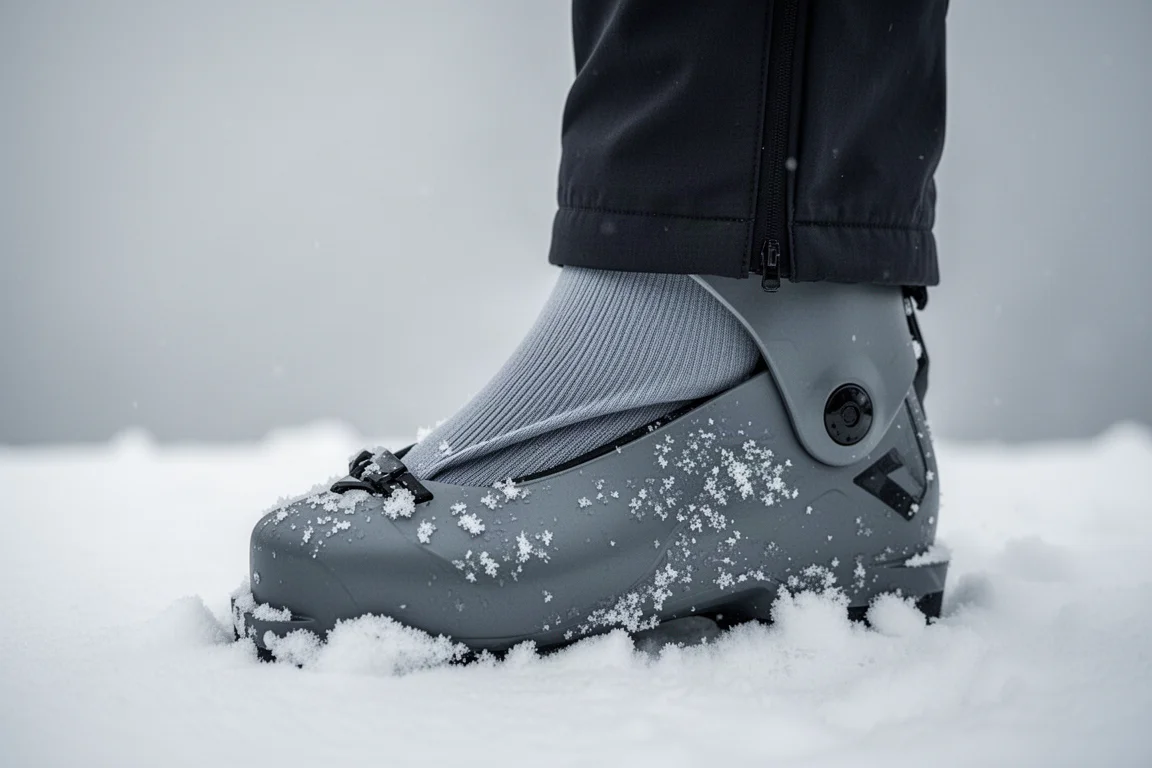
The shell is heat moldable, and the full-width boot board can be ground down. A hexagonal pattern in the top of the board is 2 mm deep and serves as a reference point for a boot fitter removing material to gain instep height.
Shell Stiffness, the Power Plate, and Bolt Adjustments
The 140 uses K2’s stiffest lower shell, and that shell is used on this model only. The cuff, by contrast, is shared with the 130 and the women’s 125, so adding a power plate to a 130 will not turn it into a 140.
The power plate is exclusive to the 140. It adds material to the cuff, so a boot with the plate fitted is technically a little stiffer, but its main job is to change engagement. Mounted higher, the shin contacts the plate sooner and the flex engages faster. Mounted lower, level with the existing cuff layer, it mostly just thickens the cuff.
The rear bolts are widely misunderstood. On this shell, removing the lower rear bolt changes nothing, because the cuff still interacts with the lower shell in exactly the same way. Removing the top screw allows a little more movement before the cuff and shell engage, which can feel softer off the top, but the actual flex is unchanged. K2’s explanation is that flex is set by the compression of the cuff and the bellowing of the lower shell, and rear bolts do not alter the shell.
Liner, Fit, and Heat Molding
The liner is deliberately minimalist. Material is kept thin through the forefoot and the instep tongue, with a more robust heel and ankle pocket for hold. The reasoning is that once the shell fit is right, a thick liner is not what keeps the foot still inside the boot.
That approach is also a compromise. K2 acknowledges that a thinner liner can lose out on a shop bench, because a snugger, foamier boot often feels better to a skier trying boots for the first time. Higher-end skiers buying a 140 are more likely to understand how a boot should actually fit. K2 also varies the liner by model: the 110 and the women’s 95 use a liner with more foam for a cushier out-of-the-box feel.
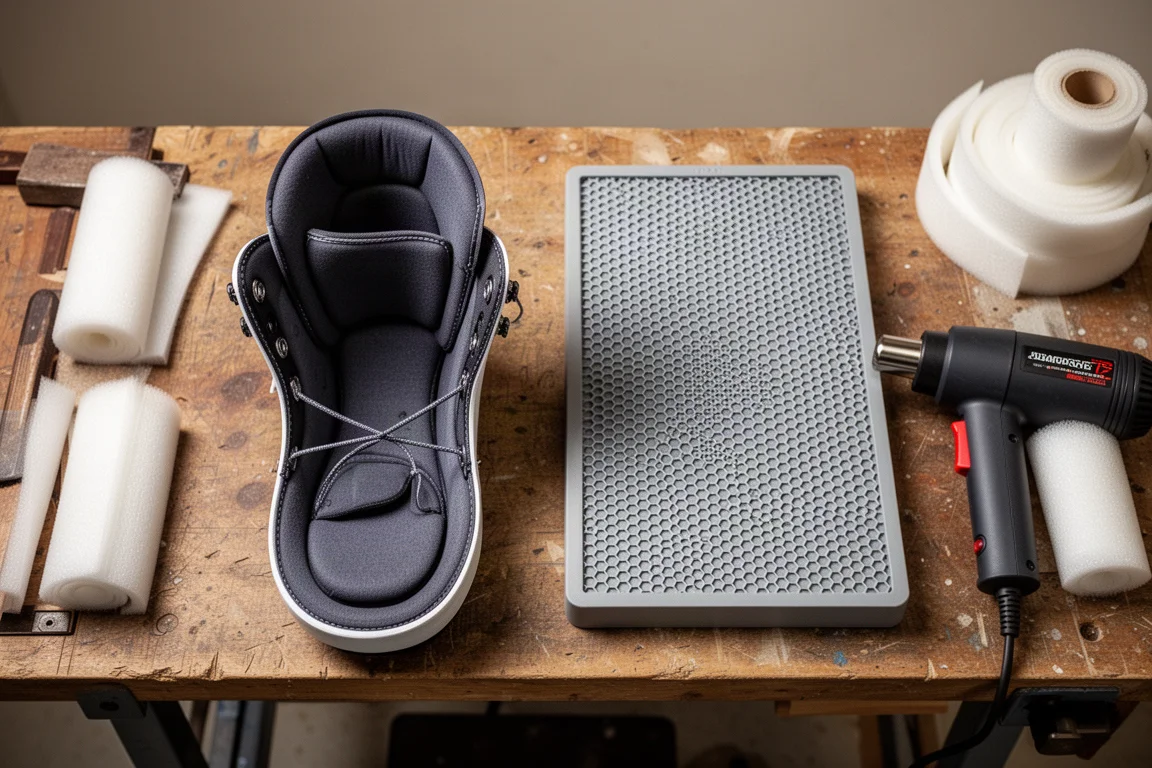
The liner heat molds well, and it makes a real difference. The Achilles area is tight out of the box, and heat molding opens up room there while keeping heel hold. The shell can be heat molded too, but because the Cortex shell is thick, it will not stretch as readily as thinner-shelled models. The instep can be stretched, and padding the top of the instep while heating the shell is the usual route to more room.
Things to Consider Before Buying
Dual BOA is more expensive than buckles. K2 is upfront that the system carries a cost premium, and that is part of why buckle cuffs remain on the lower price points.
The upper cuff dial is also slower to do up than a buckle, and K2 does not believe the current upper cuff system is the right answer for every boot. On a comfort-oriented model the performance benefit is not needed, so K2 is working on systems better suited to those boots.
Cold is still a factor. The Cortex has a thick-walled shell, so it will get cold like other thick-shell boots. The fast fit instep makes the boot easier to get on and off when cold, but it does not make the shell warmer.
Finally, expect some fit work. Even with heat molding, a stiff, low-volume boot like this may need a trip or two to a boot fitter for stretches before it is fully dialed in.
Buying Advice
The Cortex 140 makes the most sense for a strong skier who wants the stiffest, most performance-oriented boot K2 offers in this line, and who values a wrap that adapts to leg shape over the fixed positions of buckles. If you are chasing the highest level of performance in the Cortex range, this is the model that carries the power plate and the stiffest lower shell.
If you prefer buckles, want a softer flex, or are shopping to a lower budget, the other Cortex models are the more sensible choice, and K2 builds them specifically for that. The dual BOA layout is a genuine benefit for skiers with a high instep or a hard-to-fit calf, but it is a different feel rather than a universal upgrade, and it is worth trying before you commit.

Whichever way you go, plan on working with a boot fitter. Heat molding the liner and shell, grinding the boot board, and stretching the instep are all part of getting a stiff, low-volume boot to fit properly, and the Cortex is designed to accept that work.
Conclusion
The K2 Cortex 140 is K2’s first dual BOA boot and its most performance-focused Cortex model. It brings race-boot-level performance ambitions into a freeride package, with an outsole, a fast fit instep, a heat-moldable shell, and a grindable boot board that make it far easier to live with than a pure race boot. The trade-offs are real: dual BOA costs more than buckles, the upper cuff dial is slower to close, the shell still gets cold, and the minimalist liner rewards skiers who already understand fit. For the right skier, it is a convincing answer to a question the market had not fully addressed.
Product link
View more details for K2 Cortex 140
This product is mentioned in the review. Check the specifications, options, and compatibility before buying.
View more details for K2 Cortex 140Further reading
Related Reviews
Ski Boots
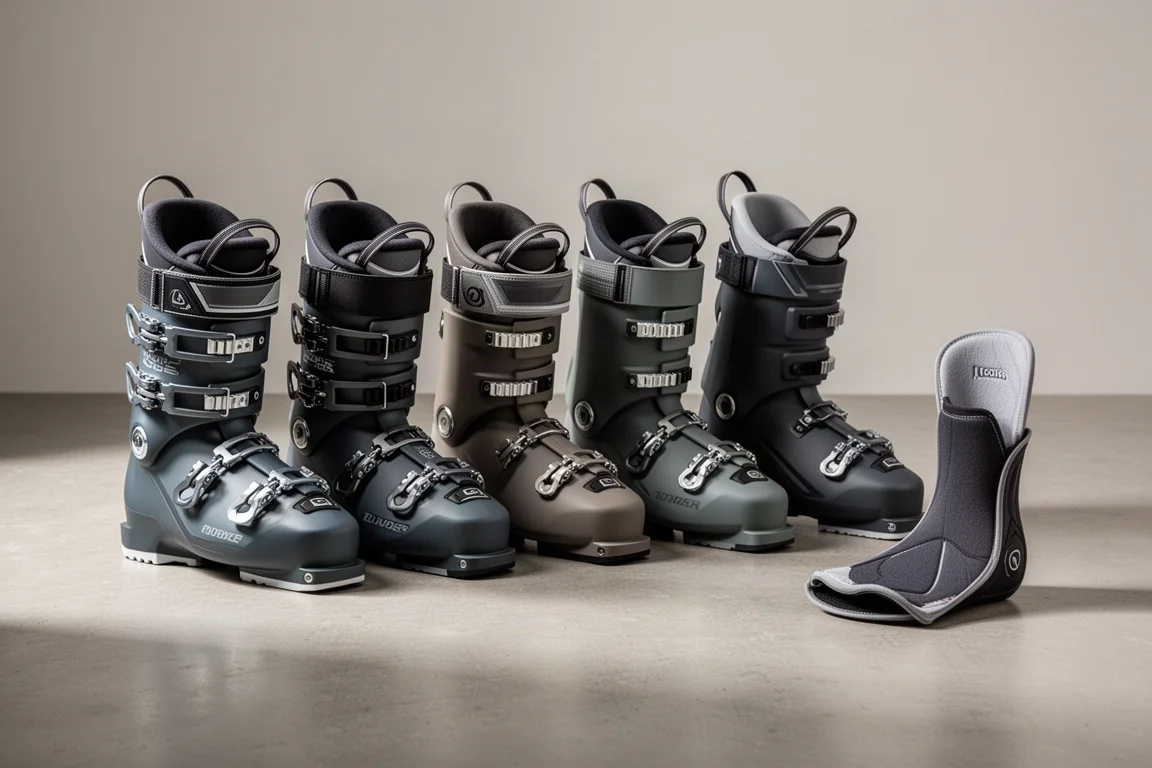
2027 Ski Boot Roundup: Six 130-Flex Boots Worth Knowing
Six 130-flex ski boots for 2027, plus a low-volume liner upgrade, compared on weight, fit, flex feel, and ease of use.
Ski Boots
Armada AR One Ski Boot Review: A Three-Piece Cabrio That Finally Gets It Right
Armada's first ski boot blends three-piece Cabrio design with Atomic engineering, a heat-moldable shell, and a 100mm last that fits better than any Cabrio before it.
Ski Boots
Armada AR1 Ski Boot Review: A Cabrio and Overlap Hybrid for Park and Freeride Skiers
Armada's first ski boot pairs a three-piece cabrio shell with overlap-style buckles and a cable-driven slingshot buckle. Here is where it shines, and what to weigh before buying.