Home Theater Projectors
JVC DLA-NP5 Review: True 4K, Lens Memory, and Frame Adapt HDR
A true 4K home theater projector with lens memory, HDR10+ support, and deep black levels, plus what to check before you buy.
Introduction
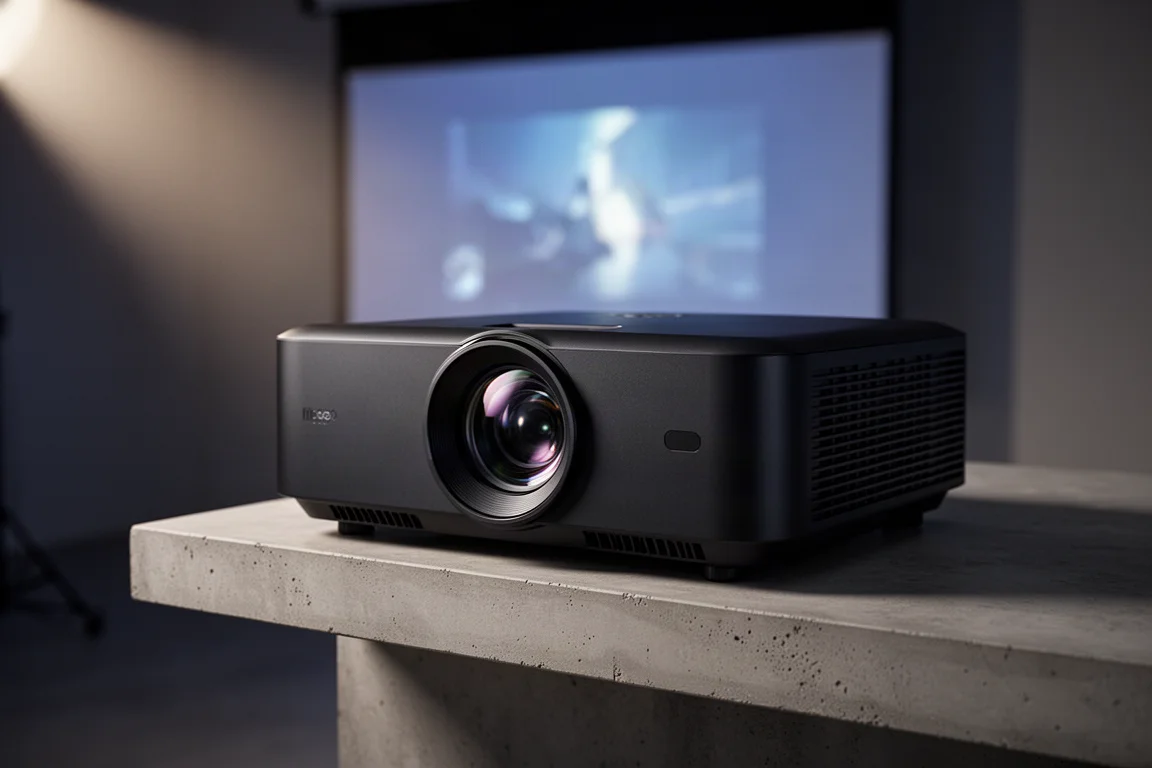
The JVC DLA-NP5 is a true 4K home theater projector for people who want a big, cinematic picture with accurate HDR and genuinely deep blacks. It builds on the technologies that made the previous generation popular and adds HDR10+ processing and faster inputs, while keeping the features home theater enthusiasts care about most.
Two of those features matter more than the spec sheet suggests. The first is lens memory, which makes a widescreen setup practical in a normal room. The second is frame adapt HDR with the home theater optimizer, which adapts incoming HDR data to the light your room and screen can actually deliver.
Who this product is for
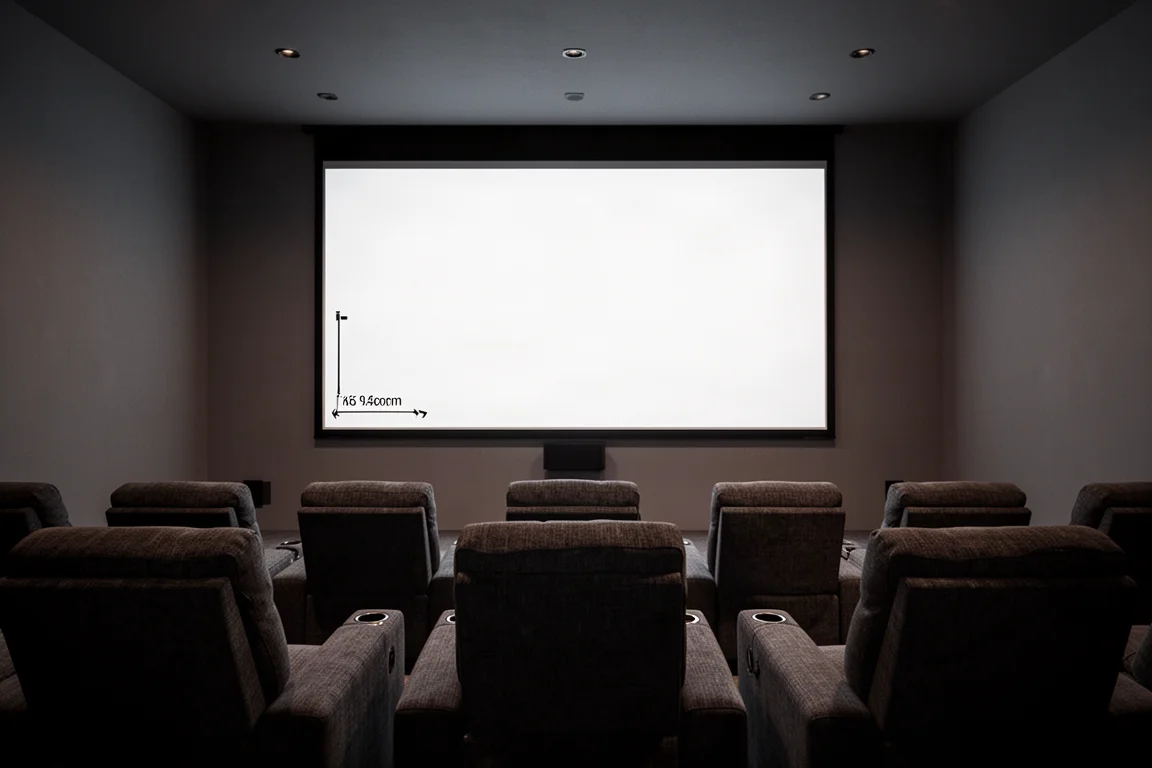
This projector is aimed at dedicated rooms rather than casual living room viewing. If you have light control, a fixed screen, and a seating position far enough back for a large image, the DLA-NP5 is built for exactly that scenario. It also suits viewers who want to watch films in their original widescreen framing without manually adjusting the lens for every title.
At around 43 pounds it is a substantial piece of equipment, and it is heavy enough that a second pair of hands is genuinely useful during installation. That weight comes with an all-glass 65 millimeter lens, the kind of optics that photography enthusiasts will recognize as a meaningful part of overall image quality.
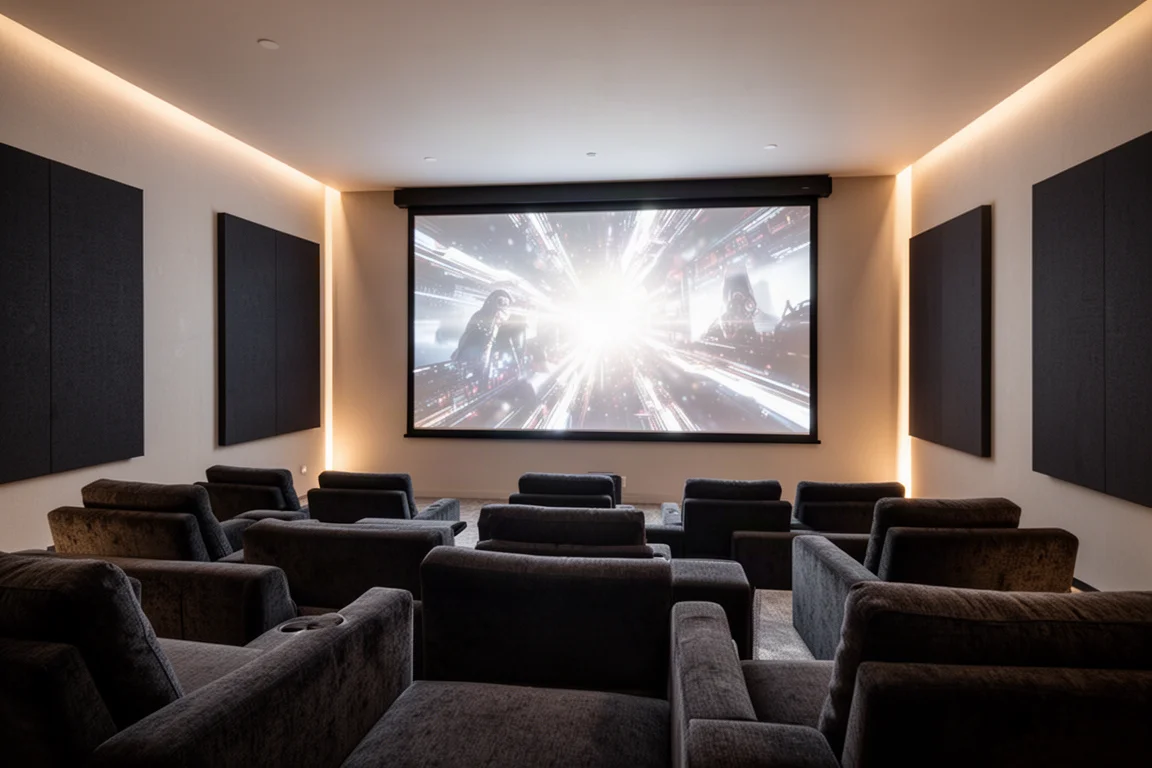
Gamers are covered as well. The projector’s two HDMI inputs support the latest specification, including 4K at 120p, so it is not only a movie machine.
Main strengths and HDR processing
HDR10 was a genuine step forward for home video. It embeds metadata in the signal that tells a display to produce more color variation, deeper blacks, and brighter highlights. The catch is that HDR10 was designed around flat panel televisions capable of 1,000 to 4,000 nits, while front projectors typically deliver far less, often somewhere in the range of 50 to 200 nits.
JVC’s answer is frame adapt HDR, which analyzes the incoming signal frame by frame and adjusts tone mapping dynamically rather than applying one fixed curve to an entire film. The home theater optimizer takes this further. You enter your screen size, and because the projector knows its throw distance from the zoom setting, it can match incoming HDR10 data to your actual setup. The DLA-NP5 also handles HDR10+, which sends a constantly changing stream of luminance data instead of only a maximum and average brightness value for the whole movie.
Lens memory and the widescreen experience
Lens memory is the feature that quietly changes how a room works. With it, you can store one setting for 16:9 content and another for widescreen movies, then switch between them as needed. The DLA-NP5 offers 10 memories, which is more than most households will ever use.
That headroom matters because aspect ratios keep multiplying. A 2.0 ratio is now common in streaming and European releases, wider than 16:9 but not as wide as 2.40. Ten memories means you can accommodate those formats and any that appear later without reconfiguring anything by hand.
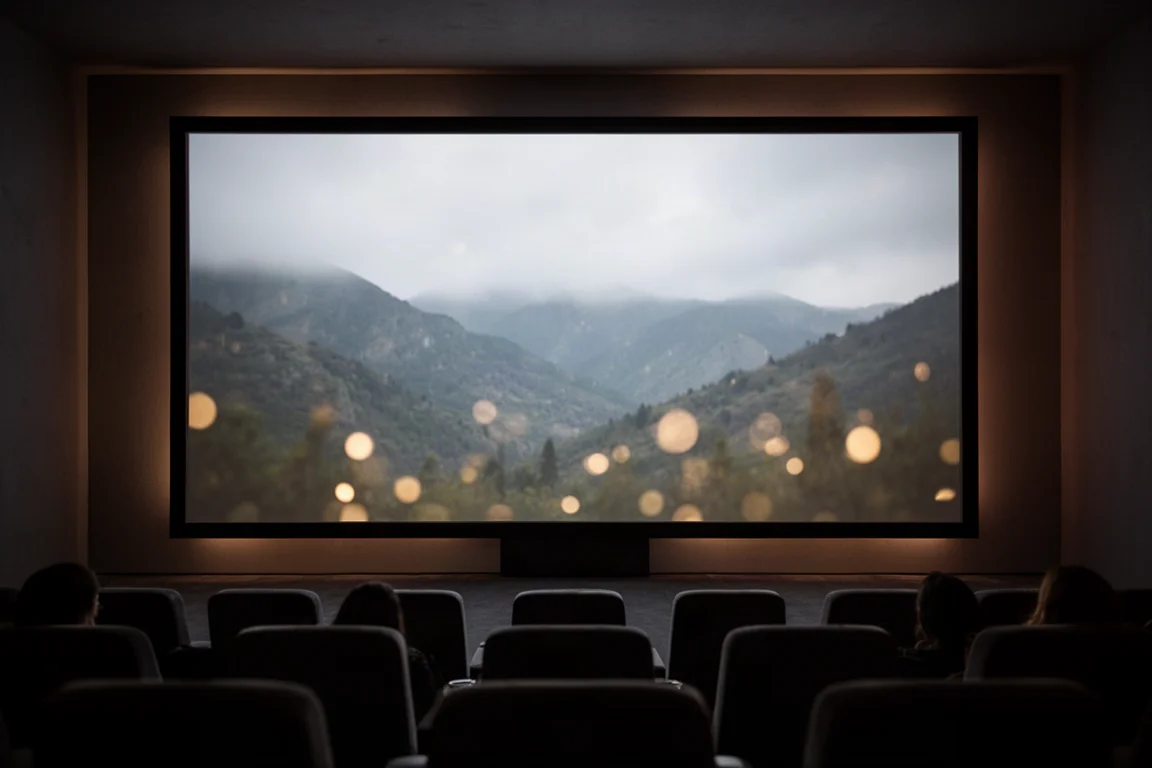
For anyone who wants the full widescreen experience, the combination of a 2.40 screen and lens memory is the practical path. This is the least expensive true 4K projector with lens memory that we are aware of.
Picture quality in practice
Black level is where this projector makes its strongest case. Even in the darkest scenes, shadow detail holds up, with deep, natural blacks rather than crushed or gray-looking ones. With screen size entered in the home theater optimizer and frame adapt HDR engaged, bright scenes stay well exposed while the darkest parts of the same frame remain visible.
SDR material is handled well too, with good mid-tones and lifelike skin tones that contribute to a film-like look. Sharpness and detail straight out of the box are impressive: fine detail is crisp, and the true 4K picture draws you into the image. Motion processing is equally confident, and 24 frames per second playback is free of judder and motion blur, which preserves a natural cinematic feel.
Setup, calibration, and build quality
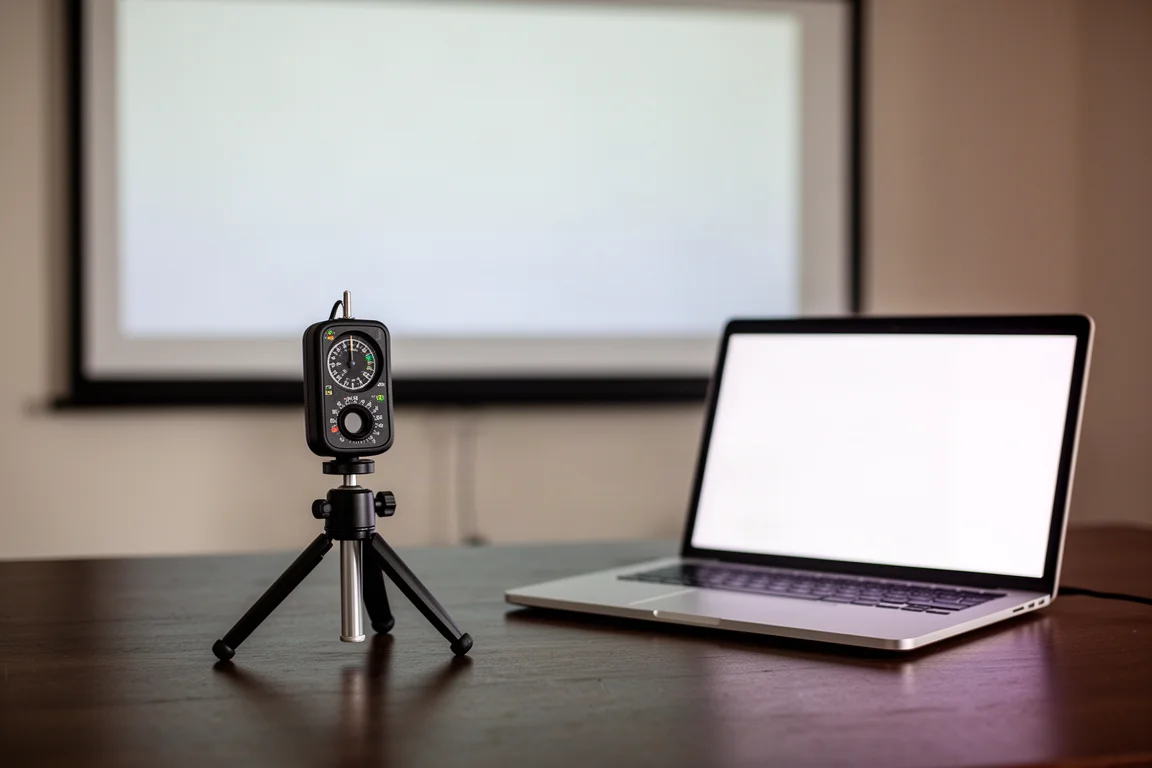
The on-screen menu is the same deep, extensive system used on the previous generation. It allows fine adjustment of a wide range of levels, though most owners can leave the factory settings in place and be perfectly happy. For those who want to go further, JVC offers downloadable calibration software that works with an external optical meter, and a capable meter costs around 200 dollars. With a laptop and a meter, the process is fairly automatic and can get very close to a professional calibration.
Build quality is a JVC hallmark. The DLA-NP5 is built like a tank, which is part of why it weighs 43 pounds. JVC backs it with a three-year warranty plus a one-year advanced replacement warranty.
The all-glass 65 millimeter lens is another part of the package that deserves attention, and the HDMI inputs are ready for future content types rather than just today’s.
Things to consider before buying
Light output is rated at 900 lumens, so this is a projector that rewards a light-controlled room. If your space has windows or heavy ambient light during viewing hours, plan for blackout treatment or accept a compromise in contrast.
Screen size and screen quality both matter. The projector can support very large images, but the results depend on pairing it with a screen that can make the most of the available light. Room layout is the other consideration, since a 43 pound projector needs a solid mount and a careful installation.
Finally, the menu system is deep. If you prefer a set-and-forget projector, the number of adjustable parameters may feel like more than you need, though the defaults are well judged.
Buying advice
With a good screen and a light-controlled room, this projector has enough output for images as large as 160 inches diagonal. That is a genuinely big picture, and it is the kind of setup where lens memory and frame adapt HDR pay off most.
Buy the DLA-NP5 if you want true 4K resolution, deep black levels, and a widescreen workflow that does not require manual lens adjustments. If your room cannot be darkened, or if you only ever watch 16:9 content at moderate screen sizes, a less demanding projector may serve you just as well. For a dedicated theater, this is a well-rounded choice with HDR processing and inputs that should stay relevant for years.
Conclusion
The JVC DLA-NP5 takes what worked before and adds HDR10+ processing, higher-speed inputs, and the same excellent black level performance. Combined with lens memory and the home theater optimizer, it is a projector that is hard to beat for the money in a dedicated room.
Product link
View more details for JVC DLA-NP5
This product is mentioned in the review. Check the specifications, options, and compatibility before buying.
View more details for JVC DLA-NP5Further reading
Related Reviews
Home Theater Projectors
Barco Heimdoll Family Guide: Choosing a Native 4K RGB Laser Projector
A practical guide to the Barco Heimdoll, Heimdoll Cinemascope, Heimdoll Plus, and Heimdoll Plus Cinemascope for large-format home theaters.
Home Theater Projectors
Best Home Theater Projectors 2026: Five Models Ranked by Performance and Value
A comprehensive ranking of five home theater projectors, from budget-friendly to premium options, evaluated on brightness, resolution, color accuracy, and gaming performance.
Home Theater Projectors
Epson EpiqVision LS800 Review: A Super Ultra Short Throw 4K Laser Projector for Bright Living Rooms
A practical look at the Epson EpiqVision LS800 and the SilverFlex Ultra ALR screen, covering brightness, throw distance, gaming performance, and the setup trade-offs worth knowing.