Cookbooks
Justine Cooks Review: We Cooked 14 Recipes in 6 Days
A hands-on week with Justine Dooner's first cookbook: 14 recipes tested, real cooking times, and an honest verdict on whether it belongs on your shelf.
Introduction
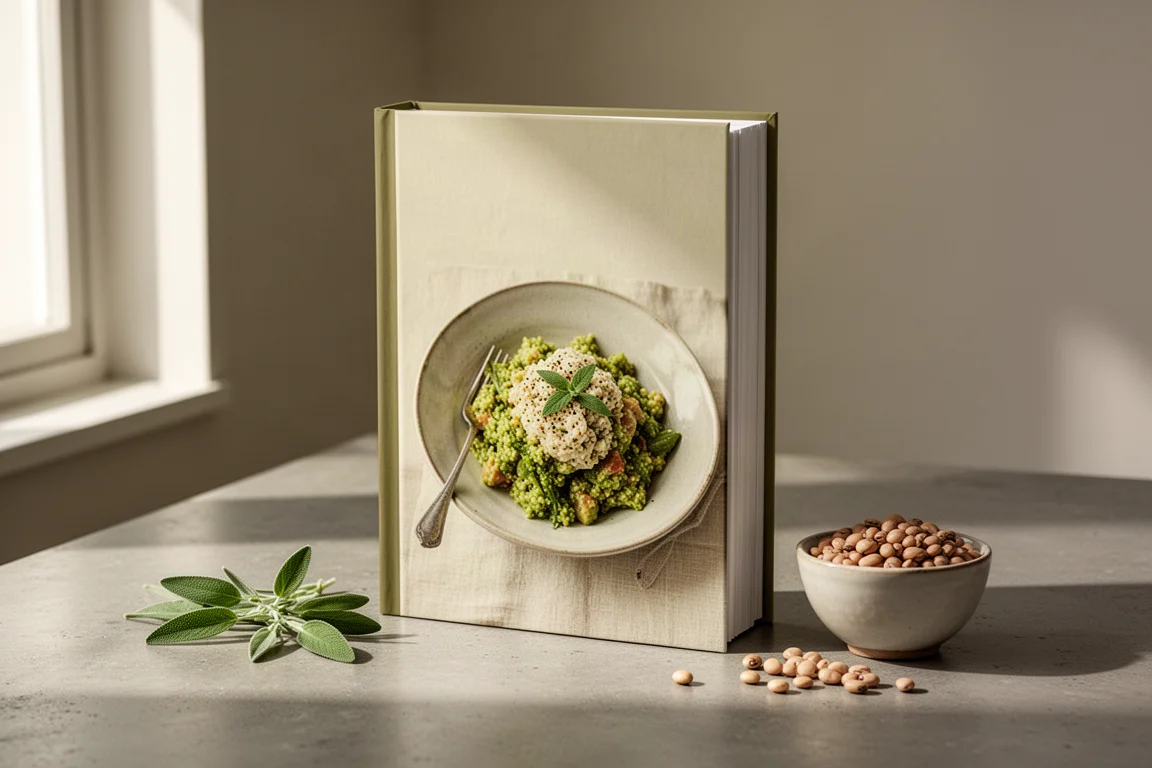
We spent a week cooking out of Justine Cooks by Justine Dooner, making 14 of the 115 recipes: eight mains, three sides, and three accompaniments. Most dishes took around an hour and a half, made four servings, and averaged $6.31 per serving. Some breads took longer, but that is simply the nature of making bread at home.
Justine Cooks is Dooner’s first cookbook, though she has been writing recipes for the internet since 2020 under the username Justine Snacks. While a lot of her content leans toward what she herself jokes about as the “girly pop soupy beans” crowd, every recipe we have made of hers has been excellent. You can tell when a cookbook author develops recipes for public consumption for a living rather than just spending time in a restaurant kitchen, and it shows here.
Who this book is for
In the intro, Justine says she wrote these recipes for people who are deeply in love with food but are still learning and growing in their kitchen, looking for a way to make cooking feel uniquely theirs. She did not market it as such, but it is an easy-basics book. She covers sauces, breakfast, salads, beans, grains, and proteins (mainly fish, as she is pescatarian), plus breads and desserts.
Accessibility is strong. She keeps ingredients easy to track down: the hardest things for us were butter beans, which were surprisingly difficult to find locally despite just being canned faba beans. Tools are standard, except you will want a proofing basket if you attempt her sourdough recipe. The most difficult techniques asked of you are browning butter and kneading dough by hand. This is a genuinely easy book.
Our week cooking out of Justine Cooks
We set a goal of at least 12 recipes in six days, starting with the cover recipe: sizzled sage and olive beans with ricotta salata. We could not find butter beans, so we substituted lima beans, and the ingredient list was otherwise easy. The finished dish was punchy, vibrant, salty, and spicy, with a mild background bitterness from the sage. It completely avoids the bland, comforting-but-flat profile that makes so many cookbook bean recipes forgettable, and it hides the canned flavor you often get with beans. The ricotta salata is very salty, so taste it before salting the dish.
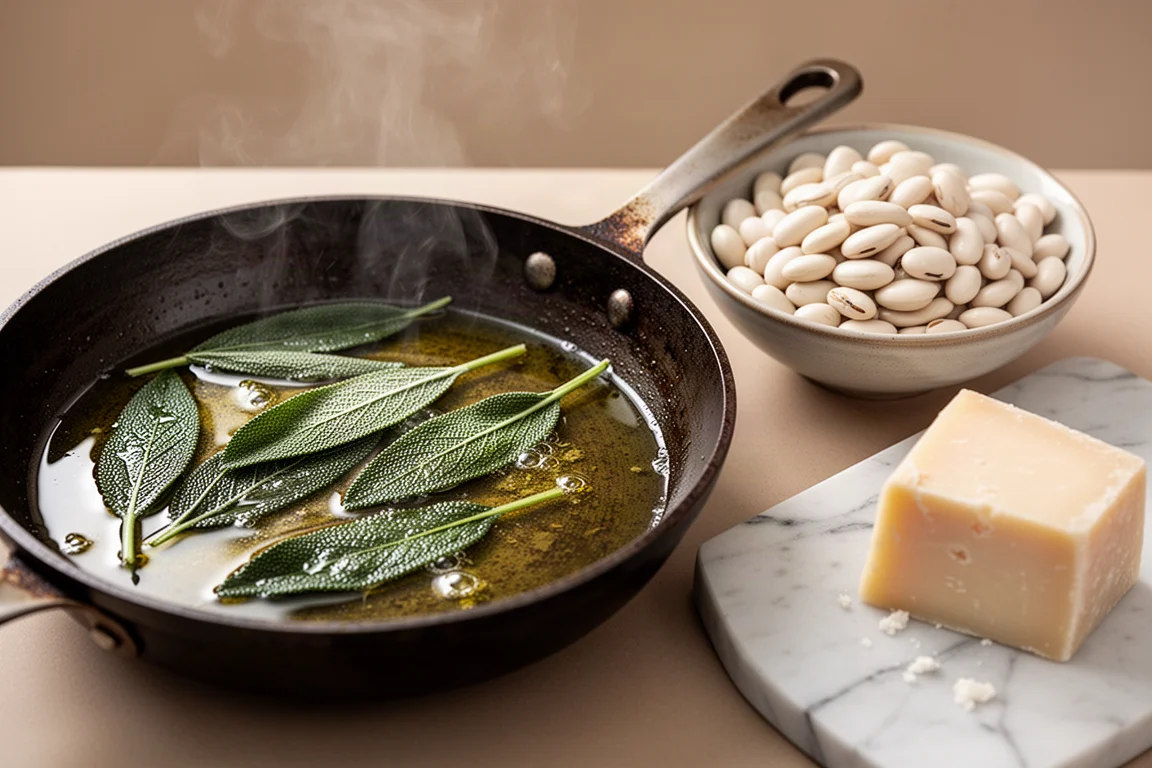
That same day we made her uya but not, smoked and spiced with cayenne and Calabrian chilies. On its own it is intense from the first bite to the last, and we found it needed bread or toast alongside. Paired with the beans, the two similar flavor profiles partially canceled each other out, so we would recommend each dish with its own supporting cast rather than together.
The black garlic sea bass was the surprise hit
The black garlic sea bass with pickled ginger slaw, paired with the crispy rice and sungold miso broth at Justine’s own suggestion, was a standout. The prep was genuinely easy, and the glaze delivers bright acidity with a mellow black garlic note backing everything up. The slaw of radish, ginger, cilantro, rice wine vinegar, and bird’s eye chili adds crunch and acid that plays beautifully with the fish.
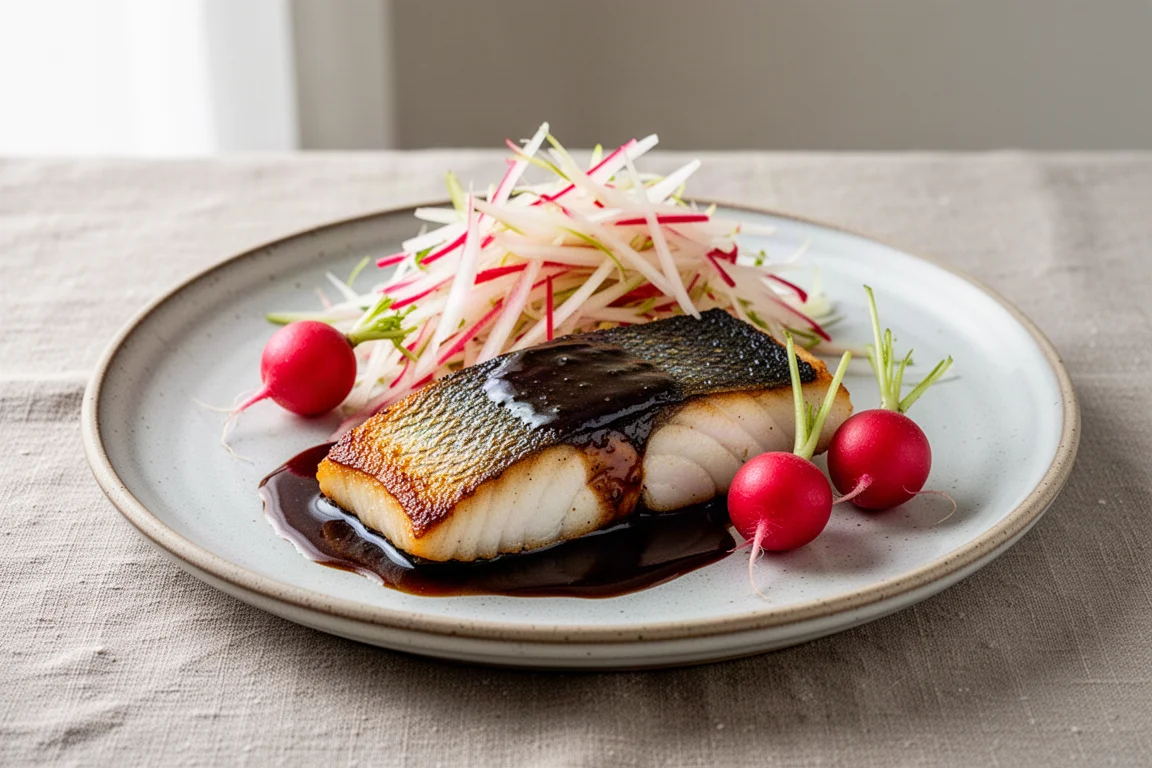
One practical tip worth knowing: the sauce can split depending on your black garlic. If yours is not fully smashable, it goes chunky, so use a fork rather than a flexible spatula. The tomato miso broth, by contrast, is the cozy option: soft tomato, white miso, gentle onion, very mellow and heavy on umami. It is lovely if you are in a cozy mood, but the fish dish is far more exciting on its own.
The boyfriend salmon and brussels sprouts
The boyfriend salmon, inspired by Ina Garten’s engagement roast chicken, delivered well-seasoned, salty, slightly sweet, slightly acidic fish. We would reduce the sauce a bit more next time so it clings to the salmon rather than running thin. We paired it with the apple cider vinegar brussels sprouts with toasted cornmeal, and one warning matters here: stone ground cornmeal can be interpreted many different ways, and choosing the wrong grind can make this recipe go badly. The sprouts leaned sweet from honey with gentle cayenne heat, though we found the texture a little mushy and the dish slightly overbalanced, lacking a bright or bitter counterpoint. Together, though, the savory salmon and sweet sprouts complemented each other well.
The sourdough experiment
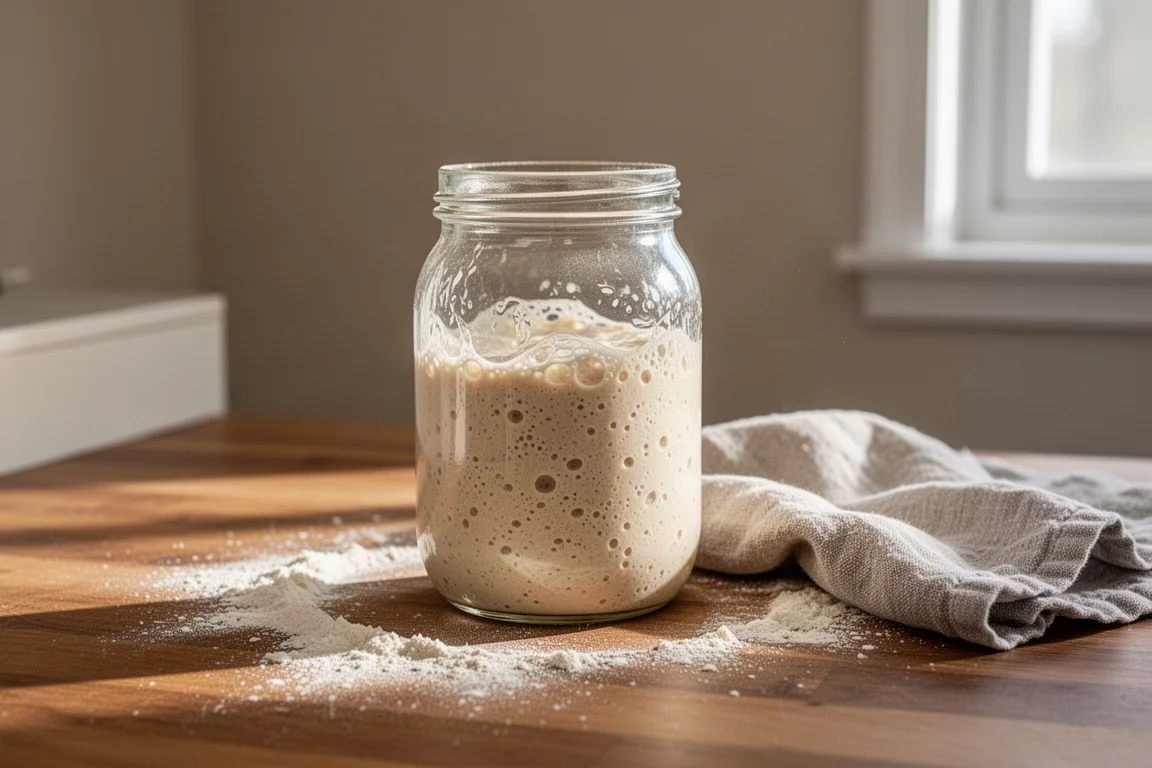
We have tried and failed to raise our own sourdough starter four separate times, so Justine’s low-discard sourdough starter recipe caught our attention. We made a full day of it, pairing the resulting loaf with her drippy harissa eggplant with spoon-over sauce and the salad toast with sumac ricotta.
Honest verdict on the bread: our loaf was dense with a tight crumb, gummy, minimally sour, and we rated it around a three out of ten. That said, it was the closest our starter has ever come to activating, and the process itself was encouraging. Sourdough simply takes time, and a backup loaf from a bakery saved dinner.
The drippy harissa eggplant was a pleasant surprise: rich, sweet, savory, and nostalgic in a way that genuinely recalls a vegetarian sloppy joe. We wished for a higher herb ratio, since the dill and mint get lost under so much eggplant, and the salad toast with sumac ricotta provided a welcome bitter, tangy counterpoint to the eggplant’s sweetness.
The flatbreads and the miso butter pancakes
The broiled yogurt flatbreads paired with cinnamon romesco chickpeas and charred greens was the most technically frustrating day. The dough is extremely sticky and needs far more flour than the recipe implies to shape, and our flatbreads came out a little crackery on top. The chickpea dish itself was good: spicy, sweet, cinnamony, with creamy chickpeas and crispy kale, though every bite tastes the same and it needs plenty of sauce to avoid drying out. Budget around three to four hours if you make both back to back.
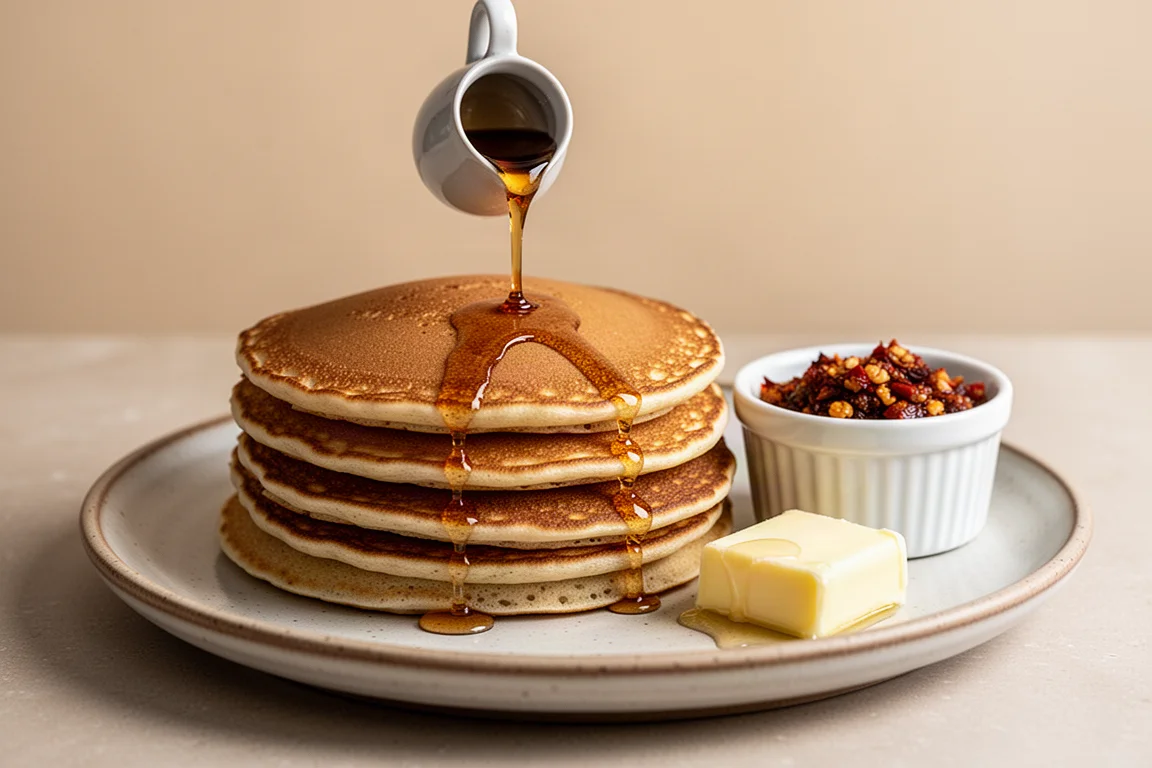
The final day’s miso butter pancakes were the best-executed recipe of the week. The order of operations is brilliant: you brown the butter and miso, then go straight in with cold milk, which brings the temperature down so the eggs can go in immediately without curdling, and the whole thing comes together fast. They are deliberately thin rather than fluffy, sweet-salty from brown sugar, with a pleasant chew from oats. They are wonderful with butter and syrup, excellent with chili crisp, and one tester called it their favorite pancake recipe.
Final scores and verdict
Here is how the week shook out overall:
- Accessibility: 8/10. Easy-to-find ingredients, standard tools, simple techniques.
- Design: 8/10. Simple, organized, with big photos matching the outcomes and directions kept to a single page. One quibble: the book uses ligature fractions that render numerals tiny, so amounts like 2/3 cup can be hard to read at a distance.
- Flavor: 8/10. Surprising and delightful, with punchy, umami-rich, textured dishes, though a couple of recipes felt overbalanced and too mellow.
- Writing: 9/10. The prose reads exactly like Justine speaks: funny, introspective, and friendly. Clear time and visual cues show an author who actually writes recipes for strangers for a living.
- Value: 10/10. Eight of our 14 recipes were smashes, well above the 50 percent threshold we use to call a book worth the price of admission.
Conclusion
Justine Cooks earned an overall score of 8.6 out of 10 from our week of testing. It is not a perfect book, and a few directions will make you pause, but it changed our minds about a style of cooking we usually skip, made canned beans genuinely delicious, and left us wanting to try more of her bean recipes. If you are a cook who loves food, wants approachable recipes with real personality, and does not mind a long-ish hour and a half in the kitchen for most dishes, this one deserves a spot on your shelf.
Product link
View more details for Justine Cooks
This product is mentioned in the review. Check the specifications, options, and compatibility before buying.
View more details for Justine CooksFurther reading
Related Reviews
Cookbooks
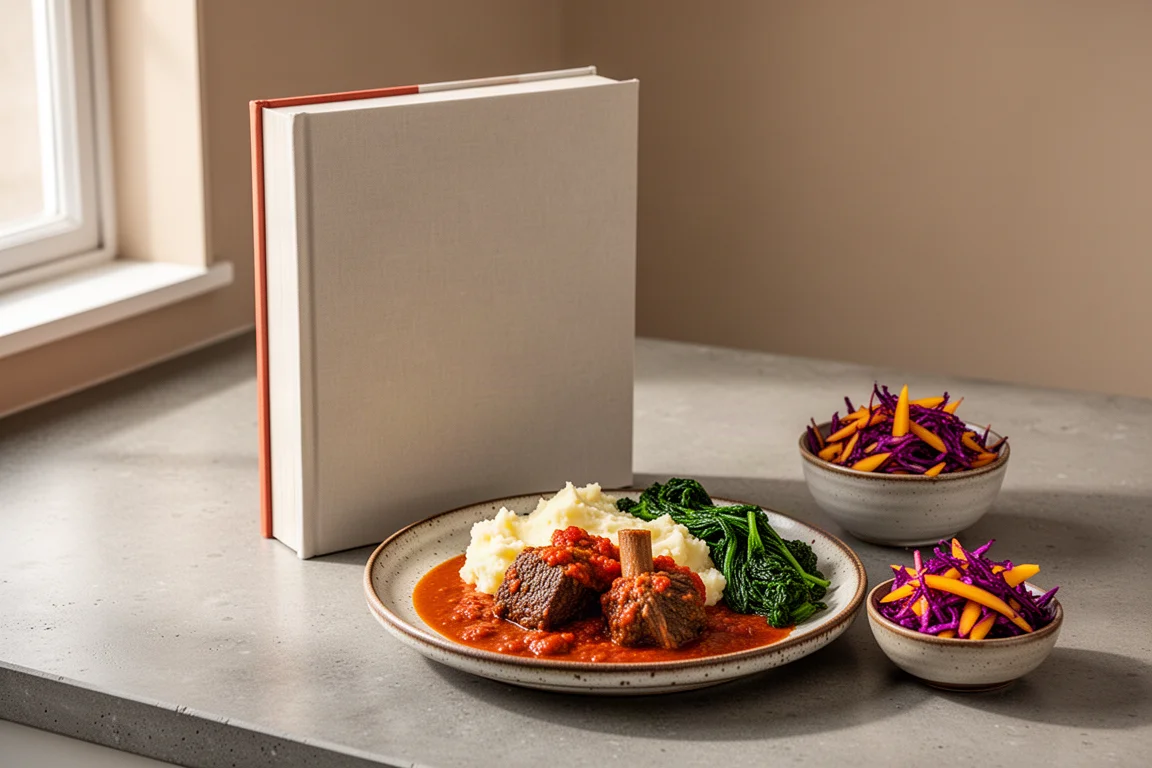
Africana Cookbook Review: A Pan-African Journey Worth Cooking Through
We cooked 13 dishes from Africana by Llorado Umashayor over one week. Here is what worked, what stumbled, and who this beautiful cookbook is really for.
Cookbooks
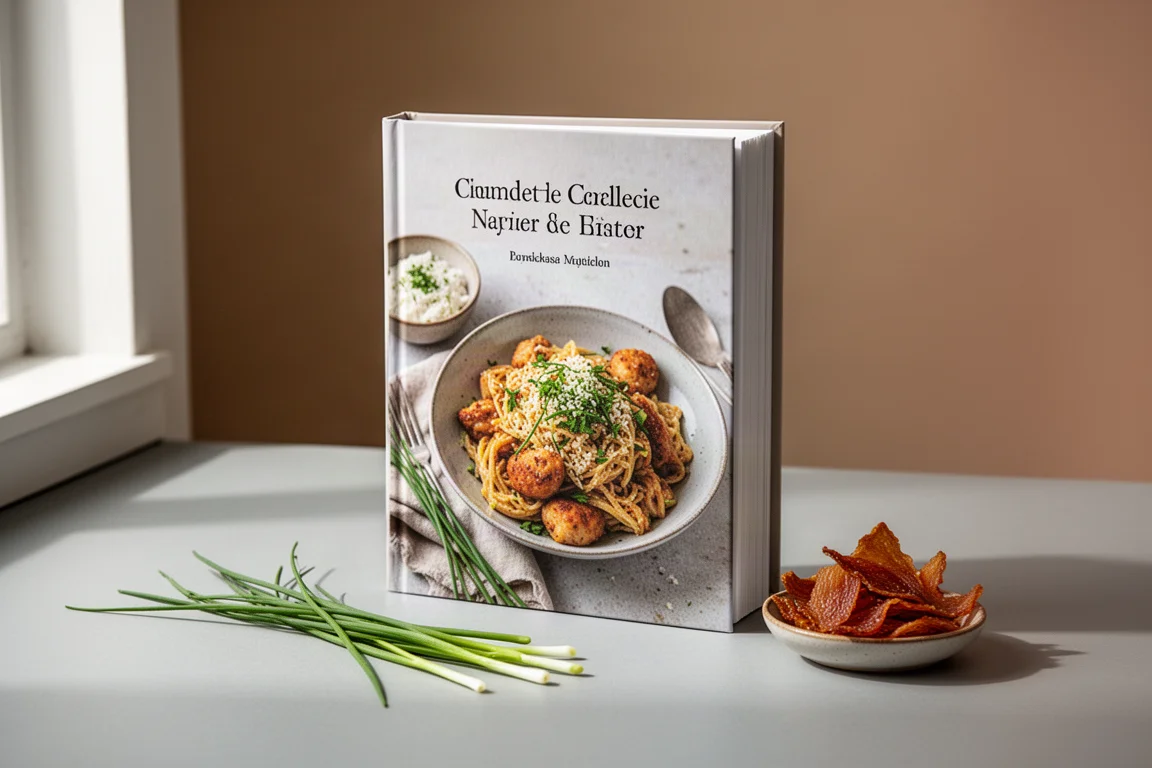
By Heart by Haley Catalano: First Look at a Calm, Practical Cookbook
We cooked two recipes from By Heart by Haley Catalano, including a tomato-based sandwich and chicken fat mashed potatoes, to see if the book's calm, detail-first approach holds up in a real kitchen.
Cookbooks
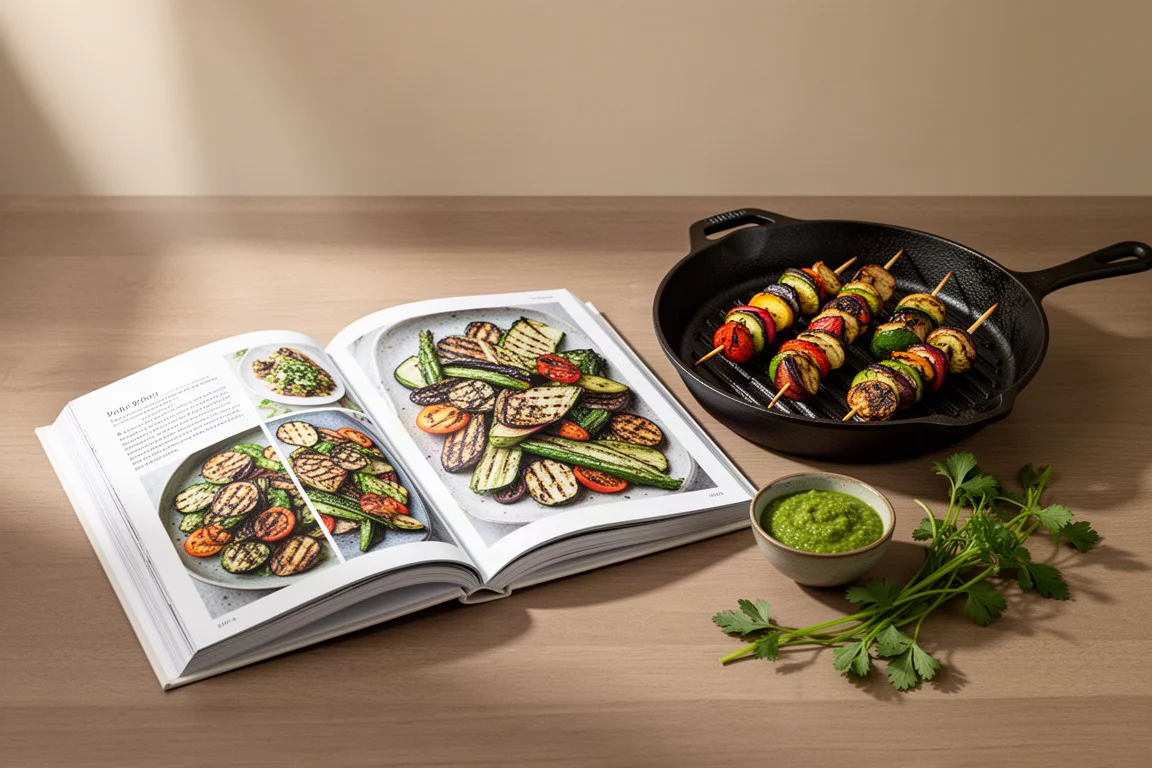
Charred by Genevieve Taylor Review: Vegetable Grilling Beyond Corn and Halloumi
We cooked 11 recipes from Charred over four days. Here is what works, what falls flat, and whether the book earns a spot on your shelf.