Stationery
5 Low-Effort Journaling Tips for Busy People
Five practical ways to keep a journaling habit alive without spending hours writing, featuring Midori, Kokuyo, and Nakabayashi supplies.
Introduction
Journaling is a great habit because it lets you reflect on your experiences and see how you’ve grown. The problem is that writing takes time, and a blank page can feel intimidating when your day is already full.
The good news: you do not need hours to keep the habit alive. These five tips focus on lowering the barrier to entry so journaling fits into a busy schedule, with a few well-designed stationery products that make each tip easier to stick to.
Evaluation Criteria
For this roundup we looked at how well each product supports a low-effort journaling routine:
- How quickly it lets you start and finish an entry
- Whether it reduces pressure, guilt, or clutter around writing
- How flexible it is for different journaling styles
- How easy it is to keep organized day after day
1. Write One Line a Day
If the sight of a blank page makes you want to close your journal and walk away, a one-line-a-day format is the simplest fix. The Midori Multi-Year Diary is formatted for just one or two sentences a day, spread over three, five, or even ten years. Because the commitment per day is tiny, it becomes much easier to show up consistently.
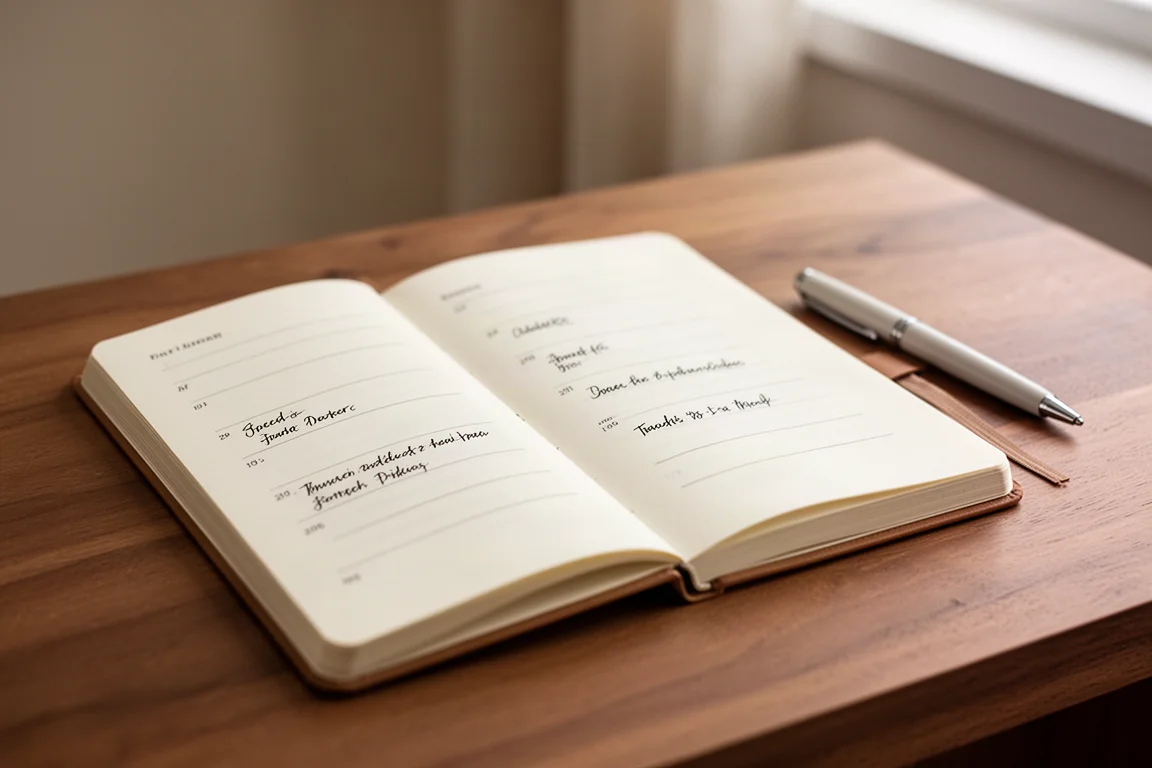
The payoff is bigger than the effort suggests. When you finish the diary, you have proof that you stuck with a habit for years, plus a personal keepsake for looking back on special memories.
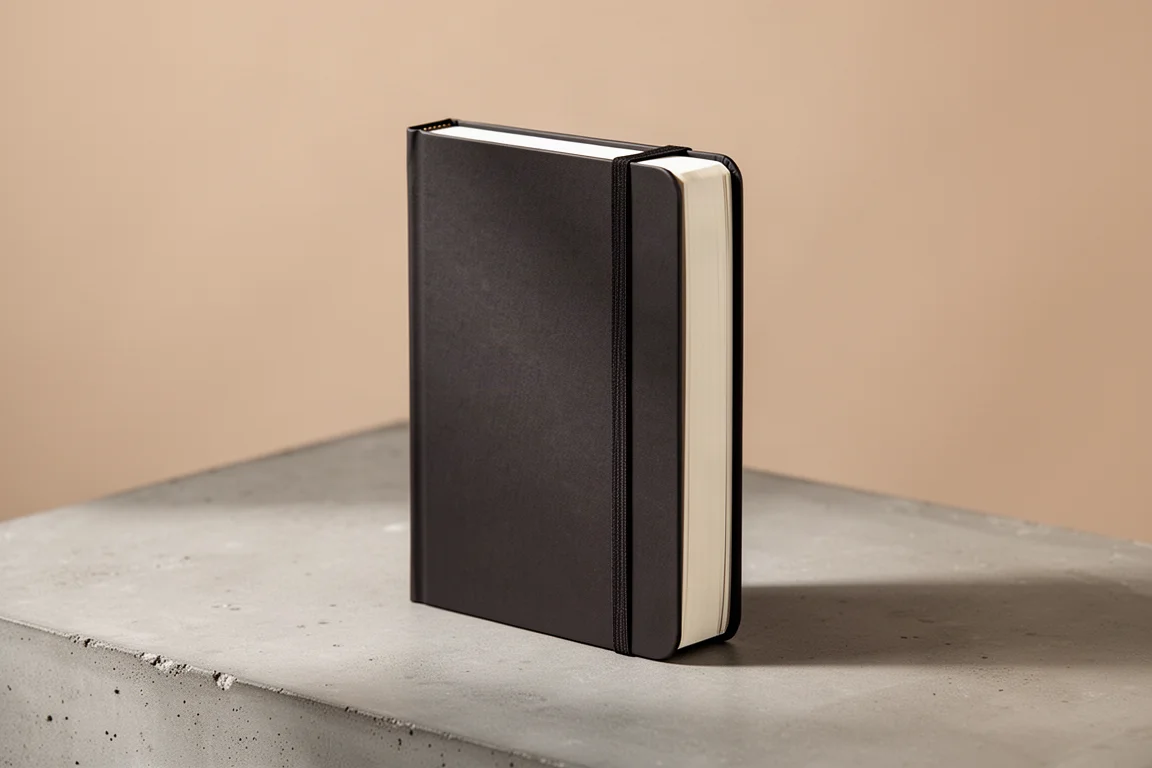
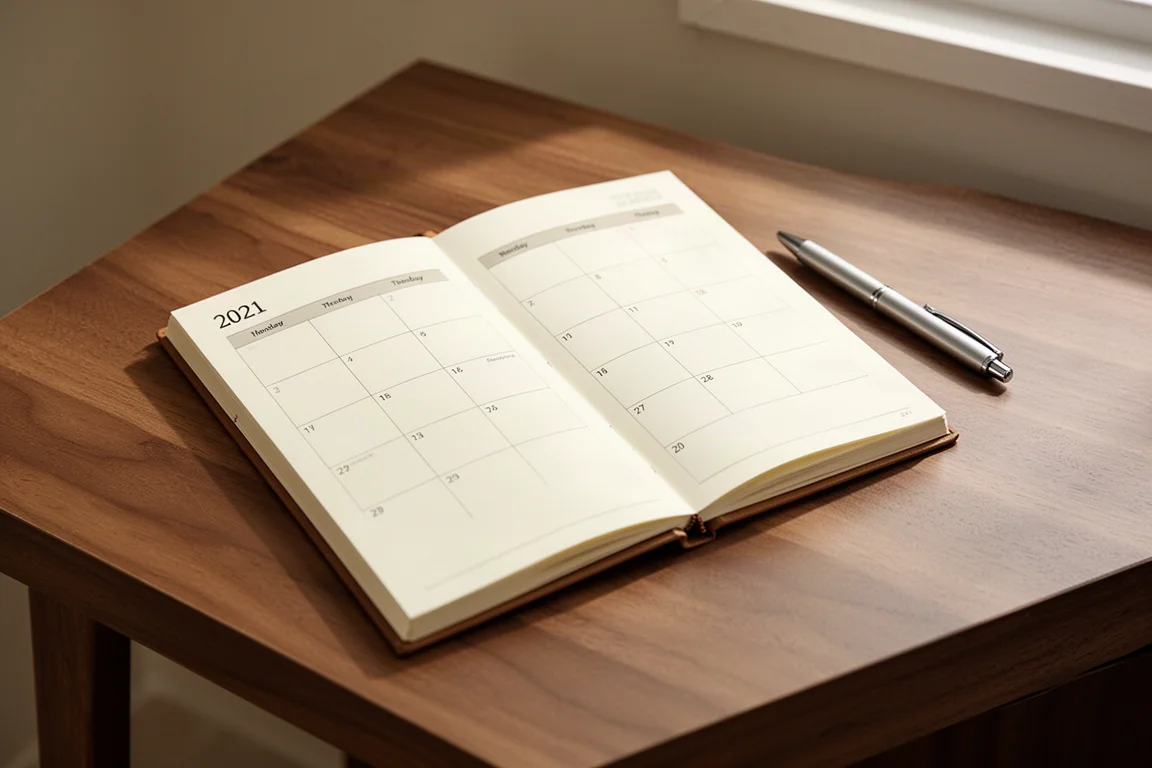
The Midori 1-Year Diary is a good alternative if committing to the same journal for several years feels daunting. It has enough undated pages for a full year, and if you skip a couple of days, no one will ever know.
2. Incorporate Micro Journaling Into Your Routine
Sometimes you genuinely want to sit down and write for pages, so you save up topics while waiting for the perfect moment. Then when the break finally comes, you have forgotten everything you wanted to write about.
Micro journaling solves this by capturing your strongest thoughts of the day in a concise form. One approach is jotting down a quick list of moments worth remembering, like how you felt or what you accomplished. You can write on a sticky note, attach it to your journal, and return later to flesh out your thoughts.
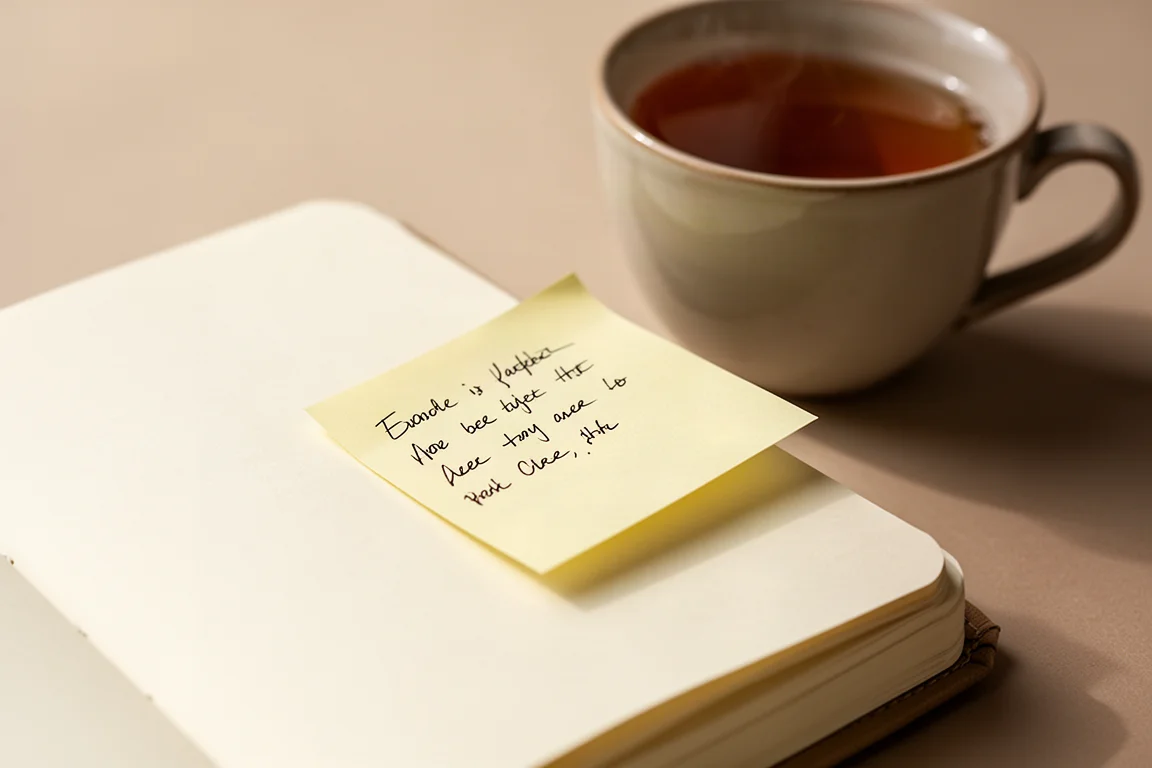
Even if you never get around to the longer entry, the list still reminds you of what happened, so nothing important slips away.
3. Create a Repeatable Template
Ever stared at a blank page deciding what to write, only to watch your fifteen minutes of free time disappear? A repeatable template removes that decision friction and makes getting started effortless.
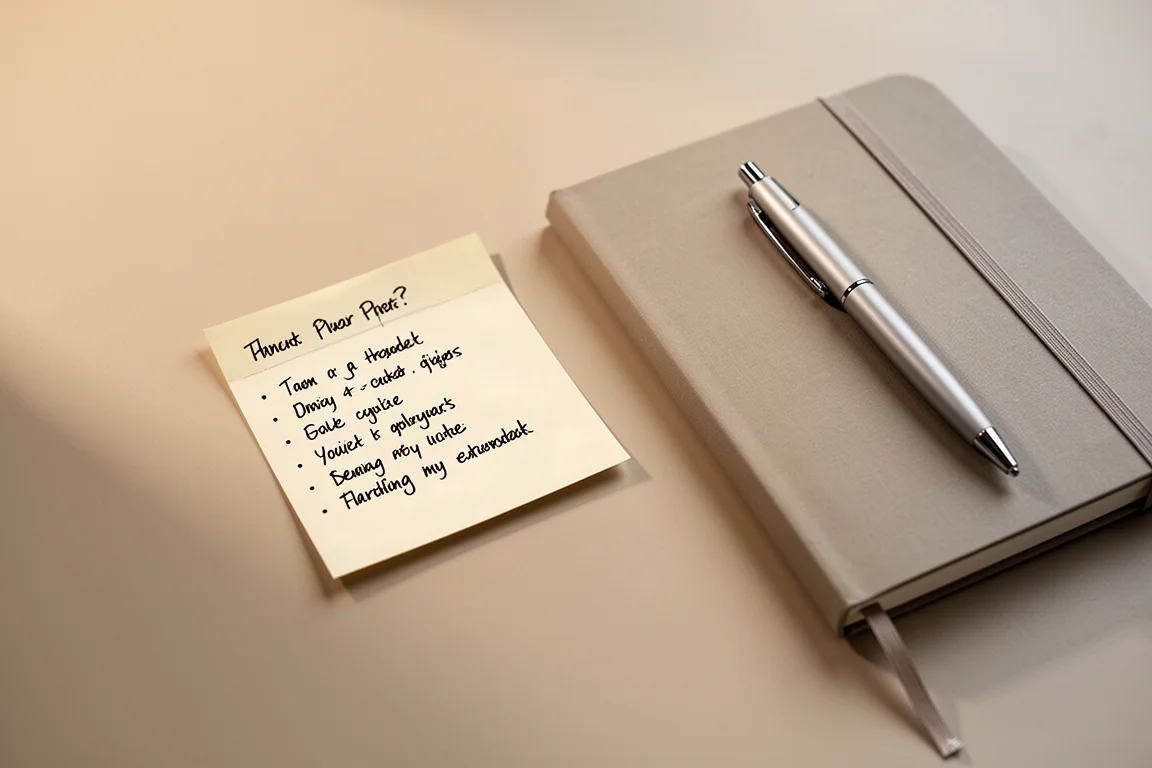
To build one, think about simple questions that are easy to answer, such as “What was the best thing that happened today?” or “What did I do today?” Because these prompts need little thought, you can start writing immediately instead of deliberating.
Write your prompt list on a separate card, like a Kokuyo Information Card, and keep it with your notebook so it is always within reach.
4. Record Information That Actually Matters to You
Many people assume journaling means documenting daily life. But if writing about your commute or your dinner feels pointless, write about something else that matters to you.
If you love to read, use your journal to jot down quotes. Trying out every coffee shop in town? Write short reviews of your favorite drinks. Filling your journal while enjoying other hobbies lets you do two things at once.
There is no right or wrong way to keep a journal. What matters is that you use it in a way that feels satisfying and important to you.
5. Keep Your Writing Space and Supplies Organized
Be honest: when you sit down to write, do you spend five or ten minutes clearing off your desk first? Then you have to find your journal, pick a favorite pen, and gather your supplies, and by then your free time is gone.
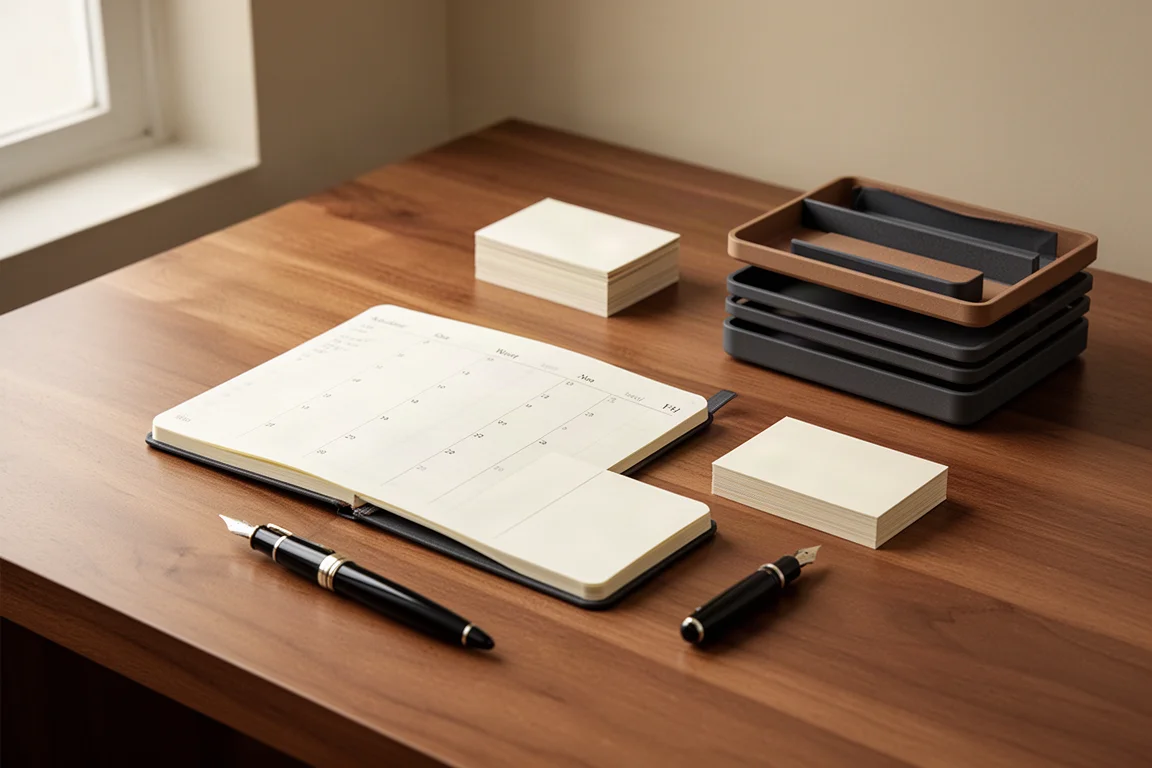
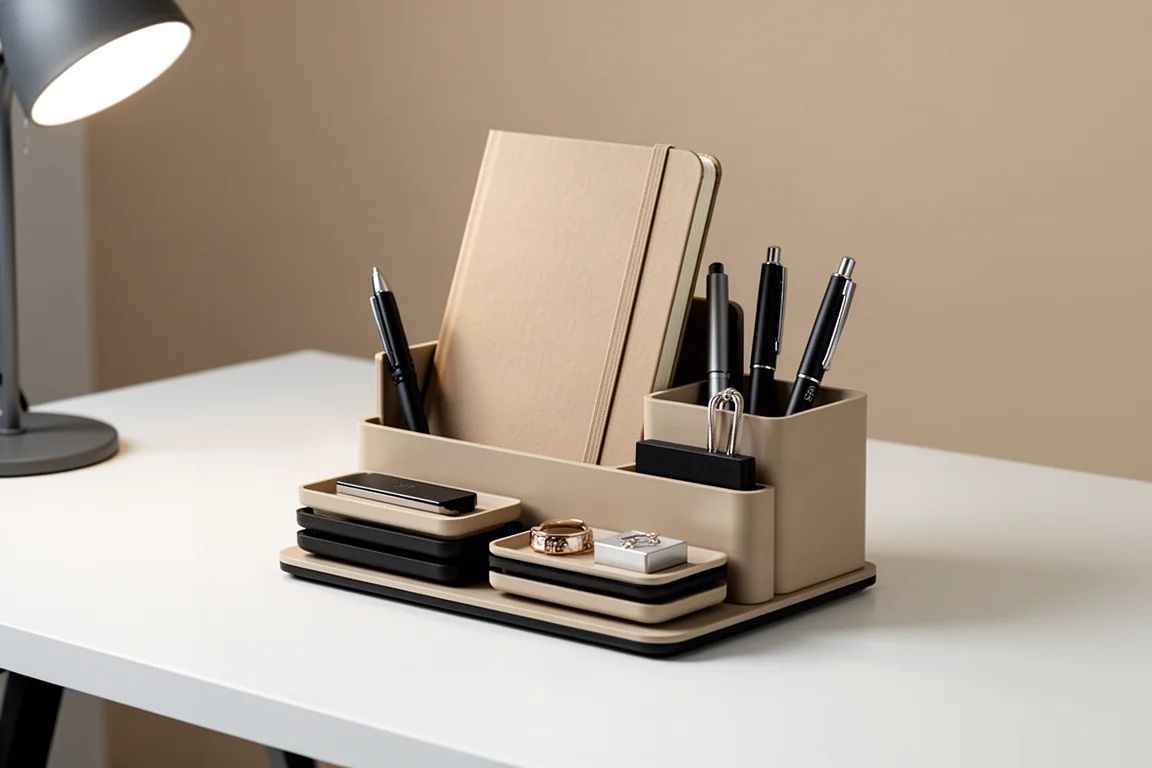
To make journaling as stress-free as possible, keep all your supplies organized in one spot. The Nakabayashi Haconia Organizer holds A6 or A5 journals and has stackable trays for sorting pens and small accessories.
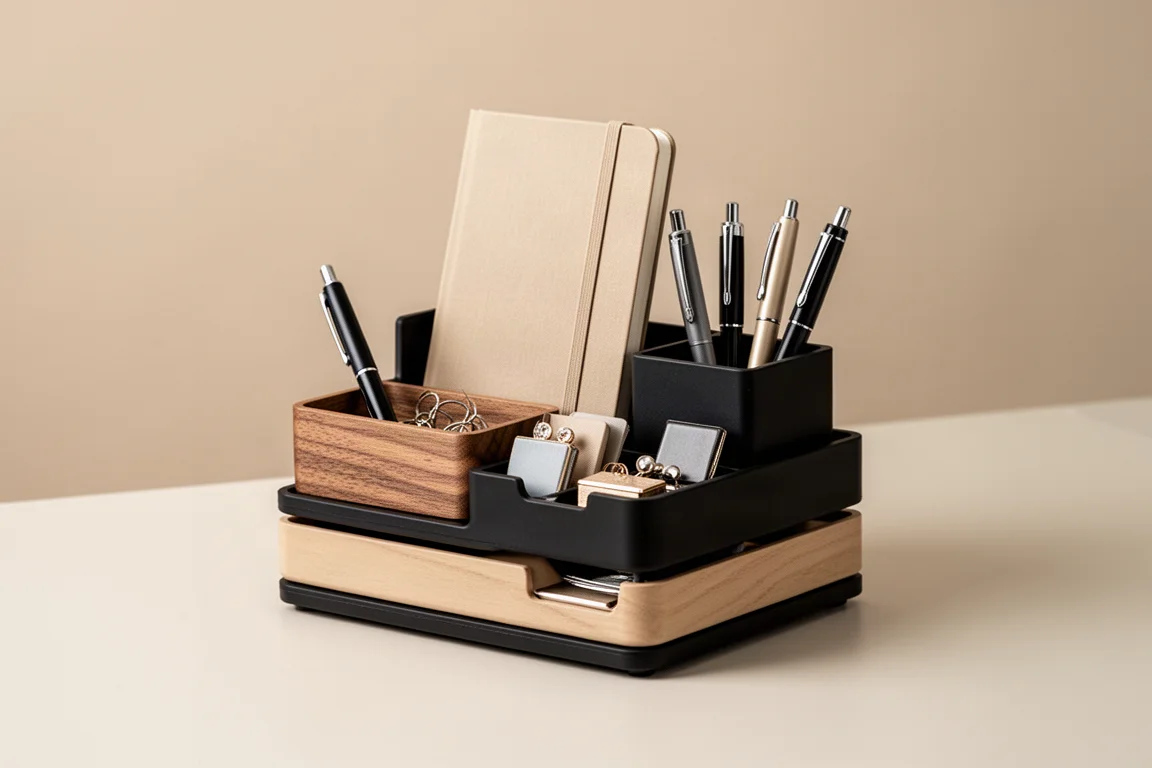
If your desk is a disaster, you can easily create a new writing spot by simply moving the organizer to a different table.
Buying Advice
Match the product to your specific bottleneck. If motivation is the issue, the Midori diaries make daily effort almost trivially small. If you lose ideas before you can write them down, the micro journaling approach with a Kokuyo Information Card preserves them. And if clutter keeps you from sitting down, the Nakabayashi Haconia Organizer turns any table into a ready writing spot.
Conclusion
Keeping a journal when you are busy is less about discipline and more about design. Choose formats that ask little of you each day, capture thoughts before they vanish, write about what genuinely interests you, and keep your tools ready to go. With the right setup, even a one-line entry counts, and the habit survives.
Further reading
Related Reviews
Stationery
Musgrave Pencils Review: Four Classic Pencils from Tennessee's Last Pencil Factory
We put four Musgrave pencils to paper, from the classic Harvest to the Unigraph 1200 drawing pencil, to see what a century-old Tennessee workshop can still do.
Stationery
Fountain Pen Tiers Explained: From Starter Pens to Luxury Grails
A practical overview of the different levels of fountain pens and inks, from a sub-$20 starter setup to Italian piston fillers and retractable gold-nib everyday carries.
Stationery
HP Premium 32 lb Copy Paper Review: A Fountain Pen Friendly Everyday Printer Paper
A heavy, smooth 120 GSM copy paper that handles fountain pens far better than standard printer stock, with only minor trade-offs in shading and sheen.