Indoor Cycling
Jim Reel Momentum X1 Review: A Rocker Plate With Four Directions of Motion
The Momentum X1 rocker plate adds front-to-back, lateral, tilting, and rotational movement to indoor training. Here is how it performs and who it makes sense for.

Introduction
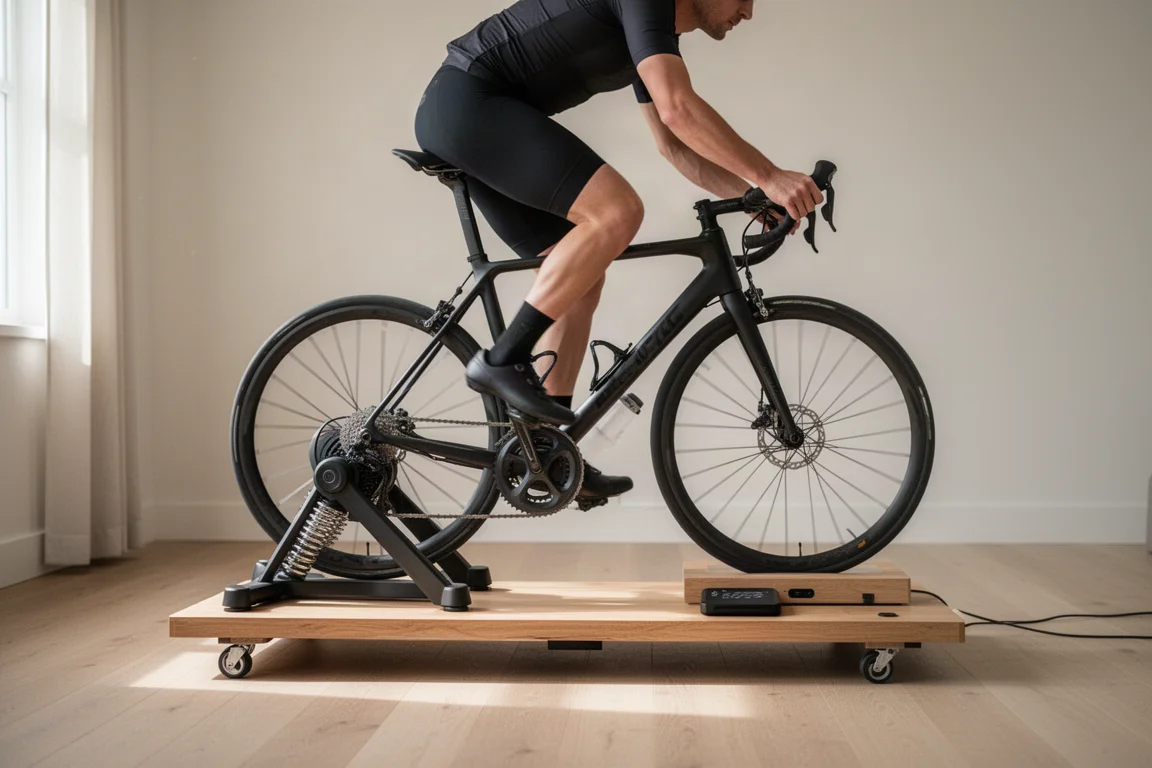
The Jim Reel Momentum X1 is a motion platform designed to sit under your existing smart trainer and add movement to indoor rides. The idea behind any rocker plate is simple: letting the bike and your body move slightly reduces fatigue, especially on longer multi-hour indoor sessions. The X1 takes that concept further than most, offering four different directions of motion instead of the usual one or two.
Note that the trainer shown with the platform in most demonstrations is a standard Wahoo KICKR CORE, which is sold separately. The X1 is only the board system and its front end.
Who This Product Is For
The Momentum X1 is aimed at riders who spend serious time indoors, particularly those doing longer steady-state or endurance workouts where movement genuinely helps with comfort. It is also a reasonable match for riders who want more degrees of freedom than a basic tilt-only rocker plate provides, and who are willing to pay a premium for that.
If your indoor riding consists mostly of short, sharp sessions, a simpler and cheaper plate may serve you just as well.
Main Strengths
The headline feature is the four directions of motion. First, the platform moves front to back, something seen on higher-end plates like the Saris MP1 but far less common on home-built options. Second, it tilts side to side like most rocker plates. Third, it moves laterally side to side, becoming noticeable once body weight is applied. Fourth, when you rotate the handlebars during harder efforts, the whole platform follows with a slight S-shaped rotational movement.
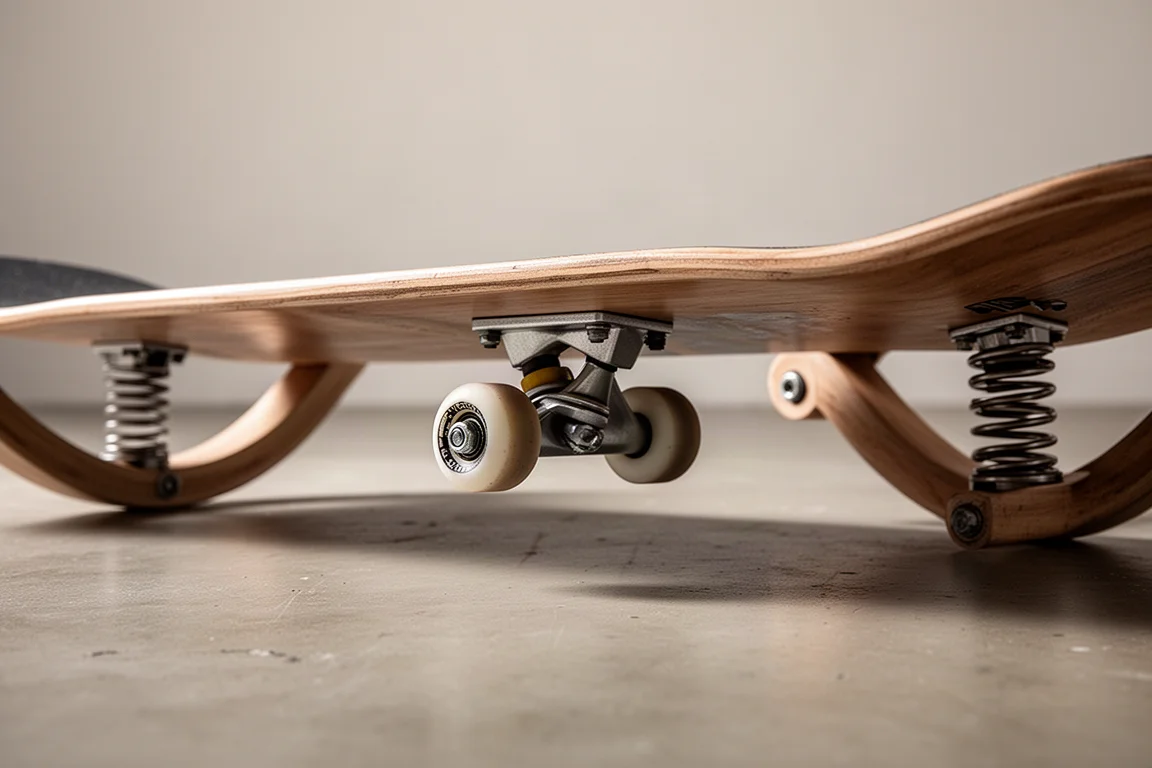
Setup is straightforward overall. The front section folds out, the legs are easy to deploy, and a pole on top accepts your fork with a couple of included axle adapters. The rear section involves attaching a skateboard-style assembly into the center of the wooden plate. There are no pre-drilled screw holes, so you do that yourself with a screwdriver and the included screws. Markings indicating the correct position would be a welcome addition.
Jim Reel says the platform supports all the major smart trainers, including Tacx, Wahoo, Saris, and Elite, with a large compatibility list on its website. If a trainer somehow does not fit, the company says it will work with you to make it fit. Rollers are explicitly not supported. Once the trainer is mounted and leveled, brackets and straps secure it to the board; the strap system is essential, otherwise the rocking motion would push the trainer off the plate.
On the road feel, the platform is genuinely lively. It responds to shifts in body weight, side-to-side sway, harder pedaling, and out-of-the-saddle efforts. Compared with simpler tilt-only plates, it feels more dynamic and, as the company markets it, a bit more natural to ride.
Things to Consider Before Buying
There is a learning curve. The first couple of rides feel unsettled because of how many degrees of movement are at play. Applying weight toward the center helps with stability, and it takes at least a couple of sessions to feel comfortable.
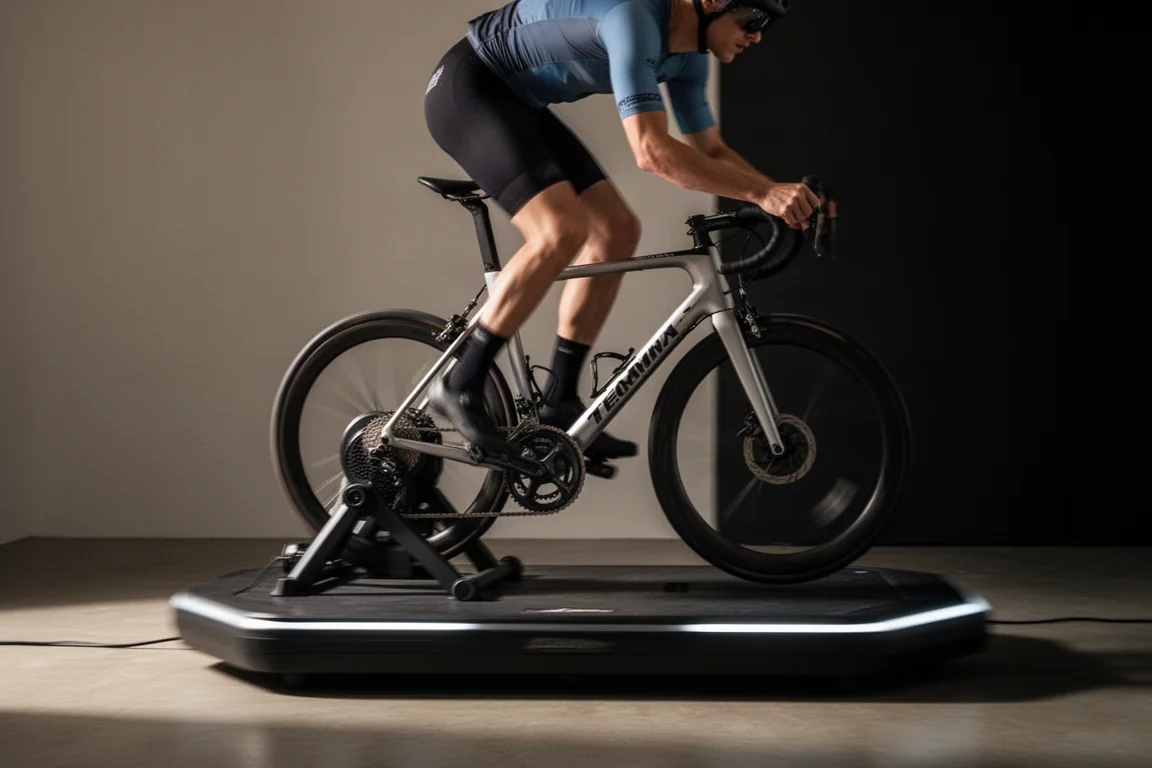
Spring tension matters. The review configuration used the lower-tension springs, which allow more movement. A higher-tension spring option is available, likely better suited to taller or heavier riders who want less wiggle.
The fourth motion direction, the S-shaped rotation, is real and valid, but it is debatable whether it counts as a full motion direction. It is most noticeable during hard efforts rather than steady riding.
One limitation: there is no steering support in apps like Zwift today. The company says it is working on it, and the front pole is designed to be swapped for one that transmits steering electronically to compatible apps.
Price is the big question. The full unit with the front end comes in at around €1,700 in the Netherlands, or roughly €1,380 for the unit without the front end. For comparison, the Saris MP1 sits around $1,000 to $1,200 (about €1,000 on sale), basic tilt-only rocker plates typically run roughly $300 to $800, and homemade options range from a few hundred dollars down to a pair of tennis balls. That makes the X1 a significant investment, and the price is hard to ignore.
It is also worth noting that no rocker plate properly simulates the exact direction of movement you would experience outdoors, since the bike is locked to a trainer and there is no gravity counterbalance. That did not prove to be a practical concern for steady-state riding.
Buying Advice
Set the price aside for a moment and the Momentum X1 delivers: the motion feels varied, responsive, and slightly unpredictable in a way that makes long indoor rides more engaging. Of the rocker plates compared side by side, it feels the most alive.
If you ride long indoor sessions regularly, have a compatible smart trainer, and want the widest range of motion available, the X1 earns its place. Riders on a tighter budget, or those who only need basic side-to-side tilt, will be well served by plates in the $300 to $800 range, or by the Saris MP1 for front-to-back motion at a lower price. If you do buy, consider the higher-tension springs unless you specifically want maximum movement.
Conclusion
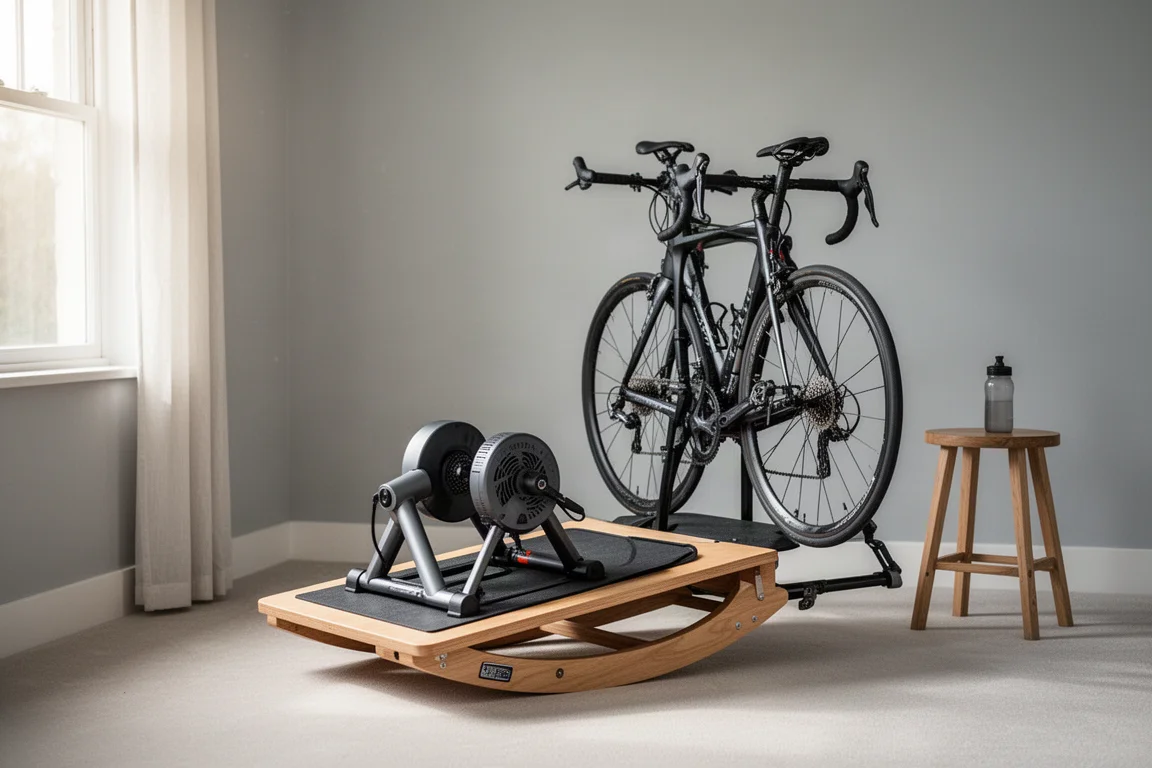
The Jim Reel Momentum X1 is an ambitious rocker plate that pushes beyond the standard side-to-side design with four directions of motion, broad trainer compatibility, and a genuinely lively ride feel. The price is the main obstacle, and the lack of in-app steering support is a gap the company says it plans to address. For dedicated indoor riders who want the most dynamic platform available, it is a compelling, if expensive, option.
Product link
View more details for Jim Reel Momentum X1
This product is mentioned in the review. Check the specifications, options, and compatibility before buying.
View more details for Jim Reel Momentum X1Further reading
Related Reviews
Indoor Cycling
Best Budget Smart Indoor Trainer Setups: Six Options Worth Considering
Smart indoor trainers keep getting better while prices come down. Six setups and components worth considering, from the cheapest Zwift-ready option upward.
Indoor Cycling
Best Budget Smart Indoor Trainers for Immersive Cycling in 2026
A practical guide to affordable smart indoor trainer setups, including budget and mid-range options with virtual shifting.
Indoor Cycling
Best Indoor Cycling Apps and Smart Trainers: A Winter Buying Guide
A practical look at the indoor training platforms and smart trainers that matter this season, from a new challenger to Zwift to the entry-level trainer that stands out on value.