Indoor Cycling
JetBlack Victory Review: The Smart Trainer That Undercuts the Competition
At $399, the JetBlack Victory packs accuracy, Wi-Fi, virtual shifting and multi-bike compatibility into a direct drive trainer that usually costs far more.
Introduction
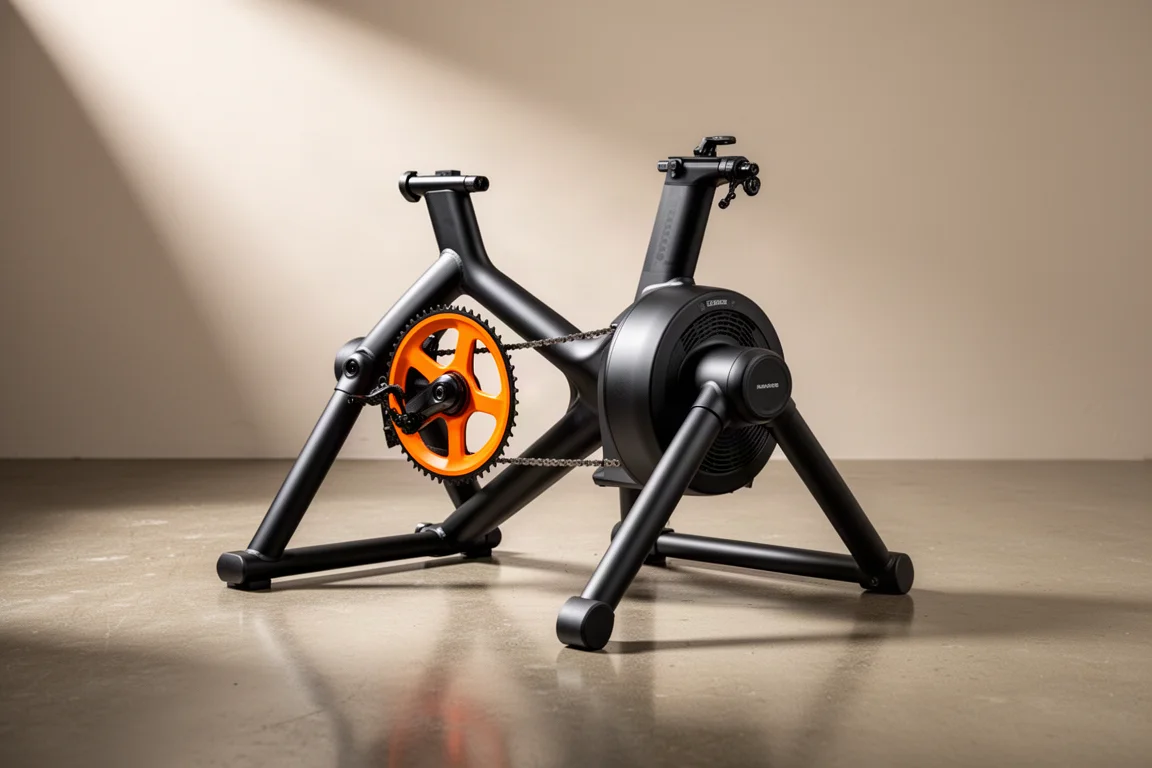
The JetBlack Victory has spent months under our wheels, racking up everything from short interval sessions to multi-hour rides across multiple training apps, and it has quietly become one of the most interesting smart trainers on the market. The headline is simple: a full-featured direct drive trainer at $399, a price that undercuts competitors with comparable specs by a wide margin.
JetBlack itself is no newcomer. The brand is well established inside the indoor cycling industry, so much so that it was tapped to build the first Zwift trainer, the Zwift Hub, a few years back. That pedigree shows in the Victory.
Who This Product Is For
The Victory suits anyone who wants a modern, feature-rich smart trainer without paying the $800 to $1,000 that comparable hardware typically commands. It is especially compelling if you ride indoors regularly, use structured workouts, or share one trainer between multiple bikes in a household.
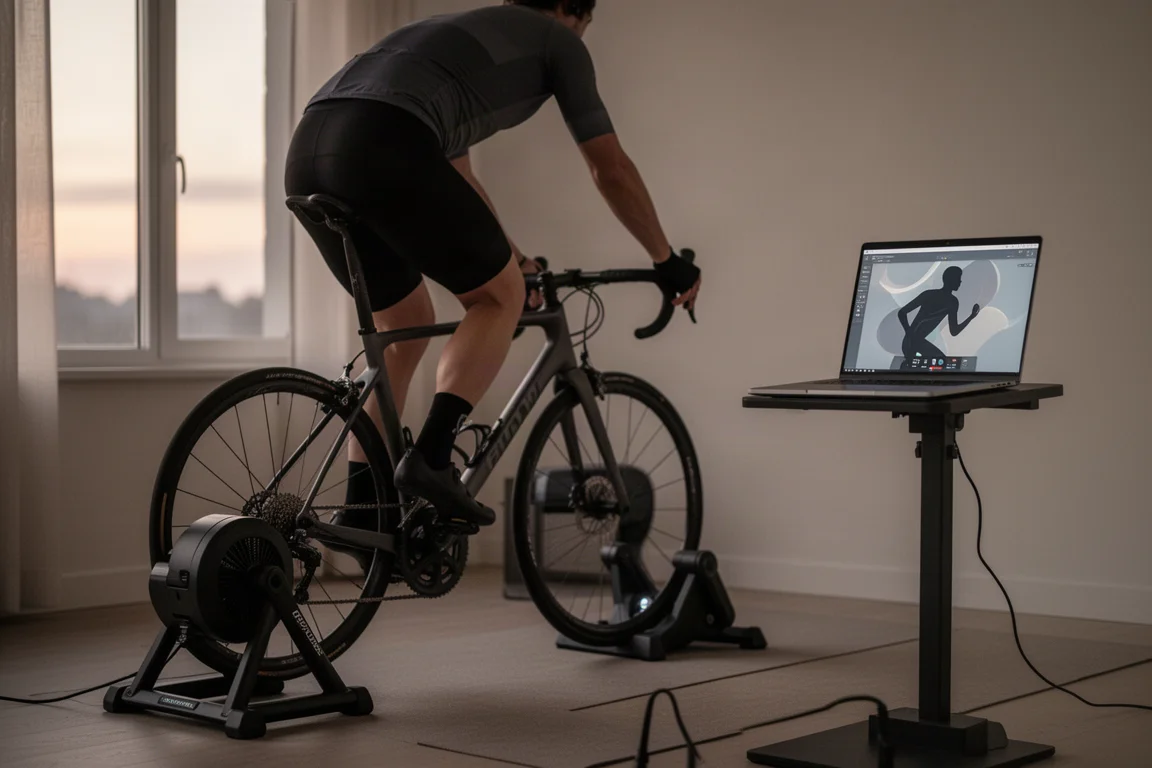
It is also a strong pick for Apple TV users thanks to built-in Wi-Fi and heart rate bridging, both of which sidestep that platform’s tight Bluetooth limits.
What the $399 Price Gets You
The big-ticket specs are impressive for the money. JetBlack claims ±2% accuracy, 16% maximum incline simulation, and a maximum resistance of 1,800 watts. For context, few riders will ever touch a four-figure sprint, so the resistance ceiling effectively covers everyone.
Protocol support is complete, with ANT+ FE-C and Bluetooth Smart FTMS as expected, plus Wi-Fi for a more stable connection. There is also a USB-C port on the unit, which may open direct app connectivity in the future, though no apps currently support it.
There is one decision to make at purchase: which cassette option you want. Right now the trainer ships with the Zwift Cog version 2.0, and a standard cassette option will follow later at the same $399 price. More on that choice below.
Cassette Choice and Multi-Bike Compatibility
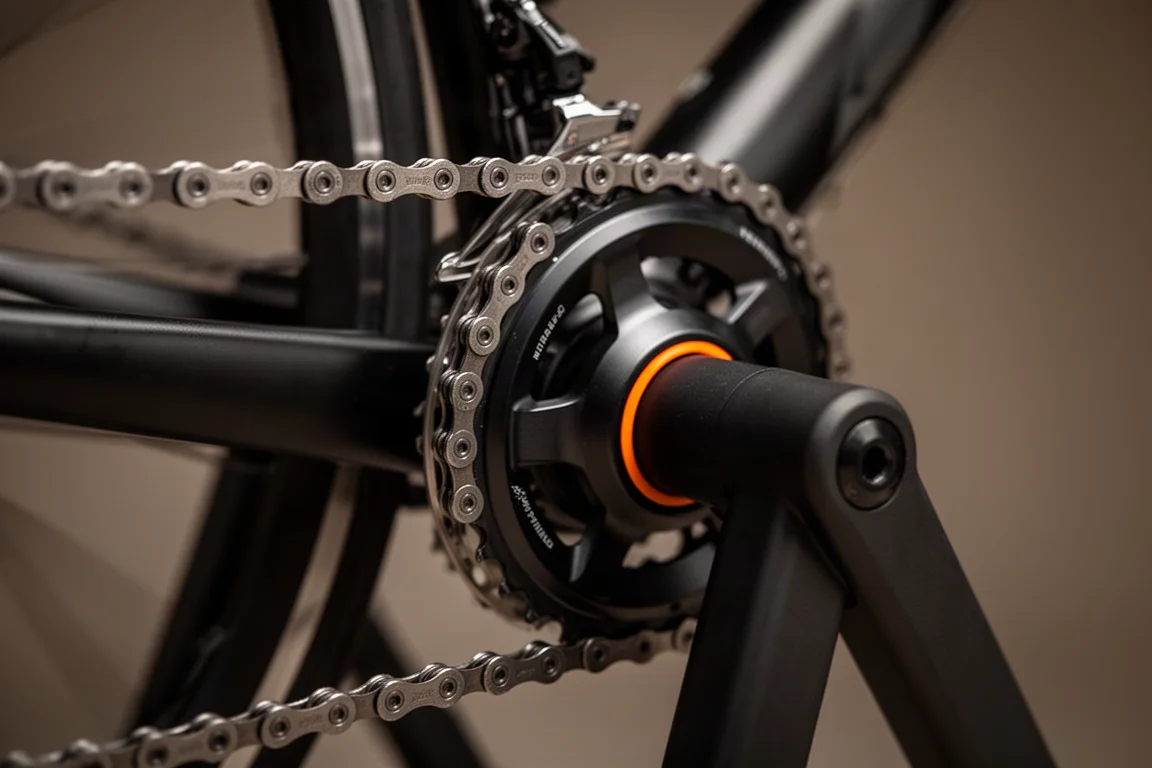
The Zwift Cog approach uses a single physical cog. All the smarts live in the trainer itself, not the cog, so you simply tell the app what you are using. The benefit is huge for multi-bike households: a 10, 11 or 12-speed bike all works on the same trainer, because there is no traditional cassette to match.
The trade-off is that virtual shifting via the Zwift Click is proprietary to Zwift. You press a small remote button to shift through a 24-gear virtual cassette, and that click only works within Zwift. In other apps with virtual riding and free shifting, you cannot shift with the Zwift Cog installed.
The easy escape hatch: the cassettes themselves are dumb hardware, so you can swap between the Zwift Cog and a regular cassette in about 2 to 3 minutes. A regular cassette costs roughly $50 to $70. With a standard cassette fitted, the trainer works with any app that supports the existing open standards, including structured workout modes everywhere. With the Zwift Cog on, structured workouts in apps like TrainerRoad still work perfectly, since there is no shifting involved anyway.
One nice touch on the Cog 2.0 is its indexing system: ten adjustment clicks let you align the cog precisely with your chain, making the whole system quieter than the first-generation version.
Setup and Everyday Use
Assembly takes about two minutes: attach the legs, mount the bike, and you are riding. The Zwift Click ships in the box and attaches to your handlebars with the included rubber bands. Early shipments have a black Click, later ones a colorful version, but they are technically identical.
After configuring Wi-Fi once through the JetBlack app, you never need the app again. From there, the trainer connects directly over Wi-Fi in apps like Zwift, which matters enormously on Apple TV where the Bluetooth device limit is two plus the remote. With Wi-Fi handling the trainer, and heart rate bridging funneling your strap through the trainer’s connection, Apple TV users can sidestep Bluetooth limits almost entirely.
Ride Feel and Noise
Inertia is excellent. Acceleration and deceleration feel realistic, landing in the same general ballpark as the Wahoo KICKR Core, which makes sense given the similar flywheel weight. The trainer is also very quiet: essentially the only sound is your own drivetrain, with just the faintest hum from the unit itself.
Virtual shifting in Zwift is instant and responsive, matching what other virtual-shifting trainers deliver. You technically have 24 virtual gears, though in practice most riders stay somewhere in the 12 to 18 range. Our only stylistic complaint is that virtual shifting reduces the tactile realism of using your bike’s own shifters, but that is a matter of preference and the system itself works flawlessly.
There is also a race mode, which raises the data update rate to ten times per second instead of the usual once per second, producing visibly more responsive power readouts.
Accuracy and Power Data
Across structured workouts in TrainerRoad, structured sessions in Zwift, and simulation rides with climbs and descents, the Victory tracked beautifully against separate power meters, with differences measured in single watts. Cadence data was spot on as well. This consistency held over months of use, including longer multi-hour sessions.
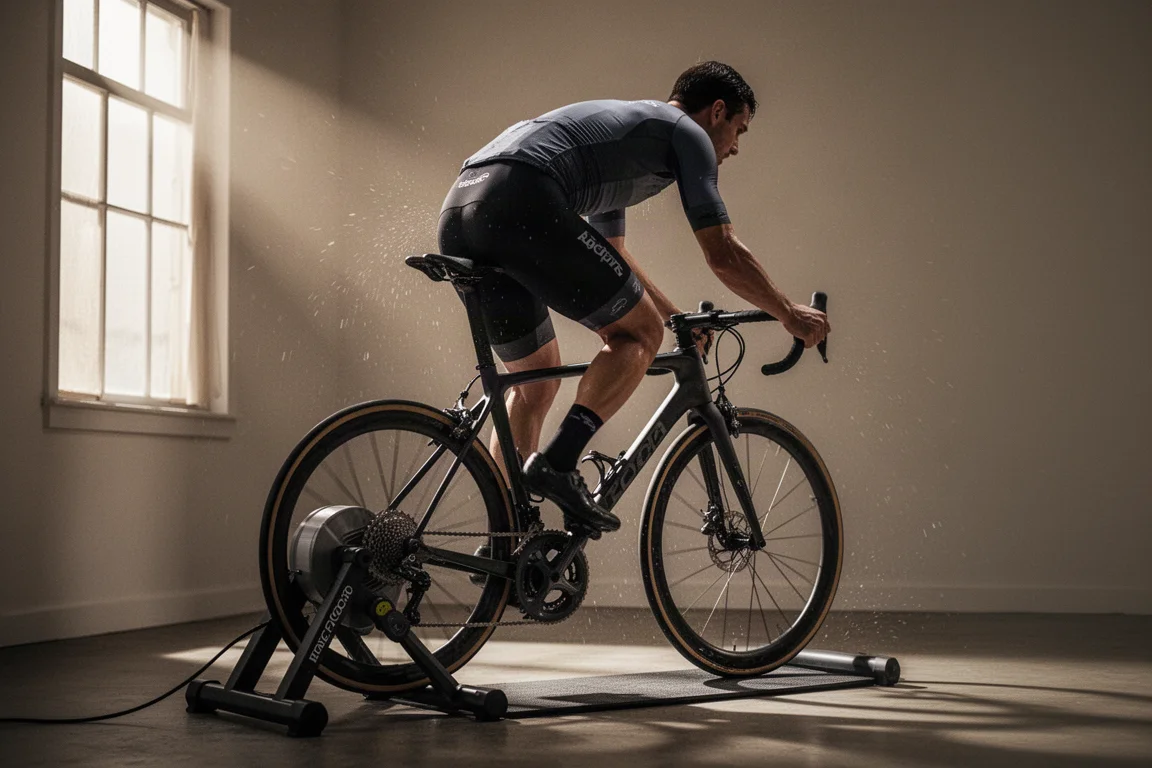
One quibble: the Victory applies ERG mode smoothing, which makes its power lines look unnaturally perfect in structured workouts. Other trainer brands let you turn this off, and we would like to see JetBlack offer the same option. It does not affect accuracy, only how smooth the graphs look.
Interval response is excellent. In a 30x30 test, jumping from roughly 150 watts to 450 watts, the trainer initiated about a second before the interval start and reached target in about two seconds total, right in the sweet spot for micro-intervals, with rock-solid stability.
Things to Consider Before Buying
The Zwift Click and Zwift Cog ecosystem is proprietary to Zwift, which is a genuine limitation if you split time between virtual riding apps. A regular cassette solves it, but that is an extra purchase if you do not already own one.
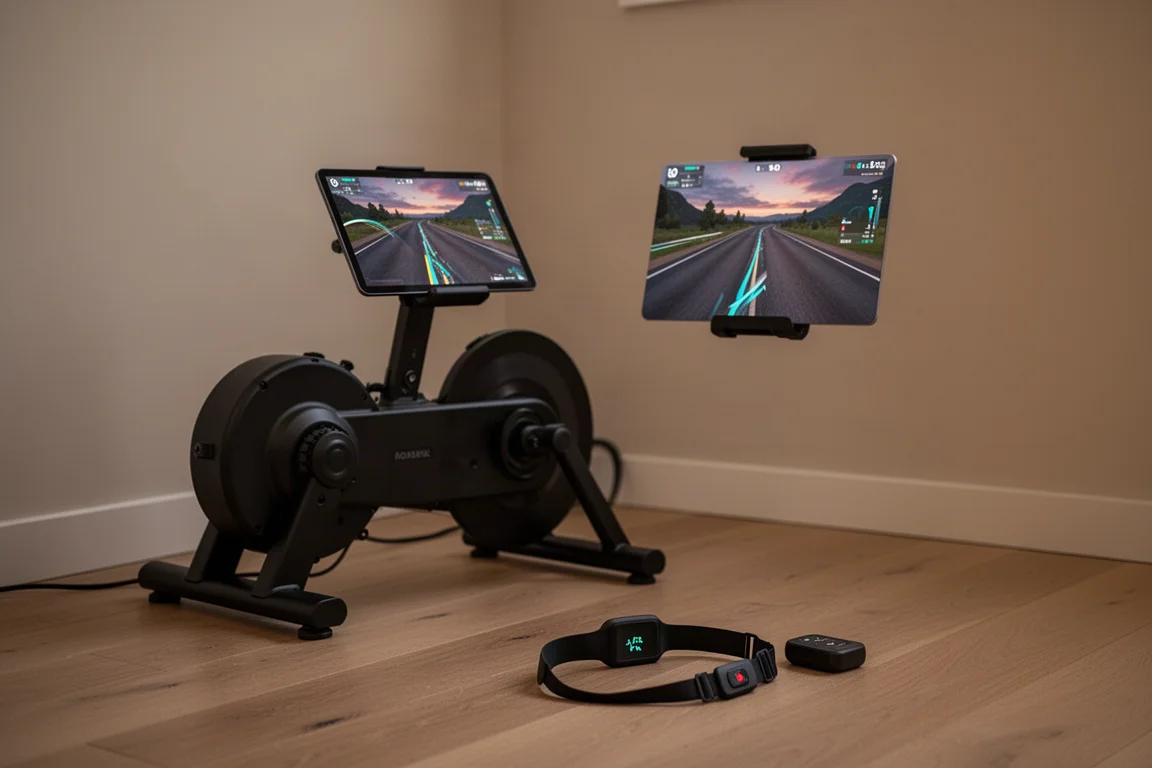
Availability is the bigger problem. The Victory has been largely sold out into December and, in some regions, early January, and supply is expected to remain constrained for quite a while. If you find it in stock, act quickly.
Buying Advice
At $399, the Victory delivers nearly everything the $2,000 flagship trainers offer. Yes, the premium options have even more impressive ERG mode accuracy and some offer a physical rocking motion the Victory does not have. But the comparably priced flagship from Garmin does not include Wi-Fi or race mode, and the Victory costs a quarter as much. Competitors simply do not seem to have the cost structure to match this price point with these features anytime soon.
It is worth repeating: if you can get one, buy it.
Conclusion
The JetBlack Victory is arguably the most impressive trainer the indoor cycling industry has seen in years. Accuracy is within a whisker of trainers costing five times as much, the feature set includes Wi-Fi, heart rate bridging, virtual shifting and multi-bike flexibility, and the price is simply unmatched. The main caveats, the proprietary Zwift Click ecosystem and chronic stock shortages, are real but easy to live with. This is a very strong recommendation.
Product link
View more details for JetBlack Victory
This product is mentioned in the review. Check the specifications, options, and compatibility before buying.
View more details for JetBlack VictoryFurther reading
Related Reviews
Indoor Cycling
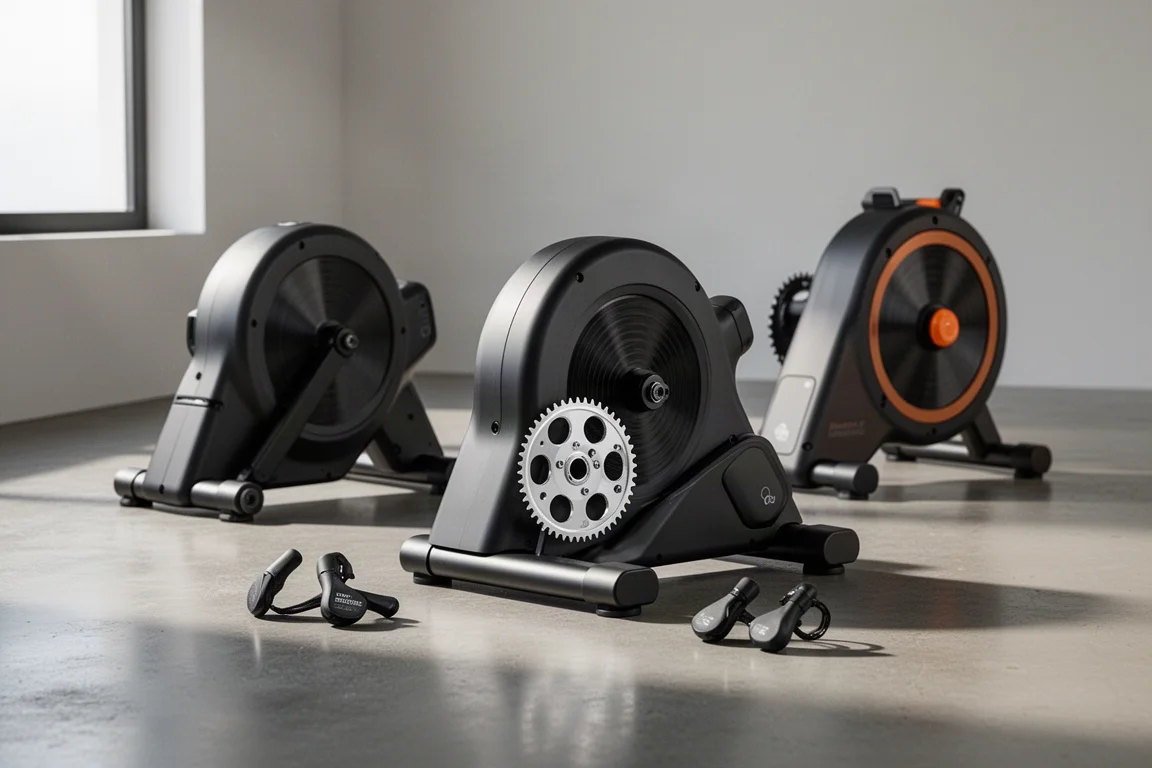
Best Budget Smart Indoor Trainer Setups: Six Options Worth Considering
Smart indoor trainers keep getting better while prices come down. Six setups and components worth considering, from the cheapest Zwift-ready option upward.
Indoor Cycling
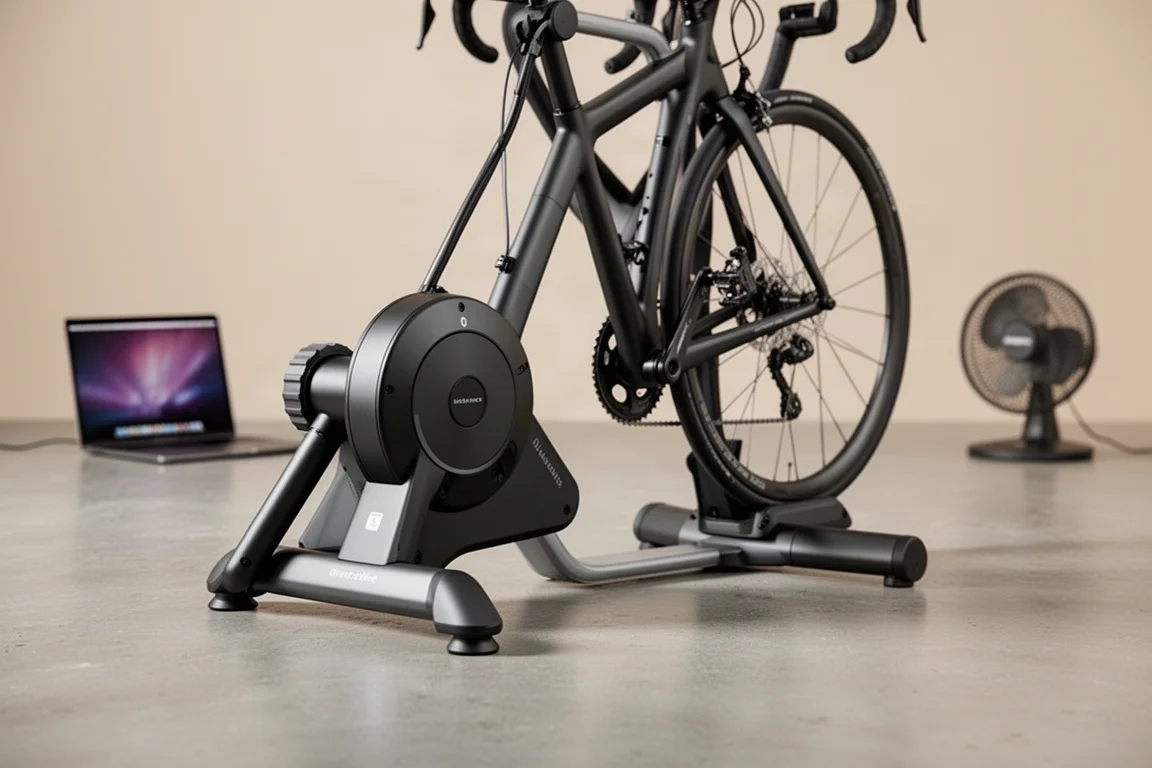
Best Budget Smart Indoor Trainers for Immersive Cycling in 2026
A practical guide to affordable smart indoor trainer setups, including budget and mid-range options with virtual shifting.
Indoor Cycling
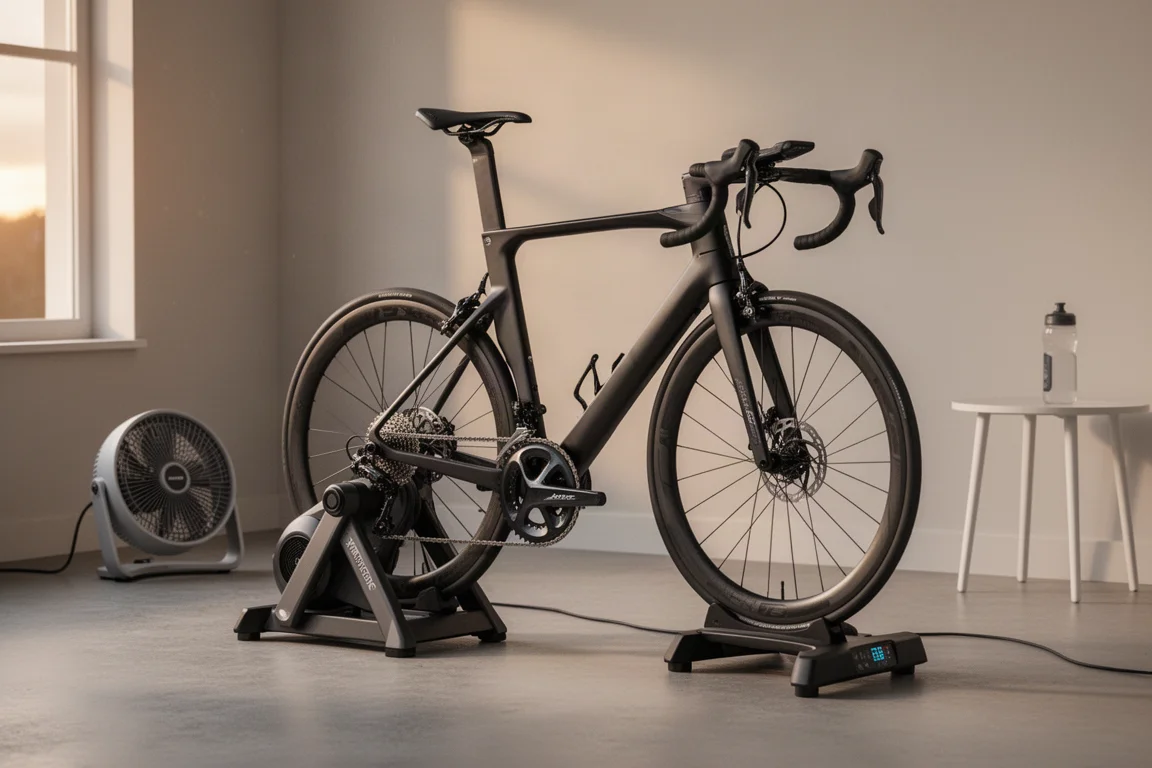
Best Indoor Cycling Apps and Smart Trainers: A Winter Buying Guide
A practical look at the indoor training platforms and smart trainers that matter this season, from a new challenger to Zwift to the entry-level trainer that stands out on value.