Portable Power Stations
Jennifer's Home Power Two Pro vs Power One Pro: Which Power Station Fits Your Life?
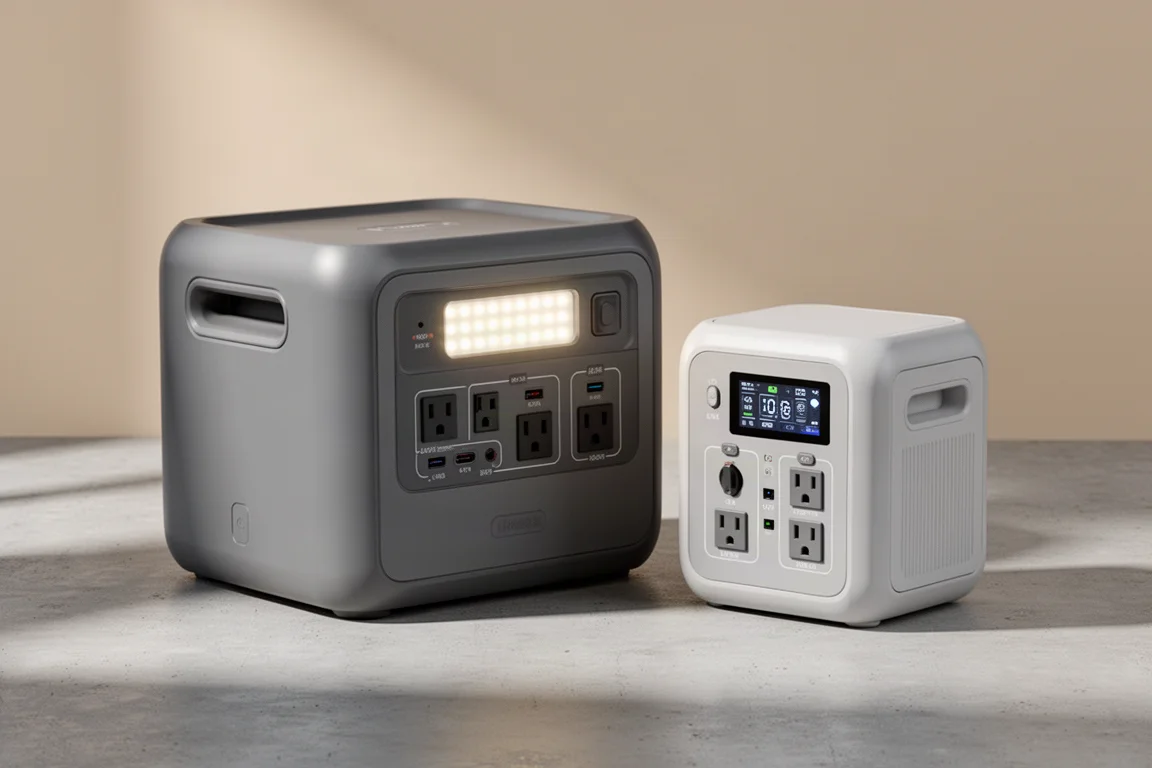
Two power stations from the same brand, built for very different jobs: one for serious home backup, one for lighter duty.
Introduction
Jennifer’s Home makes two power stations that look similar but serve noticeably different purposes: the Power Two Pro and the Power One Pro. After extended hands-on time with both, the core difference comes down to power and weight. The Two Pro is the bigger energy option, the One Pro the more portable one. Choosing between them is mostly about how you plan to use it.
Jennifer’s Home Power Two Pro: Built for Home Backup
The Two Pro packs 4,400Wh of capacity with a 2,200W output, and it is designed as a whole-house energy platform rather than something you toss in the car every weekend. It weighs at least double the One Pro, with bigger batteries inside for more stored energy, so it is best placed somewhere semi-permanent.
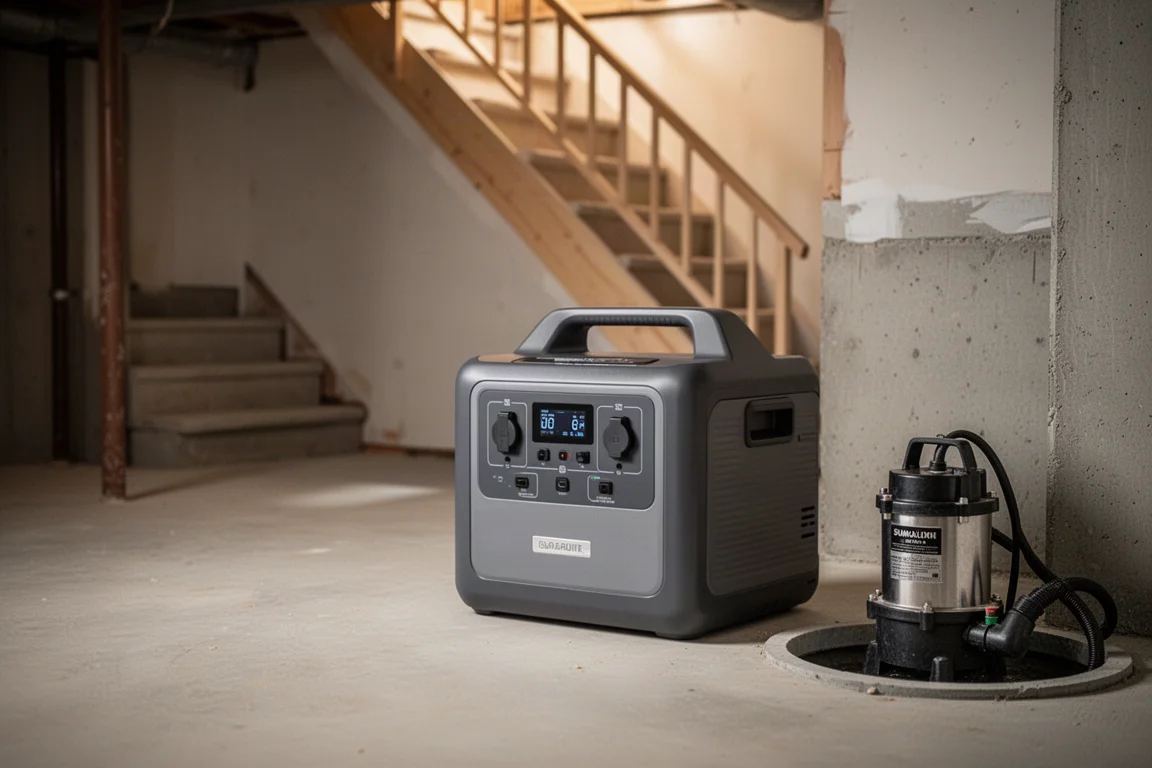
The natural use case is storm and outage preparedness. Leave it near your sump pump in the basement, and if the power goes out, you can plug the pump straight in. It has handled everything from charging a phone to running a 12-inch Bosch miter saw, a fridge, and a smoker, and it is safe for sensitive electronics too.
For anyone tired of gas generators, this approach has real appeal. No fuel to store, no bad gas to worry about, and for households that only lose power once or twice a year, it can cover a multi-day outage without much drama.
Solar Charging and the Expanded Setup
There are three ways to recharge: DC or car charging, a standard wall outlet, or solar. The newer folding solar panels are a meaningful improvement over earlier designs. They are genuinely light, set up in seconds, and angle easily toward the sun, with a textured surface finish that feels well thought out.
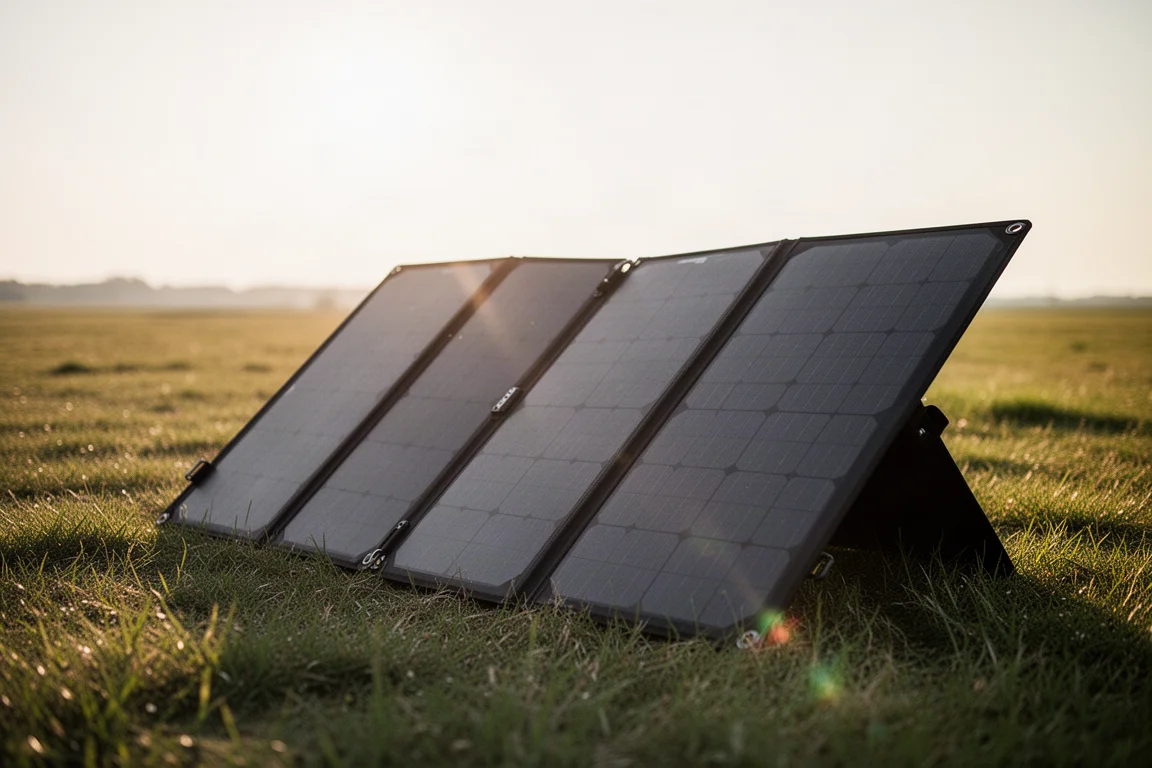
Solar is what removes the last worry during a long outage. Even on cloudy days the panels still generate some charge, enough to keep a phone going or trickle the battery up while the sun works. When the sun does come out, a battery this size can keep a household supplied for days.
Jennifer’s Home Power One Pro: The Lighter Companion
The One Pro is the unit that gets picked up and moved around. It offers less capacity and output than the Two Pro, but that is exactly the point. For camping, road trips, or powering a tent setup, the lower weight makes it far more practical, and it is the pick for anyone who values portability over maximum stored energy.
Small Details That Matter
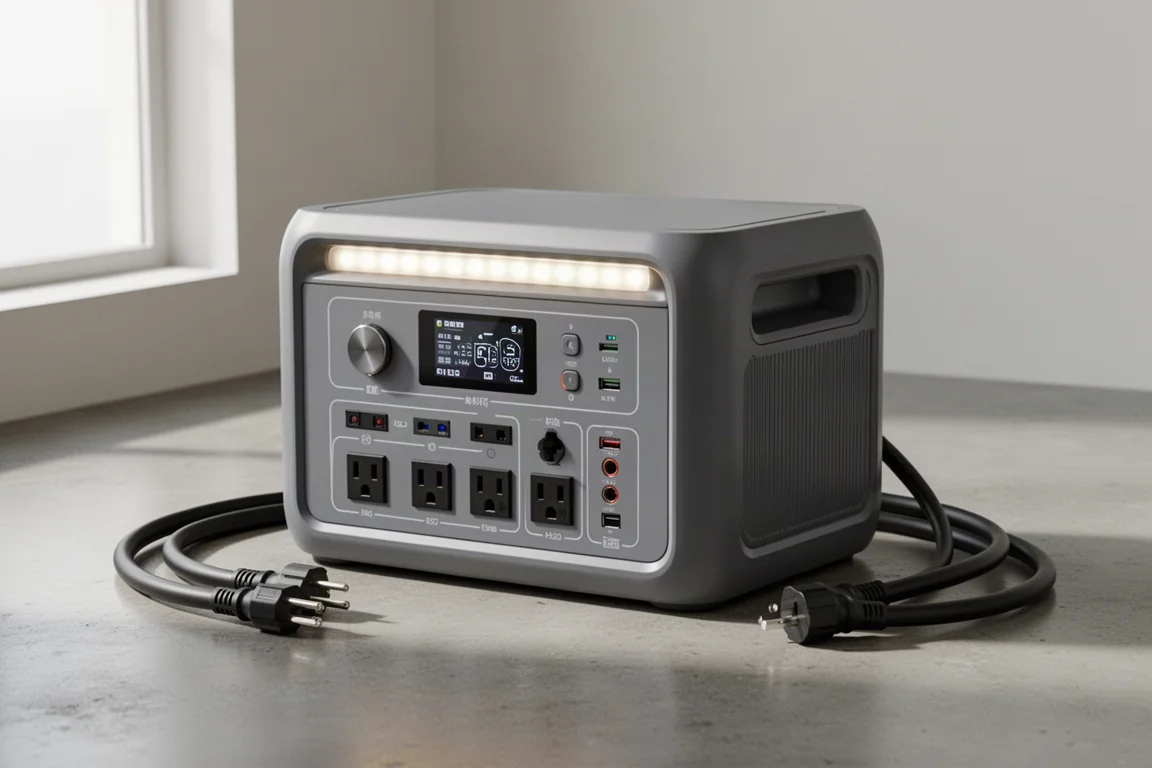
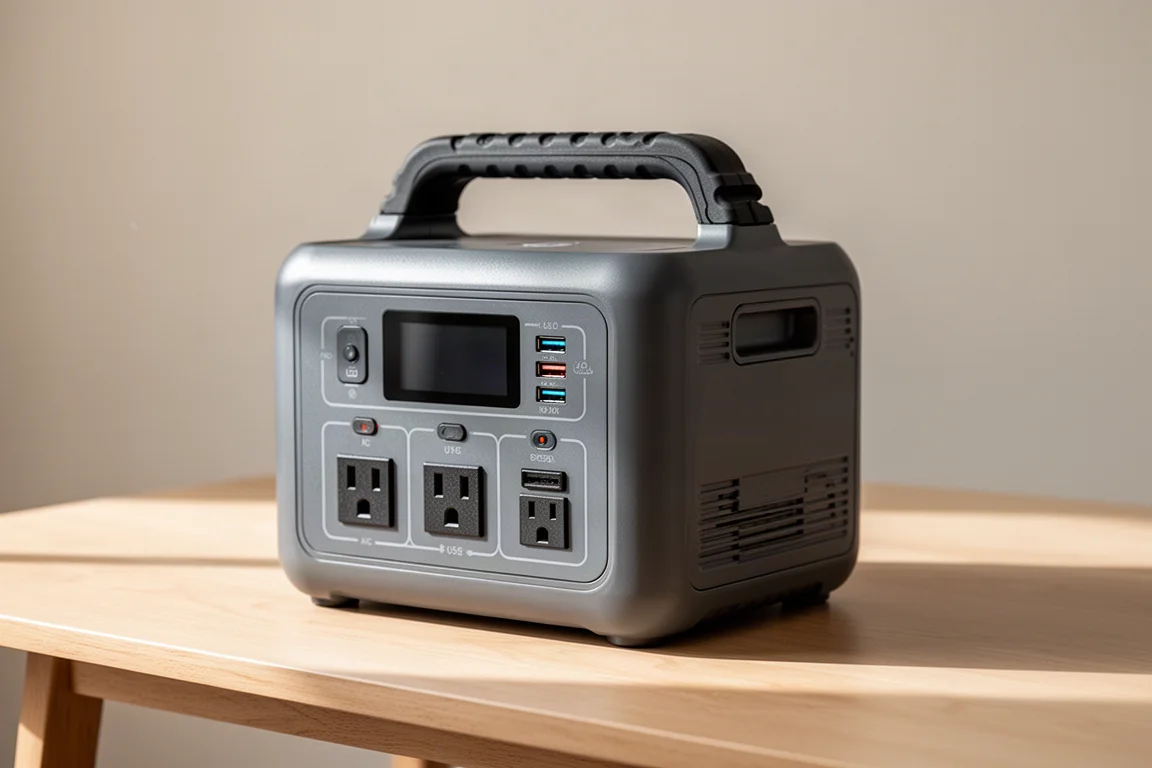
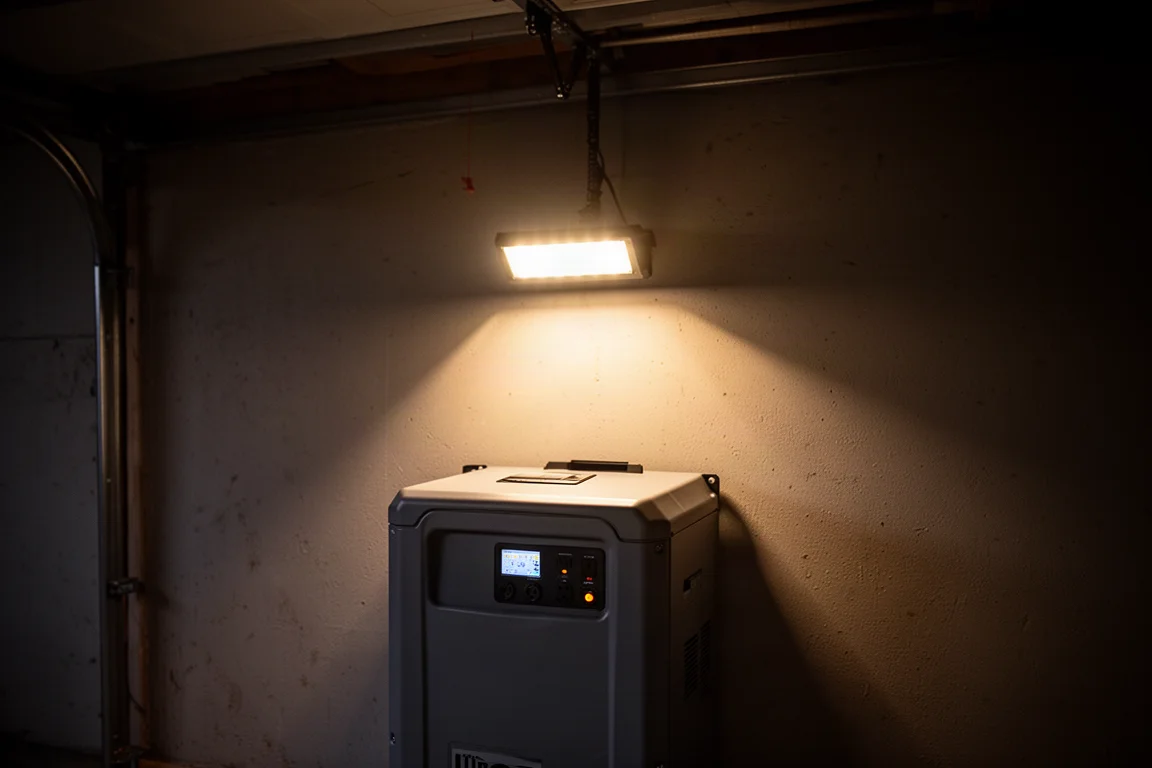
Two details stand out across the lineup. First, the power cables: thick, well-constructed, and clearly not cut corners, and even the packaging is nicer than most competitors. Second, the built-in light. Early impressions were mixed, but the current version is bright, runs a long time, and is genuinely useful, bright enough to be visible from a distance when mounted on a golf cart, and handy for finding the right outlet in a dark basement during an outage.
Which One Should You Buy?
If your priority is home backup and outage peace of mind, the Two Pro is the better fit. Its capacity, output, and semi-permanent placement make it a practical alternative to a gas generator, especially if you pair it with solar panels for extended outages.
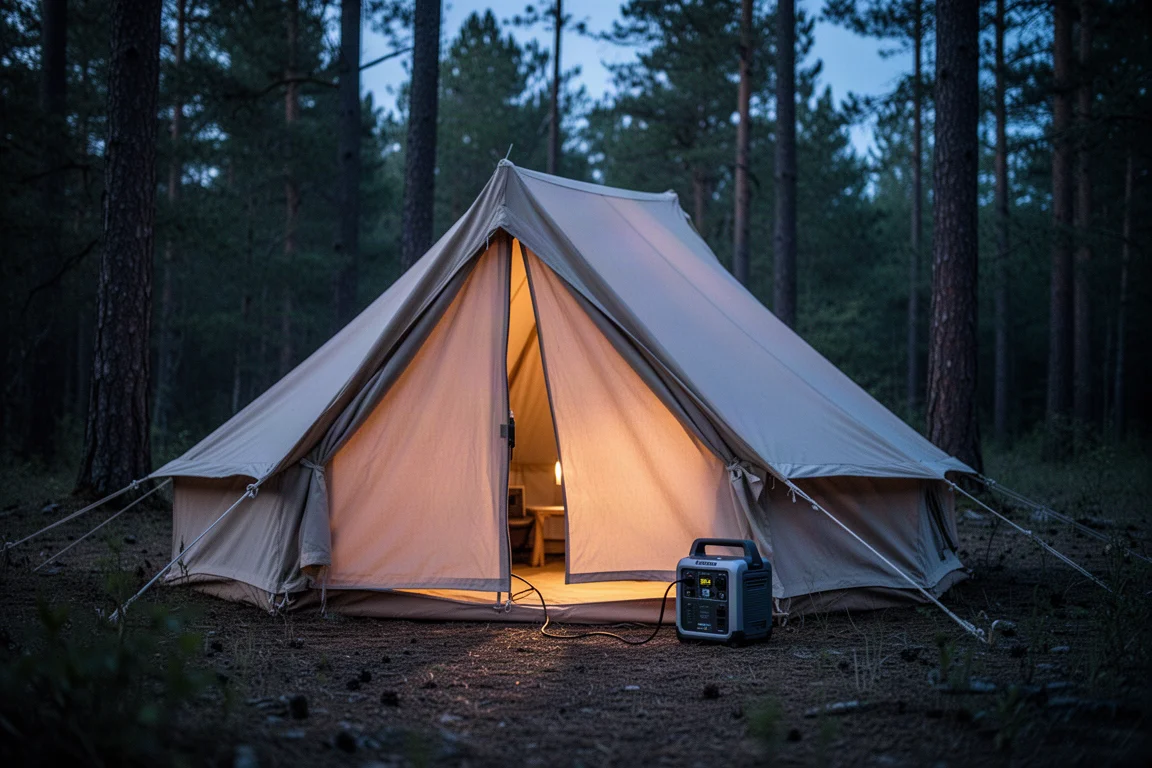
If you are a serious camper or just want portable power for trips and smaller jobs, the One Pro makes more sense. It is easier to carry and still runs plenty of gear. In a household where power rarely goes out and a gas generator backup already exists, either unit works; it simply depends on whether weight or capacity matters more to you.
Conclusion
Both units share the same strengths: solid build quality, generous cabling, a genuinely useful integrated light, and flexible charging including solar. The Two Pro is the whole-house backup play, and the One Pro is the portable one. Match the unit to your primary use case and either is an easy recommendation over cheaper, corner-cutting alternatives.
Further reading
Related Reviews

Portable Power Stations
Anker SOLIX F3000 Review: A Powerful Portable Power Station With a Few Design Quirks
The Anker SOLIX F3000 delivers strong performance, fast charging, and a competitive price, but a few design choices may give you pause.

Portable Power Stations
EcoFlow Delta 3 Series: Five New Power Stations Previewed
EcoFlow expands the Delta 3 lineup with five models, from the compact Classic to the flagship Ultra Plus. Here is what each one offers.
Portable Power Stations
Oscal Power Max 6000 Review: A Large Solar Generator With Real Trade-Offs
A week of off-grid use shows what the Oscal Power Max 6000 handles well, where it falls short, and when a fuel generator still makes more sense.