Loudspeakers
JBL Summit Series Overview: Amma, Pumori and Makullu Compared
JBL brings flagship engineering to three room-friendly loudspeakers. Here is how the Amma, Pumori and Makullu differ, and what each one asks of your amplifier.
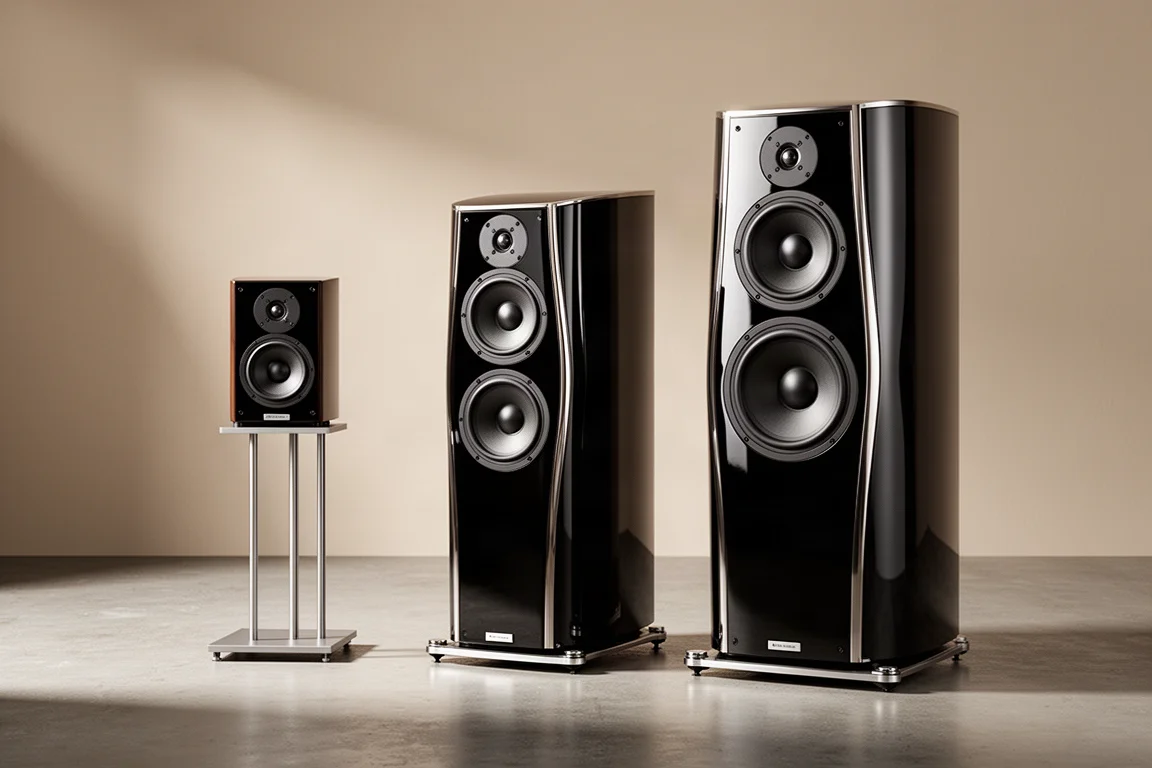
Introduction
JBL has been part of major musical milestones for close to 80 years. The company powered the Grateful Dead’s wall of sound, a 28,000 watt system built from roughly 600 speakers that changed live sound, and its line arrays carry performances across every seat of Nashville’s historic Ryman Auditorium. That same obsession with effortless dynamics and scale shaped the Summit series.
For years, the Summit badge was reserved for the ultra high-end flagships, the K2 S9900 and the Everest DD6700. Three new models now join the line: the Amma, the Pumori and the Makullu. They are designed to fit far more ordinary listening rooms while keeping the live, dynamic character of their predecessors.
This overview covers what all three share, where they differ, and which one makes sense for your room and your amplifier.
Shared Engineering Across the Summit Series
JBL’s engineers in Northridge, California set out to shrink concert-level impact into a package that fits a high-end listening room. That meant a deliberate trade. Instead of chasing the very high sensitivity the brand has long been known for, the new Summit models prioritize deep bass extension in a smaller cabinet. The result is three loudspeakers with bass reach that has not typically been associated with JBL, at the cost of some sensitivity. All three present a 4 ohm load and want an amplifier with plenty of current on tap.
At the top of each cabinet sits a new generation of JBL’s D2 compression driver: the D2815K in the Amma and Pumori, and the 3-inch D2830K in the flagship Makullu. These use a new dual-diaphragm design aimed at speed and tonal purity. A compression chamber design of this type is roughly ten times more efficient than a standard tweeter and needs roughly ten times less power to reach the same sound pressure level. In practice that means fast transients and clean, unshouted output even at concert levels, with the fine harmonics of a violin or the crack of a snare drum kept intact.
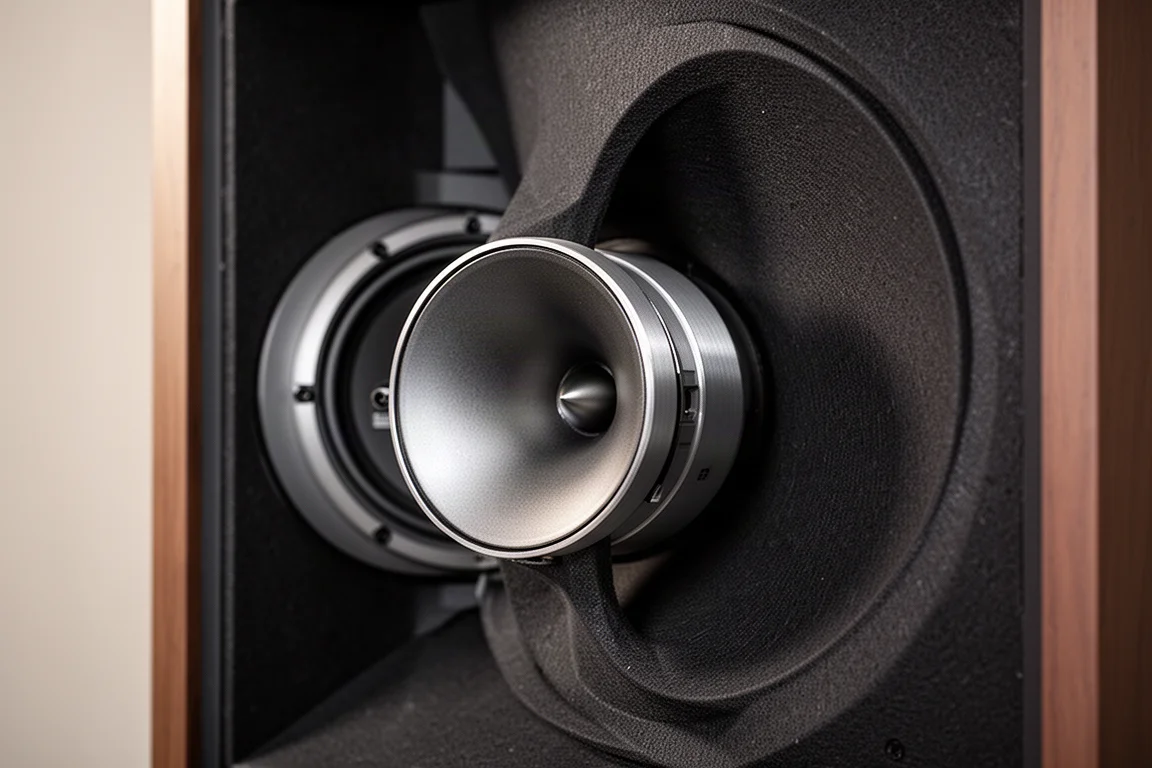
The driver works into a high definition imaging horn molded from Sonoglass, a proprietary high-density thermoset composite made by mixing glass fibers into resin and molding it under extreme pressure. Under a microscope the material shows a hair-like internal matrix of random fibers, which is very good at dissipating energy. That matters because a horn should not add a character of its own, and the nasal quality people sometimes associate with horns comes from the horn vibrating. Sonoglass also molds precisely, which gives JBL tight control over high frequency directivity. In a typical room you hear direct sound plus early reflections from the sidewalls and ceiling, and those reflections arrive slightly late and blur imaging. Controlling where the sound goes means you hear more of the speaker and less of the room.
Low and mid frequencies come from a new cone material called HC4, a hybrid carbon cellulose composite built as a three layer sandwich: carbon fiber and pure pulp blend on the front and back, with a closed-cell foam core. The surface layers supply stiffness while the foam keeps mass low, so the driver can play loudly with very low distortion.
Inside those HC4 drivers, JBL uses opposed dual voice coils wound in opposite directions so they act as a push-pull system. That arrangement cancels the nonlinearities that appear when a single coil behaves differently moving forward than backward, and it doubles the surface area available to shed heat. The payoff is bass that stays clean and detailed when the system is pushed hard.
The crossover uses a multicap network. Rather than one or two large capacitors, JBL wires a large array of smaller ones in parallel, then keeps them constantly charged with DC biasing from a small circuit and a 9 volt battery, a technique also used in the Everest and K2. Internal wiring is OCC silver-plated copper, cast to form a single continuous crystal structure, and the dual binding posts are rhodium plated with carbon fiber wraps.
JBL Summit Amma: The Stand-Mount Reference
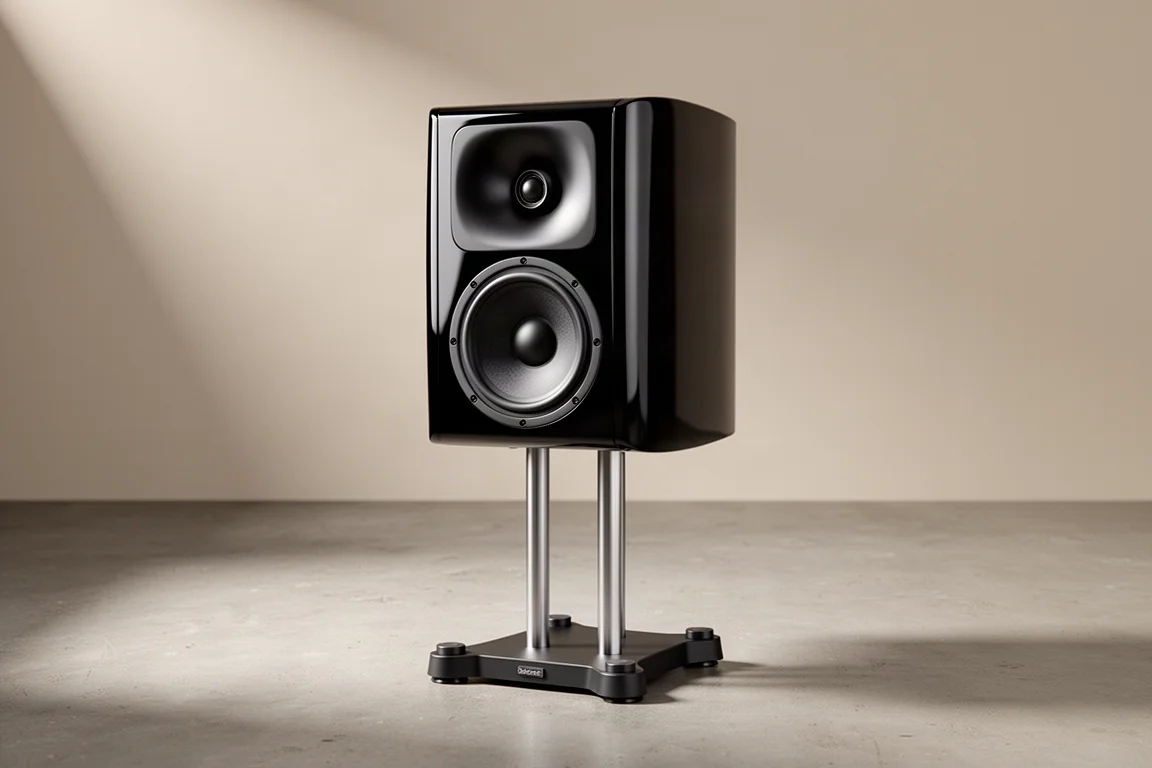
The Amma takes its name from Ama Dablam, a Himalayan peak often called the Mother’s Necklace. It is a two-way reference stand-mount pairing an 8-inch HC4 woofer with the 1.5-inch D2815K compression driver, and it ships with a matching dual-leg mass-loaded damped floor stand. The speaker alone weighs 55 lb, and the stand brings the total past 100 lb.
Despite the compact cabinet, low frequency reach is unusually strong: 34 Hz at minus 6 dB and 25 Hz at minus 10 dB. The presentation is highly detailed, with a sense of power that is rare at this size.
The trade-off is efficiency. At 84 dB sensitivity, the Amma needs a substantial, high-current amplifier to open up, and it is not a candidate for a small tube amp.
JBL Summit Pumori: The Mid-Size Floorstander
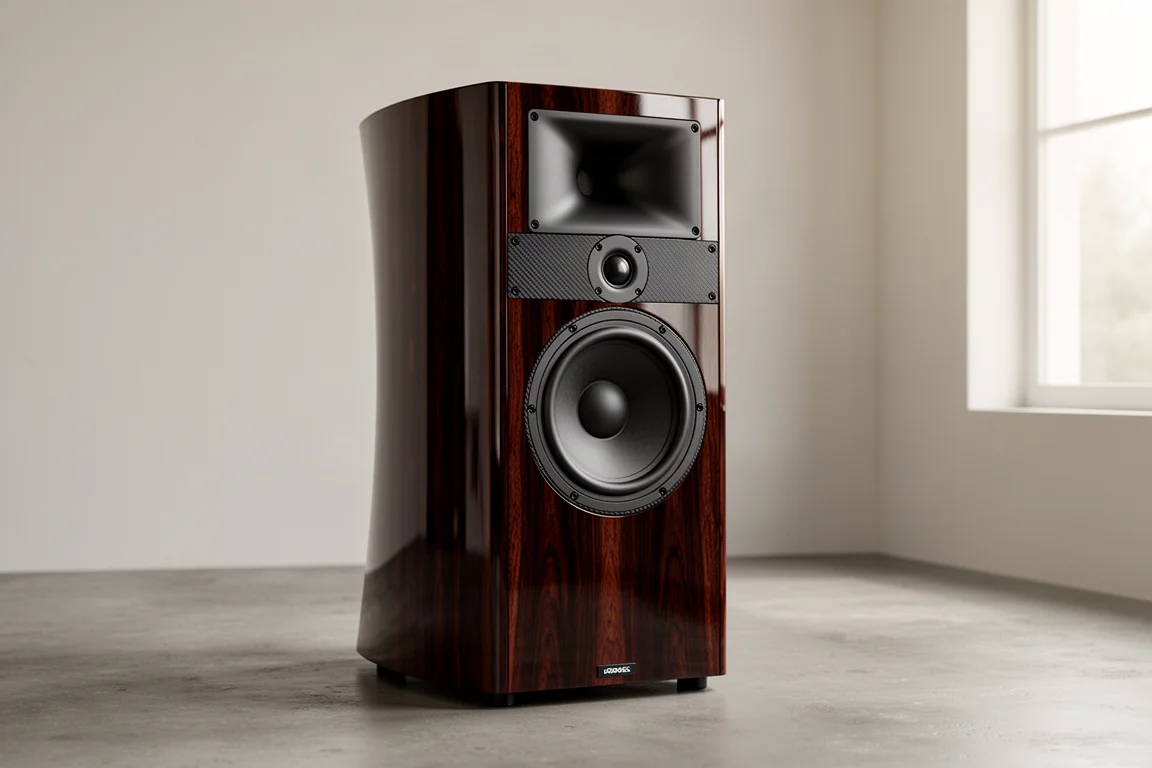
The Pumori is named after the daughter of Everest and steps up to a three-way design, adding a dedicated 8-inch midbass driver to a 10-inch HC4 woofer while keeping the same D2815K compression driver as the Amma. Dimensions are moderate at 42 inches tall, 15.5 inches wide and 17.5 inches deep, though each cabinet still weighs over 106 lb.
Bass extension improves to 30 Hz at minus 6 dB and 25 Hz at minus 10 dB, and sensitivity rises to 87 dB. The larger cabinet and woofer give the Pumori a sense of openness and effortless flow, and it stays alive even at low listening levels, something many speakers fail to do. Bass impact is the surprise here: quick, deep and detailed enough that it can sound like a fast subwoofer is working in the room.
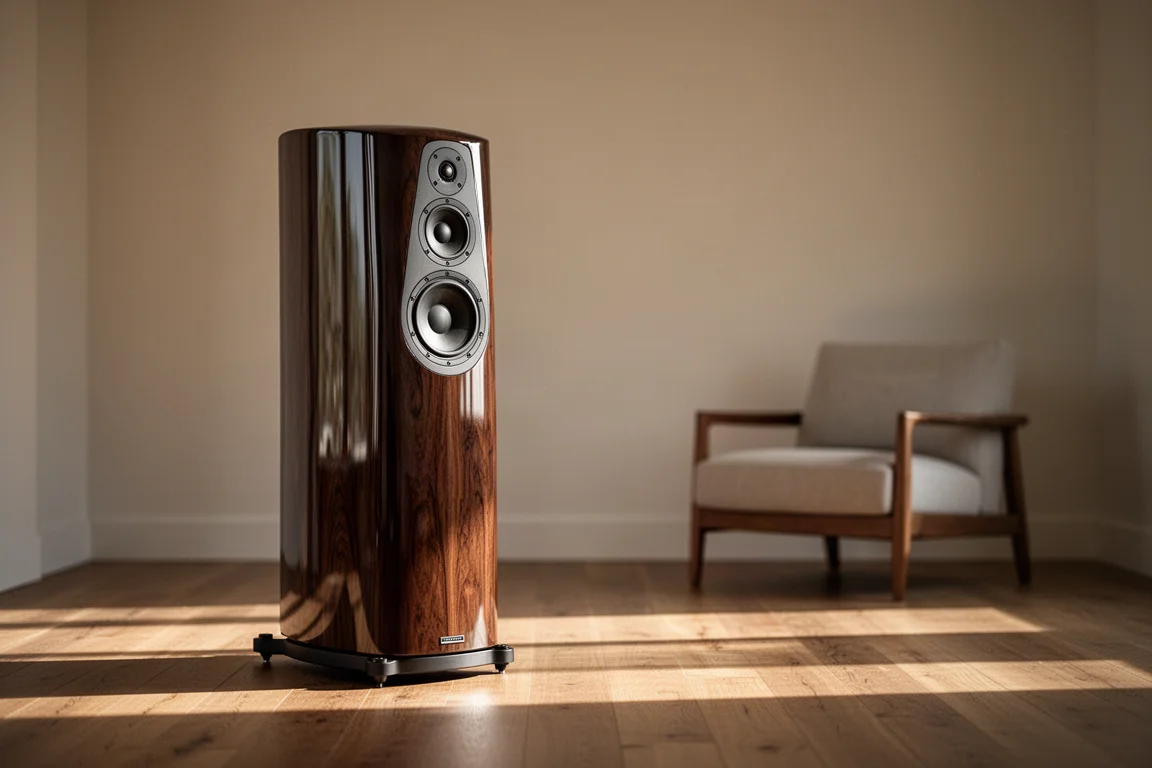
A high quality power amplifier is still the right partner, since the 4 ohm load and moderate sensitivity reward current delivery.
JBL Summit Makullu: The Flagship
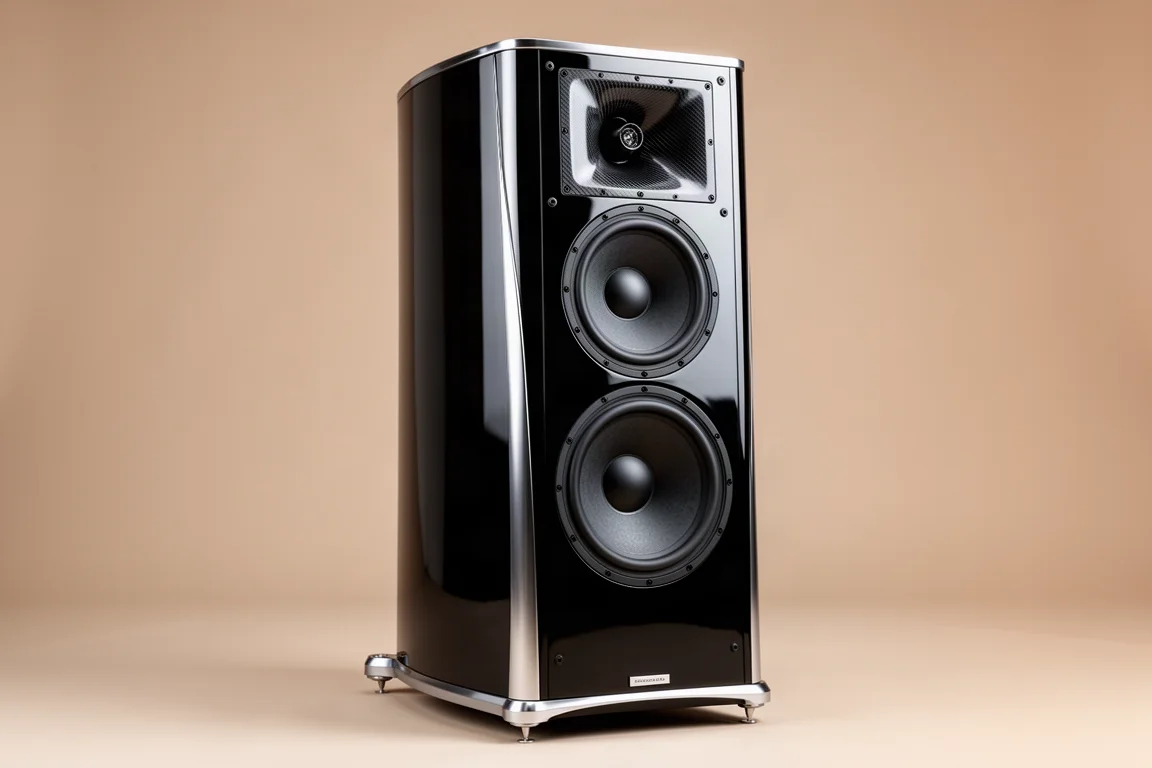
The Makullu is named after the world’s fifth highest peak, which sits about 12 miles southeast of Everest. It is the flagship of the new series: a three-way floorstander with a 12-inch woofer, an 8-inch midrange and the larger 3-inch D2830K compression driver for greater scale and even more effortless dynamics.
The cabinet is only slightly bigger than the Pumori at 43.4 inches tall, 18.3 inches wide and 15.5 inches deep, but weight climbs to 153 lb, close to 50 percent more. Sensitivity is 88 dB. Bass digs much deeper: minus 6 dB at 23 Hz and minus 10 dB at 20 Hz.
Everything the Pumori does well, the Makullu does with more authority. Deep bass is fast and extended, the midrange is more open, and the taller soundstage is easy to appreciate. Add a high power amplifier and the system will reach concert levels in a living room.
Amplification and Room Fit
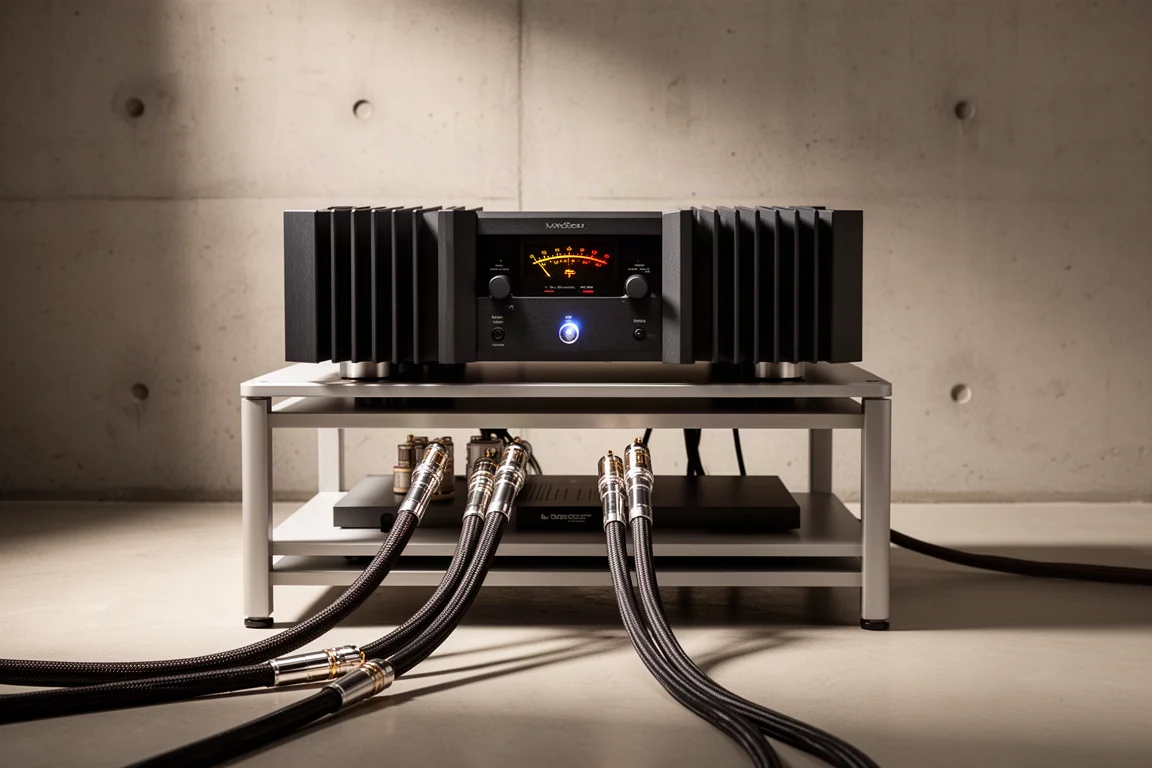
The move to deeper bass in a smaller cabinet means all three models are relatively power hungry, and this is the single most important thing to plan for. Every model is a 4 ohm load, which suits most high performance power amplifiers, since many of them double their output into 4 ohms. What they will not do is run happily from a small tube amplifier.
Room behavior is the other half of the equation. The directivity control built into the horn means a greater proportion of what you hear is direct sound rather than reflections, which helps imaging hold together in rooms that are not heavily treated. The Summits were designed to fit average listening rooms, so the cabinets themselves are less of a constraint than the amplifier feeding them.
Cabinet Finishes, Stands and Feet
Each enclosure is built with offset internal bracing and a curved wall that is internally damped. The soft curved walls are intended to eliminate internal standing waves and push resonances well above the audible range. The baffle carries a carbon fiber trim that reinforces the high pressure area around the compression driver.
Two finishes are offered: high gloss piano black with Summit Platinum accents, or a high gloss ebony wood veneer with Summit Gold detailing. The ebony veneer is particularly striking in person.
The feet were developed with IsoAcoustics and are included as standard on the cabinets, and on the Amma’s stands as well. Isolation of this kind makes an audible difference, and having it built in removes a common upgrade step.
Buying Advice: Choosing Your Summit Model
Choosing between the three comes down to room size, bass expectations and amplifier headroom. The Amma is the right answer for smaller rooms or for listeners who want reference level detail and surprising bass from a stand-mount, provided the amplifier has real current on tap. The Pumori is the middle path: a floorstander that fits modest spaces, plays with an open, effortless character at any volume, and delivers bass that feels bigger than its cabinet suggests. The Makullu is the flagship for larger rooms and for anyone who wants the deepest extension and the greatest sense of scale the series offers.
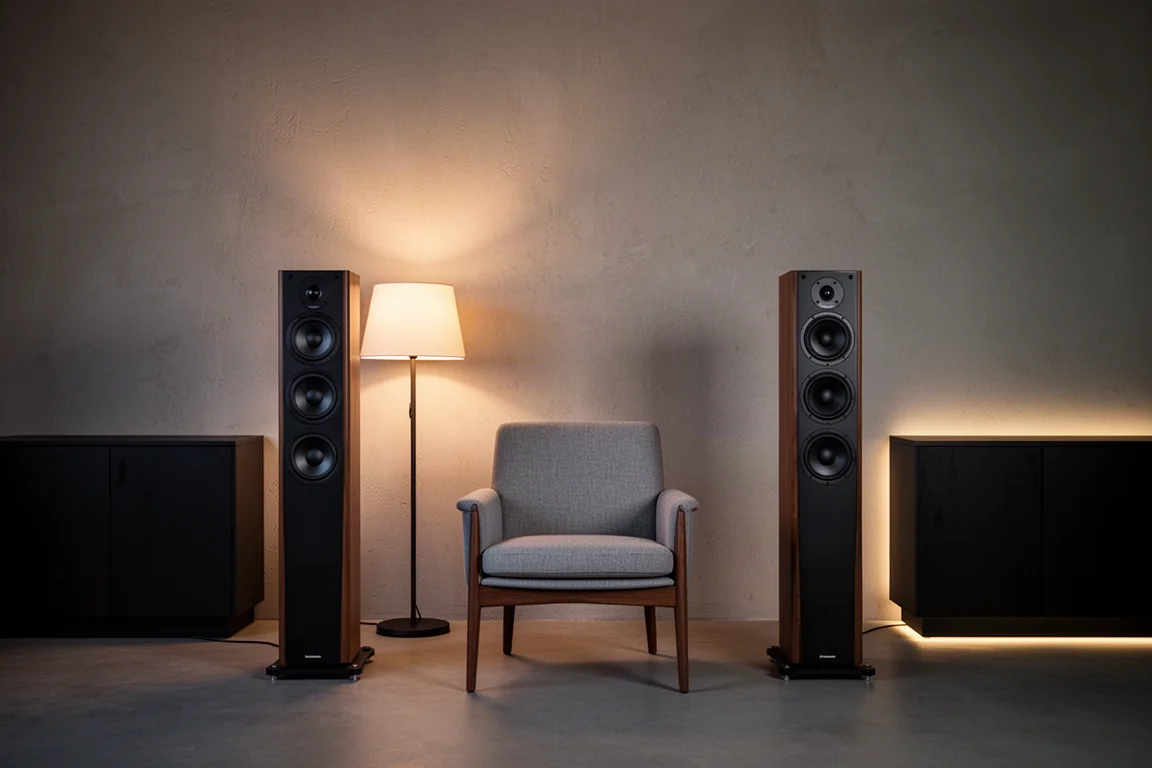
One practical note applies to all three: budget for amplification. Because sensitivity was traded for bass extension, a modest receiver will not show what these speakers can do. A high quality, high current power amplifier is part of the purchase, not an afterthought.
Conclusion
The JBL Summit series brings the brand’s live sound heritage into three cabinets that fit real rooms. The Amma, Pumori and Makullu share the same compression driver technology, horn design, cone materials and crossover approach, and they differ mainly in cabinet volume, bass extension and sensitivity. If you want concert level dynamics and detail at low listening levels without dedicating a large room to it, one of these three is built for exactly that.
Further reading
Related Reviews
Loudspeakers
Borresen X2 Review: Deep Bass and a Warm Balance From a Slim Floorstander
A close look at the Borresen X2 loudspeaker: ribbon tweeter and carbon fiber drivers, bass below 30 Hz without a subwoofer, and how it behaves with solid state, integrated and tube amplification.
Loudspeakers
Borresen X3 Review: A Danish Floorstander Built Around Soundstaging
The Borresen X3 pairs a true ribbon tweeter and a slim Danish cabinet with remarkable imaging, fast transients, and a few practical trade-offs worth knowing before you buy.
Loudspeakers
Bowers & Wilkins 705 S3 vs Wharfedale Linton vs Zu Audio DWX: Three Standmount Speakers Compared
A three-way standmount loudspeaker comparison covering the detail-led Bowers & Wilkins 705 S3, the value-focused Wharfedale Linton, and the dynamic Zu Audio DWX.