Speakers
JBL L100 Classic MK2 Review: Heritage Looks, Two Very Different Sounds
A three-way heritage loudspeaker with a 12-inch woofer, front-panel tonality controls, and enough dynamic range to play loud without strain.
Introduction
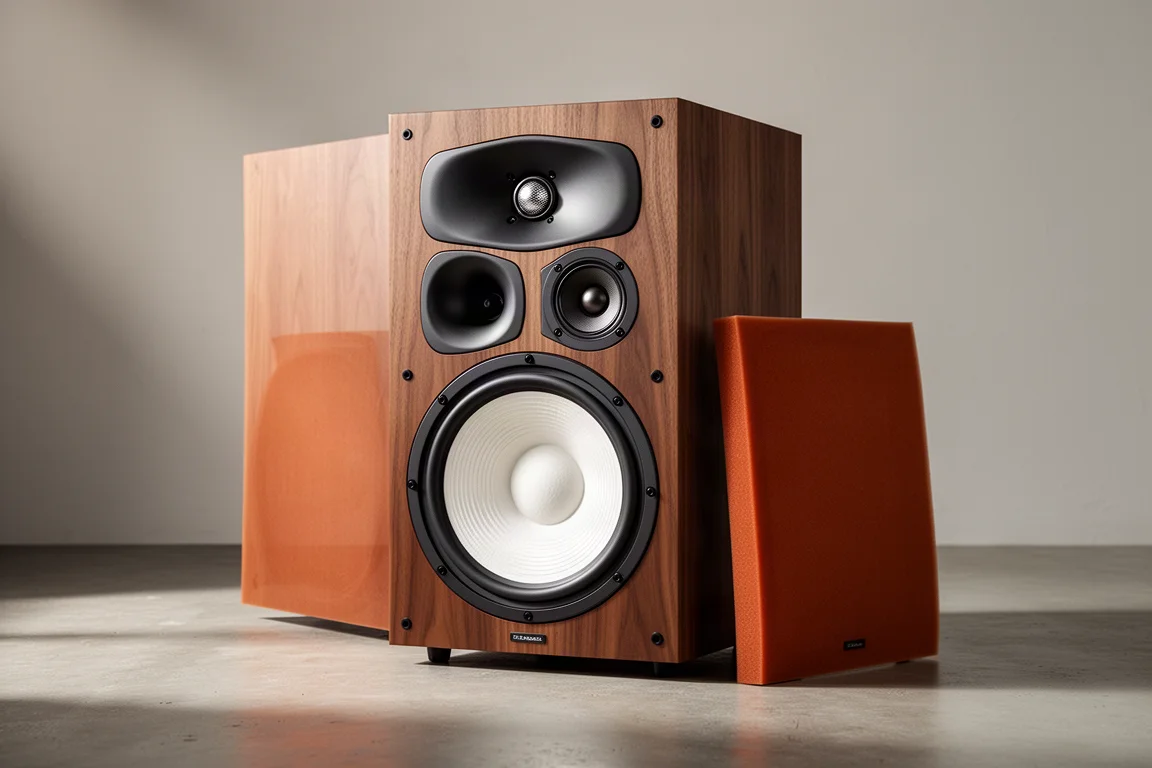
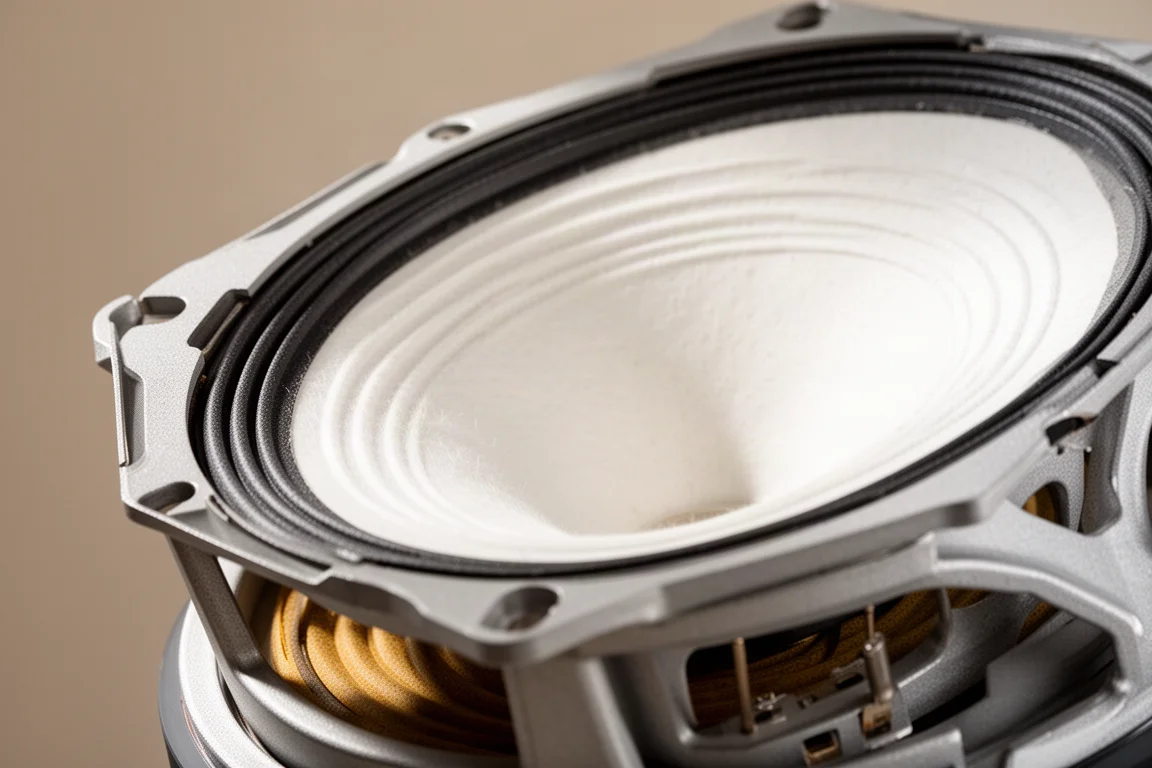
The JBL L100 Classic MK2 is a three-way loudspeaker that wears its heritage openly. A 12-inch pure pulp cone woofer with a cast basket and dual spiders anchors the low end, joined by a 5.25-inch midrange and a 1-inch titanium dome tweeter with an acoustic lens and waveguide. It is a vented cabinet with a front-firing port, and it ships with a throwback Quadrex foam grille in orange, black, or blue. Retail sits at about $4,800.
Sensitivity is specified at about 90 dB and power handling at 25 to 200 watts, with a nominal 4 ohm impedance. Measured sensitivity lands at roughly 89.7 dB, and the impedance curve shows a minimum of about 3.4 ohm with no cabinet resonances, which points to a clean and uncolored enclosure.
What makes this model more interesting than a simple retro reissue is a pair of tonality adjustments on the front baffle. Separate high frequency and mid frequency attenuators let you cut or boost each band, so the speaker effectively offers two starting points: a punchy, mid-scooped presentation out of the box, and a noticeably flatter response once both controls are pushed toward maximum.
Who the L100 Classic MK2 Is For
This is a speaker for listeners who want physical scale and impact from a stand-mounted cabinet. It reaches genuinely low, with F3 measured at 50 Hz, F10 at 31 Hz, and useful in-room output down to about 40 Hz. Paired with strong dynamic range and low distortion, it is built for energetic, high-volume listening rather than quiet background duty.
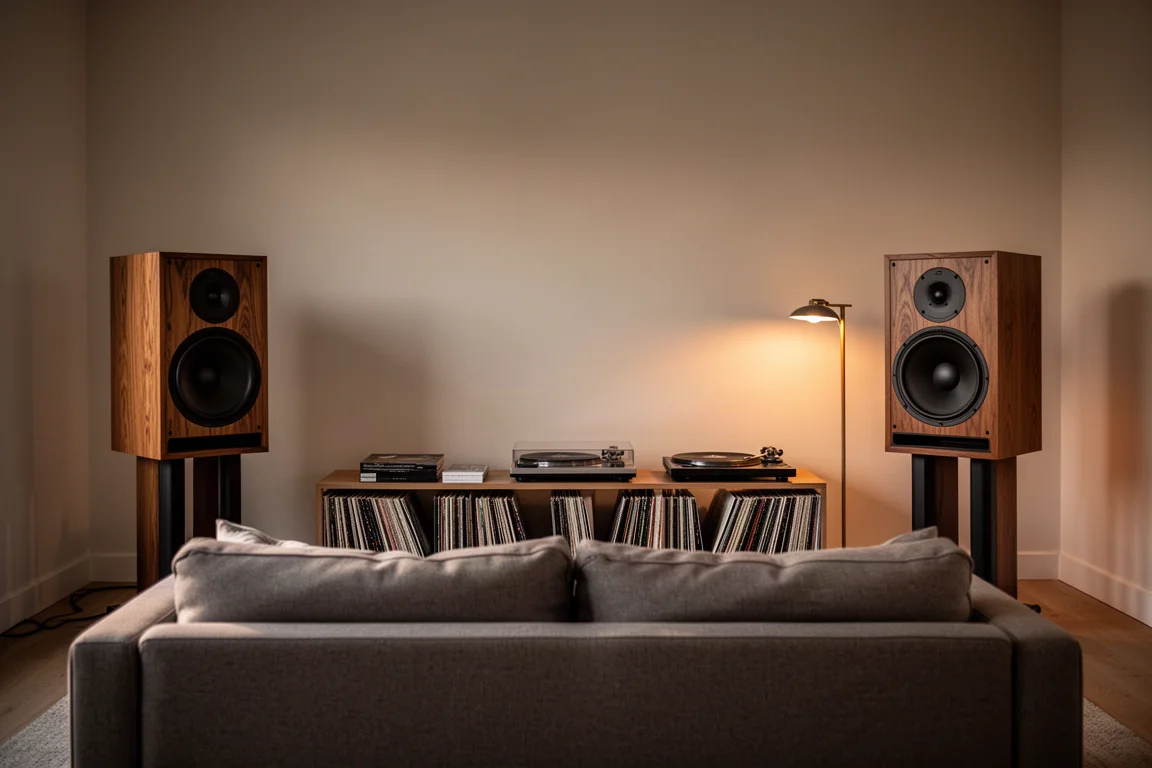
It also suits anyone who would rather tune a speaker than accept its factory voicing. The front-panel attenuators make it straightforward to move between a livelier, more forward sound and a more linear one without opening an equalizer.
If your priority is a speaker that arrives perfectly neutral and never needs adjustment, this is a harder sell in its default state. The stock tuning has a clear midrange scoop, and that shape colors everything else you hear.
Main Strengths
The core strength here is the combination of output capability and adjustability. This speaker can play loud and stay composed, and it can also be reshaped substantially to match a room or a personal preference.
Measured directivity is good overall, with only a mild transition where the 12-inch woofer hands off to the 5.25-inch midrange. That matters because it means the speaker responds predictably to equalization if you want to fine-tune it further.
The Tonality Attenuators Do Real Work
In its default zero dB state, the response shows a dip through the midrange, a bass region sitting roughly 3 dB above the average sensitivity, and a peak in the 4 to 6 kHz area. The audible result is a punchy midbass emphasis around 100 Hz and a pronounced presence and attack region near 2 kHz.
Pushing the midrange and high frequency attenuators to maximum changes the character meaningfully. The midrange scoop fills in, the 1 to 2 kHz region stops standing out as much, and the treble flattens out, producing a more linear response on axis. The trade-off is that the midbass thump around 100 Hz becomes less pronounced, because that emphasis was always relative to the recessed midrange.
Dynamic Range, Distortion, and EQ Friendliness
Harmonic distortion is very low at both 86 dB and 96 dB, and multitone distortion stays in the region of about 1% to 3%. Instantaneous compression peaks around 1.7 to 1.8 kHz, most likely in the crossover region, but the Q is high enough that it is unlikely to be audible. Taken together, this is strong measured dynamic performance for a speaker of this type.
The radiation pattern is wide and enveloping, roughly plus or minus 70 degrees horizontally, though it is asymmetric and extends slightly further to one side. Vertically it is about plus or minus 20 degrees, so staying close to the tweeter axis pays off.
Grille on or off makes little measurable difference in the high frequencies, so the Quadrex foam is largely a visual decision.
Things to Consider Before Buying
Setup Takes More Patience Than Usual
The drivers are offset on the baffle rather than centered, which means the sound radiating to the right of the cabinet differs from the sound radiating to the left. In a reflective room those side reflections will not match each other, so getting the speakers dialed in takes longer than it would with a symmetric design. Expect to experiment with toe-in, distance from the wall, and even swapping the left and right speakers.
Distance From the Wall and Aiming
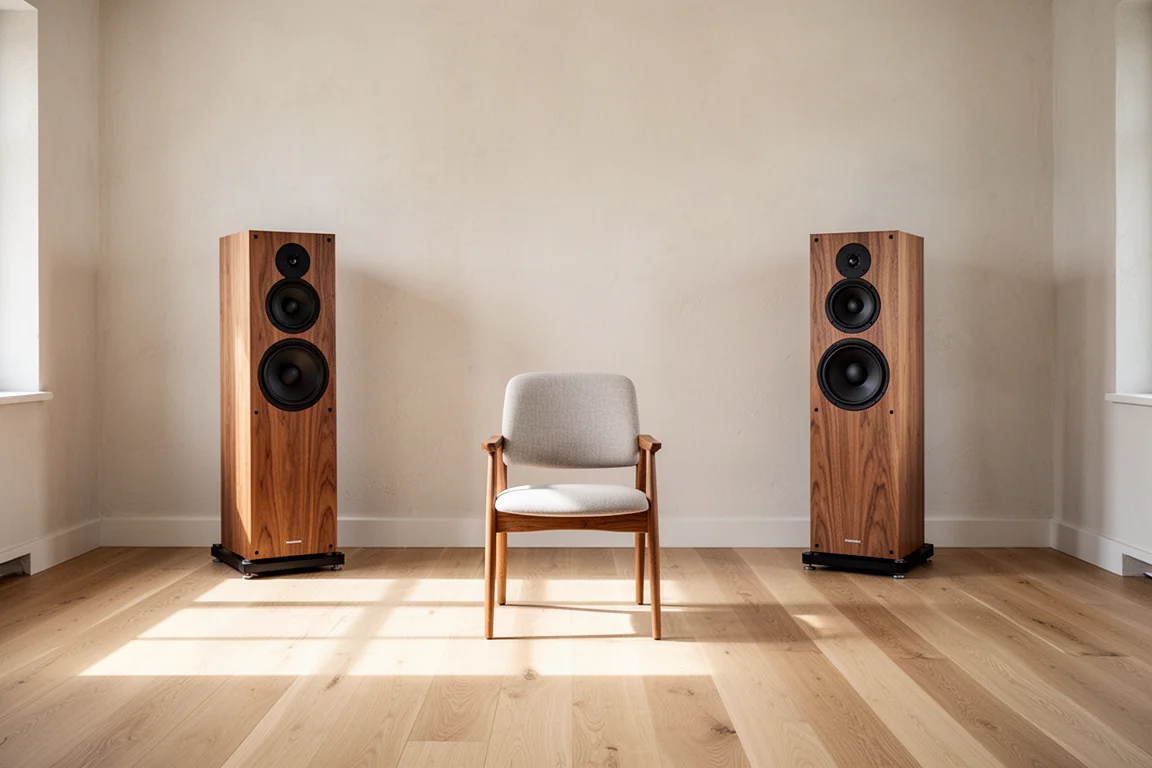
Because the speaker extends so low, placement close to the wall quickly turns boomy. Bringing the cabinets out roughly 2 feet, or about 0.66 m, from the wall behind them proved to be a good balance point, and moving them out further is worth trying if the room allows. The front-firing port does make closer placement more workable when space is tight.
Aiming matters just as much. Pointing the speakers directly at the listening position makes the treble and the sibilance region a little too prominent. Toeing them out by about 30 degrees produced a more balanced result and generally suits the way this speaker is designed to be used.
The Stock Tuning Is Not Neutral
Listeners who value a flat, neutral reference will find the factory setting colored. The midrange recess pushes the midbass and the upper midrange forward by comparison, which is exciting with the right material but less accurate with everything else. That is not so much a flaw as a design choice, and the attenuators exist precisely to let you move away from it.
Buying Advice
At around $4,800, this is a premium purchase, and the value case rests on what you want from a speaker. If you are chasing maximum dynamics, a wide and enveloping soundstage, and a distinctive look, the L100 Classic MK2 delivers all three. If you want neutrality straight out of the box, other designs will get you there with less effort.
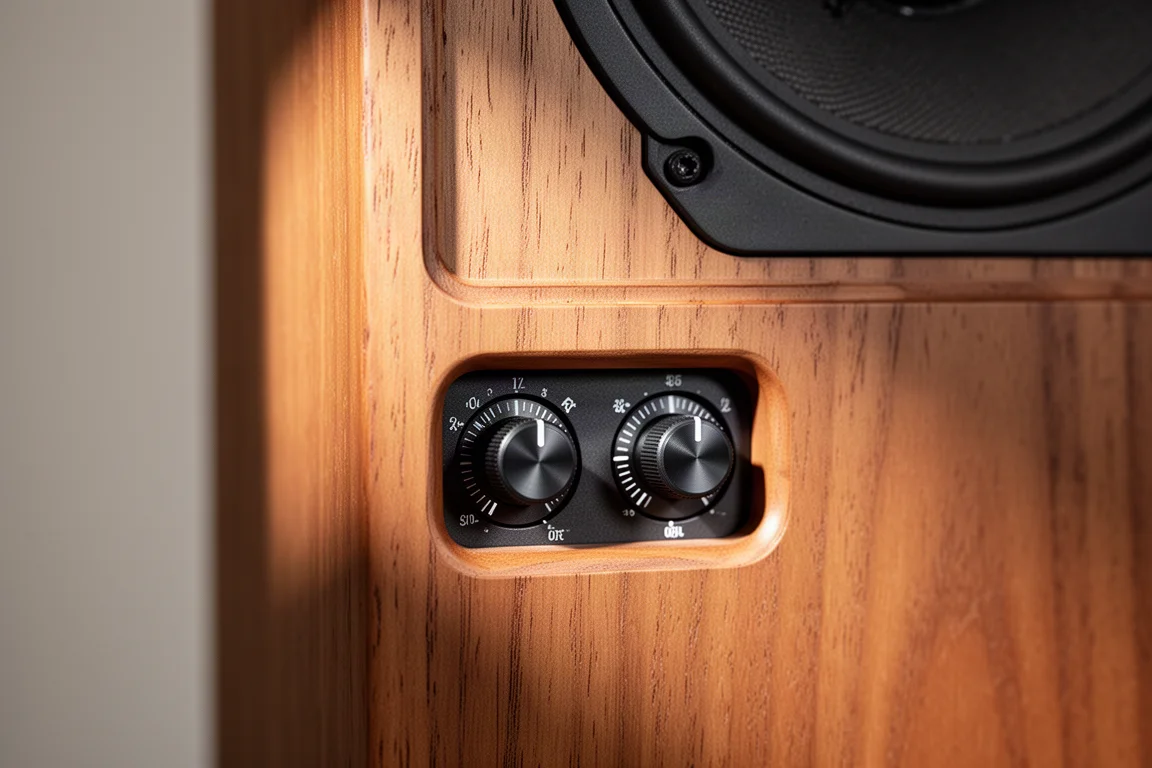
The practical recommendation is simple: try the midrange and high frequency attenuators at maximum before deciding how you feel about the speaker. That setting produced a more linear response and is worth hearing even if you normally avoid tone controls. From there, work on placement, since distance from the wall and toe-in change the result far more than the grille ever will.
One more point worth noting: the grille makes very little measurable difference, so pick orange, black, or blue based on how you want the speaker to look rather than how you expect it to sound.
Conclusion
The JBL L100 Classic MK2 is a heritage speaker that earns its reputation for energy and scale, then adds a genuinely useful layer of adjustability. Its 12-inch woofer gives it real low-frequency weight, its distortion and compression figures are excellent, and its tonality controls let you trade some of that midbass punch for a more linear presentation. Setup demands patience because of the asymmetric driver layout, and the default tuning is anything but neutral. Buyers who want a lively, dynamic speaker they can shape to taste will find a lot to like here.
Product link
View more details for JBL L100 Classic MK2
This product is mentioned in the review. Check the specifications, options, and compatibility before buying.
View more details for JBL L100 Classic MK2Further reading
Related Reviews
Speakers
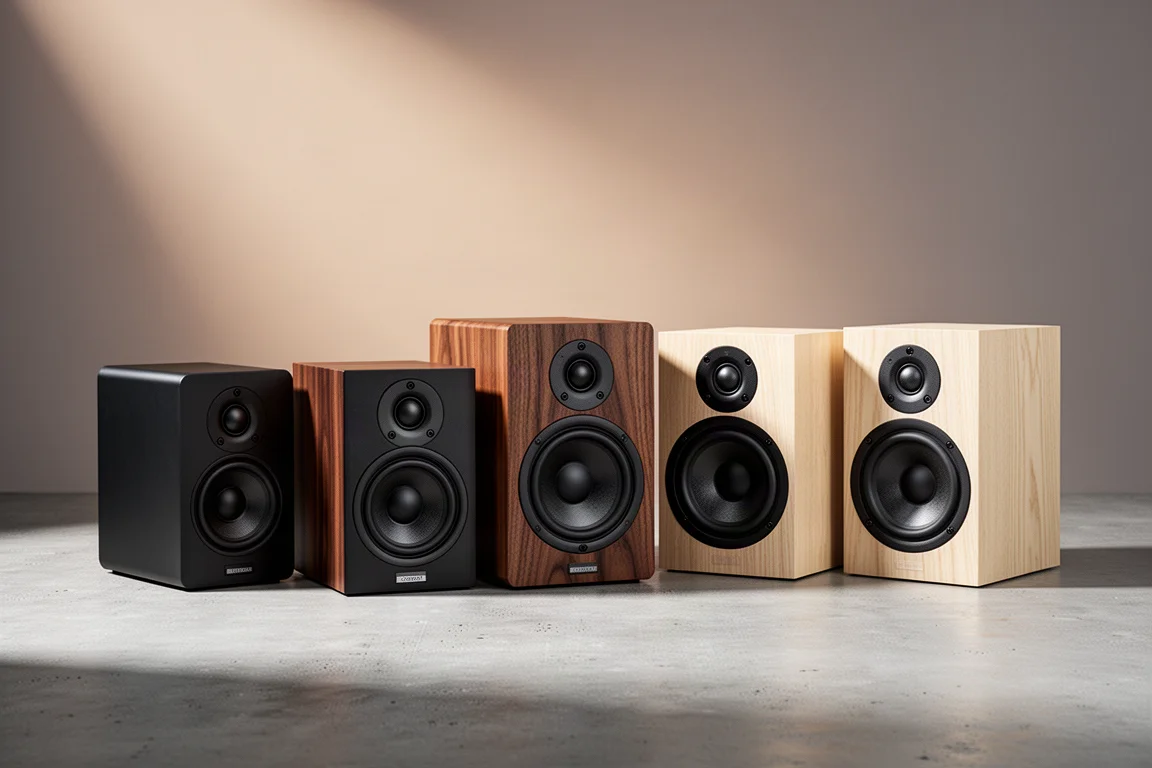
13 Under-the-Radar Speakers Still Worth Buying
Thirteen speakers that quietly stayed in production while newer models took the spotlight, from budget bookshelf pairs to a full-size tower.
Speakers
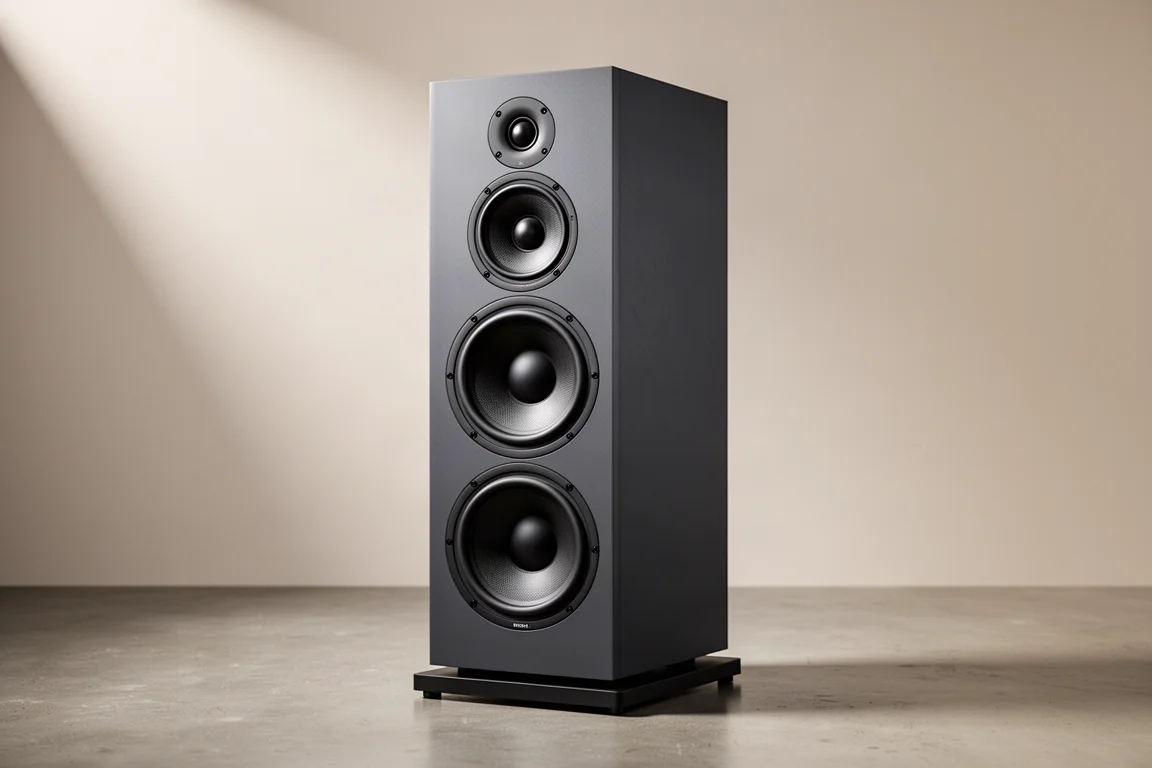
Arendal 1528 Monitor 8 Review: A Three-Way Standmount With Serious Dynamic Headroom
A three-way standmount speaker with extremely low distortion, high output capability, and deep bass for its size, plus the setup details worth knowing before buying.
Speakers
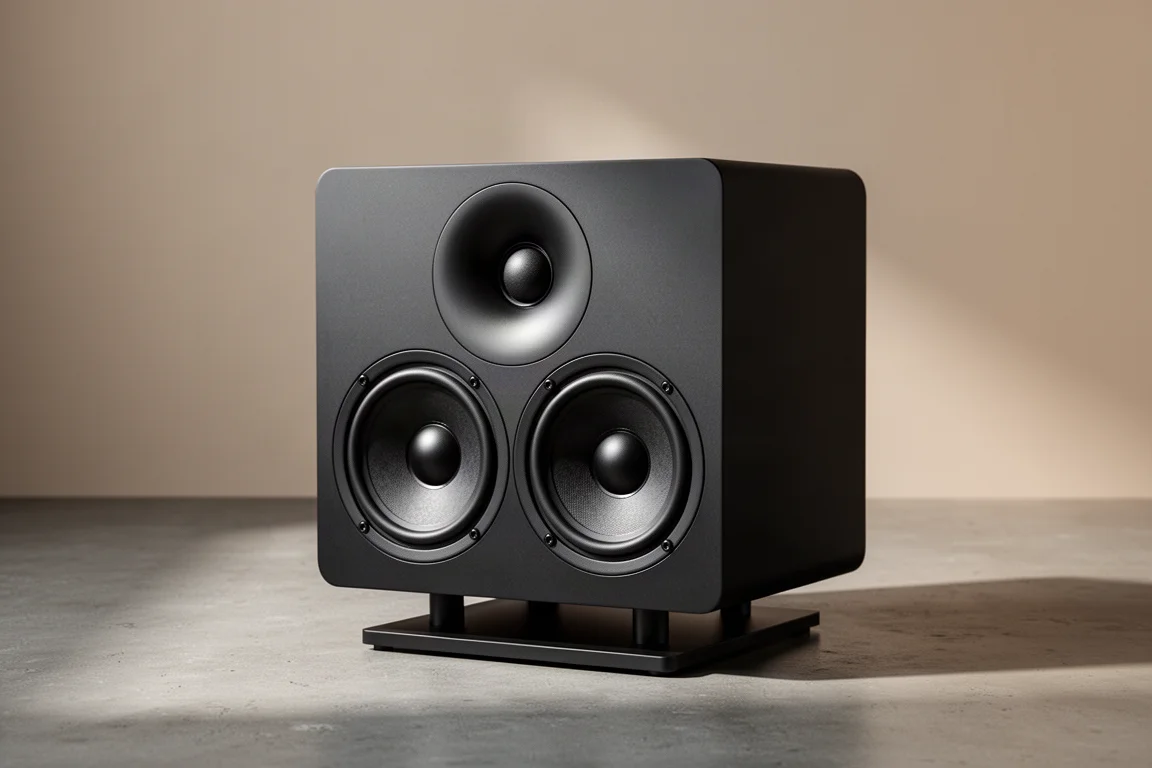
Arendal 1723 Monitor S Review: A Compact Monitor With Serious Ambition
A close look at the Arendal 1723 Monitor S, a compact MTM monitor with a waveguide-loaded tweeter, an HDF cabinet, and flexible ported or sealed operation for music and home theater.