Loudspeakers
JBL L100 Classic Mark II Review: Retro Looks With Modern Drivers
A close look at the JBL L100 Classic Mark II stand-mount loudspeaker, from its 12-inch pulp woofer and titanium dome tweeter to placement, stands, and what to weigh before buying.
Introduction
The JBL L100 Classic Mark II is a stand-mount loudspeaker that brings back one of the most recognisable shapes in home audio. JBL returned to the L100 after vintage audio equipment grew in popularity again, and this Mark II version is an evolution of the reborn L100 Classic, with revisions to the crossover and the drivers rather than a simple cosmetic refresh.
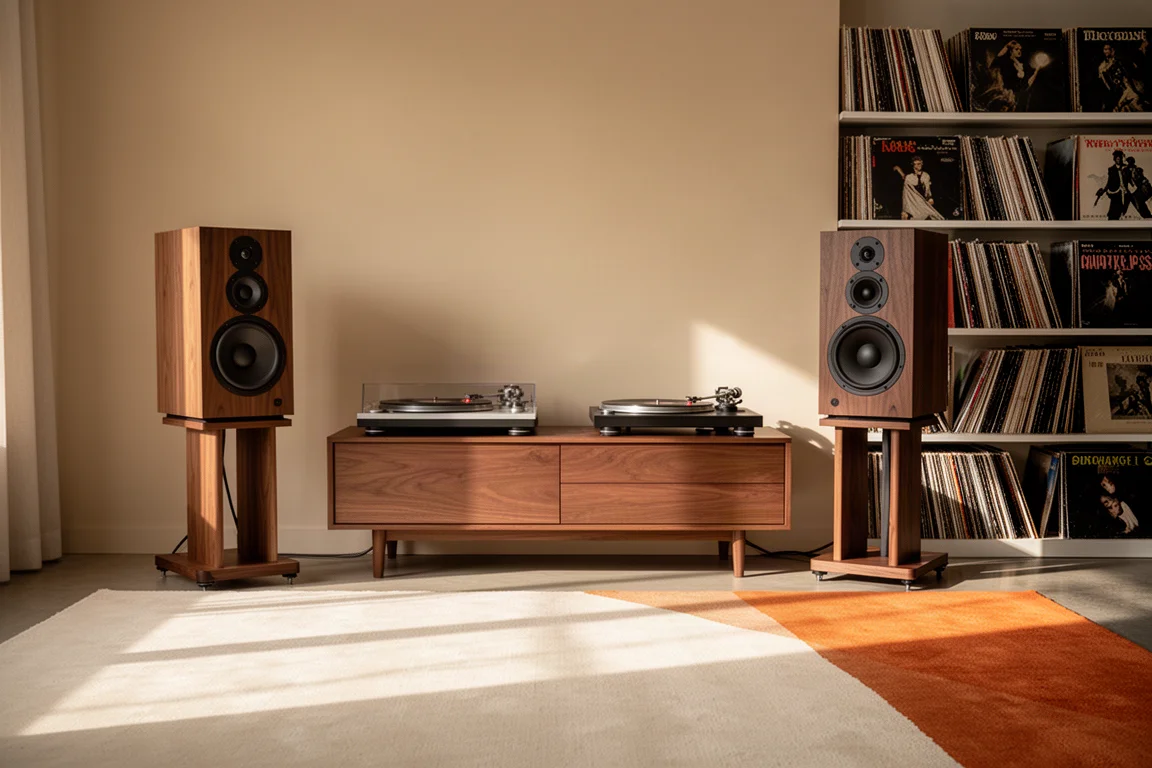
The appeal is straightforward. The cabinet and grille carry a distinctly 1970s character, while the driver package underneath is built to current standards. That combination makes it a rare option for listeners who want the retro look without treating the speaker as decoration.
Who This Speaker Is For
This is a speaker for listeners who value musical enjoyment over clinical analysis. It suits people building a system around classic rock, jazz, and other material that benefits from weight, punch, and dynamic contrast.
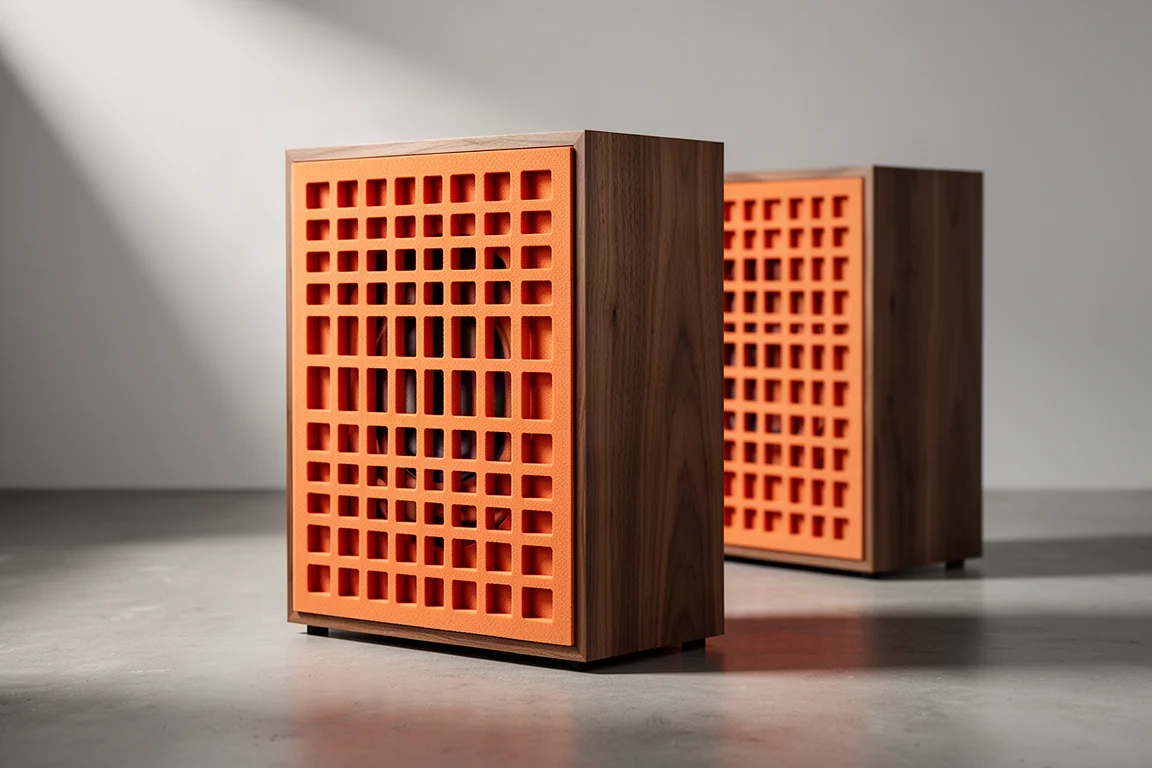
It also suits anyone who wants a stereo pair that looks intentional in a living space. The satin walnut veneer and the quadrex foam grilles, offered in black, orange, or blue, give the speaker a strong visual identity, and the grille colour alone can shift the character of a room.
Finally, it suits listeners who like to adjust things. The midrange and tweeter attenuators let you tune the balance to taste, to a hearing sensitivity or deficiency at certain frequencies, or to a room that naturally boosts or cuts treble and midrange.
Main Strengths
At the centre of the design is a 12-inch pure pulp white cone woofer. It takes the build quality and power handling of professional sound woofers but is engineered for home audio, with a substantial magnet structure and a cast aluminium basket. Paper cone drivers are known for natural tone, and this one adds the dynamics of a large woofer that is not typically found in a stand-mount speaker.
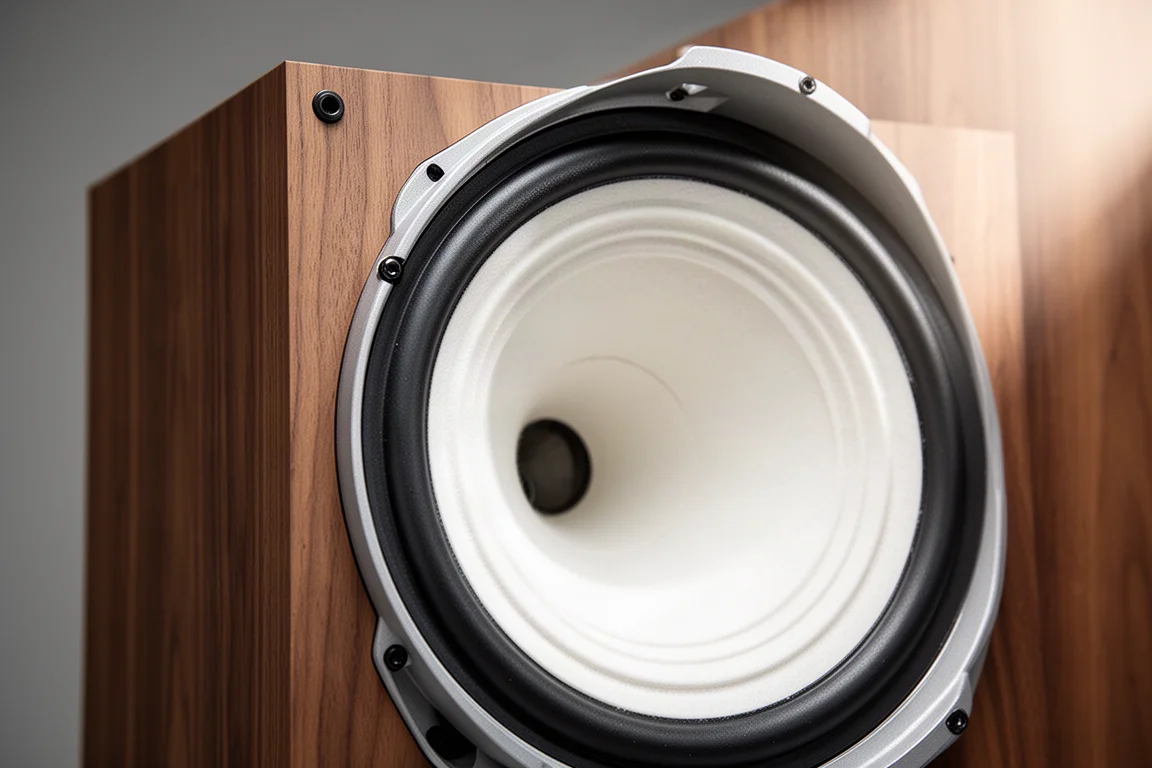
Midrange duty runs from 450 Hz to 3.5 kHz through a 5.25-inch polymer-coated pure pulp cone, continuing the choice of paper cones for their natural tonal sound. The polymer coating protects the cone from humidity and helps extend driver life. Above 3.5 kHz, a specially designed titanium dome tweeter works with an acoustic lens waveguide. Titanium is stiff and light, which reduces distortion sometimes produced by other dome materials and helps keep the musical waveform intact.
The crossover has been revised for the Mark II and allows bi-wire and bi-amping. With 90 dB sensitivity and a 4 ohm load, the speaker can be driven by anything from a 25 watt tube amplifier to a 200 watt solid state design. The included high quality binding posts are an improvement over the already strong posts on the first generation.
The cabinet also uses a front-firing bass port, which opens up placement options. A front port lets the speaker sit against a wall for a classic stereo look without the bass turning boomy the way a rear-ported design might. Pull the speakers out into the room and they reward the extra space with cleaner bass and greater sound stage depth and imaging.
Bass Response and Low-Frequency Ease
In listening, the large woofer showed an agility that is not always expected from a driver of this size. Many speakers with large woofers trade away some detail for bass slam and depth; here the low frequencies had a sense of ease and finesse that gave them more defined tonal character and made it easier to hear deeper into a recording.
That effortlessness is most obvious on dense, dynamic material. On classic rock recordings, the presentation was big, bold, and dynamic, with drums that sounded more engaging than on many other stand-mount speakers. Dynamic contrast is a real virtue because it lets music breathe, and this speaker handles that task well.
Midrange, Treble, and Detail
The midrange and treble came across as crisp and clear. On acoustic jazz recordings, drums had body, cymbals carried fine detail, and piano kept its tone without the harshness some speakers introduce on that instrument.
Imaging and sound staging were good. The speaker does not quite deliver the total disappearing act that some smaller stand-mount designs manage, but the result is commendable, and the design clearly prioritises the enjoyment of music over surgical analysis of it.
Things to Consider Before Buying
The first consideration is size. These are large for a stand-mount speaker, so they need space and a room that can accommodate their footprint. The payoff is the low-frequency ease that most stand-mount and some floor-standing speakers simply cannot produce.
The second is setup. The speaker is flexible about amplification and sounded good with both high-end tube and solid state designs, letting the sonic benefits of each approach come through. That flexibility does not remove the need to think carefully about placement.
The third is expectations around absolute refinement. The midrange and treble are crisp and clear, but the speaker does not sound as sophisticated or open as some rivals with more advanced cabinets or drivers.
Placement, Stands, and Room Fit
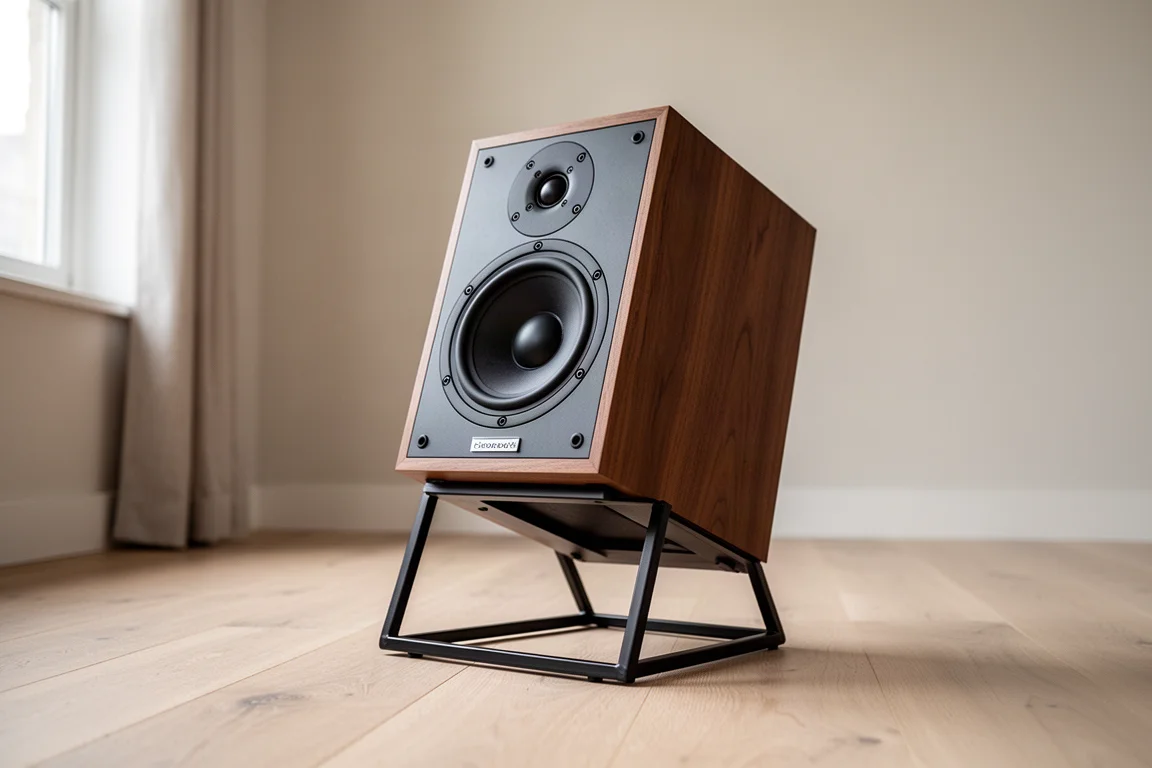
These are stand-mount speakers, and they need to be lifted off the floor to perform at their best. JBL offers the JS20 and JS150 stands, both of which raise the speaker about 7.5 inches and tilt it back at a calculated angle to time align the drivers. Time alignment lets the drivers blend into each other at the crossover frequency so the speaker behaves closer to a point source, which helps sound staging and imaging and gives the music more realism.
Buying Advice
Buy the L100 Classic Mark II if you want a stand-mount speaker that plays with the weight and dynamic range of a much larger design, and if the vintage aesthetic is part of the appeal rather than an afterthought.
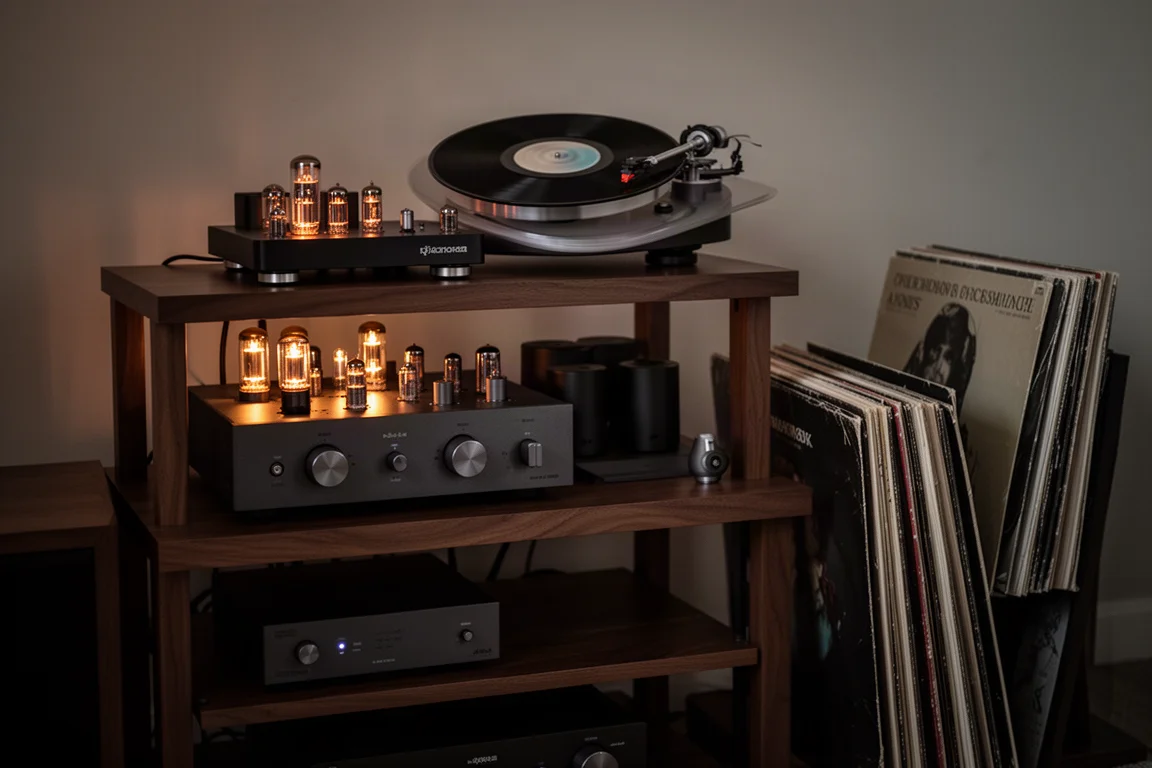
Budget for stands as part of the purchase. The JS20 or JS150 lifts the speaker to the correct height and angle, and that arrangement is what allows the drivers to integrate properly. Treat the stands as part of the system rather than an optional extra.
Plan the placement before the speakers arrive, too. If the system will sit against a wall, the front-firing port is a genuine advantage. If you can pull the speakers into the room, you gain cleaner bass and a deeper sound stage in return.
Conclusion
The JBL L100 Classic Mark II does what a modern take on a classic should do. It keeps the look and the character that made the original memorable while updating the crossover and drivers for current expectations. With over-engineered drivers, solid cabinet construction, and a choice of grille colours, it is an excellent option for music lovers who want to sit down and enjoy the music rather than analyse it.
Product link
View more details for JBL L100 Classic Mark II
This product is mentioned in the review. Check the specifications, options, and compatibility before buying.
View more details for JBL L100 Classic Mark IIFurther reading
Related Reviews
Loudspeakers
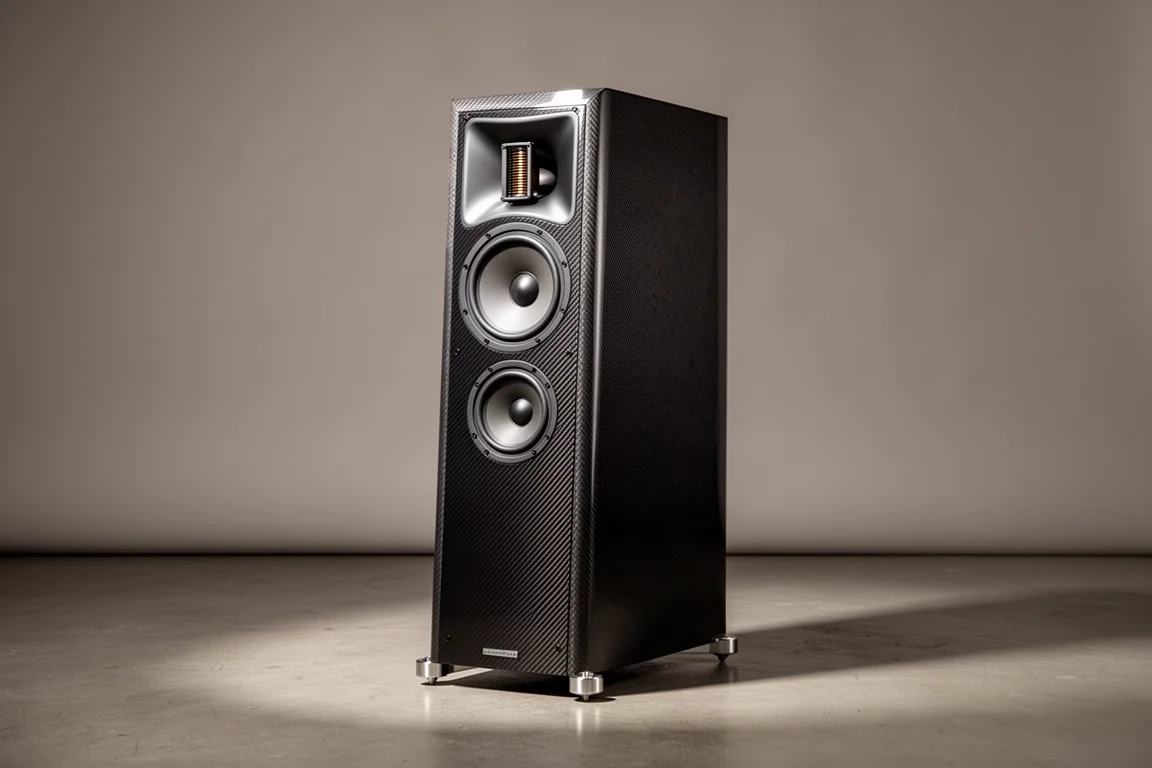
Borresen X2 Review: Deep Bass and a Warm Balance From a Slim Floorstander
A close look at the Borresen X2 loudspeaker: ribbon tweeter and carbon fiber drivers, bass below 30 Hz without a subwoofer, and how it behaves with solid state, integrated and tube amplification.
Loudspeakers
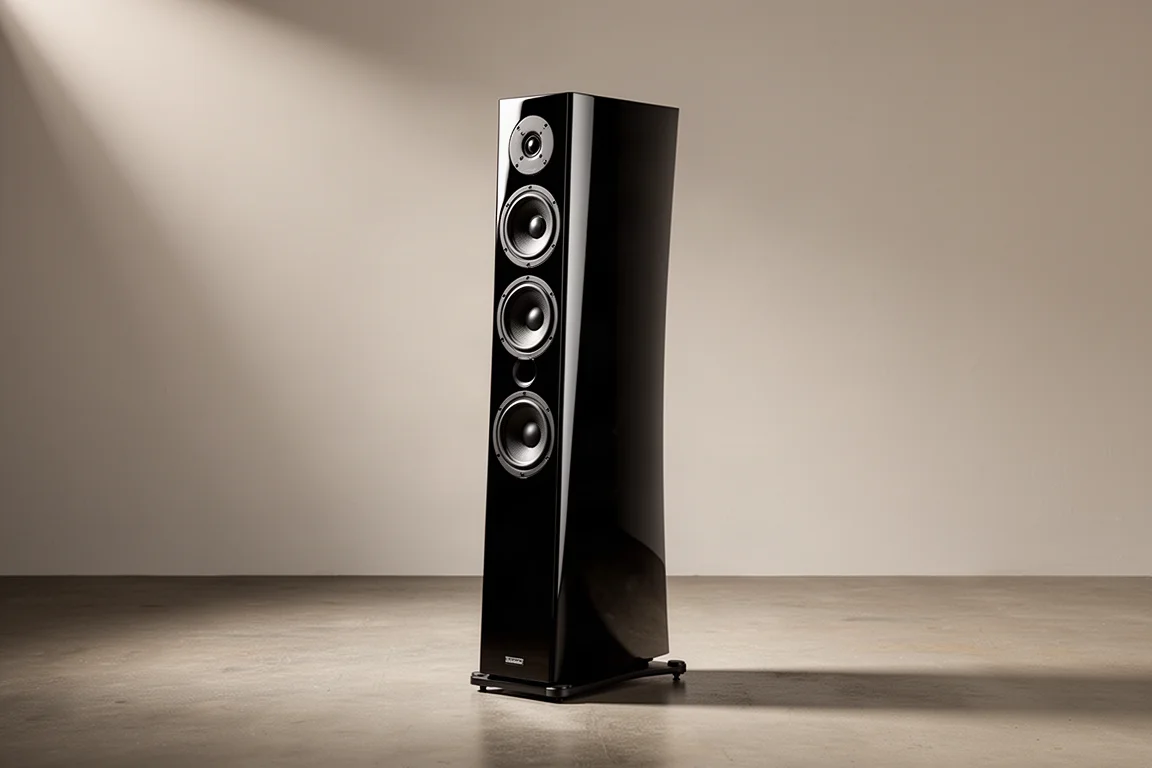
Borresen X3 Review: A Danish Floorstander Built Around Soundstaging
The Borresen X3 pairs a true ribbon tweeter and a slim Danish cabinet with remarkable imaging, fast transients, and a few practical trade-offs worth knowing before you buy.
Loudspeakers
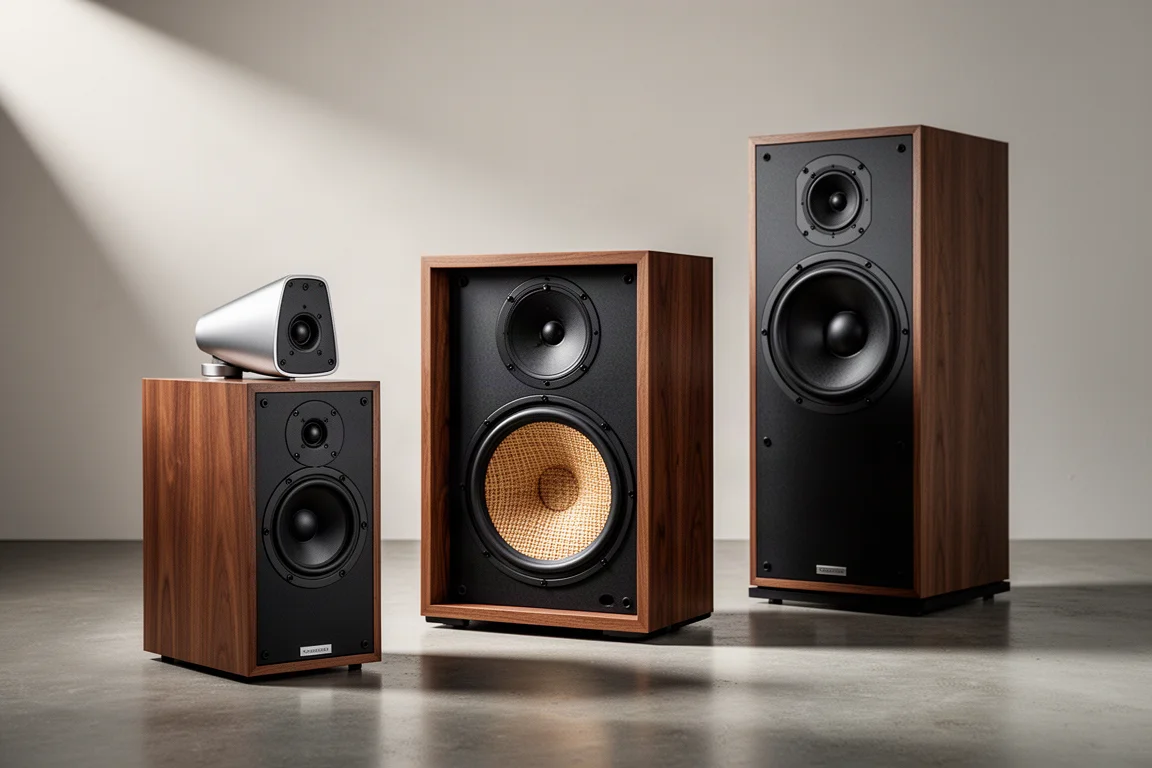
Bowers & Wilkins 705 S3 vs Wharfedale Linton vs Zu Audio DWX: Three Standmount Speakers Compared
A three-way standmount loudspeaker comparison covering the detail-led Bowers & Wilkins 705 S3, the value-focused Wharfedale Linton, and the dynamic Zu Audio DWX.