Portable Speakers
JBL Go 5 Review: Small Speaker, Meaningful Upgrades Over the Go 4
The JBL Go 5 brings Bluetooth 6.0, IP68 water resistance, AirTouch stereo pairing, and a 7-band EQ, but is it worth upgrading from the Go 4?
Introduction
JBL’s Go series has quietly become one of the most dependable entry points into portable audio, and the new JBL Go 5 continues that run. The gap between the Go 3 and Go 4 stretched past three years, so a follow-up barely a year later is a surprise. The question, then, is what actually changed and whether those changes matter enough for you to buy it.
Design, Colors, and Size
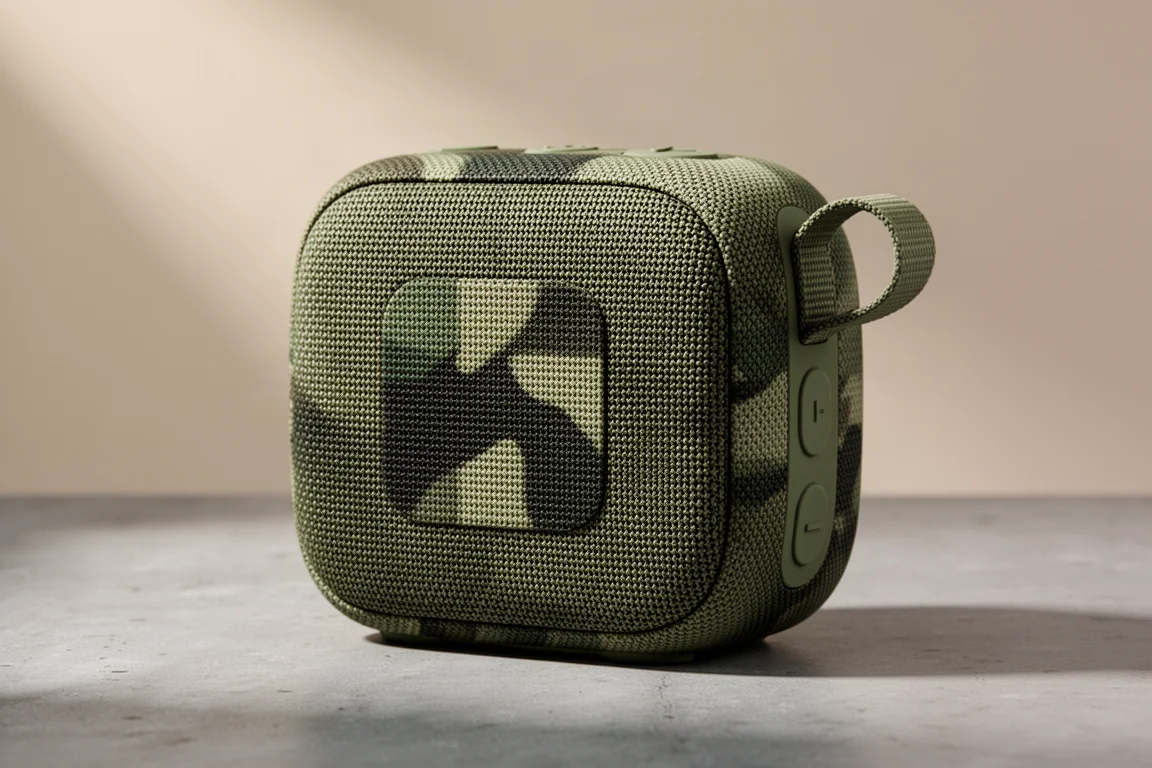
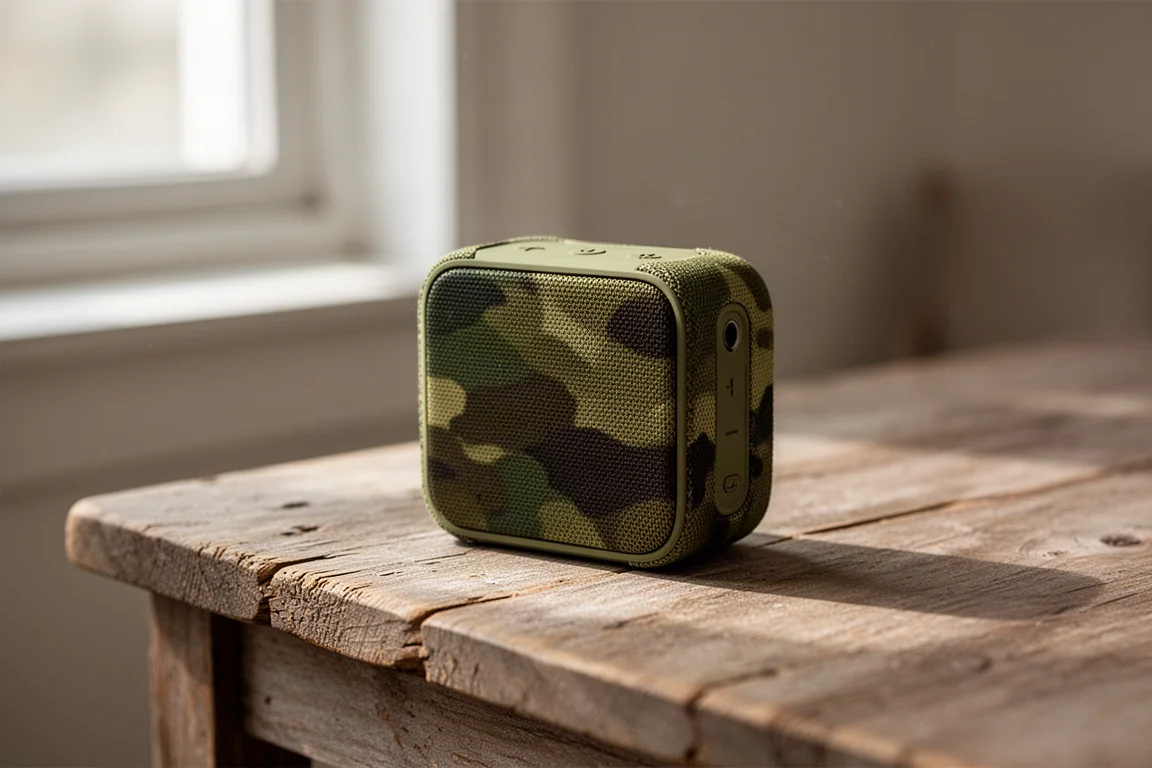
The Go 5 is available in seven colors, including a camo version that has been nearly impossible to buy since the Go 3 era. It looks great in person and sells out quickly, so grabbing one early is a smart move if that finish appeals to you.
Size-wise, the Go 5 is slightly larger and slightly thicker than the Go 4, but the overall design language is very similar: a mesh grille wrapping the body, a fabric loop on the side (now missing the small silicone piece at its end), raised volume and playback buttons on top, and the familiar large JBL branding on the front. The silicone feet on the bottom have changed from diagonal lines to an oval shape, following the anti-slip fix JBL introduced after the Go 3’s habit of vibrating across the table.
One aesthetic addition is new: two LED ambient light strips above and below the front logo. They look neat, but the implementation is limited. The JBL Portable app offers only four effects (bounce, loop, switch, and freeze), and you cannot change the color. It is a fun flourish rather than a feature.
Sound, EQ, and Internals
Inside, the Go 5 carries a 1.75-inch transducer and output has risen to 4.8W from the Go 4’s 4.2W. Side by side, the Go 5 is noticeably a touch louder, though at high volumes small mono speakers only go so far before the sound starts to strain. The Go 5 holds up reasonably well; it just does not sound great at maximum volume.
The bigger news for tinkerers is the equalizer. The Go 5 offers a 7-band EQ in the JBL Portable app, up from 5 bands on the Go 4 and just 3 bands on the Go 3. Even on a mono speaker, adjusting those sliders makes an audible difference. That said, the default JBL Signature preset sounds good enough that many listeners will never touch the EQ.
Battery Life and Play Boost
The Go 5 packs a 3.85V, 1,000mAh rechargeable lithium-ion battery and delivers a modest runtime bump: around 8 hours of playtime, or 10 hours with Play Boost enabled, versus roughly 7 and 9 hours on the Go 4.
A note on Play Boost: it strips bass out of the sound, leaving it hollow, and the two extra hours rarely feel worth that trade-off. Most listeners will prefer the default tuning and its 8-hour figure.
Durability and Water Resistance
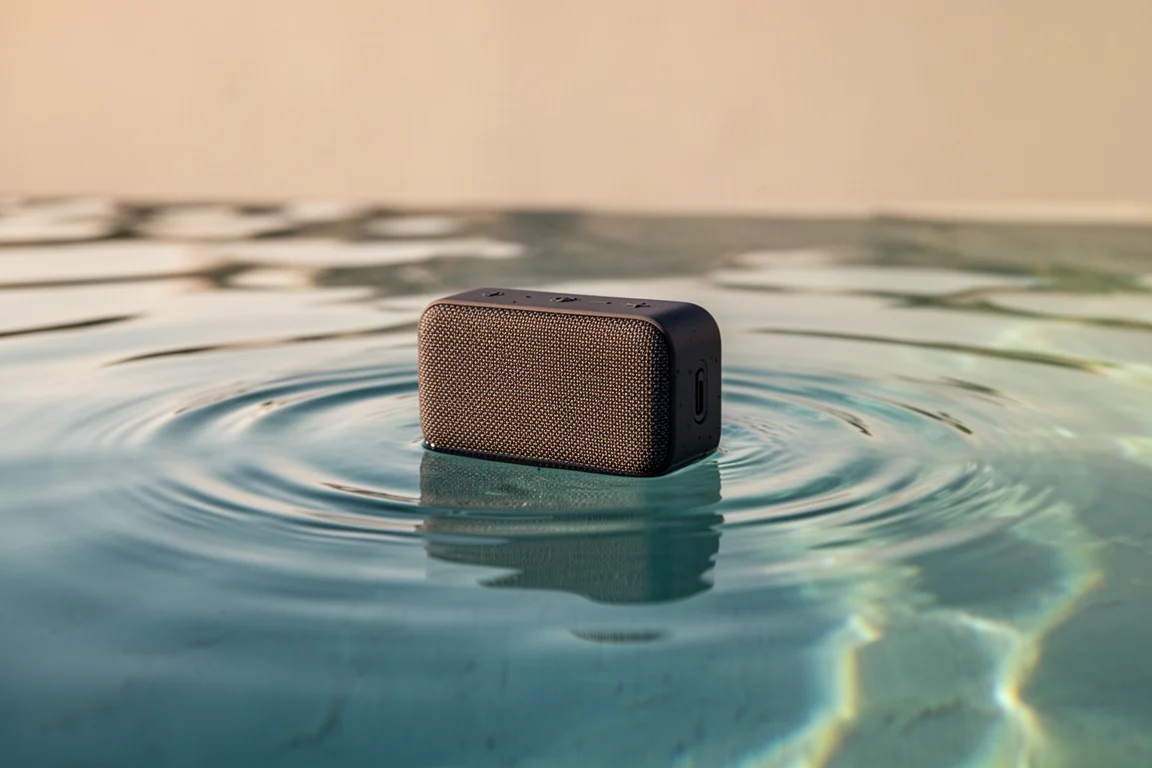
Durability is where the Go 5 makes its clearest case. The IP rating improves from IP67 to IP68, meaning the speaker is fully dust-proof and can be submerged in up to 6 feet of water indefinitely, compared with the Go 4’s 3 feet for about 30 minutes. For beach trips, pool days, and boat use, that is a meaningful upgrade, and the speaker floats, so if it goes overboard it will sit on the surface waiting to be picked up.
JBL also claims drop resistance for the Go 5, though no specific rating appears in the spec sheet or manual. JBL’s own documentation simply lists the feature, so the exact standard is unclear, but it is one more layer of protection for a speaker designed to be tossed in a bag.
Connectivity: Bluetooth 6.0 and Lossless USB-C
On the connection side, the Go 5 moves to Bluetooth 6.0 from the Go 4’s 5.3, which brings a slightly more stable connection and better range. The uncovered USB-C port on the side now supports direct connection for lossless audio, letting you plug the speaker straight into a laptop without any loss in audio quality. That feature alone could be reason enough to consider the Go 5 if you listen from a computer often.
AirTouch: Tap-to-Pair Stereo
The Go 5 retains Auracast, which lets you link multiple speakers through the JBL Portable app for multi-speaker sound, and pairing remains as simple as tapping the Auracast button on each speaker. The Go 4 still has Auracast too, so this is not new ground.
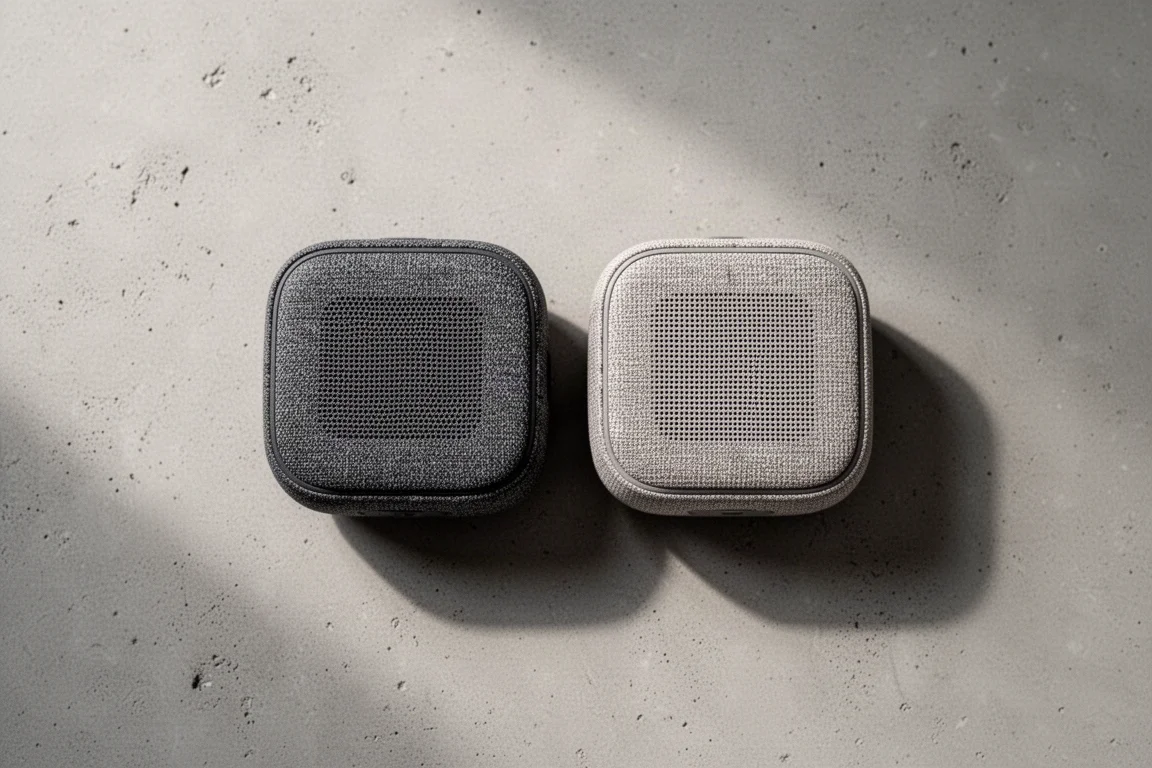
The genuinely new trick is AirTouch, indicated by a small symbol under the Auracast button. Hold two Go 5 units together and they pair automatically for stereo sound, no buttons, no app. It works like tapping two phones together to share a contact, and it is a genuinely convenient upgrade for anyone planning to own a pair.
Should You Upgrade from the Go 4?
If you already own a Go 4, the short answer is no, not for sound alone. At its launch price of around $55, the Go 5 does sound slightly better and louder, but the side-by-side difference is not dramatic enough to justify an upgrade purely on audio.
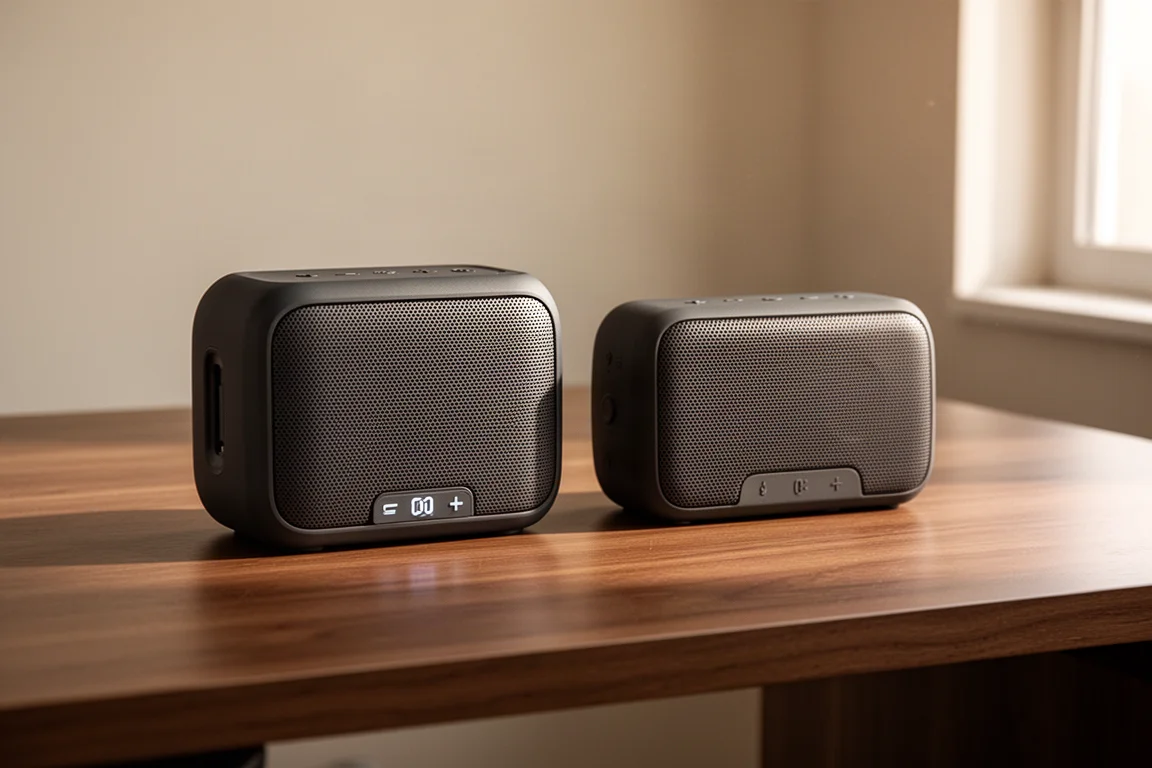
What might justify it instead is the package of internal improvements: Bluetooth 6.0 over 5.3, IP68 over IP67, the added drop resistance, the 7-band equalizer, the louder 4.8W output, the lossless USB-C direct connection, and AirTouch stereo pairing. If any one of those matters to your setup, the Go 5 makes sense. If you own no Go-series speaker at all, the Go 5 is an easy recommendation.
Conclusion
The JBL Go 5 is a thoughtful refresh rather than a revolution. Better durability, a newer Bluetooth standard, lossless wired audio, finer EQ control, and tap-to-pair stereo make it the best Go model to buy if you are starting fresh. For Go 4 owners, though, the sound upgrade alone is not worth it, and Auracast multi-speaker pairing was already available. Buy it if you are new to the series or drawn to the new features; skip it if your Go 4 is still doing its job.
Product link
View more details for JBL Go 5
This product is mentioned in the review. Check the specifications, options, and compatibility before buying.
View more details for JBL Go 5Further reading
Related Reviews
Portable Speakers
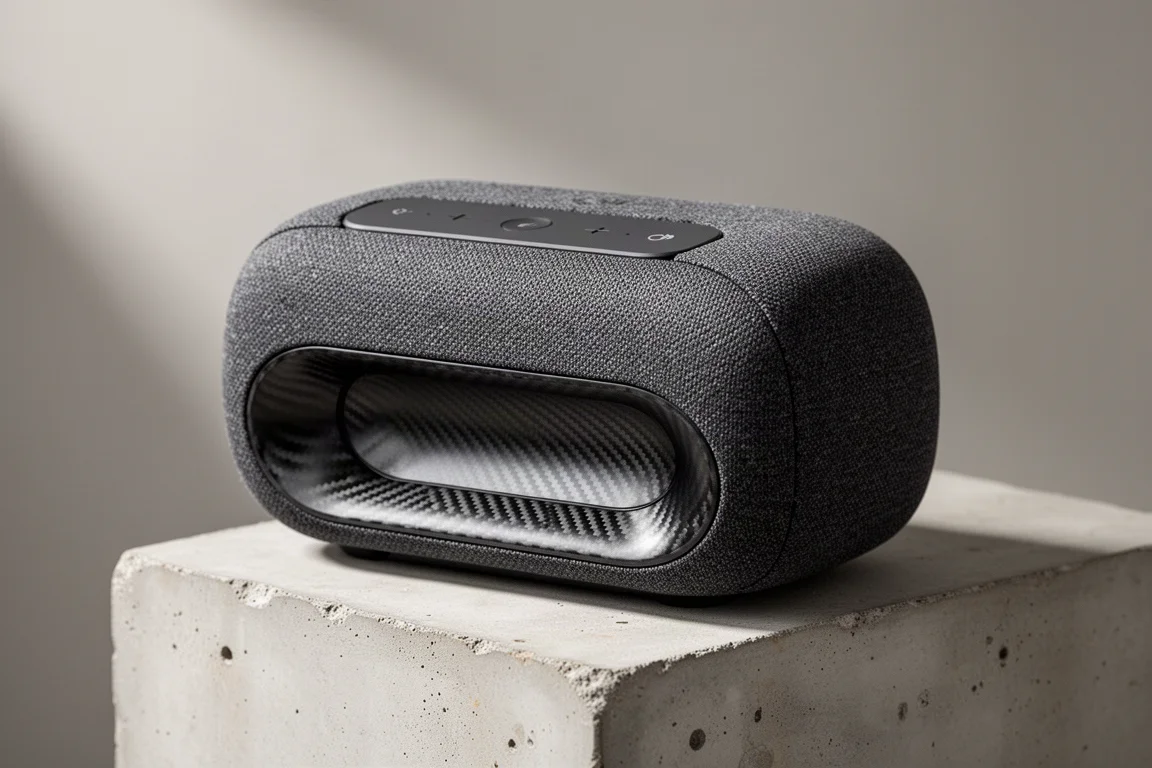
Brain X Review: Real Sub-Bass From a Truly Portable Speaker
A close look at the Brain X portable wireless speaker, its RAD driver design, its measured bass extension, its output and tuning, and the trade-offs worth knowing before you buy.
Portable Speakers
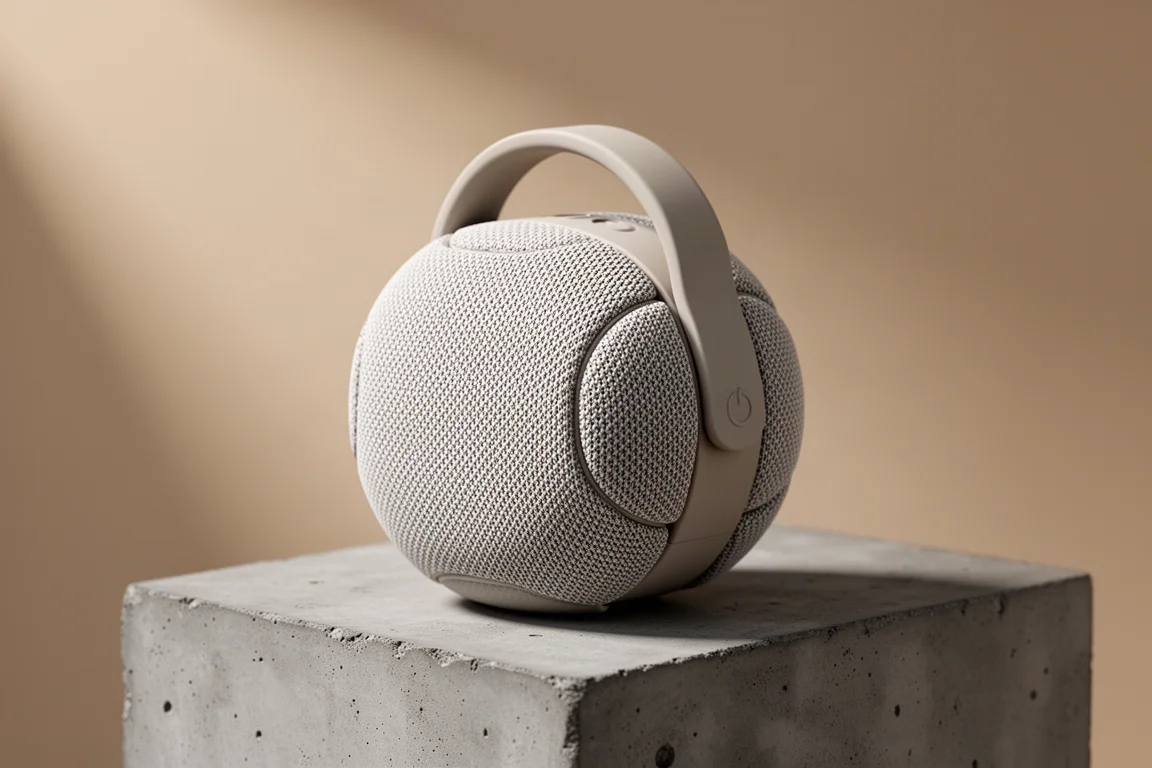
Devialet Mania Review: Portable Devialet Sound in the Brand's Smallest Form
The Devialet Mania brings the brand's sculptural design and deep bass to a battery-powered portable speaker with up to 10 hours of playback.
Portable Speakers
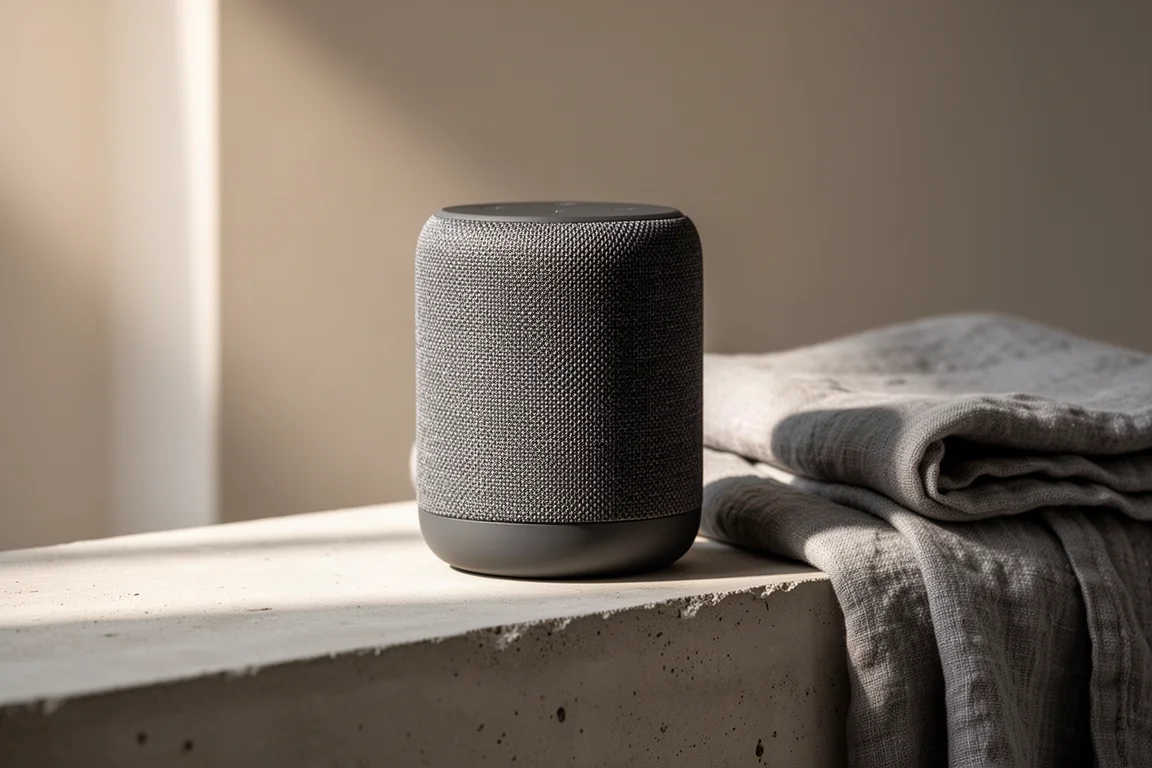
Sonos Move 2 Review: Stereo Sound, 24-Hour Battery, and a Refined Charging Base
A closer look at the Sonos Move 2, from its dual-tweeter stereo sound and 24-hour battery to the redesigned charging base, the connectivity upgrades, and the trade-offs worth knowing before you buy.