Portable Speakers
Sonos Move 2 Review: Stereo Sound, 24-Hour Battery, and a Refined Charging Base
A closer look at the Sonos Move 2, from its dual-tweeter stereo sound and 24-hour battery to the redesigned charging base, the connectivity upgrades, and the trade-offs worth knowing before you buy.
Introduction
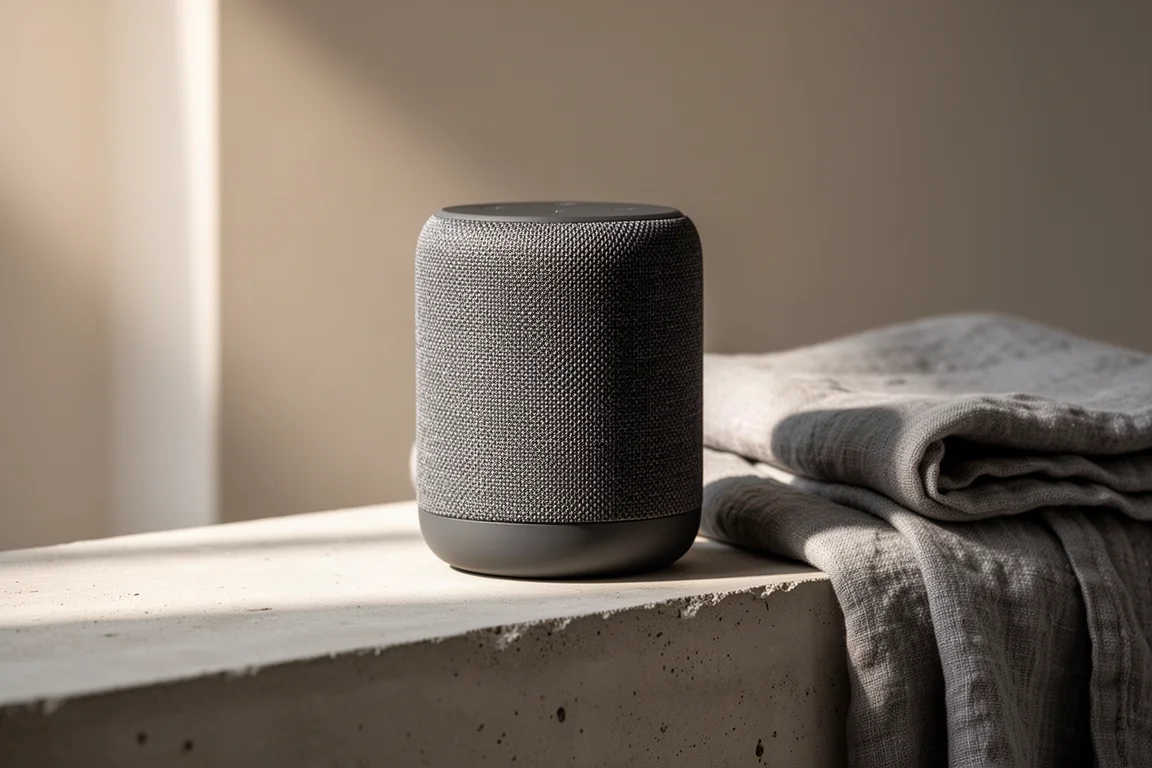
Four years after the original Sonos Move arrived in 2019, the Sonos Move 2 takes its place as the successor. It keeps a familiar shape: the same weight, the same dimensions, and the same rubber base that provides a secure grip along with some shock protection. Most of the meaningful changes sit inside the cabinet and around its edges, and together they add up to a noticeably more capable portable speaker.
The headline numbers are easy to spot. Playback moves from roughly 11 hours on the original to up to 24 hours on a single charge. Mono output becomes stereo. Wi-Fi 6 and Bluetooth 5.0 replace the older wireless standards. And a physical microphone switch on the back gives you a hardware way to disconnect the microphones entirely.
Who the Sonos Move 2 Is For
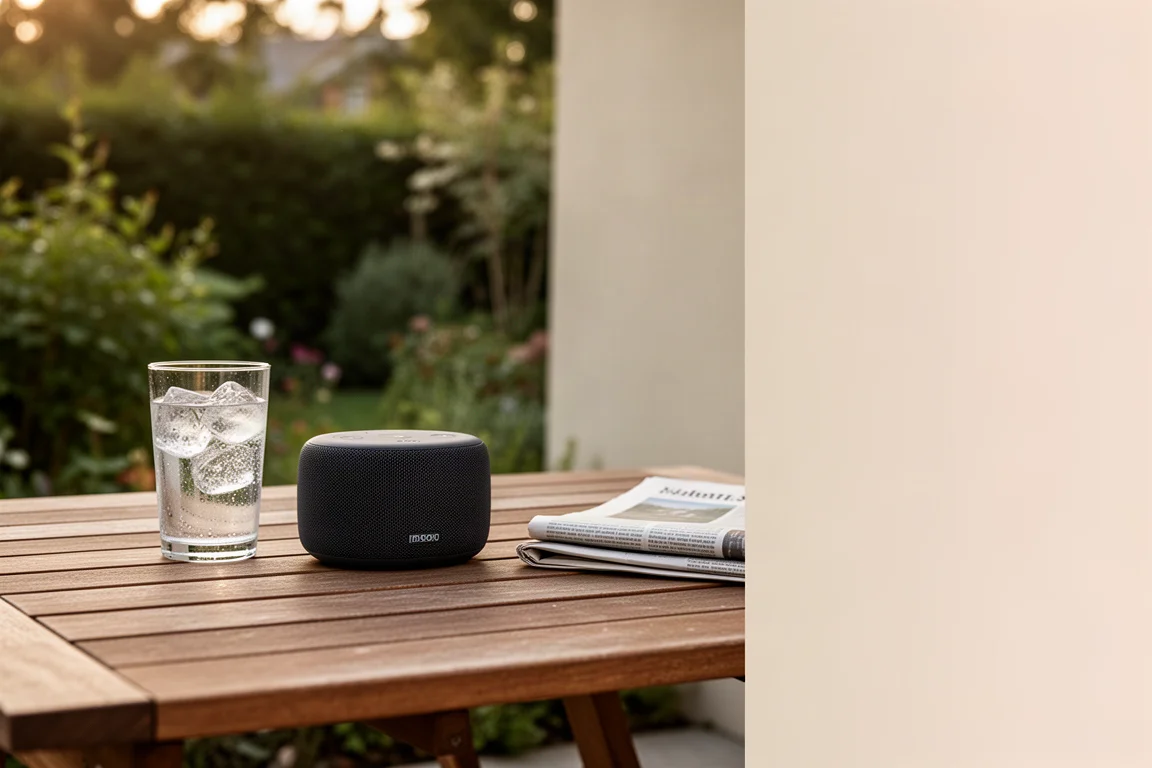
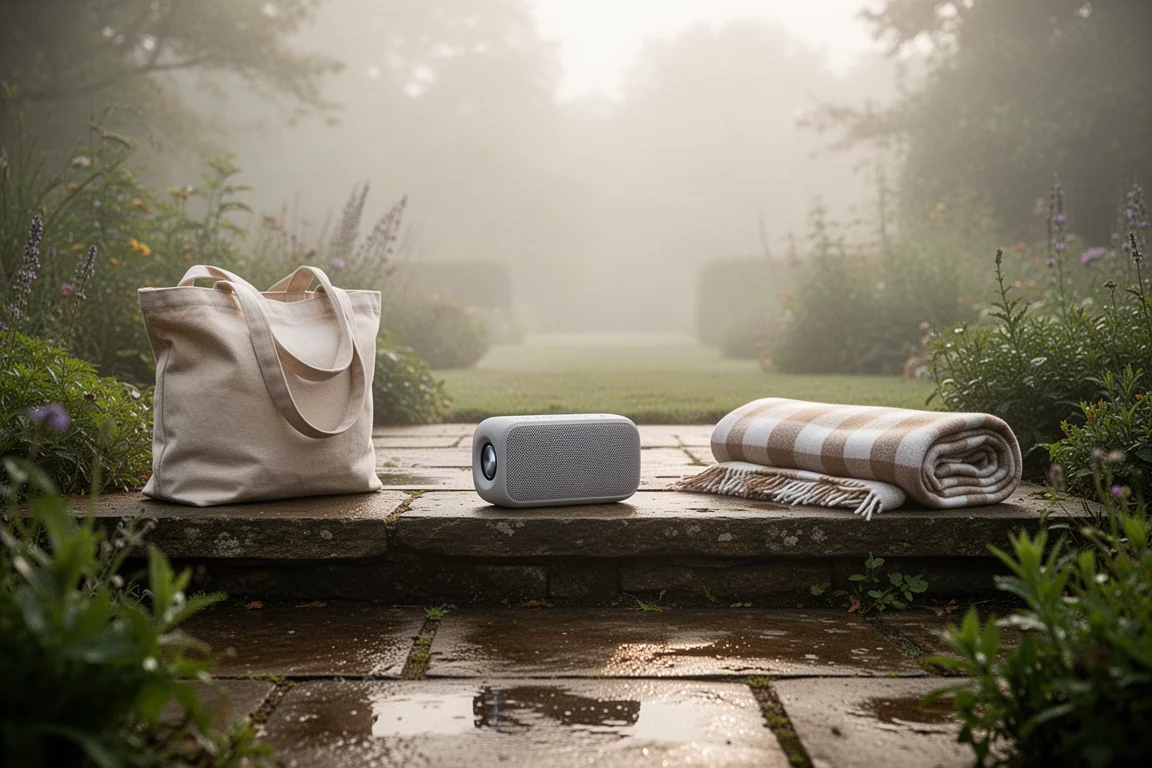
This is a speaker for listeners who want one unit that works in the kitchen, on the patio, and on a trip. The IP56 rating carries over, so light rain, dust, dirt, and snow are all part of the brief rather than a reason to leave it indoors. The rubber base helps it stay put on uneven outdoor surfaces, and the recessed handle area at the back keeps it easy to carry between rooms.
It also makes sense for households already invested in Sonos. The Move 2 can group with other Sonos devices, including an original Move, so a single speaker can extend the listening area to a patio or backyard. Stereo pairing, however, needs two Move 2 units rather than one.
Design, Controls, and Charging
Physically, the Move 2 is the same speaker you already know: identical weight, identical dimensions, and the same rubber base. The front logo stays in place but now matches the speaker’s color, which gives it a more discreet look. The color options have been refreshed as well. Shadow Black becomes a deeper Black with fewer grey undertones, and Lunar White becomes a brighter, purer White.
The connection points on the back for USB-C and the charging base are unchanged. The charging base itself, however, feels more robust and more premium, with slightly squared off edges. It also ships with a smaller power brick that can be tucked behind furniture, and the USB-C cable now detaches from the brick, which makes it easier to route through tight spaces. The original Move paired a non-detachable cable with a chunkier power brick.
Controls stay in familiar places. The power button sits in the center of the back inside the recessed handle area: a single push puts the speaker to sleep, and a long hold powers it down completely. Below it, the buttons have been revised to include a Bluetooth pair button and a physical microphone switch. On top, the Move 2 borrows the same approach used on the Era 100 and Era 300, including an indented capacitive touch slider for volume, dedicated touch buttons for next, previous, and play or pause, and a voice services button for toggling voice control.
Sound Quality and Automatic Trueplay
The most significant internal change is the addition of a second tweeter, the same approach Sonos took with the Era 100 and Era 300. That turns the speaker from mono into stereo. The two angled tweeters use custom waveguides to produce a wider, more balanced soundstage with clear stereo separation, while a midwoofer handles mid-range vocals and bass. Three Class D digital amplifiers now drive the drivers, up from two, each tuned to the acoustic architecture of the cabinet.
A far-field microphone array sits at the top of the speaker and powers Automatic Trueplay, which continually optimizes the sound for the room and for the content being played. It re-checks the environment roughly every 60 seconds, so the tuning shifts whether the speaker is in a small room or outdoors at the beach. Further EQ adjustment is available inside the Sonos app.
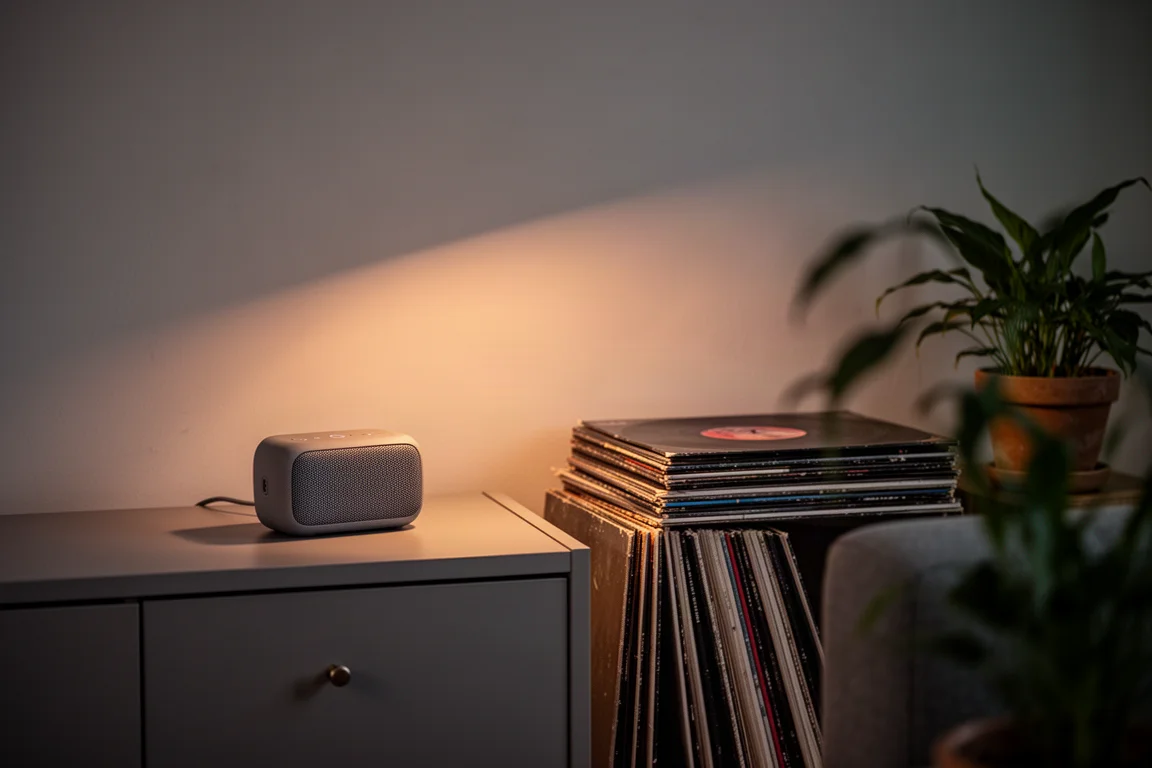
The same microphones handle voice pickup for Amazon Alexa and Sonos Voice, using beamforming and multi-channel echo cancellation. Google Assistant is not supported, so buyers tied to that assistant should factor it in.
In direct comparisons against the original Move on the same network, the difference was clear. Playing the same track on both speakers, the Move 2 separated guitar, drums, and vocal more distinctly, with the voice sitting dead center and each instrument holding its own space. The original Move sounded good but less separated, with instruments blending together into a muddier presentation. Pairing two Move 2 units into a stereo pair widened the gap further, again outperforming a pair of original Moves.
Battery Life and Portability
Battery life is the upgrade most people will feel first. The original Move was rated at around 11 hours, while the Move 2 is rated at up to 24 hours of playback from a single charge. In a side-by-side run at volume 20 with the same songs and settings, the original Move was dead after 10 hours while the Move 2 still had 74 percent remaining.
The USB-C port also lets the speaker act as a power bank, so a phone or another device can draw charge from the battery. Combined with the 24-hour rating, that makes the Move 2 a realistic companion for a trip or a long day outdoors rather than a speaker you keep close to an outlet.
Connectivity and Control
Wireless connectivity has moved forward on both fronts. Wi-Fi 6 replaces the older Wi-Fi standard for a faster, more stable connection, and Bluetooth 5.0 replaces Bluetooth 4.1. The Bluetooth upgrade brings minimal latency, which makes watching video on a connected phone practical, and it also allows music to be synced with other Bluetooth speakers in different rooms of a home.
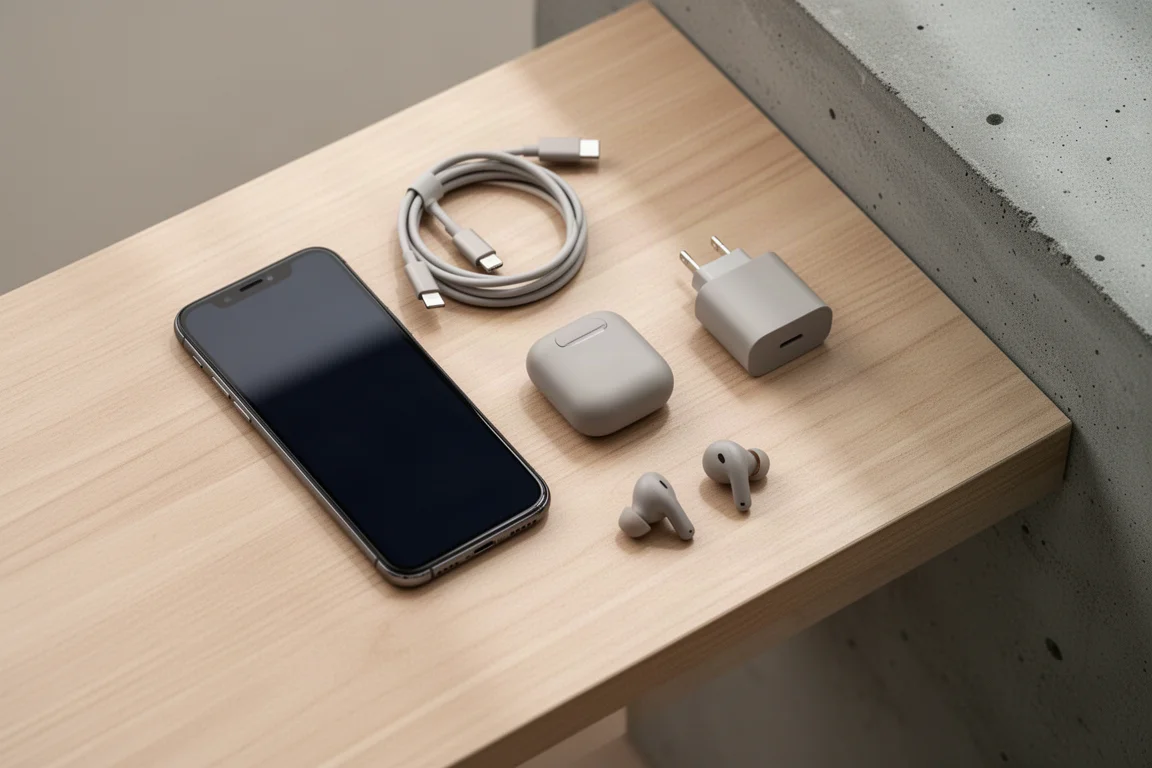
Playback and control options include the Sonos app, AirPlay 2, and Spotify Connect. The USB-C port is more versatile than it first appears: besides charging, it can feed a phone or other devices, accept a Sonos line-in adapter for a turntable, CD player, or similar source, and work with a Sonos combo adapter for a wired Ethernet connection when Wi-Fi is unstable.
On Wi-Fi, a second Move 2 can be paired for a true stereo setup. Stereo pairing over Bluetooth is not available, which limits that option to locations with a network. The Move 2 can also be grouped with other Sonos speakers, including an original Move, for simultaneous playback across rooms, though only two Move 2 units create a stereo pair.
Things to Consider Before Buying
A few limitations are worth weighing before you commit. Stereo pairing works over Wi-Fi only, so two Move 2 units cannot form a stereo pair over Bluetooth for outdoor or camping use away from a network. The speaker also cannot be used in a home theater setup as rear channels with an Arc or Beam Gen 2, which rules out a portable surround option for rooms without nearby outlets.
The back panel has no built-in Ethernet or line-in ports, so wired networking and analog sources both require separate adapters that you have to buy and carry. Google Assistant is not among the supported voice assistants. And if you already own an original Move and are happy with how it performs, an upgrade is probably unnecessary.
Buying Advice
The case for the Move 2 rests on two things: sound and stamina. The stereo driver array and the wider soundstage are a genuine step up from the original, and the battery improvement is large enough to change how you use the speaker, whether that means a full day in the garden or a weekend away from home.
If your current Move keeps running out of charge, or if the best possible sound from a portable Sonos speaker matters to you, the Move 2 is the version to buy. If you are shopping for a portable speaker for the first time, the Move 2 is the better choice over the original rather than a compromise.
Conclusion
The Sonos Move 2 is an evolutionary update that lands in the places that matter. Same size, same weight, same rubber base, and the same IP56 resilience, now paired with stereo sound from dual angled tweeters, up to 24 hours of playback, Wi-Fi 6, Bluetooth 5.0, and a more refined charging base with a detachable cable. The remaining gaps, notably Bluetooth stereo pairing, home theater duty, and built-in wired ports, are the things to accept going in. For most people choosing a portable speaker today, the Move 2 is the one to take home.
Product link
View more details for Sonos Move 2
This product is mentioned in the review. Check the specifications, options, and compatibility before buying.
View more details for Sonos Move 2Further reading
Related Reviews
Portable Speakers
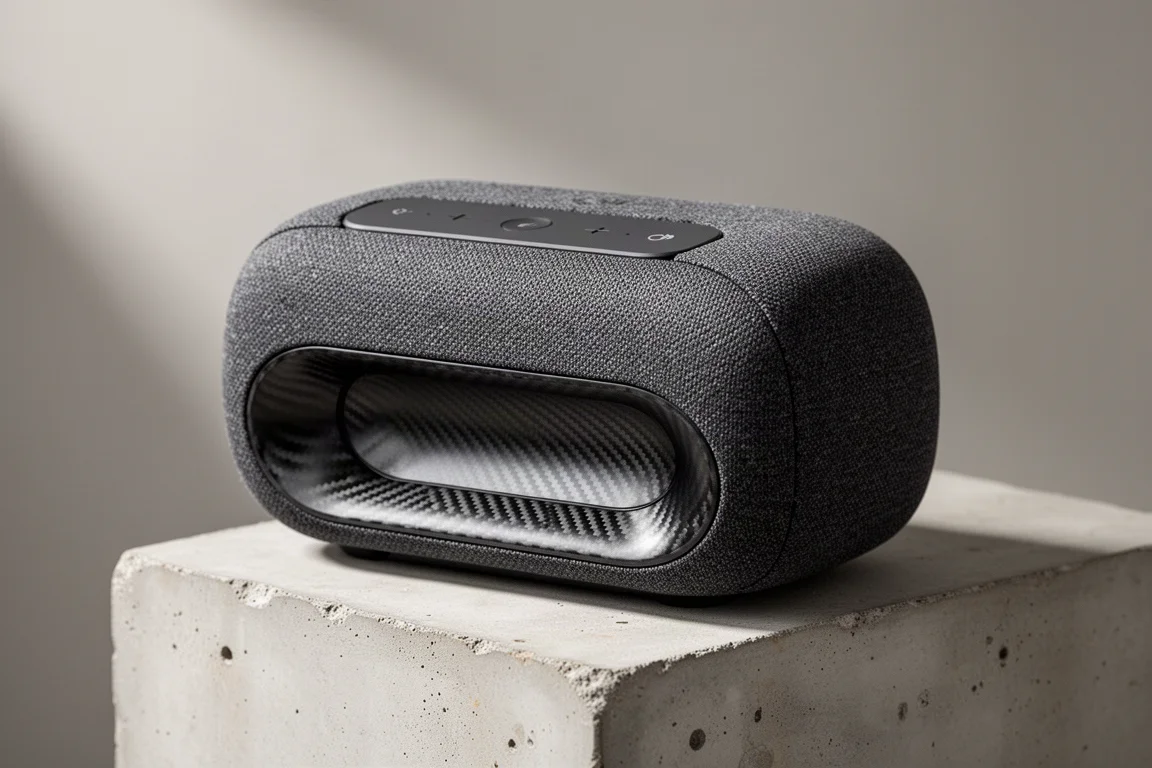
Brain X Review: Real Sub-Bass From a Truly Portable Speaker
A close look at the Brain X portable wireless speaker, its RAD driver design, its measured bass extension, its output and tuning, and the trade-offs worth knowing before you buy.
Portable Speakers
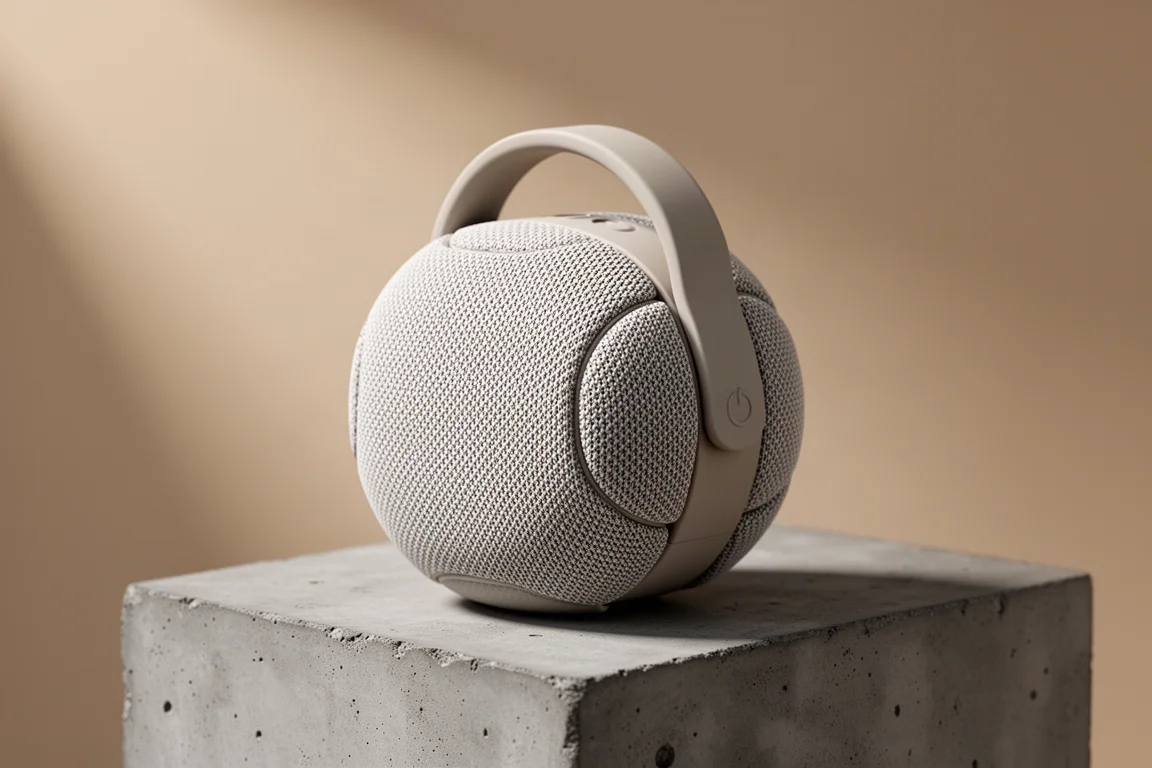
Devialet Mania Review: Portable Devialet Sound in the Brand's Smallest Form
The Devialet Mania brings the brand's sculptural design and deep bass to a battery-powered portable speaker with up to 10 hours of playback.
Portable Speakers
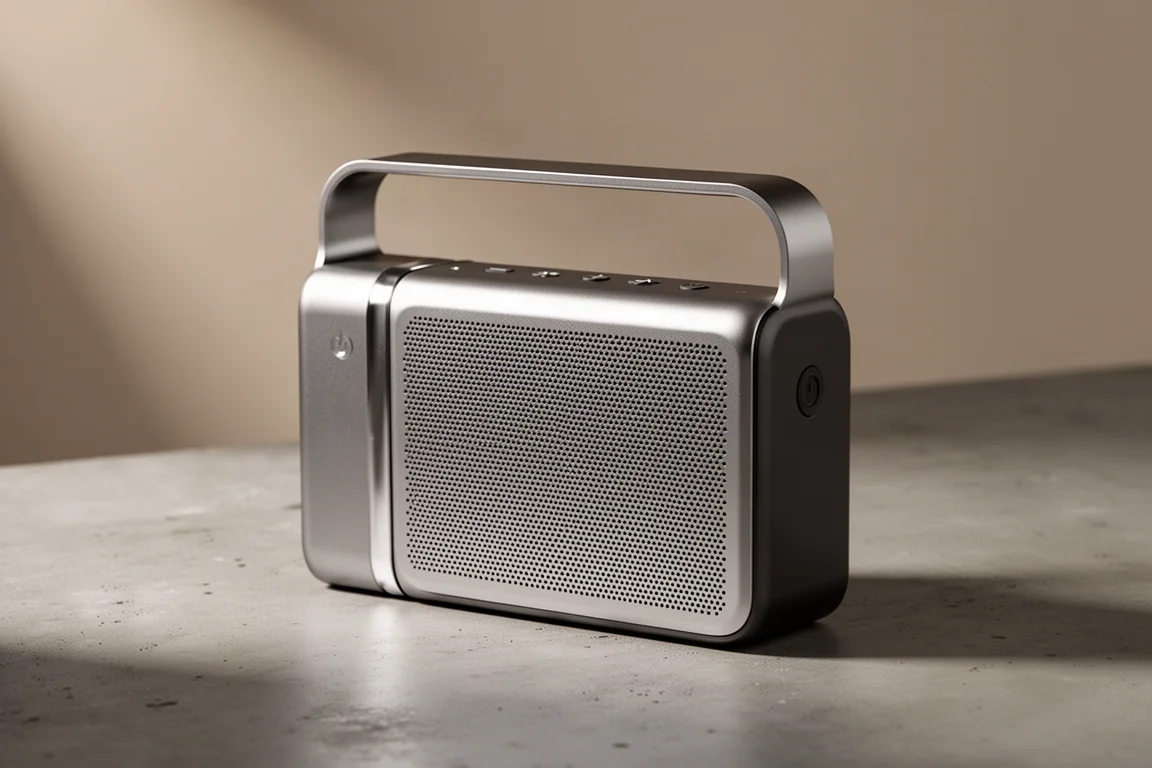
Soundcore Motion X600 Review: Five Drivers and Up-Firing Spatial Audio
A portable speaker with a stainless steel body, five drivers, 50 watts of amplification, and LDAC high-resolution decoding, plus the trade-offs worth knowing before you buy.