Loudspeakers
JBL 4367 Review: A Large-Format Loudspeaker Built for Headroom
The JBL 4367 pairs a 15-inch woofer with a horn-loaded compression driver, delivering flat on-axis response, exceptional compression linearity, and unusually low room interaction.
Introduction
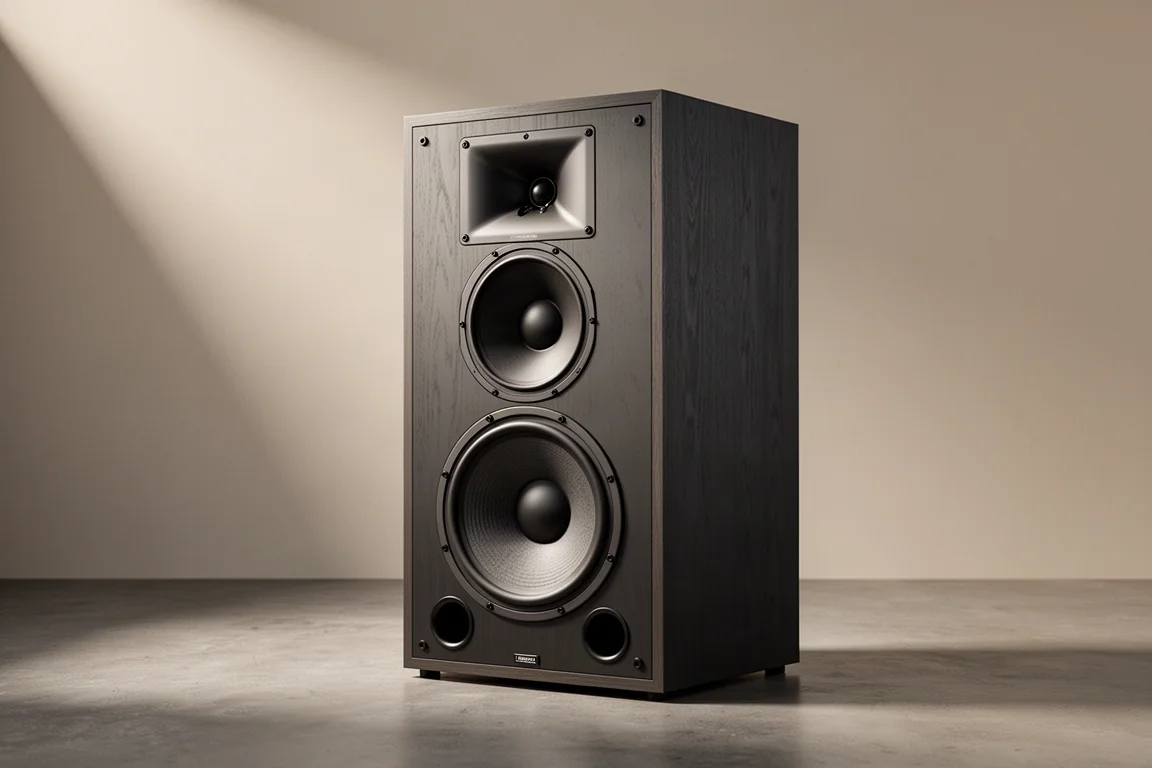
The JBL 4367 sits in JBL’s Synthesis line, and it is a statement piece in the most literal sense. It is a two-way design that pairs a 15-inch woofer with a horn-loaded compression driver, crossed over at 700 Hz, and it wraps that hardware in a retro-inspired cabinet measuring roughly 36 to 37 inches tall and weighing about 120 pounds. At $8,250 for a single speaker, or roughly $16,500 for a stereo pair, it is aimed at listeners shopping well past the entry point of high-end audio.
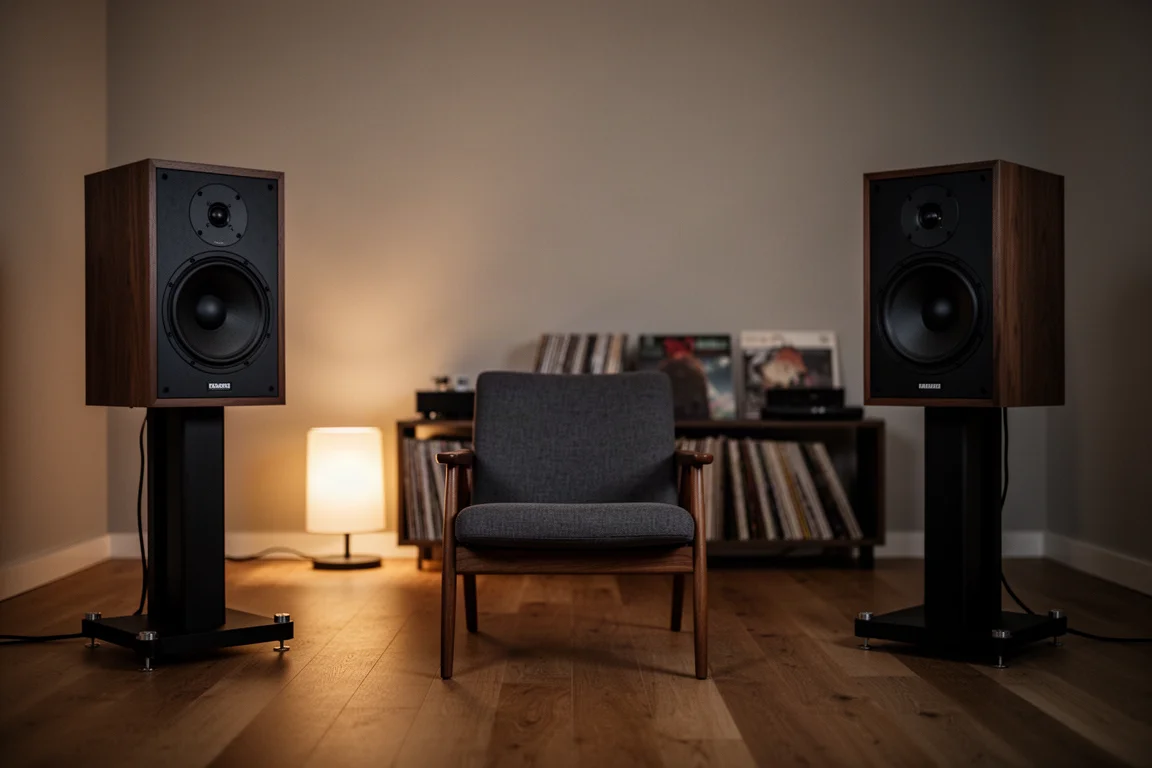
The design intent is clear: a large-format speaker that keeps its energy in the listening space rather than scattering it toward the walls, with enough output capability to play demanding material at realistic levels. In our sessions a Parasound Halo Integrated HINT 6 drove the pair with power to spare.
Who This Speaker Is For
The 4367 makes the most sense for listeners with a room that can accommodate a large cabinet and some flexibility in placement. A 15-inch woofer begins to narrow its radiation at a much lower frequency than a typical six-inch driver, which starts to beam somewhere around 1 kHz by comparison. The practical result is less room involvement and a more consistent direct sound at the listening position.
Front-firing ports reinforce that behaviour by reducing the energy sent toward the rear wall. Buyers who want a big, effortless presentation with pop and rock material at high levels are the natural audience here, particularly those who would rather adjust a speaker’s tonal balance with trim controls than spend months chasing placement.
Sound Quality and Tonality
On axis, the response is close to dead flat, and the listening window tracks it closely across the band. The only visible deviation lands around the 700 Hz crossover, and it is minor for a design mating a 15-inch woofer to a large compression driver.
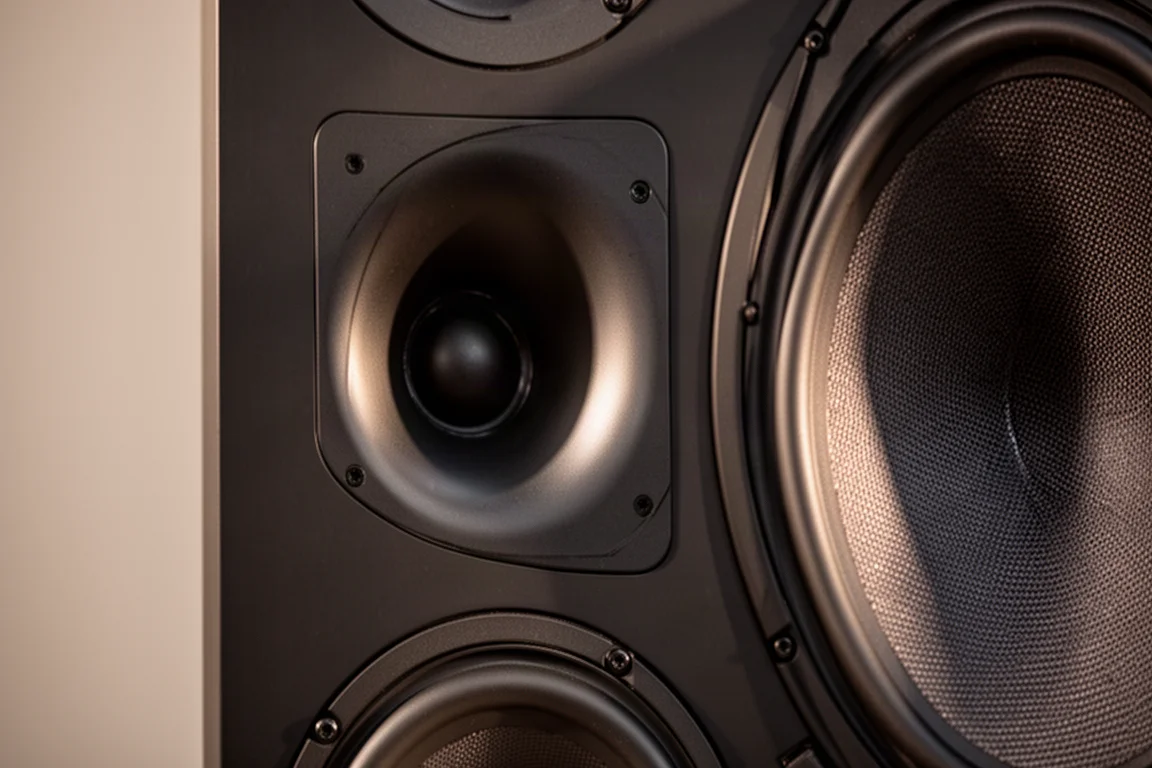
Toward the top of the range the picture changes. The response rolls off in the upper high frequencies while the directivity narrows at the same time. Moving off to the side of the listening position, that rolloff showed up as a reduced sense of air and space in the sound stage. Some listeners would call that balance warm, though it is more accurately described as a rolled-off high frequency than as a boosted midrange. In timbre and tonality the speaker is genuinely enjoyable, and the reduced upper treble relative to the midrange and mid-bass is a plausible reason it stays comfortable over long listening sessions.
Sensitivity averages about 92.6 dB, and on-axis linearity holds within roughly plus or minus 1.5 dB, with the listening window staying inside a similar tolerance.
Dynamics, Distortion, and Headroom
Distortion is not a concern at realistic levels. At 86 dB, total harmonic distortion stays below 1 percent across essentially the entire band, and it remains below that mark at 96 dB as well. Second-order distortion from the compression driver rises slightly but stays at a level unlikely to be audible.
The compression linearity result is the standout. Output stays within about a quarter of a decibel from 76 dB to 102 dB, which points to a very large usable dynamic window. In practice that means the speaker’s character does not shift as you ask more of it, so you can move from quiet background listening to high-level playback without the presentation falling apart. Data of this type was captured with a Klippel near-field scanner, which delivers anechoic-grade measurements without an anechoic chamber.
Design, Placement, and Room Interaction
Front ports and a large woofer combine to keep rearward radiation low. In the horizontal data, energy sent behind the speaker sits roughly 15 to 20 dB below the primary wavefront, which is closer to cardioid behaviour than most ported box designs manage, even though this is not a cardioid speaker by design.
The horizontal radiation pattern is unusually shaped. It is widest across roughly 200 Hz to 800 Hz, narrows through the crossover region where the 15-inch driver begins to beam, opens back up to nearly 50 degrees, and then narrows again. Vertical response shows nulls as you move further above and below the axis, which is expected given the spacing between the compression driver and the woofer. Bass and treble trim controls allow adjustments of roughly plus or minus 1 to 2 dB to taste.
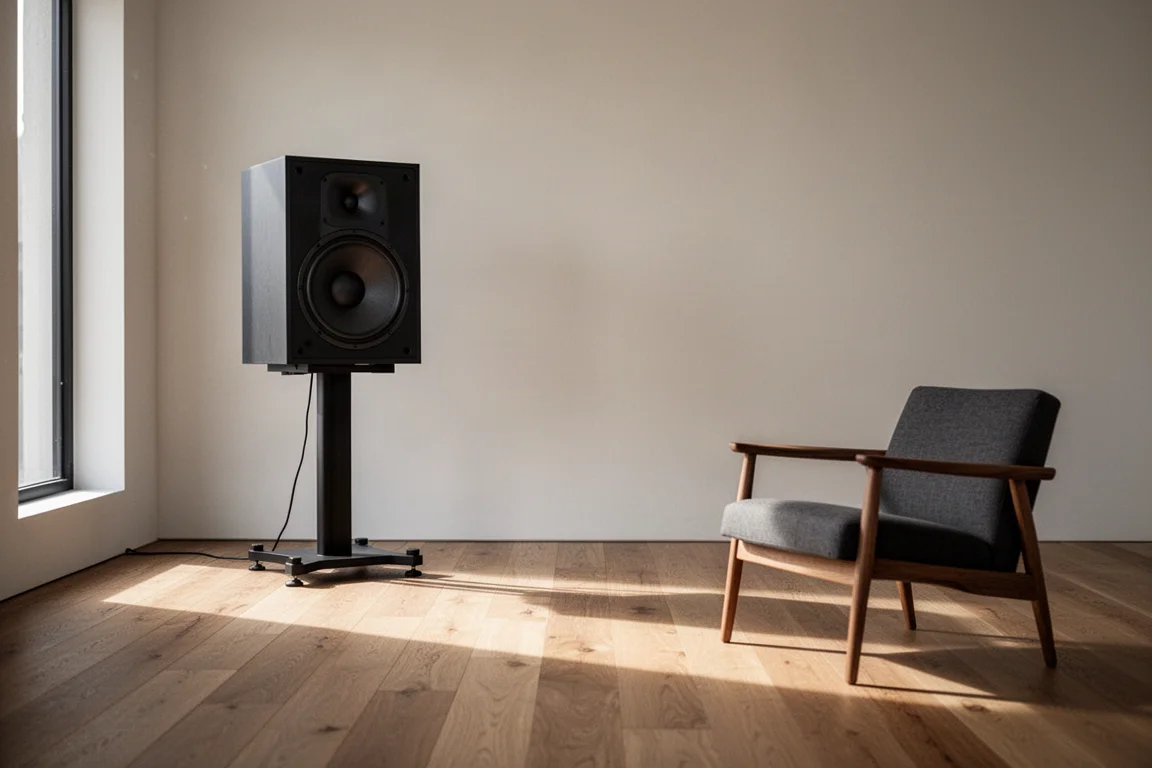
Placement matters more than usual here. At 36 to 37 inches tall, the cabinet puts the tweeter below seated ear level when it rests on the floor, so a stand or plinth is worth budgeting for. Elevating the speaker and listening just slightly below the tweeter axis sounded best during testing, though the ideal height will vary with room and preference.
Things to Consider Before Buying
Price is the first consideration. At $8,250 per speaker, this is a purchase that deserves a home trial rather than a showroom decision. Size and weight are the second: roughly 120 pounds per cabinet, plus stands, means you need both floor space and a plan for getting the tweeter up to ear height.
In the estimated in-room response there is a small plateau in the 5 kHz to 6 kHz region followed by a steeper drop, and that area drew attention on specific vocal passages during listening. The same detail exists in the recording itself and appeared on other speakers once we knew to listen for it, so it is not a fault unique to this design. If it does bother you in your room, a single band of EQ is enough to bring it down.
The estimated in-room response also rolls off at the very top end. Listeners who prioritise an airy, extended top octave should audition before committing, because that rolloff is part of the speaker’s character rather than something a placement tweak will remove.
Buying Advice
Buy from a retailer with a generous return policy so you can hear the speaker in your own room, and budget for stands that place the compression driver near ear height. If your room is small or your placement options are tightly constrained, a smaller speaker with a broader radiation pattern will likely serve you better.
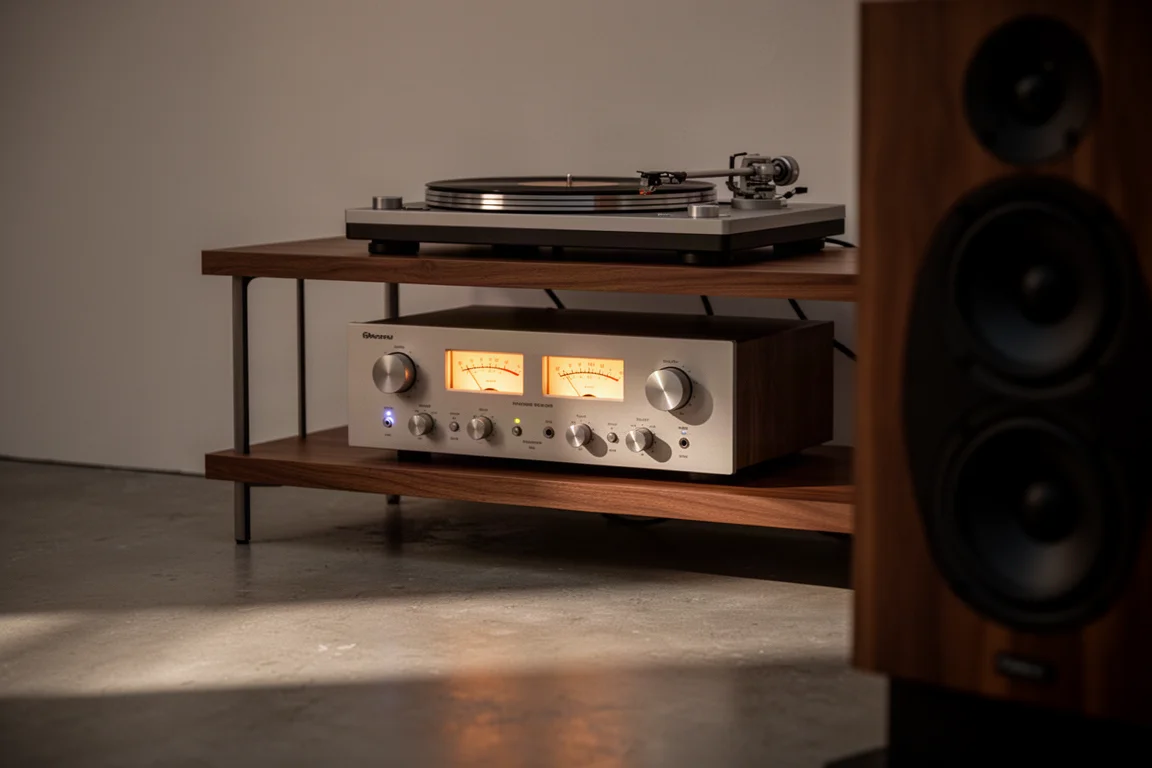
For buyers with the space, the case is strong. Flat on-axis response, very low distortion at high output, and compression linearity that holds within about a quarter of a decibel across a 26 dB window add up to a speaker that stays composed under pressure. The onboard trim controls also give you a legitimate way to nudge the balance without adding outboard processing.
Conclusion
The JBL 4367 is a large, expensive speaker that earns its price through behaviour rather than novelty. It measures close to flat on axis, keeps a remarkable grip on dynamic range, and sends very little energy toward the wall behind it. The upper high-frequency rolloff shapes its character, and that is worth hearing in person before you buy. For listeners with a suitable room and the budget to match, it is one of the more convincing large-format designs available.
Product link
View more details for JBL 4367
This product is mentioned in the review. Check the specifications, options, and compatibility before buying.
View more details for JBL 4367Further reading
Related Reviews
Loudspeakers
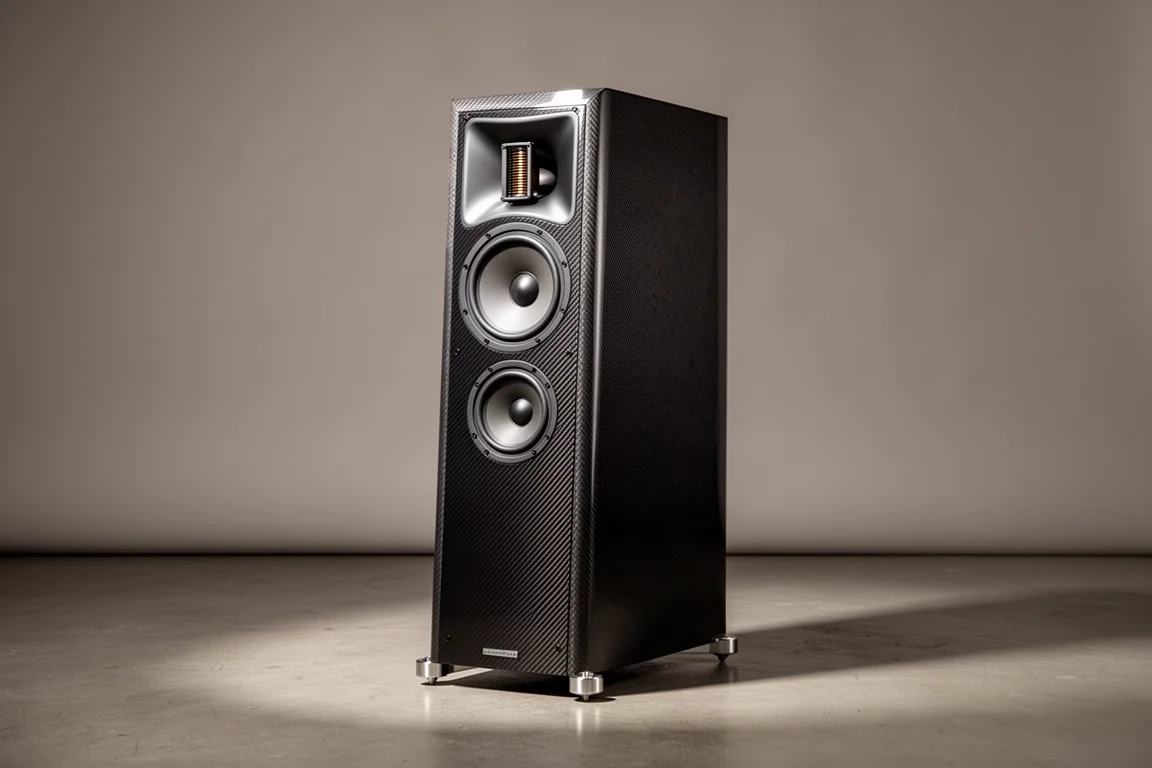
Borresen X2 Review: Deep Bass and a Warm Balance From a Slim Floorstander
A close look at the Borresen X2 loudspeaker: ribbon tweeter and carbon fiber drivers, bass below 30 Hz without a subwoofer, and how it behaves with solid state, integrated and tube amplification.
Loudspeakers
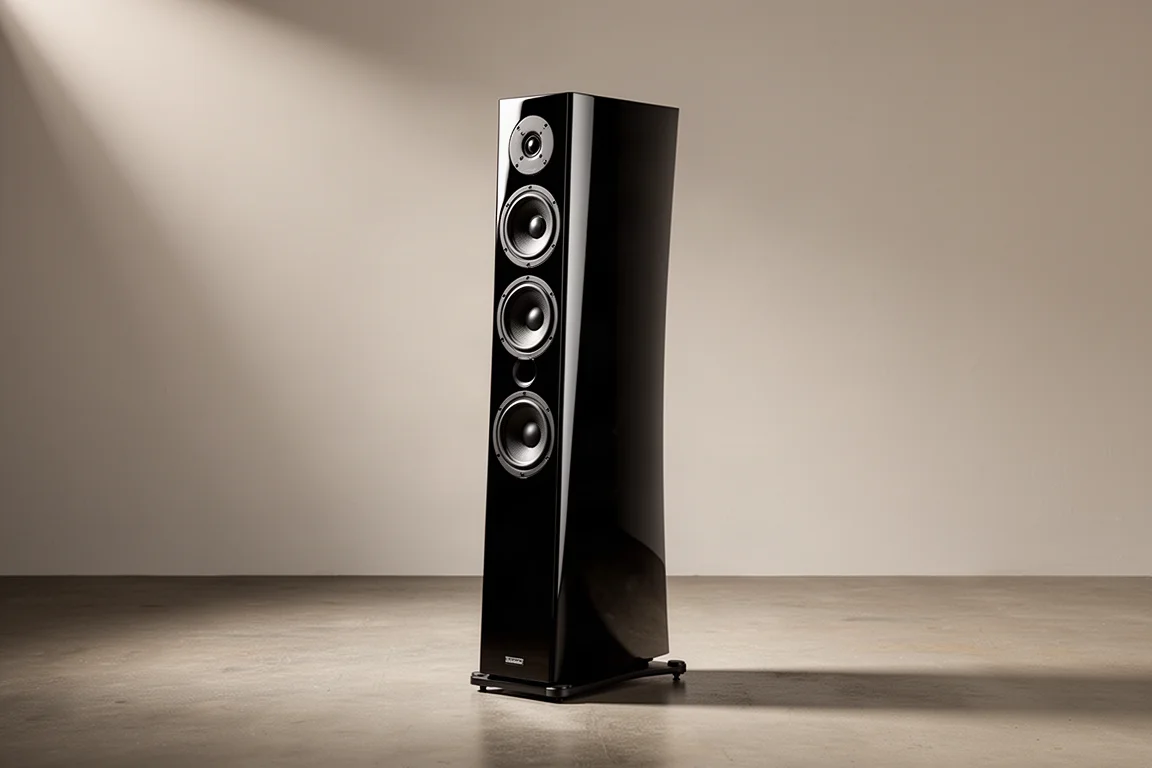
Borresen X3 Review: A Danish Floorstander Built Around Soundstaging
The Borresen X3 pairs a true ribbon tweeter and a slim Danish cabinet with remarkable imaging, fast transients, and a few practical trade-offs worth knowing before you buy.
Loudspeakers
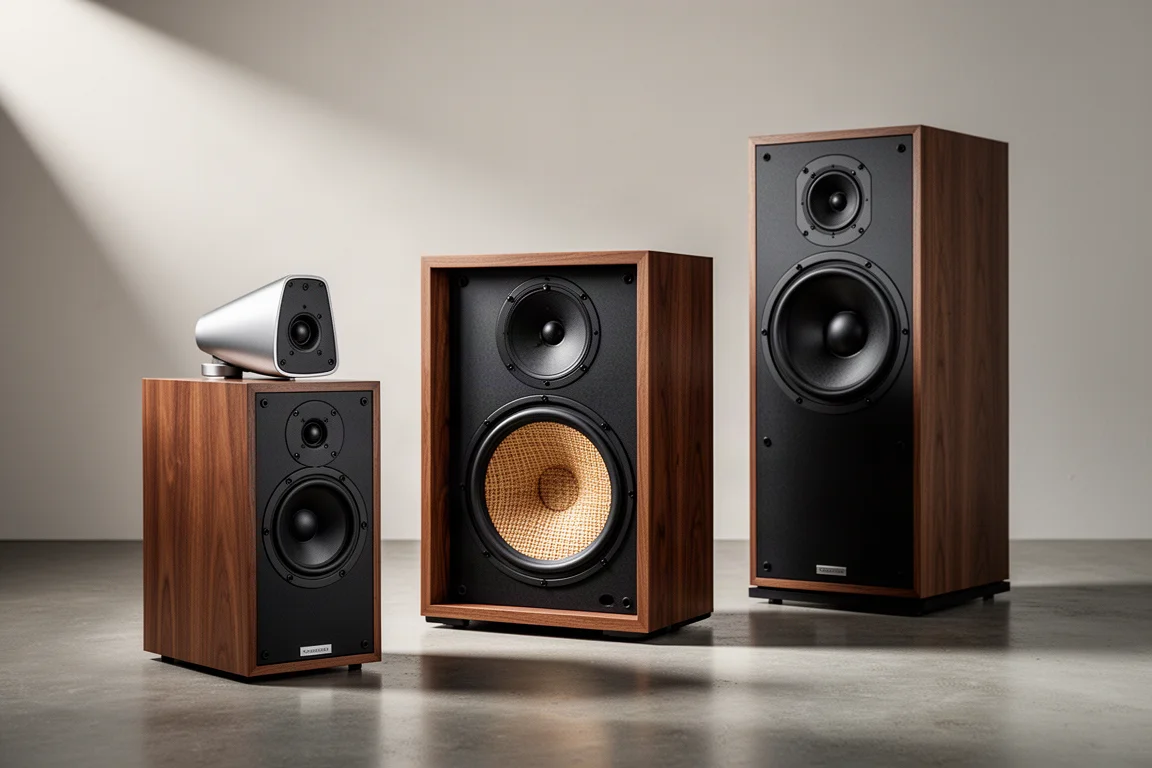
Bowers & Wilkins 705 S3 vs Wharfedale Linton vs Zu Audio DWX: Three Standmount Speakers Compared
A three-way standmount loudspeaker comparison covering the detail-led Bowers & Wilkins 705 S3, the value-focused Wharfedale Linton, and the dynamic Zu Audio DWX.