Aquarium Equipment
JBJ Max Battery Backup Air Pump Review: Dual-Port Backup for Reef and Quarantine Tanks
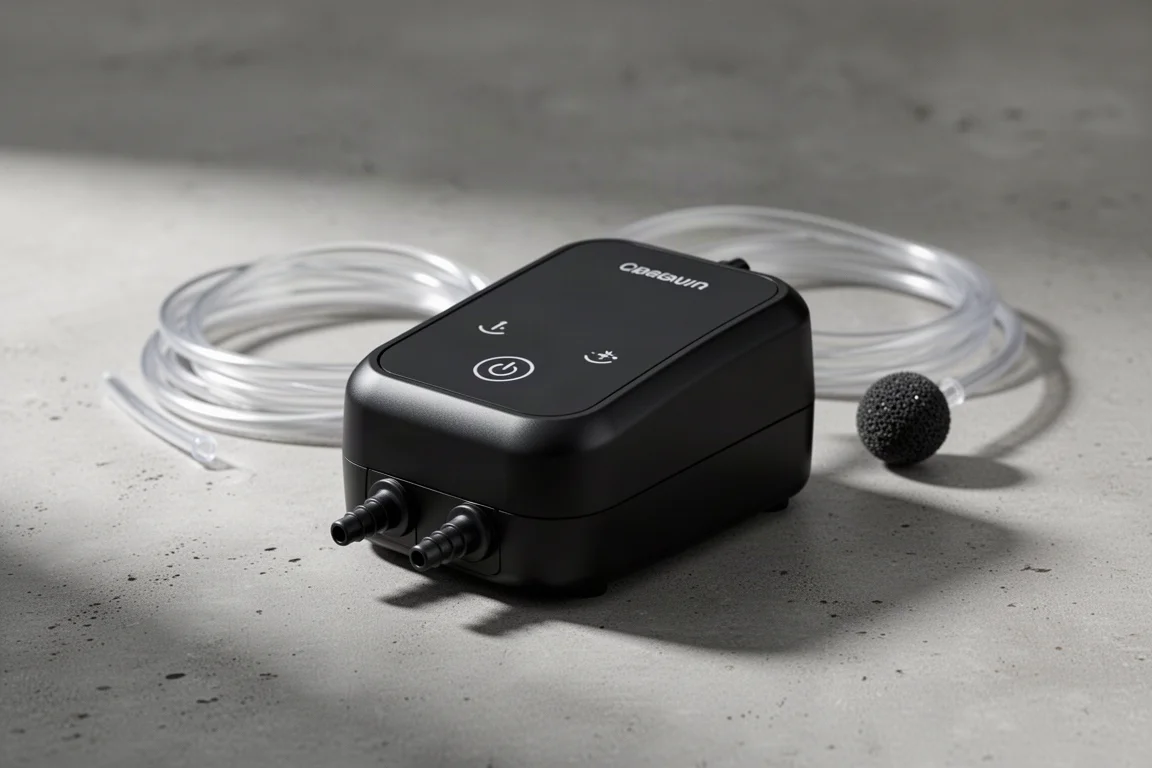
A dual-port battery backup air pump with up to 48 hours of interval runtime, 8 L/min of total airflow, and a price that keeps redundant oxygenation within reach.
Introduction
A power outage can undo a reef tank faster than most keepers expect. Heaters, lights, and feeding can all wait far longer than proper oxygenation can, and once water stops moving at the surface, oxygen levels begin to fall. That is the reason battery backups for water circulation have moved from luxury to standard equipment for many reef keepers.
The JBJ Max battery backup air pump addresses exactly that problem. It uses lithium-ion batteries to keep air moving through two outlets, delivering up to 8 liters per minute, or 127 gallons per hour, of total airflow for as long as 48 hours when it runs in interval mode. It also lands under one hundred dollars, which makes redundant oxygenation much easier to justify for a quarantine system, a nano or pico reef, or long trips home from a frag swap or a distant fish store.
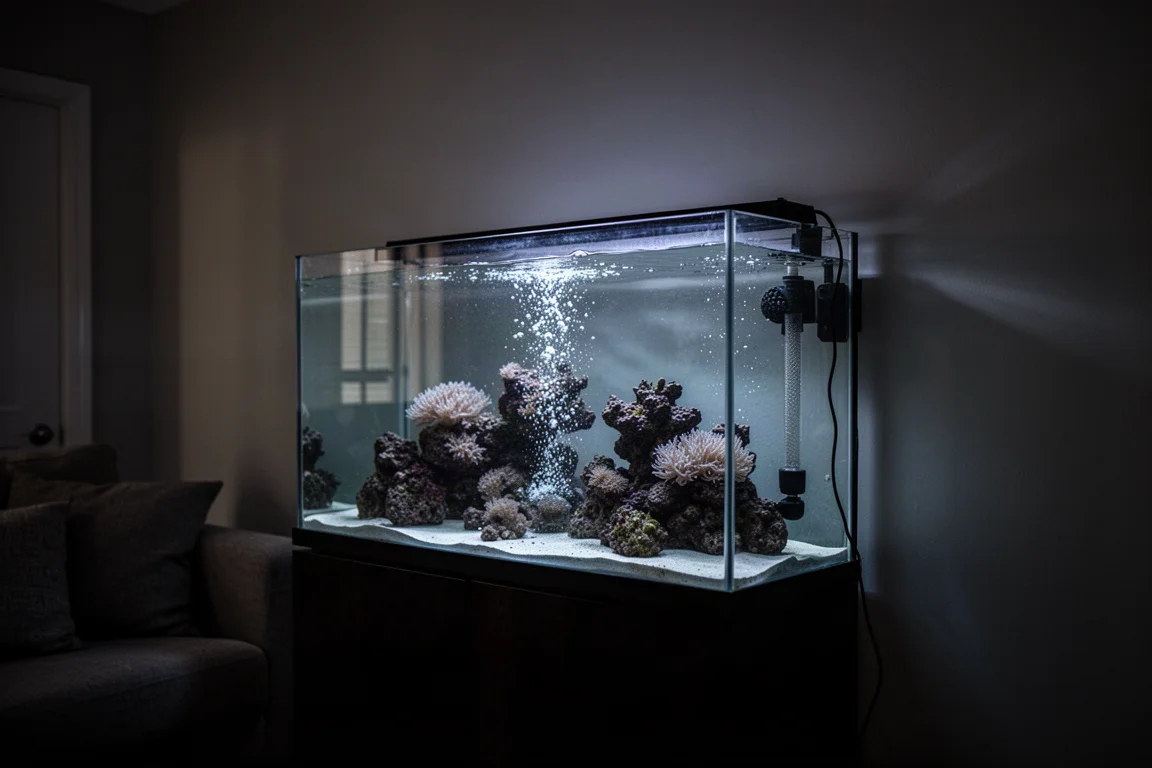
This review covers what the pump delivers, how the battery modes work in practice, and where it makes the most sense in a real tank setup. For anyone who wants a safety net without paying hundreds of dollars to outfit a main circulation pump with battery backup, the Max is worth a close look.
Who This Pump Is For
Not every reefer wants to spend hundreds of dollars wiring battery backups into a main circulation pump, and not everyone keeps a gas generator on hand for the rare outage. The JBJ Max is aimed at that gap.
It suits a few specific situations particularly well. Keepers who already have battery protection on a display tank but need a budget-friendly option for a quarantine tank that is not always running will find it practical. Nano and pico reef owners who need something sized sensibly for a smaller aquarium are another natural fit. It also works for moving water and keeping oxygen up during longer journeys from frag swaps or stores that are not so local.
The through-line is redundancy rather than raw performance. This is a pump you buy so that a tank survives a bad night, not one you buy to replace your main flow.
Airflow and Dual-Port Output
Output is the headline number here. The Max pushes a claimed 4 liters per minute from each of its two outlets, for a total of 8 liters per minute, or 127 gallons per hour. That makes it more than twice as powerful as less expensive battery air pumps while still offering the same battery life, which is unusual at this price point.
Two outlets give it flexibility. You can run one port to each side of a larger tank, or split the airflow toward two smaller aquariums. For larger four-foot tanks, running the pump at maximum with a diffuser on each side of the aquarium is the sensible approach. For tanks under three feet, a small T-fitting lets you join the two outputs into a single line, and you can then turn the airflow down to suit the tank.
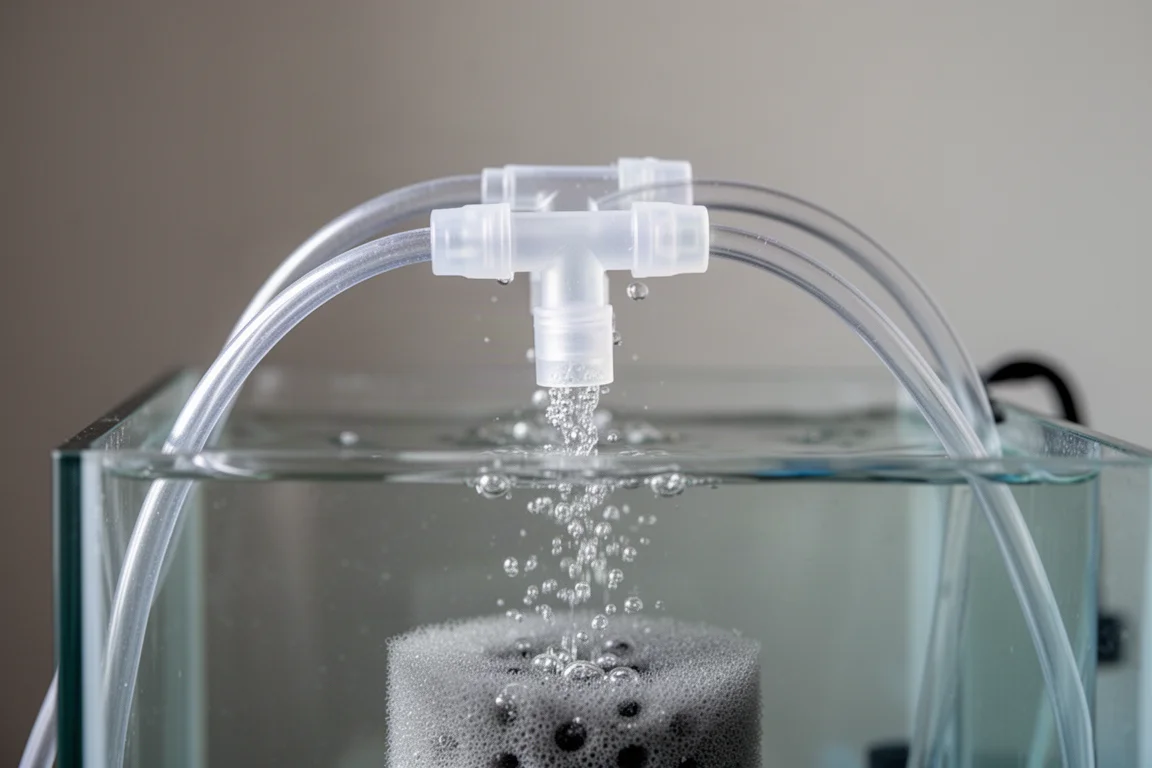
Flow control matters because airstone output that is too aggressive can be disruptive in a small aquarium. The four available flow increments let you dial the pump in rather than accept whatever it produces out of the box.
Battery Runtime and Interval Mode
Runtime is where the two operating modes separate. In constant mode, the Max can run for up to 24 hours. Switching to interval mode automatically turns the airflow on and off in six-second cycles, which extends the battery life to as long as 48 hours.
Four touch-capacitive buttons sit on top of the unit. One handles power, one switches between constant and interval mode, and a plus and minus pair adjusts flow across four increments. Because mode changes are available at any time, you can start an outage on constant output and drop into interval mode later to stretch the remaining charge, which can make a real difference when an outage runs long.
Setup, Mounting, and Everyday Use
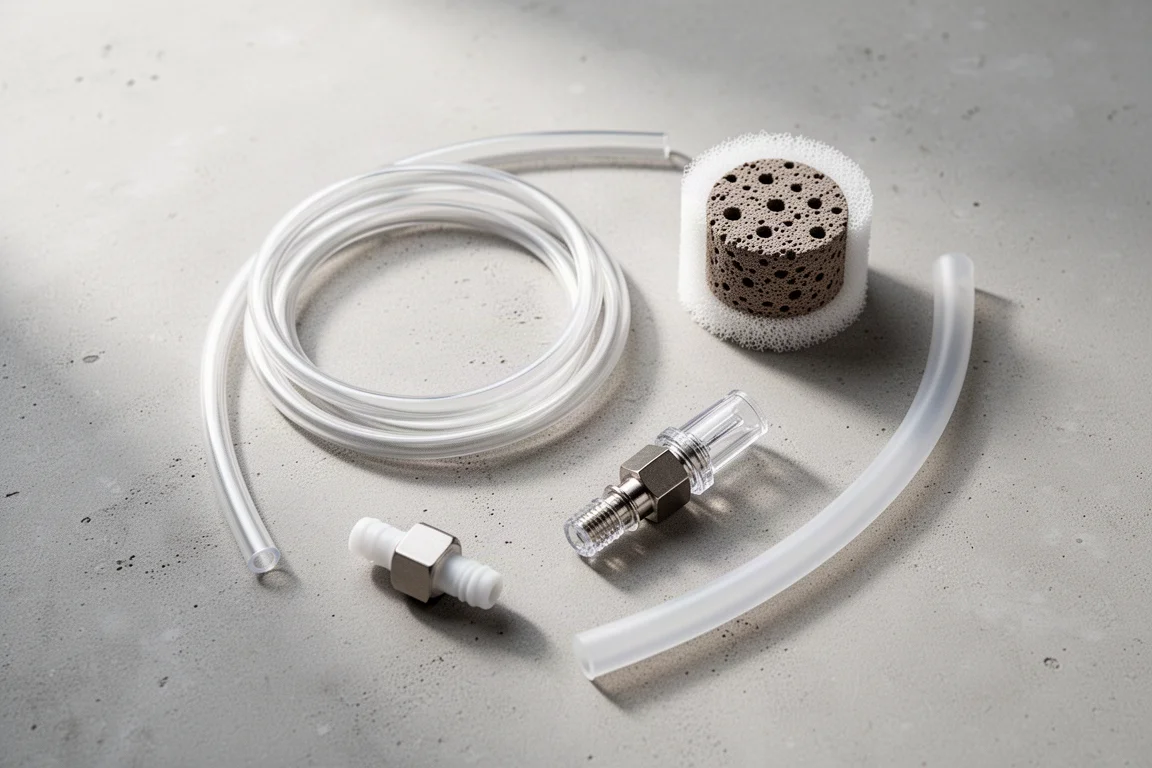
In the box you get the JBJ Max and its power supply. You will also want to pick up airline tubing and a pair of diffusers or sponge filters, or a small T-fitting if you plan to combine both outlets into one line. A check valve is a sensible addition if the pump will sit below the top of the water line in the aquarium, since it prevents back-siphoning.
Setup is straightforward. Cut the tubing to length, use it to join the pump to the diffuser or sponge filter, and plug the unit into power. Once it is plugged in you can switch it on and run it as a full-time air pump, or leave it powered off so the battery charges fully and stays ready.
The quarantine tank case is the strongest argument for this design. Many keepers run simple sponge filters in quarantine, and those filters depend on an air pump. Leaving the Max plugged into an outlet means it is always charged, so if household power is lost, a breaker trips, or a GFCI outlet trips, the pump keeps running and the quarantine tank stays oxygenated without any intervention.
The USB Charge-Out Port
There is one small extra worth knowing about. A USB port on the back is labeled Charge Out. It is not intended for charging a phone or a tablet, so it is not a general-purpose power bank.
What it can do is power a small, low-powered light, such as a compact USB LED light. During a dark outage with no flashlight within reach, that light gives you enough illumination to work around the tank while you get the aquarium prepared to ride out the rest of the outage.
Things to Consider Before Buying
A few practical points are worth weighing before you buy.
The pump itself is only part of the setup. Budget for airline tubing, a diffuser or sponge filter, and possibly a T-fitting and a check valve, since none of those are included.
Used purely as an outage backup, the Max still needs to be switched on, so unless it is left running full time you would need to be home to start it. Leaving it powered and plugged in as a permanent air source removes that limitation entirely, which is why it pairs so naturally with a quarantine system.
It is also worth being clear about what this product is. It provides circulation and surface agitation through air, which drives gas exchange and oxygenation. It is not a replacement for a main circulation pump, and it does not heat, light, or filter a tank.
Buying Advice
The JBJ Max makes the most sense as a dedicated backup for a tank that matters but does not justify a large spend. At under one hundred dollars, it delivers dual-port output, a 48-hour interval runtime, and enough airflow headroom to serve two small tanks or one larger one.
If you are setting it up on a quarantine tank, leaving it plugged in and running is the cleanest configuration, because the battery stays topped up and takes over the moment power drops. If you are keeping it purely as an emergency unit for a display tank, charge it fully and check it periodically so it is ready when you need it.
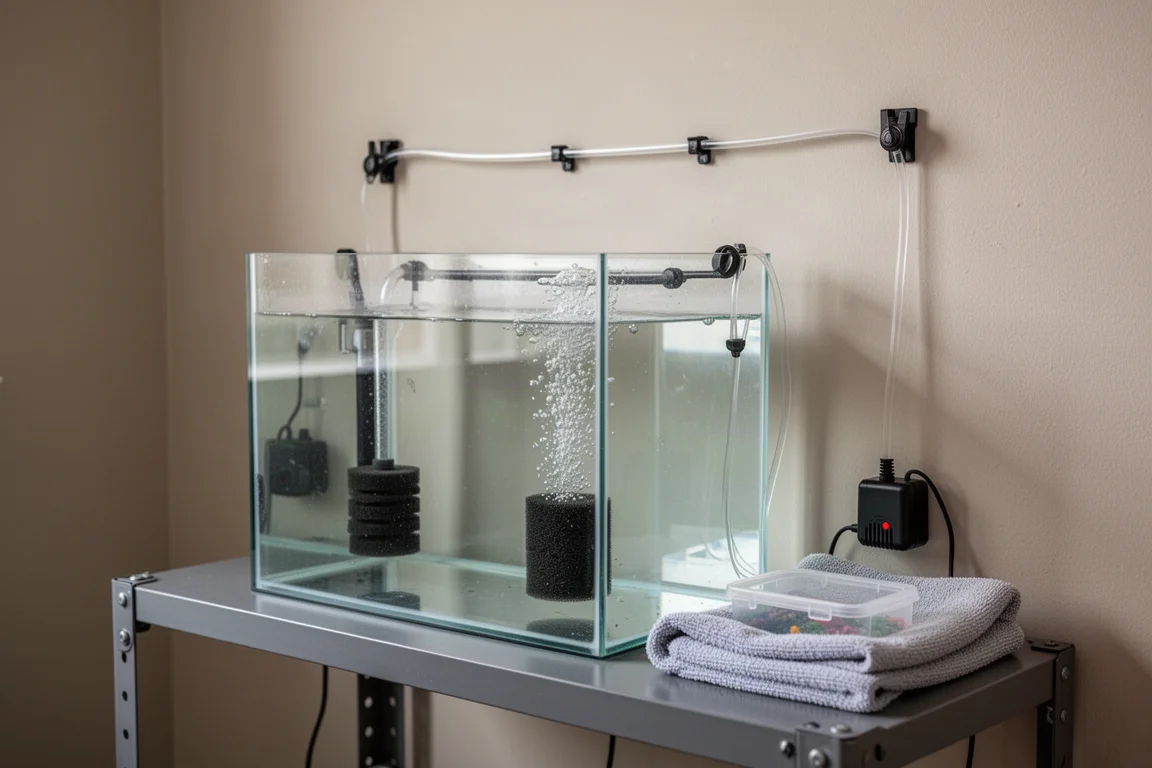
Match the flow setting to your tank size rather than defaulting to maximum, use a T-fitting to merge the outlets on smaller aquariums, and add a check valve if the pump sits below the water line. Those small details are what turn a backup pump into a reliable part of the system.
Conclusion
The JBJ Max battery backup air pump covers a specific and important job well. It combines strong dual-port airflow, a 24-hour constant runtime that stretches to 48 hours in interval mode, a genuinely useful USB charge-out port, and a price that keeps redundant oxygenation realistic for more keepers.
If your concern is protecting a quarantine tank, a nano or pico reef, or a display tank without a large investment in battery hardware, this is a practical and well-considered option. Buy it, set it up so it is always charged, and it becomes one of the least glamorous but most valuable pieces of equipment in the room.
Product link
View more details for JBJ Max Battery Backup Air Pump
This product is mentioned in the review. Check the specifications, options, and compatibility before buying.
View more details for JBJ Max Battery Backup Air PumpFurther reading
Related Reviews
Aquarium Equipment
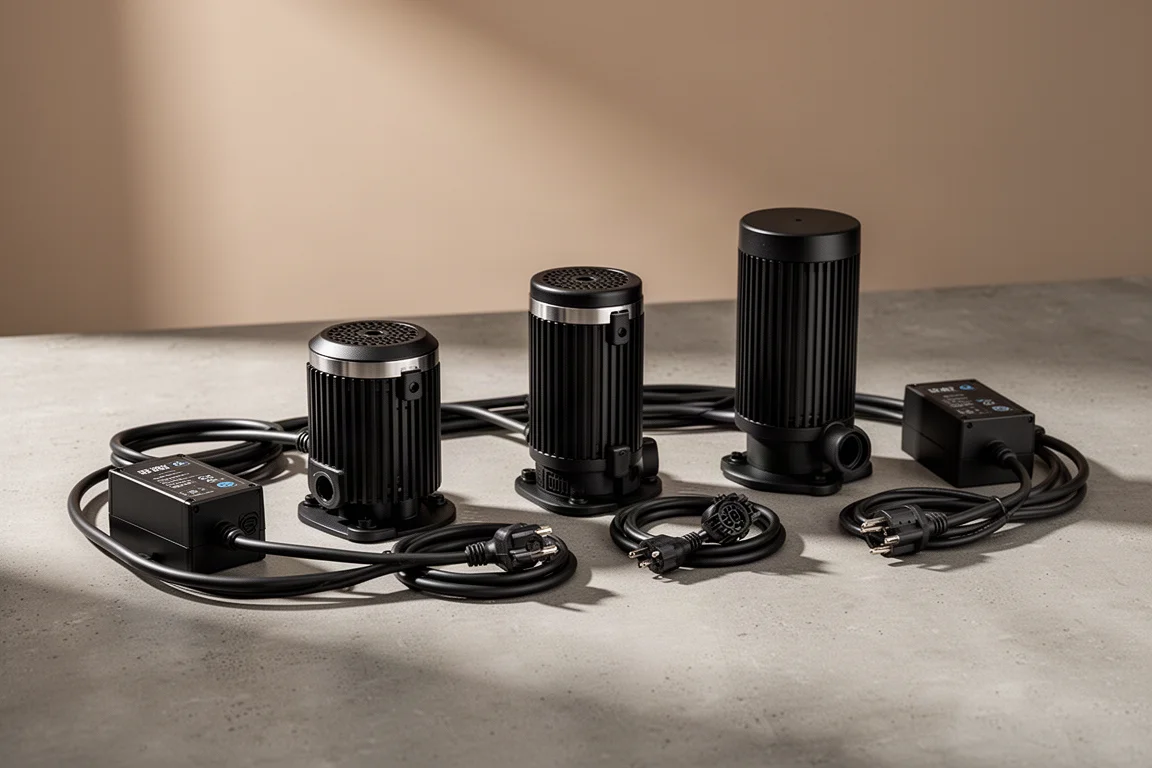
Abyzz Professional DC Pumps: A100, A200, and A400 Reviewed
A closer look at three German-made DC return pumps built for large reef systems, with titanium internals, fine flow control, and a 10-year warranty.
Aquarium Equipment
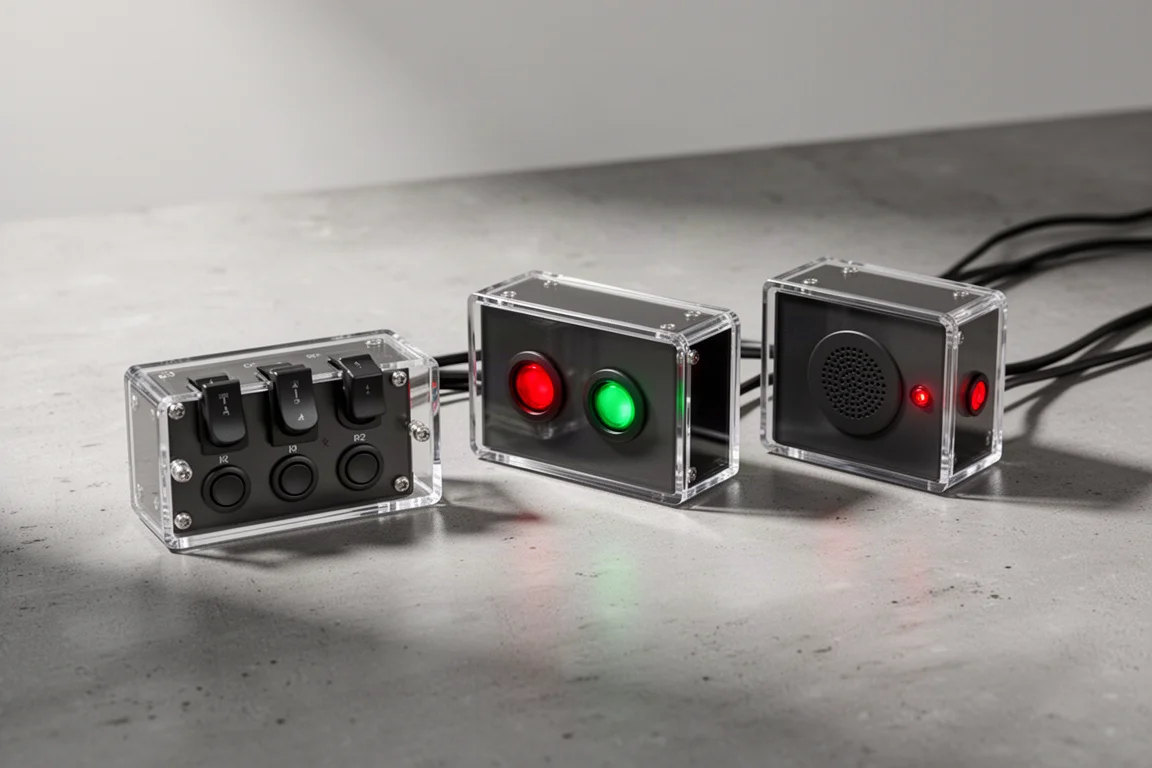
AdaptiveReef Controller Accessories: Three Tactile Upgrades for Your Reef Controller
A practical look at three AdaptiveReef add-ons that put physical switches, at-a-glance status lights, and a loud alarm within arm's reach of your reef tank.
Aquarium Equipment
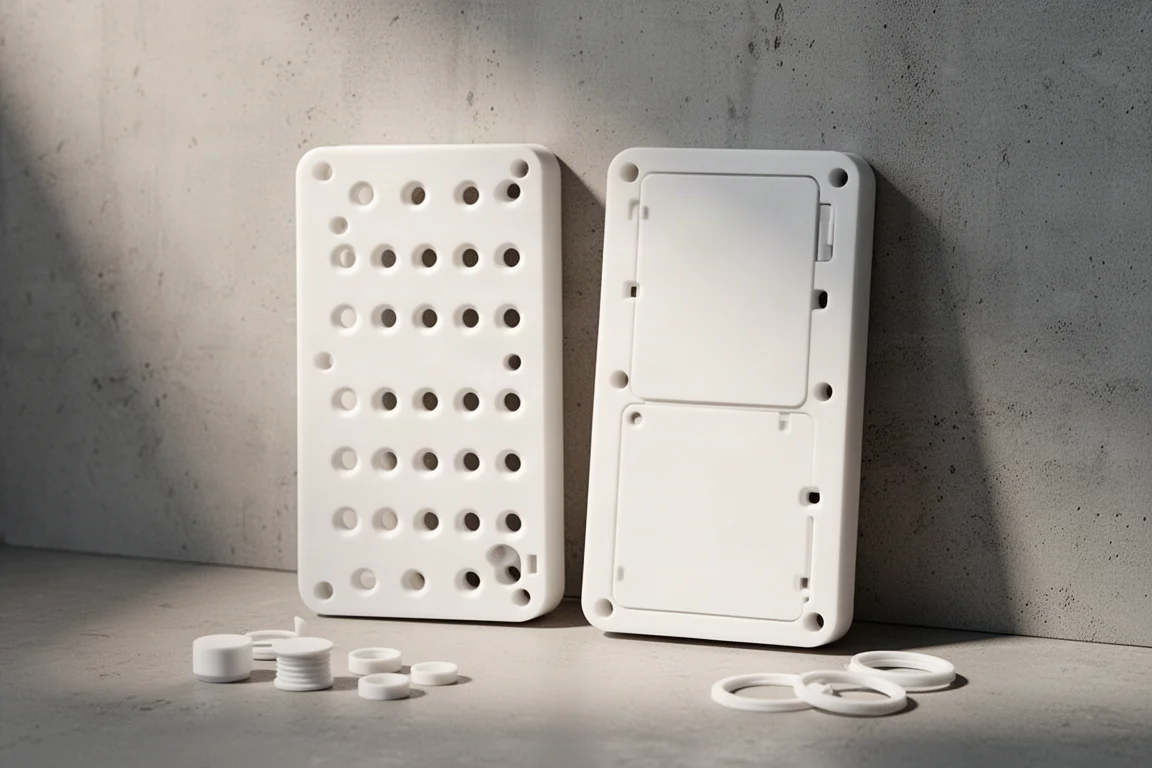
Adaptive Reef Controller Boards: Basic vs Deluxe for Cleaner Aquarium Gear
A practical look at the Adaptive Reef Basic and Deluxe controller boards, what each one includes, and how to choose the right size for your tank gear.