Aircraft Engines
Jabiru Aircraft Engines: What to Know About the 3300 Gen 4 and the 2200
A practical look at Jabiru's two air-cooled aircraft engine options, covering power, maintenance intervals, pricing, and lead times before you commit to an order.
Introduction
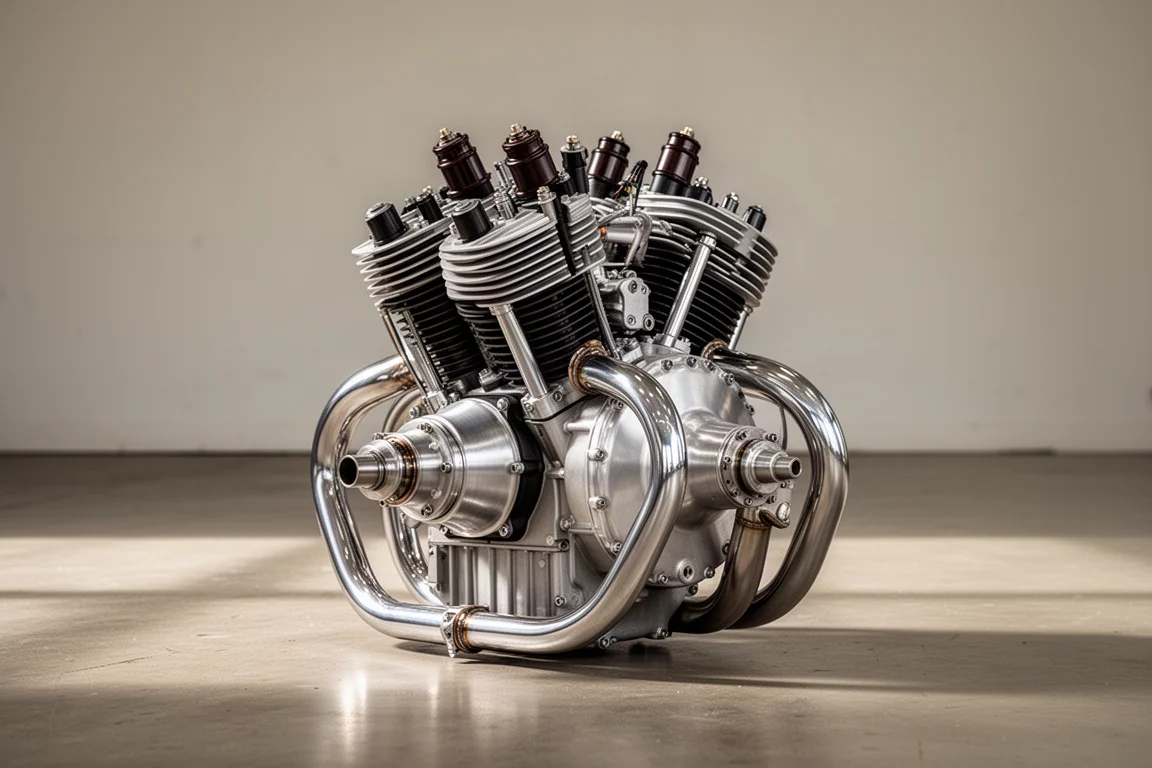
For builders of light experimental and kit aircraft, engine choice shapes everything from weight and maintenance to the final sound of the airplane. Jabiru engines, designed from the ground up for aircraft use rather than adapted from another industry, remain one of the most discussed options in this space. We look at the two core offerings: the six-cylinder Jabiru 3300 Gen 4 and the smaller four-cylinder Jabiru 2200, along with pricing, maintenance expectations, and what ordering one actually involves today.
Why the Jabiru 3300 Gen 4 Dominates Sales
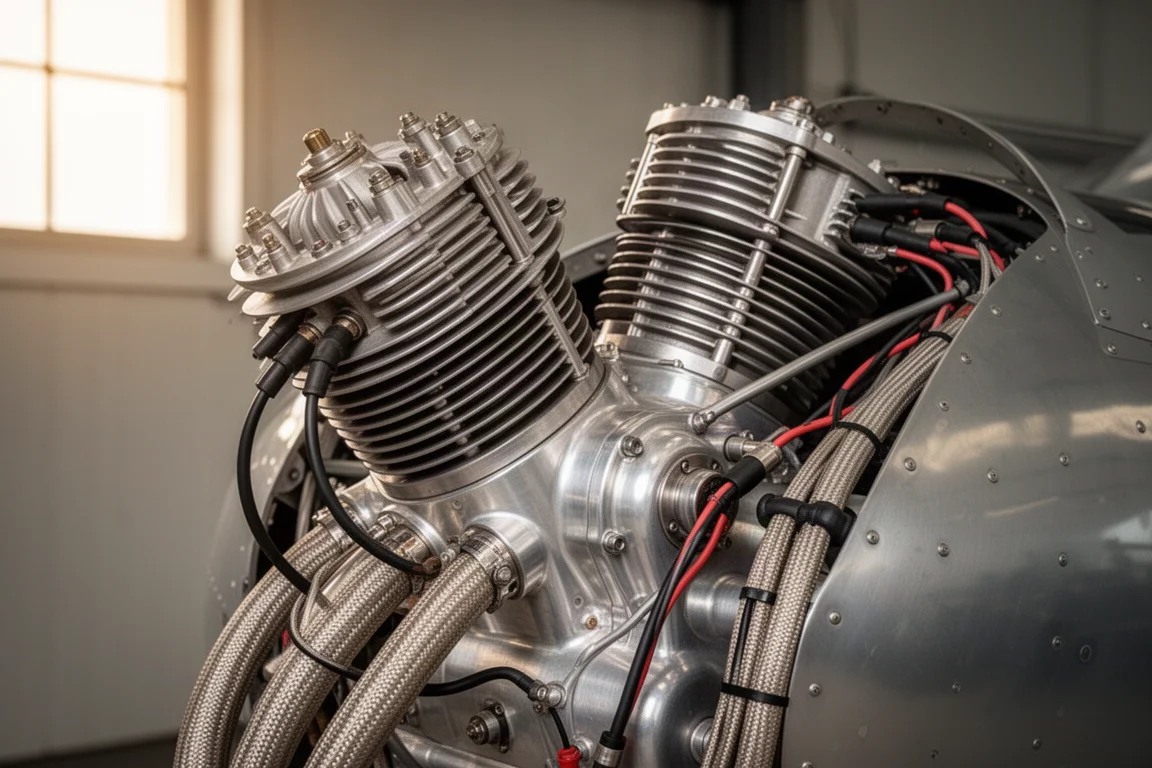
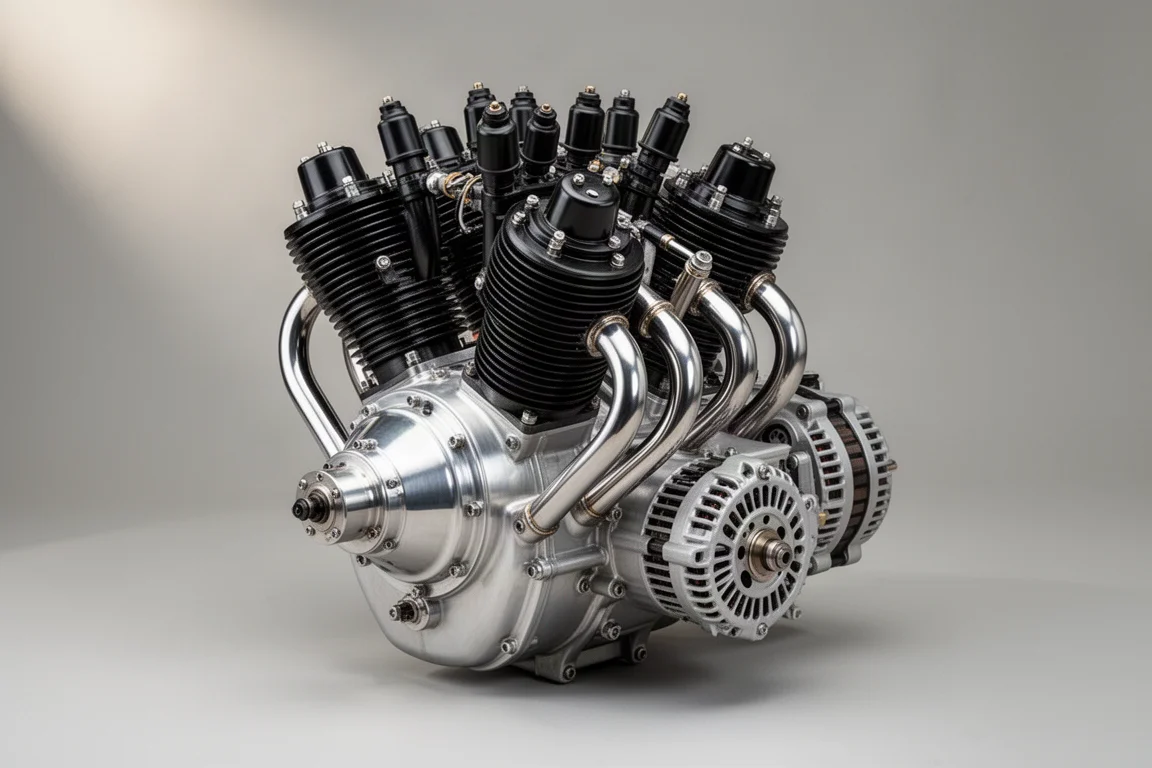
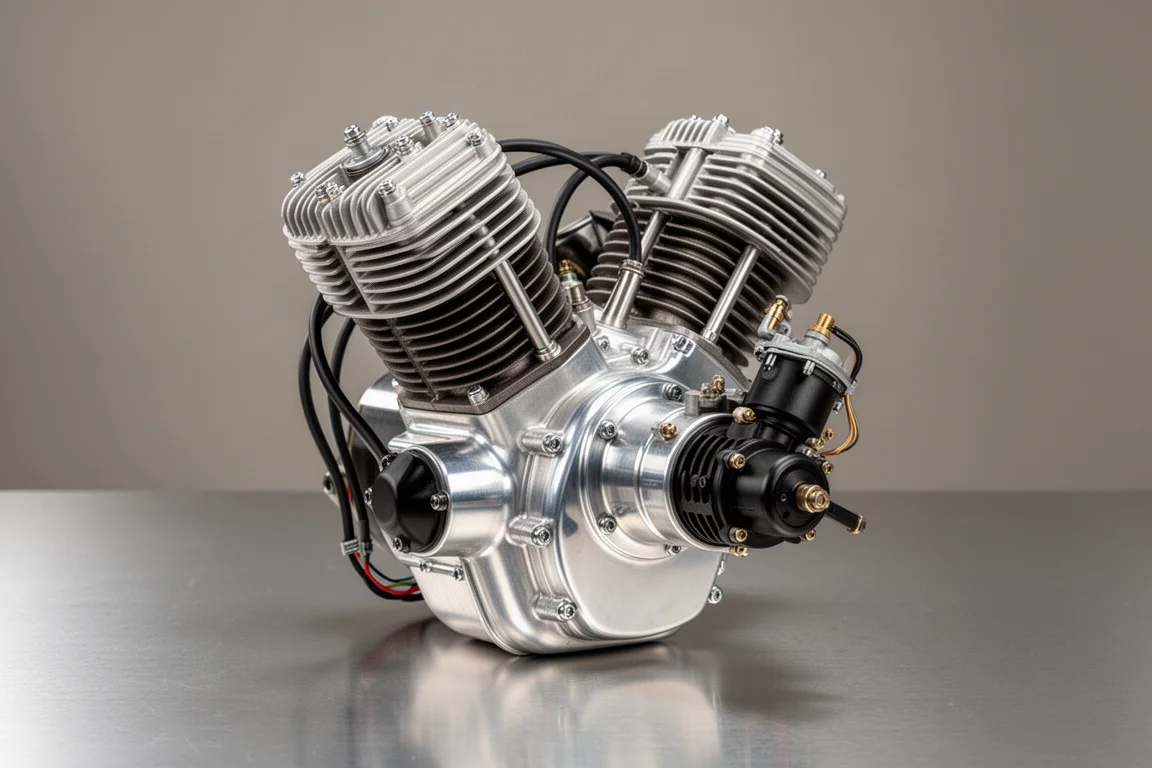
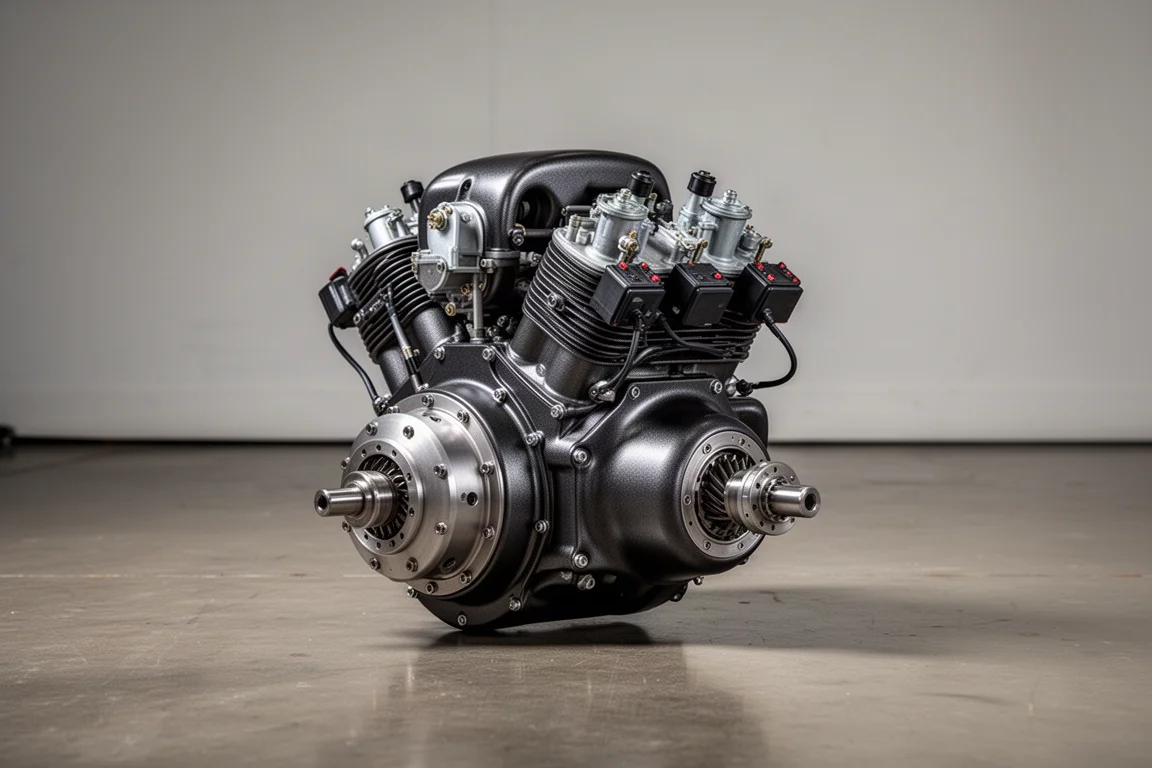
The Jabiru 3300 Gen 4 is the engine most buyers land on, and by a wide margin: roughly ten 3300s are sold for every 2200. It is a 120-horsepower, air-cooled, direct-drive aircraft engine with six cylinders, designed specifically for aviation rather than being an automotive conversion. The Gen 4 generation benefits from integrated ignition with dual ignition, an integrated alternator, and a smoother, cleaner overall package.
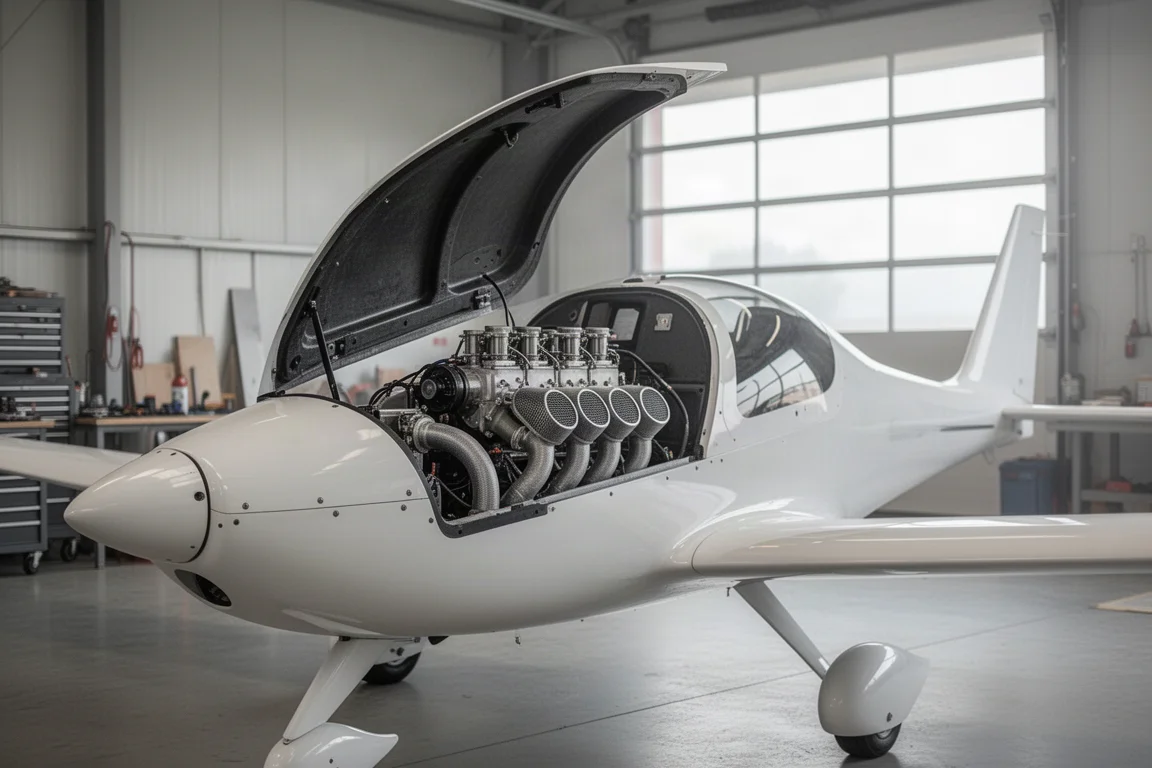
The six-cylinder layout also gives it a pleasing character. At idle and at cruise rpm it sounds refined, and it stays quiet when fitted with a muffler, though some builders run open exhaust pipes for a more aggressive note. It is a popular match for Zenith-type aircraft, Sling and similar light airframes, and a range of fiberglass kit aircraft, with firewall forward kits available for many of these designs.
The Jabiru 2200: The Lighter Four-Cylinder Alternative
The Jabiru 2200 was where the family started back in the early 1990s. It is a four-cylinder, 85-horsepower engine aimed at lighter aircraft. It is far less popular than the 3300 today, but it still fills a real niche for builders of small, weight-sensitive airframes where the extra power and weight of a six-cylinder engine are not needed. At around $18,000 versus roughly $21,000 for the 3300, it is also the lower-cost entry point into the family.
Maintenance, Intervals, and Owner Involvement
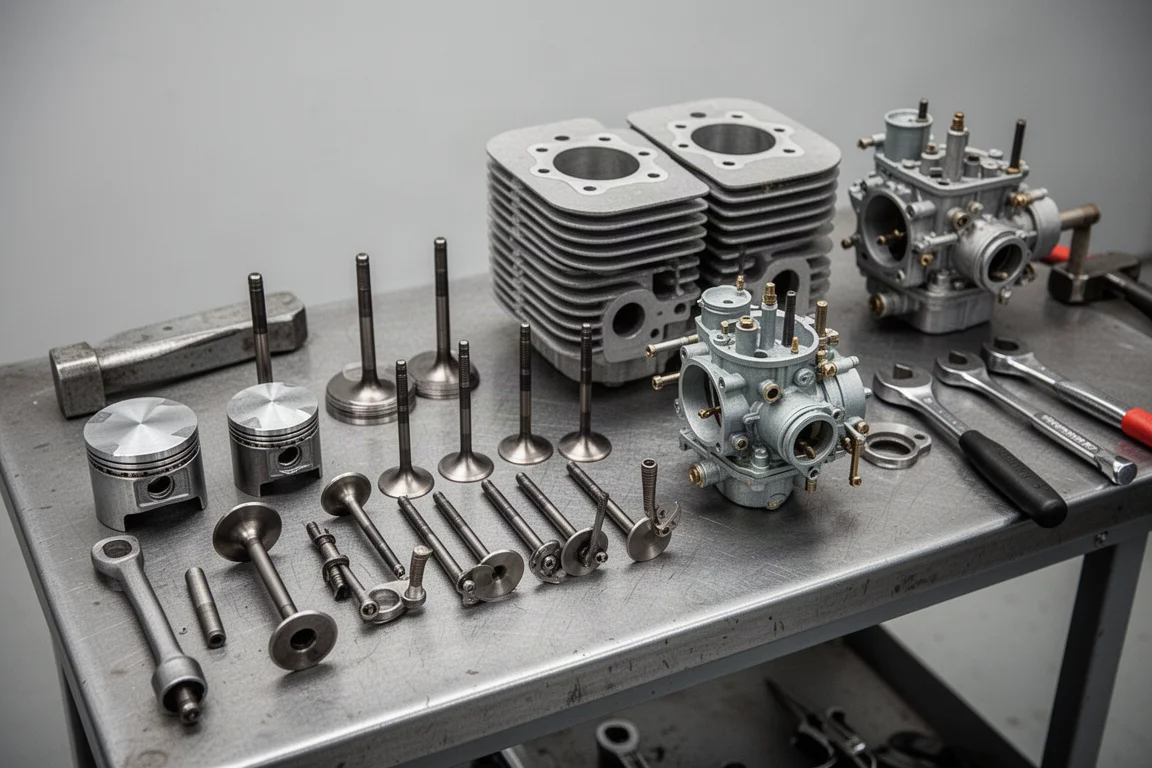
Routine maintenance is straightforward: 25-hour oil changes, a recommended top-end overhaul at 1,000 hours, and a major overhaul at 2,000 hours. The Gen 4 generation removed much of the burdensome work of earlier versions, which required head torquing and valve adjustments, so the current engine is essentially fueled and flown between oil changes.
Owners can do most of it themselves. Oil changes, spark plugs, and similar routine items are well within reach of a mechanically inclined owner, even on factory light-sport installations. Top-end and major overhaul work is better handled at the factory, though overhaul kits are sold for those who want to DIY. A 1,000-hour top end is a long horizon: at an average of 100 flying hours a year, that is roughly ten years away.
A top-end overhaul typically covers pistons and rings, new valves, and new connecting rod bearings and bolts, refreshing compression ahead of the 2,000-hour major. Engines from earlier generations (Gen 2 and Gen 3) still in the fleet do need valve adjustments and head torques, and those procedures remain covered in training material and overhaul work.
Pricing, Lead Times, and How to Order
New engine pricing currently sits around $21,000 for the 3300 and about $18,000 for the 2200. Ordering requires a $2,000 deposit to hold a production slot. The lead time is the significant caveat: about one year, following a production pause caused by a crankshaft and outsourced parts shortage. For most homebuilders that is manageable, since engine orders placed at the start of a build arrive roughly when the airframe needs one.
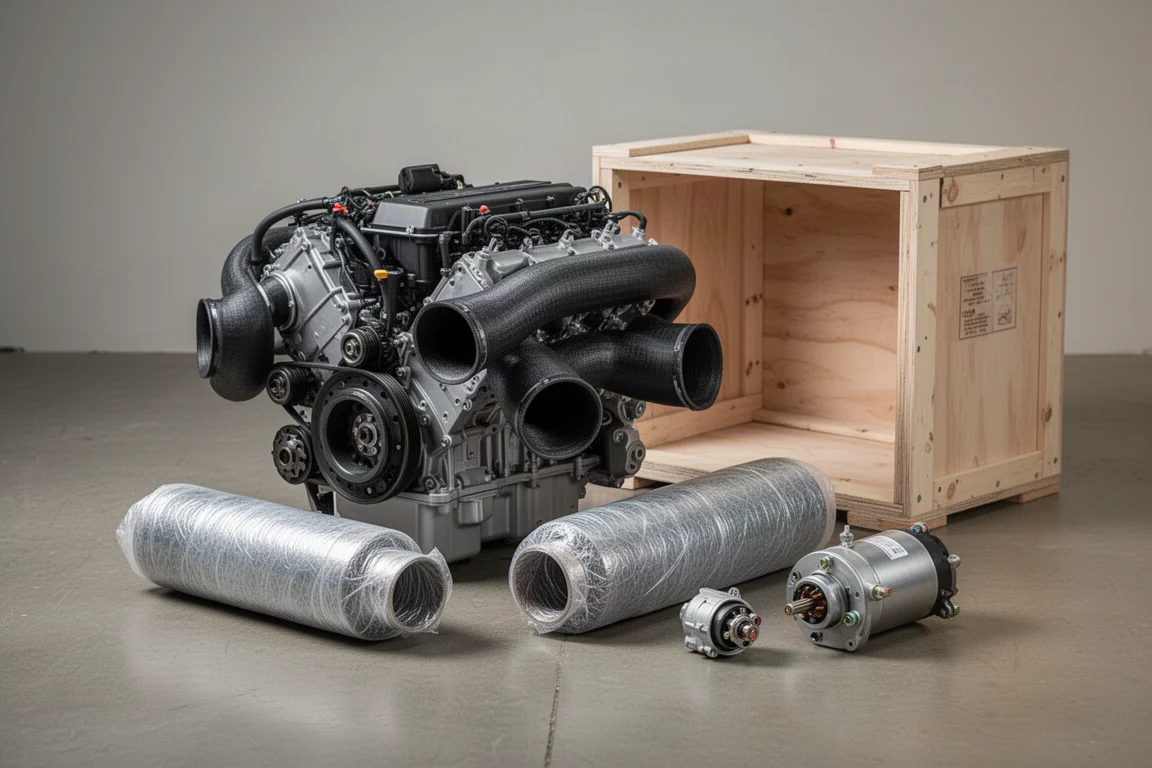
The practical advice offered is simple: choose your kit and order the engine at the same time. If the build runs long, delivery can be shifted later. A new engine package includes the air ducts, ignition coils, starter, and essentially everything needed to run the engine short of a propeller.
Overhauled engines are another path. Jabiru has taken in Gen 2 and Gen 3 cores on trade, and overhauls are priced roughly between $10,000 and $14,000 depending on whether the customer wants a zero-time bottom end, a top-end refresh, or optional upgrades beyond what service bulletins require. Expect around 12 weeks for an overhaul.
Firewall Forward Packages and Builder Support
Beyond bare engines, firewall forward packages are offered for many popular kit aircraft, covering the cowlings, motor mount, air boxes, coolers, and related hardware. These can ship in about four to six weeks when stock is available, letting builders work on the installation side while the engine order works through the queue.
Weight is worth noting: a complete 3300 package with muffler and composite air ducts weighed in around 182 to 184 pounds on a scale during a packing check, against an advertised 178 pounds, so builders should plan their weight-and-balance with the real shipping contents in mind.
Hands-on support is a genuine part of the proposition. A two-day engine course, run a few times a year in spring and fall for $350, covers engine parts and systems, prop strike runouts, cylinder measurement and honing, valve lapping, and, for older generation engines, head torques and valve adjustments. Installation and cooling management receive heavy emphasis, since proper air ducts, oil cooler setup, and wiring practices determine whether the engine performs well in a given airframe. For builders in the United States, sales, support, and overhauls are handled from Shelbyville, Tennessee, through flylightning.net, with phone contact at 931-680-1781.
Conclusion
The Jabiru 3300 Gen 4 is the clear default for most light kit aircraft: purpose-built for aviation, easy to live with between oil changes, and priced around $21,000 with everything short of the propeller included. The 2200 serves the smaller, lighter end of the market at a lower price. The main practical considerations are the roughly one-year new engine lead time and planning the installation around cooling and weight. Order the engine when you choose the kit, and the timeline works in your favor.
Further reading
Related Reviews
Aircraft Engines
Corvair 2850 Aircraft Engine: A Builder-Friendly Conversion Worth Knowing
The Corvair 2850 is a horizontally opposed, air-cooled six-cylinder conversion engine with a flexible build path, honest weight, and support for experimental aircraft builders.
Aircraft Engines
Zan Chen ZD Aircraft Engine: A Rotax 912 Alternative Worth a Close Look
The Zansen CA series ZD engine brings Rotax 912 ULS interchangeability, a longer warranty, and a more affordable price to experimental and light aircraft builders.

Backpacking Gear
Building a 10 lb Base Weight: An Ultralight Backpacking Gear List
A practical walkthrough of the ultralight pieces behind a 10 lb base weight, from a 765 g pack and a roomy one-person tent to a full camp chair and a dependable water filter.