Road Bikes
J Laverick Jack Review: A Four-Season Titanium Road Bike Built to Be Customised
A close look at the J Laverick Jack, a British titanium road bike with disc brakes, wide tubeless tyres, dynamo lighting, and a deep customisation programme.
Introduction
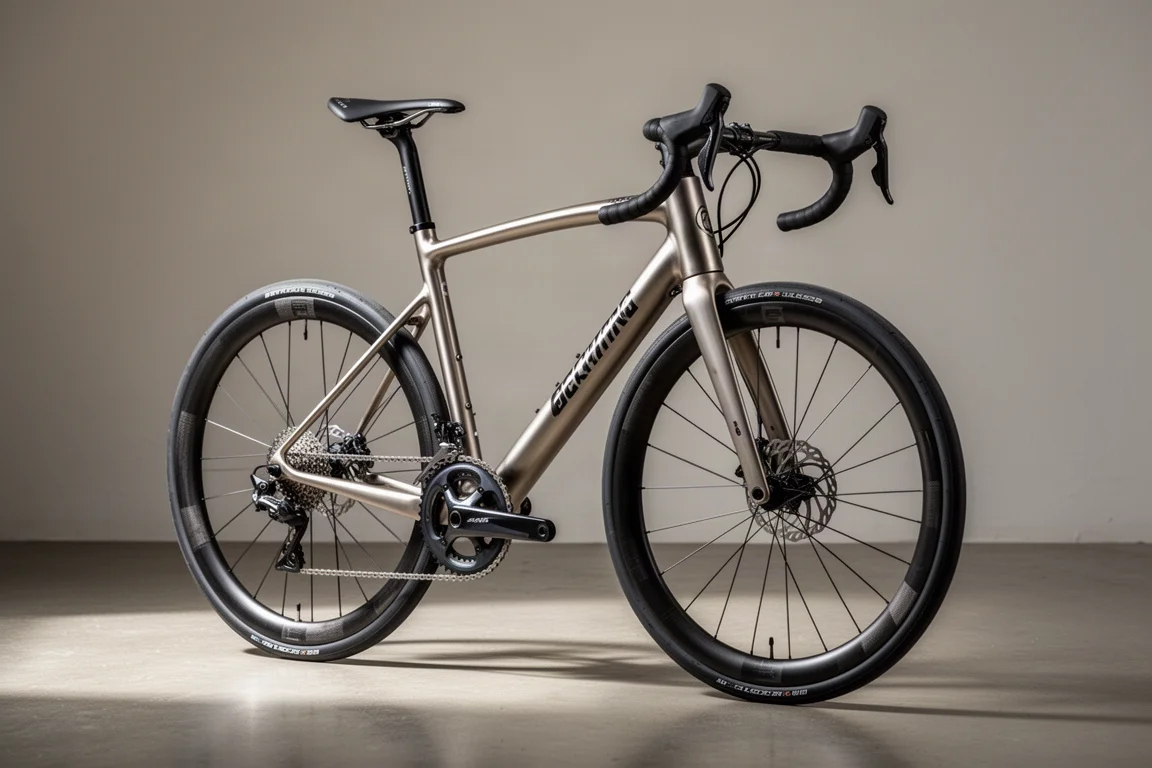
The J Laverick Jack is a British titanium road bike designed around a simple idea: one bike that works all year, in all weather. It pairs a tough titanium frame with wide tubeless tyres, disc brakes for control in every condition, and dynamo-powered front and rear lights that need no charging.
That combination makes it a genuine four-season machine rather than a fair-weather race bike. The frame is smooth-riding yet durable, the wide rubber brings traction and reduces the risk of punctures, and the lighting runs whenever the wheels turn. The one notable omission on this build is mudguards, which leaves an obvious question for anyone planning to ride it through a British winter.
This review walks through the frame details, the build specification, and the practical considerations worth weighing before committing to a bike at this level.
Who This Bike Is For
The Jack was conceived as a bike suited to year-round riding, and that shapes who gets the most from it. Riders who train and commute through autumn and winter, on roads that are often wet and gritty, are the natural audience. Wide tyres and disc brakes give confidence when grip is unpredictable, and dynamo lighting means the bike is never caught without working lights.
It is also a versatile platform. Without mudguards it rides sporty enough for a sportive or gran fondo, and with mudguards and bags fitted it becomes a tourer, an audax machine, or a bikepacking rig for overnight trips. Riders who want a single bike to cover fast weekend rides and loaded multi-day routes will find the Jack more than capable.
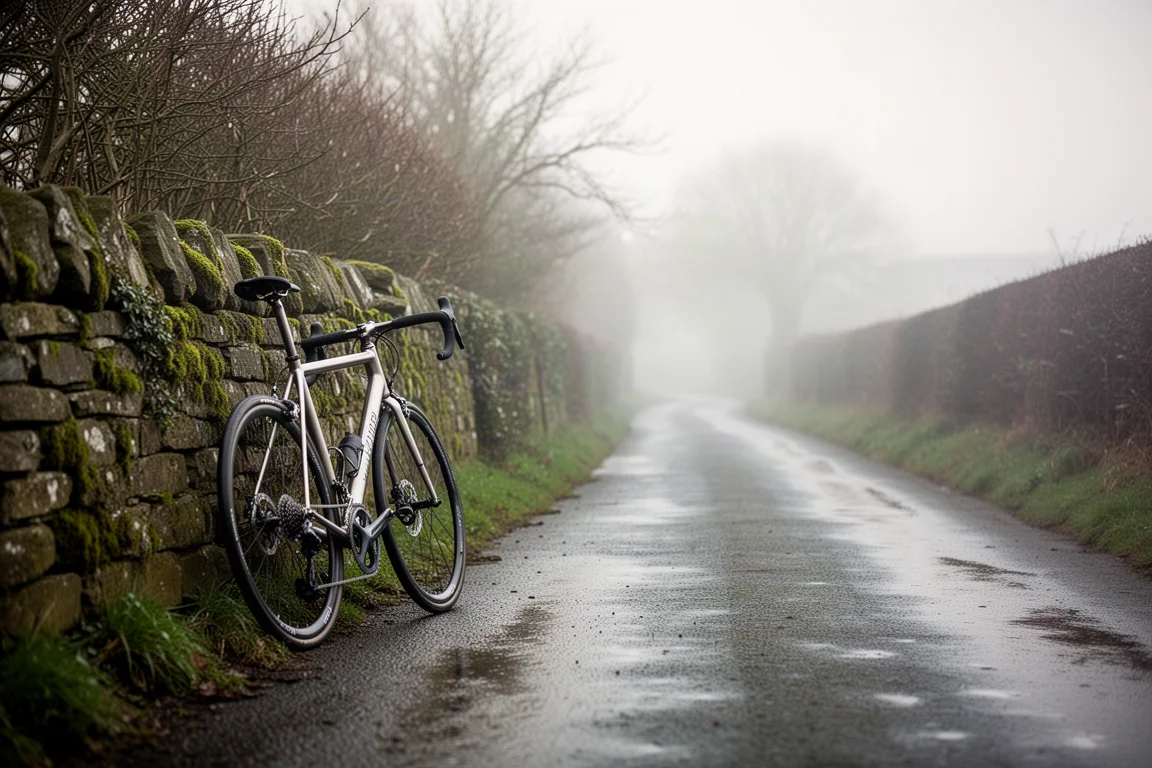
Because the jack is available as a customisable frame, it also appeals to riders who have a clear picture of how they want their bike set up and would rather specify it once than adapt a stock build over several years.
Frame and Titanium Construction
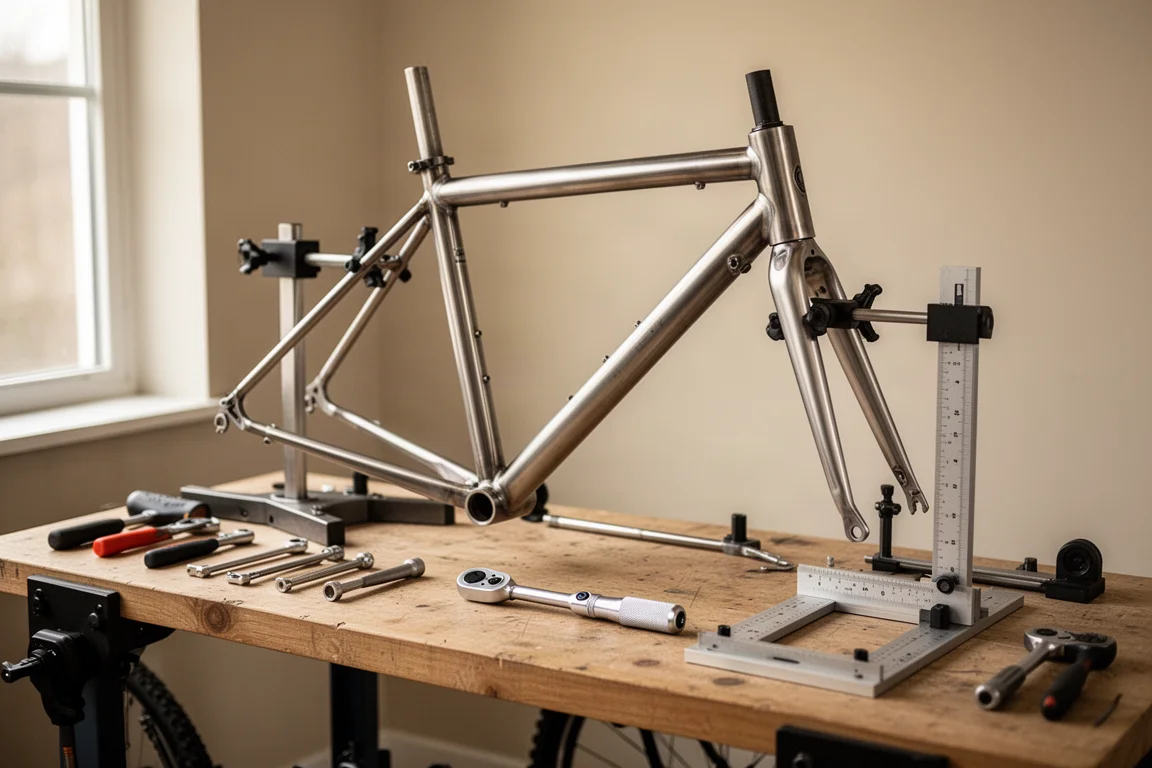
The frame uses 3Al-2.5V titanium, a grade favoured for its balance of toughness and compliance, while stiffer 6-4 titanium is reserved for the head tube, bottom bracket, and rear dropouts where rigidity matters most. The result is a frame that feels smooth over rough surfaces without giving away pedalling efficiency.
Several details carry over from the original Jack launched in 2015, but the frame has been refined across recent updates. A streamlined head tube houses internal cable routing, the top tube is flattened and curved, and the curved rear stays and seat stays free up generous clearance for wide tyres and for heels. Flat mount dropouts sit at the rear, and the bike uses J Laverick’s own carbon fibre fork with internal routing for both the brake hose and the dynamo wiring.
British design touches include an external seat clamp and an external bottom bracket, both of which make servicing simpler. There is also the option of an engraved bottom bracket shell, and the frame finish itself departs from the usual bright polish: this is a bead-blasted, darker titanium treatment that looks stealthier, offset by polished logos on the down tube and seat tube.
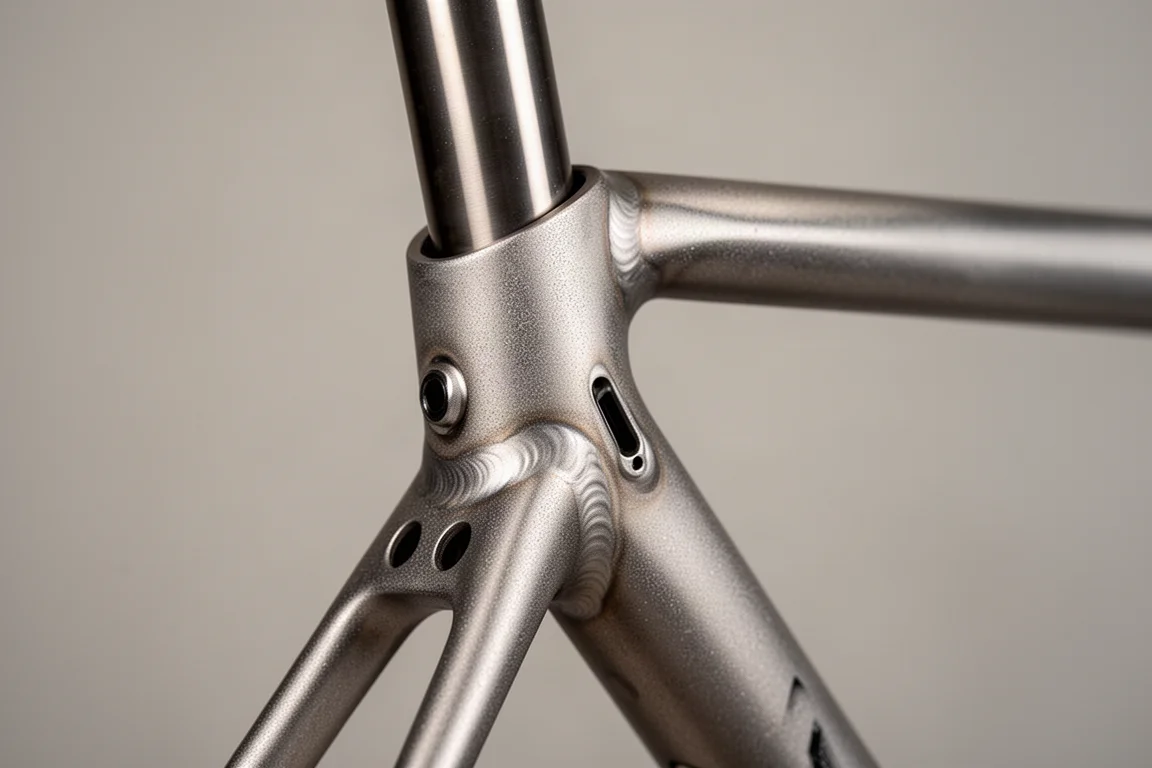
The overall effect is understated. Titanium’s appeal has always been as much about the look as the ride quality, and this finish keeps that character while reading as more modern and more subdued than a conventional polished frame.
Wheels, Tyres, and Dynamo Lighting
The build runs J Laverick’s own carbon fibre wheels in a 36mm depth with a wide profile and tubeless compatibility. A Chris King rear hub handles the drive side, while the front hub is a dynamo unit that powers the lighting. Tyres are Continental GP5000 TL tubeless in a 32mm width, a fast-rolling choice that still brings the comfort and traction of a wider casing.
Clearance is generous. There is plenty of space between tyre and frame, and room left for mudguards should they be fitted later. That headroom is what makes the Jack adaptable across seasons and surfaces rather than locked into one role.
The lighting is one of the standout features. Front and rear lights run off the dynamo, so there are no batteries to charge and no risk of setting off with dead lights. The rear light is routed internally within the carbon fibre seatpost, with carbon reinforcement built around the opening to keep the structure sound. If a seat pack or tail fin is fitted, the rear light can instead be mounted lower down, which keeps luggage and lighting from competing for the same space.
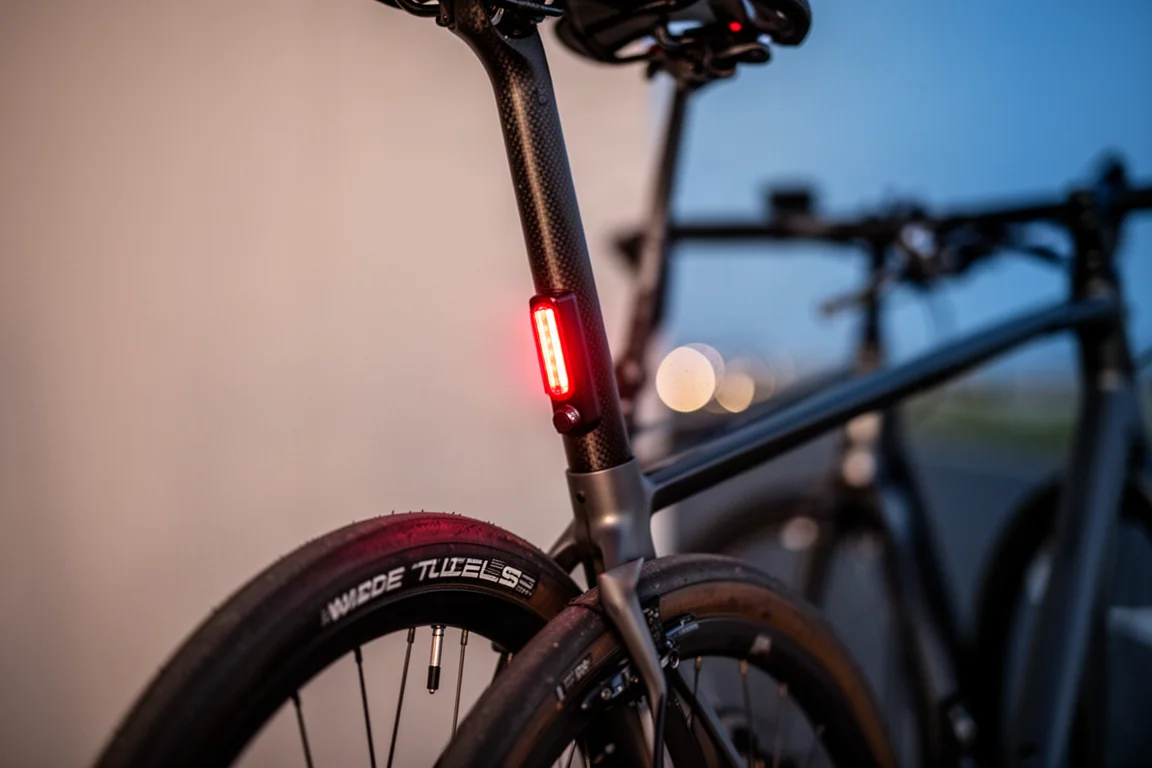
For anyone riding through winter, that arrangement removes a recurring annoyance. Lights that are simply always on, powered by the turning of the wheels, are a meaningful practical advantage over rechargeable units.
Customisation and Build Options
J Laverick builds bespoke frames, and most customers buying a bike like this will tailor it to how they ride. Nearly everything can be specified, from the bike fit, which is carried out at the company’s Rutland headquarters, to the fittings and the finish. An off-the-shelf service also exists for riders who prefer a simpler route.
The range structure is straightforward. A frame and fork starts at £2,775, while complete builds begin at £4,145. The bike reviewed here, specified with a Dura-Ace Di2 groupset and a number of extras, comes in around £9,000, which places it firmly at the top of the range. The company’s website lists the full set of options, and it is worth working through them before settling on a specification.
Because so much is configurable, the buying process rewards a clear sense of priorities. Riders who know they want dynamo lighting, specific gearing, and a particular fit will get far more out of the custom route than those who simply pick the nearest stock option.
Things to Consider Before Buying
The most immediate consideration is mudguards. This build does not have them fitted, and on wet, gritty roads the difference is noticeable. The frame has the clearance to accept them, so it is a decision rather than a limitation, but it is worth deciding before the first winter ride rather than after it.
Price is the second factor. This is a premium titanium bike, and the top specification reaches around £9,000. The frame and fork option at £2,775 and the complete builds from £4,145 offer lower entry points into the same platform, so the value question depends heavily on which specification makes sense for the riding planned.
Finally, the customisation process itself takes time and thought. Specifying a bespoke build and completing a bike fit is a more involved purchase than walking out with a stock model, and buyers should be ready for that.
For riders weighing a one-bike solution, the trade-off is usually straightforward: a higher upfront cost in exchange for a machine that covers commuting, fast rides, and loaded touring without needing a second bike in the garage.
Buying Advice
The Jack makes most sense for riders who want one durable, adaptable bike and are willing to invest in specifying it properly. Titanium’s longevity, the wide tyre clearance, the disc brakes, and the dynamo lighting all point to a bike designed to be ridden hard for years rather than replaced every season.
If budget is the main constraint, the frame and fork at £2,775 or a complete build from £4,145 gets you onto the same platform with room to upgrade later. If the priority is a finished, high-end machine, the Dura-Ace Di2 specification around £9,000 delivers that out of the box.
Whichever route you take, plan the mudguard question early. With guards fitted, the Jack becomes a genuine all-weather machine for commuting and winter base miles. Without them, it stays sharper and sportier for fast riding. The frame supports both, which is precisely the point.
Conclusion
The J Laverick Jack is a thoughtfully evolved titanium road bike that combines a tough 3Al-2.5V frame, refined tube shapes, and practical British design details with wide tubeless tyres, dependable disc braking, and dynamo lighting that removes battery anxiety entirely. The customisation programme means buyers can shape the bike around their own riding rather than adapting to a fixed specification.
It is a premium proposition, particularly at the top of the range, and the absence of mudguards on this build is the one practical gap for year-round riders. But the clearance is there, the platform is versatile, and the underlying frame is built to last. For riders after a single bike that handles commuting, sportives, and bike packing alike, the Jack is a compelling option.
Product link
View more details for J Laverick Jack
This product is mentioned in the review. Check the specifications, options, and compatibility before buying.
View more details for J Laverick JackFurther reading
Related Reviews

Road Bikes
10 New Road Bikes Worth Watching: Aero, Titanium, Steel and Endurance Standouts
A practical roundup of 10 new road bikes, from aero flagships chasing single-watt gains to titanium, steel and endurance platforms built for real roads.
Road Bikes
2026 Tour de France Road Bikes: Six Race Machines Worth a Closer Look
Six race bikes from the 2026 Tour de France grid, reviewed for paint, silhouette, wheels and the specification details that matter to buyers.
Road Bikes
3T Strada Italia Review: A Radical Aero Road Bike That Rides Smooth
A made in Italy carbon aero road bike with a deep head tube, wide tire clearance and a genuinely comfortable ride. Here is what to know before buying.