Stationery
Inventery Pocket Pen 2.0 Review: One Modular Pen, Two Writing Modes
A minimalist modular pen that converts between a full-size writer and a true pocket pen, with both fountain pen and rollerball tips in stainless steel, brass, or onyx.
Introduction
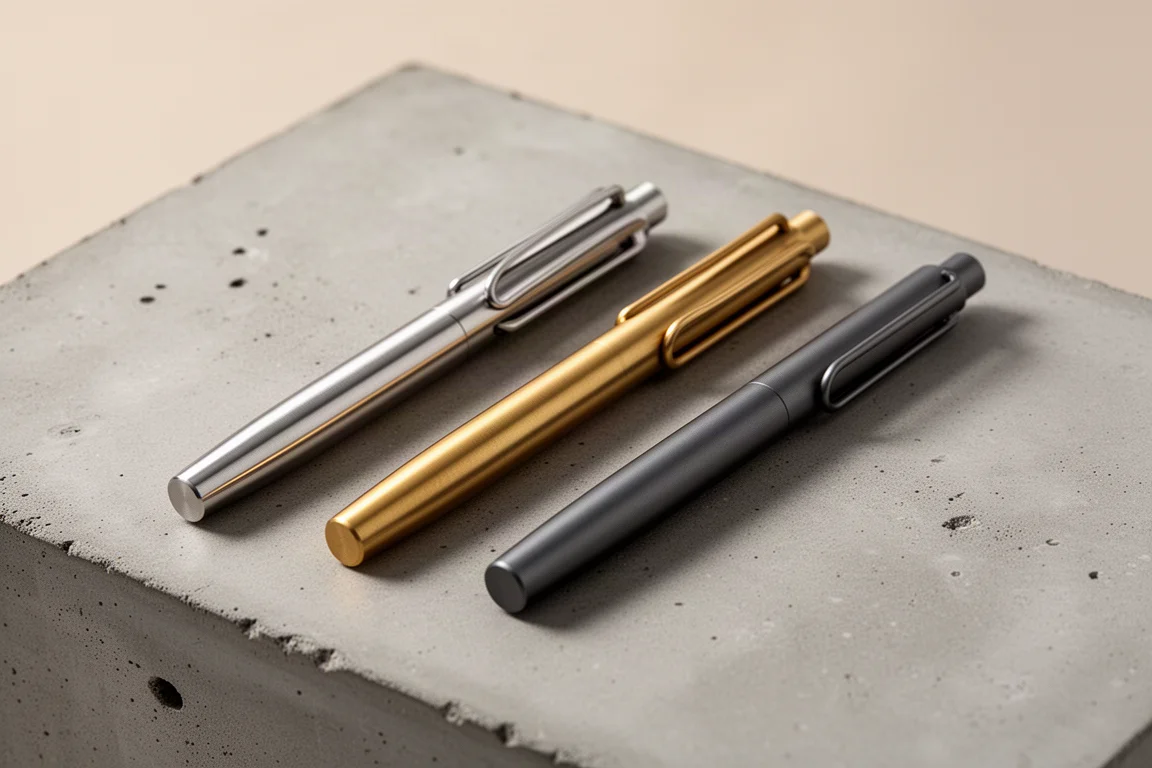
Some pens try to do one thing well. The Inventery Pocket Pen 2.0 tries to do several, and it mostly succeeds. This is the second generation of a pen we looked at favorably a while back, a minimalist metal pen that converts from a full-size writer into a genuinely pocketable instrument, and that offers both a fountain pen nib and a rollerball tip that takes fountain pen ink.
At $140 for the pen alone and $189 with the extender, it is not a cheap pen, especially with a steel nib. But the question is whether the modularity and build quality justify that. After spending time with all three finishes, the answer is a cautious yes for the right buyer.
What Makes It a 2.0
On the surface, not much has changed. The 2.0 looks very similar to the original, and the overall writing experience carries over. The changes are subtle but meaningful. The clip now features a small bump that lets it touch the cap properly, which makes stowing the pen in a pocket or pen case noticeably more secure than the older, looser clip. The cap top is now beveled and carries the Inventery finial marking. The pens are also now made in the US.
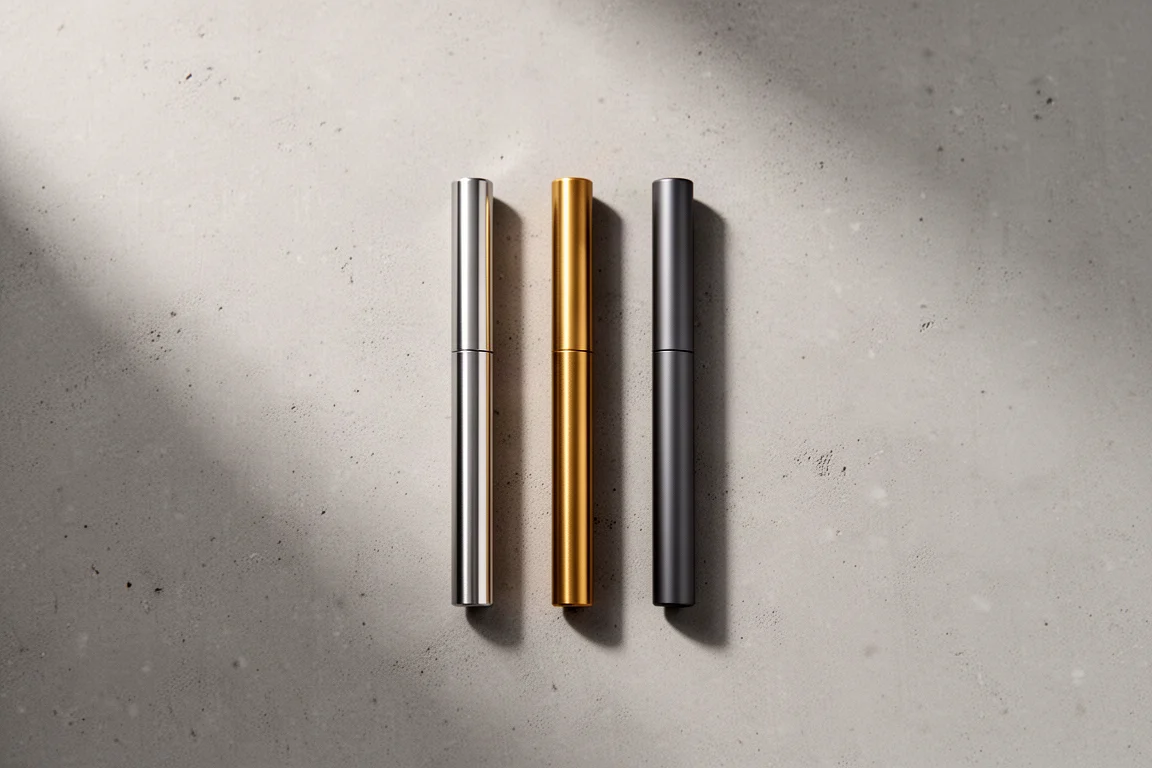
In the box you get the pen itself, a Schmid K5 converter, a rollerball tip, and an ink cartridge. Three finishes are available: stainless steel, brass, and onyx, which is aluminum with a Cerakote-style coating and a much lighter feel than the brass.
The Modular System
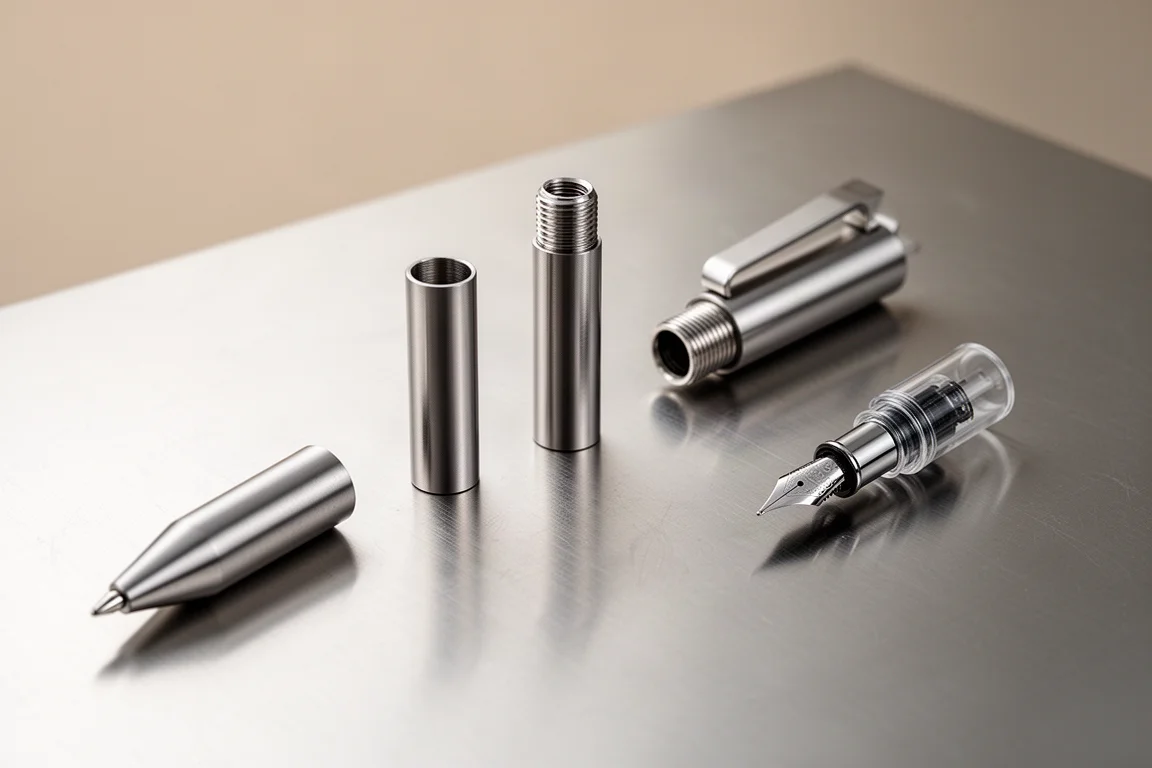
The heart of the pen is the removable center extender. Unscrew the section and barrel, remove the extender, and reassemble: you now have a true pocket pen. The cap still posts securely because the threads remain on the barrel end, turning the short pen back into a comfortable full-size writer. One quirk: when posting over the barrel threads, the clip and nib do not always align, which bothers some people more than others. In pocket mode with the extender removed, the clip and nib line up neatly.
There is a trade-off in pocket mode. With the extender out, there is no room for the K5 converter, so you are limited to short standard international cartridges or a very small squeeze-style converter. That limitation is actually what makes the travel story work: fly out with a fresh unopened cartridge, use it on the trip, discard it, and carry the small pen home without worrying about leaks from air pressure changes.
The finish options change the personality considerably. The onyx aluminum is extremely light and feels almost invisible in hand. The brass has the most warmth and presence. The stainless steel, frankly, looks a bit like a medical implement, in a good way, and is the middle ground in weight. In brass and steel, posted pocket mode can feel slightly top-heavy because all the metal sits at the cap end; the aluminum barely notices.
Writing Performance
The fountain pen side uses a #5 Schmid steel nib, in this case a fine marked with an iridium point. It writes with a pleasingly wet flow for a fine nib, and there is a subtle, satisfying tactile feedback that reminds you that you are using a fountain pen, without being scratchy. It is a round nib, so line variation is modest, but a careful hand can coax a bit of character out of it. Some light flipping for a finer line is possible, though this is not a flex nib and should be treated as such. The rollerball tip is a solid performer too, especially when fresh, and having a rollerball that drinks fountain pen ink is a genuinely fun bonus.
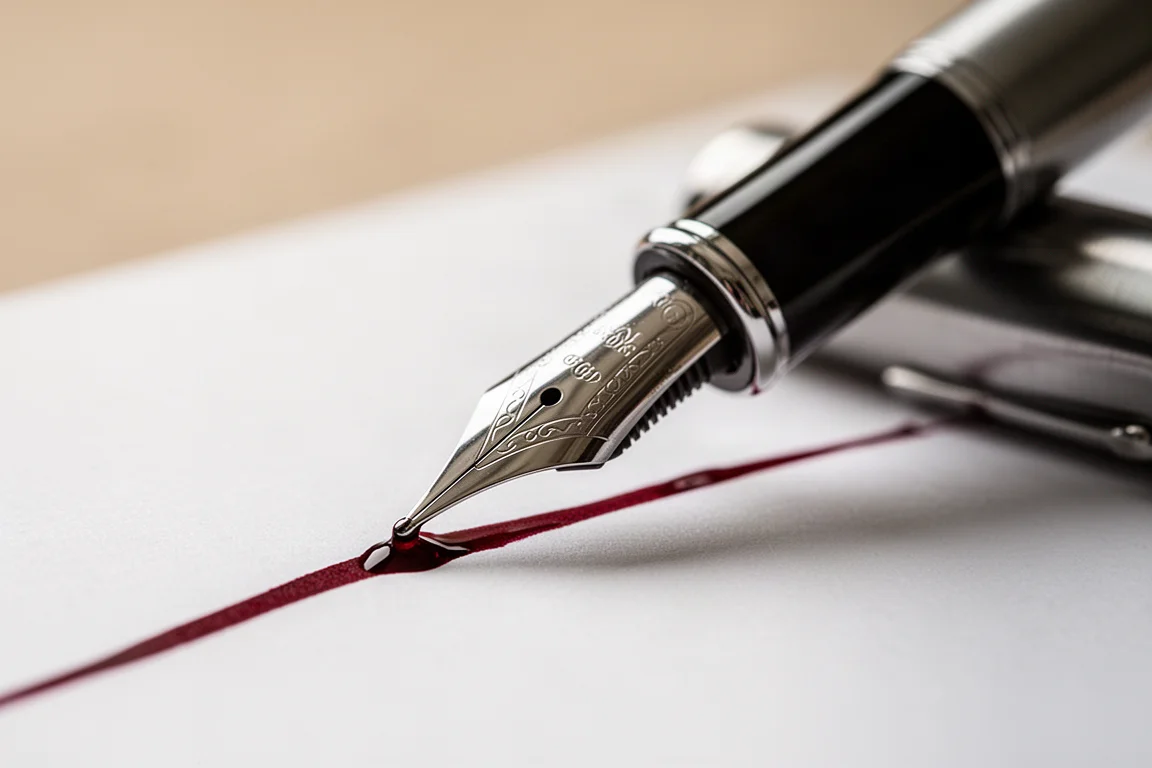
Pocket mode, with a cartridge and the cap posted, writes comfortably even though the unposted form is too short for longer sessions. The threaded posting feels very secure, an upgrade over the original’s loose fit.
What We Like and What Could Be Better
The strengths are clear: tight tolerances throughout, a clean minimalist aesthetic with no branding on the barrel, discreet engraved details inside the clip, and a modular system that delivers four real configurations: full-size fountain pen, pocket fountain pen, full-size rollerball, and pocket rollerball. Numbered units, like the number 844 inside the clip, add a small touch of character.
The main drawback is price. At $140 without the extender and $189 with it, you are paying for engineering and versatility rather than a gold nib or exotic materials. If a minimalist steel-nib pen does not appeal to you on its own merits, the price will be hard to swallow.
Buying Advice
Pick the finish that matches your habits: the onyx aluminum if weight matters most, brass if you want warmth and patina, stainless steel if you want something clean and durable. If the modular pocket mode is the reason you are buying, get the version with the extender; without it, you lose the whole point of the pen. Frequent travelers who want a small, secure pen with disposable cartridges will get the most out of it, while desk-bound writers may be just as happy with the standard configuration.
Conclusion
The Inventery Pocket Pen 2.0 is a well-executed, thoughtfully engineered pen that rewards people who value versatility. It is not inexpensive, but it packs two writing modes and two sizes into one object, and the 2.0 refinements make the clip more practical without losing the clean look. For minimalist pen lovers and travelers, it is an easy recommendation.
Product link
View more details for Inventery Pocket Pen 2.0
This product is mentioned in the review. Check the specifications, options, and compatibility before buying.
View more details for Inventery Pocket Pen 2.0Further reading
Related Reviews
Stationery
Musgrave Pencils Review: Four Classic Pencils from Tennessee's Last Pencil Factory
We put four Musgrave pencils to paper, from the classic Harvest to the Unigraph 1200 drawing pencil, to see what a century-old Tennessee workshop can still do.
Stationery
Fountain Pen Tiers Explained: From Starter Pens to Luxury Grails
A practical overview of the different levels of fountain pens and inks, from a sub-$20 starter setup to Italian piston fillers and retractable gold-nib everyday carries.
Stationery
HP Premium 32 lb Copy Paper Review: A Fountain Pen Friendly Everyday Printer Paper
A heavy, smooth 120 GSM copy paper that handles fountain pens far better than standard printer stock, with only minor trade-offs in shading and sheen.