Camping Shelters
Integral Designs Unishelter Review: A Classic Hooped Bivvy Bag
A practical look at the Integral Designs Unishelter hooped bivvy bag, from its eVent-era heritage to the checks worth making before buying one second-hand.
Introduction
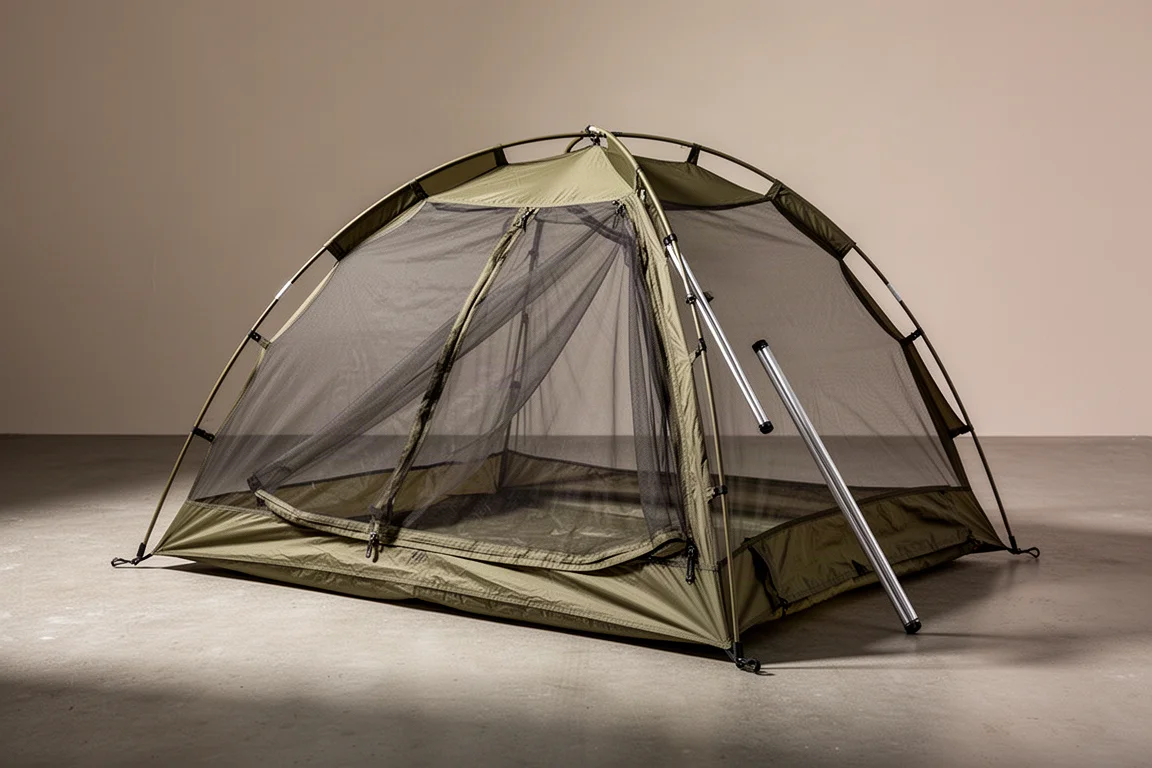
The Integral Designs Unishelter is a single-pole hooped bivvy bag, and it belongs to a small family of shelters that earned a quiet reputation among bushcraft and wild camping enthusiasts long before ultralight became a marketing category. The idea behind it is simple: a low profile, one hoop over the head end, and a mesh bug net that lets you keep the opening clear and still watch the sky.
Integral Designs was acquired by Rab in the mid-2010s, largely for the intellectual property behind its bivvy bag designs, and the closely related Rab Unishelter has sold for around £300. That context matters, because original Integral Designs examples still surface on second-hand marketplaces, often listed with a thin description and a single photograph. One such example was picked up for about £20, and what arrived was a complete shelter in remarkably tidy condition.
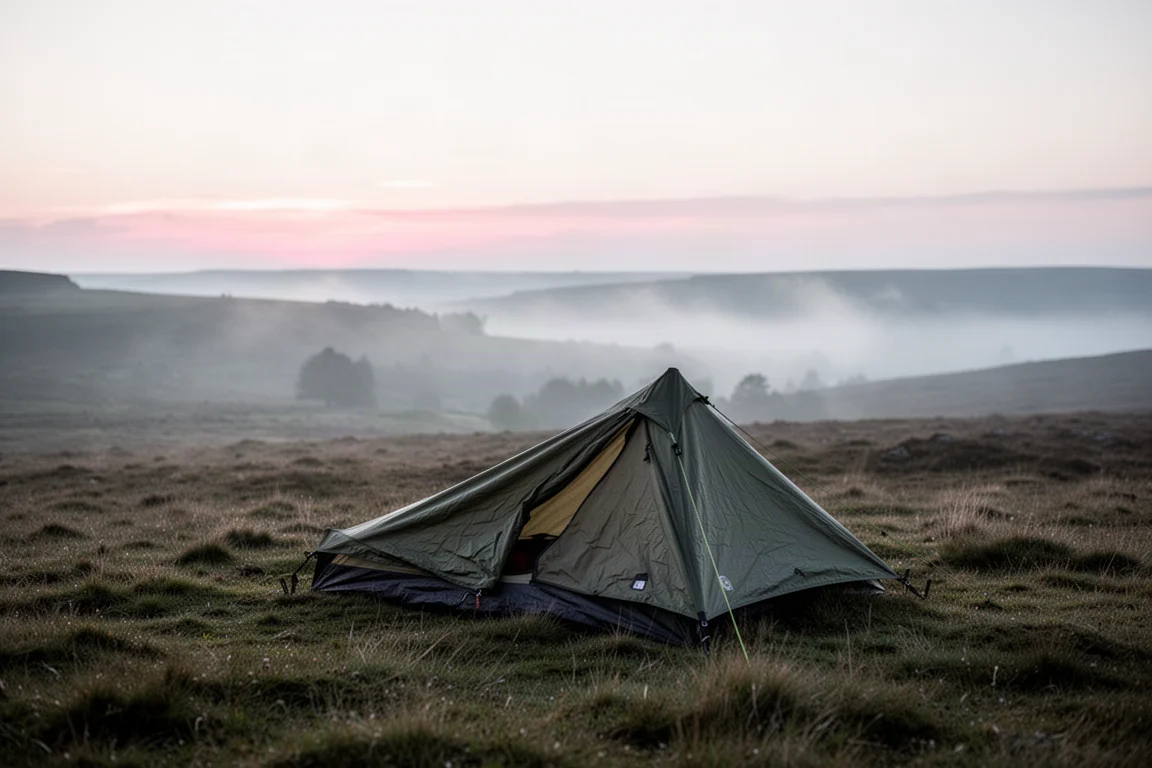
That price is not typical, and it is not a reason to expect the same. It is a useful reminder, though, that a well-built bivvy bag does not stop working when a newer fabric comes along, and that patient browsing still turns up genuinely good shelter for very little money.
What follows is a closer look at what the Unishelter is, who it suits, and which details are worth confirming before you commit to one.
Who This Product Is For
The Unishelter is aimed at campers who want shelter without a tent: bushcraft and wild camping trips where weight, pack size, and a low visual profile matter more than living space. It suits anyone who likes sleeping with an open view of the sky but wants insect protection, since the bug net is the feature that separates this design from the simpler military-style bivvy bags that have no mesh at all.
It is also a sensible first shelter for newcomers working to a tight budget. A bivvy bag is a bivvy bag, as the saying goes, and the core job of keeping weather off a sleeping bag does not change much between an older model and a new one. Where the Unishelter does not fit is with campers who want to sit up, store a pack inside, or move around freely. It is a narrow, low shelter, and anyone who dislikes confined spaces should look at a small tent or a tarp instead.
Design and Materials
Original Integral Designs versions of this shelter were made from eVent fabric, a material that is highly breathable and waterproof. It is rarely used in shelters today, and part of the reason is that it is understood to be more flammable than modern alternatives, which is why it fell out of favour for tents and similar products. Even so, eVent retains a strong following among people who value breathability in damp conditions.
This example arrived wrapped in a plastic bag with a single pole included, along with a couple of elastic bands. There were no pegs in the package. It has tie-out points along the body, and the fabric feels noticeably different from contemporary shelter materials: denser, with a slightly different hand, closer to the older generation of waterproof textiles that many long-term campers still rate highly.
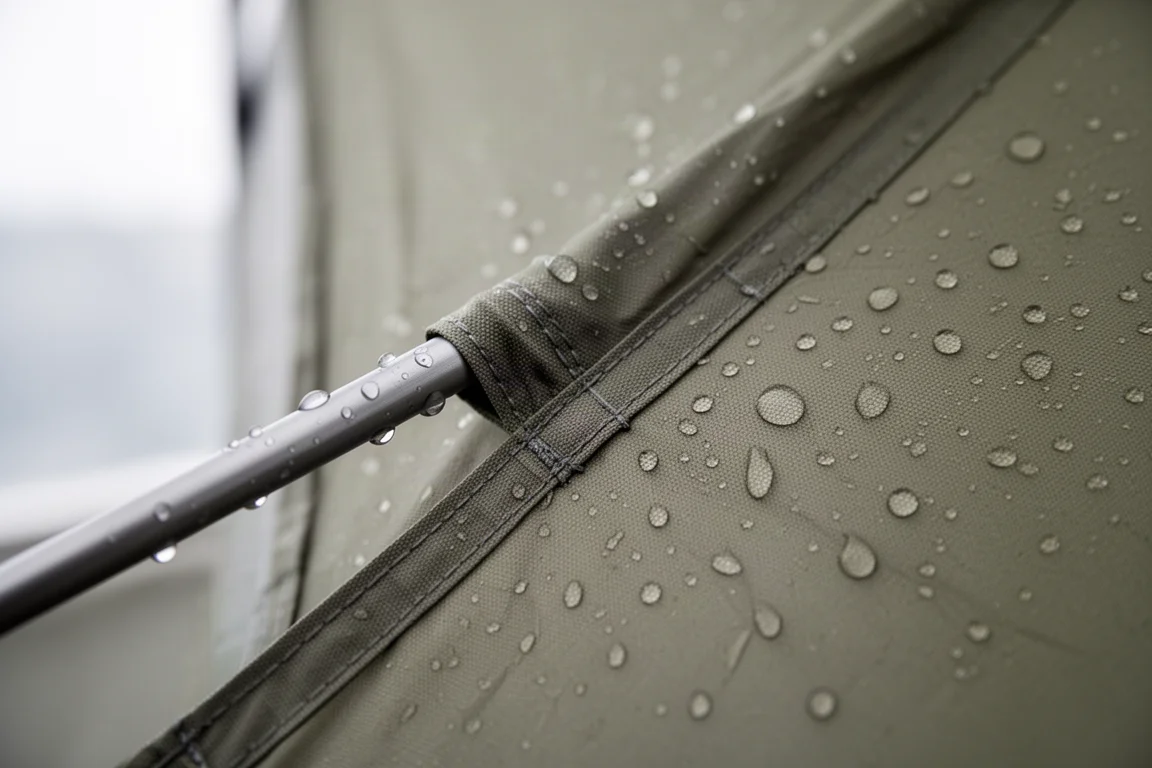
The bug net sits across the main opening and appeared fully intact. The exterior showed almost no signs of use, with no visible marks or abrasion, while the interior lining looked more faded than the outside, which is normal for a shelter that has spent time pitched in daylight.
Main Strengths
The strongest argument for the Unishelter is the combination of the hoop and the large opening. Because the entry is wide, you can sit down and shuffle in rather than wriggling in from the foot end, which is how narrower bivvy bags have to be entered. That single difference makes the shelter far more pleasant to use on a cold, wet evening when you want to get out of the weather quickly.
The mesh bug net is the second big advantage. It allows the shelter to stay open to the air, so you keep a view of the sky and a sense of being outdoors, while insects stay outside. For anyone who has woken up to find something unwelcome sharing their sleeping bag, that protection is worth a great deal.
Tie-out points along the body let you stake the shelter out properly in wind, and the single-pole hoop design keeps pitching simple. There is nothing complicated to assemble and nothing to get wrong in the dark.
Interior Space and Real-World Comfort
Interior volume is the honest limitation here. These are not large shelters. There is enough room for a sleeping bag and a mat, with a little space for small items, but nothing more. Anyone prone to claustrophobia should treat that as a genuine reason to choose something else.
What the design does well is make the space feel less closed than the dimensions suggest. With the bug net up, the opening reads as a window rather than a wall, and lying inside looking out at the night sky is a large part of the appeal.
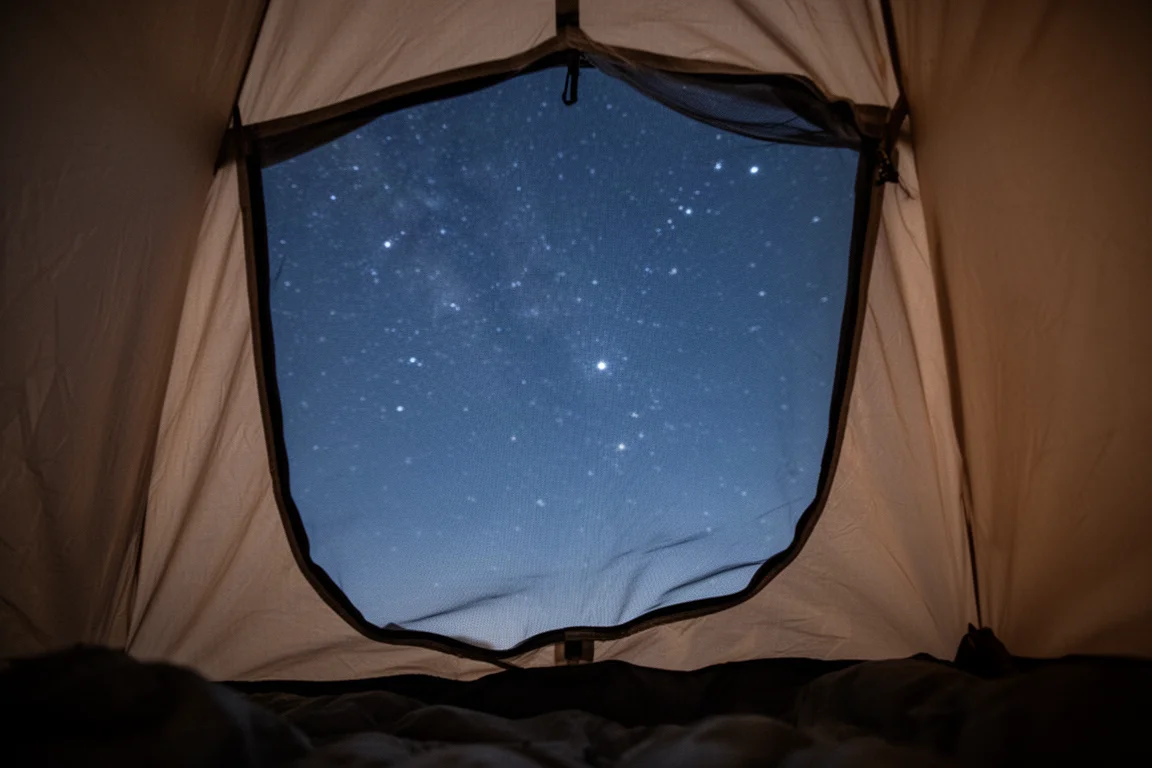
The low profile also helps in practical terms. A shelter this size sheds wind well, pitches quickly, and leaves very little trace on the ground, which matters on wild camping trips where staying unobtrusive is part of the point.
Things to Consider Before Buying
The main caution with any second-hand shelter is waterproofing. A bag can look immaculate on the outside and still have lost some of its water repellency through age, storage, or repeated use. This example had not been tested under water at the point of inspection, and the faded interior suggests it has seen real use. Budgeting for a reproofing treatment, such as a spray-on product from a brand like Nikwax, is a sensible part of the cost.
Second, check what is actually included. The Unishelter does not come with pegs, so you will need your own, and you should confirm that the pole is present and undamaged, since a missing hoop pole is difficult to replace on an older model.
Third, be realistic about size and comfort. If you want to change clothes inside, keep a pack with you, or sit upright, this is the wrong category of shelter. It is also worth noting that older waterproof materials can behave differently from modern ones, so expectations should be set around what the fabric was designed to do rather than what the newest laminates offer.
Buying Advice
Listings for older shelters are often sparse: a single photograph, a vague description, and a misspelled brand name. That can work in a buyer’s favour, because a poorly presented listing attracts less attention and sometimes a lower price. It can also mean buying blind, so weigh the price against the risk.
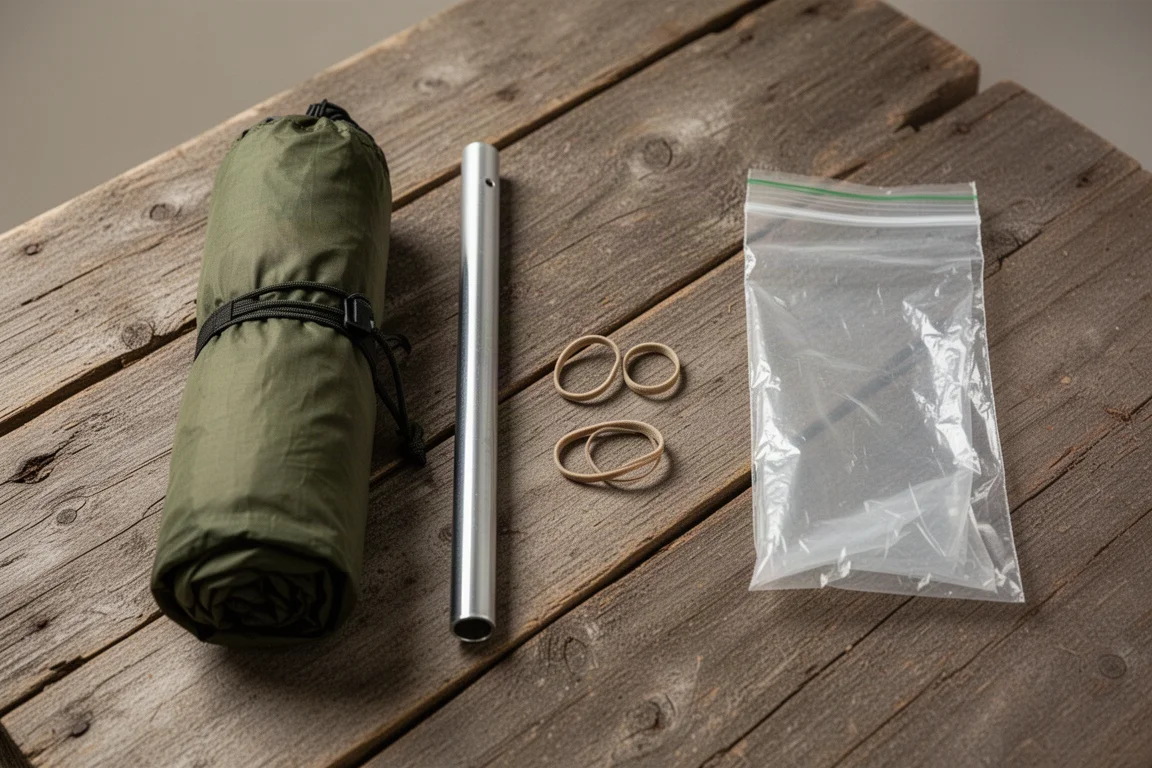
If you are considering one, ask about the pole, the condition of the bug net, and whether the fabric has been reproofed. Check for seam tape lifting, pinholes, and any smell of damp storage. Where a seller will not answer questions, treat the price as the deciding factor and only proceed if you are comfortable with the possibility of needing repairs.
Compared with a new hooped bivvy bag at several hundred pounds, a used Unishelter in good condition is a lot of shelter for very little outlay, provided you go in with clear eyes about its age and its limits.
Conclusion
The Integral Designs Unishelter remains a genuinely good piece of kit. The single-pole hoop, the generous opening, and the bug net make it comfortable to use in a way that many basic bivvy bags are not, and the older waterproof fabrics it was built from still have plenty of supporters. Its constraints are real, particularly interior space and the need to verify waterproofing on any used example, but they are easy to plan around.
For bushcraft and wild camping on a tight budget, it is the kind of shelter that gets you outdoors without demanding a premium price. Check the details carefully, allow for a reproofing treatment, and it will do its job for many nights to come.
Product link
View more details for Integral Designs Unishelter
This product is mentioned in the review. Check the specifications, options, and compatibility before buying.
View more details for Integral Designs UnishelterFurther reading
Related Reviews
Camping Shelters
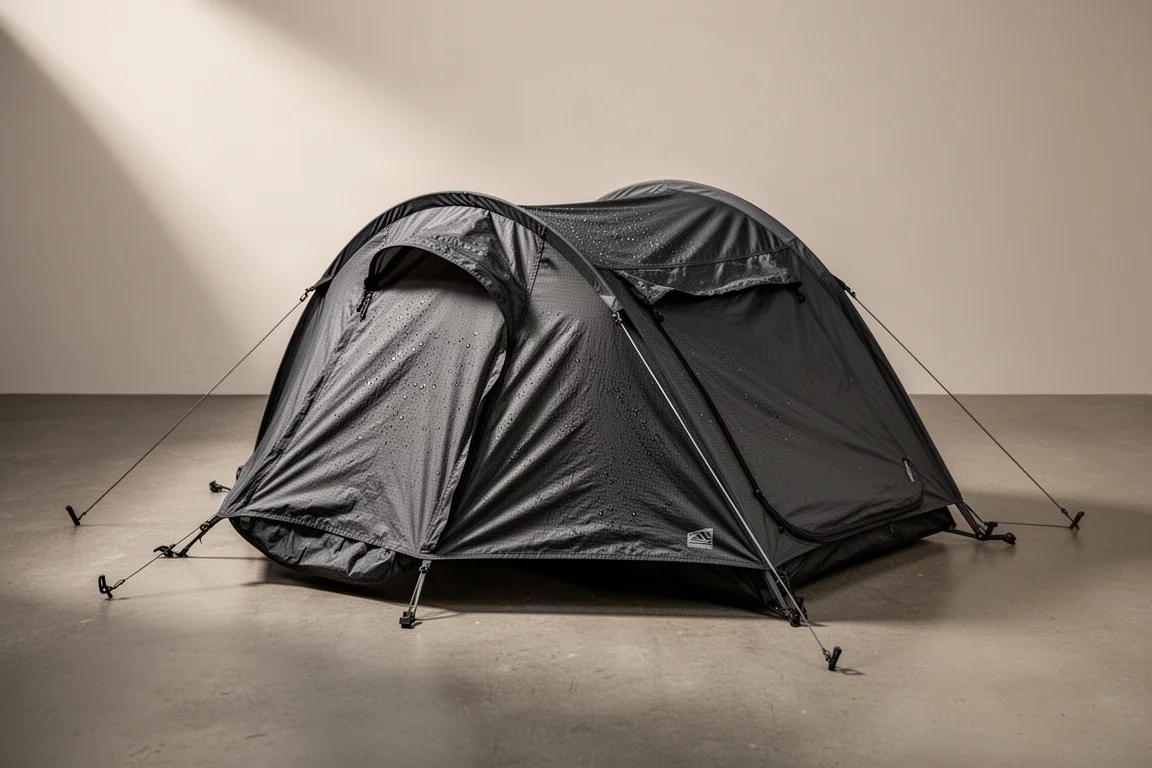
Alps Mountaineering Stealth 1 Bivy Review: A Waterproof Claim That Does Not Hold Up
The Alps Mountaineering Stealth 1 Bivy carries a 2,000 mm hydrostatic head rating and a waterproof claim, but sustained rain exposure and build quality concerns make it difficult to recommend.
Camping Shelters
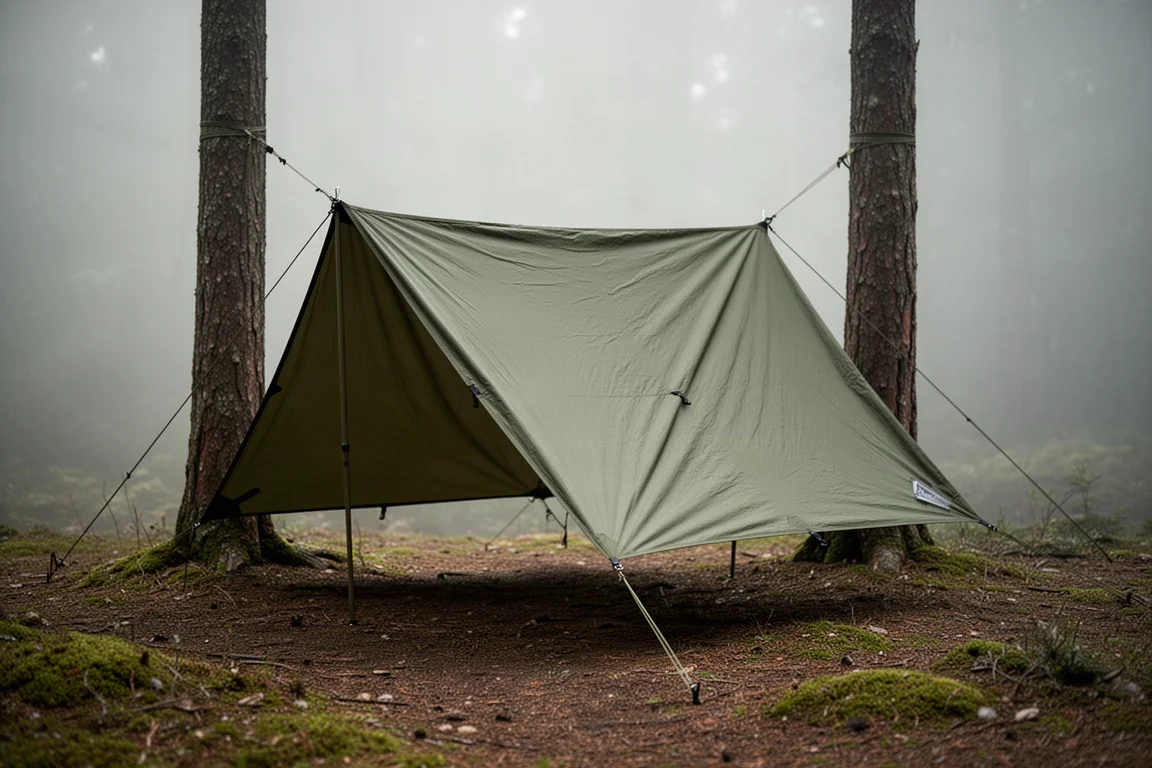
AquaQuest Safari Hybrid 20 ft x 13 ft Tarp Review: Two Years Under a Very Large Roof
A long-term look at the AquaQuest Safari Hybrid 20 x 13 tarp, covering build quality, weather protection, setup realities, and who should buy one.
Camping Shelters
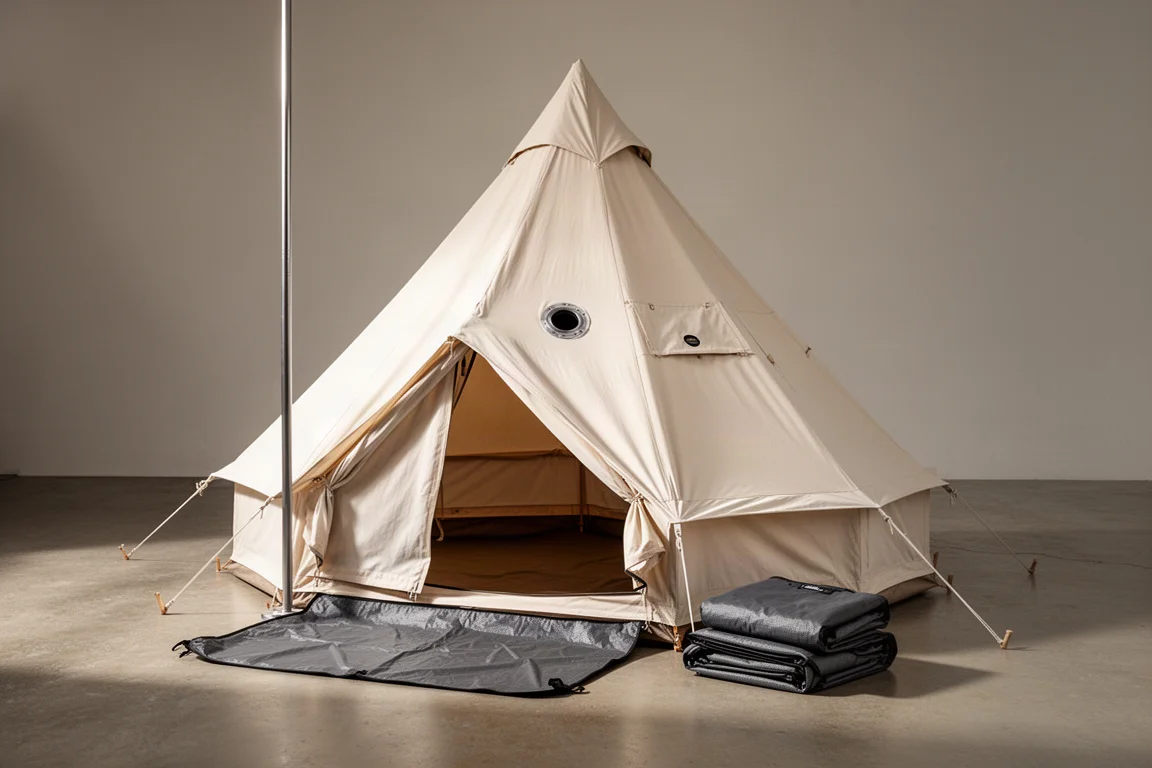
Backcountry Light Mesa 3 Hot Tent and Floor SL Tarp Review
A practical look at the Backcountry Light Mesa 3 four-season hot tent and its optional Floor SL Tarp, covering materials, stove jack design, packed weight, pricing, and the trade-offs to weigh before buying.