Action Cameras
Insta360 X5 vs X4 Air: Which 360 Camera Should You Buy?
Two capable 360 cameras with a shared workflow but very different priorities. Here is how the flagship X5 and the lighter X4 Air compare for real-world shooting.
Introduction
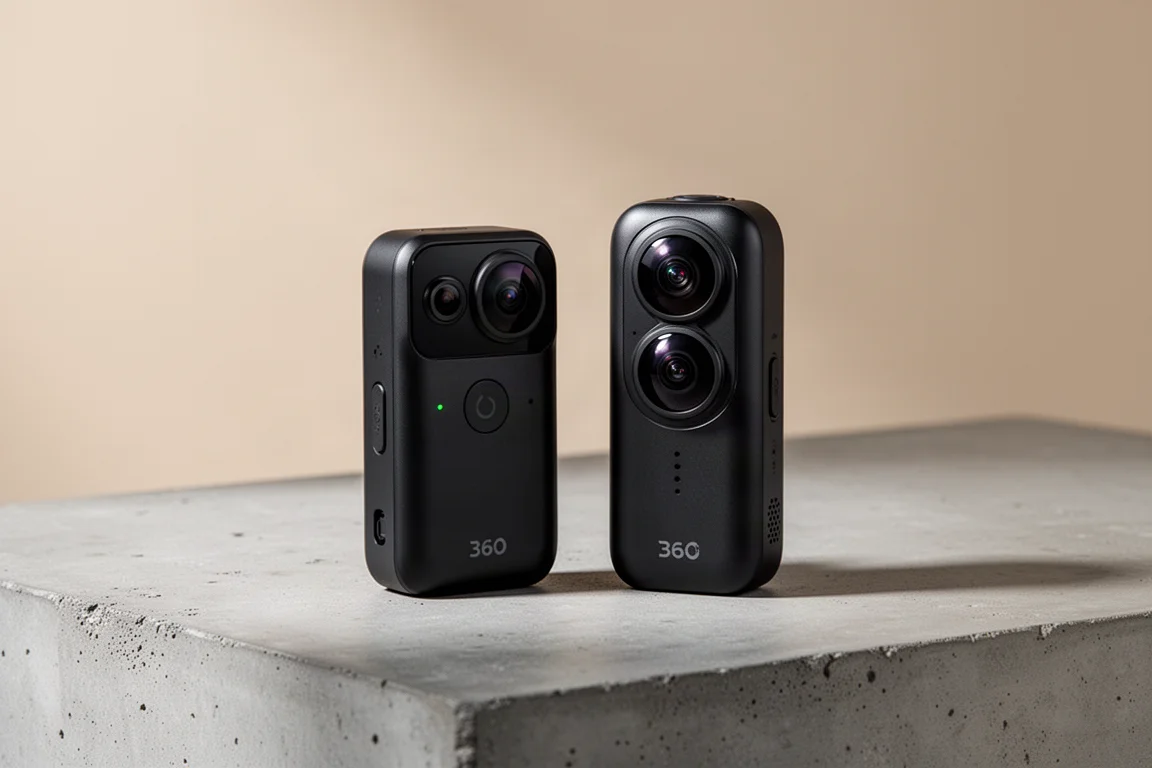
Insta360’s X series has quietly become the default choice for riders, vloggers, and travelers who want to film everything and worry about framing later. The lineup now includes two very appealing options: the flagship Insta360 X5 and the newer, lighter Insta360 X4 Air. Both capture fully spherical 360 footage, both use the same software workflow, and both are easier to live with than older models. The real question is not which camera is good, but which one matches how you actually shoot.
What Both Cameras Do
The core experience is identical across the pair. Hit record and the camera captures a full spherical image in every direction, so you shoot first and reframe later. That means you never need to worry about where the lens is pointing, because everything is already captured. Reframing happens on your phone or computer, where auto tracking does a solid job of following the subject you choose, and it is included in the free Insta360 software regardless of which camera you own.
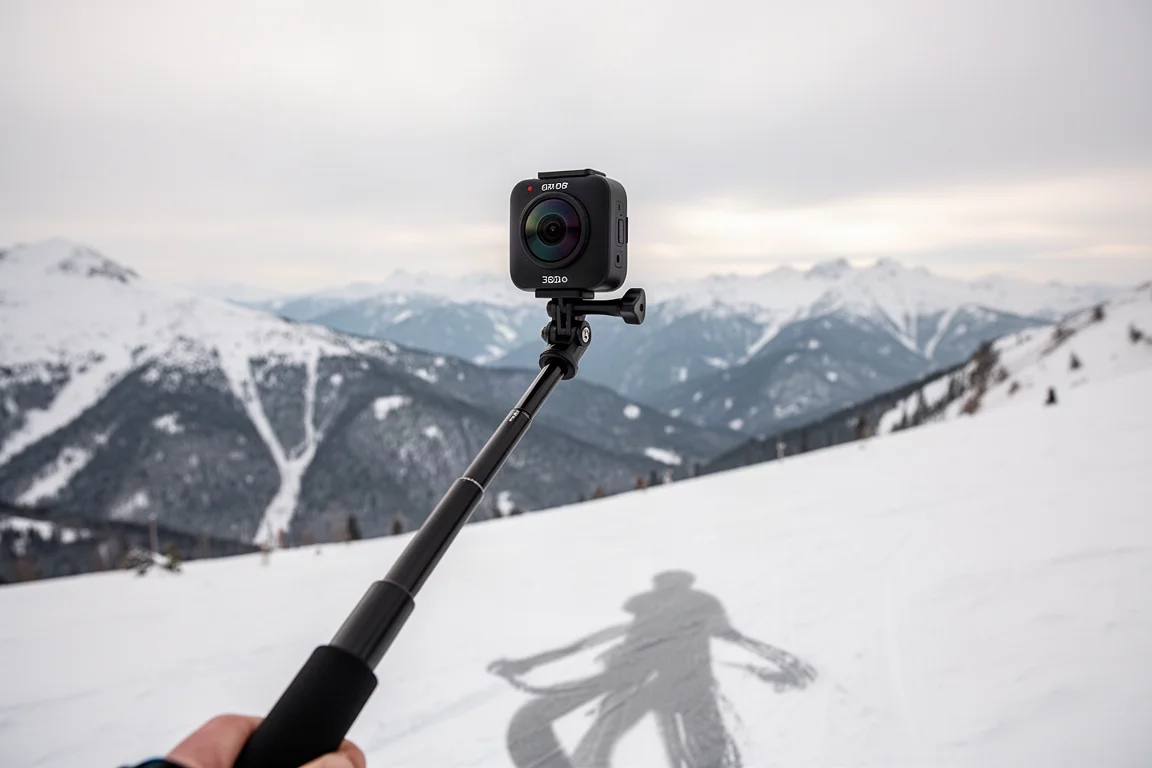
If you already know you want to film yourself, a Me mode on both cameras records directly facing you so the clips need no reframing or editing at all. It essentially works like an enhanced selfie stick mode. And because the image is stitched from two lenses on either side of the body, both cameras automatically crop the selfie stick out of the shot entirely.
Image Quality: Close, But Not Identical
In a nutshell, the X5 delivers very slightly better image quality thanks to a larger sensor and more processing power. In real-world footage, especially viewed on a phone, the difference is genuinely hard to spot. The bigger practical difference is frame rate: the X5 can shoot up to 120fps, which lets you slow footage down to quarter speed, while the X4 Air tops out at 60fps for half-speed slow motion.
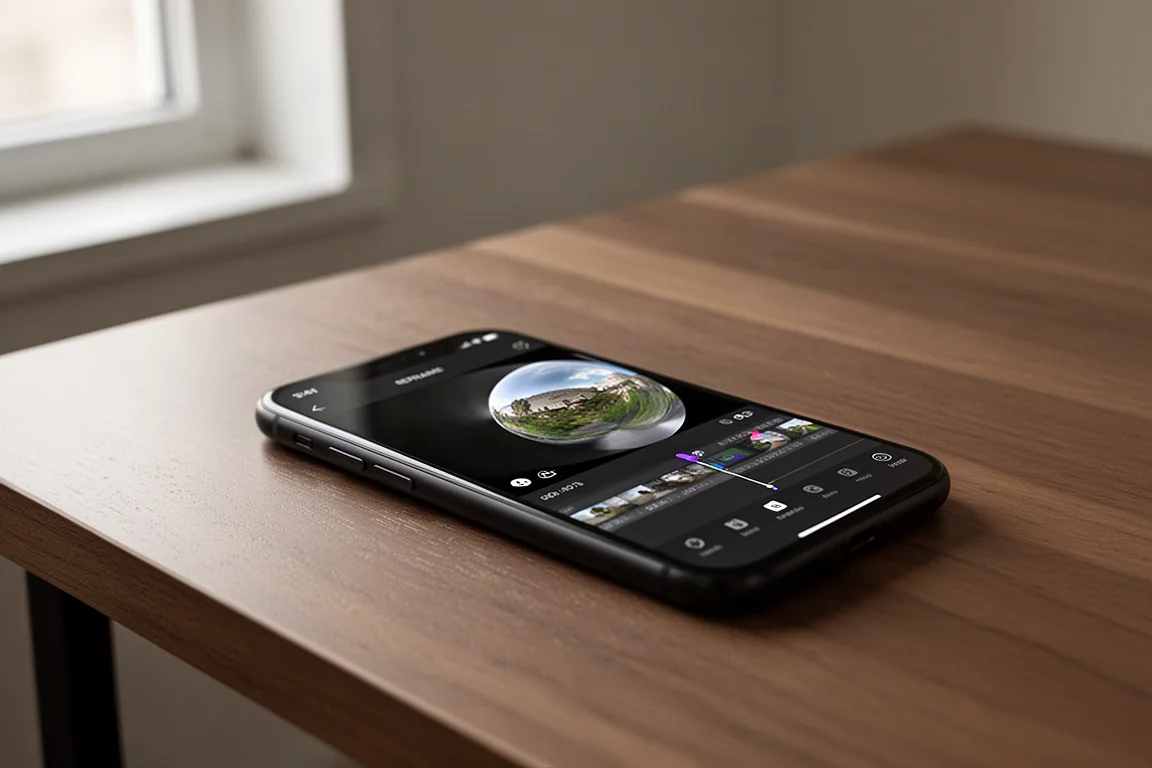
The X4 Air is far from a slouch, though. It is not just a lighter version of the older X4; it borrows features from the X5, including adaptive tone, which automatically balances exposure, makes skies bluer, sharpens detail, and smooths light transitions. This noticeably improves tricky backlit shots, like filming with the sun behind you. The X4 Air also gets an upgraded sensor over the old X4 that increases pixel area per 8K frame by a claimed 134%. In practice, the gap between the two cameras has narrowed to the point where even careful editors have to double-check which camera a clip came from.
The Size Advantage of the X4 Air
The “Air” in the name refers to size and weight, and this is where the X4 Air earns its keep. The weight difference on paper is not huge, but extend either camera out on a long selfie stick and it becomes very obvious. Weight at the end of a pole feels exponentially heavier, and the lighter X4 Air simply lets you ride more naturally.
It is less fatiguing on your arm, less noticeable while you are riding, and easier to slip into a pocket without thinking about it. For anyone filming their own runs, that reduced burden means you focus more on the riding and less on the camera.

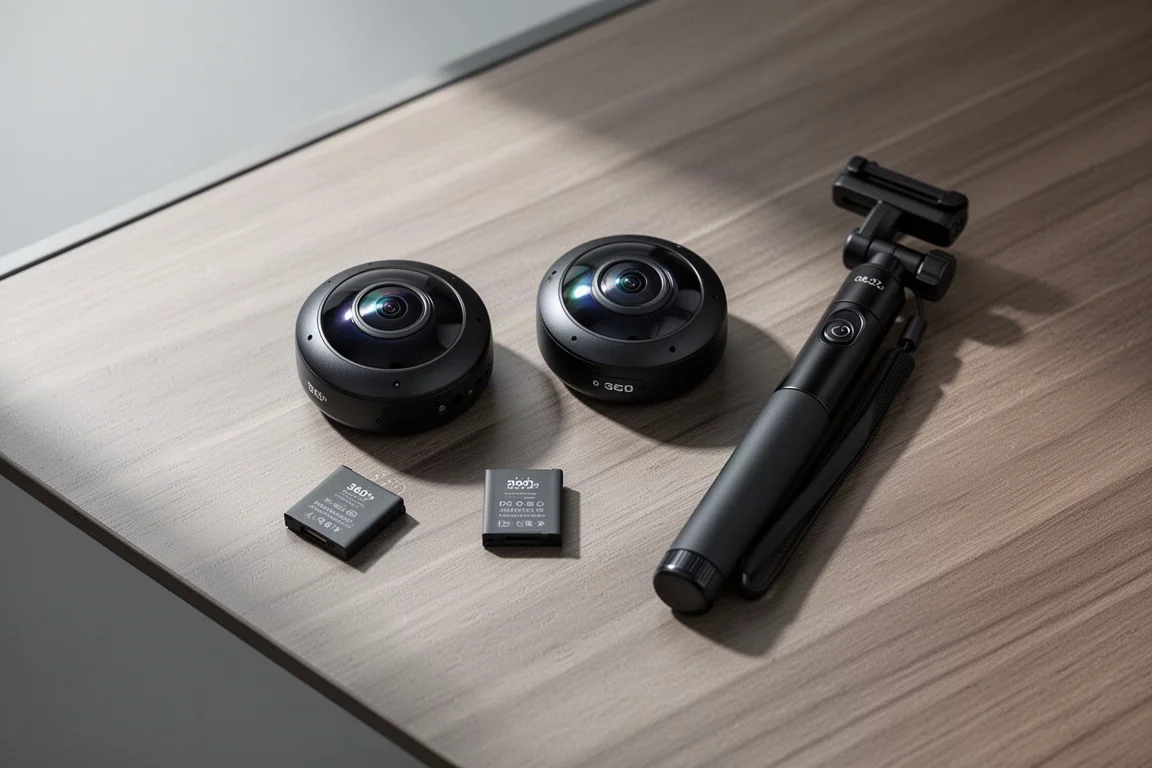
Battery life is naturally a bit better on the larger X5, but the X4 Air Starter Pack includes a spare battery plus a selfie stick, which offsets that nicely for full days out.
Buying Advice: Which One Fits You
For most people, the X4 Air is the smarter buy. The quality is more than good enough, the smaller body makes the whole experience less cumbersome, and the price point is appealing. If your footage realistically ends up on social media, the X4 Air is the model that makes the most sense for filming your own trips.
The X5 still earns its place if you want the flagship. The slightly better image quality matters for content work, and the 120fps option is genuinely useful for tutorials and slow-motion sequences. A reasonable setup for a creator is to use the X5 for main channel content and keep the X4 Air in a pocket for casual end-of-day clips.
Conclusion
This is a good moment for 360 cameras: the deciding factor is no longer raw image quality but usability, size, and how the camera fits your routine. Choose the X4 Air if you want the lightest, most pocketable option at a friendlier price. Choose the X5 if you want the flagship sensor, the extra slow-motion ceiling, and the best image quality in the range. Both are excellent; the right one is simply the one that matches how you shoot.
Product link
View more details for Insta360 X5
This product is mentioned in the review. Check the specifications, options, and compatibility before buying.
View more details for Insta360 X5Further reading
Related Reviews
Action Cameras
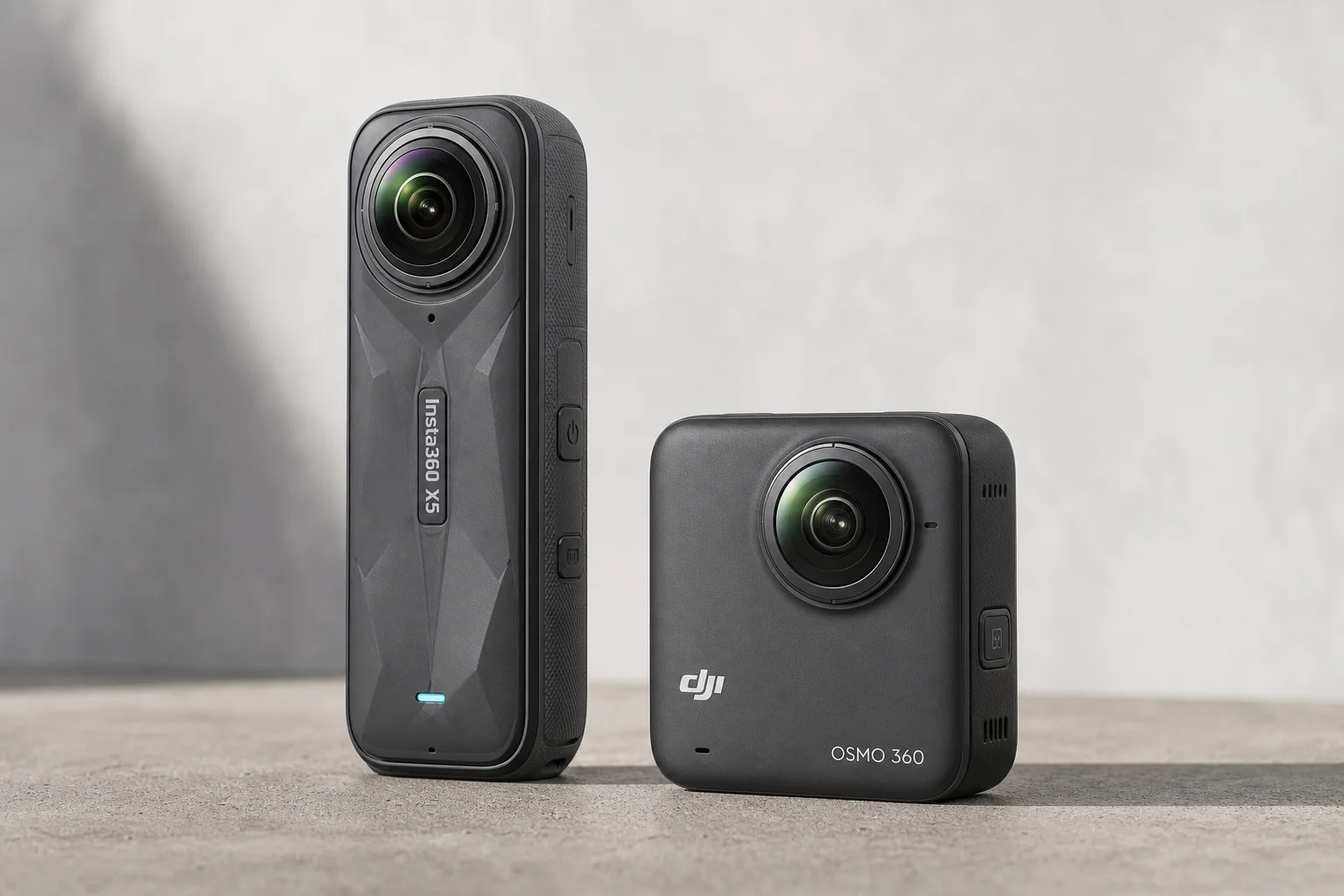
360 Cameras for Adventure Motorcycling: Insta360 X5 vs DJI Osmo 360
Two 360-degree action cameras designed for off-road and adventure riding. A detailed comparison of features, stabilization, and real-world performance for motorcycle touring.
Action Cameras
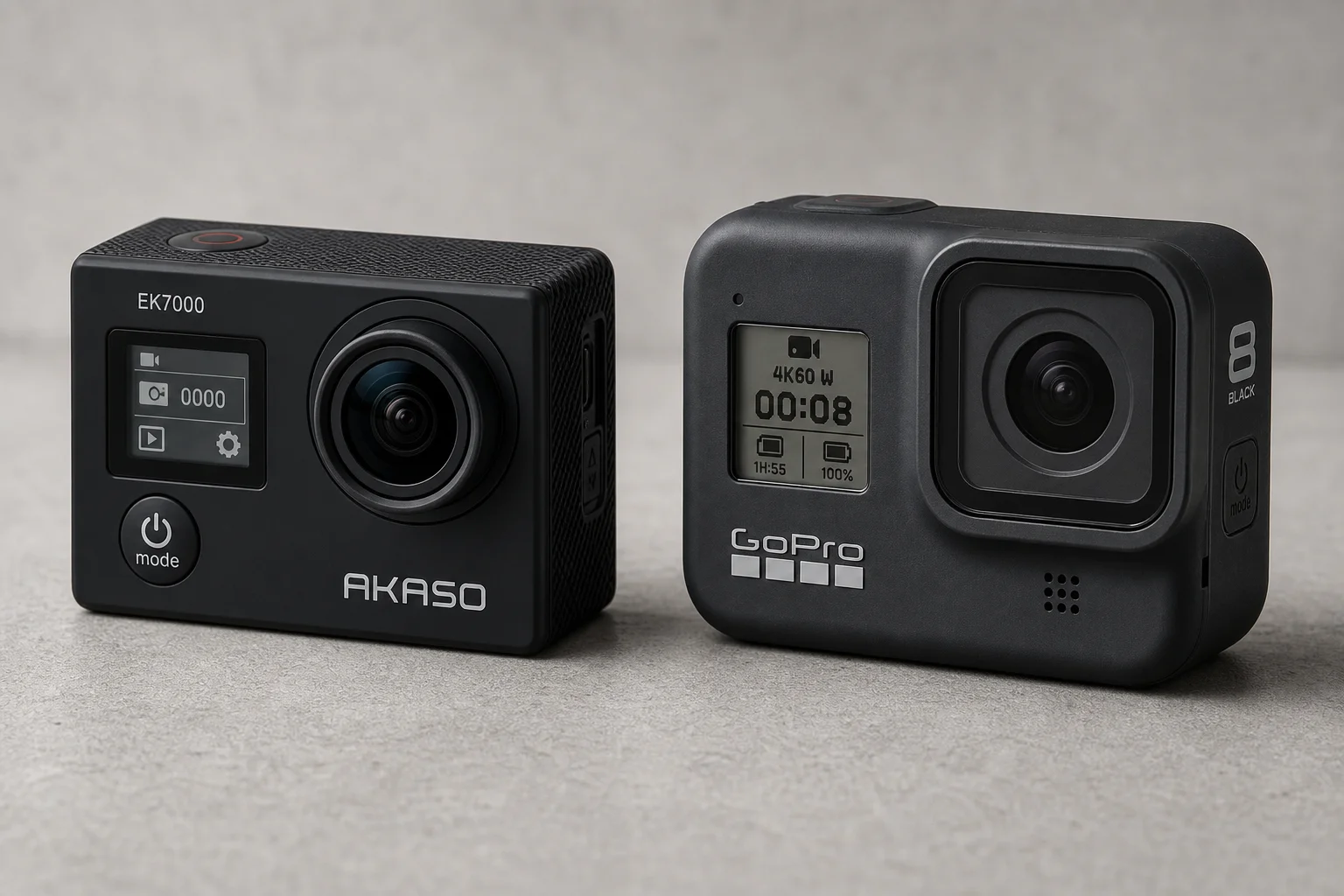
Akaso EK7000 vs GoPro Hero 8 Black: Budget Action Camera Tested
A $50 budget action camera faces off against the GoPro Hero 8 Black. Here's how the Akaso EK7000 really performs in video, audio, and photo quality.
Action Cameras
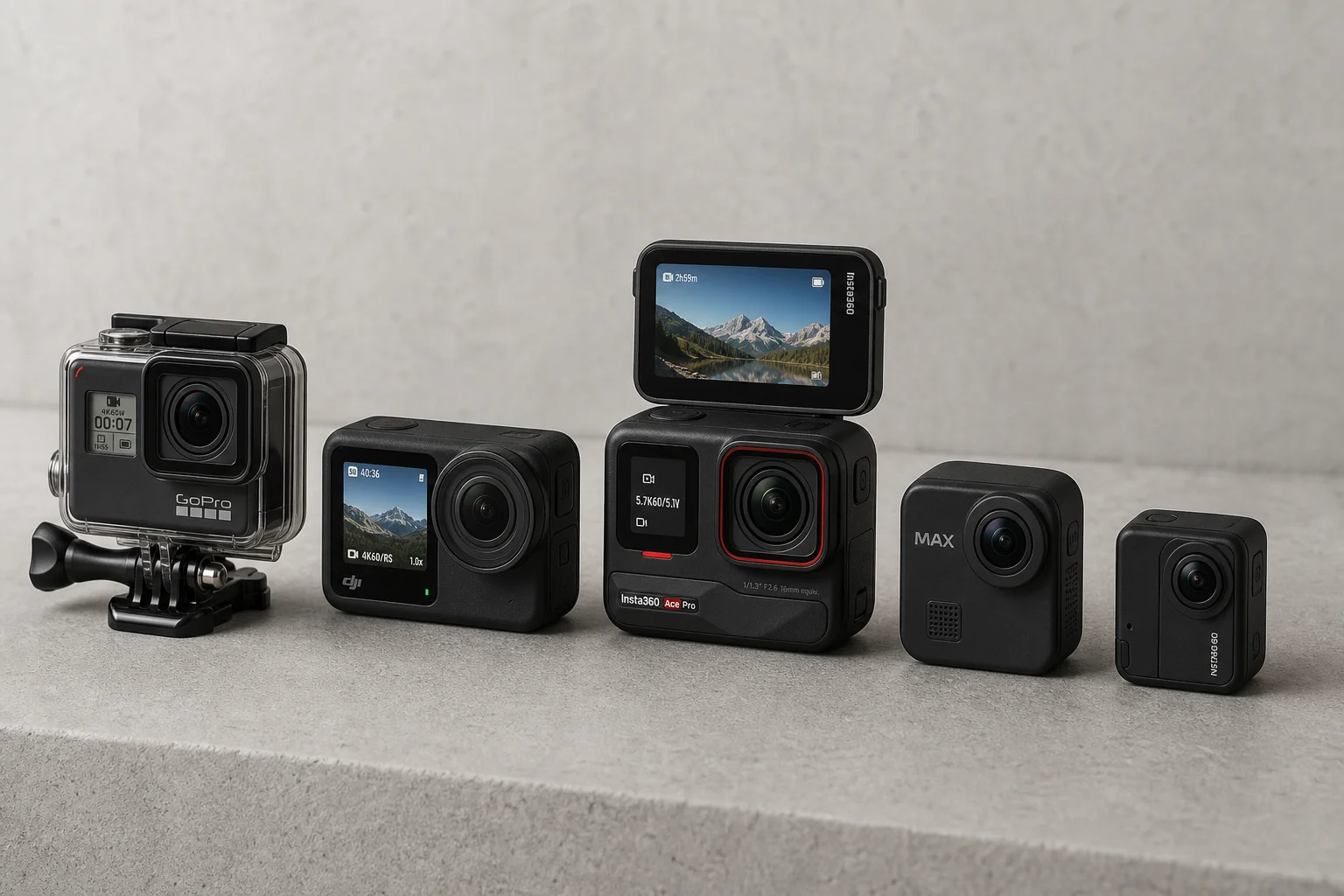
Best Action Cameras 2026: Five Top Picks Ranked
A comprehensive ranking of five action cameras from budget-friendly to premium, covering durability, video quality, stabilization, and low-light performance.