Action Cameras
Akaso EK7000 vs GoPro Hero 8 Black: Budget Action Camera Tested
A $50 budget action camera faces off against the GoPro Hero 8 Black. Here's how the Akaso EK7000 really performs in video, audio, and photo quality.
Introduction
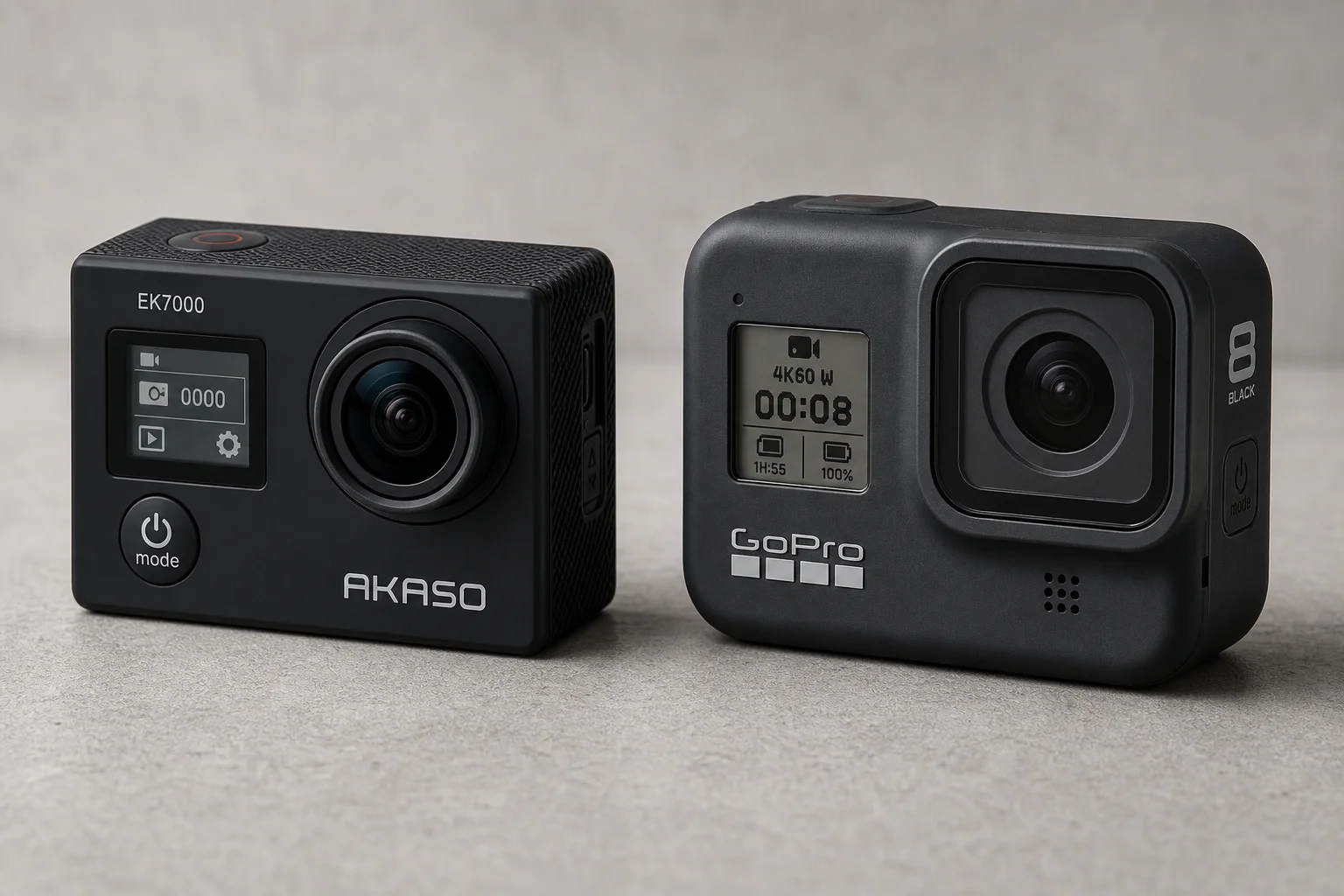
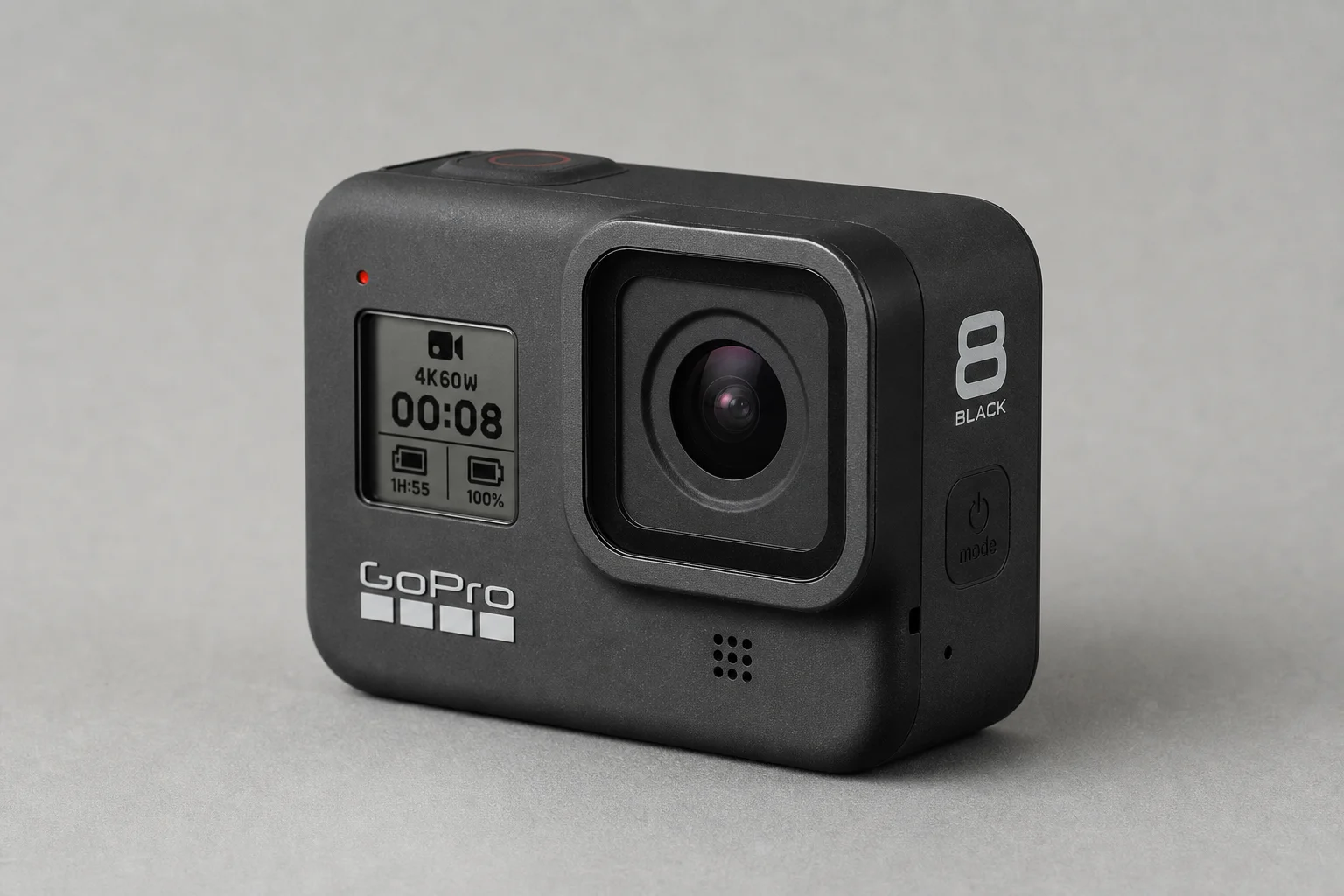
The Akaso EK7000 is Amazon’s best-selling budget action camera, priced at just $50 with over 11,000 reviews. The GoPro Hero 8 Black, originally $400 and now around $300, represents the premium alternative. This comparison tests whether the budget option delivers meaningful value or if the price gap reflects a genuine quality difference.
Video Quality and Stabilization
The Akaso EK7000 can shoot 4K at 25 frames per second, which immediately reveals a limitation: no 30fps option at 4K resolution. The 4K footage itself appears heavily compressed and pixelated, with a muddy quality that suggests upscaling rather than native resolution capture. Some users report the sensor may be only 4 megapixels, which would explain the soft, blocky appearance when viewed on larger screens.
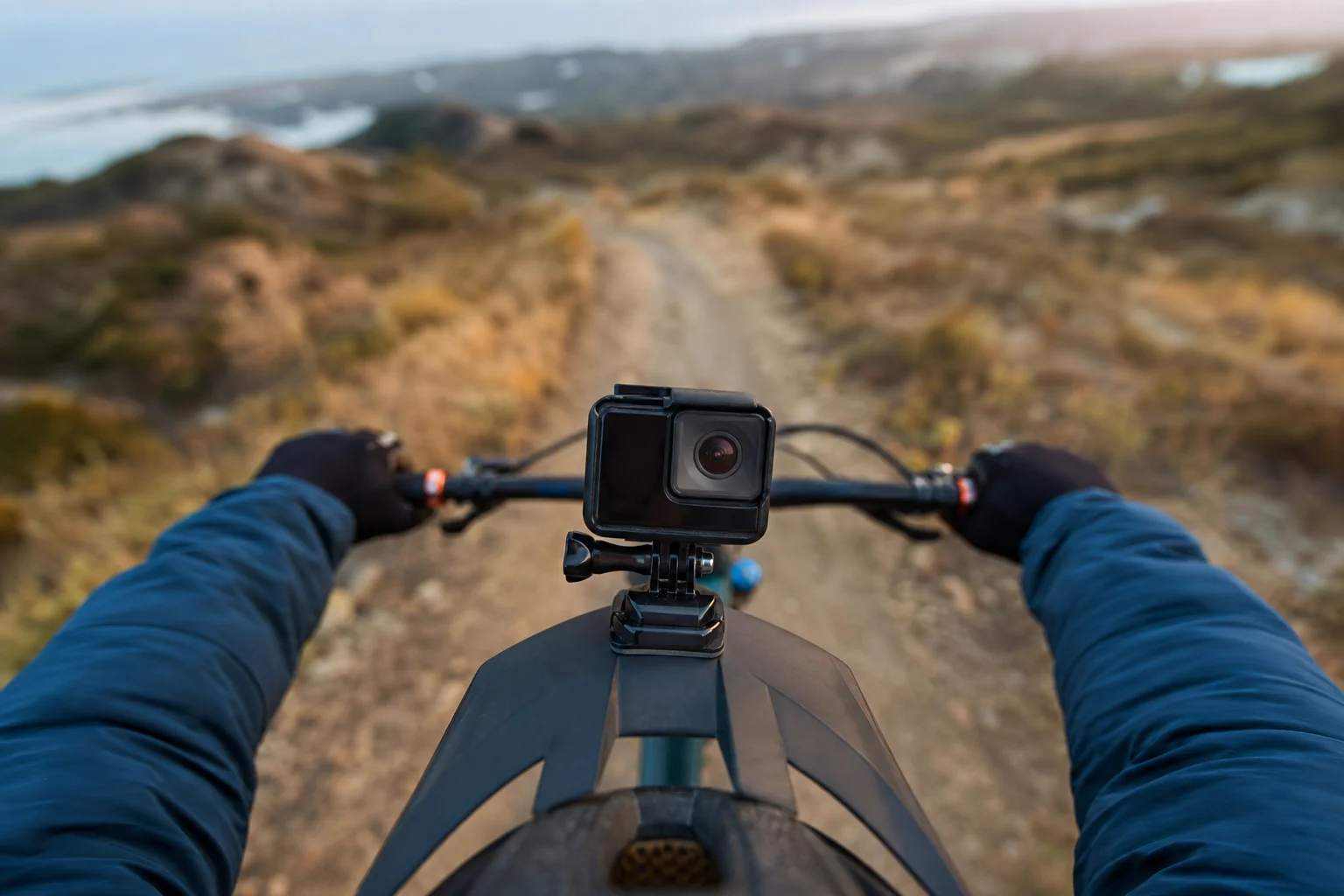
The most glaring weakness is the complete absence of electronic image stabilization. Walking and jogging footage becomes noticeably shaky and difficult to watch. The GoPro Hero 8 Black, by contrast, features Hyper Smooth stabilization that keeps the horizon steady even during movement, producing significantly smoother handheld footage at 4K 30fps.
Exposure handling also differs markedly. The Akaso struggles with dynamic range, either crushing shadow detail or blowing out highlights. The GoPro tends toward saturated, punchy contrast that can appear aggressive but generally preserves more tonal information across the frame.
At 1080p 60fps, the Akaso performs somewhat better relative to its 4K output. The 170-degree wide-angle field of view is useful, and the higher frame rate enables slow-motion playback on a 30fps timeline. However, pixelation, shakiness, and poor contrast remain consistent issues.
The Akaso also supports 2.7K 30fps and 720p 120fps slow-motion modes, but both exhibit the same compression artifacts and lack of stabilization that plague its other recording options.
Audio Quality and Recording Modes
Audio tests reveal a clear advantage for the GoPro. The Akaso’s microphone produces muffled, unclear sound even when mounted in an open housing for optimal audio capture. The GoPro delivers noticeably clearer, more intelligible audio across the same test scenarios.
The Akaso offers time-lapse photo mode, which captures interval JPEGs that must be manually combined into video during post-production. This is a slower, more cumbersome workflow compared to the GoPro’s hyperlapse video mode, which produces stabilized, compressed time-lapse footage directly.
Build, Design, and Features
The Akaso EK7000 includes a generous accessory package: multiple mounts and adapters, a waterproof housing, tethers, two rechargeable batteries, and a dual charging dock. The GoPro Hero 8 Black includes minimal accessories by comparison, despite its higher price.
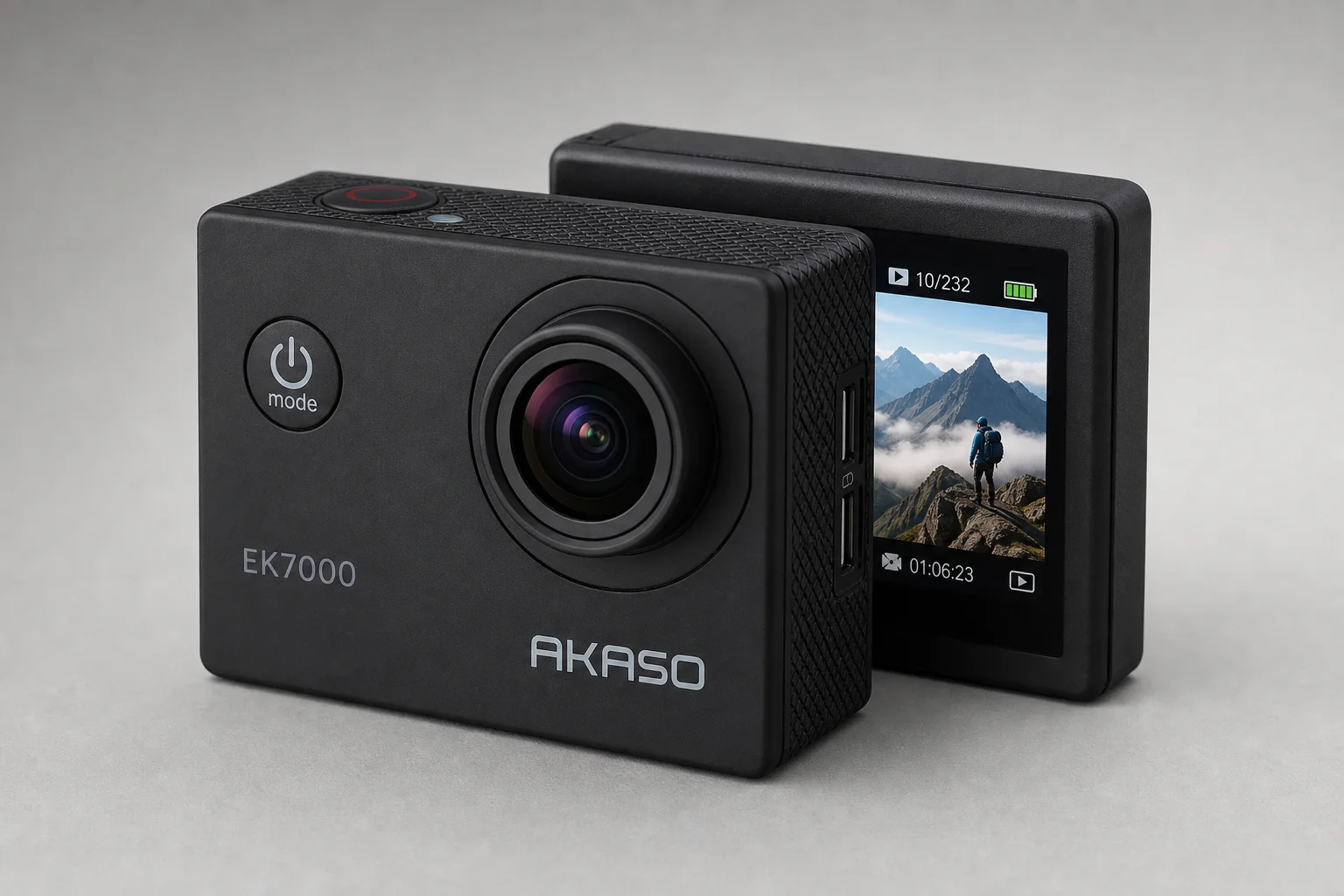
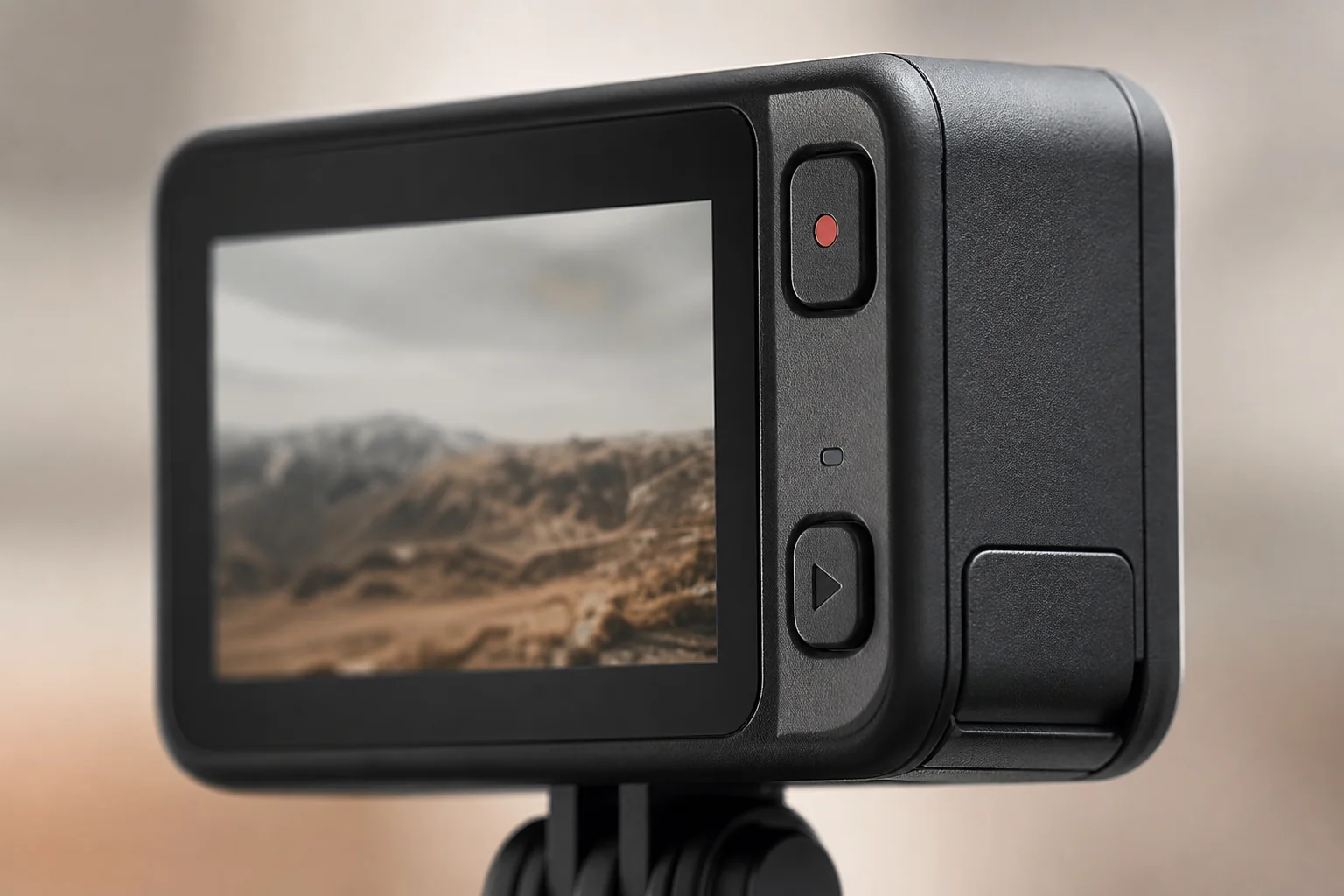
The Akaso’s 2-inch rear display is non-touchscreen, making menu navigation and settings adjustments cumbersome. An updated model, the EK7000 Pro, adds a touchscreen and electronic image stabilization for approximately $10 more.
Both cameras feature built-in HDMI and Wi-Fi connectivity. The Akaso’s smartphone app is basic but functional, allowing live preview, photo and video capture, and local file downloads. The camera froze during testing, suggesting potential stability issues.
Photo Quality Comparison
The Akaso claims 12-megapixel photo capability, but pixel count does not guarantee quality. Direct comparisons with the GoPro Hero 8 Black reveal substantial differences in clarity, detail, color accuracy, and dynamic range. The GoPro’s ultra-wide field of view also appears genuinely wider than the Akaso’s, and zooming into pixel-level detail shows the GoPro maintains significantly better sharpness and color fidelity.
Interestingly, the Akaso occasionally outperforms the GoPro in specific scenarios, such as preserving highlight detail in high-contrast scenes where the GoPro tends to blow out bright areas. However, these isolated wins do not offset the overall quality gap.
Low-Light Performance and Practical Use Cases
Low-light video on the Akaso appears soft and grainy. The GoPro also struggles in dim conditions but maintains brighter exposure and better detail visibility, particularly with colored light sources.

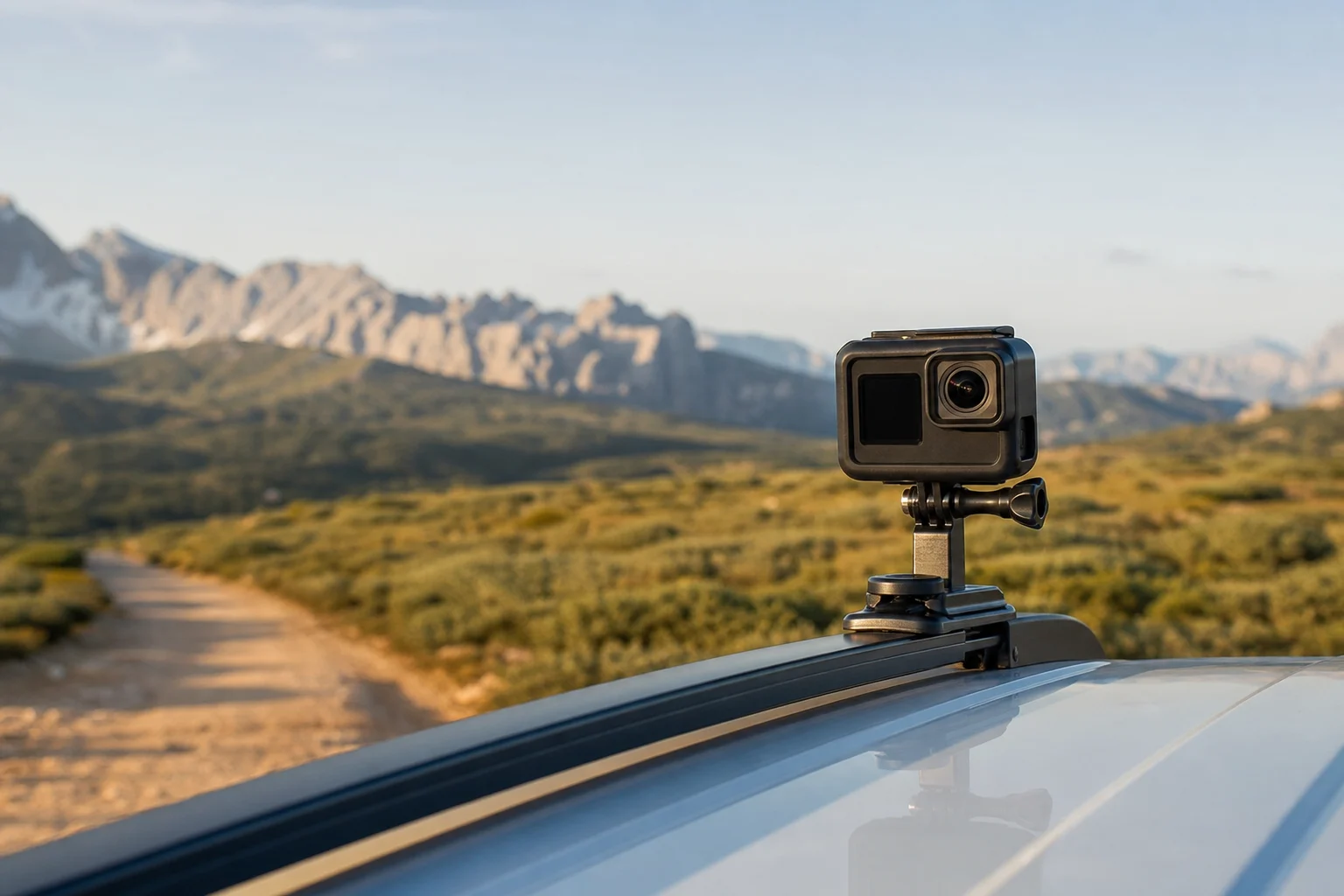
The Akaso could serve as a disposable camera for risky mounting scenarios where damage is likely and cost is the primary concern. Mounting it under a vehicle for off-road footage, for example, eliminates the risk of destroying an expensive GoPro. However, this use case alone does not justify a general recommendation.
The camera’s non-responsive USB connection prevented testing as a budget webcam, and the requirement to manually start and stop recording makes it impractical as a dashcam.
Conclusion
The Akaso EK7000 underperforms across nearly every quality metric: video sharpness, stabilization, audio clarity, and photo detail all fall significantly short of the GoPro Hero 8 Black. While the $50 price and generous accessory bundle are appealing, the image quality gap is substantial enough that older flagship smartphones or dedicated budget cameras like the Insta360 Go offer better value at comparable or slightly higher price points. The Akaso makes sense only as a truly disposable camera for high-risk scenarios where loss is acceptable.
Further reading
Related Reviews
Action Cameras
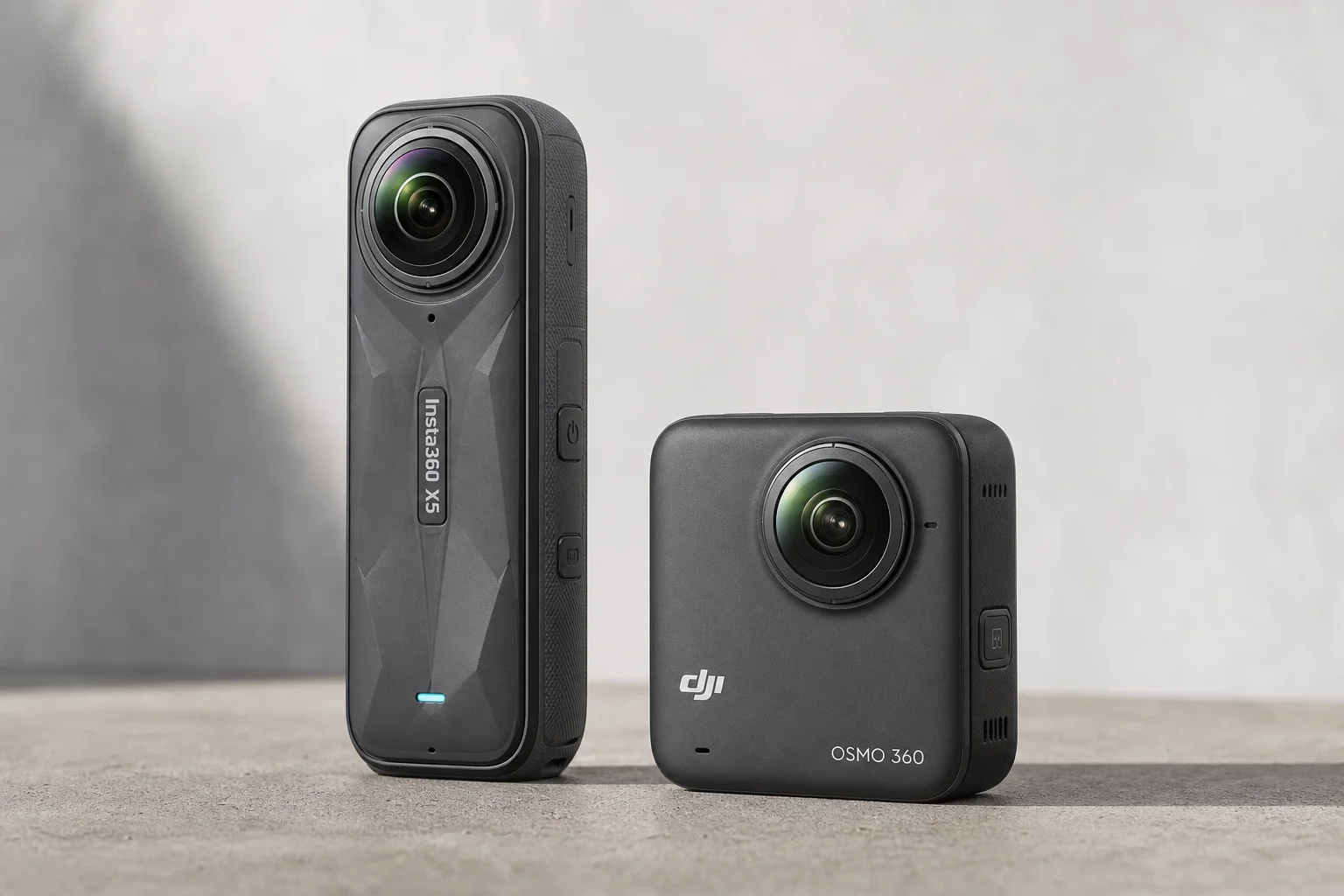
360 Cameras for Adventure Motorcycling: Insta360 X5 vs DJI Osmo 360
Two 360-degree action cameras designed for off-road and adventure riding. A detailed comparison of features, stabilization, and real-world performance for motorcycle touring.
Action Cameras
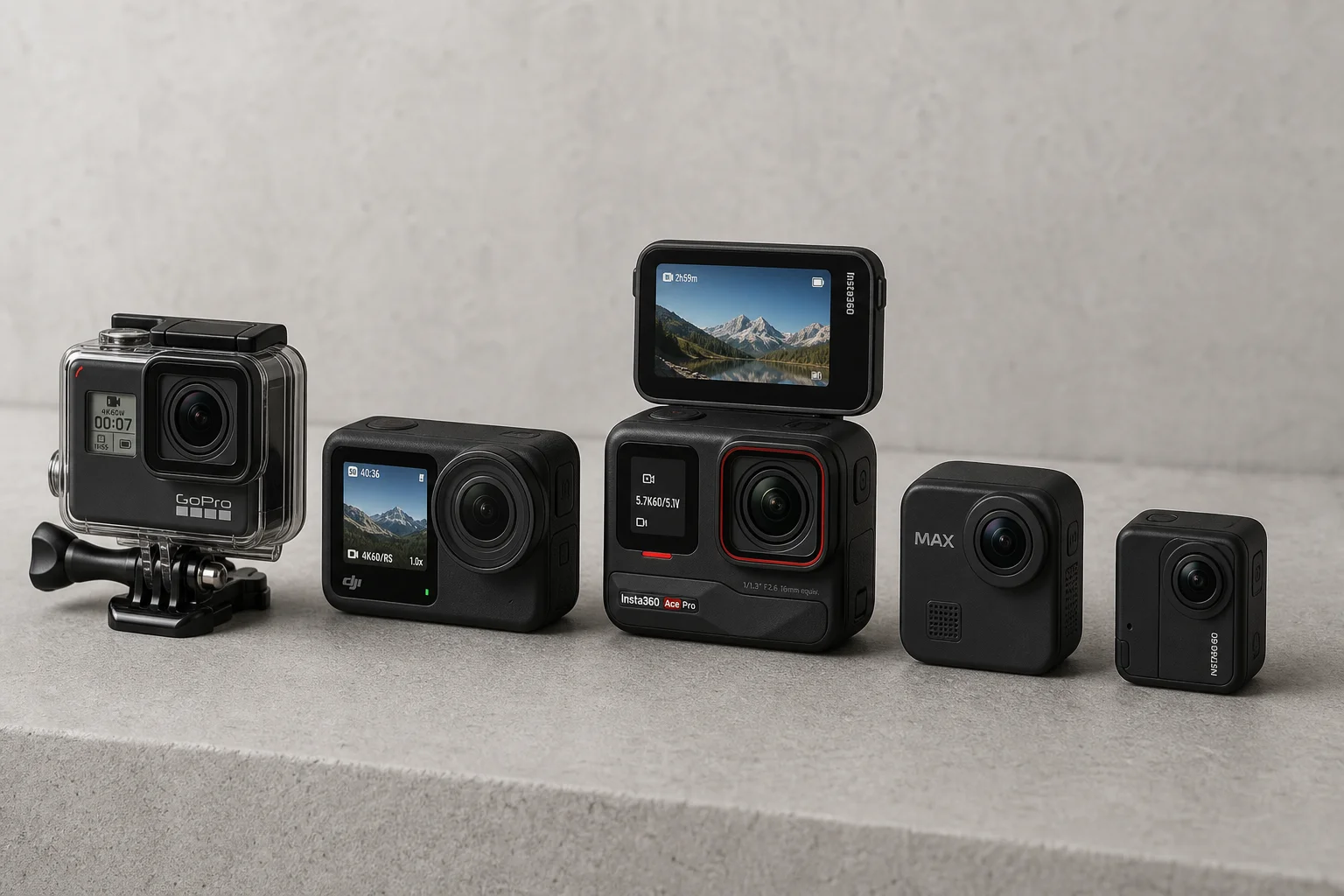
Best Action Cameras 2026: Five Top Picks Ranked
A comprehensive ranking of five action cameras from budget-friendly to premium, covering durability, video quality, stabilization, and low-light performance.
Action Cameras
Best Action Cameras for Scuba Diving: Four Underwater Performers Tested
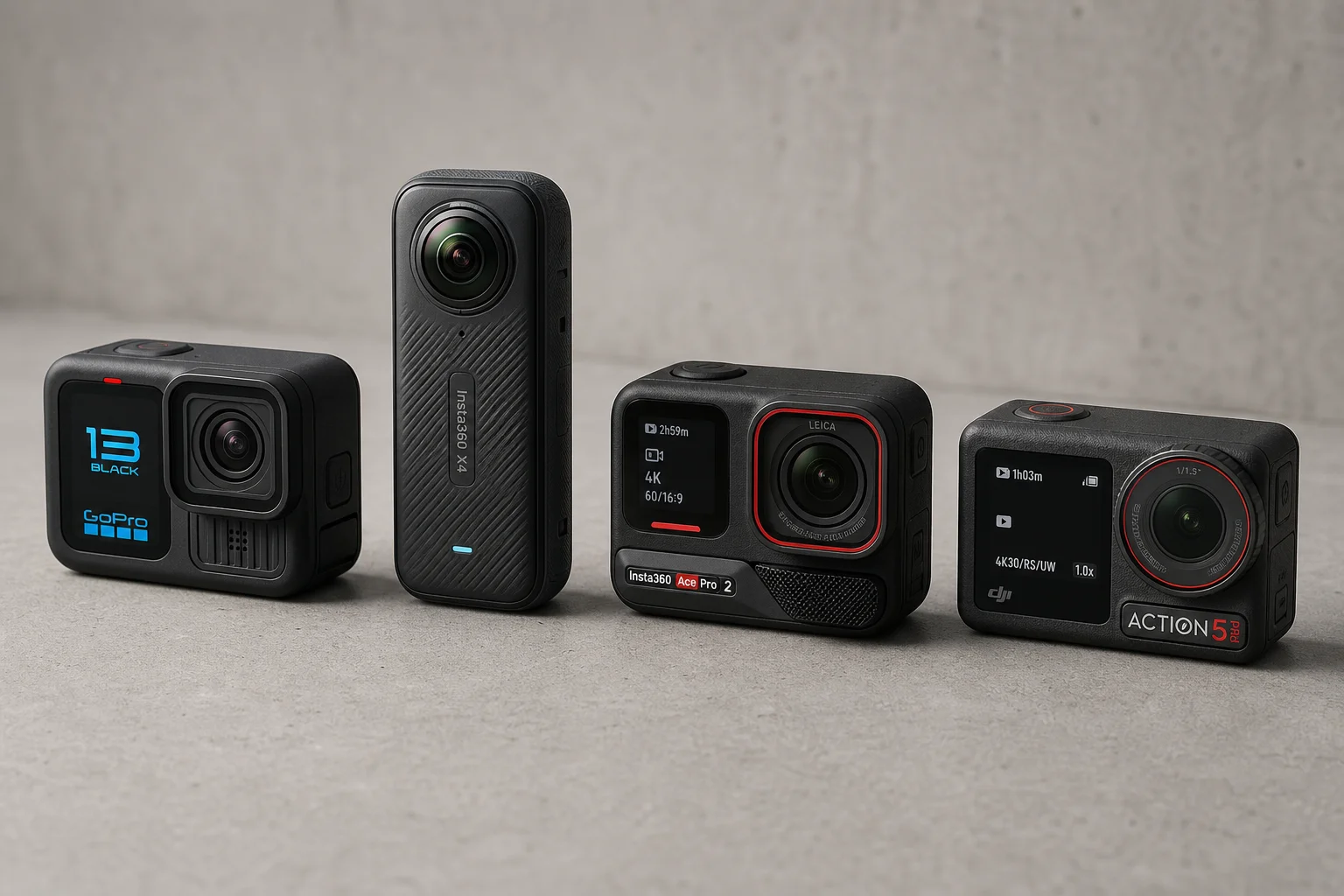
We tested the GoPro Hero 13, Insta360 X4, Insta360 Ace Pro 2, and DJI Osmo Action 5 on multiple dives in tropical and cold water. Here's how they compare for underwater filming.