Action Cameras
Insta360 X5 vs Insta360 X4: What the New 8K 360 Camera Changes
The Insta360 X5 keeps the same body as the X4 but adds a larger sensor, a replaceable lens and a longer battery. Here is how the two 8K 360 cameras compare.
Introduction
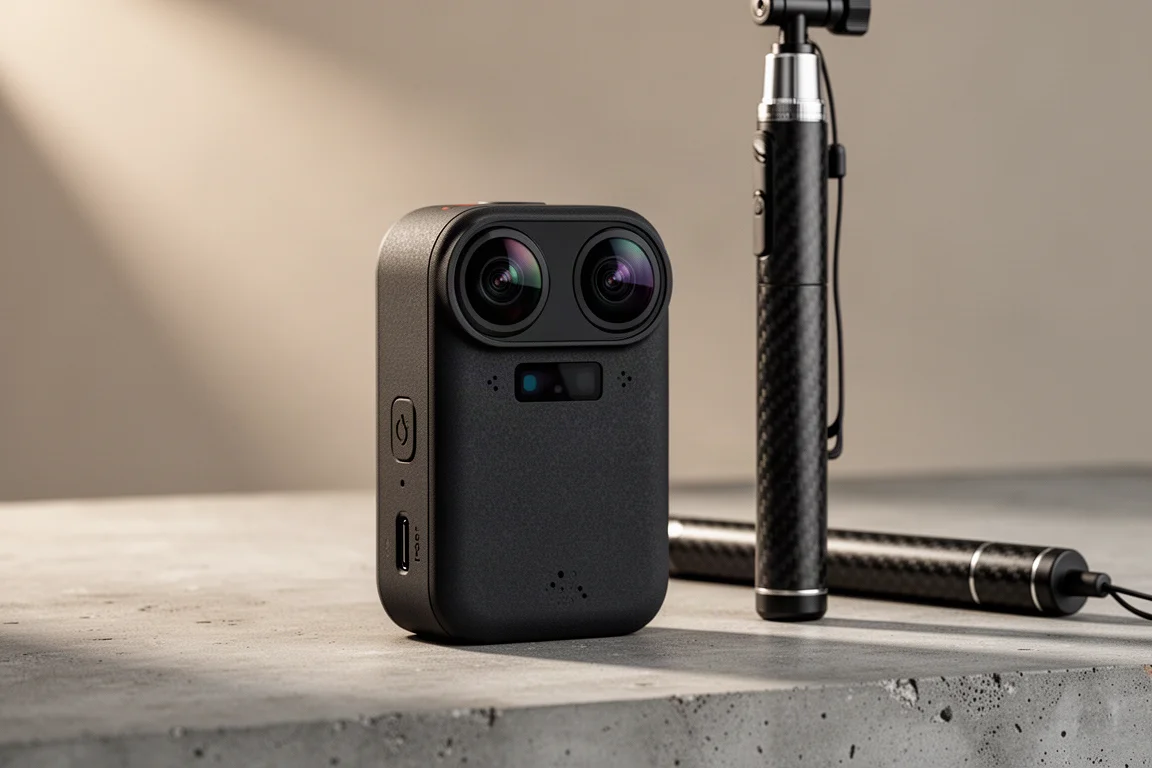
The Insta360 X5 is the successor to the X4, and the two cameras are physically almost the same. Same size, same dimensions, same weight. The differences live inside the housing and in the details around it: a larger sensor, additional AI processing, a tougher and now replaceable lens, a wind guard, and a battery that lasts noticeably longer. The result is a camera that keeps the workflow people already like while improving the footage that comes out of it.
What the Insta360 X5 Improves Over the X4
The headline change is the sensor. The X5 uses a sensor that is 144 percent larger than the one in the X4, and three AI chips handle the processing. The practical effect is better low light performance, which matters most on overcast days, in woodland, and on gravel or mountain bike rides where light is scarce.
The X5 also adds a dedicated pure video mode, the first time it has appeared in this series. That mode is built for low light and night recording, and it is intended to keep image quality from falling apart when the light drops.
There is a new InstaFrame mode as well. It captures 360 footage and a flat frame at the same time, so both versions are available when editing, which gives more flexibility in how a clip is finished.

None of this changes the basic proposition of the camera. It is still an 8K 360 camera that records everything around it and lets the framing be decided afterwards.
Insta360 X5: Shooting Experience and Workflow
Recording is straightforward. Mounted on a selfie stick, the camera produces the kind of wide aerial-looking shot that would otherwise need a drone. Mounted on the handlebars under a bike computer, it is a case of pressing record when the road, climb or descent looks worth keeping, then reframing the shot later.
The reframing happens in the desktop studio app or the smartphone app. Clips can be downloaded quickly, then edited manually by choosing the field of view and aspect ratio, or handled with an AI quick edit that adds music and titles. Vertical edits for short-form platforms are easy to produce from the same footage, and the whole process does not demand much technical knowledge.
The camera has also proved stable on the bike, with no rattling or bouncing on rough surfaces.
Insta360 X4: The Proven 8K Option
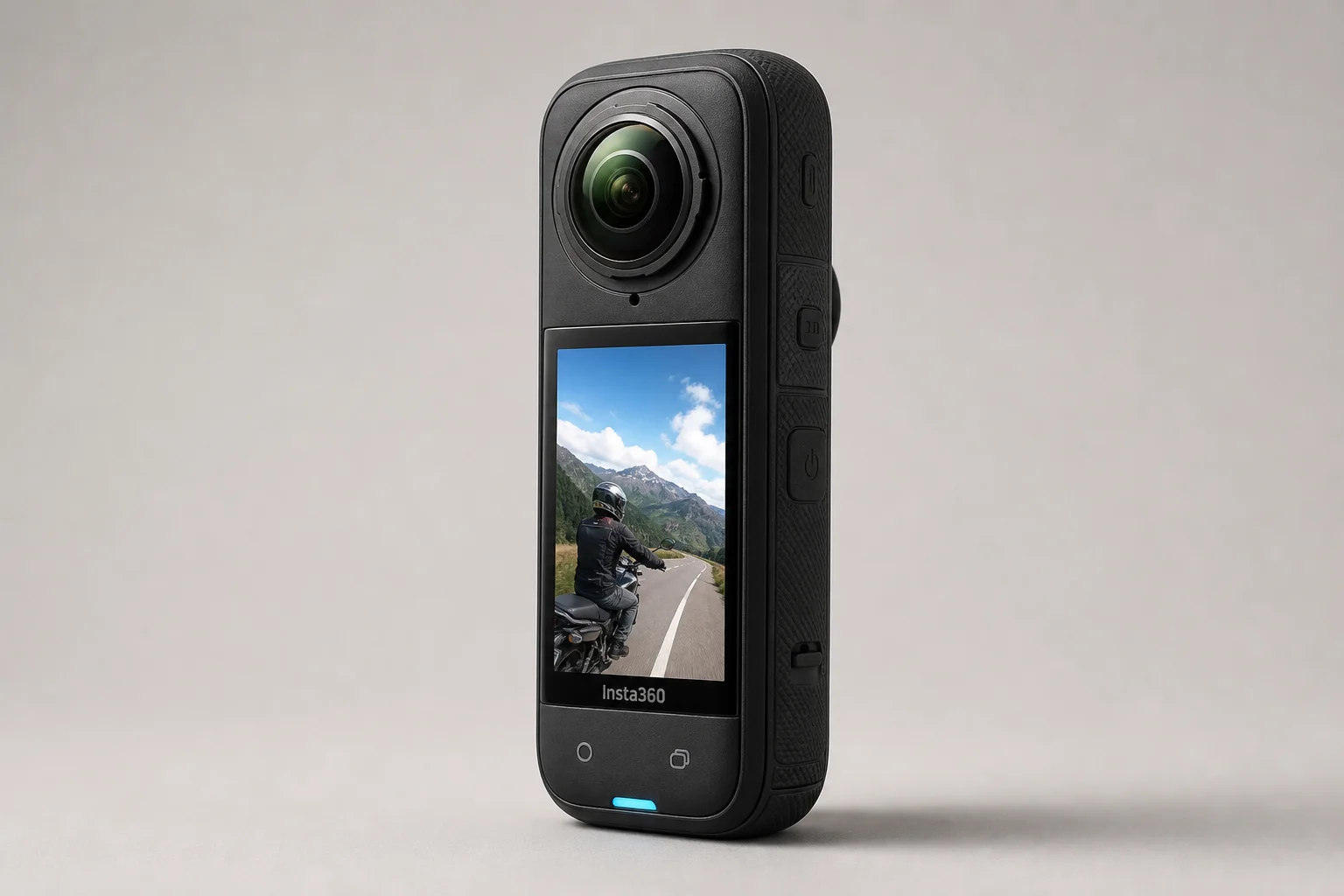
The X4 remains a genuinely strong camera. It shoots 8K 360 video, it is easy to use, and it delivers roughly 95 percent of what the X5 offers. For anyone who already owns one, or who finds one at a discount, there is little reason to feel short-changed.
Its limits are specific. Runtime is rated at 135 minutes, compared with 185 minutes on the X5 in endurance mode. The lens on the X4 cannot be replaced, so a scratched lens is a serious problem, and the standard or premium lens guard has to be used for protection. Those guards do take a toll on image quality.
Lens Durability and Image Quality Compared
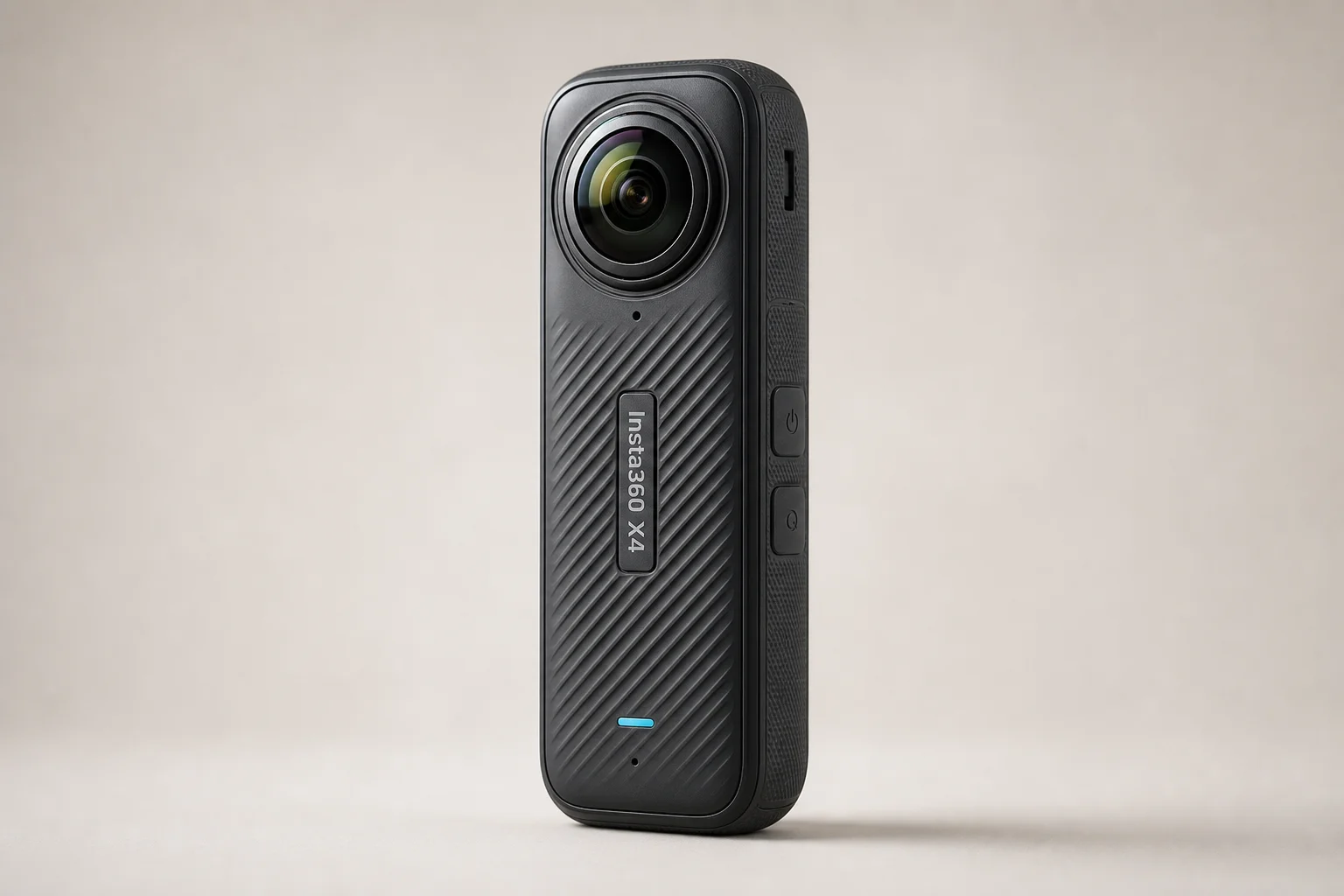
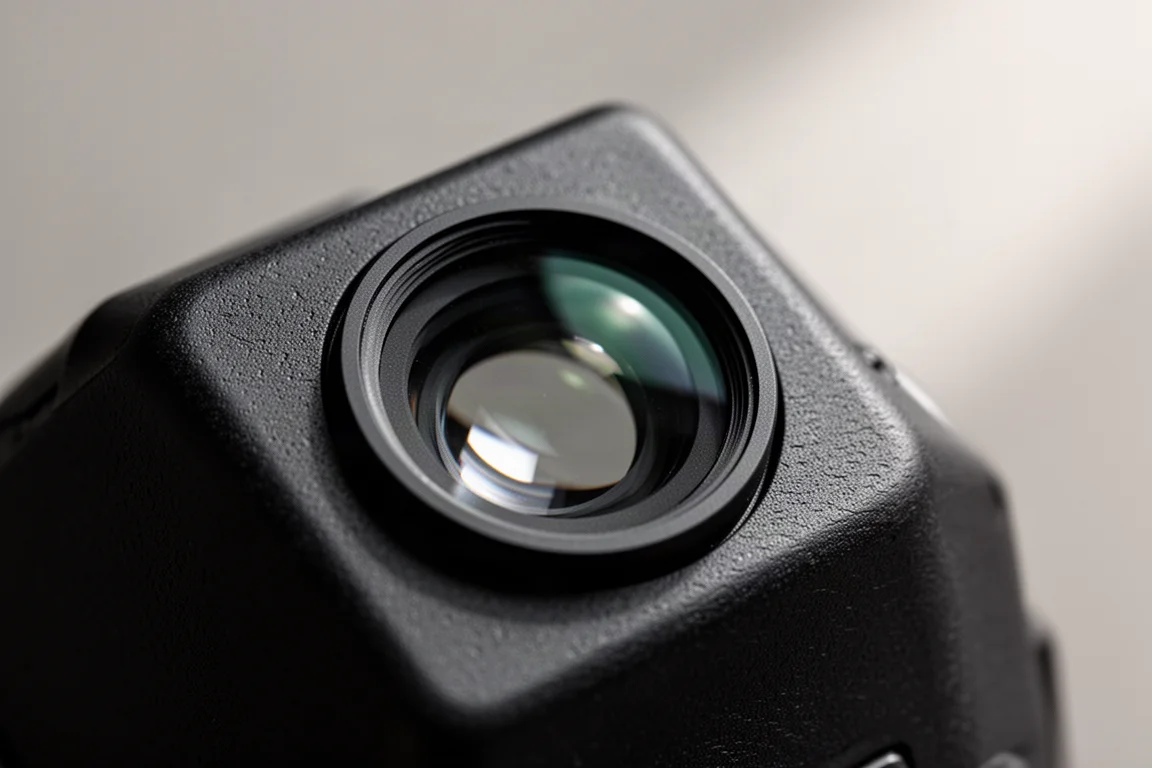
The X5 addresses the lens directly. It uses tougher glass, and for the first time in this series the lens is replaceable. That combination means the lens guard can be left at home, and the rubber cap alone is enough protection when the camera is in a pocket or being transported. Dropping the guard removes the distortion it introduces and produces a cleaner image.
On quality, the X5 is a clear step up from the X4. Side by side in the same light, it holds detail for longer, especially in cloudy and low light conditions. The image is sharper, clearer and punchier, though the X4 is still impressive in its own right.
For riders who spend a lot of time under tree cover or in dull weather, this is the most meaningful difference between the two cameras.
Audio, Wind Noise and Low Light Footage
Wind noise has long been the enemy of on-bike audio, loud enough at speed that music has to be laid over the top, which buries the sound of tyres, drivetrain and the surroundings. The X5 adds a wind guard on the back of the camera, and the improvement in clarity is noticeable.
Low light footage benefits from the larger sensor and the dedicated night mode. Footage shot in overcast conditions or deep woodland holds together better, which is exactly the kind of riding many people do most often.
Battery Life and Charging
Battery life gets a useful bump. A new endurance mode on the X5 is rated at up to 185 minutes of runtime, compared with 135 minutes on the X4. Charging over USB-C reaches 80 percent in about 20 minutes, so a short top-up while making a coffee is enough to get the camera ready for a ride.
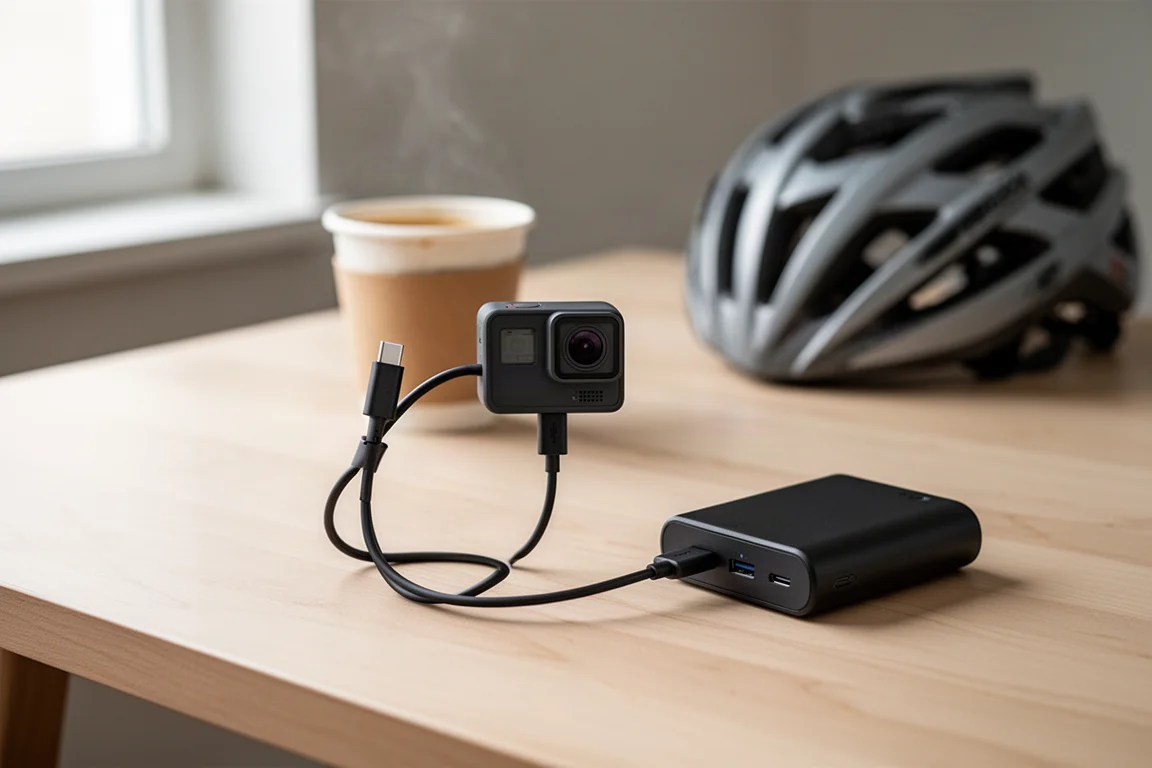
For longer days out, that combination of a bigger runtime and fast charging removes some of the battery anxiety that comes with filming continuously.
Size, Weight and Mounting on the Bike
The X5 keeps the same dimensions and weight as the X4, which is a mixed result. On the bike the weight is a non-issue and the camera sits stable on the bars, but the unit is still chunky in a pocket, and a smaller version would be welcome.
Buying Advice: X5 or X4
The honest framing is that the X5 is an X4.5 rather than a total reinvention. It is still an 8K 360 camera, and the improvements are incremental but real: a bigger sensor, a replaceable lens, better audio, better low light footage and a longer battery.
That makes the decision fairly simple. If an X4 is already in the bag, or one turns up at a discount, it remains an excellent camera and very close in quality to the new model. If the goal is to buy the best 360 camera available now and the budget allows, the X5 is the stronger choice.
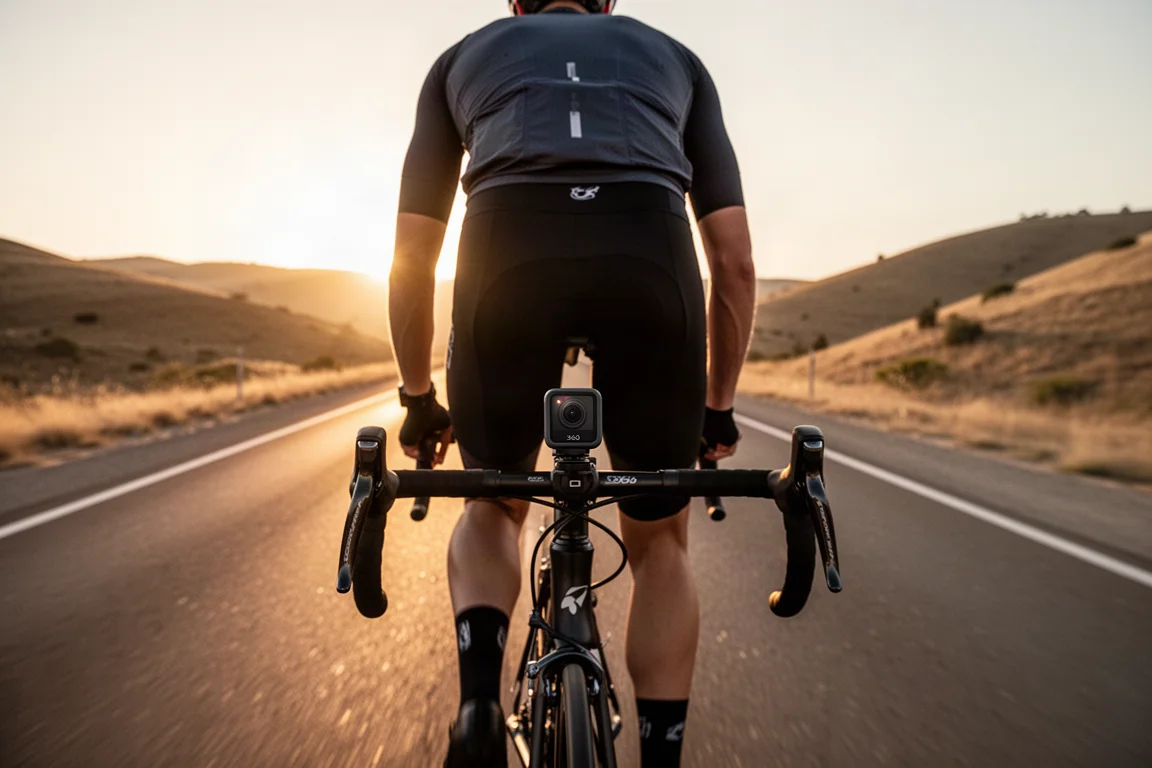
Either way, the workflow is the same: record the whole scene, then decide the framing later, which is what makes this type of camera so useful for capturing rides.
Conclusion
The Insta360 X5 refines a formula that already worked. A larger sensor, a replaceable lens, a wind guard and a longer-lasting battery are the kinds of changes that show up in real footage rather than on a specification sheet, and they make the camera easier to live with over a full season of riding. The X4 stays relevant, especially at a discount, but the X5 is the better camera of the two.
Further reading
Related Reviews
Action Cameras
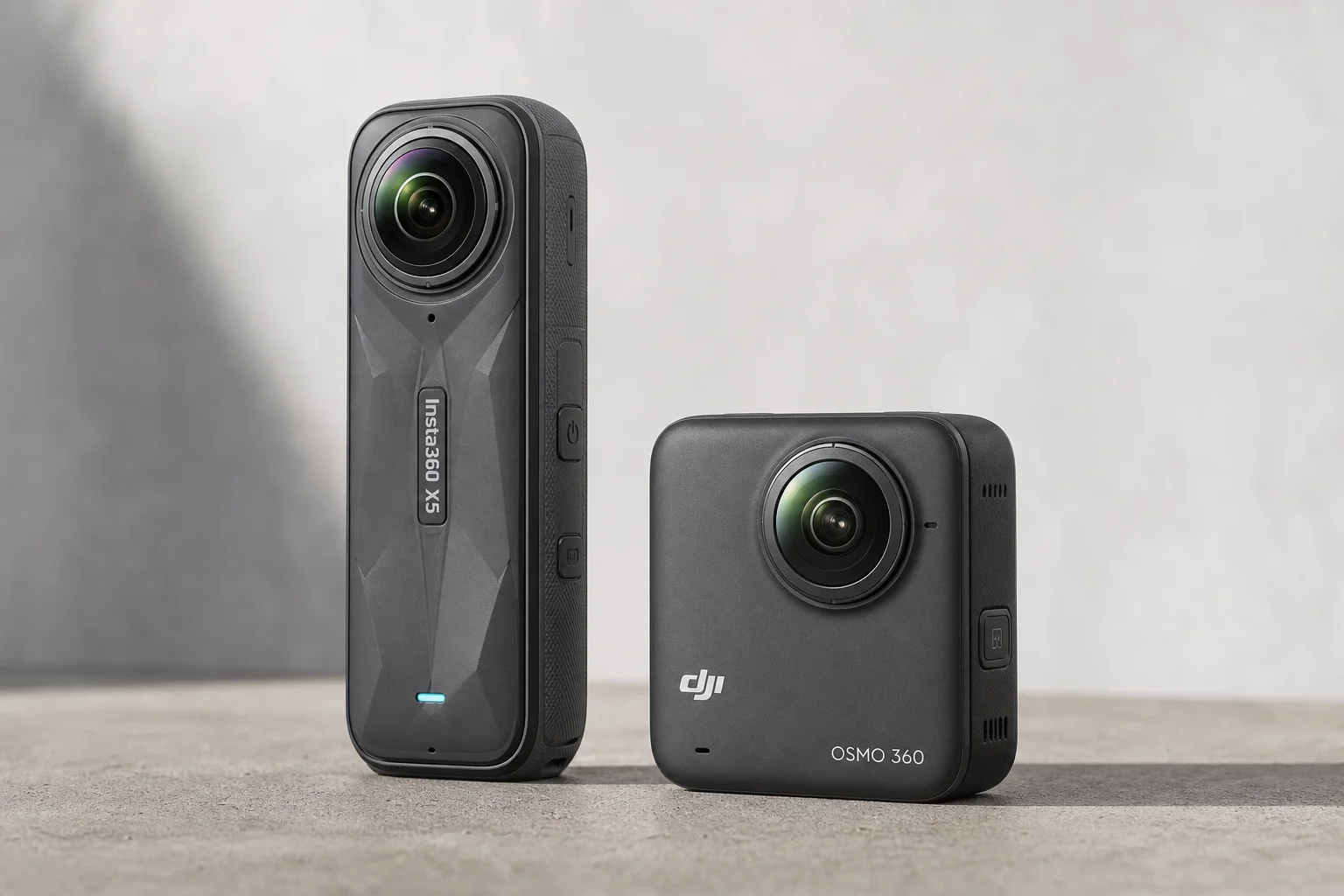
360 Cameras for Adventure Motorcycling: Insta360 X5 vs DJI Osmo 360
Two 360-degree action cameras designed for off-road and adventure riding. A detailed comparison of features, stabilization, and real-world performance for motorcycle touring.
Action Cameras
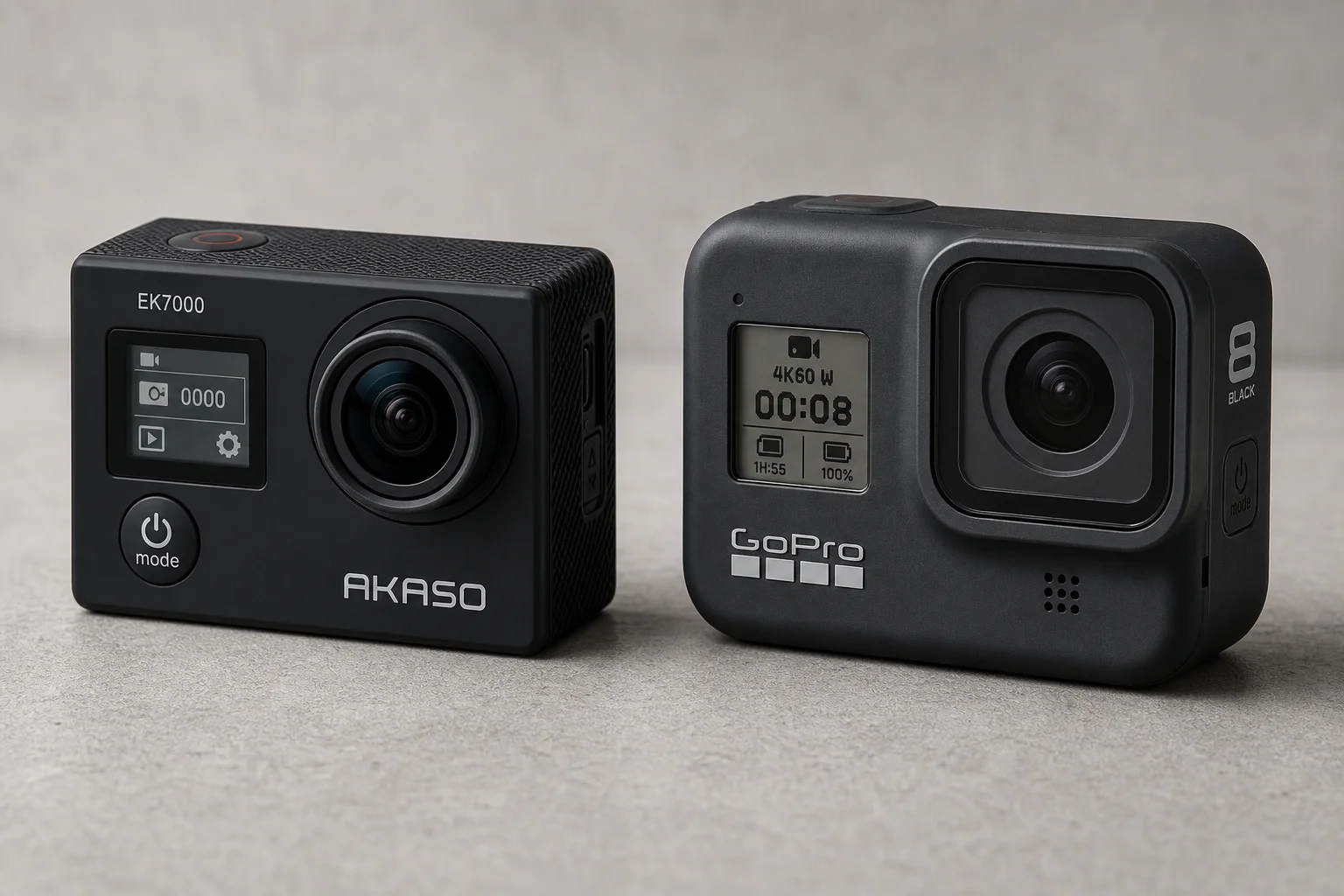
Akaso EK7000 vs GoPro Hero 8 Black: Budget Action Camera Tested
A $50 budget action camera faces off against the GoPro Hero 8 Black. Here's how the Akaso EK7000 really performs in video, audio, and photo quality.
Action Cameras
Best Action Cameras 2026: Five Top Picks Ranked
A comprehensive ranking of five action cameras from budget-friendly to premium, covering durability, video quality, stabilization, and low-light performance.