Action Cameras
Insta360 X4 Review: What 8K Really Adds on a Bright Ski Day
A practical look at the Insta360 X4 for snow sports, covering how 8K and 5.7K Plus perform in strong sunlight, battery use at maximum settings, mounting options, and who should buy it.
Introduction
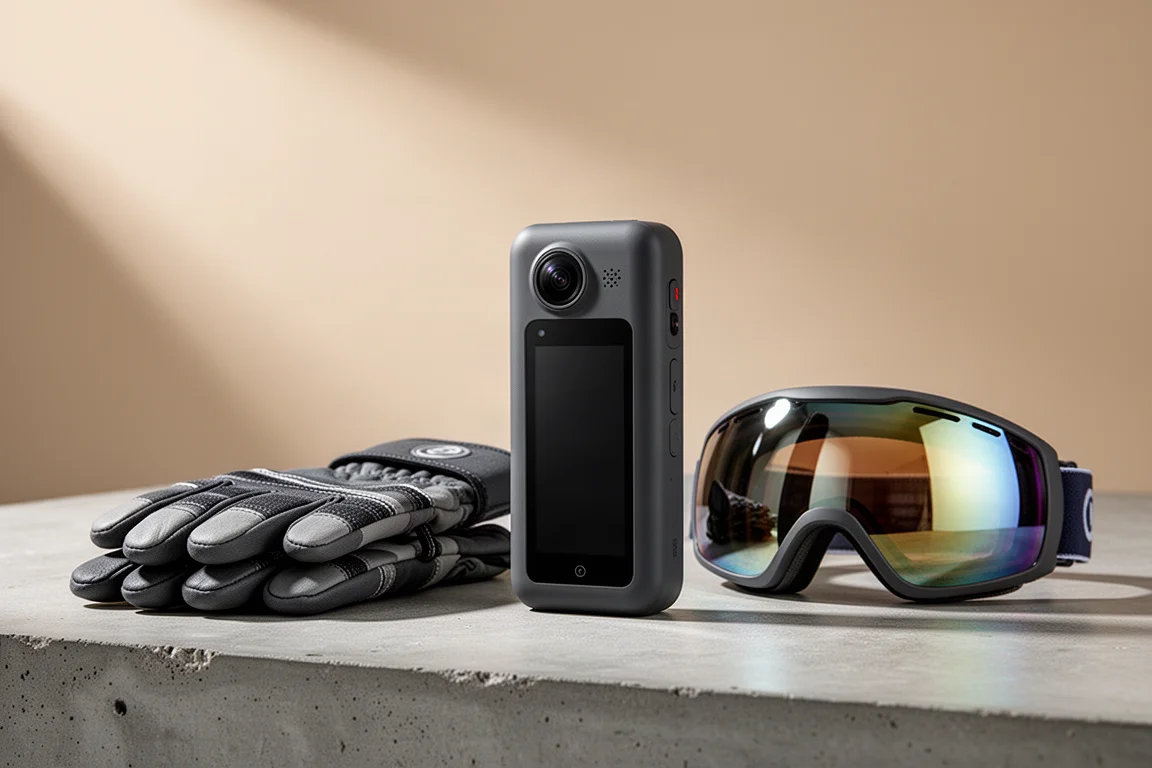
The Insta360 X4 arrived as a 360 action camera that shoots 8K, and the obvious question for anyone who skis or rides is whether that resolution is genuinely useful or simply a bigger number on a spec sheet. The honest answer only shows up in the field, so the sensible test is to run the camera at its maximum settings for a full day in strong sunshine, swap between mounts, and see what the footage actually looks like.
That is the approach this guide takes. It covers where the X4 shines, where it asks something back from you, and how to decide whether it belongs in your kit bag for the coming season.
Who this product is for
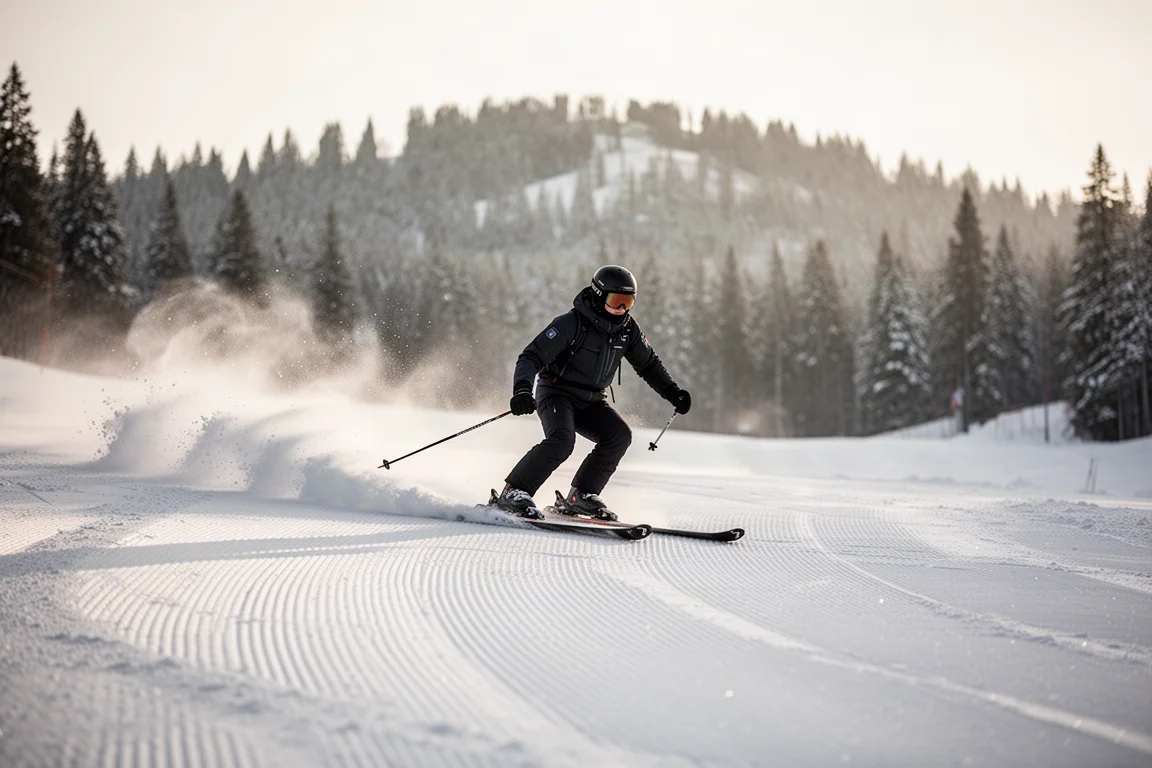
The X4 makes the most sense for riders who want to capture the feeling of a run rather than a static record of it. Because 360 footage lets you choose the framing afterwards, you can shoot a lap without worrying about aiming, then decide later whether the shot looks better wide, tight, or somewhere in between. That flexibility matters on a mountain where you rarely get a second take.
It also suits people who shoot alone. With the right mount, the camera disappears from the frame and you end up with follow-cam style footage without a second person holding anything.
If you mostly want a handful of clips per season to share with friends and family, a simpler fixed-lens camera will do the job for less. The X4 rewards riders who shoot often, review their footage, and care about detail when conditions are good.
Main strengths: image quality in bright light
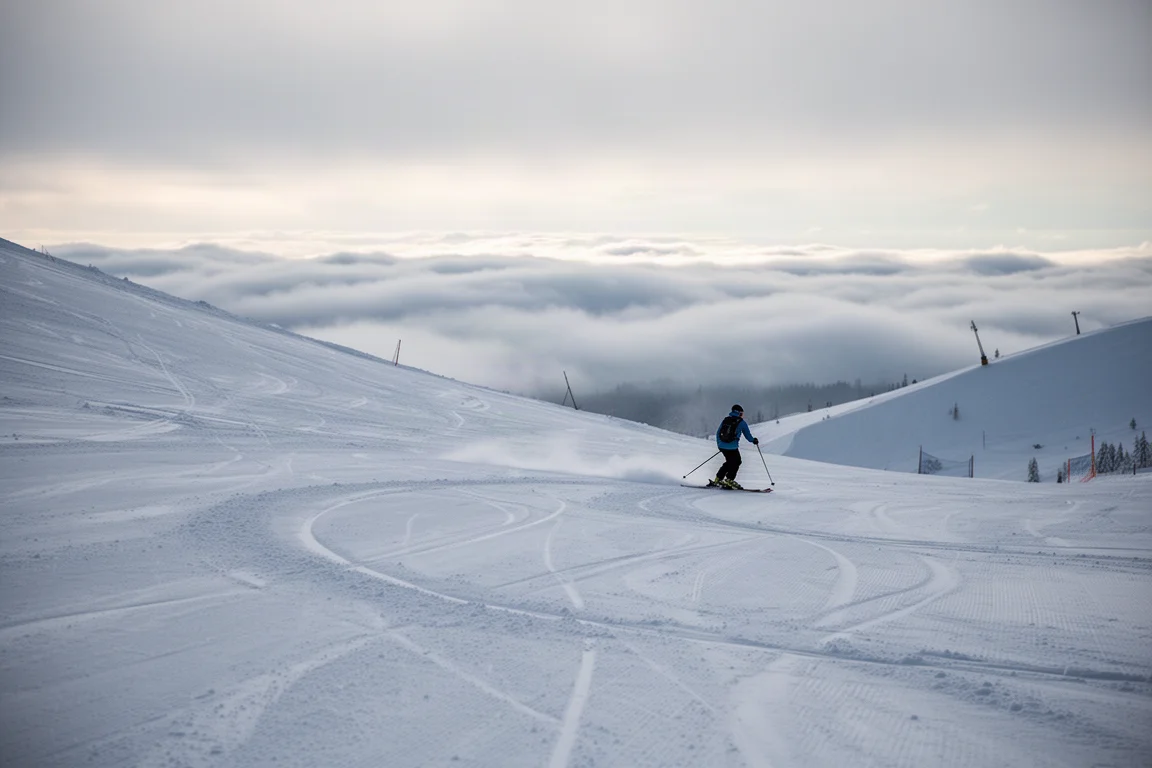
On a bluebird day, 8K and 5.7K Plus both look outstanding. The 8K output is the closest thing to reproducing what you actually see while skiing, with enough resolution to hold detail in distant ridgelines and snow texture even after you crop in and reframe.
That extra detail pays off in the edit. Because 360 footage is reframed after the fact, every crop throws away part of the frame. Starting from 8K means a cropped 4K export still looks clean, and you can push the framing further before the image starts to soften. If the mountains look too small or too exaggerated in your final cut, that is a framing decision you can make in post rather than something you have to live with.
The 5.7K Plus mode is the more practical everyday option and looks excellent in sunshine, while 5.7K Active HDR is there for anyone who wants the flatter, more processed look it produces. It is worth knowing that HDR changes the character of the colour, so riders who prefer natural tones may leave it off and rely on the standard modes instead.
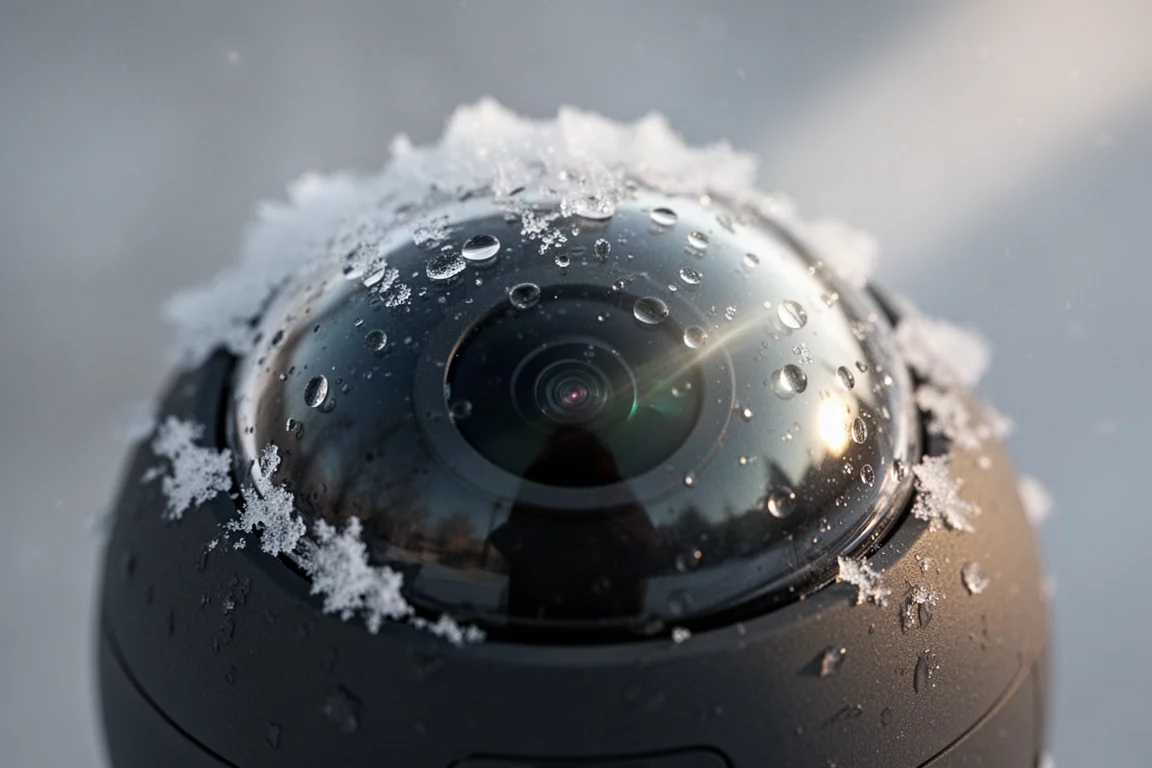
One habit worth repeating: keep the lens clean. Every touch leaves oils on the glass, and snow spray from your own face lands on it constantly. A clear lens is the difference between crisp footage and a soft, smeared frame.
Mounting options and shooting workflow
The X4 works with a range of mounts, and each one produces a distinct look.
The invisible selfie stick is the most versatile. Held out while riding, it vanishes from the 360 frame and leaves footage that looks like it was shot by someone flying alongside you.
The mouth mount is the lowest profile option and the least conspicuous in the final image, which is why it gets used for follow-style shots. The trade-off is comfort. After a run or two the jaw starts to ache, and most riders will not want to wear it all day. It is a tool for short, deliberate sequences rather than a full-day setup.
The head mount sits somewhere in the middle. It stays out of the way, survives a full session of laps, and pairs well with 8K for capturing a rider’s-eye view of a run.
Handling this many mounts means moving quickly between setups, so a simple routine helps: decide the mount before you get on the lift, set the mode at the same time, and confirm the lens is clean before you drop in.
Battery life and file handling
Running the X4 at 8K and 5.7K Plus all day has a real cost in battery. A typical day at these settings can consume two batteries, where a day shot at 5.7K and 30 frames per second usually gets through just one. If you plan to shoot at maximum resolution, carry spares and expect to swap them.
The other consideration is file size. Larger 8K files are the main downside of shooting at the top setting, and they add up quickly across a full day on the mountain.
The workaround is straightforward and it is what makes 8K genuinely usable: edit only the clips or portions of clips you actually want, then export at 4K. You keep the image quality advantage of the larger source file without ever exporting the whole thing. Once the export is done, the original can be cleared from the card, so storage pressure is manageable rather than permanent.
Things to consider before buying
The X4 is at its best in good light. Strong sunshine is where 8K and 5.7K Plus look their most impressive, with crisp detail and clean colour. When the sun disappears behind cloud, the light flattens and the character of the footage changes, so it is worth thinking about how much of your riding happens in overcast or late-day conditions before you commit to maximum resolution as your default.
Battery consumption at 8K is the second thing to plan for. Two batteries per day is a realistic figure if you shoot at the top settings, and that is a small amount of extra weight and cost to factor in.
Comfort is the third. The mouth mount delivers one of the best-looking results of any setup, but it is uncomfortable after a short period. If you already know you dislike wearing anything on your face while riding, budget for that limitation rather than discovering it on the hill.
Finally, be honest about your editing appetite. The X4 gives you enormous freedom in post, and that freedom takes time. Riders who enjoy the editing process get far more out of this camera than those who want finished clips straight from the card.
Buying advice
Buy the Insta360 X4 if you shoot often, ride in bright conditions, and want the maximum amount of detail and framing flexibility from each run. The 8K mode is not strictly necessary for everyone, but on a sunny day it produces footage that stands apart, and the ability to reframe a shot after the fact is a genuine advantage on a mountain where you cannot go back and try again.
Think carefully if your priority is light weight, long battery life, or instant shareable clips. In that case, shooting primarily at 5.7K and 30 frames per second keeps battery use to about a single cell per day and still delivers excellent footage, with the option to push into 8K for the runs that deserve it.
The most sensible setup for most riders sits between those two positions: keep the camera in a moderate mode as your default, switch to 8K and 5.7K Plus when the light is good and the terrain is worth it, carry a spare battery, and clear your card once the good clips are exported.
Conclusion
The X4 does not make 8K a requirement for action footage, but it does make it a genuinely useful option. In strong sunshine, 8K and 5.7K Plus look remarkable, and the freedom to reframe a shot afterwards is the real reason the resolution matters. Accept the larger files and the extra battery demand, export your selects at 4K, and the camera rewards you with footage that holds up long after the season ends.
Product link
View more details for Insta360 X4
This product is mentioned in the review. Check the specifications, options, and compatibility before buying.
View more details for Insta360 X4Further reading
Related Reviews
Action Cameras
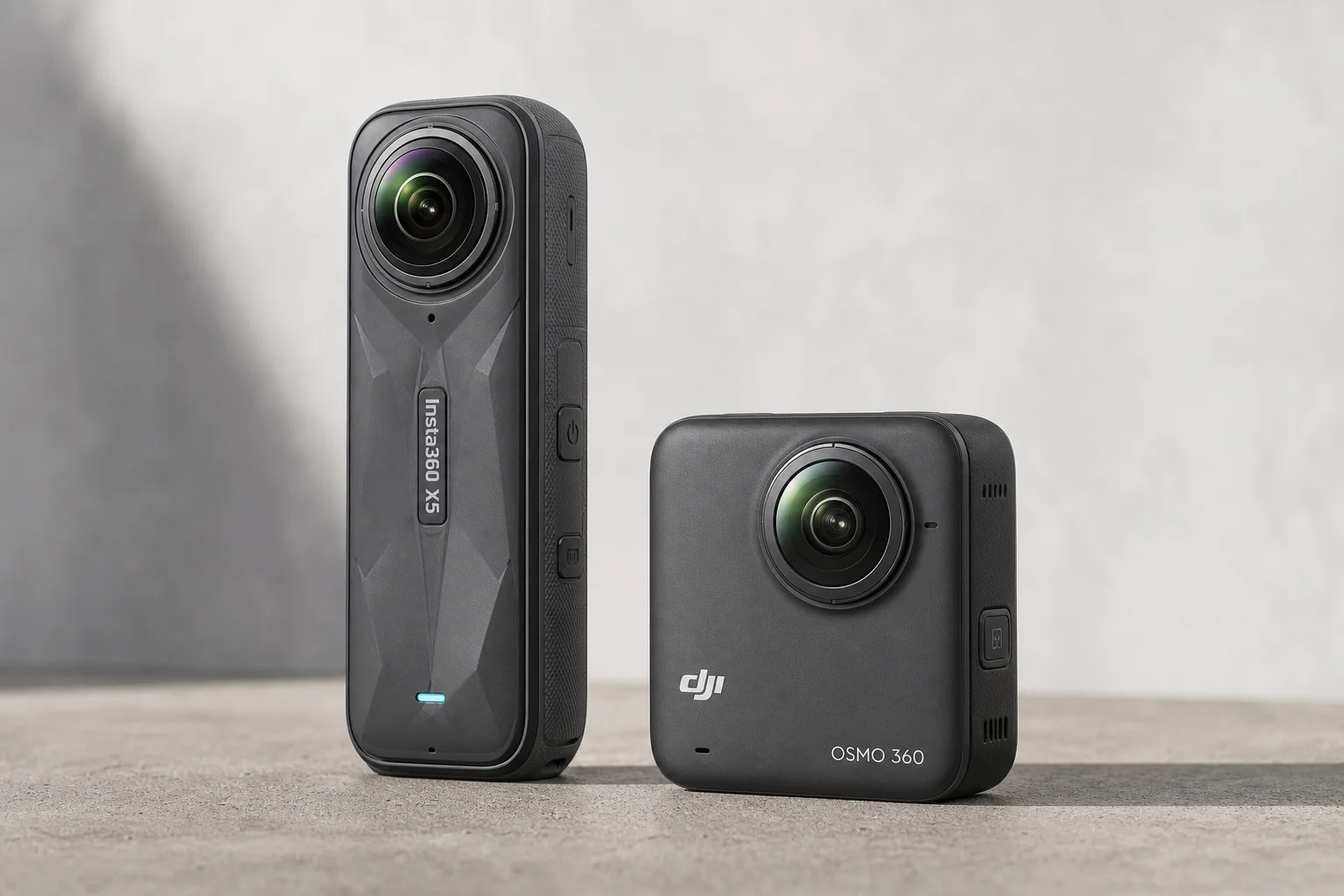
360 Cameras for Adventure Motorcycling: Insta360 X5 vs DJI Osmo 360
Two 360-degree action cameras designed for off-road and adventure riding. A detailed comparison of features, stabilization, and real-world performance for motorcycle touring.
Action Cameras
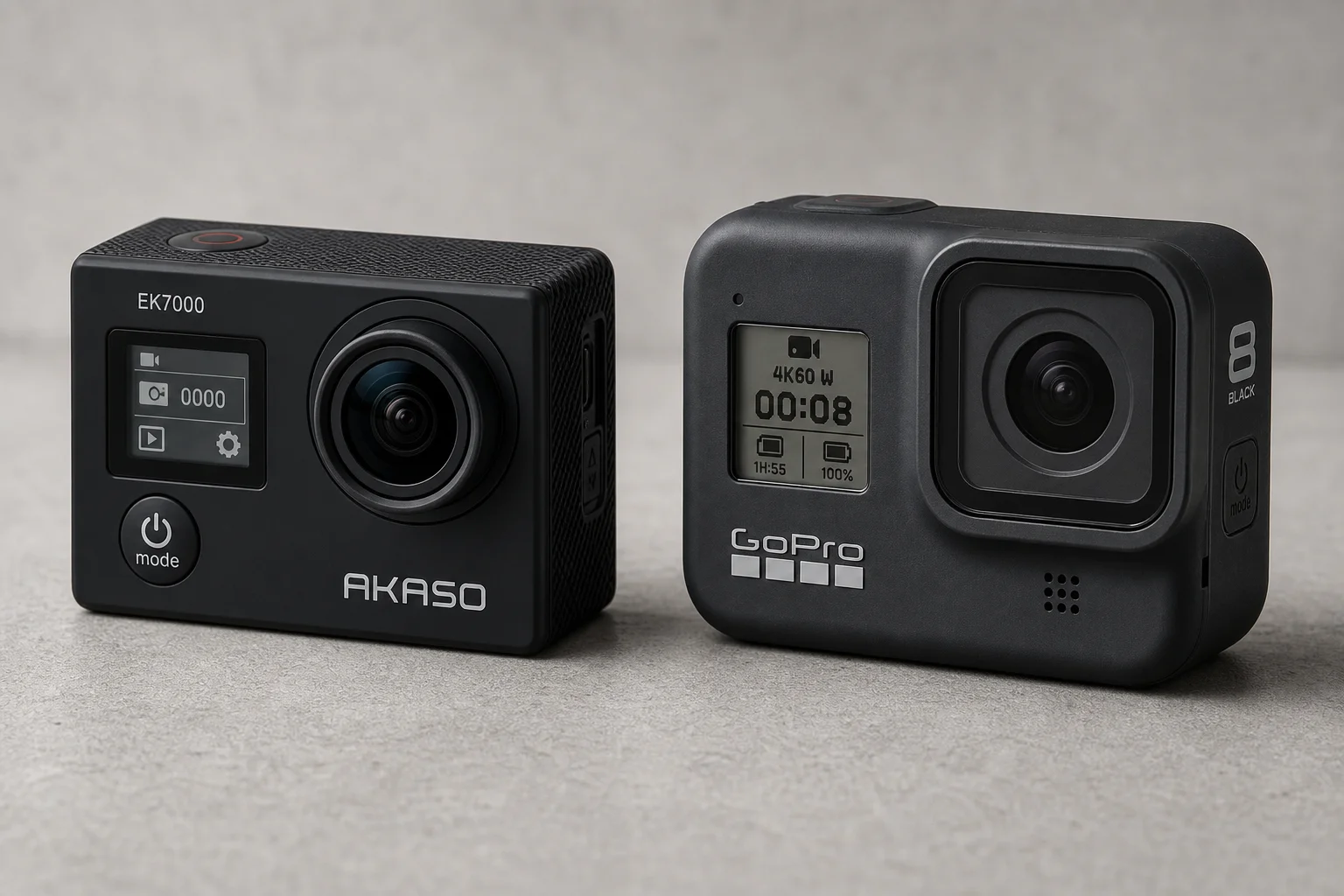
Akaso EK7000 vs GoPro Hero 8 Black: Budget Action Camera Tested
A $50 budget action camera faces off against the GoPro Hero 8 Black. Here's how the Akaso EK7000 really performs in video, audio, and photo quality.
Action Cameras
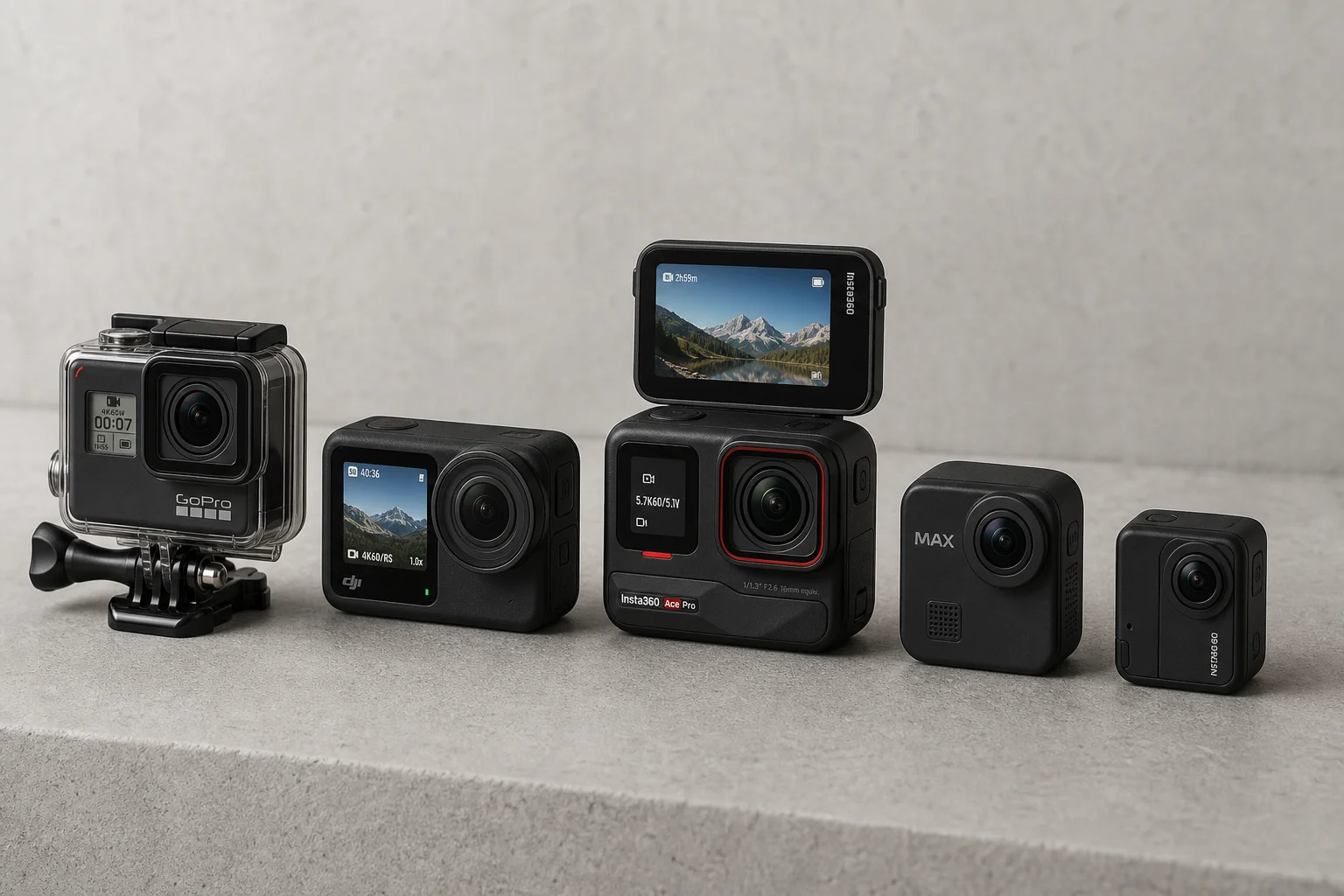
Best Action Cameras 2026: Five Top Picks Ranked
A comprehensive ranking of five action cameras from budget-friendly to premium, covering durability, video quality, stabilization, and low-light performance.