Action Cameras
Insta360 X4 Air vs Insta360 X5: Which 360 Camera Is Right for You?
The compact Insta360 X4 Air brings a lighter build and friendlier price, while the X5 remains the image quality champion. Here is how they stack up.
Introduction
Insta360 has spent years refining its X-series 360 cameras, and each generation has pushed image quality a little further. That progress comes with trade-offs, though: larger bodies, more weight on your helmet, and higher prices. The Insta360 X4 Air is the company’s answer to those complaints. It is the most portable, most compact, and best-value camera in the X-series lineup, while the X5 remains the flagship for people who prioritize image quality above all else. Here is how the two compare and which one makes sense for you.

Design and Weight
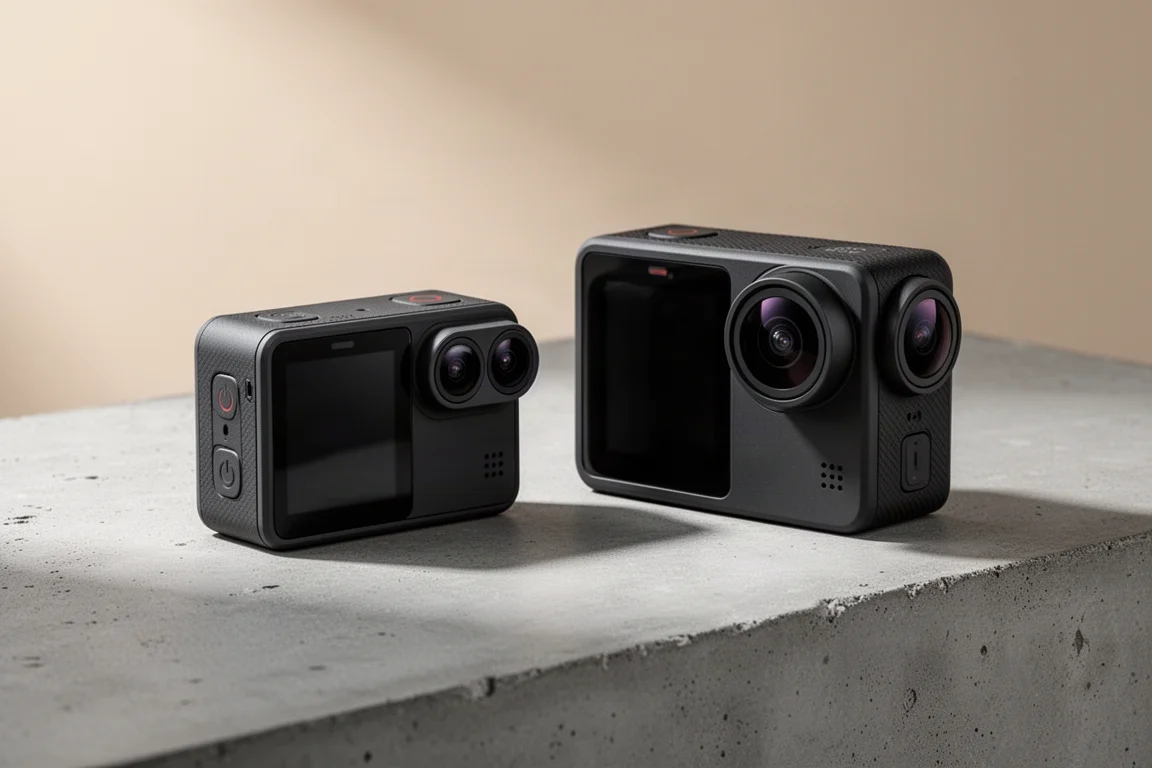
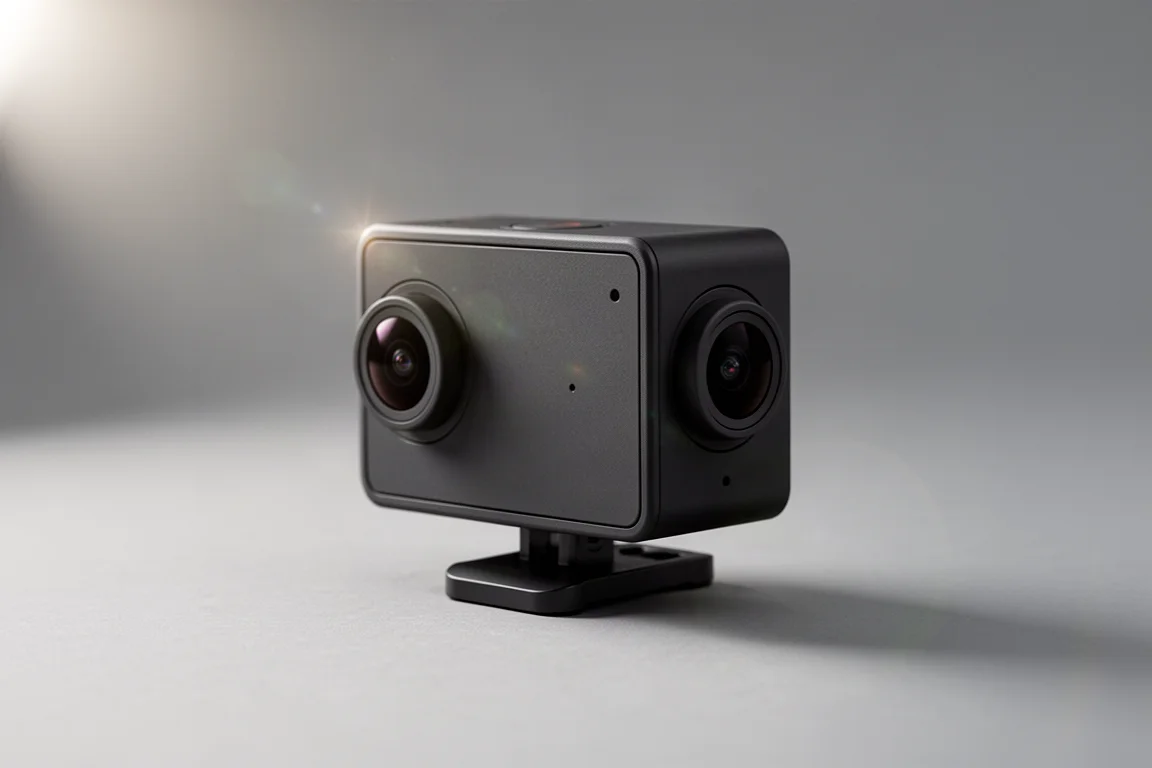
The X4 Air looks similar to other Insta360 cameras, just smaller. The lenses are noticeably smaller, the battery pops out as usual, and the body is a little shorter and sleeker overall. The total weight is 165 g, significantly lighter than the 200 g X5. On a helmet or selfie stick, that difference is easy to feel. The camera is less noticeable when angled forward on your head, and it feels far more approachable for newcomers who are not used to wearing a camera all day.
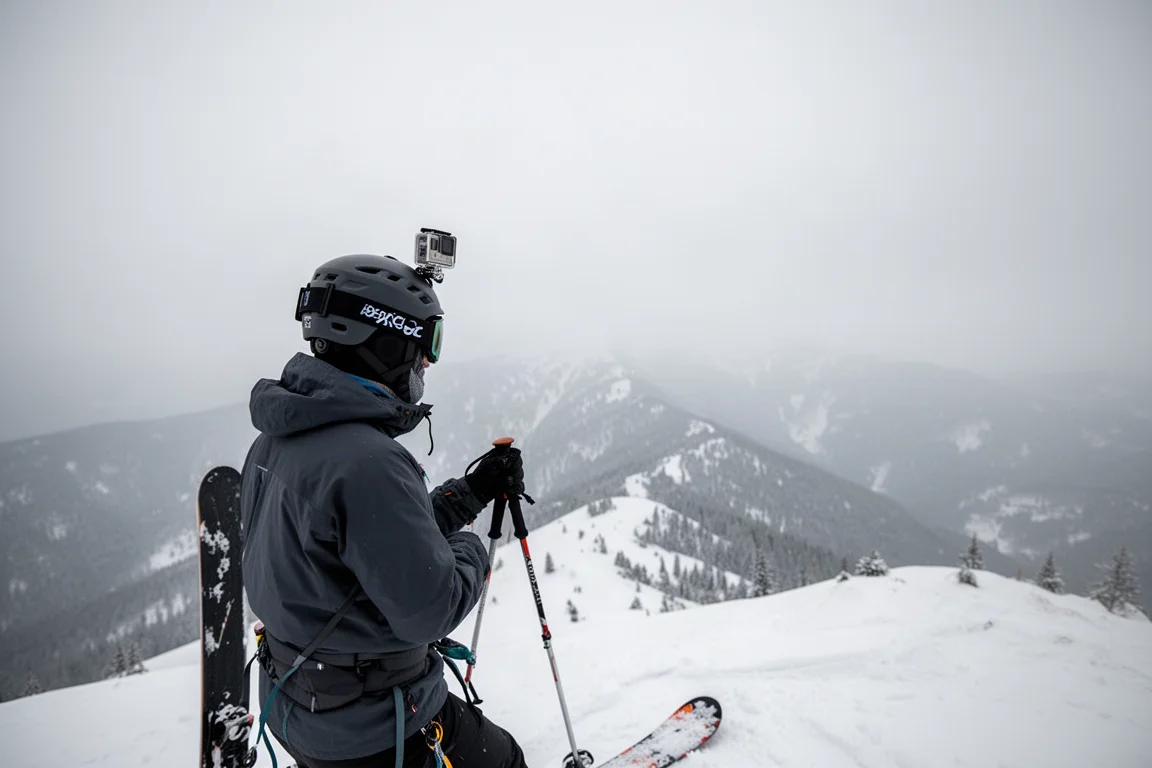
Other familiar elements carry over: a touchscreen that works well for navigation, a record button, side buttons, a charging port, and a built-in internal windscreen for improved audio. Both lenses on the X4 Air are completely replaceable, which makes the camera more durable and lets you take more risks to get the shots you want. Black is the sensible color choice for skiers, since a white camera that drops in the snow is exponentially harder to find.
Image Quality and Filming Performance
In good lighting, the X4 Air looks genuinely solid. Filming in 8K at 30 frames per second on an invisible selfie stick, footage from a sunny morning run looks great, and it would be hard to spot a major difference against the X5. The 6K30 mode in good light also looks excellent, with rich color and well-handled shadows.
Adaptive tone is where things get nuanced. With adaptive tone on in sunny conditions, colors pop beautifully straight out of the camera. In darker or shady conditions, however, adaptive tone footage can look noticeably dark and unnatural. In those situations, it makes sense to switch adaptive tone off and handle color grading yourself.
Audio and the Mic Windshield
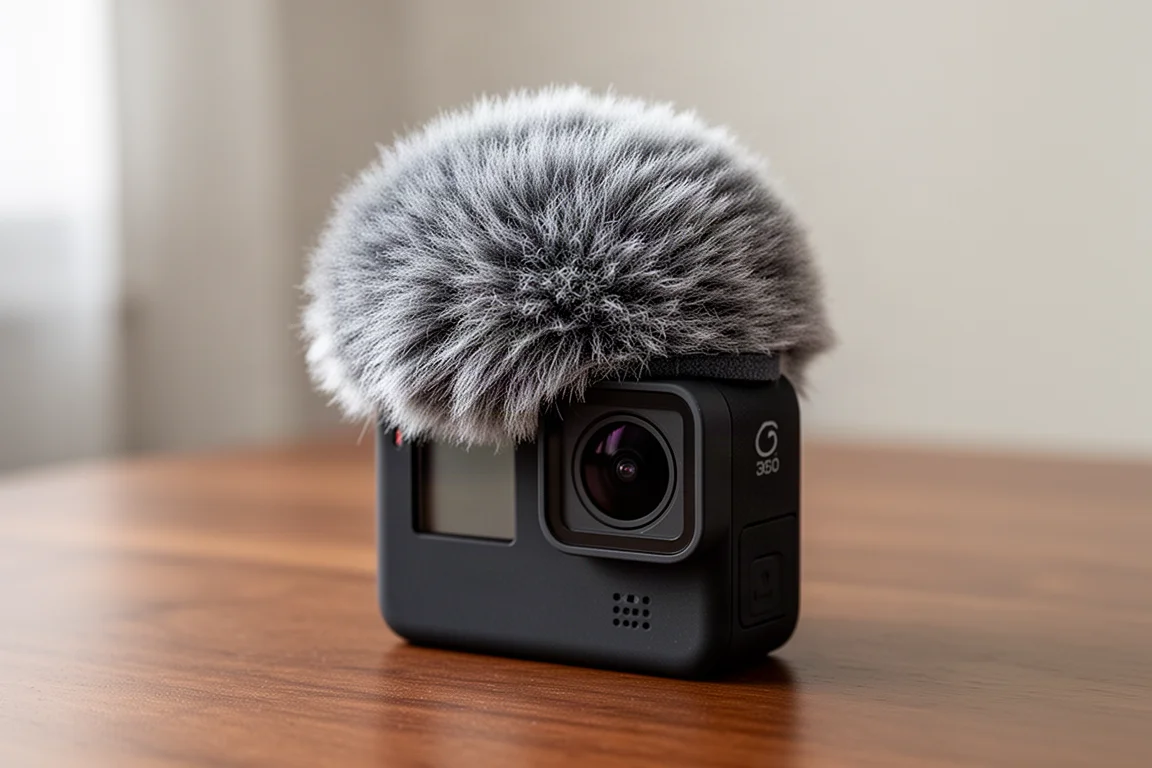
The mic windshield accessory deserves special mention. Fitting one makes your audio sound exponentially crisper, and unlike the foam covers of the past, it actually stays on. For skiing, the recommended setup is the mic windshield combined with wind reduction set to strong, which sounds the best across all scenarios. With that setup, the internal audio is good enough that there is no need for an external mic unless you are moving away from the camera.
Battery Life
The smaller camera means a smaller battery. Filming in 8K at 30 fps, the X4 Air delivers roughly 88 minutes of recording. That is a big step down from the X5, which can manage around 200 minutes at 5.7K 30fps. For a full day of filming, plan on carrying two batteries for the X4 Air, whereas one battery is often enough for the X5. If you only film a few core runs throughout the day, bringing a spare battery makes the difference a non-issue.
X4 Air vs X5: The Head-to-Head
The X4 Air uses dual 1/1.8-inch sensors, which are smaller than the 1/1.28-inch sensor on the X5. The X5 also has two pro imaging chips. In practice, this shows up most clearly in low light: the X5 wins every time when the light drops. In good lighting, both cameras look great, but the X5 simply looks way better out of the box in every ski condition, with footage that is insanely good straight from automatic settings and no color grading required. The X4 Air may need some grading to hit the look you want.
The X5 also offers a pure video mode, which is a massive benefit if you film at night or in cities. The X4 Air does not have that mode. The X5 is the winner in everything except weight and price.
Who Should Buy the Insta360 X4 Air?
The X4 Air is a great fit for someone just starting out with filming. If you want to capture fun moments on the mountain, record family memories, or begin vlogging, it is more than capable of doing all of that extremely well. For anyone new to 360 cameras, it is a strong starter camera. You are not getting the absolute best image quality, but you are getting ease of use, a lighter camera, replaceable lenses, and a lower price point starting at around $399 US. If you are making videos for yourself or for Instagram rather than big productions, the X4 Air is powerful enough for having fun and capturing awesome moments.
Which One Should You Get?
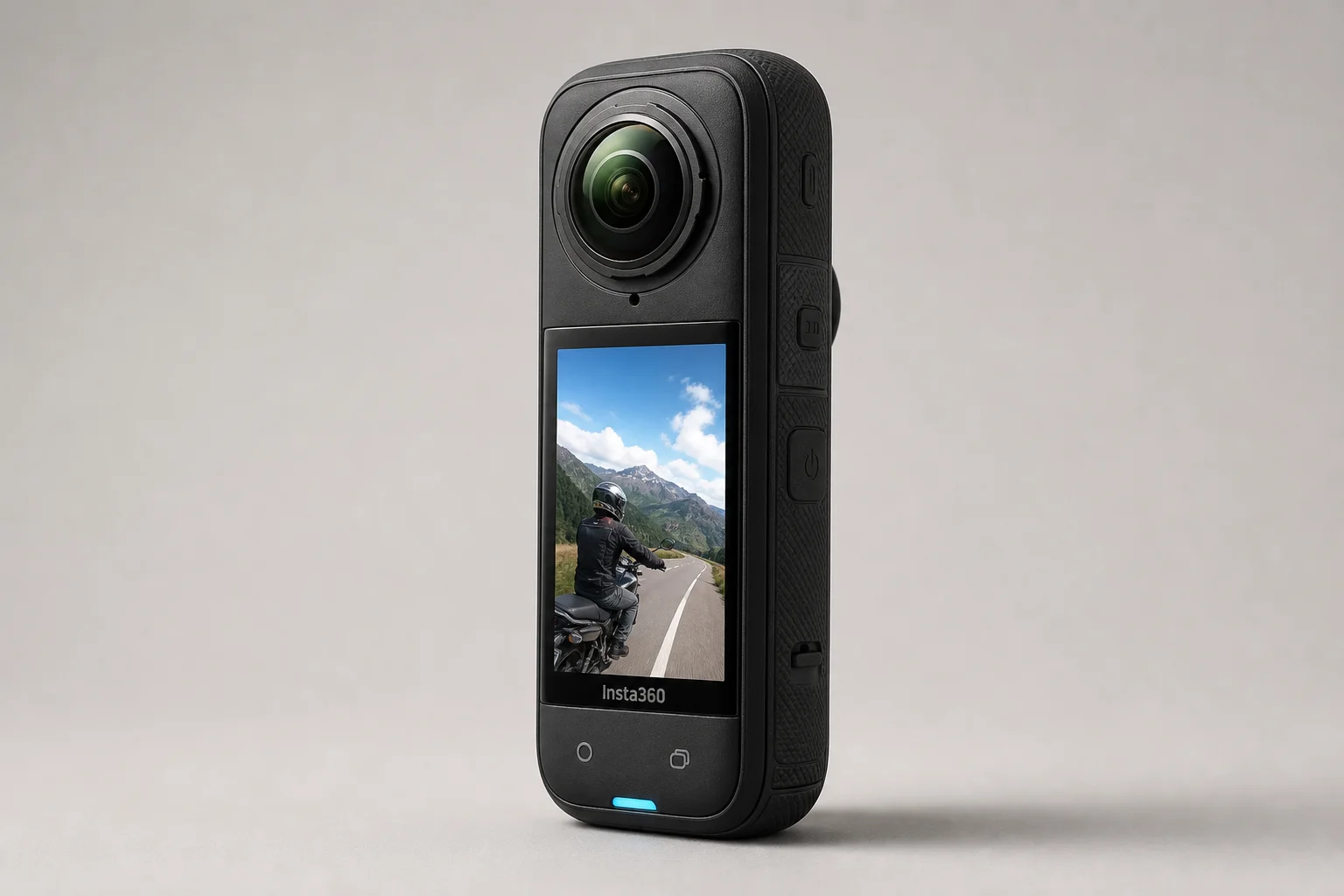
If image quality is your top priority, the X5 is a no-brainer. It is the daily driver for anyone who values performance above all, and its low light capability is leaps ahead of earlier generations. The X4 Air earns its place as a lighter, budget-friendlier alternative: a great first 360 camera, a comfortable pick for new shooters, and an easy backup to keep in the pack. Both options have replaceable lenses, and both offer image quality far beyond what earlier X-series cameras delivered.
Conclusion
The Insta360 X5 remains the image quality champion, especially in low light, while the Insta360 X4 Air delivers most of the X-series experience in a smaller, lighter, and cheaper package. Choose the X5 if you are serious about footage quality; choose the X4 Air if you want a compact, approachable camera at a friendlier price.
Further reading
Related Reviews
Action Cameras
360 Cameras for Adventure Motorcycling: Insta360 X5 vs DJI Osmo 360
Two 360-degree action cameras designed for off-road and adventure riding. A detailed comparison of features, stabilization, and real-world performance for motorcycle touring.
Action Cameras
Akaso EK7000 vs GoPro Hero 8 Black: Budget Action Camera Tested
A $50 budget action camera faces off against the GoPro Hero 8 Black. Here's how the Akaso EK7000 really performs in video, audio, and photo quality.
Action Cameras
Best Action Cameras 2026: Five Top Picks Ranked
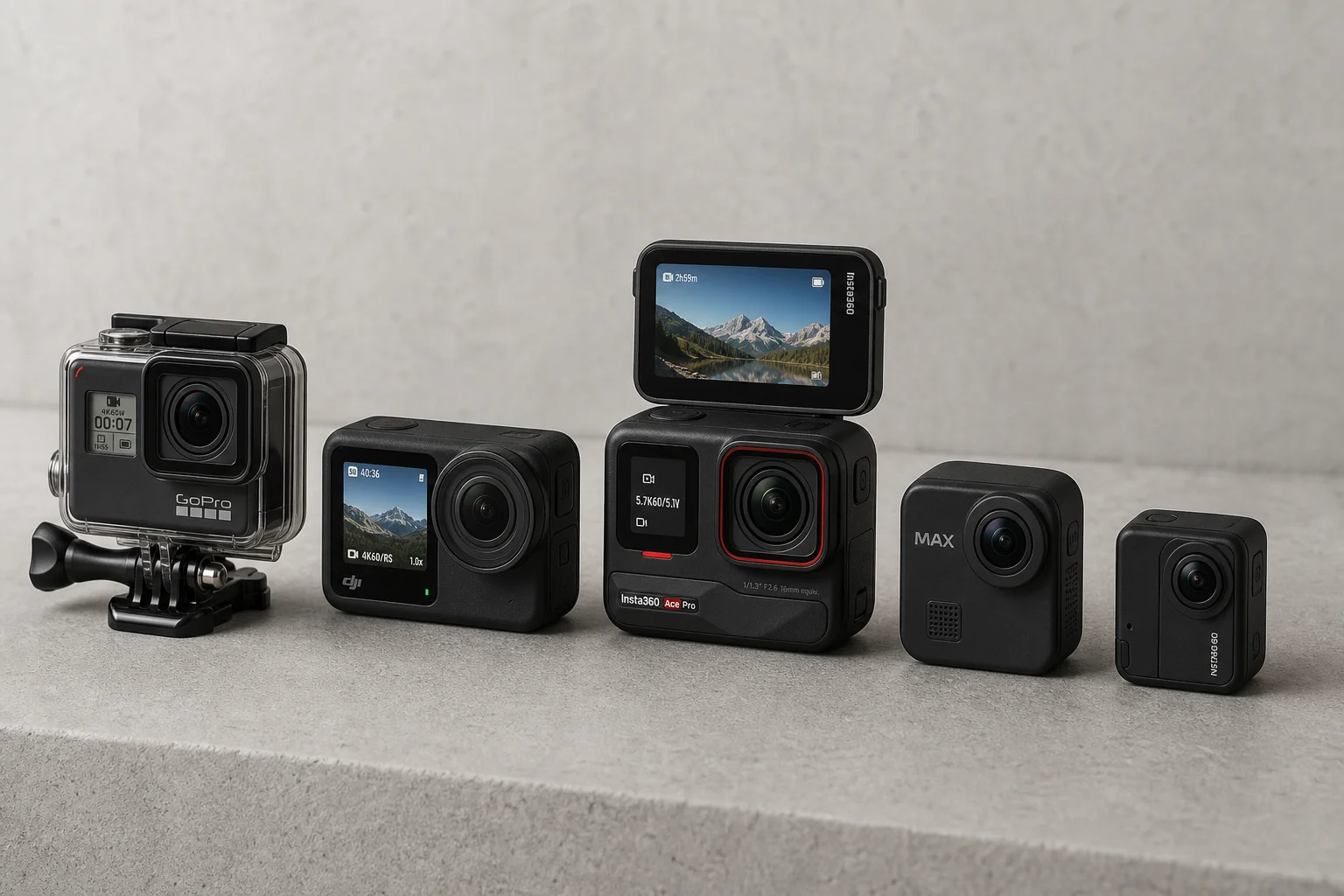
A comprehensive ranking of five action cameras from budget-friendly to premium, covering durability, video quality, stabilization, and low-light performance.